Alaska Trophy Fish Program Explained
There's nothing quite like the thrill of feeling a truly massive fish on the end of your line in Alaska. You've heard the legends, seen the photos, and perhaps even wrestled with a few giants yourself, but how do you officially mark that monumental catch? It can feel a bit like your incredible achievement is just another fish tale without proper recognition. Well, don't worry, because this guide is here to demystify the Alaska Trophy Fish Program, showing you exactly how to get your impressive catch the official recognition it deserves.
What Exactly is the Alaska Trophy Fish Program?
Many anglers come to Alaska dreaming of that "fish of a lifetime," a true monster that pushes their skills and tackle to the limit. For years, capturing such a magnificent creature often meant a photo, a personal story, and perhaps a replica mount. But what if you could have official recognition from the state that your catch truly stood out? That's precisely where the Alaska Department of Fish and Game (ADF&G) steps in with its Trophy Fish Program. It's more than just bragging rights; it's a way to celebrate exceptional angling achievements and contribute valuable data to conservation efforts.
Beyond Just Catching a Big Fish
Let's be honest, we all love a good fish story, especially one about the "one that got away" or the "one that barely didn't." But when you dedicate countless hours, travel long distances, and brave the elements in pursuit of an Alaskan giant, you want that accomplishment to mean something more. The Trophy Fish Program provides that official stamp of approval, elevating your personal achievement to a publicly recognized feat. It's a testament to your skill, patience, and often, a bit of luck. It validates that feeling of triumph when you finally land that beast, whether you choose to keep it or carefully release it back into the wild. It acknowledges the sheer effort and passion that goes into chasing these magnificent creatures in Alaska's wild waters.
Key Components and Eligibility
The program is designed to recognize genuinely exceptional fish across a variety of species found in Alaska's diverse waters. It's open to everyone—residents and non-residents alike, of all ages—who legally catches a fish meeting the minimum size criteria. These aren't just any large fish; they are truly substantial specimens, often at the upper end of their species' typical size range.
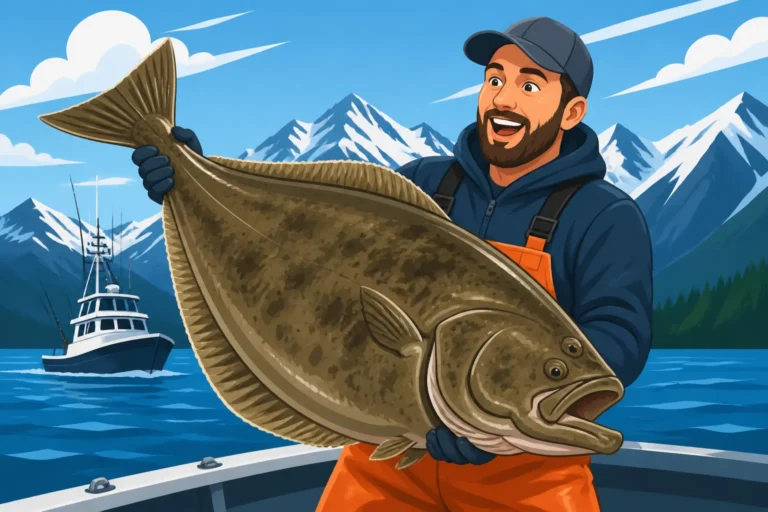
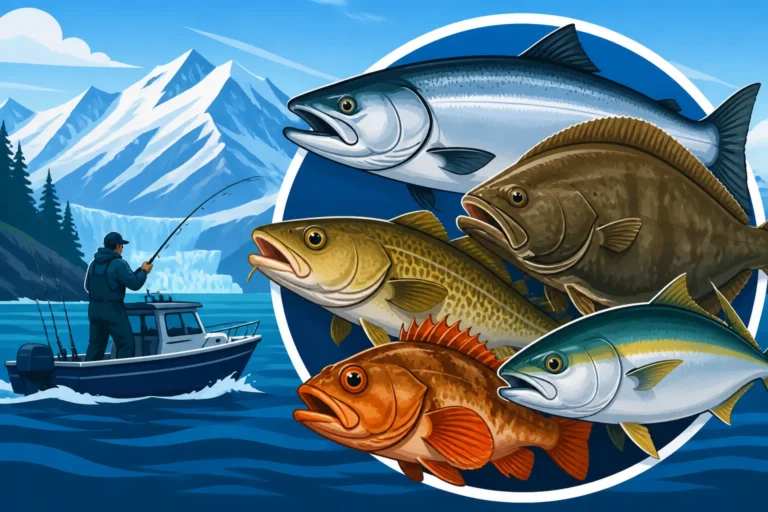
The program includes many popular game fish, from the mighty King Salmon and barn-door Halibut to the stunning Rainbow Trout and elusive Steelhead. Even species like Lingcod, Dolly Varden, and Northern Pike have their own trophy categories, ensuring that no matter what your angling passion, there’s a chance for official recognition. The ADF&G carefully sets minimum length or weight requirements for each species, which are periodically reviewed to ensure they represent truly trophy-sized fish. You'll need to be familiar with these specific requirements for the species you're targeting, which we'll break down a bit further below. Understanding these specific size benchmarks is crucial to ensure your monumental catch qualifies.
How to Participate and Certify Your Trophy Catch
So, you've landed what you believe is a trophy-sized fish. Now what? The certification process is straightforward but requires attention to detail. The ADF&G has established clear guidelines to ensure the integrity of the program, distinguishing between fish that are harvested and those that are released.
The Catch and Release vs. Harvested Fish Distinction
This is where planning ahead truly pays off. The requirements for certifying a trophy fish differ based on whether you choose to harvest your catch or practice catch and release.
For catch and release entries, the emphasis is on accurate measurement and clear photographic evidence. You'll need to measure the fish's total length (from the tip of the nose to the tip of the tail) against a reliable measuring device like a bump board or a tape measure. The photo evidence must clearly show the fish on the measuring device, verifying its length. It's vital that the fish is handled as minimally and carefully as possible to ensure its survival. This means quick measurements, keeping the fish in the water as much as possible, and using wet hands or gloves to protect its slime coat. Many anglers now carry compact, waterproof cameras or even specialized measuring boards with built-in scales that are easy to use and minimize stress on the fish. You can find excellent quality measuring devices and fish-friendly landing nets on Amazon, which can make all the difference for a successful release. Always be sure to follow Alaska Catch-and-Release Best Practices to ensure the fish has the best chance of survival.
For harvested fish, the standard is a certified weight. This means your fish must be weighed on a scale that has been certified as accurate, typically found at a local fish processing plant, tackle shop, or a lodge that offers such services. Along with the weight, you'll also need to provide length measurements. The accuracy of the scale is paramount, so don't try to estimate. This process is often simpler in terms of photographic evidence, as the physical fish and its certified weight ticket speak for themselves. Be mindful of Alaska Fishing Limits and Bag Limits Explained before deciding to harvest any fish.
The Application Process: Step-by-Step
Once you have your evidence, it's time to complete the official application.
- Obtain the Application: You can usually find the official Alaska Trophy Fish Application form on the ADF&G website or pick one up at various ADF&G offices around the state, as well as many fishing lodges and tackle shops.
- Fill Out the Details: The form will ask for comprehensive information, including:
- Your personal details (name, address, contact).
- Date and location of the catch (be as specific as possible – e.g., "Kenai River, approximately 2 miles upstream from Soldotna").
- Species of fish.
- Length and/or weight of the fish.
- Method of capture (e.g., spin fishing, fly fishing, trolling).
- Name of your guide or charter (if applicable).
- Names and contact information of any witnesses.
- A brief description of the fishing experience.
- Attach Evidence: This is where your photos, copies of certified weight tickets, or other documentation come in. Ensure the photos are clear, in focus, and adequately display the measurement or the fish itself.
- Submission: The completed application and all supporting materials must be submitted to the ADF&G within a specified timeframe, usually by the end of the calendar year in which the fish was caught, or shortly thereafter. Check the current year's guidelines for exact deadlines. The ADF&G reviews each application meticulously to confirm all criteria are met before officially awarding trophy status. This rigorous process ensures the integrity and prestige of the program.
Remember, honesty and accuracy are key. Any discrepancies can lead to disqualification.
Benefits of Earning an Alaska Trophy Fish Award
Beyond the immediate thrill of catching a truly magnificent fish, achieving an Alaska Trophy Fish Award comes with a host of satisfying benefits, both personal and communal. It transforms a memorable angling experience into a recognized achievement.
Recognition and Bragging Rights
Let's face it, we all love to share our successes, and what better way to do it than with an official certificate and a commemorative pin? When your application is approved, ADF&G will send you a handsome certificate acknowledging your trophy catch. Depending on the species and size, you might even receive a specially designed pin. Your name and the details of your catch will also be listed on the ADF&G website, permanently enshrined in the annals of Alaska's angling history. This official recognition provides undisputed bragging rights among your fishing buddies and family. Imagine showing off that certificate while recounting the epic battle you had with a Alaska King Salmon: Complete Guide on the Kenai River, or the sheer muscle it took to haul in a Alaska Halibut: Complete Guide from the deep waters near Homer. It’s a tangible symbol of a truly exceptional day on the water, solidifying your place among Alaska's accomplished anglers.
Contributing to Conservation and Data Collection
While the personal glory is certainly a huge draw, participating in the Trophy Fish Program also serves a far greater purpose: contributing to the vital conservation efforts of Alaska's fisheries. Every submitted application provides invaluable data to the ADF&G. This information helps fisheries biologists better understand fish populations, growth rates, geographic distribution of larger specimens, and the overall health of specific fisheries.
For instance, knowing where and when large Alaska Rainbow Trout Guide are being caught can help inform decisions about stream closures, catch limits, or habitat protection. Data on trophy Alaska Lingcod Fishing Regulations and Limits can help guide commercial and sport fishing management strategies in the Gulf of Alaska. This information is crucial for adaptive management, especially in the face of changing environmental conditions or fluctuating fish runs. When you participate, you're not just celebrating your catch; you're actively helping to ensure that future generations of anglers will also have the opportunity to pursue their own trophy fish in Alaska. Your participation becomes a direct investment in the long-term sustainability of these incredible natural resources.
Tips for Landing a Trophy Fish in Alaska
Catching a trophy fish isn't just about luck; it's a combination of preparation, skill, and being in the right place at the right time. While no one can guarantee a trophy, there are definitely ways to stack the odds in your favor for that dream catch.
Researching Prime Locations and Seasons
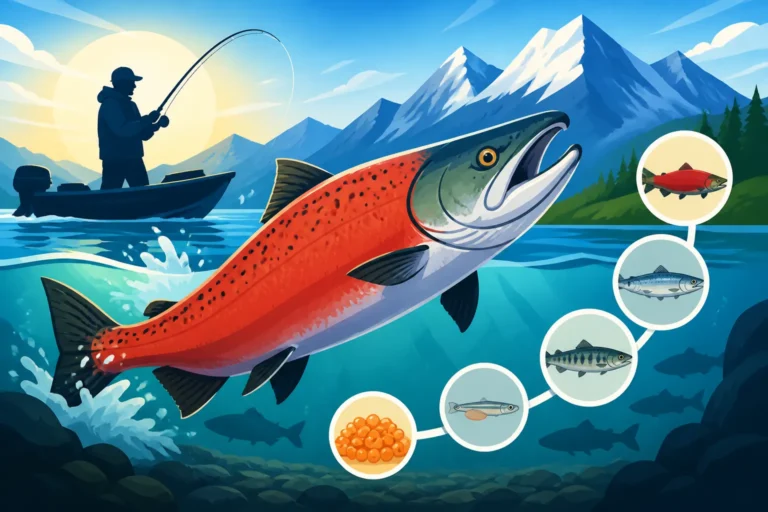
The first step to landing a trophy fish is knowing where and when to find them. Different species have different preferences for habitat, migration patterns, and feeding behaviors, and these often vary significantly throughout Alaska. For example, if you're chasing massive King Salmon, places like the Kenai River (when open and healthy) or certain remote rivers in Bristol Bay are legendary. The Alaska King Salmon Run Timing typically peaks in early to mid-summer. For "barn door" Halibut, you'll want to explore the deep waters off Seward, Homer, or Sitka, often best in mid-summer months. You can find comprehensive information in guides like Best Halibut Fishing in Alaska or Best Rivers for King Salmon in Alaska.
Trophy Rainbow Trout, often found in pristine clearwater rivers, are frequently targeted during late summer and fall when salmon eggs are abundant. Regions like the Bristol Bay drainages are world-renowned for their massive trout. Understanding the Alaska Salmon Run Timing Explained for all species will dramatically increase your chances of being present during peak activity. Always check the current Alaska Fishing Emergency Orders Explained and regulations for your target species and region, as seasons and limits can change rapidly based on conservation needs. This diligent research helps you narrow down your search and maximize your time on the water.
Essential Gear and Techniques
Landing a trophy fish means your gear needs to be up to the task. This isn't the time for lightweight tackle designed for panfish. You'll need robust rods, strong reels, and durable line that can withstand immense pressure. For large salmon, a heavy-action rod paired with a high-quality baitcasting or spinning reel spooled with 30-50 lb braided line is often a good starting point. For monster halibut, even heavier gear is required, often with 80-130 lb braided line and specialized bottom fishing rods. Make sure your leaders and hooks are equally strong and sharp. Many anglers stock up on durable gear, and you can find a wide selection of robust rods, reels, and high-strength fishing line perfect for Alaska's giants on Amazon.
Beyond the gear, mastering the right techniques is critical. For King Salmon, back-trolling with Kwikfish, drifting with bait, or even fly fishing with heavy sink tips are popular methods. For Halibut, bottom fishing with large lead jigs or bait setups is standard. How to Catch Halibut in Alaska and How to Catch King Salmon in Alaska guides offer detailed insights into these techniques. When targeting trophy Rainbow Trout, fly fishing with egg patterns or streamers, or spin fishing with beads, can be incredibly effective. Always prioritize ethical fish handling; even if you plan to keep your trophy, quick and efficient landing minimizes stress. If you're releasing, a wide-mouthed net, a pair of hook removers, and a readiness to snap a quick photo before careful release are essential. Proper preparation in both gear and technique will undoubtedly increase your chances of success.
Alaska Trophy Fish Program: Common Species Minimums
Please note: These minimums are general guidelines and are subject to change by the Alaska Department of Fish and Game. Always verify current regulations before fishing.
| Species | Minimum Length (Catch & Release) | Minimum Weight (Harvested) |
|---|---|---|
| King Salmon | 45 inches | 50 lbs |
| Coho Salmon | 32 inches | 15 lbs |
| Sockeye Salmon | 28 inches | 10 lbs |
| Halibut | 70 inches | 150 lbs |
| Rainbow Trout | 28 inches | N/A (often C&R only) |
| Steelhead | 30 inches | N/A (often C&R only) |
| Lingcod | 45 inches | 30 lbs |
| Arctic Char | 28 inches | 10 lbs |
| Northern Pike | 40 inches | 15 lbs |
Disclaimer
The information provided in this guide is for general informational purposes only and is subject to change. Fishing regulations, license requirements, and trophy program details are set by the Alaska Department of Fish and Game and can change frequently, often through emergency orders. Always consult the most current official ADF&G regulations booklet, emergency orders, and website before planning your fishing trip to ensure compliance.