Alaska Silver Salmon vs King Salmon Fight
Every angler who dreams of wetting a line in Alaska probably has visions of an epic fight at the end of it. But if you’ve ever wondered which salmon species offers the more thrilling, line-screaming, arm-aching battle—the legendary King Salmon or the acrobatic Silver Salmon—you're not alone. This is a question debated around campfires and on charter boats across the Last Frontier, and understanding the distinct fighting styles of these magnificent fish can dramatically improve your technique and enjoyment. This guide will dive deep into what makes each species a formidable opponent and help you prepare for the unique challenges they present.
The Ultimate Battle: Why Anglers Debate Silver vs. King
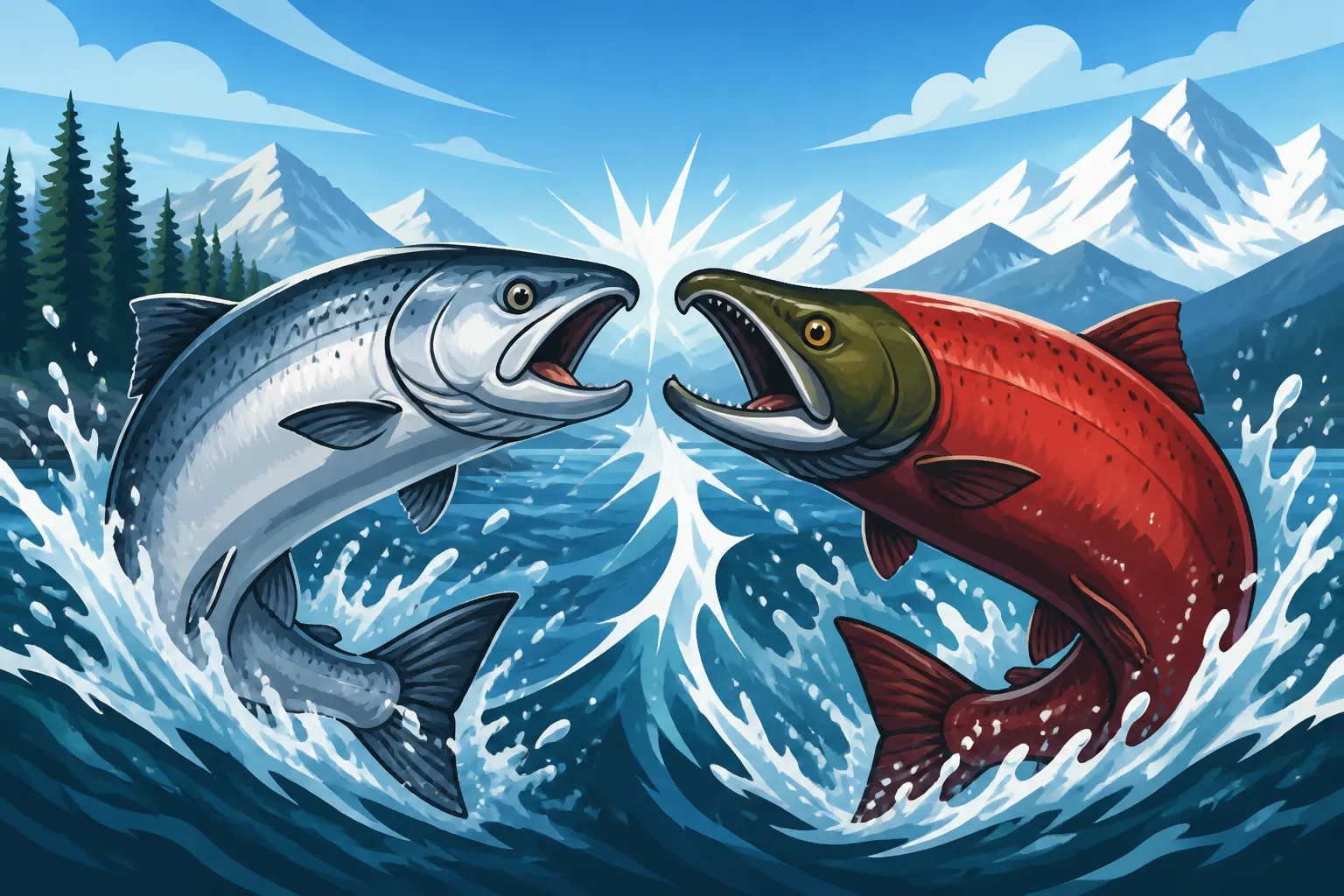
When it comes to the sheer excitement of a fish on the line, Alaska's King and Silver salmon are in a league of their own. They're both incredible adversaries, but their fighting styles are as different as night and day. Anglers often develop a preference, some swearing by the brute force of a King, others reveling in the aerial acrobatics of a Silver. It's not just a matter of size; it's about the entire experience from the take to the net.
The Mythical King: Unrivaled Power and Size
The King Salmon, also known as Chinook salmon, is the undisputed heavyweight champion of Alaskan waters. These fish are renowned for their incredible size and immense power, often tipping the scales well into the 30-50 pound range, with some true monsters pushing past 70 or even 80 pounds. Just imagine hooking into something that big! Their fight isn't about speed or acrobatics; it's about raw, unyielding strength. When a King hits your line, it's often a solid, determined pull that feels like you've hooked a freight train.
The initial run of a King Salmon is legendary. They'll strip line off your reel with a force that can feel impossible to stop, often heading straight for the deepest, darkest parts of the river or ocean. Many anglers describe it as a series of deep, thumping headshakes, trying to dislodge the hook with sheer power. On the Kenai River, for example, battling one of these giants from a drift boat can be an adrenaline-fueled dance between angler, guide, and fish, often testing your tackle to its absolute limits. If you're looking for an unforgettable test of strength and endurance, the King is your fish. You can learn more about these incredible fish in our comprehensive guide, Alaska King Salmon: Complete Guide.
The Agile Silver: Acrobatic Jumps and Endurance
In stark contrast to the King, the Silver Salmon, or Coho salmon, is the undisputed aerial artist and speed demon of the salmon family. While generally smaller than Kings, typically ranging from 8 to 15 pounds, they more than make up for their lack of bulk with sheer athleticism and relentless energy. Hook a Silver, and be prepared for an immediate, explosive display!
Silvers are famous for their spectacular jumps, often leaping clear out of the water multiple times during a fight, shaking their heads violently in an attempt to throw the hook. They are incredibly quick and agile, making sudden changes in direction, darting from side to side, and running both upstream and downstream with surprising speed. Anglers fishing for Silvers in places like Sitka or throughout Prince William Sound often find themselves constantly reeling, ducking, and weaving to keep up with these unpredictable fighters. Their fight is less about brute force and more about quick reflexes, constant pressure, and keeping the line tight through all their acrobatic maneuvers. If you enjoy a dynamic, fast-paced fight that demands your full attention, the Silver Salmon will provide thrills aplenty.
Anatomy of the Fight: What to Expect on Your Line
Understanding the specific tactics each salmon species employs during a fight is crucial for success. It’s not just about having the right gear; it’s about anticipating their moves and reacting accordingly. The wrong response can mean a lost fish and a tale of woe.
King Salmon Fight Dynamics
When a King Salmon takes your bait or lure, you’ll usually feel a strong, deliberate pull. There might not be an immediate explosive strike like with a Silver; instead, it often feels like you've snagged a log that suddenly decides to move. Once it realizes it's hooked, the fight begins in earnest. Kings are notorious for their powerful, sustained runs. They'll peel line off your reel with incredible speed and force, often heading for deep water or strong current. This is where your drag setting becomes paramount. Too tight, and your line might snap; too loose, and the fish will spool you.
A key characteristic of a King's fight is their deep headshakes. They'll shake their massive heads violently, trying to dislodge the hook with pure momentum and weight. This is why a sturdy rod with good backbone is essential to absorb these shocks and maintain control. You'll often feel every powerful thump through your rod, a thrilling reminder of the raw power you're up against. Getting a large King to the net can be a lengthy process, sometimes 15 to 30 minutes or even longer, especially on heavy current rivers like the Kenai. It’s a grueling test of stamina for both angler and tackle, demanding patience and consistent pressure. To master this, you'll want to review How to Catch King Salmon in Alaska.
Silver Salmon Fight Dynamics
Silvers, in contrast, offer a more aggressive and visually spectacular fight from the moment they strike. The take is often a sharp, hard hit, immediately followed by an explosive run, frequently culminating in a spectacular aerial jump. They will clear the water, shaking their heads vigorously mid-air, a move that often results in throwing the hook if there's any slack in the line. Maintaining a tight line during these jumps is critical.
After the initial burst, Silvers don't give up. They're known for their relentless, sustained fighting power. They might make several short, fast runs, punctuated by more jumps, sudden changes in direction, and quick dives. They’re incredibly agile, often using the current to their advantage, darting under the boat or into snags if you’re not vigilant. The fight with a Silver demands quick reflexes, a fast reel retrieve, and constant engagement. You'll need to pump and reel, keep your rod tip up, and be ready for anything. It’s a dynamic, action-packed battle that keeps you on your toes until the fish is safely in the net. Our article, How to Catch Silver Salmon in Alaska, offers more in-depth strategies.
Gear Up for the Challenge: Rods, Reels, and Lines
Having the right equipment is non-negotiable when targeting these powerful salmon. Trying to land a trophy King with light tackle meant for trout is a recipe for heartbreak and lost fish. Similarly, using overly heavy gear for Silvers can dull the excitement of their dynamic fight. Investing in quality gear is worth every penny when you're battling an Alaskan behemoth.
King Salmon Tackle Recommendations
For King Salmon, you need serious horsepower. Think heavy-duty. Your rod should be a medium-heavy to heavy action, typically 8 to 10 feet long for river fishing, capable of handling 15-30 lb test line or more. Popular choices include sturdy conventional or baitcasting rods from brands like Lamiglas, G. Loomis, or Fenwick, designed to absorb powerful runs and provide the backbone needed to turn a big fish. Many anglers find quality rods from these manufacturers readily available on Amazon.
Your reel needs to be robust, with a smooth, powerful drag system and excellent line capacity. Conventional reels like the Penn Squall or Shimano Tekota are favorites, especially when back-trolling or drift fishing in rivers. For line, 50-80 lb braided mainline is common, often with a 30-50 lb fluorocarbon or monofilament leader. The braid offers incredible strength and sensitivity, while the leader provides some shock absorption and stealth. Leaders should be abrasion-resistant, as Kings can sometimes rub against submerged structures. When it comes to lures and bait, large plugs like Kwikfish, Magnum Wiggle Warts, or cured salmon roe are common, all requiring sturdy hooks that won't straighten out under immense pressure. Check out Alaska Fishing Gear and Tackle Guide for a comprehensive overview.
Silver Salmon Tackle Recommendations
Silvers, while still strong, can be effectively targeted with slightly lighter, more responsive tackle. A medium-heavy spinning or baitcasting rod, usually 7 to 9 feet in length, with a fast action tip, is ideal. This setup allows for accurate casting of lures and provides enough sensitivity to feel those subtle takes, yet still offers plenty of power to control a jumping fish. Many excellent options from brands like Daiwa, Shimano, or St. Croix can be found easily on Amazon, often at various price points.
For reels, a high-quality spinning reel in the 3000-5000 size range, or a baitcasting reel with a fast retrieve ratio, will serve you well. A smooth drag is still critical, but quick line pick-up is key to keeping pace with a darting Silver. For line, 20-30 lb braided mainline with a 15-25 lb fluorocarbon leader is a popular choice. The lighter line maintains sensitivity and casting distance, while the leader offers that crucial invisibility. Silvers are often aggressive, so bright, flashy lures like spinners (e.g., Blue Fox Vibrax, Mepps Aglia), spoons (e.g., Pixee, Koho), or even twitching jigs are highly effective. Their smaller mouths and often lighter bites mean you need sharper hooks that penetrate easily.
| Feature | King Salmon (Chinook) | Silver Salmon (Coho) |
|---|---|---|
| Average Size | 20-50 lbs (can exceed 70 lbs) | 8-15 lbs (can exceed 20 lbs) |
| Fighting Style | Powerful, deep runs; heavy headshakes; brute force | Acrobatic jumps; fast, erratic runs; agile; high endurance |
| Initial Take | Strong, deliberate pull; feels like a snag moving | Sharp, aggressive hit; explosive immediately |
| Primary Challenge | Sheer strength; preventing line breakage/spooling | Keeping line tight during jumps; quick changes in direction |
| Rod Recommendation | Heavy action, 8-10 ft (15-30 lb line rating) | Medium-heavy, 7-9 ft (10-25 lb line rating) |
| Reel Recommendation | Robust conventional reel with strong drag (e.g., Penn Squall) | Fast retrieve spinning or baitcasting reel (3000-5000 size) |
| Main Line | 50-80 lb Braid | 20-30 lb Braid |
| Leader | 30-50 lb Fluorocarbon/Mono | 15-25 lb Fluorocarbon |
| Typical Lures | Large plugs, cured roe, herring | Spinners, spoons, twitching jigs, flies |
| Best For | Anglers seeking a powerful, sustained battle | Anglers seeking a dynamic, acrobatic, fast-paced fight |
Regional Showdowns: Where the Fights Unfold
Alaska is a vast state, and different regions and rivers are famed for particular salmon runs and unique fishing experiences. Knowing where to go for the specific fight you're craving can make all the difference in planning your ultimate Alaskan adventure.
Prime King Salmon Battlegrounds
When it comes to legendary King Salmon fishing, a few names always rise to the top. The Kenai River is arguably the most famous, holding the world record for the largest King Salmon ever caught on sportfishing tackle – a staggering 97 pounds, 4 ounces! While that fish was caught decades ago, the Kenai still produces giants, particularly during the late June and early July second run. Fishing the Kenai often involves back-trolling large plugs or cured eggs from a drift boat or power boat, meticulously working runs and holes. The sheer power of a Kenai King in that fast current is something you have to experience to believe. Our Kenai River Fishing: Complete Guide has all the details.
Another powerhouse for Kings is the Nushagak River in Bristol Bay. While often associated with its incredible sockeye runs, the "Nush" also boasts one of the largest King Salmon returns in the world. Anglers here often fish from anchored boats, back-trolling or plunking eggs, or from jet boats using bait and lures. The remote setting and sheer abundance of fish make for an unparalleled wilderness fishing experience. Further south, the Kasilof River, often overlooked in the shadow of its larger neighbor, the Kenai, provides excellent King Salmon opportunities, especially for those seeking a less crowded, more intimate drift boat experience. You can specifically target Alaska King Salmon: Size, Season, and Where to Catch in these iconic locations.
Top Silver Salmon Arenas
While Silvers can be found throughout Alaska, certain areas are particularly renowned for their explosive Coho action. The Kasilof River shines for Silvers later in the season, typically August and September, offering a great chance to combine both King and Silver fishing if your trip is timed right. The more manageable size of the Kasilof makes it fantastic for drift fishing with lighter gear, perfectly suited for the Silver's dynamic fight.
For saltwater Silver Salmon action, Southeast Alaska, particularly around Sitka, is an absolute mecca. Here, anglers troll with flashers and spoons in the nutrient-rich waters of the Pacific Ocean. When a school of Silvers hits, it's often multiple hook-ups, leading to chaotic and incredibly fun battles with fish leaping all around the boat. Charters out of Sitka are popular for this very reason, offering fantastic opportunities to fill your cooler and experience that distinct aerial show. You can find more details in our Sitka Fishing Guide.
The waters of Prince William Sound and Resurrection Bay near Seward also offer phenomenal Silver Salmon opportunities, especially from late July through September. Whether you're trolling in the saltwater or casting spinners from shore in the numerous feeder streams, Silvers are abundant and eager to bite. Even smaller road system rivers like the Susitna River drainage offer fantastic Silver Salmon action, often attracting anglers looking for easily accessible, high-energy fishing. These areas provide excellent opportunities to target Alaska Coho Salmon: Size, Season, and Where to Catch. Ultimately, many of these are among the Best Salmon Fishing Rivers in Alaska.
The Thrill of the Catch: King vs. Silver, Which Is For You?
So, who wins the "Alaska Silver Salmon vs King Salmon fight" in terms of angling excitement? The truth is, it's a draw, and entirely depends on what kind of battle you're looking for.
If you dream of that heart-stopping, muscle-straining tug-of-war with a truly massive fish, the kind that leaves your arms aching and your adrenaline pumping for hours, then the King Salmon is your ultimate prize. Its raw power, deep runs, and sheer size offer an unparalleled challenge of strength and perseverance. There's nothing quite like the feeling of landing a huge King, knowing you've battled one of the ocean's most formidable freshwater migrants. If you're looking for the Best Fighting Fish in Alaska, the King is a top contender.
However, if you thrive on fast-paced action, spectacular aerial displays, and a fish that demands quick reflexes and constant engagement, then the Silver Salmon will deliver a fight you'll never forget. Their acrobatic jumps, lightning-fast runs, and unpredictable changes of direction make every moment an exhilarating challenge. It’s a dynamic, visual spectacle that often results in multiple hook-ups and non-stop excitement.
Ultimately, whether you prefer the powerful slugfest of a King or the flashy acrobatics of a Silver, Alaska offers incredible opportunities to experience both. Many anglers strategically plan their trips to coincide with the runs of both species, ensuring they get to experience the best of both worlds. The real winner in this debate is the angler who gets to experience the wild, untamed fights that only Alaska can offer. Don't forget that other salmon like the Sockeye also put up a fantastic fight, so be sure to check out Alaska Sockeye Salmon Explained for another exciting option!
Disclaimer
Please remember that fishing regulations in Alaska can change frequently due to emergency orders and conservation efforts. Always consult the most current Alaska Department of Fish and Game (ADF&G) regulations before heading out on your fishing trip. This guide is for informational purposes only and does not supersede official ADF&G regulations.