Where to Catch Halibut in Alaska
Fishing for halibut in Alaska isn't just a trip; it's often a lifelong dream, a quest for that legendary "barn door" that will challenge every fiber of your being. But when you look at the sheer size of Alaska, trying to pinpoint where these magnificent flatfish actually live can feel like an impossible task. It’s not like they hang out in every puddle! This comprehensive guide will demystify the search, leading you straight to the most renowned and productive halibut grounds across the Last Frontier, ensuring your Alaskan fishing adventure is as epic as the fish you're after.
Alaska's Premier Coastal Regions for Halibut
When it comes to Pacific halibut, Alaska offers an unparalleled fishery. These incredible fish thrive in cold, nutrient-rich waters with plenty of varied bottom structure. While you might theoretically find halibut almost anywhere along Alaska's vast coastline, some regions are unequivocally superior, drawing anglers from around the globe. Understanding these general regions is your first step to narrowing down your search for that trophy catch.
Southcentral Alaska: The Epicenter
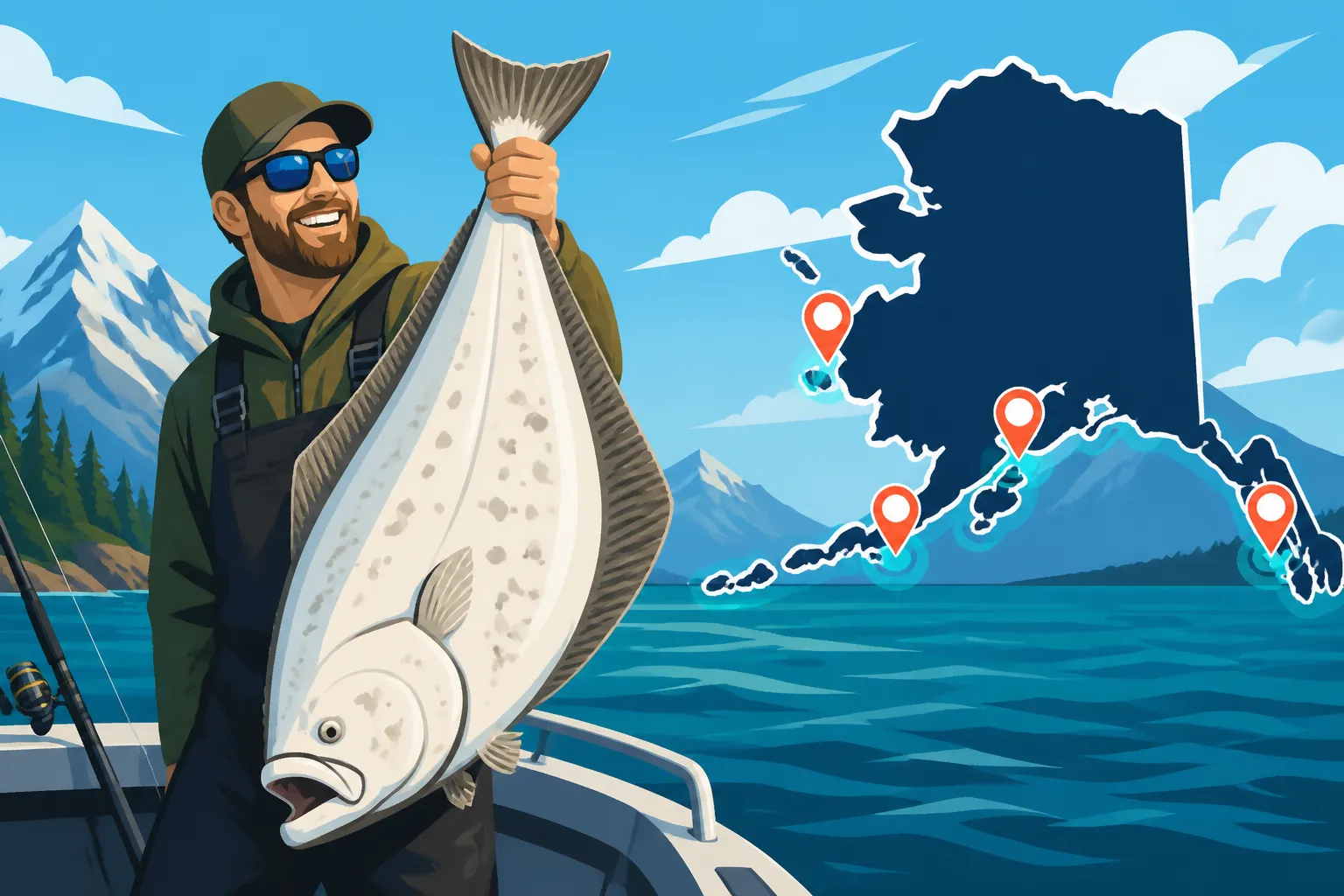
Southcentral Alaska, particularly the Kenai Peninsula and Prince William Sound, is often considered the heartland of Alaska's halibut fishery. This region benefits from easy accessibility via Alaska's main road system, making it a popular choice for both seasoned Alaskans and visiting anglers. The towns of Homer, Seward, and Valdez serve as bustling hubs, offering a myriad of charter services, fishing lodges, and amenities. The waters here are characterized by deep fjords, vast bays, and intricate underwater topography, creating ideal hunting grounds for halibut. The confluence of oceanic currents bringing abundant baitfish into these areas further solidifies Southcentral as a prime location. Many anglers planning a trip will find a great resource in our guide to Best Fishing Spots in Alaska, which often highlights this area.
The deep waters of Cook Inlet and Kachemak Bay, leading out from Homer, are legendary for their halibut populations. Further east, Prince William Sound, accessible from Seward and Valdez, offers a different, often calmer, but equally productive fishing experience. These areas are heavily managed to ensure sustainability, so understanding the Alaska Halibut Fishing Regulations and Limits is crucial before you cast a line. The sheer volume of halibut caught here annually is staggering, and the infrastructure built around the fishing industry means you’ll find plenty of resources, from bait shops to fish processing facilities, making your trip smoother.
Southeast Alaska: Abundant Waters
Moving south and east, the Inside Passage of Southeast Alaska offers another world-class halibut fishery. Cities like Sitka, Juneau, Ketchikan, and Petersburg are well-known gateways to these productive waters. Unlike the road-accessible areas of Southcentral, Southeast Alaska is primarily accessed by air or sea, giving it a more remote and wild feel. The geography here is a labyrinth of islands, deep channels, and rocky pinnacles – perfect ambush points for halibut.
The waters of Southeast Alaska are generally deeper and often less crowded than some of the more accessible Southcentral spots. This can lead to a more solitary fishing experience, often yielding very large fish. Anglers here often target halibut as part of a multi-species trip, combining it with salmon, rockfish, and lingcod. The sheer abundance of marine life in these rich, protected waters makes for an incredible fishing adventure, whether you're after "chicken" halibut or a true "barn door." The local knowledge of guides in these areas is invaluable, helping you navigate the complex underwater terrain to find the most productive drifts.
Kodiak and the Alaska Peninsula: Wilderness Giants
For those truly seeking a wild, remote, and potentially record-breaking halibut experience, the waters surrounding Kodiak Island and extending along the Alaska Peninsula are a dream come true. These areas are far less populated and require a greater commitment to reach, usually involving flights to remote towns like Kodiak or King Salmon, followed by smaller charter planes or boats to reach specific fishing lodges or destinations. This remoteness often translates into less fishing pressure and the opportunity for truly giant halibut.
The convergence of the North Pacific Ocean and the Bering Sea creates an incredibly fertile ecosystem, supporting massive populations of baitfish, which in turn attract large predatory fish like halibut. While the weather can be more unpredictable here, the rewards can be immense. Trophy-sized halibut, often exceeding 100 pounds, are not uncommon. These expeditions are usually multi-day affairs, often involving stay-at-lodges or extended charter trips. It’s an adventure for those who crave the untamed wilderness and the chance to battle truly monstrous fish.
Top-Tier Halibut Hotspots to Target
While regional understanding is a good start, knowing the specific towns and bays that have earned their reputation as halibut havens is key. These spots aren't just good; they're legendary, offering consistent action and the best chances at a memorable catch.
Homer: The Halibut Fishing Capital of the World
If there's one name synonymous with halibut fishing in Alaska, it's Homer. Situated on the end of the Homer Spit, a long finger of land reaching into Kachemak Bay, this town proudly proclaims itself the "Halibut Fishing Capital of the World," and for good reason. The waters off Homer, particularly in Cook Inlet, are incredibly productive. The unique bathymetry here, with vast expanses of relatively shallow, nutrient-rich feeding grounds intersected by deeper channels and drop-offs, creates perfect halibut habitat.
A typical day fishing out of Homer involves a run across Kachemak Bay, often heading towards the deeper waters of Cook Inlet. Charters from Homer are abundant and highly experienced, specializing in various techniques for how to catch these bottom-dwelling giants. You'll find yourself fishing over sandy bottoms, gravel beds, and near structure like underwater hills or canyons. The average halibut caught here is a respectable 20-40 pounds, with "barn doors" well over 100 pounds landed regularly. Many anglers specifically travel here just for the halibut, and our detailed Homer Halibut Fishing Guide offers even more insights into what makes this spot so special. Be prepared for a full day on the water, often battling currents, but the rewards are often more than worth the effort.
Seward and Valdez: Gateway to Prince William Sound
On the eastern side of the Kenai Peninsula, Seward and Valdez offer excellent access to the vast and stunning Prince William Sound. While Seward is famous for its proximity to Resurrection Bay and open ocean halibut grounds, Valdez provides access to the inner sound, which still holds plenty of fish. These areas are characterized by deep, protected fjords and rocky bottoms, differing slightly from Homer's more open waters.
From Seward, charters often head out into Resurrection Bay and then further into the Gulf of Alaska, fishing specific halibut holes and banks known for their productivity. The scenery alone in this area is breathtaking, with glaciers calving into the sea and abundant wildlife. Valdez, meanwhile, is a major port and access point for the eastern Sound, and its halibut fishery is robust, often yielding good numbers of fish closer to home, though larger specimens require a longer run. For those looking to combine a scenic cruise with a serious fishing trip, Seward is a top choice, and our Seward Halibut Fishing Guide can help you plan that perfect trip. Both towns offer a strong charter fleet that knows the local halibut grounds intimately.
Sitka and Juneau: Southeast Alaska's Deepwater Havens
Further south in the panhandle, Sitka and Juneau stand out as prime halibut destinations within Southeast Alaska. Sitka, nestled on Baranof Island, offers direct access to the outer coast and the rich, open ocean waters of the Gulf of Alaska. The deep offshore banks and pinnacles near Sitka are prime ambush points for very large halibut, often caught while targeting other species like salmon.
Juneau, the state capital, provides access to a network of deep, intricate channels and bays within the Inside Passage. While the runs to prime halibut grounds can sometimes be a bit longer from Juneau, the rewards are often consistent. The waters here are teeming with marine life, and local guides have honed their skills over generations to find the most productive spots. Anglers often appreciate the diverse fishery in Southeast, where a single day can yield halibut, several species of salmon, and various rockfish. These cities are also great starting points for multi-day Alaska Fishing Charters: Complete Guide that can explore numerous fishing spots.
Here's a quick comparison of some popular halibut fishing locations:
| Location | Primary Access | Typical Depth (feet) | Bottom Type | Notable Features | Average Halibut Size |
|---|---|---|---|---|---|
| Homer | Road | 100-350 | Sandy, Gravel | Cook Inlet currents, abundant baitfish | 20-40 lbs (many >100) |
| Seward | Road | 200-600+ | Rocky, Fjords | Resurrection Bay, Gulf access, scenic glaciers | 30-50 lbs (some >100) |
| Valdez | Road | 150-400 | Muddy, Rocky | Prince William Sound, protected waters | 20-35 lbs |
| Sitka | Air/Sea | 300-800+ | Rocky Pinnacles | Offshore banks, diverse species, large halibut | 40-60 lbs (many >100) |
| Juneau | Air/Sea | 250-700+ | Deep channels, Rocks | Inside Passage, remote feel, good combo trips | 30-50 lbs |
| Kodiak | Air/Sea | 200-900+ | Deep banks, Structure | Remote, less pressure, potential for world records | 50-80 lbs (many >150) |
Understanding Halibut Behavior and Habitat
Knowing where to find halibut isn't just about picking a town; it's about understanding what makes a particular spot attractive to these incredible bottom dwellers. Halibut are masters of camouflage and ambush, and their habitat preferences are quite specific.
Depth, Structure, and Current: What Halibut Prefer
Halibut are primarily found on or near the bottom, preferring areas with varied structure. Think of underwater hills, ridges, rocky pinnacles, and drop-offs that transition from shallower banks to deep canyons. These features provide them with cover and ambush points to surprise passing prey. They also love areas where currents converge or create eddies, as these spots tend to concentrate baitfish. While you might catch a smaller "chicken" halibut in shallower water, the larger, older "barn doors" typically prefer deeper haunts, often ranging from 200 to 800 feet, sometimes even deeper. The depth can vary significantly depending on the specific location and time of year.
The ideal halibut spot isn't just deep; it's dynamic. Look for areas where the seafloor changes dramatically. This could be a rocky reef transitioning to a sandy flat, or a deep channel running alongside a shallower bank. Halibut will often position themselves at the base of these structures, waiting for a meal to drift by. Knowing the bathymetry of a potential fishing ground is critical, which is why good depth sounders and accurate charts are indispensable. Many seasoned anglers will spend hours studying marine charts, and you can even find detailed nautical maps on platforms like Amazon that can help you visualize these underwater landscapes before you even leave home.
Seasonal Movements and Feeding Patterns
Halibut are migratory, and their movements are largely driven by spawning cycles and the availability of food. Generally, as the water warms in late spring and summer, halibut move from their deeper wintering grounds to shallower feeding areas. This is when they are most accessible to recreational anglers. The Alaska Halibut Season Explained typically runs from late spring through early fall, aligning with these feeding migrations.
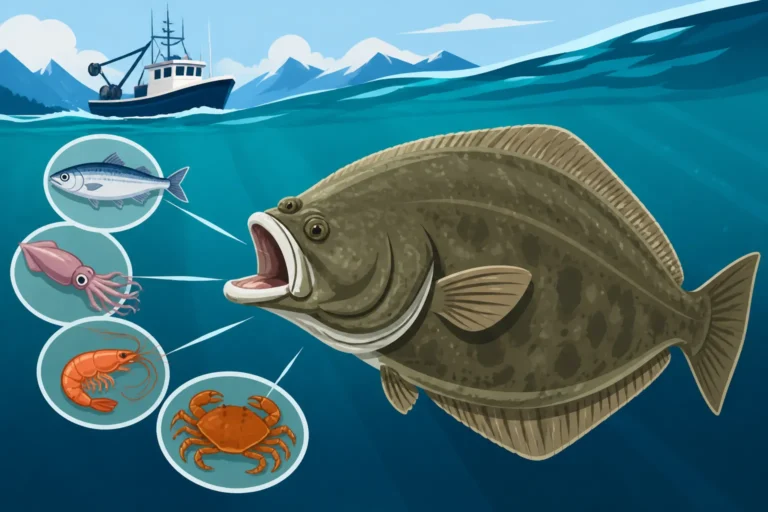
They are opportunistic feeders, preying on a wide variety of fish like cod, Pollock, and herring, as well as octopus, crab, and even other halibut. The presence of abundant baitfish is a major indicator of a good halibut spot. When you're fishing, pay attention to signs of baitfish on your fishfinder. If you see schools of bait, there's a good chance a hungry halibut isn't far behind. Understanding these feeding patterns is a crucial part of knowing How to Catch Halibut in Alaska, as it informs your bait and lure choices. As the seasons progress into fall, halibut will gradually begin their migration back to deeper water for winter, making early season and mid-summer often the most productive times.
Essential Gear and Bait Considerations
To effectively target halibut, you need robust gear. They are powerful fish that live in strong currents, and a lightweight setup simply won't cut it. Heavy-duty conventional rods paired with reels spooled with 80-150 lb braided line are standard. You'll also need heavy sinkers, often 1-3 pounds, to get your bait down to the bottom and hold it there against the current. Large circle hooks, typically 16/0 to 20/0, are preferred for their effectiveness and ability to hook fish in the corner of the mouth, reducing gut hooking.
For bait, large pieces of herring, salmon heads, or even whole octopus are excellent choices. Many anglers also use large jigs, sometimes tipped with bait, to entice a bite. Brands like Mustad offer reliable circle hooks that are perfect for halibut. Having a good variety of Best Lures and Bait for Alaska Halibut on hand is always a smart move, as what works one day might not work the next. Don't forget a sturdy gaff or harpoon for landing larger fish, and a large cooler or fish bag to keep your prized catch fresh. You can find robust coolers suitable for an Alaskan fishing trip readily available on Amazon, ensuring your hard-earned fish makes it home in prime condition.
Planning Your Halibut Expedition
Successfully landing a halibut in Alaska involves more than just showing up at a good spot; it requires thoughtful planning, understanding the regulations, and choosing the right approach for your style of fishing.
Guided Charters vs. Unguided Adventures
For most visitors to Alaska, especially those new to saltwater fishing or the specific challenges of Alaskan waters, a guided charter is the way to go. Experienced captains and crew have intimate knowledge of the best fishing grounds, current halibut hot spots, and the ever-changing Alaska Halibut Daily Limit for Charter Anglers. They provide all the necessary heavy-duty gear, bait, and most importantly, the expertise to put you on the fish. Charters also handle the critical task of safely navigating Alaska's often challenging waters and ensuring all regulations are met. Our Alaska Halibut Charter Guide provides an in-depth look at what to expect and how to choose the right one. While a full-day charter might seem like a significant investment, considering the cost of travel, lodging, and the sheer logistical effort, it often offers the best value for a successful and safe trip. For example, knowing How Much Is a Fishing Charter in Homer, Alaska can help you budget accurately.
For seasoned local anglers or those with their own seaworthy vessels and extensive experience in Alaskan marine conditions, an unguided adventure can be incredibly rewarding. This approach offers unparalleled freedom and the thrill of self-sufficiency. However, it demands a thorough understanding of navigation, marine safety, weather patterns, and all current fishing regulations. The cost of outfitting a boat for halibut fishing, including specialized electronics and safety gear, is substantial. Always prioritize safety, and if you're venturing out on your own, file a float plan and ensure your vessel is equipped for emergencies.
Best Time of Year for Halibut Success
The prime halibut fishing season in Alaska generally runs from May through September, with peak activity usually occurring from June through August. This aligns with the halibut's migration into shallower, more accessible feeding grounds.
- May/Early June: The season kicks off with good fishing as halibut begin to move into feeding areas. Fish can be aggressive after their winter dormancy.
- Mid-June to August: This is the peak season. Halibut are abundant, active, and widely distributed. Weather is generally more stable, and charter availability is at its highest. This is often considered the Best Time to Fish in Alaska for halibut.
- September: Fishing remains strong, often with fewer crowds. As the month progresses, halibut may start their migration back to deeper waters, but large fish are still very possible.
Booking your trip well in advance, especially for peak season dates, is highly recommended, as popular charters fill up quickly.
Regulations and Responsible Fishing Practices
Alaska's fisheries are among the best-managed in the world, ensuring sustainable populations for future generations. However, this means regulations can be complex and change frequently via emergency orders. It is your responsibility to know and follow all current rules. Before any fishing trip, always check the Alaska Department of Fish and Game (ADF&G) website for the latest regulations, emergency orders, and catch limits for your specific area. Learning How to Read the Alaska Sport Fishing Regulations Booklet is a vital skill.
Key regulations often include:
- License Requirements: Everyone needs an Alaska Fishing License: Complete Guide, and specific stamps (like the King Salmon Stamp, even if not targeting kings directly, it's often a combo purchase) might be required.
- Bag and Possession Limits: These specify how many fish you can keep per day and how many you can possess at any given time.
- Size Limits: Halibut often have complex size limits, such as reverse slot limits, where you can keep one fish under a certain size and one over a much larger size, or single-fish limits with specific size windows. Understanding the Alaska Halibut Size Limit Explained is crucial.
- Gear Restrictions: Some areas have restrictions on hook types, bait, or even the number of lines you can use.
Practicing responsible fishing means minimizing harm to released fish, properly handling your catch, and respecting the environment. If you're releasing a halibut, especially a large one from deep water, consider using a descending device to help it survive. These devices are available on Amazon and can make a big difference for deep-water releases. Alaska's fisheries are a precious resource, and adherence to regulations ensures they remain healthy for everyone.
Disclaimer
Fishing in Alaska involves inherent risks, including but not limited to unpredictable weather, dangerous wildlife, and marine hazards. Always prioritize safety, inform others of your plans, and be prepared for changing conditions. The information provided in this guide is for general informational purposes only and should not be considered legal advice or a substitute for consulting official Alaska Department of Fish and Game regulations. Always refer to the most current ADF&G regulations before engaging in any fishing activity.