Alaska Steelhead: Facts and Fishing Tips
For many anglers, the thought of fishing for steelhead in Alaska brings a mix of excitement and a little bit of mystery. These elusive, sea-run rainbow trout are a true challenge, often found in remote, wild rivers, and their behavior can be notoriously difficult to predict. If you've ever felt overwhelmed trying to understand what makes these fish tick, where to find them, or how to even begin tackling them, you're not alone. This comprehensive guide is here to demystify Alaska steelhead, providing you with the essential facts, identification tips, and proven fishing strategies to help you pursue these magnificent fish.
Understanding Alaska Steelhead: What Makes Them Special
Steelhead are, without a doubt, one of Alaska's most revered and enigmatic game fish. They possess an incredible blend of power, beauty, and cunning that captivates anglers worldwide. But what exactly sets an Alaska steelhead apart from, say, a resident rainbow trout? It's a question that puzzles many, and the answer lies deep in their unique life history and adaptations to the Last Frontier's rugged environment.
The Anadromous Life Cycle
At the heart of a steelhead's identity is its anadromous nature. This means, like salmon, they are born in freshwater rivers, migrate to the ocean to grow large, and then return to their natal rivers to spawn. This journey to the sea imbues them with incredible strength and resilience, far exceeding that of their resident counterparts. A typical steelhead will spend one to four years in freshwater as a juvenile, then one to five years in the ocean, sometimes even more. During their time in the ocean, they pack on significant size and muscle, feeding on rich marine forage before making their epic journey back upstream.
Unlike salmon, which typically die after spawning, steelhead are iteroparous, meaning they can survive spawning and return to the ocean, only to come back and spawn again in subsequent years. This makes them truly special, a testament to their incredible will to survive. Imagine the sheer strength required to endure the ocean's vastness, navigate back through powerful currents, and then reproduce, only to do it all over again. It’s this multi-year spawning potential that adds another layer of intrigue and value to each fish. Understanding this cycle is crucial to appreciating why catching an Alaska steelhead feels like such an accomplishment.
Unique Characteristics and Behavior
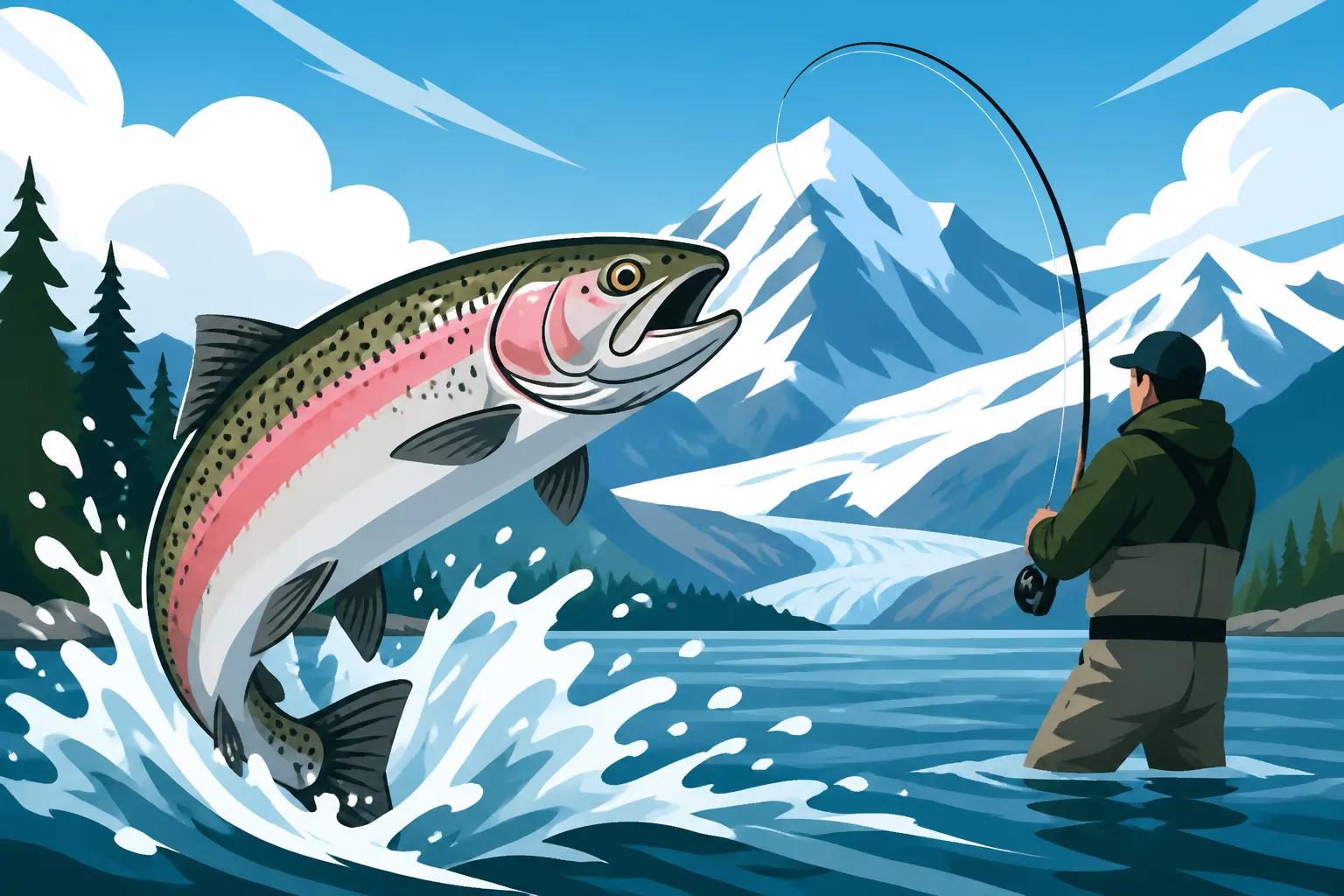
When a steelhead enters freshwater, it transforms. Its silvery ocean-bright chrome gives way to more subtle hues, often marked by a prominent red stripe along its flank, reminiscent of a rainbow. Yet, their build remains sleek and powerful, designed for battling strong currents. They are incredibly wary fish, acutely sensitive to vibrations, shadows, and unnatural presentations. Their intelligence and cautious nature are what make them such a formidable opponent for even the most experienced angler.
Their behavior is also dictated by river conditions, water temperature, and the specific phase of their spawning migration. Early run fish might be aggressive feeders, while those closer to spawning might be more focused on holding in specific lies. They often favor deeper pools, tail-outs, and riffles where they can conserve energy and find cover. Unlike many other species that school heavily, steelhead often travel in smaller groups or even individually, adding to their elusive reputation. Their preference for cooler, clean water also means they are excellent indicators of healthy river ecosystems.
Why Steelhead are a Coveted Catch
Steelhead fishing isn't just about catching a fish; it's an experience, a pursuit that demands patience, skill, and often, a touch of stubbornness. The sheer beauty of these fish, combined with their acrobatic fights and powerful runs, makes them an unforgettable adversary. Anglers travel from all over the world to experience the thrill of connecting with an Alaska steelhead. The challenge often involves navigating remote stretches of river, enduring fickle weather, and making countless casts for that one explosive take.
The reward isn't just the fish itself, but the journey. The tranquility of being on a pristine Alaskan river, the anticipation with each cast, and the adrenaline surge when a steelhead finally takes your fly or lure — these are the moments that truly define the pursuit. Many anglers practice Alaska Steelhead Catch-and-Release Rules to ensure these incredible fish can continue their life cycle, preserving the experience for future generations. It’s a pursuit that tests an angler’s resolve and rewards them with unparalleled memories of Alaska's wild heart.
Identifying Alaska Steelhead: Don't Confuse Them with Rainbows
It's a common point of confusion for many anglers: what's the difference between a rainbow trout and a steelhead? In Alaska, especially, where both can be found in the same river systems, telling them apart is incredibly important, not just for bragging rights, but often for adhering to specific regulations. Misidentification can lead to inadvertently violating harvest rules, so knowing the subtle cues is key.
Key Physical Distinctions
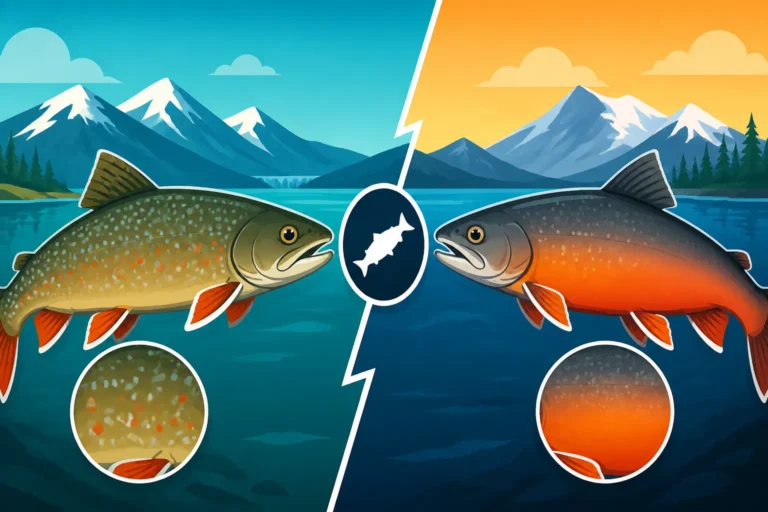
While steelhead are technically the anadromous form of rainbow trout, they develop distinct physical characteristics during their ocean phase and return migration. The most striking difference is their color. Ocean-fresh steelhead are typically very silvery, almost chrome-like, with a faint pink or red band. Resident rainbow trout, on the other hand, tend to have more vibrant and pronounced colors, with clearer spots and a more distinct red or pink lateral stripe, especially when they've been in freshwater for a while.
Another indicator can be size and body shape. Steelhead generally have a more streamlined, torpedo-like body, built for power and speed in both the ocean and strong river currents. Resident rainbows, particularly those from smaller streams or lakes, might be chunkier or more "stocky" in appearance. The fins of a steelhead, particularly the tail, might also appear more robust and less frayed than those of a resident fish, due to their active lifestyle. Keep an eye out for these subtle but telling differences.
Here's a quick comparison table to help differentiate:
| Feature | Steelhead (Anadromous Rainbow) | Resident Rainbow Trout |
|---|---|---|
| Coloration | Silvery, chrome, faint pink stripe | Vibrant colors, distinct red stripe |
| Body Shape | Streamlined, torpedo-like | Chunkier, sometimes more stocky |
| Size | Generally larger (20-40+ inches) | Varies, typically smaller (10-25 inches) |
| Fins | Often more robust, less frayed | Can be more worn, especially tail |
| Diet | Primarily marine organisms in ocean | Insects, baitfish, eggs in freshwater |
| Habitat | Ocean-dwelling, spawns in rivers | Spends entire life in freshwater |
The Genetic Connection: Rainbow Trout vs. Steelhead
Genetically, steelhead and rainbow trout are the same species (Oncorhynchus mykiss). The difference lies purely in their migratory behavior. It's a fascinating example of phenotypic plasticity – the ability of one genotype to produce different phenotypes (physical characteristics) in response to environmental conditions. Some rainbow trout populations are entirely resident, spending their entire lives in freshwater. Others have an anadromous component, with some individuals choosing to migrate to the ocean.
What triggers an individual rainbow trout to become a steelhead is complex, involving genetics, environmental cues, and resource availability. In some river systems, you might find both resident rainbow trout and steelhead populations coexisting. This makes identification even more challenging and important. The presence of resident rainbow populations in steelhead rivers means you need to be extra vigilant. For example, some parts of Alaska have specific regulations for Alaska Rainbow Trout Regulations that might differ from those for steelhead, particularly concerning harvest.
Importance of Correct Identification
Knowing the difference isn't just an academic exercise; it's a matter of responsible angling and compliance with Alaska Fishing Regulations Explained. In many areas, especially those with declining steelhead runs, management strategies include strict catch-and-release rules or specific harvest limits that differentiate between resident rainbows and steelhead. A trophy rainbow trout might be a legal keeper, while a steelhead of similar size must be released immediately.
Imagine you're on a remote river, hooking into a powerful fish. If you're unsure whether it's a resident rainbow or an ocean-run steelhead, you risk breaking the law or, more importantly, harming a fragile population. Always err on the side of caution. If there's any doubt, assume it's a steelhead and release it carefully. Resources like the Alaska Department of Fish and Game (ADF&G) regulations booklet are invaluable for understanding these nuances, and knowing How to Read Alaska Fishing Regulations effectively can save you a lot of grief.
Where and When to Find Alaska Steelhead
Finding Alaska steelhead can feel like a treasure hunt. These magnificent fish aren't found in every river, and even in their preferred haunts, they can be incredibly elusive. Their presence is highly dependent on specific habitat requirements and the timing of their migrations, which are influenced by environmental factors like water temperature and flow. Knowing where and when to focus your efforts is paramount to increasing your chances of success.
Prime Steelhead Rivers and Regions
Steelhead in Alaska are primarily found in the southeastern and southcentral regions, though some smaller runs exist elsewhere. The "panhandle" of Southeast Alaska is perhaps the most famous, with countless short, rain-fed coastal rivers that empty into the Pacific. Rivers like the Situk, known for its strong runs, and systems around Juneau, Ketchikan, and Sitka offer prime opportunities. These rivers are often relatively small and clear, making for exciting sight-fishing opportunities.
In Southcentral Alaska, particularly on the Kenai Peninsula and Kodiak Island, you'll also find reputable steelhead fisheries. Rivers such as the Anchor River, Deep Creek, and the Karluk River on Kodiak are well-known for their spring and fall runs. These rivers often require more diligent scouting, and access can range from roadside to remote fly-in opportunities. When planning a trip, always research specific river systems, as their unique characteristics, like gradient, depth, and cover, will influence steelhead behavior. While these are not strictly rainbow trout rivers, many of the same principles for finding Best Rivers for Rainbow Trout in Alaska can apply, especially to their anadromous counterparts.
Seasonal Run Timing and Best Periods
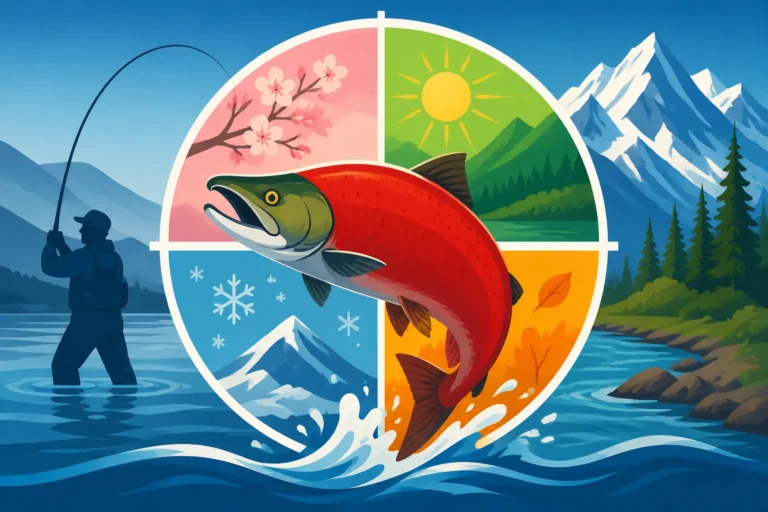
Steelhead in Alaska exhibit two main run timings: spring and fall. The fall run typically begins in late August or early September, peaking in October, and can extend into November. These fish are generally ocean-bright and aggressive, having just returned from the sea. They'll often hold in deeper pools and runs, feeding actively as they prepare for winter. The fall colors of Alaska's wilderness provide a stunning backdrop for this fishery.
The spring run usually occurs from late March through May, as the ice breaks up and water temperatures begin to rise. These are often "overwintered" steelhead that entered the river in the fall but didn't spawn until spring. You might also encounter fresh-run spring fish. Spring steelhead can be more challenging, as they might be pre-spawn or post-spawn ("kelts"), but they can still offer incredible fights. The timing of both runs is highly dependent on weather patterns, snowmelt, and water levels, so checking current conditions and forecasts is always a good idea. Understanding Alaska Salmon Run Timing Explained can provide some analogous insights, though steelhead runs are often less predictable and localized.
Reading the Water for Steelhead Habitat
Once you're on a steelhead river, knowing where to cast your line is crucial. Steelhead are masters of efficiency, seeking out lies that offer both cover and a steady supply of oxygenated water, usually with minimal effort. Look for classic holding water:
- Tail-outs of deep pools: As water exits a deep pool and picks up speed, steelhead often stack up here, waiting for food to drift by.
- Seams and current breaks: Where fast water meets slow water, a seam is created. Steelhead love to sit in the slower water, darting into the current to intercept prey. This includes behind large rocks, submerged logs, or ledges.
- Log jams and undercut banks: These provide excellent overhead cover and protection from predators and strong currents.
- Riffles and runs: Especially those with a consistent depth and gravel bottom, offering good oxygen and potential spawning grounds.
- Confluences: Where two streams meet, the merging currents can create ideal holding water and concentrate food sources.
Learning to "read the water" is an art that develops with experience. It's about understanding current dynamics, depth changes, and subtle indicators of fish presence. Often, the best steelhead lies are not immediately obvious, requiring careful observation and a willingness to explore.
Gear Up for Alaska Steelhead: Rods, Reels, and Lines
Preparing for an Alaska steelhead adventure means ensuring you have the right tools for the job. These aren't dainty trout; steelhead demand gear that can handle powerful runs, strong currents, and often, challenging weather conditions. Investing in quality equipment designed for steelhead fishing will not only enhance your experience but also significantly increase your chances of landing one of these formidable fish.
Rod and Reel Combinations for Steelhead
For serious steelhead anglers, specialized gear is often the norm.
Fly Fishing:
When fly fishing, you'll typically want a longer, heavier rod than you might use for resident trout. A 10-foot, 7- or 8-weight rod is a popular choice for swinging flies. The extra length aids in line control, mending, and fighting powerful fish. Brands like Sage, G. Loomis, and Redington offer excellent steelhead-specific fly rods. For reels, a large arbor reel with a smooth, reliable drag system is essential. Steelhead make blistering runs, and you need a drag that won't falter. Spool it with at least 150-200 yards of 20-30lb backing. An example would be pairing a 10' 7wt rod with a Lamson Guru Series II reel, available on Amazon, known for its robust construction and smooth drag.
Spin Fishing:
For spin fishing, a medium-heavy spinning or casting rod, typically 8.5 to 10.5 feet in length, is ideal. The longer rod provides better casting distance, line control, and shock absorption for hard-fighting fish. A rod with a fast action tip and a strong backbone is crucial. Pair this with a high-quality spinning reel in the 3000-4000 series size, also featuring a smooth and powerful drag. A Penn Battle III or Shimano Stradic reel, often found on Amazon, would be excellent choices, spooled with strong braided line. Remember, Alaska Fishing Gear and Tackle Guide will have more general advice, but for steelhead, specific choices matter.
Line and Leader Choices
Your choice of line and leader is equally critical for steelhead. These fish are line-shy, especially in clear water, and you need lines strong enough to withstand their power.
Fly Fishing Lines:
For swinging flies, a Skagit or Scandi shooting head system is common, paired with various sinking or intermediate tips to get your fly to the right depth. These systems allow for efficient casting of heavy flies and sink tips in challenging conditions. For nymphing, a weight-forward floating line that's designed for nymphing (with a long front taper) can be effective. Always match your line weight to your rod.
Spin Fishing Lines:
Braided line, typically 20-30lb test, is a favorite for spin fishing due to its sensitivity and strength, with a fluorocarbon or monofilament leader (10-15lb test) tied to the end. The leader provides invisibility in the water and some shock absorption. For example, a 10-foot section of Seaguar InvizX fluorocarbon leader, which you can easily find on Amazon, is a reliable choice. When drift fishing or float fishing, monofilament mainline (12-15lb) is also popular for its stretch and knot strength.
Essential Terminal Tackle and Accessories
Beyond rods and reels, a few other items are non-negotiable for an Alaska steelhead trip.
- Waders and Boots: You'll be spending a lot of time in the water, often in cold conditions. High-quality breathable waders and sturdy wading boots with good grip (felt or rubber with studs) are essential for comfort and safety.
- Nets: A large, soft-mesh landing net is crucial for safely landing and releasing steelhead. Knotless or rubberized mesh helps protect the fish's slime coat and fins.
- Pliers/Forceps: For quickly and safely removing hooks, especially when practicing Alaska Catch-and-Release Best Practices.
- Indicators/Weights: For nymphing or float fishing, a variety of strike indicators and non-toxic split shot or slinky weights will be needed to present your offerings effectively.
- Layers: Alaska weather is unpredictable. Pack plenty of warm, moisture-wicking layers, a waterproof rain jacket, and gloves. Check out the How to Dress for Alaska Fishing guide for more detailed advice.
- Bags and Backpacks: A waterproof backpack or dry bag is invaluable for keeping extra layers, snacks, and camera gear protected from the elements.
Having your gear dialed in will allow you to focus on the fishing, rather than struggling with equipment, making for a much more enjoyable and successful steelhead experience.
Top Techniques for Catching Alaska Steelhead
Catching an Alaska steelhead is often described as the ultimate angling puzzle. These fish are notoriously finicky, sometimes ignoring perfectly presented offerings, and other times striking with aggressive abandon. There's no single "magic bullet" technique, but a combination of persistence, understanding their behavior, and mastering a few key presentation methods will significantly improve your chances.
Fly Fishing Strategies: Swinging and Nymphing
Fly fishing for steelhead is often regarded as the most artful and challenging pursuit. Two primary strategies dominate the scene: swinging flies and nymphing.
Swinging Flies: This classic technique involves casting a weighted fly (often a spey fly, intruder, or traditional wet fly) across and downriver, allowing it to "swing" through potential holding water under tension. The idea is for the fly to imitate a fleeing baitfish or insect, provoking an aggressive reactionary strike. This is often done with two-handed (spey) rods, allowing for long, graceful casts that cover a lot of water. The beauty of swinging lies in its simplicity and the sheer excitement of a steelhead absolutely crushing a fly on the swing. It requires patience and a good understanding of current dynamics, but the rewards are immense. Different sink tips are used to get the fly to the desired depth, from hovering just below the surface to bumping along the bottom.
Nymphing: While less traditional than swinging, nymphing (also known as "indicator fishing" or "chuck-and-duck") can be incredibly effective, especially for steelhead that are less aggressive or holding in deeper, slower water. This involves drifting weighted nymph patterns (often egg patterns, stoneflies, or caddis larvae imitations) under a strike indicator, mimicking natural food items drifting with the current. The goal is to achieve a completely natural, drag-free drift. This technique often employs single-handed fly rods, and demands excellent line management and the ability to detect subtle takes. It’s a precision game, and understanding how to effectively present small flies in strong currents, sometimes with multiple split shot, is key. Many anglers find success with this method, especially in areas with concentrations of feeding fish or fresh-run aggressive steelhead. For a deeper dive into the broader principles, check out Alaska Fly Fishing in Alaska: How-To Guide.
Spin Fishing and Gear Tactics
Spin fishing offers a highly effective alternative for targeting steelhead, allowing anglers to cover water efficiently and present various lures and baits.
Drift Fishing: This is perhaps the most popular spin fishing technique for steelhead. It involves casting a weighted bait (like cured salmon roe, worms, or small artificial eggs) or lure (such as a Cheater, Lil' Corky, or yarnie) upstream and allowing it to tumble naturally along the bottom with the current. The key is to use just enough weight to keep your offering in the strike zone, but not so much that it snags constantly. Detecting a take often feels like a subtle tick or stop in the line, requiring quick reflexes to set the hook. This technique is deadly in riffles, runs, and the tail-outs of pools.
Float Fishing (Bobber Dogging): A variant of drift fishing, float fishing uses a bobber or float to suspend your bait or lure at a precise depth above the bottom. This allows for excellent control over presentation and keeps your offering out of snags in rocky terrain. The float also acts as a highly visible strike indicator. This method is particularly effective in deeper, slower pools or when fishing alongside strong current seams. The bobber should be weighted so that only a small portion is visible, making it sensitive to subtle bites. Both techniques often benefit from longer, sensitive rods. For general spin fishing advice, refer to Spin Fishing in Alaska: How-To Guide.
Effective Lures and Bait
The specific lures and bait that work best can vary by river, time of year, and local preferences, but some standbys are universally effective.
Lures:
- Spinners: Small, brightly colored spinners like Mepps, Rooster Tail, or Blue Fox Vibrax are excellent for aggressive, fresh-run steelhead, particularly in faster water. Sizes #3 and #4 are common.
- Spoons: Cleos and Little Cleos, especially in bright orange, chartreuse, or silver/blue, are also good search baits that imitate baitfish.
- Soft Plastics: Small soft plastic eggs, worms, or "gooey bobs" drifted under a float or on a light jig head can be incredibly effective, especially when tipped with scent.
- Jigs: Marabou jigs or similar hair jigs, often tipped with a piece of roe or a plastic grub, can be deadly when fished under a float or slowly retrieved.
Bait:
- Cured Salmon Roe: This is arguably the most effective natural bait for steelhead. Freshly cured salmon eggs, presented in small clusters, are irresistible to migrating fish. Many anglers spend hours perfecting their curing recipes.
- Worms: Nightcrawlers or smaller garden worms can also entice steelhead, particularly when fished naturally on a light leader.
When it comes to lures and bait, experimentation is often the name of the game. What works one day might not the next, so having a variety of options on hand is always a good strategy. Always check current Alaska Fishing Regulations Explained for any bait restrictions in the specific river you're fishing. Some rivers, especially those with sensitive populations, might have restrictions on bait use or require barbless hooks. The best way to approach steelhead fishing in Alaska is to arm yourself with knowledge, patience, and a willingness to adapt your techniques, utilizing resources like a comprehensive guide on Best Fishing Techniques for Alaska.
Conservation and Regulations for Alaska Steelhead
Steelhead populations in Alaska, while generally robust compared to many lower-48 states, still face pressures from habitat loss, changing ocean conditions, and fishing pressure. Because of their unique life cycle and the fact that they can spawn multiple times, responsible angling and strict adherence to regulations are paramount to ensuring these incredible fish thrive for future generations.
Understanding Specific Steelhead Regulations
The Alaska Department of Fish and Game (ADF&G) implements specific regulations for steelhead, often differing from those for resident rainbow trout or other salmon species. These regulations typically cover bag limits, possession limits, size restrictions, and specific gear requirements. For instance, many prime steelhead rivers in Alaska are entirely catch-and-release for steelhead, or have very restrictive harvest limits (e.g., one fish per year, often requiring a tag).
It's not uncommon to find rules like mandatory use of single hooks, often required to be barbless, especially during peak steelhead runs. This minimizes damage to the fish and increases their chances of survival after release. Always, always check the latest ADF&G sport fishing regulations for the specific region and river you plan to fish before you even tie on your first fly or lure. Regulations can change quickly due to emergency orders, especially if runs are weaker than anticipated. Knowing Alaska Fishing Emergency Orders Explained is vital, as these can drastically alter what's permissible on short notice.
Best Practices for Catch-and-Release
Given that many steelhead fisheries are managed for catch-and-release, practicing proper handling techniques is crucial for the survival of the fish. These powerful fish can be easily stressed during a fight, and improper handling can lead to post-release mortality.
Here are some essential tips:
- Minimize Fight Time: Use appropriate gear that can subdue the fish relatively quickly, without over-tiring it.
- Keep Fish in Water: Avoid removing the fish from the water whenever possible. If a photo is desired, do it quickly and with the fish partially submerged. Holding a fish horizontally with two hands supports its organs.
- Use Wet Hands: Always wet your hands before touching a fish to protect its protective slime coat.
- Barbless Hooks: Crimp your barbs down. This makes hook removal quicker and causes less damage to the fish's mouth.
- Careful Hook Removal: Use forceps or pliers to quickly remove the hook. If the fish is deeply hooked, cut the line as close to the hook as possible rather than tearing tissue trying to remove it.
- Revive Gently: Hold the fish upright in the current, facing upstream, allowing water to flow over its gills. Only release it when it can swim away under its own power. Do not pump it back and forth, as this can damage its gills.
Following these guidelines, which are core to Alaska Catch-and-Release Best Practices, significantly increases the chances that a released steelhead will survive to spawn and fight another day.
The Future of Alaska Steelhead Fisheries
The health of Alaska's steelhead populations is a reflection of the overall health of their freshwater and marine ecosystems. As anglers, we are not just participants but stewards. Advocacy for habitat protection, responsible resource management, and adherence to regulations are all critical. The presence of organizations dedicated to steelhead conservation, like the Wild Steelhead Coalition, highlights the ongoing need for vigilance and action.
While some runs, like those in the Situk River, are relatively strong, others face challenges. Factors such as climate change impacting water temperatures and flow, ocean conditions affecting marine survival, and localized development can all play a role. By staying informed, supporting conservation efforts, and practicing ethical angling, we can all contribute to ensuring that the thrill of pursuing Alaska steelhead remains a cornerstone of the Last Frontier's angling heritage for generations to come.
Disclaimer
The information provided in this guide is for general informational purposes only and is subject to change. Fishing regulations in Alaska are complex and can be updated frequently by the Alaska Department of Fish and Game (ADF&G) through emergency orders. It is the angler's sole responsibility to consult the official, most current ADF&G regulations and emergency orders for the specific waters they intend to fish before engaging in any fishing activity. Failure to do so may result in fines or penalties. Always prioritize safety and responsible angling practices.