Alaska Halibut: Facts and Fishing Tips
The sheer size and legendary fighting spirit of an Alaska halibut can make fishing for them feel like a monumental, almost intimidating task. Many anglers dream of wrestling one of these "barn doors" but worry about whether they have the right knowledge, gear, or understanding of the unique Alaskan environment. This guide is designed to demystify the mighty Pacific halibut, offering you essential facts about this incredible fish and practical, veteran-approved fishing tips to help you conquer the deep waters of Alaska.
Understanding the Majestic Alaska Halibut
Ah, the Pacific halibut! There's something truly mythical about this flatfish. They're not just big; they're an iconic symbol of Alaska's rich fisheries, drawing anglers from all corners of the globe. But beyond their impressive size, there's a fascinating creature beneath the waves that's worth getting to know.
Physical Traits and Identification
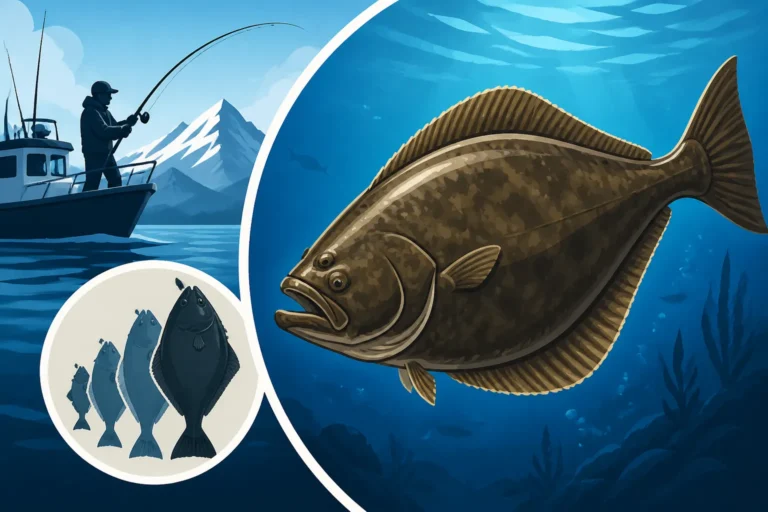
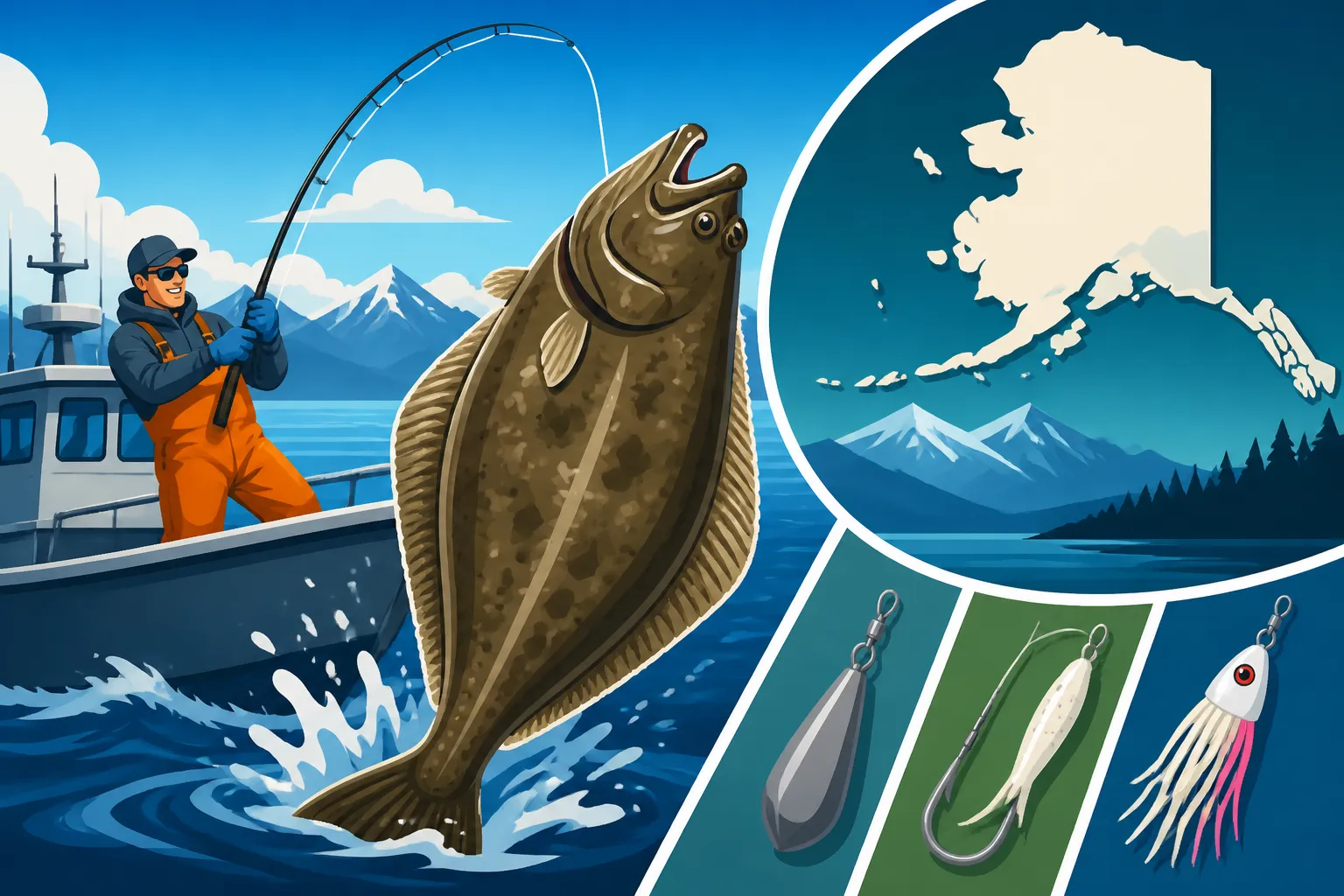
When you picture a halibut, you're likely imagining a giant, flat, diamond-shaped fish, and you'd be spot on. Pacific halibut ( Hippoglossus stenolepis) are a species of right-eye flounder, meaning both of their eyes are on the same side of their head—specifically, the top (darker) side. They start life looking like a "normal" fish, but as they grow, one eye migrates to the other side, allowing them to lie flat on the ocean floor and effectively camouflage themselves.
Their color can vary dramatically, from dark green to brown or grey on their upper side, allowing them to blend seamlessly with the seafloor. Their underside is typically a stark white. This natural camouflage is their primary defense mechanism, making them incredibly difficult to spot when they're settled on the bottom. One fascinating aspect is their mouth: it's large and cavernous, filled with sharp, conical teeth designed for snatching prey. This is why when you finally get one to the boat, you need to be incredibly careful—those teeth aren't just for show! Distinguishing a true "barn door" from a "chicken" halibut often comes down to size and age. Smaller halibut, often called "chickens," are generally under 40-50 pounds, while the coveted "barn doors" can easily exceed 100 pounds, with some reaching truly monstrous proportions. You can learn more about how big these giants get in our detailed guide on How Big Do Alaska Halibut Get.
Life Cycle and Behavior
The life of an Alaska halibut is a journey of incredible growth and survival in the cold, nutrient-rich waters of the North Pacific. These fish can live for a very long time, with some individuals reaching ages of 40 years or more. They mature relatively slowly, especially the females, which need to be quite large to produce a substantial number of eggs. Spawning typically occurs in deeper waters (600-1,500 feet) during the winter months, from November to March. A single large female can release millions of eggs, which then drift with the currents as larvae.
As they grow, the halibut larvae undergo that remarkable transformation where one eye migrates. They eventually settle on the seafloor as juveniles, typically in shallower, protected areas like bays and estuaries, feeding on small crustaceans and fish. As they mature, they move to deeper, more open waters, often migrating significant distances throughout their lives. Their diet is diverse and robust, making them apex predators of the seafloor. They'll gorge on cod, pollock, rockfish, sculpins, and even other flatfish. Crabs, clams, and squid are also on the menu. This aggressive feeding behavior is what makes them such a thrill to catch—they hit hard and fight dirty! Understanding their predatory nature helps you choose the right baits and techniques, which we’ll dive into a bit later.
Prime Alaska Halibut Habitats and Fishing Grounds
Alaska is synonymous with world-class halibut fishing, and for good reason. The vast coastline, nutrient-rich currents, and deep, cold waters create the perfect environment for these colossal flatfish to thrive. Knowing where to drop your line is key to maximizing your chances of a successful trip.
Coastal Waters and Bottom Structure
Halibut are demersal fish, meaning they live on or near the bottom of the ocean. They prefer areas with irregular bottom structure—think ledges, humps, rocky pinnacles, gravelly expanses, and underwater canyons. These features provide ambush points where they can lie in wait for unsuspecting prey, and also offer shelter from strong currents. They're often found in depths ranging from 50 to 1,000 feet, though shallower and deeper catches are not uncommon. Generally, larger halibut tend to hold in deeper water, sometimes migrating into shallower feeding grounds with the tides.
Tides and currents play a critical role in halibut behavior. Strong currents can dislodge baitfish and other food sources, concentrating them in specific areas, which in turn attracts hungry halibut. Anglers often target the "slack tide" periods—the moments when the tide changes direction and the current slows down—as this is when halibut are often most active and feeding. However, some experienced captains will tell you that fishing during a moderate current can be incredibly productive, as it helps spread the scent of your bait and makes jigging more natural. You'll find them scattered across the vast Gulf of Alaska, from the Southeast panhandle all the way to the Aleutian Islands. They're opportunistic feeders, and anywhere there's a good food source and suitable bottom structure, you're likely to find them.
Top Fishing Destinations
While halibut are widespread, certain regions of Alaska are legendary for their consistent catches and trophy potential. If you're planning an Alaska fishing adventure, these spots should definitely be on your radar:
- Homer: Often called the "Halibut Fishing Capital of the World," Homer, located on Kachemak Bay at the end of the Kenai Peninsula, lives up to its name. The fishing grounds outside Homer in Cook Inlet and across to Augustine Island are incredibly productive. The deep waters and strong currents here create ideal conditions. Charters leave daily from the Homer Spit, heading to proven halibut holes. You can learn more about fishing in this iconic town in our Homer Alaska Fishing Guide.
- Seward: Located at the head of Resurrection Bay, Seward is another premier destination for halibut. Anglers often venture out into the Gulf of Alaska from Seward, targeting areas known for their deep structure and abundant baitfish. The scenery alone is worth the trip, with towering mountains meeting the sea. Check out our Seward Alaska Fishing Guide for more insights.
- Kodiak Island: This rugged island offers some truly remote and productive halibut fishing, often producing some of the largest fish. The waters around Kodiak are wild and pristine, with vast expanses of prime habitat. Fishing here often involves longer boat rides but can yield incredible rewards for those seeking a true Alaskan wilderness experience. For a deeper dive, read our Kodiak Fishing Guide.
- Prince William Sound: With its countless islands, deep fjords, and abundant marine life, Prince William Sound offers fantastic halibut opportunities, especially from ports like Valdez and Whittier. The protected waters can offer a smoother ride on choppier days, and there are numerous productive spots within relatively close proximity to the harbors.
- Southeast Alaska (Sitka, Juneau, Ketchikan): These regions, while perhaps more famous for salmon, also boast excellent halibut fishing. The deep channels and island-studded coastlines provide superb habitat. Sitka, in particular, is known for its incredible offshore fishing, often yielding both salmon and halibut on the same trip.
These locations each offer unique experiences, but all share the common thread of fantastic halibut potential. Choosing one often comes down to your preferred travel style and what other species you might want to target during your trip.
Timing Your Alaska Halibut Expedition for Success
One of the biggest questions aspiring halibut anglers have is "When is the best time to go?" While you can technically catch halibut year-round, there are definitely peak seasons and even daily factors that can significantly influence your success rate.
Best Seasons and Months
The main season for sportfishing halibut in Alaska generally runs from May through September, with specific months often peaking for different reasons.
- May: The season kicks off in May. While the weather can still be a bit unpredictable with cooler temperatures and potentially rougher seas, the fishing can be fantastic, especially for larger, hungry halibut that are moving into shallower feeding grounds after winter. There's less pressure on the fishing grounds, which can be a real bonus.
- June: As the weather warms and days lengthen, June sees a strong push of halibut. This is a very popular month, offering a good balance of weather and fish activity. The salmon runs are also starting to ramp up, making combo trips for salmon and halibut more viable.
- July: Often considered the prime month, July offers generally stable weather, longer daylight hours, and robust halibut activity. This is when many of the largest "barn doors" are caught, and the fish are actively feeding. However, it's also the busiest month, meaning more boats on the water and booking charters well in advance is crucial. Our guide on Best Time to Catch Halibut in Alaska offers even more detail on this.
- August: Similar to July, August continues to offer excellent halibut fishing, often with slightly fewer crowds than the peak of summer. The fish are still very active, and the weather remains generally favorable. This can be a great time for those looking for a slightly more relaxed trip with good fishing opportunities.
- September: As autumn approaches, the fishing pressure wanes, and the weather begins to cool. However, September can still provide fantastic fishing, especially for anglers who don't mind bundling up a bit more. Some believe the fish are trying to put on weight before winter, making them aggressive feeders. Charters typically start to wind down their halibut operations by the end of the month.
It's important to remember that "best" can be subjective. Early season (May-June) often sees larger individual fish, while mid-season (July-August) offers higher numbers and more consistent weather. Late season (September) can provide a more serene experience with still-plentiful fish.
Daily Factors: Tides, Slack Water, and Currents
Halibut fishing isn't just about the month; it's also about understanding the daily rhythm of the ocean, especially the tides and currents. This can make or break your day on the water.
- Tides and Currents: As we touched on earlier, halibut are heavily influenced by the movement of water. Strong currents can make it incredibly difficult to get your bait down to the bottom and keep it there. You'll need heavier weights, and your line will drift extensively, making it hard to feel bites. Conversely, too little current might mean less scent dispersal from your bait.
- Slack Tide: Many experienced anglers and charter captains swear by fishing the slack tide—the period of about an hour before and after the peak of high or low tide when the current is at its weakest. During this time, your bait settles nicely on the bottom, and halibut are often more comfortable moving and feeding without expending too much energy fighting a strong current. This is often the prime window to target the biggest fish.
- Moderate Current: While slack tide is ideal, don't dismiss fishing during a moderate current. A gentle drift can actually be beneficial, as it allows your bait or jig to move naturally, covering more ground and spreading scent. It mimics the movement of natural prey items. Your captain will use drift socks or engine adjustments to control the boat's speed, making sure your offering stays in the strike zone.
- Reading a Tide Chart: Before any halibut trip, your captain will consult a tide chart for your specific fishing location. Knowing when the high tides, low tides, and slack water periods occur is absolutely essential for planning the most productive fishing times. Being aware of how tides affect fishing, not just for halibut but for other species like salmon, can greatly enhance your overall experience.
Proven Techniques and Essential Gear for Halibut Fishing
Okay, so you know what a halibut is and when to fish for them. Now comes the exciting part: how do you actually catch one of these magnificent creatures? It's all about technique, the right bait, and having reliable gear that can handle the sheer power of an Alaska halibut.
Bottom Fishing and Jigging Strategies
Halibut are bottom dwellers, so naturally, most successful techniques involve getting your offering right down to where they live.
- Bottom Fishing (Anchoring or Drifting): This is perhaps the most common and effective method.
- Anchoring: Many charter captains will anchor over a known halibut hot spot, especially during periods of slack tide or moderate current. Once anchored, multiple lines are deployed straight down to the bottom. The goal is to present your bait (often a chunk of herring, salmon, or octopus) as naturally as possible. You want just enough weight to hold the bottom without dragging, allowing your bait to flutter enticingly. When a halibut bites, it often starts with a gentle "thump" or a slow, steady pull before it commits. Don't set the hook too soon; let them take it!
- Drifting: If the current is favorable, or if the halibut are spread out, drifting can be incredibly effective. The boat allows your bait to cover a wider area, mimicking a natural food source drifting along the bottom. This method is excellent for locating active fish. Your captain will use a sea anchor or precise boat control to manage the drift speed, ensuring your bait stays in the strike zone. This technique is similar in principle to How to Drift Fishing for Salmon in Alaska, just adapted for saltwater depth and species.
- Jigging: Jigging is a more active form of bottom fishing and can be incredibly exciting. Heavy metal jigs, often weighing 12 to 32 ounces or more, are dropped to the bottom and then rapidly retrieved with a series of jerks and pauses. This action mimics a wounded baitfish, irresistible to a hungry halibut. Many anglers tip their jigs with a piece of bait (like herring or a large grub) to add scent and visual appeal. When a halibut hits a jig, it's usually a solid, aggressive strike that can nearly rip the rod out of your hands. Our guide on How to Jigging for Salmon in Alaska can provide some foundational knowledge that can be adapted for halibut.
Baits, Lures, and Rigs
Choosing the right bait and rig is crucial for enticing those big halibut.
- Baits:
- Herring: Hands down, fresh or brined herring is one of the most popular and effective baits for halibut. It's oily, emits a strong scent, and is a natural food source. Large chunks or whole herring are often used.
- Salmon: Chunks of salmon, especially oily species like King or Sockeye, are also excellent. The strong scent trail they leave in the water is a powerful attractant. Many charters will use salmon bellies or strips from freshly caught salmon.
- Octopus: Squid and octopus can be deadly, especially for bigger halibut. Their tough texture means they stay on the hook longer, even through multiple hits, and they have a distinct scent that halibut find appealing.
- Scented Soft Plastics: While not traditional bait, large scented soft plastic grubs or curly tails can be very effective, especially when paired with a heavy jig. Brands like Berkley Gulp! offer products that combine scent and action.
- Lures:
- Metal Jigs: As mentioned, heavy jigs (like those from the Puget Sound Salmon Jig company or generic diamond jigs) are fantastic. They come in various colors, but white, chartreuse, and blue/silver combinations are often productive.
- Spoons: Large, heavy spoons, similar to those used for trolling for salmon, can also be effective when jigged near the bottom.
- Rigs: The classic halibut rig typically consists of a heavy lead sinker (often 1-3 pounds or more, depending on depth and current), a spreader bar to keep your mainline from twisting with your leader, and a sturdy leader with one or two large, strong circle hooks. Circle hooks are paramount because they tend to hook the fish in the corner of the mouth, reducing gut-hooking and making for easier, safer releases of undersized or unwanted fish. For a detailed look at what works best, check out Best Bait for Alaska Halibut.
Must-Have Tackle and Equipment
You can't bring a knife to a gunfight, and you certainly can't bring light tackle to an Alaska halibut battle. These fish are immensely powerful, and your gear needs to be up to the challenge.
- Rods: You'll need a heavy-duty conventional rod, typically 6-7 feet long, with a fast action and a strong backbone. These rods are designed to handle heavy weights and provide the leverage needed to fight a large fish from deep water.
- Reels: A robust, high-capacity conventional reel is essential. Look for models with a strong drag system and a high line capacity (at least 300 yards of 80-100 lb braided line). Popular choices include Penn Senator, Shimano Tekota, and Daiwa Sealine series reels. You can find many suitable options for these reels and rods on Amazon, often with competitive pricing and reviews from other anglers.
- Line: Braided line (80-150 lb test) is almost universally preferred for halibut fishing due to its minimal stretch, which allows you to feel subtle bites even in deep water, and its incredible strength-to-diameter ratio. A heavy monofilament or fluorocarbon leader (100-200 lb test) is then tied to the end of your braid.
- Terminal Tackle: Bring plenty of heavy lead weights (1-3 lbs), strong swivels, heavy-duty snaps, spreader bars, and a good selection of large circle hooks (8/0 to 16/0). It's also wise to have a selection of heavy jigs.
- Safety Gear: A gaff or harpoon is essential for securing a large halibut at the boat. Always have heavy-duty gloves for handling the fish, and a club or "priest" for dispatching it humanely and safely on board. Sunglasses, sunscreen, and layers of warm, waterproof clothing are also critical for your personal comfort and safety in unpredictable Alaskan weather. A reliable waterproof bag, readily available on Amazon, can be a lifesaver for protecting your phone, camera, and other essentials from the elements.
- Coolers/Fish Bags: Once you've landed your halibut, you'll need a way to keep it fresh. Large, insulated coolers or specialized fish bags (often insulated kill bags) are critical. You'll want plenty of ice to quickly chill your catch. Many charters have large kill boxes, but if you're processing your own, personal coolers will be vital. You can find durable, high-capacity coolers suitable for Alaska fishing on Amazon.
Navigating Alaska's Halibut Fishing Regulations
Alaska's fisheries are incredibly well-managed, ensuring the long-term health of these vital resources. However, this also means that regulations can be complex and change frequently. Staying informed is not just a recommendation; it's a legal requirement to avoid costly fines and protect the fishery.
Daily, Annual, and Possession Limits
Understanding the limits is paramount. The Alaska Department of Fish and Game (ADF&G) sets regulations, often in cooperation with the International Pacific Halibut Commission (IPHC), which manages halibut fisheries across the North Pacific. These limits are subject to change, sometimes even in-season, so always consult the most current Alaska Sport Fishing Regulations booklet or emergency orders before you head out.
- Daily Bag Limits: These specify the number of halibut you can keep per day. Historically, this has often been two halibut per person per day in the recreational fishery outside of charter operations, but this can vary by region and management area.
- Annual Limits: For non-resident anglers, there's often an annual limit on the number of halibut they can keep. For example, in recent years, non-residents might be limited to a total of four halibut per year from certain regulatory areas. This is a crucial detail for those planning multiple trips or extended stays.
- Possession Limits: This refers to the total amount of fish you can have in your possession at any given time, including fish stored at your lodging or at a processor. Typically, the possession limit mirrors the daily bag limit or a slightly higher cumulative limit, but it's essential to clarify this for halibut, especially if you're combining charter and unguided fishing. Our comprehensive guide on Alaska Fishing Limits and Bag Limits Explained covers this across various species and situations.
Charter vs. Unguided Rules
This is a significant distinction that often confuses anglers, especially those visiting from out of state. Halibut regulations often differ for anglers fishing on a guided charter versus those fishing unguided (on their own boat or a rental).
- Charter Anglers: Anglers fishing on a charter vessel typically have more restrictive limits. For example, the daily bag limit might be one halibut per person per day, often with size restrictions. The intent here is to spread the harvest across more anglers and manage the overall take. These rules can also include specific "no retention" days (e.g., Wednesdays and/or Tuesdays) in certain management areas, meaning charters cannot keep halibut on those days. You can delve into these specifics in our Alaska Halibut Charter Regulations Explained.
- Unguided Anglers: If you're fishing on your own boat or an unguided rental, the daily bag limits are generally more liberal, often two halibut per person per day, with fewer or no "no retention" days. However, you're still subject to annual limits for non-residents and the overall size restrictions.
It's absolutely critical to know which category you fall into. Your charter captain will always be up-to-date on the latest rules, but if you're going unguided, the responsibility falls squarely on your shoulders. Always double-check the current regulations before you cast a line.
The Reverse Slot Limit Explained
One of the most unique and important regulations in Alaska's halibut fishery is the reverse slot limit, often referred to as the "reverse slot." This regulation is designed to protect large, mature female halibut, which are the most prolific spawners, ensuring the sustainability of the population.
- How it Works: Instead of protecting smaller fish (a common "slot limit" in other fisheries), the reverse slot protects medium to large halibut. Anglers are typically allowed to keep one halibut under a certain maximum length (e.g., under 40 inches) AND one halibut over a certain minimum length (e.g., over 80 inches). This means that halibut falling within the slot (e.g., between 40 and 80 inches) must be released.
- Purpose: The large fish (over 80 inches) are often less common and harder to catch, so allowing one large fish per angler, while protecting the middle-sized, still highly reproductive females, helps maintain a healthy breeding stock. It also ensures that anglers still have a chance at landing a true trophy. The smaller fish are generally younger and haven't contributed as much to spawning yet. Understanding this can be tricky, so be sure to read our detailed explanation of What Is the Alaska Halibut Reverse Slot.
Here's a simplified table illustrating potential limits (always verify current regulations):
| Angler Type | Daily Bag Limit (Example) | Size Restrictions (Example) | Annual Limit (Non-Resident) | Notes |
|---|---|---|---|---|
| Charter | 1 Halibut | Under 40" OR over 80" | 4 total Halibut | May include "no retention" days |
| Unguided | 2 Halibut | One under 40", one any size | 4 total Halibut | Generally more liberal daily limits |
Note: These are illustrative examples. Actual regulations change frequently and vary by management area. Always check current ADF&G regulations.
Handling and Preserving Your Hard-Earned Halibut
You've battled the deep, reeled in your magnificent halibut, and now it's resting on the deck. The work isn't over! Proper handling and preservation are absolutely critical to ensure that your prized catch tastes as incredible on your dinner plate as it did fighting on your line. A poorly handled fish can quickly degrade in quality.
On-Board Care and Bleeding
The moments immediately after landing a halibut are crucial for preserving its quality.
- Humane Dispatch: Once safely on board, the first step is to humanely dispatch the fish. A swift, firm blow to the head with a club or "priest" is common practice. This minimizes stress on the fish, which prevents the buildup of lactic acid in the meat, a major contributor to poor texture and flavor.
- Bleeding: Immediately after dispatching, the halibut should be thoroughly bled. This involves making a deep cut across the throat (severing the artery just behind the gills) or, for very large fish, a deep cut into the tail. The fish should then be allowed to bleed out completely, ideally by hanging it over the side of the boat or placing it head-down in a bilge or kill box with circulating seawater. This process removes blood from the flesh, resulting in whiter, firmer, and better-tasting meat that lasts longer. If blood isn't removed, it can pool in the muscle tissue, leading to an off-flavor and faster spoilage.
- Chilling: As soon as the bleeding is complete, the fish needs to be chilled rapidly and thoroughly. This means getting it into an insulated kill bag or a boat's fish hold filled with a slushy mix of ice and seawater. The goal is to bring the core temperature of the fish down as quickly as possible to inhibit bacterial growth. Leaving a fish lying on a warm deck is the quickest way to ruin your hard-won catch.
Filleting and Processing
Once back at the dock, or at a designated processing facility, your halibut will be transformed from a whole fish into ready-to-cook portions.
- Filleting: Halibut are relatively straightforward to fillet due to their flat, large body. A skilled processor will typically yield four large, boneless fillets—two from the top side and two from the bottom side. The trick is to make clean cuts along the backbone and ribs, minimizing waste. Many charter operations or fish processing businesses at Alaskan ports (like Homer or Seward) offer professional filleting services, often for a fee, which is highly recommended, especially for large fish. You can also learn the basics yourself with our guide on How to Fillet a Halibut.
- Portioning: After filleting, the large pieces of meat are usually portioned into smaller, more manageable steaks or roasts. This makes it easier for cooking and storage. Some anglers prefer thicker steaks, while others opt for thinner cuts.
- Skinning and Deboning: While halibut fillets are largely boneless, some processors will further clean the fillets by removing any remaining pin bones and skin. Halibut skin is edible and delicious when properly prepared (especially crispy-fried!), but many prefer to have it removed.
- Commercial Processors: For visiting anglers, commercial fish processors are invaluable. They not only fillet and portion your fish but also vacuum seal, flash freeze, and often ship your catch home. Services vary, but reputable processors like those found in major fishing towns understand the importance of quality and food safety. They’re worth every penny to ensure your fish arrives home in pristine condition.
Shipping and Transporting Your Fish Home
Getting your Alaskan catch home is the final, crucial step in your fishing adventure. You’ve put in the effort, now ensure it doesn’t go to waste.
- Vacuum Sealing: This is the gold standard for long-term fish preservation. Vacuum sealing removes air from the packaging, preventing freezer burn and extending the shelf life of your fish by months, sometimes even over a year. Most commercial processors offer this service. If you're processing yourself, a home vacuum sealer can be a worthwhile investment; many excellent models are available on Amazon.
- Flash Freezing: Quickly freezing the fish is essential. Commercial processors use industrial freezers that rapidly drop the temperature to well below zero, locking in freshness. If you're freezing at home, ensure your freezer is set to its coldest setting and that your packages are thin enough to freeze quickly.
- Packaging for Travel: For shipping or flying, frozen, vacuum-sealed fish is typically packed into insulated, sturdy boxes. These might be styrofoam coolers inside cardboard boxes or specialized insulated fish boxes. Always ensure the fish is completely frozen solid before packing. Adding gel packs can provide an extra layer of insulation.
- Airline and Shipping Rules: Check with your airline or shipping carrier (e.g., FedEx, UPS) in advance about their specific regulations for transporting frozen seafood. They often have weight limits, size restrictions, and rules about how the boxes must be sealed and labeled. Many processors have established relationships with carriers and can handle the entire shipping process for you. For detailed information on moving your catch, refer to our guide on Alaska Fish Transport and Shipping Rules. Proper packaging and adherence to regulations will ensure your delicious Alaska halibut makes it safely from the remote waters of the Last Frontier to your kitchen table.
Disclaimer
Please be aware that fishing regulations in Alaska, especially concerning halibut, can change frequently due to management decisions by the Alaska Department of Fish and Game (ADF&G) and the International Pacific Halibut Commission (IPHC). Always consult the most current official Alaska Sport Fishing Regulations booklet and check for any emergency orders for the specific area you plan to fish before heading out on your trip. This guide provides general information and recommendations, but it is your responsibility to know and follow all applicable laws.