Alaska Steelhead Catch-and-Release Rules
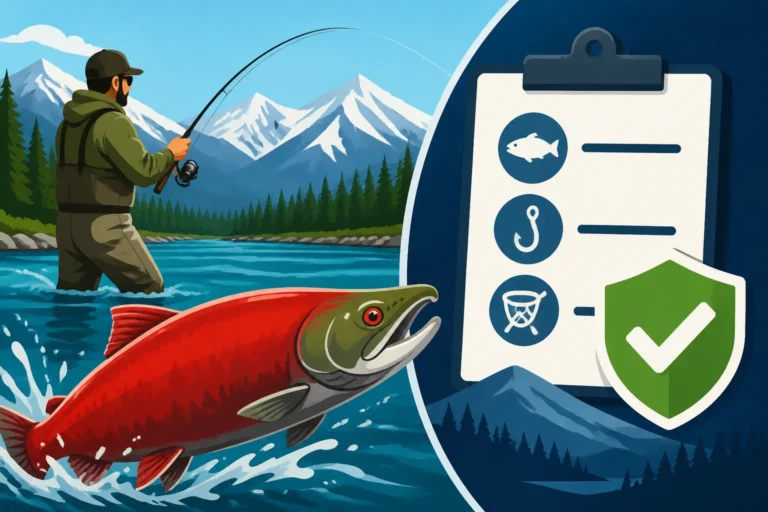
It’s a truly frustrating experience to finally hook into one of Alaska's majestic steelhead, only to worry if you’re handling it correctly or if you're even allowed to keep it. The regulations can feel like a labyrinth, and the ethical responsibility of releasing these incredible fish weighs heavily on every angler's mind. This guide will meticulously walk you through the essential Alaska steelhead catch-and-release rules, techniques, and gear to ensure you're a responsible and successful steward of these magnificent fish.
Understanding Why Catch-and-Release is Crucial for Alaska Steelhead
Steelhead fishing in Alaska is less about filling a freezer and more about the pursuit, the challenge, and the profound connection to wilderness. Unlike their Pacific salmon cousins that often return in massive numbers, steelhead populations are notoriously fragile. This makes catch-and-release not just a suggestion, but often a mandatory and always an ethical imperative to protect these wild populations for future generations.
The Vulnerability of Steelhead Populations
Steelhead, which are sea-run rainbow trout, face a much harder journey and have a far more precarious existence than many other fish species. Their life cycle is complex, involving long migrations, specific spawning habitat requirements, and multiple years in freshwater and saltwater. Many steelhead don't survive their first spawning run, and those that do, known as "kelts," are vital for future reproduction. Factors like habitat loss, climate change, and even incidental mortality from fishing pressure can disproportionately impact their numbers.
Consider a pristine river system like the Situk River near Yakutat, renowned for its incredible steelhead runs. These fish often travel hundreds of miles from the ocean to spawn in specific gravel beds. Each individual fish is precious. A single female steelhead can carry thousands of eggs, and if she's removed from the system, it's not just one fish lost, but potentially thousands of future steelhead. This is why careful handling and a successful release are paramount; they directly contribute to the survival of the species and the health of the entire ecosystem.
Ethical Angling and Sustainable Practices
Ethical angling in Alaska, especially when it comes to steelhead, means embracing practices that prioritize the well-being of the fish above all else. Catch-and-release is the cornerstone of sustainable steelhead fishing, ensuring that these anadromous trout can continue their life cycle, including their arduous journey back to the ocean to feed and return again to spawn. It's about recognizing that we are visitors in their world and have a responsibility to minimize our impact.
This mindset extends beyond simply releasing the fish; it encompasses every decision we make on the water. From choosing the right gear to understanding the river's specific regulations, every action contributes to the bigger picture of conservation. Responsible anglers understand that the thrill of the catch is enhanced by the knowledge that the fish has a strong chance of survival post-release. It's a testament to our commitment to preserving Alaska's wild resources, ensuring that the incredible experience of pursuing a powerful steelhead remains a possibility for years to come. This approach aligns perfectly with the broader philosophy of responsible fishing, which you can learn more about in our guide on Alaska Catch-and-Release Best Practices.
Essential Gear for Successful Steelhead Catch-and-Release
Having the right gear isn't just about catching fish; it's crucially about how you handle them once they're hooked. For steelhead, where catch-and-release is the norm, your equipment choices directly impact the fish's survival rate. Using inappropriate gear can prolong the fight, cause unnecessary stress, and lead to injuries that compromise the fish's ability to recover.
Rods, Reels, and Lines for Gentle Handling
When targeting steelhead, you want a setup that allows you to control the fish efficiently without overtiring it. A medium-fast to fast-action rod, typically in the 8-10 weight range for fly fishing or a medium-heavy spinning/casting rod, provides the backbone needed to turn a powerful fish quickly. This minimizes the fight time, which is critical for reducing lactic acid buildup and exhaustion in the fish. A prolonged fight can be just as detrimental as improper handling out of the water.
Your reel should have a smooth, reliable drag system that can withstand the powerful runs of a steelhead. A jerky or inconsistent drag can lead to break-offs, but more importantly, it can cause the fish to fight harder and longer than necessary. Match your line strength to the conditions and the size of the fish you expect. For example, using a leader that's too light might necessitate an extended fight, increasing stress on the fish. Many anglers find durable, high-quality lines and leaders on platforms like Amazon, ensuring they have reliable gear for those hard-fighting steelhead. For a deeper dive into overall equipment, check out our Alaska Fishing Gear and Tackle Guide.
The Importance of Barbless Hooks and Knotless Nets
These two pieces of gear are non-negotiable for responsible steelhead catch-and-release. Barbless hooks greatly reduce tissue damage and allow for quick, clean removal. In many designated steelhead waters across Alaska, using barbless hooks is not just recommended; it's a mandatory regulation. This specific rule helps ensure that even if a fish swallows the hook, it can be extracted with minimal harm, increasing its chances of survival. Knowing your Alaska Barbless Hook Requirements is essential before you even cast a line.
Similarly, a knotless landing net, preferably made from rubber or a fine, soft mesh, is vital. Traditional knotted nylon nets can abrade a fish's delicate slime coat, which is its primary defense against infection and disease. A rubber net cradles the fish, minimizes damage to its fins and scales, and helps keep it calm. When you land a steelhead, you want to keep it in the water as much as possible, and a knotless net allows you to do that while you prepare for a quick release. You can easily find robust, fish-friendly rubber landing nets from reputable brands available on Amazon, ready to ship to your fishing destination.
Here's a quick comparison of essential C&R gear considerations:
| Gear Type | Recommended Features | Benefit for C&R |
|---|---|---|
| Rods | Medium-fast to fast action, appropriate weight (e.g., 8-10 wt fly) | Minimizes fight time, provides control |
| Reels | Smooth, reliable disc drag | Prevents line breakage, reduces fish exhaustion |
| Line/Leader | Matched to rod/reel, strong enough to control fish | Reduces prolonged fights |
| Hooks | Barbless (mandated in many areas), appropriate size | Minimizes tissue damage, easy removal |
| Nets | Knotless rubber or soft mesh, large enough for fish | Protects slime coat, reduces injury |
| Pliers/Hemostats | Long-nosed, easy-grip | Quick, efficient hook removal |
Mastering the Art of Steelhead Catch-and-Release Techniques
Catching a steelhead is exhilarating, but the true skill of a responsible angler shines in the moments after the hook-set. The techniques you employ to land and release the fish are paramount to its survival. It's not just about getting the fish to hand; it's about minimizing trauma and maximizing its chances of swimming away strong.
Minimizing Fight Time and Handling Stress
When a steelhead takes your offering, the goal is to land it as quickly and efficiently as possible. Avoid excessively light tackle that prolongs the fight, as this exhausts the fish and builds up lactic acid in its muscles, making recovery difficult. Apply firm, steady pressure, and use your rod's leverage to guide the fish towards you. If the fish runs, let the drag do its job, but try to regain line whenever possible.
Once the fish is near, guide it into your knotless net while it's still in the water. Try to keep the fish submerged as much as possible throughout the entire process. Avoid dragging the fish onto rocky banks or gravel, which can strip away its protective slime coat and cause abrasions. If you're wading, find a calm, shallow spot with good cover (like slow current behind a rock) to net the fish, keeping it immersed. The less time a steelhead spends out of water, the better its chances of survival, especially in warmer conditions.
Proper Handling and Release Procedures
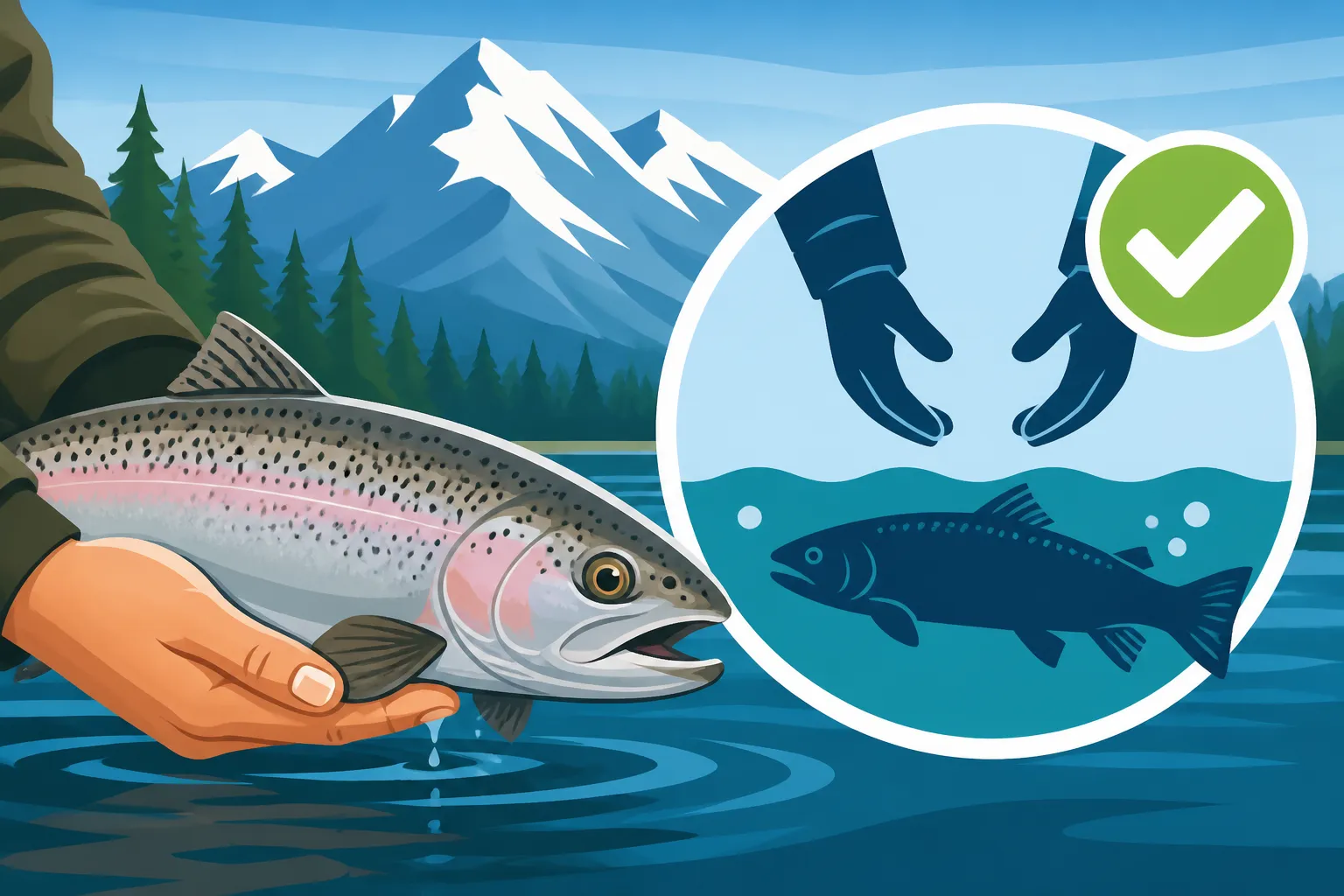
This is where the rubber meets the road. Proper handling is critical. Always wet your hands thoroughly before touching a steelhead. Dry hands can strip off that vital slime coat, leaving the fish vulnerable to disease. If possible, avoid touching the fish at all, and instead remove the hook while it's still in the net and submerged. If you must handle the fish, support its entire body horizontally, especially its belly, to avoid putting undue stress on its internal organs or spine. Never hold a steelhead vertically by its jaw or tail.
Carefully remove the barbless hook using pliers or hemostats. If the hook is deeply embedded and cannot be removed quickly without causing more damage, it's often best to cut the line as close to the hook as possible. Barbless hooks made of non-corrosive materials will often rust out quickly. Once the hook is out, cradle the fish gently in the water, facing it into a gentle current. Allow fresh, oxygenated water to flow over its gills. Don't vigorously push or pull the fish; let it recover at its own pace. It will often give a strong kick when it's ready to swim off. Wait until it can hold itself upright and swim away under its own power before you release your grip.
Key Alaska Steelhead Catch-and-Release Regulations and Zones
Navigating Alaska's fishing regulations can sometimes feel like solving a complex puzzle, especially when dealing with sensitive species like steelhead. The Alaska Department of Fish and Game (ADF&G) implements specific rules to protect these vulnerable populations, and these can vary significantly by region and even by individual river system. Always remember that regulations are subject to change, sometimes on short notice, due to fluctuating fish numbers or environmental conditions.
General Statewide C&R Requirements
While there isn't a blanket "statewide catch-and-release only" rule for all steelhead in Alaska, catch-and-release is either explicitly mandated or strongly encouraged in many of the state's prime steelhead fisheries. A fundamental regulation that applies across many salmon and trout fisheries, and is particularly relevant for steelhead, is the requirement for barbless hooks. This rule is designed specifically to minimize injury to fish that are intended for release. Always carry a copy of the current Alaska Fishing Regulations Explained booklet, or have access to the ADF&G website to confirm the rules for your specific area.
Furthermore, many areas that allow retention of other salmon species will have specific catch-and-release only rules for steelhead, or very restrictive bag limits. It’s not uncommon for anglers to be required to record all retained salmon, but for steelhead, the emphasis is almost always on returning them unharmed. You might also encounter gear restrictions, such as fly-fishing only or single-hook only rules, all aimed at reducing fishing pressure and incidental mortality on steelhead. Staying informed about these general requirements is your first step towards legal and ethical steelhead fishing.
Specific River and Area Restrictions
This is where it gets really granular, and paying close attention is paramount. Many of Alaska's most famous steelhead rivers have highly specific and often dynamic regulations. For instance, the renowned Situk River near Yakutat, a world-class steelhead destination, frequently has regulations that dictate catch-and-release only, specific open and closed seasons for steelhead, and sometimes even closures on specific sections of the river. The Karluk River on Kodiak Island and many streams throughout Southeast Alaska, especially on islands like Prince of Wales, are other examples of areas with stringent steelhead regulations.
These river-specific rules can include unique bag and possession limits (often zero for steelhead), gear restrictions (e.g., only unbaited artificial lures), and even time-of-day restrictions. It’s absolutely critical to consult the most current ADF&G regulations booklet for the specific region and river you plan to fish. You'll find these broken down by area, such as "Southeast Alaska Sport Fish Regulations" or "Southcentral Alaska Sport Fish Regulations." Don't just rely on general knowledge; verify the specifics. Regularly checking for Alaska Fishing Emergency Orders Explained is also vital, as these can change regulations overnight due to conservation concerns. Our detailed guide on Alaska Steelhead Fishing Regulations and Limits can provide more regional insights.
Always consult the official ADF&G online resources or obtain a physical copy of the regulation booklet before heading out. Pay close attention to the specific section for "Steelhead/Rainbow Trout" for your chosen river or area.
Post-Release Care and Ensuring Fish Survival
The moment you release a steelhead back into the water isn't the end of your responsibility; it's a critical phase in ensuring its survival. A successful release means the fish swims away strong and has the best possible chance to continue its life cycle. Unfortunately, a fish that appears to swim off vigorously might still succumb to stress or injury hours later if proper post-release care isn't taken.
Recognizing Signs of Fish Stress
A stressed steelhead will exhibit certain behaviors that are important for anglers to recognize. Look for signs such as heavy or irregular gill movement, disorientation, an inability to maintain an upright position, or a lack of responsiveness to gentle prodding. A fish that is slow to react, seems listless, or has lost its vibrant coloration might be severely stressed. You might also notice a loss of mucous (slime coat) on its body, which is a clear indicator of mishandling.
If you observe these signs, it means the fish needs more time and attention before it's truly ready to be released. Don't rush the process, especially if the water is warm or the fight was prolonged. The goal is for the fish to swim off with a strong, deliberate kick, disappearing quickly into the current. If it lingers near the surface or drifts downstream, it's not ready.
Best Practices for Revival and Observation
To aid in revival, gently hold the steelhead in the water, supporting its belly, and face it into a mild current. This allows fresh, oxygenated water to flow over its gills without the fish expending energy to swim. Avoid moving the fish back and forth in the water; this "rocking" motion can actually impede oxygen flow. Instead, hold it steady, letting the current do the work. You might need to do this for several minutes, or even longer, depending on the fish's condition and the water temperature.
Once the fish shows signs of strong recovery – steady gill movement, regained color, and attempting to swim out of your hands – you can gently release your grip. Watch the fish for a moment to ensure it swims off strongly and doesn't just sink or drift. If it struggles, recapture it gently and continue the revival process. Sometimes, it takes a couple of attempts for the fish to fully recover. Remember, the investment of a few extra minutes in revival dramatically increases the fish's chances of long-term survival. This careful attention contributes significantly to the health of the species, as discussed in Alaska Steelhead: Facts and Fishing Tips.
Common Mistakes to Avoid When Releasing Steelhead
Even experienced anglers can make mistakes, especially when the adrenaline of landing a magnificent steelhead takes over. Being mindful of these common pitfalls can significantly improve the survival rate of the fish you release, reinforcing your commitment to ethical angling and conservation.
Mishandling and Prolonged Exposure to Air
One of the most frequent and damaging mistakes is taking a steelhead out of the water for too long, especially for photos. While a trophy shot is tempting, prolonged exposure to air can cause severe stress and damage to a fish's gills, which collapse when not submerged. Even a minute or two out of the water can drastically reduce its chances of survival. If you absolutely must take a photo, prepare your camera beforehand, keep the fish in the net and submerged for as long as possible, and then lift it out for only a few quick seconds, holding it horizontally with wet hands.
Another mishandling error is grabbing the fish by its gills or eyes, or squeezing it tightly around its belly. Gills are incredibly fragile and vital for oxygen exchange; damage to them is often fatal. Squeezing a fish can damage internal organs. Always handle the fish with wet hands, supporting its full body weight, ideally cradled in a rubber net while partially submerged. Avoid letting the fish flop around on the bank or in the bottom of a boat, which can cause abrasions and trauma.
Using the Wrong Gear or Techniques
Using gear that isn't appropriate for steelhead can lead to issues even before the release. For instance, tiny, weak hooks might tear out of a fish's mouth, causing unnecessary damage. Conversely, overly large, barbed treble hooks can become deeply embedded, making removal difficult and injurious. Stick to single, barbless hooks as often required by Alaska Barbless Hook Requirements.
Improper landing techniques are also common. While it's important to land the fish quickly, avoid violently thrashing it against the boat or riverbank. Use a proper knotless net to gently scoop the fish. Trying to "beach" a large steelhead without a net often results in the fish being dragged through abrasive gravel or rocks, stripping away its protective slime coat and causing injuries. Similarly, fighting a fish to absolute exhaustion with tackle that's too light not only prolongs the struggle but also means the fish will have less energy for recovery after release. Matching your tackle to the species and conditions, as outlined in our Alaska Fishing Gear and Tackle Guide, is a proactive step in ensuring a successful catch-and-release experience.
By being aware of these common mistakes and actively working to avoid them, you become a more effective steward of Alaska's precious steelhead populations.
Disclaimer
The information provided in this guide is for general informational purposes only and does not constitute legal advice. Alaska fishing regulations, including those pertaining to steelhead catch-and-release, are subject to change by the Alaska Department of Fish and Game (ADF&G). It is the sole responsibility of the angler to review and comply with all current federal, state, and local fishing regulations, emergency orders, and licensing requirements before engaging in any fishing activities. Always check the official ADF&G website or obtain the latest printed regulation booklet for the specific area you plan to fish.