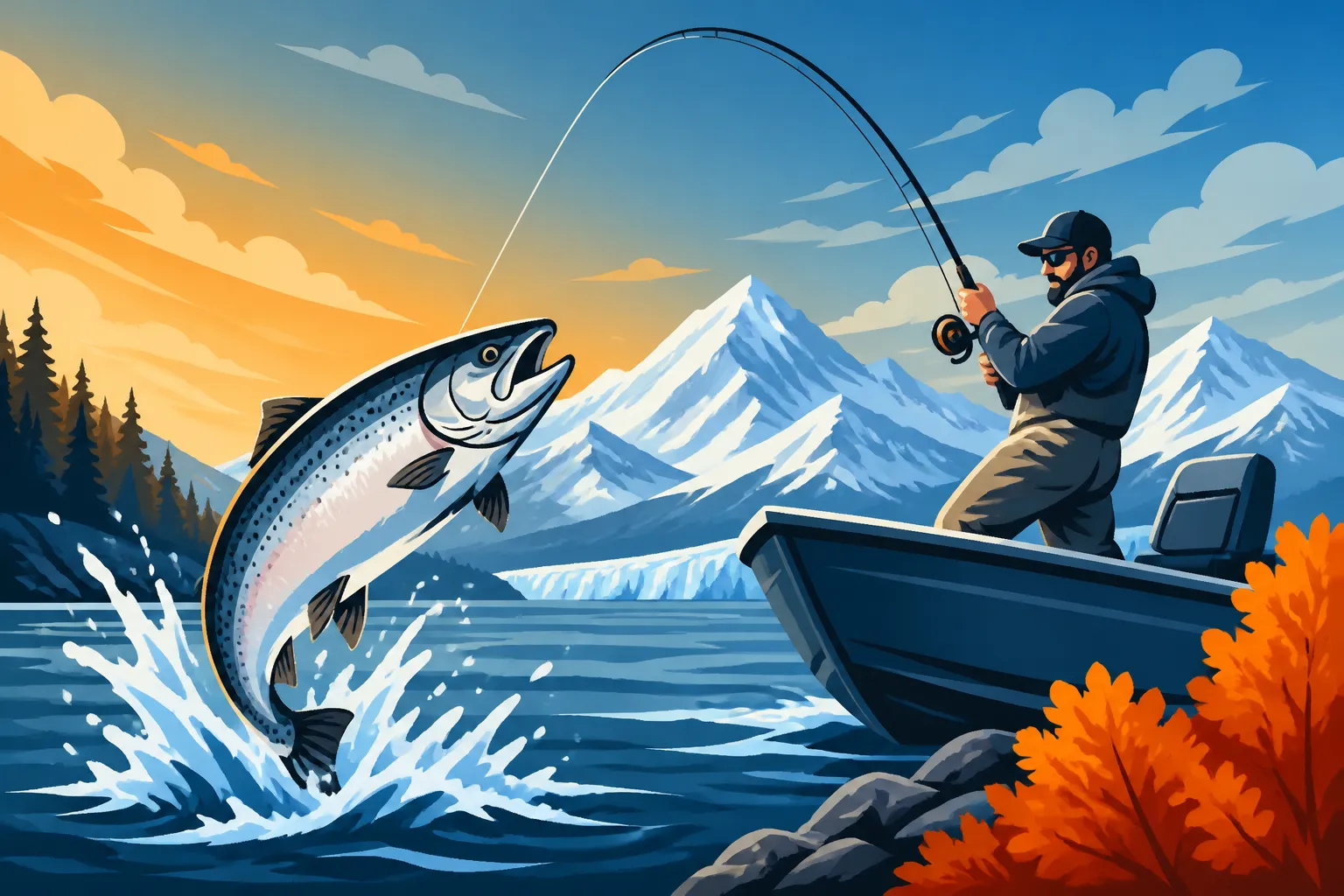
Alaska Fishing in Late Season
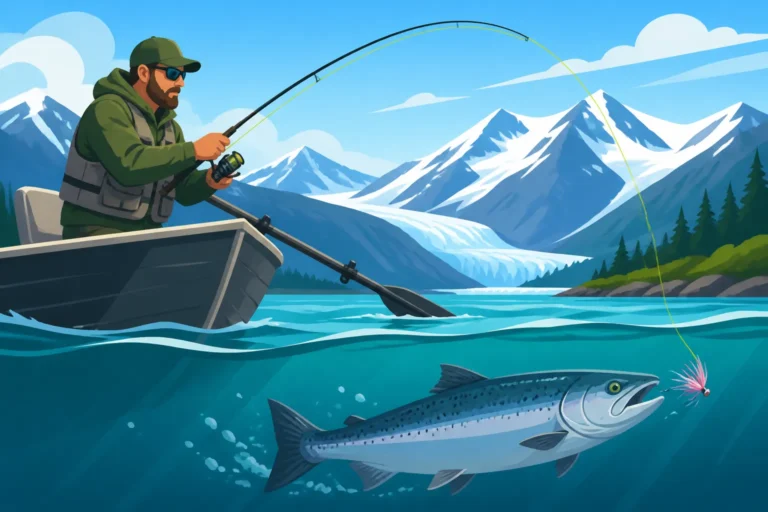
So many anglers dream of an Alaska fishing trip in the glorious summer months, picturing endless daylight and rivers teeming with salmon. But what if your schedule only allows for a trip later in the year, or you simply prefer to avoid the peak season hustle? Don't worry, late-season Alaska fishing offers its own unique magic and incredible opportunities, even as the days shorten and a crisp chill fills the air. This guide will walk you through everything you need to know to make your autumn angling adventure a resounding success.
Understanding Alaska's Late Season Fishing Calendar
When most people think of "late season" in Alaska, they often envision dwindling salmon runs and the end of the fishing year. However, this couldn't be further from the truth. While some species do wind down, others are just hitting their stride, offering different, often more peaceful, experiences.
When Does "Late Season" Really Begin and End?
Typically, late season in Alaska kicks off in earnest around mid-August and can extend well into October, sometimes even November in certain areas or for specific species like resident trout or ice fishing opportunities. August is often a transition month, where you might still overlap with some of the summer runs while new fall species start to arrive. By September, the tourist crowds have largely thinned, and a distinct shift in the fishing dynamics becomes noticeable. The trees on the Kenai Peninsula blaze with brilliant gold and red, making for a truly picturesque backdrop. Water temperatures begin to drop steadily, which influences fish behavior and the techniques you’ll employ.
October is when things get serious for the dedicated late-season angler. Many remote lodges will have closed their doors, and fewer guiding operations are running. This means more solitude but also requires more self-sufficiency and awareness of changing conditions. The days are much shorter, and you'll often encounter frost on your gear in the mornings. For those willing to embrace the colder temperatures and potential for unpredictable weather, the rewards can be immense, especially for trophy trout and lingering silver salmon.
Key Fish Species to Target in the Fall
While the massive King and Sockeye salmon runs of early summer might be a distant memory, late season brings its own set of angling stars to the forefront.
- Coho Salmon (Silver Salmon): These fish are, without a doubt, the champions of late-season salmon fishing. The Coho run often peaks in August and September, extending well into October in many Southcentral and Southeast rivers. They're incredibly aggressive fighters, known for acrobatic jumps and powerful runs. You can find them in both freshwater rivers and estuaries, often chasing baitfish before heading upstream to spawn. Rivers like the Kenai, Kasilof, and Susitna drainages are legendary for their robust silver salmon runs. Check out our guide on Alaska Coho Salmon Fishing Regulations and Limits to make sure you're up to date.
- Rainbow Trout and Dolly Varden: As salmon complete their spawning cycles, their eggs become a crucial food source for resident fish like rainbow trout and Dolly Varden. September and October are prime times for "egg fishing" on many rivers, particularly those that see strong sockeye and king salmon runs. The Kenai River, for example, is world-renowned for its colossal rainbow trout that gorge on salmon eggs in the fall, bulking up for winter. You might even find yourself chasing the elusive steelhead, which are essentially sea-run rainbow trout, in Southeast Alaska rivers during this time. For more information on trout, refer to our article on Alaska Rainbow Trout Fishing Regulations and Limits.
- Chum Salmon (Dog Salmon): While not as widely targeted as other salmon for their table fare, chums can provide excellent sport fishing in the late season, especially in their spawning colors. They're incredibly powerful fish and can be a lot of fun on a fly rod or light spinning gear. Many anglers release them, but they can be decent smoked if caught early in their run before they deteriorate.
- Halibut and Rockfish: Don't forget the saltwater! While the very peak of halibut season might be in July, good halibut fishing can persist through September and sometimes into early October in places like Homer or Seward. Many charter operators will still be running trips, and the cooler water can sometimes concentrate baitfish, leading to productive days. Lingcod and various species of rockfish also remain active and can be targeted through the fall, often providing a delicious bonus to a halibut trip. Our guide to Alaska Halibut Fishing Regulations and Limits has all the details.
Why Late Season Fishing is Unique
Fishing in Alaska during the late season offers a distinctly different vibe than the bustling summer months. For many, it's a preferred time to visit precisely because of these unique characteristics.
Firstly, the crowds diminish significantly. This means more elbow room on popular rivers like the Russian or Kenai, easier access to prime fishing spots, and a generally more relaxed atmosphere. You won't be battling for a spot on the bank quite as often, which can make the experience far more enjoyable and serene. This alone is a huge draw for those seeking solitude and a more intimate connection with Alaska's wild landscapes.
Secondly, the fall foliage is absolutely breathtaking. Alaska's birch and cottonwood trees turn vibrant shades of gold, orange, and red, creating a stunning backdrop to your fishing adventures. Imagine hooking into a feisty silver salmon while surrounded by such natural beauty – it's an unforgettable experience that summer simply can't offer. The crisp, clean air also adds to the sensory experience, making every cast feel invigorating.
Finally, the trophy potential for certain species can be exceptional. As mentioned, rainbow trout, in particular, reach impressive sizes during the fall as they fatten up on salmon eggs. For dedicated fly anglers, targeting these behemoths with egg patterns is a highlight of the year. Similarly, late-run silver salmon can be some of the largest and most powerful of the season, providing incredible fights for those who brave the cooler conditions.
Gear Up for the Chill: Essential Late Season Equipment
Preparing for late-season Alaska fishing means embracing the elements. The weather can change on a dime, swinging from mild sunshine to biting wind and rain in a matter of hours. Being prepared is key to staying comfortable and maximizing your time on the water.
Dressing for Success: Layers and Rain Gear
Layering is your absolute best friend in Alaska, especially in the late season. Forget heavy, bulky coats that restrict movement; think smart, adaptable layers. Start with a moisture-wicking base layer (merino wool or synthetic, never cotton!) against your skin. This helps regulate body temperature by wicking sweat away. Over that, add an insulating mid-layer like a fleece jacket or a puffy vest. For your outer layer, you need something that is both waterproof and windproof. A high-quality GORE-TEX jacket and pants are non-negotiable. Brands like Grundéns, Simms, and Helly Hansen are popular among Alaskan anglers for their durability and performance. If you're looking for good options, you can often find great deals on these types of durable outerwear on Amazon.
Don't forget your extremities! A warm, waterproof hat that covers your ears is crucial, as is a good pair of gloves. Neoprene gloves or fingerless wool gloves with convertible mittens are excellent choices for maintaining dexterity while providing warmth. Thick wool socks (again, no cotton!) inside waterproof wading boots or insulated rubber boots will keep your feet happy. A detailed breakdown can be found in our guide on How to Dress for Alaska Fishing.
Tackle and Bait Considerations for Cooler Waters
As water temperatures drop, fish behavior often changes. They may become less aggressive or hold in different areas, requiring adjustments to your tackle and presentation.
- Rods and Reels: For silver salmon, a medium-heavy spinning or casting rod, 8.5 to 10.5 feet long, paired with a reliable reel spooled with 20-30 lb braided line and a fluorocarbon leader (15-20 lb) is a versatile setup. For trout and Dolly Varden, a lighter 7-9 foot medium-light rod with 8-12 lb line will offer more sport. Fly anglers targeting trout might use a 6-8 weight rod, while those after silvers might go up to an 8-10 weight.
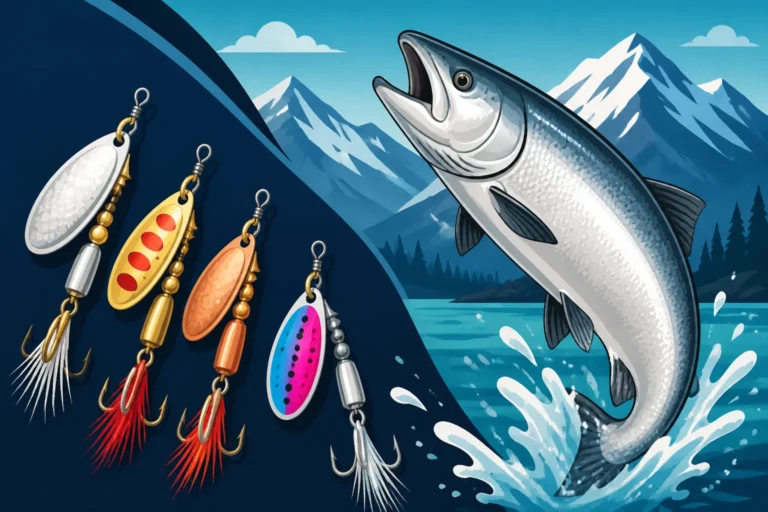
- Lures and Baits for Salmon: Late-season silvers are often aggressive, especially on sunny days. Spinners like Blue Fox Vibrax (sizes 3-5) in bright colors (chartreuse, pink, orange, silver) are excellent. Casting spoons, such as the Pixie or Gibbs Koho, also work well. Divers and plugs (Kwikfish, Flatfish) in silver, chartreuse, or even purple can be highly effective, especially when back-trolling from a boat. Cured salmon roe, either fished under a bobber or drift-fished, remains a killer bait, particularly in lower, clearer water. Look for pre-made setups or individual components on Amazon to build your tackle box.
- Flies for Trout and Dolly Varden: For rainbow trout and Dolly Varden feeding on salmon eggs, bead patterns (often 8-10mm in various opaque or clear orange/pink shades) are incredibly effective, typically fished under a strike indicator. Flesh flies, Sculpins, and various nymph patterns can also produce, especially in areas where salmon are actively spawning or have recently spawned.
- Halibut and Rockfish Gear: For saltwater, heavy-duty conventional rods and reels spooled with 60-100 lb braided line are standard. Large jigs (8-16 oz) tipped with herring or salmon heads, or spreader bars with circle hooks and bait, are the go-to. Make sure your gear is robust enough for potentially very large fish in deep water.
Boat and Wading Gear Adaptations
If you're planning on wading, waterproof waders are non-negotiable. Breathable waders are great, but in colder temperatures, neoprene waders can offer additional warmth. However, neoprene is bulky, so many prefer breathable waders with heavy fleece pants underneath. Felt-soled wading boots provide better traction on slippery river rocks, but rubber-soled boots are mandatory in some areas to prevent the spread of invasive species. Always check local regulations before choosing your footwear.
For boat anglers, even if you’re fishing from a covered charter boat, warm, waterproof outerwear is still essential. The deck can get wet and cold, and spray from the water will chill you quickly. Non-slip, insulated deck boots are highly recommended. Many guides will have extra gear, but it’s always best to bring your own reliable setup. Consider consulting our comprehensive Alaska Fishing Gear and Tackle Guide for more detailed recommendations.
Prime Spots and Techniques for Late Season Success
Knowing where and how to fish can make all the difference when pursuing fish in the cooler temperatures of fall.
Best Rivers and Saltwater Hotspots in Autumn
Many of Alaska’s most famous fishing grounds continue to produce well into the late season.
- Kenai Peninsula Rivers: The Kenai River is legendary for its fall silver salmon run and, more famously, its trophy rainbow trout that feast on salmon eggs. Cooper Landing and the middle river sections are particularly renowned for trout. The Kasilof River also sees excellent silver salmon returns and can hold impressive trout. The Russian River might be slowing down for salmon, but the lower river can still have some lingering fish and good trout action.
- Susitna River Drainage: Rivers like the Deshka River and tributaries of the Susitna system can offer solid silver salmon fishing throughout September. These areas are often less crowded than the Kenai Peninsula.
- Southeast Alaska: This region, including areas around Ketchikan, Sitka, and Juneau, is fantastic for late-season coho, as well as resident cutthroat trout, Dolly Varden, and steelhead. The coastal rivers and protected saltwater bays offer diverse opportunities.
- Saltwater Havens: Homer and Seward remain prime locations for halibut and rockfish through much of September. While the number of charters may decrease, dedicated trips can still yield great results. The deep waters of Prince William Sound also hold good numbers of rockfish and lingcod well into the fall. For more on specific spots, our Best Fishing Spots in Alaska guide is a great resource.
Effective Techniques for Fall Salmon and Trout
Adapting your techniques to the changing conditions is crucial for late-season success.
- For Silver Salmon:
- Casting Spinners/Spoons: This is a classic and effective method. Cast upstream or across the current and retrieve, letting the lure swing downstream and fish through likely holding water. Vary your retrieve speed.
- Drift Fishing: Using cured roe, an unweighted fly, or a small jig under a bobber can be deadly, especially in slower, deeper runs. Allow your presentation to drift naturally with the current, mimicking free-floating salmon eggs.
- Back-Trolling Plugs: From a boat, back-trolling diving plugs like Kwikfish or Flatfish can cover a lot of water and entice aggressive silvers. These plugs provide a lot of action and scent in the water.
- Fly Fishing: For fly anglers, swinging flies like Coho salmon patterns (e.g., Dolly Llama, Clouser Minnow) or stripping large streamer patterns can be very effective. Look for fish holding in slower water or eddies.
- For Rainbow Trout and Dolly Varden:
- Egging (Bead Fishing): This is perhaps the most iconic fall technique. A brightly colored bead, chosen to imitate a salmon egg, is pegged a couple of inches above a small hook. This is typically fished under a strike indicator, allowing the bead to drift naturally along the bottom where trout are feeding on real eggs.
- Flesh Flies and Nymphs: As salmon spawn and die, their flesh becomes another food source. Flesh flies, mimicking pieces of decaying salmon, can be very effective. Traditional nymphs can also fool opportunistic trout.
- Streamers: Especially for larger, aggressive trout, stripping or swinging streamer patterns that imitate baitfish can provoke a strike.
- Spin Fishing with Bait/Lures: Small spinners, single salmon eggs, or even tiny jigs can be productive for resident trout in smaller streams. Just ensure you’re using single, barbless hooks if required by regulations, as is often the case in trophy trout waters.
Navigating Emergency Orders and Changing Regulations
Alaska’s fishing regulations are dynamic, and this is especially true in the late season when fish runs are winding down or reacting to environmental conditions. Emergency Orders (EOs) are common and can change bag limits, open/close seasons, or alter legal gear on very short notice. For example, Alaska Fishing Emergency Orders Explained is a must-read before any trip.
It's absolutely critical to check the Alaska Department of Fish and Game (ADF&G) website or their local offices frequently, even daily, during your trip. Many lodges and guides will also keep you informed, but personal responsibility is key. A fishery that was open yesterday could be closed today, or bag limits could be reduced. Staying informed helps you avoid violations and ensures you’re fishing legally and ethically. Understanding the Alaska Fishing Limits and Bag Limits Explained will prevent any unwelcome surprises.
The Rewards and Challenges of Late Season Fishing
Deciding to fish in Alaska during the fall is a balance of incredible benefits and potential hurdles. Knowing what to expect will help you prepare mentally and practically for your adventure.
Fewer Crowds and Serene Experiences
One of the most compelling reasons to plan a late-season fishing trip to Alaska is the significant reduction in crowds. Throughout July and early August, popular spots like the Kenai River can feel almost like a combat zone, with anglers shoulder-to-shoulder vying for the best spots. By September, many of the summer tourists have departed, and the rivers and boat launches become much more peaceful. This means you’ll often have stretches of river to yourself, allowing for a more reflective and enjoyable angling experience.
Imagine standing on a riverbank, surrounded by the stunning fall colors, with only the sound of the rushing water and the occasional cry of a bald eagle. The solitude allows for a deeper appreciation of Alaska's wilderness and can be incredibly rejuvenating. This quieter atmosphere also makes it easier to move around, explore different spots, and truly soak in the natural beauty without the constant hum of human activity. For those who prioritize peace and quiet, the late season is a golden opportunity.
Unpredictable Weather and River Conditions
The trade-off for fewer crowds is often more challenging weather. While you can certainly get glorious, sunny fall days, you also need to be prepared for rapid shifts. Rain, wind, and even early snow are all distinct possibilities, especially as you move into late September and October. Temperatures can drop significantly overnight, leading to frosty mornings and icy patches on roads or trails. This unpredictable nature means packing layers and high-quality rain gear is not just recommended, it's essential. You won't regret having that extra thermal layer when a cold front blows in.
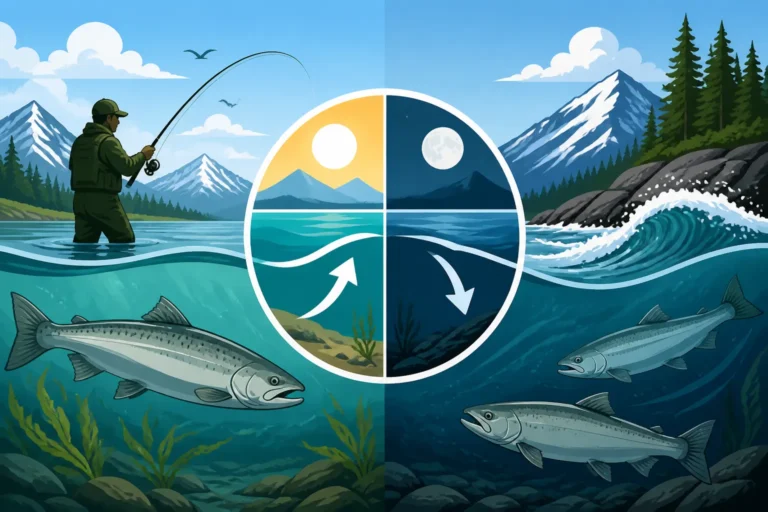
River conditions can also be more variable. Cooler temperatures can lead to lower, clearer water, which might make fish more skittish and require a stealthier approach. Conversely, heavy fall rains can cause rivers to rise and become murky quickly, making fishing difficult or even impossible in certain areas. It's crucial to pay attention to weather forecasts and river flow data, especially if you're planning a self-guided trip. Flexibility in your plans is a huge asset when dealing with Alaska's autumn whims.
Trophy Potential and Lingering Spawners
Despite the challenges, the late season offers some truly incredible angling rewards. As mentioned, for species like rainbow trout and Dolly Varden, fall is prime time. These fish actively gorge on the protein-rich eggs of spawning salmon, growing larger and stronger. This means the chance to hook into a "trophy" rainbow or a massive Dolly Varden is significantly higher in the fall compared to summer. The Kenai River, in particular, is famed for its monster rainbows during the fall egg drop, attracting serious fly anglers from around the world. Our guide on Alaska Steelhead Catch-and-Release Rules is relevant here, as these impressive fish are often targeted in the fall as well.
Furthermore, while the main salmon runs may have passed, there are often lingering spawners and late-run fish still entering the rivers. These fish, while perhaps not in their prime for eating, can still offer an incredible fight, especially if they haven't completely shut down their feeding behavior. For the dedicated angler, even a single, powerful silver salmon hooked in the golden glow of an autumn afternoon can be the highlight of a trip. This mix of opportunistic feeders and hardy late-run fish makes late-season fishing a truly dynamic experience.
Here’s a quick overview to help you plan your late-season strategy:
| Feature | Silver Salmon (Coho) | Rainbow Trout / Dolly Varden | Halibut / Rockfish (Saltwater) |
|---|---|---|---|
| Peak Season | Mid-August to October | September to October (Post-spawn egg drop) | August to Early October |
| Key Locations | Kenai, Kasilof, Susitna tributaries, Southeast rivers | Kenai River, Russian River, clear feeder streams | Homer, Seward, Prince William Sound, Southeast coastal waters |
| Typical Gear | Medium-heavy spinning/casting rods (8.5-10.5 ft), 20-30lb braid, 15-20lb fluoro leader | Medium-light spinning/fly rods (7-9 ft), 8-12lb line, 6-8wt fly rod | Heavy conventional rods, 60-100lb braid |
| Effective Baits/Lures | Spinners (Blue Fox Vibrax), Spoons (Pixie), Plugs (Kwikfish), Cured Roe | Salmon Egg Beads, Flesh Flies, Small Nymphs, Streamers | Jigs (8-16 oz), Herring, Salmon Heads |
| Fishing Method | Casting, Drift Fishing, Back-Trolling, Fly Swinging | Drift Fishing (indicators), Fly casting, Spin casting | Bottom Fishing, Jigging |
| Crowd Level | Moderate to Low | Low | Moderate to Low |
| Weather Impact | Can be highly affected by cold fronts/rain | Good for low, clear water; can be tough in high, turbid water | Can be cancelled due to high winds/rough seas |
Disclaimer
The information provided in this guide is for general informational purposes only and is subject to change. Alaska fishing regulations, seasons, and limits can vary significantly by region, species, and year, and are often updated through emergency orders. Always consult the most current regulations published by the Alaska Department of Fish and Game (ADF&G) before planning or embarking on any fishing trip. It is your responsibility to know and follow all applicable laws and regulations.