Alaska Rainbow Trout Fishing Regulations and Limits
Trying to navigate Alaska's fishing regulations for a specific species like rainbow trout can feel like deciphering an ancient scroll, especially with all the regional nuances and constantly changing rules. Many anglers, both seasoned Alaskans and eager visitors, get frustrated by the sheer volume of information and the fear of inadvertently breaking a rule. This guide aims to cut through that confusion, giving you a clear, comprehensive understanding of Alaska's rainbow trout fishing regulations and limits so you can hit the water with confidence.
Understanding Alaska's Unique Rainbow Trout Regulations
Alaska's rainbow trout regulations are a prime example of how the Last Frontier manages its incredibly diverse fisheries. Unlike some states with broad, uniform rules, Alaska takes a more granular approach, tailoring regulations to specific water bodies, fish populations, and even times of the year. This isn't done to make things complicated, but rather to protect fragile ecosystems and ensure sustainable fishing opportunities for generations to come.
Why Rainbow Trout Rules Vary So Much
The primary reason for such varied regulations is the immense geographic and ecological diversity found across Alaska. A rainbow trout fishery in the interior of Alaska, like the Chena River, faces different pressures and environmental conditions than a world-renowned trophy rainbow fishery on the Kenai Peninsula, or a remote fly-in stream in Bristol Bay. Factors such as spawning success, habitat health, fishing pressure, and the specific genetic stock of trout all play a role in determining how many fish can be kept, what size they must be, and even what tackle can be used. For instance, a river with a strong wild trout population might have stricter catch-and-release rules to preserve larger breeding fish, while a stocked lake might have more liberal harvest limits. It's truly a localized approach, meaning you can't just assume what's legal in one spot is legal everywhere. It's crucial to consult the Alaska Department of Fish and Game (ADF&G) regulations booklet for the specific region you plan to fish, as well as check for any last-minute emergency orders. Knowing How to Read Alaska Fishing Regulations effectively is key to a successful trip.
General Statewide vs. Specific Regional Rules
While the ADF&G issues a comprehensive statewide sport fishing regulations booklet, it's really just the starting point. Within that larger framework, you'll find entire sections dedicated to specific regions like Southcentral, Southeast, Interior, and Arctic-Yukon-Kuskokwim. Even within those regions, individual rivers, lakes, and even sections of rivers can have their own distinct rules. For example, the general statewide daily bag limit for rainbow trout might be two, but a specific section of the Kenai River might be strictly catch-and-release for rainbow trout, with a zero bag limit. These localized regulations often address issues pertinent only to that specific water body, such as protecting unique populations of large, wild rainbow trout or managing areas with high fishing pressure. Always double-check the regulations for the exact body of water you intend to fish. A general Alaska Fishing Regulations Explained guide can help, but the devil is always in the details of the specific area.
Key Components of Rainbow Trout Regulations
When you're looking at rainbow trout regulations, you'll encounter several common elements that dictate what you can and cannot do. These include bag limits, possession limits, size restrictions, and specific seasonal closures. Understanding each of these components is vital for staying on the right side of the law and contributing to sustainable fishing practices.
Bag and Possession Limits
The terms "bag limit" and "possession limit" are often confused, but they have distinct meanings that are critical for anglers to understand. The bag limit refers to the number of fish you can harvest and retain in a single day. For instance, if the daily bag limit for rainbow trout is two, you can only keep two rainbow trout from midnight to midnight.
The possession limit, on the other hand, refers to the total number of fish you can have in your possession at any given time, whether fresh, frozen, or processed. This includes fish in your cooler, in your vehicle, back at your lodge, or even those already processed and packaged. For most resident sport fisheries in Alaska, the possession limit is typically the same as the daily bag limit. However, for non-residents, especially for species like salmon, the possession limit can sometimes be twice the daily bag limit, accounting for multi-day trips where fish are accumulated. For rainbow trout, it's usually simpler: if you can bag two per day, you can possess two. If you're on a multi-day trip and the daily limit is two, and the possession limit is also two, you'll need to consume or ship home your catch before you can harvest more on subsequent days. Always be clear on both limits.
Size Limits and Slot Limits
Size limits are put in place to protect certain segments of the fish population, typically juveniles that haven't had a chance to spawn, or large, mature fish that are crucial for reproduction.
- Minimum Size Limits: A minimum size limit means any fish shorter than the specified length must be immediately released. This protects young fish, allowing them to grow and contribute to future generations.
- Maximum Size Limits: A maximum size limit means any fish longer than the specified length must be immediately released. This is often implemented to protect large, genetically superior breeding stock. In some areas, these big fish are considered "trophy" class and are too valuable to the fishery's future to be removed.
- Slot Limits: This is where things get a bit more nuanced. A slot limit specifies a range of sizes within which you can keep a fish. For example, a regulation might state you can keep one rainbow trout between 18 and 24 inches. Any fish smaller than 18 inches or larger than 24 inches would have to be released. This management tool aims to protect both the very young and the very old, allowing for harvest of fish in their prime reproductive years. The Kenai River, famous for its giant rainbow trout, often uses highly specific slot limits to protect these magnificent fish. Understanding Alaska Rainbow Trout Slot Limit Explained can save you a lot of headache and potential fines.
It's common to find specific size regulations applied to rainbow trout in critical habitats. For instance, in areas like the upper Kenai River, where the goal is to maintain a world-class trophy fishery, you might encounter regulations that mandate catch-and-release for all rainbow trout, regardless of size, or allow only for retention of very small, hatchery-raised fish.
Seasons and Closures
Rainbow trout seasons are carefully managed to coincide with periods when fishing pressure won't unduly harm the population, particularly during spawning. In Alaska, seasons can vary dramatically. Many lakes and rivers that hold rainbow trout are open year-round for sport fishing, but certain sections or specific times of the year might have closures or special restrictions.
For example, a river section that serves as a critical spawning ground might be closed entirely during spring or early summer to protect spawning fish. Other areas might transition from a general season to a "catch-and-release only" period to reduce mortality during sensitive times. Emergency orders are also a frequent occurrence in Alaska, especially with salmon runs impacting trout behavior and populations. These orders can modify seasons, limits, or even close fisheries entirely with little notice. It's why anglers should always check the ADF&G website or hotline for Alaska Fishing Emergency Orders Explained before heading out. Having a plan B, or being flexible with your target species, is often a wise approach when fishing in Alaska.
Gear, Bait, and Technique Restrictions for Rainbow Trout
Fishing in Alaska isn't just about how many fish you catch, but also how you catch them. For rainbow trout, especially in sensitive or high-pressure areas, there are often specific rules regarding the type of gear, bait, and even techniques you can employ. These regulations are designed to minimize harm to fish, reduce snagging, and promote fair chase.
Single Hook and Barbless Hook Requirements
One of the most common restrictions you'll encounter in premier rainbow trout fisheries, particularly those managed for catch-and-release, is the requirement for single, barbless hooks.
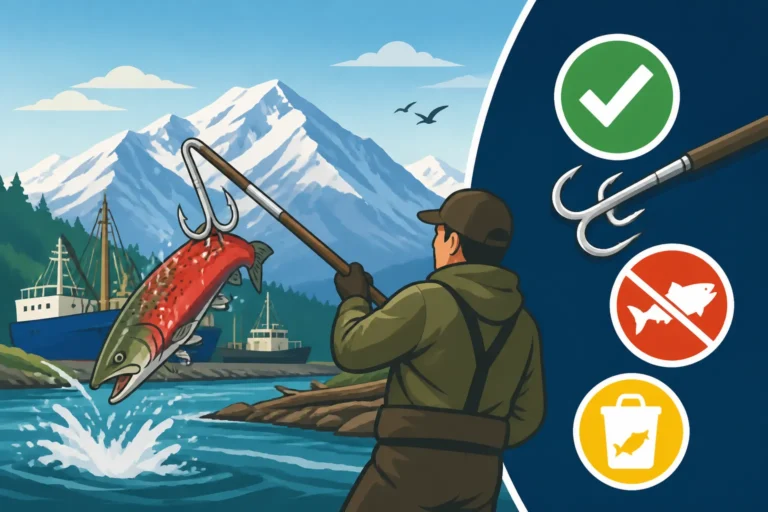
- Single Hooks: This means you cannot use treble hooks or any lure that comes with multiple hooks. The idea is to reduce the chance of foul-hooking a fish or causing excessive damage. If your favorite spinner or plug comes with a treble hook, you'll need to remove it and replace it with a single hook. Many tackle shops in Alaska, and online retailers like Amazon, sell replacement single hooks.
- Barbless Hooks: Barbless hooks are designed to cause less damage to the fish's mouth and allow for quicker, easier release. When a hook is barbless, it slides out much more cleanly, increasing the fish's survival rate. If you're using a barbed hook, you can often "crimp" the barb down with a pair of pliers to make it barbless. Always assume barbless hooks are required in designated catch-and-release areas, or in rivers known for their trophy rainbow trout populations. For a deeper dive, check out Alaska Barbless Hook Requirements.
These rules are often strictly enforced, and an inadvertent barbed hook can lead to a citation, so always double-check your gear before casting a line, especially if you're targeting big, wild rainbows.
Bait vs. Artificial Lure Restrictions
This is another area where regulations can vary significantly, often dependent on the management goals for a particular fishery.
- Bait Prohibited: Many of Alaska's most famous rainbow trout fisheries, particularly those with strong wild populations or those bordering salmon spawning grounds, have strict "artificial lure only" or "fly fishing only" rules. The reasoning here is multi-faceted:
- Reduced Mortality: Fish tend to swallow bait more deeply, leading to higher mortality rates upon release. Artificial lures are often hooked in the mouth, making release easier.
- Preventing Spread of Disease: The use of natural bait from other areas can, in rare cases, introduce non-native pathogens or invasive species.
- Protecting Spawning Salmon: In rivers where rainbow trout feed heavily on salmon eggs (like the Kenai or Russian River during salmon runs), prohibiting bait helps prevent incidental snagging or harvesting of salmon that are on their way to spawn.
- Bait Allowed: In other areas, such as many stocked lakes or rivers with less sensitive wild populations, bait may be perfectly legal. Common baits for rainbow trout include cured salmon eggs, worms, shrimp, and small pieces of fish.
Always consult the specific regulations for your chosen fishing spot. If you're fishing a popular river like the Russian River during a sockeye run, for example, you'll find strict bait restrictions that apply not just to salmon but to trout as well, as they often inhabit the same waters. Fly fishing for Alaska Rainbow Trout is often the preferred method in these "artificial lure only" zones. If you're looking for specific fly patterns or barbless hooks, Amazon has a wide array of options to get you ready.
Two-Pole Endorsement
The ability to use two fishing poles at once can be a game-changer, but it's not universally allowed. In Alaska, a special "two-pole endorsement" is required to fish with two lines simultaneously. This endorsement can be purchased for an additional fee when you buy your Alaska fishing license.
For rainbow trout fishing, whether the two-pole endorsement is useful or even allowed depends entirely on the specific body of water. Many of the most popular river fisheries for rainbow trout, particularly those with high fishing pressure or sensitive populations, do not allow the use of two poles, even if you have the endorsement. This is especially true in areas with "artificial lure only" or "fly fishing only" rules. However, in certain lakes or less-pressured river sections where bait is allowed, a two-pole endorsement might permit you to double your chances. Always check the regulations for the specific area to see if "two poles allowed" is explicitly stated. You can learn more about Alaska Two-Pole Fishing Rules in our detailed guide.
Navigating Specific Rainbow Trout Hotspots and Their Rules
Alaska is vast, and its rainbow trout fisheries are as diverse as its landscapes. From the legendary waters of the Kenai to the remote rivers of Bristol Bay, each renowned destination comes with its own set of rules designed to preserve its unique character and the health of its fish populations.
Kenai River Rainbow Trout Rules
The Kenai River, especially its upper sections around Cooper Landing, is world-famous for its massive, wild rainbow trout. These fish grow incredibly large by feasting on the eggs and carcasses of spawning salmon. Because of their size and importance to the ecosystem and sport fishing economy, the regulations here are among the most stringent in the state.
Generally, the upper Kenai River (above Skilak Lake) is managed as a trophy catch-and-release fishery for rainbow trout. This typically means:
- Zero Retention: You cannot keep any rainbow trout. All fish must be immediately released.
- Artificial Lures Only: Bait is almost always prohibited. Anglers must use artificial flies or lures.
- Single, Barbless Hooks: This is a strict requirement to minimize injury to the fish during release.
- Closed Season: There might be specific closures during spawning periods, usually in the spring, or during periods of low water flow to protect stressed fish.
These rules are not arbitrary; they are critical for maintaining the genetic integrity and sheer size of the Kenai's rainbow trout. Anglers frequently use bead-fishing techniques here, mimicking the natural salmon eggs that constitute a major part of the trout's diet. It’s a truly special fishery, and adhering to these rules helps keep it that way. If you're heading to this region, you'll definitely want to read up on Alaska Kenai River Rainbow Trout Catch-and-Release Areas.
Bristol Bay and Kvichak River Specifics
The Bristol Bay region, encompassing rivers like the Kvichak, Naknek, Alagnak, and Nushagak, is another mecca for rainbow trout. These systems are famous for their immense sockeye salmon runs, and just like the Kenai, the rainbow trout here grow large on a rich diet of salmon eggs and flesh. Fishing in Bristol Bay often involves fly-out trips to remote lodges, offering an unparalleled wilderness experience.
Regulations in Bristol Bay rivers, while often leaning towards catch-and-release for larger rainbows, can sometimes be a bit more flexible than the upper Kenai, depending on the specific river section and time of year.
- Variable Retention: Some rivers or sections might allow for the retention of one or two smaller rainbow trout, while still requiring the release of larger fish (e.g., slot limits protecting fish over 20 inches).
- Artificial Lures/Flies Only: Similar to the Kenai, bait is typically prohibited to protect the trout and salmon populations.
- Single, Barbless Hooks: A common requirement for the same conservation reasons.
- Emergency Orders: Bristol Bay is particularly susceptible to emergency orders, especially if sockeye salmon escapement goals are not being met, which can impact trout fishing indirectly.
Always check the ADF&G regulations for the specific river in the Bristol Bay region you plan to visit. Many of these areas are remote, so access to up-to-date information might be limited once you're on the ground. Print out regulations or save them offline before you go.
Interior and Southeast Alaska Differences
Moving beyond the high-profile fisheries, rainbow trout are found across many other regions of Alaska, and their regulations reflect different management priorities.
- Interior Alaska: Rivers like the Chena, Delta Clearwater, and various lakes in the Fairbanks and Denali areas offer excellent rainbow trout fishing. Here, you might find more liberal bag limits, sometimes allowing for the retention of 2-5 trout, with less restrictive size limits. Hatchery-stocked lakes often have the most generous limits to encourage harvest. Bait is more commonly allowed in many Interior fisheries. For those looking to stock their freezer, these can be fantastic options.
- Southeast Alaska: While more renowned for saltwater salmon and halibut, Southeast Alaska also has numerous lakes and smaller streams with rainbow trout. Many of these are stocked lakes near towns like Juneau or Ketchikan, offering easy access and often more relaxed regulations, including the allowance of bait and more generous bag limits (e.g., 5-10 trout). The focus here is often on providing recreational opportunities for local families and visitors, rather than managing for trophy wild trout.
It’s truly a patchwork, so remember that a local guide or lodge operator will often have the most current insights into the specific rules for their area. When packing for an Alaskan fishing adventure, consider stocking up on essential gear like durable waders and rain gear, easily found on Amazon, as the weather is as varied as the regulations!
Common Mistakes and How to Stay Compliant
Fishing in Alaska is an incredible experience, but the unique and often complex regulations can trip up even the most experienced anglers. Avoiding common mistakes is crucial for a smooth, enjoyable, and legal fishing trip.
Not Checking Emergency Orders
This is perhaps the single biggest pitfall for anglers in Alaska. Regulations printed in the annual booklet are set well in advance, but Alaska’s dynamic fish runs and environmental conditions often necessitate real-time adjustments. These adjustments come in the form of "Emergency Orders" issued by the Alaska Department of Fish and Game (ADF&G). An emergency order can change bag limits, open or close seasons, modify legal gear, or even shut down entire fisheries with very little notice.
Imagine you planned a trip to a favorite river, carefully studied the annual regulations, and arrived ready to fish, only to find an emergency order was issued two days prior, closing the rainbow trout season due to low salmon escapement impacting their food source. It happens! Always check the ADF&G website's emergency order page, the local ADF&G office, or even call their regional offices or hotline before and even during your trip. Local tackle shops and guides are also often excellent sources of up-to-the-minute information. Ignoring this step can turn a dream trip into a costly violation.
Misidentifying Species and Fish Sizes
Alaska is home to five species of Pacific salmon, several types of trout, char, and other freshwater fish. Misidentifying your catch is a surprisingly common mistake that can lead to exceeding bag limits for a specific species or retaining a protected fish. For example, novice anglers might confuse a rainbow trout with a Dolly Varden, which often have different bag and size limits. Even distinguishing between a King Salmon and a large Sockeye can be challenging for the untrained eye, particularly when fishing an area with different regulations for each.
Similarly, misjudging the length of a fish for slot limits is easy to do, especially when dealing with squirming, wet fish. Always carry a reliable measuring device (a soft measuring tape is ideal for fish) and know how to use it accurately. Measure fish from the tip of the snout to the fork of the tail. If there's any doubt about species or size, the safest bet is always to release the fish. For those new to Alaskan species, a good field guide or a quick search online can help with identification.
Here's a quick reference for common rainbow trout regulations in popular areas:
| Fishery Location | Daily Bag Limit (Retention) | Size Limit (Inches) | Bait Allowed? | Special Rules |
|---|---|---|---|---|
| Upper Kenai River | 0 (Catch-and-Release) | All released | No | Single, barbless hooks only; Artificial lures |
| Lower Kenai River | 1 | 16-18 inches (slot limit) | Yes (seasonal) | Single, barbless hooks often required |
| Chena River (Interior) | 2 | Under 16 inches or over 22 inches | Yes | Stocked sections may have different rules |
| Bristol Bay Rivers | 0-1 (Varies by river/zone) | Often catch-and-release over 20" | No | Single, barbless hooks; Artificial lures |
| Juneau Area Lakes | 5 | No size limit | Yes | Stocked lakes |
Note: This table provides general examples. Always consult current ADF&G regulations and emergency orders for the most accurate and up-to-date information for your specific fishing location and time.
Forgetting Your Alaska Fishing License and King Salmon Stamp
This might seem obvious, but in the excitement of a trip, forgetting your license or required stamps happens. You absolutely need a valid Alaska Fishing License: Complete Guide to fish in Alaska, and for non-residents, these can be quite expensive. If you plan to target King Salmon, even if it's incidental to your rainbow trout fishing, you will likely need an Alaska King Salmon Stamp Requirements in addition to your regular license.
Make sure you have your license on you at all times while fishing, either a physical copy or a digital one on your phone. Having multiple digital copies (e.g., email, cloud storage) is a good backup. Getting caught without a valid license or stamp can result in hefty fines and the confiscation of your catch and gear. It's a simple step, but one that’s easily overlooked in the rush to get to the water. Don't let it be you!
Not Following Catch-and-Release Best Practices
For many of Alaska's wild rainbow trout populations, especially the large ones, catch-and-release is not just a suggestion; it's a critical part of conservation efforts. If you're fishing in an area where release is required or if you choose to release fish, it's vital to follow best practices to ensure the fish's survival. This includes:
- Minimize Fight Time: Land the fish as quickly as possible without over-stressing it.
- Keep Fish in Water: Avoid removing the fish from the water entirely, especially if taking photos. A quick shot with the fish partially submerged is much better for its health.
- Wet Hands: Always wet your hands before handling a fish. Dry hands can remove the protective slime layer, making the fish susceptible to disease.
- Handle Gently: Support the fish horizontally, never vertically by the jaw or tail, which can damage its spine and internal organs.
- Remove Hook Quickly: Use needle-nose pliers or a hemostat to quickly and gently remove the hook. If the fish is deeply hooked and the hook can't be removed without tearing, cut the line as close to the hook as possible.
- Revive If Necessary: If the fish seems sluggish, hold it gently in the current, facing upstream, until it can swim away under its own power.
Responsible Alaska Catch-and-Release Best Practices ensure that the fish you release can go on to spawn and fight another day, contributing to the health and vitality of Alaska's amazing fisheries.
Disclaimer
The information provided in this guide is for general informational purposes only and is subject to change. While we strive to offer accurate and up-to-date content, Alaska's fishing regulations can change frequently due to emergency orders and biological assessments. It is always the angler's responsibility to consult the most current Alaska Department of Fish and Game (ADF&G) sport fishing regulations for the specific area and time you plan to fish before heading out.