Best Bait for Alaska King Salmon
Trying to figure out the absolute best bait for those elusive Alaska King Salmon can feel like chasing a ghost. You hear tales of secret cures and magic lures, but often end up with an empty hook and a boatload of frustration. It’s a common struggle for anglers, seasoned pros and newcomers alike, as King Salmon can be incredibly finicky. This comprehensive guide will cut through the noise, helping you understand the tried-and-true baits that consistently bring in Chinook, along with crucial tips on how to present them effectively.
Why Bait Selection is Crucial for Alaska King Salmon
Fishing for King Salmon in Alaska isn't just about showing up with a rod and reel; it's a strategic dance, and your bait is often the most critical partner. These fish are powerful, intelligent, and often very selective, especially when they're transitioning from ocean feeding to their spawning phase in freshwater. They’re not always aggressively feeding in rivers, but rather reacting to instincts and opportunistic strikes, making your bait choice paramount.
The King Salmon's Olfactory Prowess
King Salmon, like all salmon, possess an incredible sense of smell. They use it to navigate thousands of miles back to their natal streams, and they also use it to detect food sources or potential threats. This acute sense is a huge factor when choosing bait. If your bait smells "off" or simply doesn't mimic something they're inclined to strike, you might as well be casting a bare hook. This is why natural baits, or artificial baits heavily infused with scent, are so often effective.
Imagine standing next to a bustling BBQ pit – the aroma is unmistakable. Now imagine being a King Salmon in a river, and suddenly the scent of distressed baitfish or juicy salmon eggs drifts into your zone. It’s hard to ignore. This biological reality drives much of our bait strategy, emphasizing the importance of freshness and potent scent trails. Many experienced anglers dedicate significant time to properly curing their roe or ensuring their herring is perfectly brined to maximize this olfactory appeal.
Mimicking Natural Prey and Instincts
When King Salmon enter fresh water, their primary drive shifts from feeding to reproduction. However, they are still opportunistic predators, and their instincts compel them to strike at familiar food sources or anything perceived as a threat to their spawning grounds. A well-presented bait can trigger these ancient instincts. The goal is to present something so enticing, so natural-looking and smelling, that the King can't resist a reactionary strike.
Think about a predator in any environment. They react to movement, size, and scent cues that signal an easy meal. For a King Salmon, this often means smaller baitfish like herring or candlefish, or the nutrient-rich roe of other salmon species. Even in a river where they're not actively "feeding" in the traditional sense, these familiar profiles can illicit an aggressive bite. Understanding this underlying behavior helps inform not just what bait to use, but how to rig and present it to maximize its allure.
Top Natural Baits for Alaska King Salmon
When it comes to tempting a trophy King, sometimes Mother Nature provides the best tools. Natural baits have an undeniable advantage due to their authentic scent, texture, and appearance. These are the workhorses that serious King Salmon anglers rely on year after year.
Herring: The Undisputed King
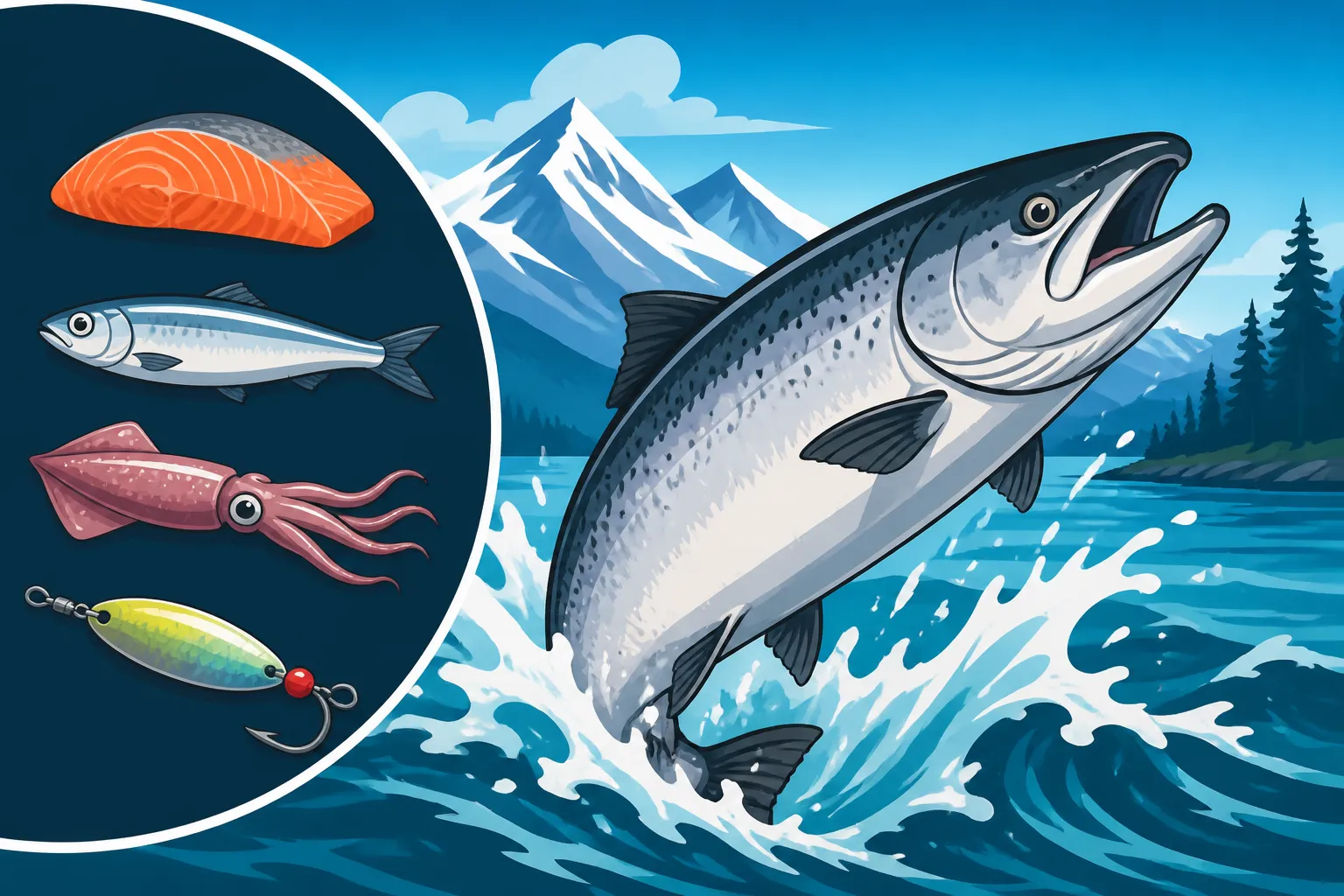
For many saltwater King Salmon anglers, particularly those fishing in places like the waters around Homer or Seward, herring is the go-to bait. Kings absolutely gorge on herring in the ocean, and their predatory instinct remains strong even as they near river mouths. Whether you’re trolling offshore or fishing near coastal river estuaries, a properly rigged herring is often unbeatable. The oily flesh creates an irresistible scent trail, and its natural shimmer mimics live prey.
The key to success with herring lies in its presentation. It's usually fished whole or in large chunks, often brined to toughen it up and enhance its scent. Anglers spend considerable time learning how to rig herring to spin and flutter enticingly in the water, mimicking an injured baitfish. Different cuts, like the "cut plug" herring, create unique actions that can trigger bites when other presentations fail. You can often find high-quality brined herring available at local tackle shops in Alaskan fishing towns or even order supplies on platforms like Amazon. For more on specific techniques, check out our guide on How to Troll for Salmon in Alaska.
Cured Salmon Roe: A Perennial Favorite
Once King Salmon enter freshwater rivers, salmon roe (eggs) becomes incredibly effective. This is particularly true for river systems like the Kenai River or the Kasilof River. Why? Because salmon eggs are a natural food source found in the river system, especially when other salmon species are present and spawning. Kings, even when not actively feeding, will strike at eggs out of instinct, to gain energy, or even to eliminate a competitor for resources.
Curing salmon roe is an art form, with many anglers having their own secret recipes involving borax, various salts, and even Kool-Aid for color and additional attractant. Freshness is paramount; the best roe comes directly from a freshly caught salmon. The rich, oily scent and soft texture of properly cured roe are irresistible. It’s typically fished in small clusters (often called "skeins" or "clusters") either drifted under a float, free-drifted, or occasionally back-trolled. Learning How to Cure Salmon Eggs for Bait can significantly up your game.
Smelt and Other Forage Fish
While herring and salmon roe dominate the natural bait scene for King Salmon, other forage fish can also be incredibly effective, depending on the specific location and time of year. Smelt, for instance, are a popular bait in certain areas, particularly in river systems where they are a native food source. Their slender profile and distinct scent can be just what a wary King Salmon needs to see and smell.
Other small baitfish, often referred to generically as "candlefish" or simply "baitfish," are also used, particularly in areas where they are abundant. Similar to herring, these baits are typically brined and then rigged for trolling or drift fishing. The key is matching the hatch – if there's a particular small fish species that Kings are feeding on in that specific body of water, using that bait will often yield the best results. Always check local regulations, as Alaska Bait Restrictions Explained can vary by river and fishery.
Artificial Baits and Scent Enhancers
Sometimes, natural bait isn't available, or the regulations prohibit its use. This is where artificial baits, often combined with powerful scent enhancers, come into play. Modern artificials are incredibly sophisticated, designed to mimic the action, look, and sometimes even the feel of natural prey.
Plugs and Diving Lures
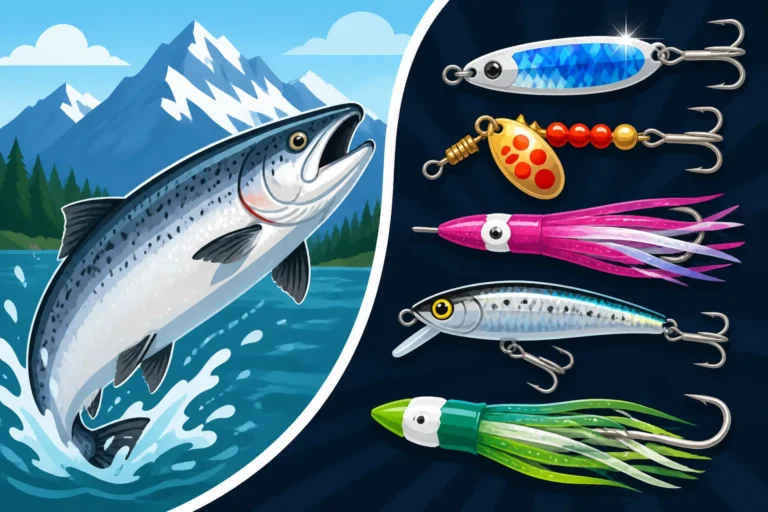
Plugs are hard-bodied lures designed to dive and wobble, imitating a swimming baitfish. Brands like Kwikfish, FlatFish, and Brads KillerFish are legendary in the world of King Salmon fishing. These lures come in various sizes and colors, and their aggressive diving and wiggling action can trigger powerful strikes. They are particularly effective when back-trolled in rivers or trolled in saltwater, covering a lot of water and presenting an enticing profile.
The beauty of plugs is their consistent action. They swim with a predetermined wobble that can be incredibly appealing to Kings. While they're already great on their own, their effectiveness can be significantly boosted by adding scent. Many anglers will pack the hollow cavity of a Kwikfish with cured salmon roe or a powerful scent paste to create a potent scent trail alongside the visual and vibrational appeal. This combination is often lethal, making them a top choice when trying to catch Alaska King Salmon Fishing Regulations and Limits allow.
Spinners and Spoons
Spinners and spoons are classic artificials that have caught countless King Salmon over the years. Spinners feature a blade that rotates around a central shaft, creating flash and vibration in the water, which mimics a struggling baitfish. Popular brands include Blue Fox, Mepps, and Pixee. Spoons, on the other hand, are typically elongated, curved pieces of metal that wobble and flash as they're retrieved or trolled, imitating a wounded baitfish.
These lures are versatile and can be cast from shore, trolled from a boat, or drifted through prime holding water. Color choice is often critical, with bright colors like chartreuse, orange, and silver being popular, especially in turbid water or on overcast days. Just like plugs, many anglers will add a small piece of bait (like a salmon egg or a piece of herring) to the hook of a spinner or spoon to add a natural scent component, further increasing their allure to King Salmon. For a more comprehensive overview of gear, check out the Alaska Fishing Gear and Tackle Guide.
Scent Applications: The Game Changer
No matter if you're using natural bait or artificial lures, scent is a critical factor for King Salmon. Even the freshest herring can benefit from an extra kick, and artificials absolutely thrive with added scent. Commercial scent products, such as those from Pro-Cure or Atlas Mike's, come in various forms – gels, oils, sprays, and pastes – designed to replicate the natural odors of baitfish, salmon eggs, or even specific amino acids known to attract fish.
These scents can be applied directly to lures, infused into soft plastic baits, or used to marinate natural baits. The goal is to create a long-lasting scent trail that draws Kings in and encourages them to hold onto the bait longer once they bite. Imagine an artificial lure that not only looks and moves like a fish but also smells exactly like one – that's the power of effective scent application. Many anglers swear by particular scent combinations, carrying a range of options in their tackle box, which can be easily replenished through retailers like Amazon.
Rigging Your Bait for Success
Having the best bait is only half the battle; knowing how to rig and present it correctly is equally important. A perfectly chosen bait presented poorly will get you nowhere. The art of rigging ensures your bait looks natural, moves enticingly, and, most importantly, results in a solid hook-up when a King decides to bite.
Rigging Herring for Trolling
When trolling for King Salmon, especially in saltwater or large river systems, a properly rigged herring is key. The most common method is the "cut plug" herring, which involves cutting the head of the herring at an angle to create a natural roll or spiral as it’s trolled. This erratic, wounded baitfish action is incredibly attractive to Kings. The cut angle, leader length, and hook placement all play a role in achieving that perfect roll.
Typically, two hooks are used in tandem: one through the nose or chin and another trailing mid-body. This ensures a higher hook-up rate as Kings often slash at the bait before fully committing. The leader material is usually strong fluorocarbon, which is nearly invisible underwater. Learning the nuances of rigging herring takes practice, but the rewards are well worth it. Many commercial rigs are available, or you can tie your own, meticulously adjusting the cut and hook placement until you get that irresistible spin. Check out How to Back-Troll a Kwikfish for Kings for insights into similar trolling presentations.
Flossing with Roe
In many Alaskan freshwater rivers, particularly for Sockeye and sometimes Kings, a technique often referred to as "flossing" with cured salmon roe is incredibly effective. While the term "flossing" can be controversial due to its association with foul-hooking, when done correctly and legally, it involves drifting a leader with a small roe cluster through a school of salmon, hoping the main line passes over the fish's nose and the trailing hook-bait combination drifts into their mouth.
This technique is highly effective when Kings are stacked in tight river runs or holding in specific eddies. The roe cluster is usually small, designed to be easily taken into the mouth. The key is matching the current speed with the weight of your lead so the bait drifts naturally, just above the riverbed. This requires a sensitive touch and a good understanding of river currents. Always be mindful of local regulations on specific techniques, as rules can change quickly, as noted in Alaska Fishing Emergency Orders Explained.
Attaching Scented Baits to Lures
As mentioned earlier, combining artificial lures with natural scent is a potent strategy. When attaching cured salmon roe to a plug or spinner, anglers often use small pieces of yarn or elastic thread to secure the roe tightly to the hook shank or a special "bait holder" component on the lure. This ensures the roe stays put during casting and retrieval while still releasing its potent scent.
For scent gels or pastes, applying them liberally to the surface of plugs, spoons, or soft plastics is common. Some plugs even have internal cavities designed specifically for holding scent or bait. The goal is to refresh the scent frequently, especially after catching a fish or if the lure has been in the water for an extended period. A fresh application of scent can make all the difference, transforming a decent lure into a King Salmon magnet. You can find a vast array of scent products, often in convenient applicator bottles, available for purchase through Amazon.
Seasonal and Regional Bait Considerations
Alaska is a vast state with diverse fishing environments, and what works in one area or season might not be effective in another. Understanding these nuances is key to selecting the best bait for Alaska King Salmon.
Early Season vs. Peak Season
The behavior of King Salmon changes throughout their run, and so should your bait strategy. In the early season, typically late May to mid-June, Kings are often fewer in number and tend to be more aggressive, having just entered fresh water with a strong feeding memory. Larger, more aggressive baits like whole herring (in saltwater) or large plugs with strong scent might be more effective. The goal is to draw them in and trigger a strike from fish that are still in a more predatory mindset.
As the season progresses into peak season (late June to late July), more fish are in the river, and they become increasingly focused on spawning. Their feeding drive diminishes, and they become more reactionary. This is often when cured salmon roe excels, as it appeals to their instincts even if they aren't "hungry." Smaller, more subtle presentations might also become more effective as the fish become warier due to increased angling pressure. Knowing the Alaska King Salmon Run Timing for your chosen river can help you tailor your bait choice.
River vs. Saltwater Differences
It might seem obvious, but the choice of bait changes dramatically depending on whether you're fishing in the ocean or a river. In saltwater, King Salmon are actively feeding, and their diet consists primarily of baitfish. Therefore, oily fish like herring, anchovies, or even artificials mimicking these species (like large spoons or hootchies) are highly effective. Trolling is the dominant method here, allowing you to cover vast areas where Kings are feeding.
In freshwater rivers, while Kings might still strike at baitfish, the effectiveness of salmon roe often increases significantly. The current conditions also dictate bait choice and presentation. Fast-moving rivers require heavier weights and more robust rigs to keep bait in the strike zone, while slower stretches might allow for lighter, more finessed presentations. Always consult local Alaska Fishing Regulations Explained for specific river systems, as rules regarding bait types can vary. For example, some rivers might have restrictions on bait use to protect specific runs.
Emergency Order Impacts on Bait Choice
One of the most frustrating, yet necessary, realities of Alaska fishing is the frequent issuance of emergency orders by the Alaska Department of Fish and Game (ADF&G). These orders can change regulations on a dime, often in response to conservation concerns for specific salmon runs. This can include anything from limiting retention to completely closing a fishery, or, critically for this discussion, restricting bait use.
It's not uncommon for an emergency order to suddenly prohibit the use of bait, or restrict it to only artificial lures with no added scent. This means that an angler planning to use their carefully cured salmon roe might arrive to find it's no longer legal. Therefore, it's absolutely essential to check the latest emergency orders before heading out. Having a versatile tackle box with both natural and artificial options, and being prepared to adapt, is crucial for success and compliance in Alaska. This adaptability is part of what makes Best Time to Fish in Alaska such a dynamic and rewarding experience.
| Bait Type | Best Conditions | Pros | Cons | Rigging Tips |
|---|---|---|---|---|
| Herring | Saltwater, estuarine areas, trolling | Highly natural, strong scent, proven | Requires brining/proper storage, fragile | Cut plug for spin, two-hook tandem rig, check for fresh scent frequently. |
| Cured Salmon Roe | Freshwater rivers, drift fishing | Irresistible natural scent, versatile | Requires careful curing, can be messy | Small clusters, egg loop knot, light lead, match current speed. |
| Plugs (e.g., Kwikfish) | Rivers (back-trolling), saltwater | Aggressive action, covers water, reusable | Less natural scent on its own, depth specific | Pack with scent, tune for proper wobble, use heavier line for deep dives. |
| Spinners/Spoons | Rivers (casting/drifting), trolling | Flashy, versatile, easy to use | Can get snagged, less natural action | Add a small piece of bait for scent, vary retrieve speed, experiment with colors. |
| Scent Gels/Oils | Enhances all baits, any condition | Boosts attraction, long-lasting | Can be expensive, needs reapplication | Apply liberally, reapply after fish or extended time, store sealed. |
Final Thoughts on King Salmon Bait
Choosing the best bait for Alaska King Salmon is a blend of science, art, and adaptability. While herring and cured salmon roe stand out as perennial favorites, the savvy angler knows to be versatile, incorporating a range of artificial lures and always boosting their presentation with potent scents. Understanding the King Salmon's behavior—its incredible sense of smell and its instinctual strikes—will guide your choices, whether you're battling fish in the vast open ocean or targeting them in a winding river. Always stay informed about local regulations and emergency orders, as conditions in Alaska can change rapidly. With the right bait and a well-executed presentation, you'll significantly increase your chances of landing that once-in-a-lifetime Alaskan King.
Disclaimer
Fishing in Alaska can be inherently dangerous. Always prioritize safety, check local weather conditions, and be aware of wildlife. Regulations and emergency orders from the Alaska Department of Fish and Game (ADF&G) can change frequently. It is the angler's responsibility to know and follow all current rules and regulations. This guide is for informational purposes only and does not constitute professional advice.