Fly Fishing in Alaska: How-To Guide
The sheer scale and wildness of Alaska can make the dream of fly fishing its pristine waters feel incredibly daunting. You might wonder where to even begin, what gear you’ll need, or if you have the right skills to tackle such a vast and untamed landscape. This comprehensive guide is here to cut through that confusion, offering practical advice and deep insights to help you plan and execute a truly unforgettable fly fishing adventure in the Last Frontier.
The Allure of Alaska Fly Fishing
There's something profoundly different about fly fishing in Alaska compared to almost anywhere else on Earth. It's not just about catching fish; it's about immersing yourself in an environment that humbles you, challenges you, and ultimately rewards you with experiences far beyond the tug on your line. Anglers often come here seeking solitude, unparalleled natural beauty, and the chance to test their skills against truly wild fish.
The Challenge and the Reward
Fly fishing in Alaska isn't always easy. You'll contend with powerful currents, ever-changing weather, and fish that fight with an intensity bred in cold, wild waters. Picture yourself wading a glacial river, the wind whipping at your line, trying to spot a chrome-bright sockeye salmon or a massive rainbow trout holding in a seam. It demands patience, perseverance, and a willingness to adapt. But when that line tightens, and the reel screams, the struggle is instantly forgotten, replaced by the pure exhilaration of battling a truly wild creature. The reward isn't just the fish you land, but the story you earn, the lessons learned, and the indelible memories etched into your mind. Many seasoned anglers will tell you that the challenge is precisely what makes the reward so much sweeter here.
Pristine Waters and Wildlife Encounters
Alaska boasts some of the cleanest and most biodiverse aquatic ecosystems on the planet. From turquoise-blue glacial rivers to vast, interconnected lake systems, these waters are largely untouched by human development, offering a truly wild fishing experience. This pristine environment means more than just healthy fish; it means you're sharing the riverbank or the boat with a dazzling array of wildlife. You might cast your line while a moose grazes silently nearby, an eagle circles overhead, or even a brown bear fishes for salmon just a safe distance upstream. These encounters with Alaska's iconic wildlife are an integral part of the fly fishing experience, adding layers of wonder and a profound connection to the natural world that few other places can offer. It’s a sensory experience that goes far beyond the cast.
Understanding Alaskan Fish and Seasons
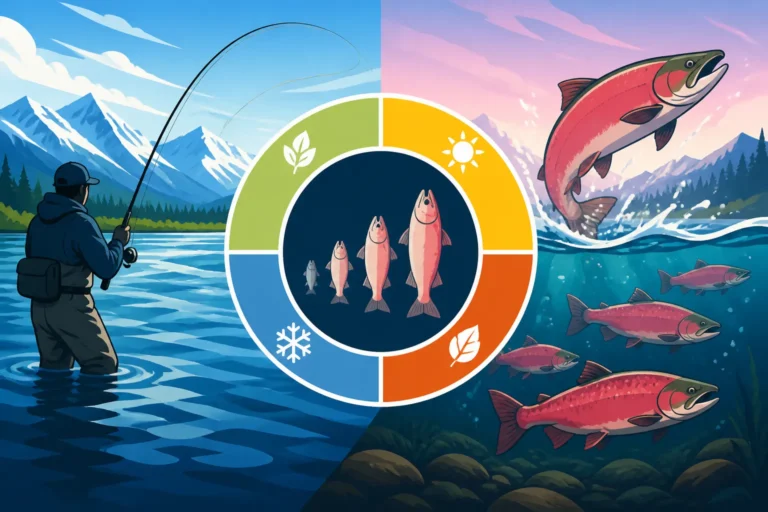
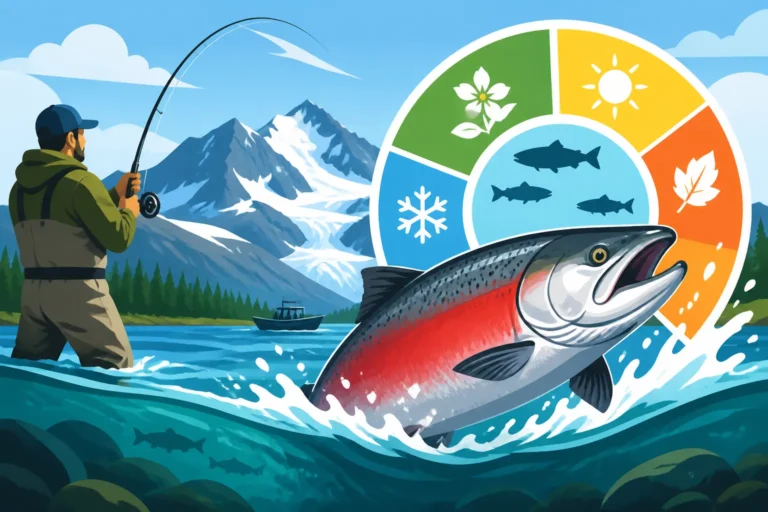
One of the keys to successful fly fishing in Alaska is knowing what you're targeting and when they're present. Different species have distinct runs and preferred habitats, and understanding these patterns will significantly increase your chances of success. Alaska's fishing seasons are largely dictated by the annual salmon runs, which in turn influence the feeding patterns of resident trout and char.
Salmon Runs: The Heartbeat of Alaskan Fishing
Alaska is synonymous with salmon, and fly fishing for these powerful anadromous fish is a quintessential Alaskan experience. There are five species of Pacific salmon, and each has its own unique timing and characteristics that make for exciting fly fishing opportunities.
- King Salmon (Chinook): These are the largest and most sought-after salmon, often referred to as "kings" for good reason. They typically start entering rivers in late May and peak through June and early July. Fly fishing for kings demands heavy gear and skill due to their immense power. You’ll need a robust rod and reel to handle these leviathans. Learn more about the Alaska King Salmon: Complete Guide to prepare for your quest for these magnificent fish.
- Sockeye Salmon (Red): Known for their vibrant red flesh and incredible fighting spirit, sockeye runs are enormous, often numbering in the millions. They typically arrive in rivers from late June through July and sometimes into early August. Fly fishing for sockeye often involves specific techniques, as they are not aggressive feeders on flies once in freshwater. Mastering the "flossing" technique or using small, sparse flies to entice a strike is key. Dive deeper into what makes Alaska Sockeye Salmon Explained a unique challenge and reward.
- Silver Salmon (Coho): Silvers are acrobatic fighters, renowned for their aggressive takes and aerial displays. Their runs typically begin in mid-August and can extend well into September, offering fantastic late-season action. Fly fishing for coho is often done with flashy streamers or poppers, as they love to chase and strike. For more details on these spirited fighters, check out Alaska Coho Salmon: Facts and Fishing Tips.
- Pink Salmon (Humpy): These are the most numerous salmon species and run on even-numbered years in many rivers. Pinks arrive in July and August, providing nonstop action, especially for beginners or those seeking high-volume catches. While smaller, they are still a blast on a lighter fly rod.
- Chum Salmon (Dog): Chums are powerful, aggressive fish with distinctive barred patterns when they enter freshwater. They typically run from mid-July through August, often alongside pinks and sockeye. They put up a formidable fight and are often targeted with large, bright flies.
Resident Trout and Char: Year-Round Opportunities
Beyond salmon, Alaska offers world-class fly fishing for resident freshwater species, many of which are present for longer seasons and provide excellent action before, during, and after the salmon runs.
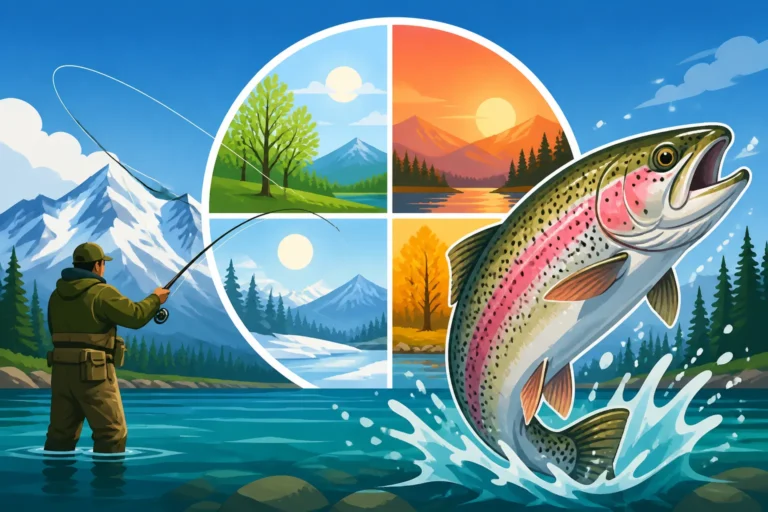
- Rainbow Trout: Alaska's rainbow trout are legendary, particularly the massive "leopard rainbows" that gorge themselves on salmon eggs and flesh throughout the summer and fall. The best time for trophy rainbows is typically from late July through October, following the salmon spawn. They can be found in rivers across Southcentral and Southwest Alaska. Learn how to target these beauties with our guide on How to Fly Fish for Alaska Rainbow Trout.
- Dolly Varden and Arctic Char: Often confused due to their similar appearance, both Dolly Varden and Arctic char are beautiful, hard-fighting fish that inhabit many of Alaska's rivers and lakes. Like rainbows, they feast on salmon eggs and flesh, offering incredible fishing from late summer into fall. They can be targeted with egg patterns, streamers, and even dry flies earlier in the season.
- Arctic Grayling: Known for their distinctive, sail-like dorsal fin and willingness to rise to dry flies, Arctic grayling are a joy to catch on light tackle. They are widely distributed throughout interior and northern Alaska, often found in smaller streams and clear-water rivers. Early summer, when insect hatches are prevalent, is prime time for grayling on dry flies.
Here's a quick overview of peak fly fishing seasons for various species in popular Alaskan destinations:
| Species | Peak Season (General) | Ideal Fly Fishing Techniques | Notable Regions/Rivers |
|---|---|---|---|
| King Salmon | June – early July | Spey/Switch, Streamers, Intruders | Kenai, Kasilof, Nushagak |
| Sockeye Salmon | Late June – July | Flossing, Small flies (beads) | Kenai, Russian, Kasilof, Bristol Bay |
| Silver Salmon | Mid-Aug – Sep | Streamers, Poppers, Wogging | Kenai, Kasilof, Deshka, Southeast Rivers |
| Pink Salmon | July – Aug (even yrs) | Small Streamers, Poppers | Prince William Sound, Kenai, Susitna |
| Chum Salmon | Mid-July – Aug | Large Streamers, Poppers | Kenai, Kasilof, Susitna, Southeast Rivers |
| Rainbow Trout | July – Oct | Egg patterns, Flesh flies, Streamers | Kenai, Kasilof, Naknek, Alagnak |
| Dolly Varden/Char | July – Oct | Egg patterns, Streamers | Statewide, often near salmon runs |
| Arctic Grayling | June – Aug | Dry flies, Nymphs | Interior Alaska, Tangle Lakes |
Understanding the Alaska Salmon Run Timing Explained is critical, as it truly dictates the rhythms of both salmon and trout fishing opportunities.
Essential Gear for Alaska Fly Fishing
Heading to Alaska for fly fishing means preparing for diverse conditions and powerful fish. Your gear needs to be robust, reliable, and appropriate for the species and environment you'll encounter. Don't skimp on quality; a broken rod or leaky waders can quickly ruin a trip in the remote Alaskan wilderness.
Rods, Reels, and Lines: The Backbone of Your Setup
Choosing the right rod, reel, and line combination is paramount for success and enjoyment.
- Rods: For salmon, especially kings, you'll want a heavy-duty rod. A 9- or 10-weight, 9- to 10-foot rod is ideal for King Salmon fishing, providing the power to cast large flies and fight big fish in strong currents. For sockeye and coho, an 8-weight rod is often sufficient, offering a good balance of power and finesse. For the magnificent Alaska Rainbow Trout Guide and other resident species like Dolly Varden and grayling, a 6- or 7-weight rod provides excellent sport and sensitivity. Many anglers also bring a switch or Spey rod (11-13 ft, 7-10 wt) for swinging flies for kings or steelhead, covering more water with less effort. When browsing for these, check out reliable brands on platforms like Amazon for reviews and competitive pricing.
- Reels: Your reel needs a strong, smooth drag system and ample backing capacity (at least 200 yards for salmon). A disc drag system is preferred over click-and-pawl for the power of Alaskan fish. Choose a reel that perfectly balances your chosen rod.
- Lines: You'll likely need a variety of lines or interchangeable tips. A weight-forward floating line is versatile for most trout and some salmon applications. For nymphing and streamer fishing, especially for kings and sockeye, various sinking tips (T-11, T-14, T-17) or full sinking lines are essential to get your fly down to the fish in fast, deep water. Carrying an extra spool with a different line type is a smart move.
Waders, Boots, and Apparel: Staying Comfortable and Dry
Alaska's weather is famously unpredictable. Being prepared for everything from bright sunshine to torrential rain and chilly winds is not just about comfort; it's about safety.
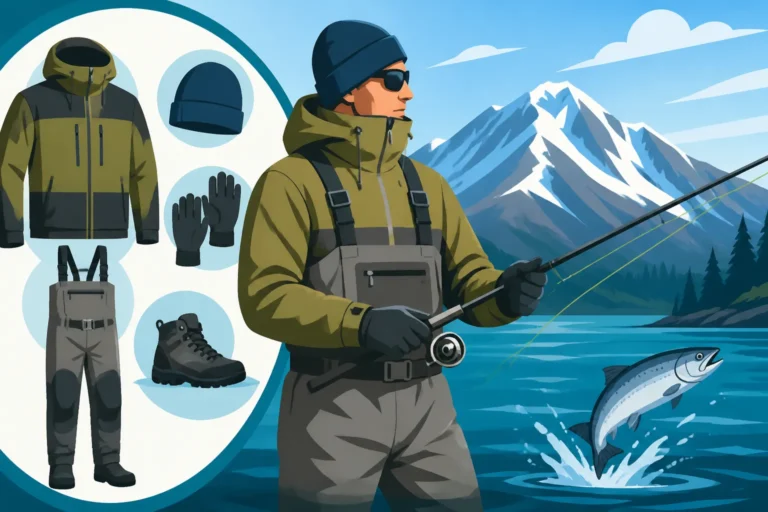
- Waders: Breathable chest waders are a must. Look for durable, multi-layer GORE-TEX or similar high-quality material. Brands like Simms, Orvis, and Patagonia are popular choices and can often be found on Amazon. Ensure they fit well, allowing for layering underneath without restricting movement.
- Wading Boots: Felt soles are prohibited in many parts of Alaska due to invasive species concerns, so stick to rubber-soled wading boots. Look for boots with good ankle support and compatibility with screw-in studs for extra grip on slippery river rocks.
- Layering System: Think in layers: a moisture-wicking base layer, insulating mid-layers (fleece or synthetic puffy jackets), and a waterproof/breathable outer shell. A good rain jacket and pants are non-negotiable. Don't forget a warm hat and gloves, even in summer.
Essential Flies and Tackle: What to Carry
Your fly box needs to be well-stocked and tailored to the species and conditions you anticipate.
- Salmon Flies: For kings, large intruders, weighted tube flies, and articulated leeches in black, blue, purple, and chartreuse are staples. For sockeye, small, sparse patterns like the Russian River Fly, Sockeye Lightning, or small bead head nymphs in red, chartreuse, or orange. For silvers and chums, bright, flashy streamers and poppers like Dolly Llamas, Clouser Minnows, or Pixies in chartreuse, pink, and white.
- Trout/Char Flies: Egg patterns (Glo-Bugs, Otter's Soft Eggs) in various sizes and colors (orange, pink, chartreuse) are crucial, especially during and after salmon spawning. Flesh flies (white, tan, pink) imitate decaying salmon flesh. Streamers like Sculpzillas, Articulated Sculpins, and various leeches are also highly effective. Dry flies (Parachute Adams, Elk Hair Caddis, stimulators) are excellent for grayling and early-season trout.
- Tackle & Accessories: Don't forget leaders and tippet in various strengths (10-30 lb for salmon, 6-12 lb for trout), split shot, strike indicators, forceps, nippers, a landing net (large enough for salmon), bear spray (and knowledge on how to use it), and a sturdy wading staff for stability in swift currents. You can find comprehensive fly assortments and tackle kits that are perfect for Alaskan fishing on Amazon. For a detailed rundown of everything you might need, refer to our Alaska Fishing Gear and Tackle Guide.
Mastering Fly Fishing Techniques in Alaska
Alaskan rivers and fish present unique challenges that often require specific techniques beyond typical trout stream tactics. Adaptability and a willingness to learn new methods will greatly enhance your success.
Indicator Nymphing and Bead Fishing
When salmon aren't aggressively striking, or for targeting trout gorging on salmon eggs, indicator nymphing and bead fishing become incredibly effective. This involves drifting a weighted fly or bead under a strike indicator.
- Sockeye Salmon "Flossing": Sockeye salmon are notorious for not biting once they enter freshwater to spawn. The primary legal method to catch them in many areas, particularly on crowded rivers like the Russian or Kenai, is "flossing." This technique involves casting a weighted leader with a small, unweighted fly (often a sockeye lightning or simple yarn fly) or a bead upstream, allowing it to drift naturally downstream near the riverbed. The goal is for the line to drift into the fish's open mouth as it holds in the current, causing the fly or bead to "floss" into the corner of its jaw. A quick upstream set of the hook then snags the fish. It's a precise technique that takes practice and patience, but it’s incredibly effective during peak sockeye runs. Knowing the local Alaska Sockeye Salmon Limits by River is also crucial for responsible fishing.
- Trout and Char with Beads: Following salmon spawns, trout and char, especially large rainbows, gorge themselves on salmon eggs. Mimicking these eggs with brightly colored beads (typically 8mm-12mm in various shades of orange, red, or pink) drifted under an indicator is incredibly productive. The bead is usually pegged a couple of inches above a small, unweighted hook. Presenting this naturally through salmon redds or feeding lanes where trout are holding can lead to explosive strikes from trophy fish. This is a primary method for targeting large resident trout in rivers like the Kenai and Kasilof.
Swinging Flies and Spey Casting
For chasing powerful chrome-bright salmon or aggressive steelhead, swinging flies across the current is a classic and highly effective technique that combines art and science.
- For King Salmon and Steelhead: Swinging flies typically involves using Spey or switch rods, which allow for casting large flies and heavy sinking tips without a backcast, ideal for wide rivers with limited casting room. The idea is to cast the fly across and slightly downstream, letting the current swing the fly through potential holding lies in an enticing arc. This presentation triggers an aggressive, instinctual strike from a fish. Large, flashy intruders or tube flies are often used. This method requires understanding river currents and fish lies, making it a truly engaging and rewarding way to fish. For those pursuing the elusive Alaska Steelhead Catch-and-Release Rules are particularly important to follow, as these fish are often fragile and protected.
- Presentation and Retrieve: The key to successful swinging is maintaining tension on the line and allowing the fly to move naturally. Once the fly completes its swing, a slow, methodical retrieve with short strips can sometimes entice a follow or strike from a hesitant fish. The takes are often subtle at first, then explosive.
Stripping Streamers and Poppers
When fish are aggressive, especially silvers, chums, or predatory trout, actively stripping streamers and poppers can be exhilarating. This mimics baitfish or injured prey, triggering a chase-and-strike response.
- Aggressive Salmon: Silver salmon, in particular, are notorious for chasing and smashing streamers and even surface poppers. Casting a brightly colored or flashy streamer (like a Dolly Llama, Clouser Minnow, or large marabou streamer) across or slightly downstream and stripping it back in varying speeds and cadences can provoke incredibly violent strikes. Poppers, or "wogs," can be deadly for coho, especially in low light or overcast conditions, as they create a commotion on the surface that drives fish wild. This active form of fishing is a thrill a minute.
- Predatory Trout: Large rainbow trout and Dolly Varden will also readily attack streamers, especially those imitating sculpins or baitfish. Stripping these flies through deep pools, undercut banks, or the tails of runs can elicit powerful grabs from bigger, more territorial fish. This technique often works best in clear water where fish can see and pursue the fly.
Top Fly Fishing Destinations in Alaska
Alaska is an angler's paradise, but knowing where to go is key. While almost any body of water can hold fish, some regions and rivers stand out for their consistent action, diverse species, and iconic scenery.
Kenai Peninsula Rivers: Accessible and Abundant
The Kenai Peninsula, often called "Alaska's Playground," is perhaps the most accessible and popular fly fishing destination on the road system. It's renowned for its incredible salmon runs and trophy trout fisheries.
- Kenai River: The legendary Kenai River is famous for producing the world's largest King Salmon and incredibly prolific sockeye runs. It's also home to massive rainbow trout that grow huge feasting on salmon eggs. While it can be crowded during peak season, especially for sockeye, the sheer volume of fish and potential for trophy catches is unparalleled. Specific areas like the Upper Kenai River and the confluence with the Russian River are prime fly fishing spots. For a complete overview, delve into our Kenai River Fishing: Complete Guide.
- Russian River: A crystal-clear tributary of the Kenai, the Russian River is world-famous for its incredible sockeye salmon runs. It's a wade-fishing paradise, though it gets very busy during July's sockeye madness. The clear waters make sight fishing possible, and the surrounding Chugach National Forest offers stunning views.
- Kasilof River: South of the Kenai, the Kasilof River offers another fantastic option, often with slightly less pressure than its famous neighbor. It has strong runs of King, sockeye, and silver salmon, and can be float-fished with guides or accessed in certain bank areas.
Bristol Bay Region: Untamed Wilderness and Unrivaled Fishing
For those seeking a true wilderness experience and unrivaled fishing, the Bristol Bay region in Southwest Alaska is the holy grail. It's typically accessed via fly-out lodges, offering remote, untouched rivers teeming with fish.
- Naknek River: Flowing from Naknek Lake, this river is a powerhouse of salmon, particularly sockeye, and is home to some of the largest rainbow trout in Alaska. Many lodges are situated on or near the Naknek, providing easy access to prime fishing.
- Alagnak River: A designated Wild and Scenic River, the Alagnak offers incredibly diverse fishing, with strong runs of all five salmon species and abundant trophy rainbow trout, Dolly Varden, and Arctic grayling. Its remote nature means less pressure and a more authentic wilderness experience. Get the full picture with our Bristol Bay Fishing Guide.
- Nushagak River: Known as "the Nush," this river is famous for its absolutely massive King Salmon runs, often considered the most prolific in Alaska. It's primarily a boat-based fishery, with many tent camps and lodges catering to anglers pursuing kings.
Southeast Alaska Rivers: Rainforest Rivers and Steelhead
Southeast Alaska, with its temperate rainforests and countless islands, offers a different kind of fly fishing experience, focused more on steelhead and coho salmon in smaller, intimate rivers.
- Sitka and Ketchikan Areas: These regions are dotted with smaller, clear-water rivers and streams that offer fantastic opportunities for coho salmon in late summer and early fall, as well as exceptional steelhead fishing in the spring. The lush, green environment is stunning, and the fishing can be incredibly rewarding for those willing to explore.
- Juneau Area: While also known for saltwater charters, the rivers around Juneau offer solid opportunities for salmon, Dolly Varden, and cutthroat trout, often within easy reach of the city.
This is just a glimpse; Alaska has countless other incredible fisheries. To broaden your horizons, check out our guide to the Best Fishing Spots in Alaska.
Planning Your Unforgettable Alaska Fly Fishing Trip
Planning an Alaska fly fishing trip requires careful consideration, whether you're going fully guided or embarking on a DIY adventure. From understanding regulations to ensuring your safety, a well-thought-out plan makes all the difference.
Guided vs. DIY Adventures
Deciding whether to go with a guide or plan your own trip is one of the first big choices, and it largely depends on your experience level, budget, and desired style of adventure.
- Guided Trips: For many, especially first-timers to Alaska, a guided trip is the way to go. Guides provide all the necessary specialized equipment (boats, tackle, flies), expert knowledge of local regulations and fish behavior, and transportation to prime fishing spots. They handle the logistics, cooking (if at a lodge), and fish processing, allowing you to focus solely on fishing. Guided trips can range from single-day excursions out of towns like Soldotna or Cooper Landing, to multi-day stays at all-inclusive fly-out lodges in remote regions like Bristol Bay. While more expensive, the peace of mind and enhanced success rate often make it worthwhile. You'll gain invaluable insight into techniques and river dynamics.
- DIY Adventures: For experienced anglers with a sense of adventure and a tighter budget, a do-it-yourself trip can be incredibly rewarding. This involves handling all your own logistics: renting a car, booking accommodations, sourcing your own gear, and researching public access points. Popular DIY destinations include sections of the Kenai River (e.g., Russian River Ferry access), or various roadside fisheries near Anchorage. While offering more freedom and significantly lower costs, DIY trips demand a higher level of preparation, self-sufficiency, and a thorough understanding of the often-complex Alaska Fishing Regulations Explained and local conditions. You'll need to be self-reliant for everything from navigation to emergency preparedness.
Licenses, Regulations, and Harvest Records
Before you even think about putting a line in the water, you must have the proper Alaska fishing license. This isn't just a recommendation; it's a legal requirement with serious consequences for non-compliance.
- Purchasing Your License: Non-residents and residents alike need a sport fishing license. You can purchase these online through the Alaska Department of Fish and Game (ADF&G) website, or in person at various vendors across the state, including sporting goods stores, general stores, and even some lodges. Decide if you need a daily, multi-day, or annual license based on your trip length. If you plan to target King Salmon, remember that you’ll also need a King Salmon stamp, which is an additional purchase. Our guide on the Alaska Fishing License: Complete Guide walks you through the entire process.
- Understanding Regulations: Alaska's fishing regulations are incredibly detailed and can change throughout the season via emergency orders based on fish returns. It’s crucial to consult the current ADF&G Sport Fishing Regulations Summary for the specific region and waters you plan to fish. Pay close attention to bag limits, possession limits, size restrictions, legal gear (e.g., single hook, barbless hook requirements), and any bait restrictions. Ignorance of the rules is not an excuse.
- Harvest Record Cards: For certain species like King Salmon and sometimes halibut, you'll need a physical or digital harvest record card to record your catches. This helps ADF&G manage fish populations effectively. Failure to accurately and immediately record your harvest is a violation. Always carry a pen or pencil if using a physical card!
Logistics and Safety in the Bush
Alaska is wild, and even seemingly simple logistics can become complex. Safety, especially when venturing into more remote areas, is paramount.
- Transportation: For DIY trips, a rental car (often a truck or SUV for rougher roads) is essential on the road system (e.g., Kenai Peninsula). For remote fly-in lodges, transportation usually involves small bush planes or floatplanes, which are subject to weather delays. Always factor in extra time for travel.
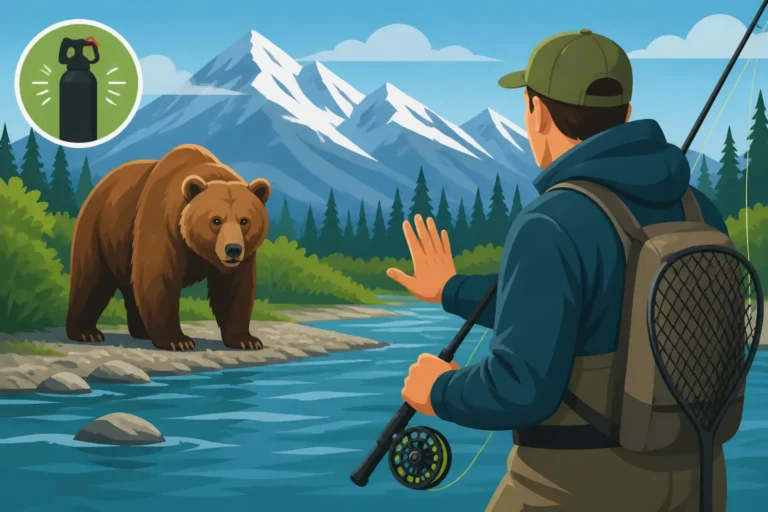
- Bear Safety: You are in bear country. Carry bear spray, know how to use it, and keep it accessible. Store food properly (bear-resistant containers or hung from trees), make noise while hiking, and be aware of your surroundings, especially near salmon streams. Never approach bears or their cubs.
- Weather Preparedness: Alaska weather can change in an instant. Pack layers, high-quality rain gear, and waterproof bags for your electronics and essentials. Even in summer, temperatures can drop significantly, especially in the mornings and evenings. Always have a survival kit with essentials like a first-aid kit, fire starter, navigation tools, and extra food.
- Communication: Cell service is spotty or nonexistent outside of major towns. Consider carrying a satellite communication device (like a Garmin inReach or Zoleo) for emergencies, especially on guided or solo trips into the backcountry.
Planning your trip thoroughly will ensure you have a safe, enjoyable, and successful fly fishing adventure in the incredible landscapes of Alaska.
Disclaimer
The information provided in this guide is for general informational purposes only and is subject to change. Fishing regulations in Alaska are complex and frequently updated by the Alaska Department of Fish and Game (ADF&G) through emergency orders. Always consult the most current ADF&G Sport Fishing Regulations Summary for the specific region and waters you plan to fish before heading out. It is the angler's responsibility to understand and comply with all applicable regulations. We are not responsible for any changes or discrepancies.