Best Fly-Out Fishing Lodges in Alaska
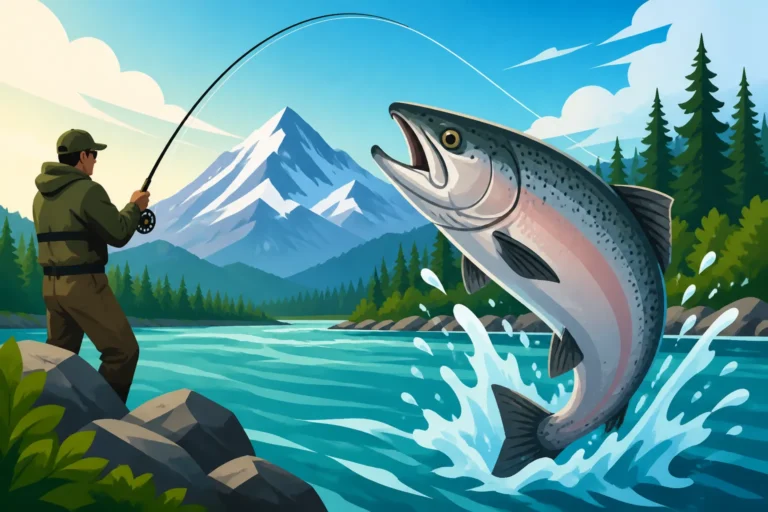
Imagine standing on a remote Alaskan riverbank, the only sounds the rush of water, the call of an eagle, and the hum of your reel as a powerful salmon strips line. For many anglers, the idea of an Alaskan fishing trip conjures visions of unparalleled wilderness and trophy fish, but the sheer vastness and myriad options can feel incredibly overwhelming. How do you even begin to choose a spot that truly delivers on the promise of an untouched fishing paradise? This guide is here to demystify the world of fly-out fishing lodges in Alaska, offering a deep dive into what makes them special, what to look for, and how to plan an unforgettable adventure far from the madding crowds.
What Makes Fly-Out Fishing Lodges in Alaska So Special?
The very phrase "fly-out" hints at an exclusivity, a journey beyond the reach of roads and everyday accessibility. This isn't just a fishing trip; it's an immersion into a world few ever get to experience. These lodges offer an escape that resonates deeply with those seeking solitude, pristine environments, and the kind of fishing stories that last a lifetime.
The Allure of Remote Wilderness Access
One of the biggest draws of an Alaskan fly-out fishing lodge is the unparalleled access to truly remote, untouched wilderness. Forget crowded boat launches or elbow-to-elbow combat fishing scenarios often found on more accessible rivers. When you take off in a floatplane or a bush plane, you're literally leaving the developed world behind. This isn't just about escaping people; it's about accessing ecosystems that thrive precisely because they are hard to reach.
Picture this: you're flying low over a glacier-carved valley, a braid of crystal-clear rivers snaking below, untouched by human development. Landing on a remote lake or river, you step out into silence, the air crisp and clean. These are waters where fish populations aren't constantly pressured, meaning more consistent action and often larger, healthier fish. The experience isn't just about catching; it's about being present in an environment where bears roam freely, eagles soar overhead, and the sheer scale of nature humbles you. It's the kind of place where you feel genuinely connected to the wild, far from the honking horns and daily grind.
Beyond Just Fishing: The Lodge Experience
While the fishing is undoubtedly the main event, the "lodge experience" itself is a huge part of what makes fly-out trips so memorable and worth the investment. These aren't just bare-bones cabins; many are meticulously designed havens in the wilderness, offering a level of comfort and service that might surprise you given their remote locations. Most fly-out lodges operate on an all-inclusive model, which means once you arrive at the gateway city, almost everything is taken care of.
This typically includes your round-trip air transportation from the regional hub (like Anchorage or King Salmon) to the lodge, comfortable accommodations, all meals (often gourmet, featuring local Alaskan fare), guided fishing, and frequently, the use of quality fishing gear. Imagine coming off the river after a long day, perhaps battling a monstrous King Salmon, to a hot shower, a delicious meal prepared by a professional chef, and a warm fire in the common area where you can swap stories with fellow anglers. The guides at these lodges are not just experts at putting you on fish; they are also fantastic hosts, naturalists, and often master storytellers, enhancing every aspect of your stay. The camaraderie built among guests and guides in these intimate, remote settings is often as cherished as the fish caught. For an in-depth look at what these comprehensive packages include, you might want to check out our guide on Alaska All-Inclusive Fishing Lodges.
Key Factors to Consider When Choosing a Fly-Out Lodge
Deciding on the perfect fly-out fishing lodge isn't a decision to take lightly. There are many variables at play, and understanding your priorities before you even start looking can save a lot of time and potential disappointment. From the fish you hope to catch to the level of luxury you desire, each factor plays a crucial role in shaping your overall experience.
Target Species and Fishing Opportunities
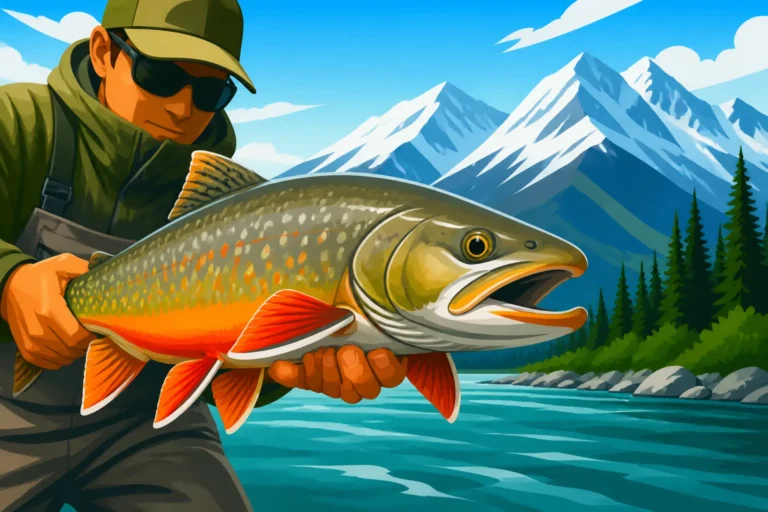
The first and arguably most important consideration should be what you actually want to fish for. Alaska is renowned for its incredible diversity of fish species, but not every lodge offers prime access to all of them. Are you dreaming of wrestling with a giant King Salmon, or perhaps trying your hand at the acrobatic fight of a Silver (Coho) Salmon? Maybe you're a fly-fishing enthusiast hoping to catch wild Rainbow Trout, Arctic Char, or Dolly Varden in pristine headwaters. Or perhaps the allure of a monstrous Halibut in saltwater is calling your name.
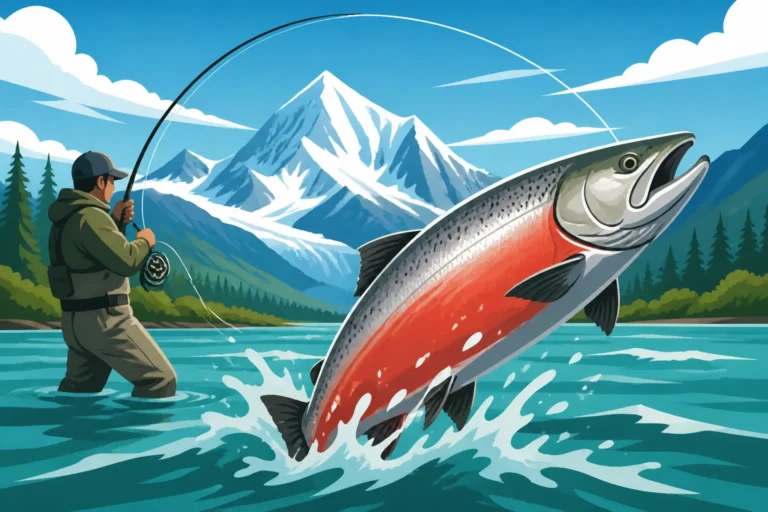
Many lodges specialize. Some are famous for their prolific Sockeye Salmon runs, offering exciting combat-style fishing in rivers like the Kenai. Others are legendary for their massive Rainbow Trout, often found feeding behind spawning salmon in places like Bristol Bay. Be specific about your goals. If you're chasing trophy King Salmon, look for lodges that specifically highlight King Salmon runs and seasons. If you're a fly angler, ensure the lodge caters to fly fishing and has guides specialized in those techniques. Understanding the local fish populations and their run timings is crucial. Our Alaska Fish Species Guide provides a fantastic overview, and you can dive deeper into specific targets with resources like Best Salmon Fishing Rivers in Alaska or even Best Halibut Fishing in Alaska if saltwater options are appealing. Make sure the lodge's primary focus aligns perfectly with your angling aspirations.
Location, Accessibility, and Travel Logistics
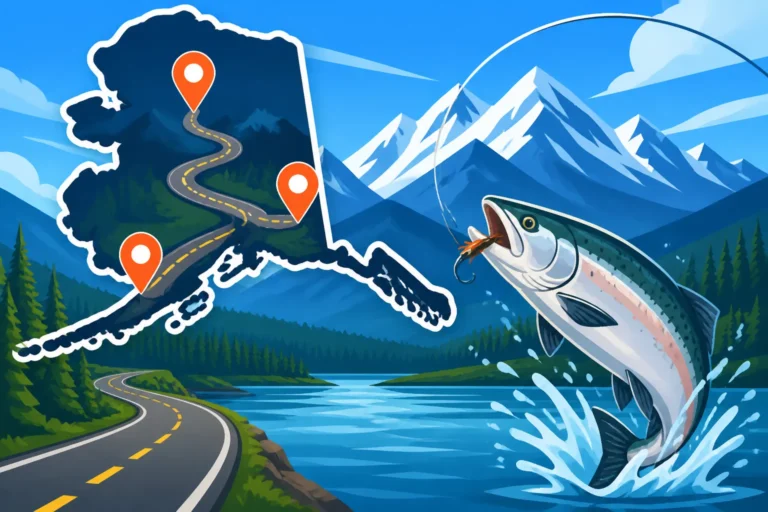
Alaska is immense, and "fly-out" can mean many things. The location of the lodge will dictate not only the type of fishing available but also the entire journey to get there. Most fly-out lodges are accessed from major hub cities like Anchorage, Juneau, or King Salmon. From these points, you'll typically take another commercial flight or directly connect to a pre-arranged charter plane (often a floatplane or a wheeled bush plane) to your remote destination.
Consider the total travel time. A lodge in Bristol Bay, for instance, might require a commercial flight from Anchorage to King Salmon, followed by a floatplane hop. A lodge in Southeast Alaska might be accessed from Juneau or Ketchikan. The more remote the location, often the higher the cost and the longer the travel time, but also potentially the more pristine the fishing. Weather can also play a significant role in bush plane travel, leading to delays. It’s important to ask lodges about their contingency plans for weather-related travel interruptions. Researching the Best Fishing Spots in Alaska by region can help narrow down your geographical preferences. For example, if you're set on the world-renowned Sockeye fishing, then a Bristol Bay Fishing Guide would be a crucial resource in your planning, often pointing to fly-in access.
Lodge Amenities, Comfort, and Guide-to-Client Ratio
Fly-out lodges range from rustic, comfortable cabins to truly luxurious wilderness resorts. Your budget and personal preference will guide this choice. Do you prefer a cozy, no-frills setup where the focus is almost entirely on the fishing, or do you crave a bit of pampering with hot tubs, gourmet dining, and private ensuite bathrooms? It's essential to understand exactly what each lodge offers in terms of accommodations, dining, and common areas.
Beyond the physical amenities, consider the guide-to-client ratio. A lower ratio (e.g., one guide for every two guests) often means more personalized instruction, more flexibility in fishing locations, and a more intimate experience. A higher ratio might mean more competitive pricing but potentially less individual attention. Experienced guides are the backbone of any successful fly-out trip. They are not just boat drivers; they are experts in local waters, fish behavior, safety, and adapting to changing conditions. They can literally make or break your trip. Don't hesitate to ask about guide experience and certifications. Reputable lodges will proudly share this information.
Exploring Alaska's Premier Fly-Out Fishing Regions
Alaska’s vastness means that different regions offer distinct fishing experiences, often shaped by their unique geography and dominant fish species. When planning a fly-out trip, understanding these regional specialties is key to aligning your expectations with reality. Each area provides a different slice of Alaskan wilderness, from vast tundra to dense coastal forests.
Bristol Bay and Southwest Alaska: Salmon and Trout Mecca
When people dream of iconic Alaskan fishing, often what they're picturing is Bristol Bay and the surrounding regions of Southwest Alaska. This area is globally renowned for having the largest Sockeye Salmon runs in the world. Rivers like the Nushagak, Naknek, and Alagnak are legendary. Anglers flock here in late June and July to experience the sheer spectacle and incredible fishing that these runs provide. Beyond the Sockeye, these river systems also boast healthy populations of King Salmon (Chinook), Silver (Coho) Salmon, Chum (Dog) Salmon, and Pink (Humpy) Salmon.
But it's not just about the salmon. The truly special draw for many fly-out anglers in Bristol Bay is the world-class resident Rainbow Trout fishing. These wild rainbows grow to incredible sizes, often feeding voraciously on salmon eggs and flesh throughout the summer and fall. Places like the Katmai National Park rivers are home to "leopard rainbows" with distinctive spots and incredible fighting prowess. Many fly-out lodges in this region offer daily fly-outs to different rivers and streams, giving you access to diverse fishing opportunities each day. If your heart is set on experiencing the raw power of a Sockeye or the elegance of a giant rainbow, delving into our Alaska Sockeye Salmon Explained or Alaska Rainbow Trout Guide will give you a taste of what awaits in this legendary fishing ground.
Katmai National Park and Preserve: Bear Viewing and Epic Fishing
Nestled within Southwest Alaska, but deserving of its own mention, is Katmai National Park and Preserve. While globally famous for its brown bears, particularly at Brooks Falls where they fish for salmon, Katmai also offers some truly exceptional fly-out fishing opportunities. Many lodges located on the periphery of the park offer day trips into Katmai's designated areas or to nearby rivers outside the park boundaries that share the same rich ecosystem.
Here, the experience is often a unique blend of world-class angling and unparalleled wildlife photography. Imagine casting for powerful Rainbow Trout while a magnificent brown bear fishes for salmon just a safe distance upstream or downstream. The rivers flowing through and around Katmai are incredibly rich, supporting robust populations of all five species of Pacific salmon, which in turn fuel the growth of those massive trout. This region is particularly attractive for those who want their fishing adventure to be deeply intertwined with an authentic Alaskan wilderness and wildlife viewing experience. Guides are expertly trained in bear country safety, ensuring you can enjoy both activities responsibly.
Southeast Alaska: Saltwater and Freshwater Diversity
Shifting gears to the panhandle of Alaska, Southeast offers a completely different, yet equally rewarding, fly-out experience. This region is characterized by dense rainforests, majestic fjords, and countless islands. Unlike the vast open tundra of Bristol Bay, Southeast fishing often involves a combination of saltwater charter fishing (for Halibut, King Salmon, and Rockfish) with fly-out trips to secluded freshwater streams for Silver Salmon, Dolly Varden, or Steelhead.
Many lodges in areas like Sitka, Ketchikan, or Juneau function as base camps, offering guided ocean excursions directly from the lodge's dock, complemented by fly-out options to remote rivers only accessible by plane. This provides incredible diversity. One day you could be battling a "barn door" Halibut in the deep ocean, and the next you might be fly-casting for Chrome bright Silver Salmon in a picturesque stream. The sheer beauty of the Tongass National Forest, with its towering old-growth trees and misty inlets, adds another layer to the adventure. If you're hoping to experience a wider variety of fishing environments and species on one trip, including the chance to hook into a massive saltwater King Salmon or a hard-fighting Lingcod, then Southeast Alaska is definitely worth exploring. Our guides on Alaska King Salmon: Complete Guide and Alaska Halibut: Complete Guide are excellent resources for what to expect from these prized catches in the region.
Understanding Fly-Out Lodge Packages and Pricing
The sticker shock of an Alaskan fly-out fishing lodge trip can be substantial, but understanding what's included and why the costs are what they are is crucial. These aren't just fishing trips; they are intricately managed logistical operations in some of the most remote places on Earth, designed to deliver a seamless, high-quality experience.
All-Inclusive vs. A La Carte: What's Covered?
The vast majority of reputable fly-out fishing lodges operate on an "all-inclusive" model, and for good reason. Given their remote locations, trying to manage individual expenses for food, transportation, and gear would be a logistical nightmare for both the lodge and the guest. An all-inclusive package typically covers:
- Round-trip airfare from a designated gateway city (e.g., Anchorage, King Salmon, Juneau) to the lodge. This is a significant cost in itself, often involving specialized bush planes or floatplanes.
- Accommodations for the duration of your stay.
- All meals, which are often expertly prepared, sometimes gourmet, and usually include snacks and non-alcoholic beverages.
- Guided fishing with experienced guides, typically 8-10 hours per day.
- Use of high-quality fishing gear, including rods, reels, waders, and flies/lures. This is a huge convenience, saving you the hassle and cost of transporting your own gear. Our Alaska Fishing Gear and Tackle Guide can give you an idea of what top-notch equipment to expect.
- Fish processing and packaging for your catch, ready for transport home. This often includes filleting, vacuum sealing, freezing, and boxing. Our guide on How Charters Handle Your Alaska Catch provides more detail on this critical service.
- Daily fly-outs to different fishing locations, which is the core value proposition of these lodges.
What's usually not included: Your commercial airfare to the gateway city, Alaska fishing licenses and stamps (like the King Salmon stamp), alcoholic beverages (though some higher-end lodges might include a limited selection), gratuities for guides and staff, and personal expenses. Always get a detailed breakdown of what is and isn't covered. For a broader understanding of what to expect from comprehensive packages, our article on Alaska All-Inclusive Fishing Lodges offers excellent insights.
Typical Costs and Value Proposition
The cost of a fly-out fishing lodge trip in Alaska can vary widely, but generally, you can expect to pay anywhere from $5,000 to $15,000+ per person for a 5-7 day trip. Entry-level, more rustic lodges might fall on the lower end, while luxury operations with private cabins, gourmet chefs, and extensive amenities will command the higher prices. Factors influencing cost include:
- Lodge remoteness and exclusivity: The harder it is to get to, the more expensive.
- Level of luxury: Rustic vs. high-end amenities.
- Guide-to-client ratio: More personalized attention often means higher cost.
- Duration of stay: Longer trips naturally cost more.
- Time of year: Peak season (July-August) for salmon and trout will be more expensive.
- Inclusions: Are all flies/lures provided, or do you need to buy some? Is liquor included?
While these prices might seem steep, consider the immense value proposition. You are paying for seamless logistics, expert guiding, access to otherwise inaccessible, pristine fishing grounds, top-tier equipment, comfortable lodging, and delicious food. The success rates at reputable fly-out lodges are typically very high because guides can dynamically choose the best fishing locations daily based on conditions and fish movements. This often translates to a higher chance of achieving your fishing goals compared to a DIY trip or a fixed-location charter. For a comparative perspective, you might look at typical Alaska Fishing Charter Cost Explained, but remember that fly-out lodges offer a different, more comprehensive experience.
Booking and Planning Your Dream Trip
Planning a fly-out fishing trip to Alaska requires foresight and careful execution. These lodges are highly sought after, and the best ones book up incredibly fast. It's not uncommon for prime dates to be reserved 12 to 18 months in advance, especially for peak seasons (July for Sockeye and King Salmon, late August/September for Silver Salmon and trophy Rainbow Trout).
Here’s a general timeline for booking:
- Research & Identify: Start researching lodges that match your target species, budget, and desired level of comfort well over a year out.
- Contact & Inquire: Reach out to several lodges directly. Ask detailed questions about their packages, availability, what's included/excluded, cancellation policies, and what kind of fishing success they typically see during your desired timeframe.
- Read Reviews: Look for independent reviews and testimonials from past guests. A platform like FishingBooker can be an invaluable resource here, allowing you to compare many lodges, see their offerings, and read real angler reviews all in one place. Using FishingBooker can streamline the initial research phase significantly.
- Confirm & Deposit: Once you've chosen a lodge, be prepared to pay a significant deposit (often 50% or more) to secure your reservation.
- Travel Arrangements: Book your commercial flights to the gateway city. The lodge will usually coordinate your bush plane transfer from there. Our comprehensive guide on How to Book an Alaska Fishing Trip offers even more strategic advice.
Don't underestimate the logistical challenges of Alaskan travel. Be patient, plan thoroughly, and leverage resources like FishingBooker to compare options and read reviews from other anglers who have experienced these lodges firsthand. They offer an extensive listing of operators and can help you navigate the myriad choices.
Essential Tips for a Successful Fly-Out Fishing Adventure
A fly-out fishing trip to Alaska is a significant investment and a once-in-a-lifetime experience for many. To ensure you make the absolute most of it, a bit of preparation beyond just booking is essential. From what you pack to how you engage with the wilderness, these tips will help you maximize your enjoyment and success.
Packing Smart for Remote Alaska
When you're flying into remote Alaska, every pound of luggage counts, and what you bring needs to be practical, durable, and ready for all conditions. The weather in Alaska is notoriously unpredictable; you can experience all four seasons in a single day. Layering is king!
Here's a smart packing list:
- Rain Gear: This is non-negotiable. Invest in high-quality, breathable, and waterproof jacket and pants (e.g., from brands like Grundens or Helly Hansen). Don't skimp here; a wet angler is a miserable angler. Our guide on How to Dress for Alaska Fishing offers excellent advice on this.
- Waders & Wading Boots: Most lodges provide these, but if you have a favorite pair that fits well and you know are reliable, ask if you can bring your own (check airline baggage restrictions). If wading is a primary fishing method, quality wading boots with good ankle support are crucial.
- Layers: Bring thermal base layers, fleece mid-layers, and a puffy jacket. Synthetics or wool are preferred over cotton, which loses insulation when wet.
- Headwear: A warm hat, a wide-brimmed hat for sun protection, and a neck gaiter.
- Gloves: Fingerless fishing gloves for dexterity and warm waterproof gloves for colder days.
- Polarized Sunglasses: Essential for spotting fish and protecting your eyes.
- Personal Toiletries & Medications: Bring enough for your trip, plus a few extra days, as stores are non-existent in remote areas.
- Camera & Binoculars: For capturing memories and spotting wildlife. A waterproof camera or phone case is a good idea.
- Small Daypack: For carrying essentials on daily fishing excursions.
- Bear Spray: While guides will have it, knowing how to use it is important. Many lodges provide this or recommend against bringing your own due to air travel restrictions.
Remember, most bush planes have strict weight limits (often 50 lbs per person, including carry-ons), so pack efficiently. Rolled clothing takes up less space, and compression sacks can be a lifesaver. Our more extensive Alaska Fishing Gear and Tackle Guide offers even more specific recommendations.
Navigating Regulations and Conservation
Alaska has some of the most complex and dynamic fishing regulations in the world, designed to protect its precious fish stocks. As a guest at a fly-out lodge, your guides will be intimately familiar with the local rules, emergency orders, and conservation practices. Listen to them and follow their instructions implicitly. They are not just trying to make your trip successful, but also to ensure the long-term health of the fishery.
Key regulatory aspects you'll encounter:
- Fishing Licenses and Stamps: You'll need an Alaska Fishing License: Complete Guide, and often a specific Do You Need a King Salmon Stamp in Alaska if targeting Chinook. Purchase these online before your trip.
- Bag and Possession Limits: These change frequently based on run strength and can even change mid-season via emergency orders. Your guide will inform you daily. Our article on Alaska Fishing Limits and Bag Limits Explained provides a great overview of these fluctuating rules.
- Catch and Release: Many lodges and areas operate on strict catch-and-release policies, especially for certain species or in specific river sections (e.g., wild Rainbow Trout). Understand and practice Alaska Catch-and-Release Best Practices to ensure fish survival.
- Gear Restrictions: Certain areas may have restrictions on bait, barbless hooks, or even single-hook rules. Your guides will rig your gear appropriately.
Being mindful of conservation and responsible angling practices isn't just a rule; it's a commitment to preserving the incredible resource that is Alaskan fishing.
Making the Most of Your Wilderness Experience
A fly-out trip is more than just catching fish; it’s an immersive wilderness experience. Embrace every aspect of it:
- Disconnect to Reconnect: In most remote lodges, cell service and Wi-Fi are limited or non-existent. Use this opportunity to disconnect from digital distractions and fully immerse yourself in nature and the company around you.
- Engage with Your Guides: Your guides are a wealth of knowledge. Ask questions, learn new techniques, and soak in their stories of the Alaskan wilderness. They can teach you everything from how to read the river to identifying local flora and fauna.
- Be Flexible: Weather changes quickly in Alaska, and so do fishing conditions. Be prepared for changes in daily plans, whether it's a different fishing spot, a delayed flight, or a shift in target species. A positive attitude goes a long way.
- Appreciate the Wildlife: Beyond the fish, Alaska is home to incredible wildlife – bears, moose, eagles, caribou, and more. Take time to observe and photograph these majestic creatures from a safe distance.
- Enjoy the Solitude: Relish the moments of peace and quiet. These are rare in our busy lives and are a precious commodity in the Alaskan wilderness.
By preparing thoroughly and approaching your adventure with an open mind and a spirit of appreciation for the wild, your fly-out fishing trip to Alaska will undoubtedly be a memory you cherish for a lifetime. FishingBooker can help you find lodges that cater to your specific desires, from hardcore angling to more relaxed, wildlife-focused experiences.
Here's a comparison of typical fly-out lodge features you might encounter:
| Feature | Entry-Level/Rustic Lodge | Mid-Range Lodge | Luxury Lodge |
|---|---|---|---|
| Accommodation | Shared cabins, bunk beds, shared bathrooms. | Private rooms/cabins, private or semi-private bathrooms. | Deluxe private cabins, ensuite luxury bathrooms, high-end linens, daily maid service. |
| Dining | Hearty, family-style meals; simple but satisfying. | Varied menu, fresh ingredients, chef-prepared dinners; often a mix of family-style and individual tables. | Gourmet dining, professional chef, extensive wine list, personalized meal requests. |
| Guide Ratio | Typically 1 guide for 3-4 guests. | Often 1 guide for 2-3 guests. | Frequently 1 guide for 2 guests, sometimes 1:1. |
| Fishing Focus | Good all-around fishing; may target a few key species. | Strong focus on specific target species; flexible daily fly-outs. | Premium access to varied waters; highly specialized guides for all techniques. |
| Amenities | Basic common area, maybe a fire pit. | Comfortable common lounge, small gift shop, drying room for gear. | Hot tub, sauna, massage services, fly-tying station, dedicated gear shop, internet access. |
| Estimated Cost (5-7 days) | $5,000 – $7,500 per person | $7,500 – $12,000 per person | $12,000+ per person |
| Fish Processing | Basic filleting, vacuum sealing, freezing (standard). | Professional processing, custom cuts, careful packaging. | Same as mid-range, often with expedited shipping options. |
Disclaimer
The information provided in this guide is for general informational purposes only and does not constitute professional advice. Fishing regulations, lodge offerings, and costs in Alaska can change frequently. Always consult the most current Alaska Department of Fish and Game regulations and directly contact lodges for the most up-to-date and specific information before planning your trip. Fishing in remote Alaskan wilderness carries inherent risks, and it is crucial to exercise caution and follow the guidance of experienced professionals.