Best Dolly Varden Fishing in Alaska
Navigating the immense landscape of Alaska to find specific fishing opportunities can feel like an overwhelming task, especially when you're dreaming of targeting a less celebrated but equally captivating species like the Dolly Varden. Many anglers arrive focused solely on salmon or halibut, often missing out on the incredible sport and beauty these native char offer. This guide aims to cut through the noise, providing you with all the essential information on where to find the best Dolly Varden fishing spots in Alaska, what makes them tick, and how to successfully bring these feisty fish to hand.
Understanding the Elusive Dolly Varden in Alaska
Dolly Varden are truly a jewel of Alaska's freshwater and nearshore marine environments. While they might not reach the sheer size of a King Salmon or the widespread fame of a Sockeye, their vibrant colors, aggressive takes, and willingness to bite make them a fantastic target for anglers of all skill levels. They're an integral part of Alaska's intricate aquatic ecosystems, feeding on everything from salmon eggs to insects, and small fish, which is why their presence often signals a healthy environment.
What Makes Dolly Varden So Special?
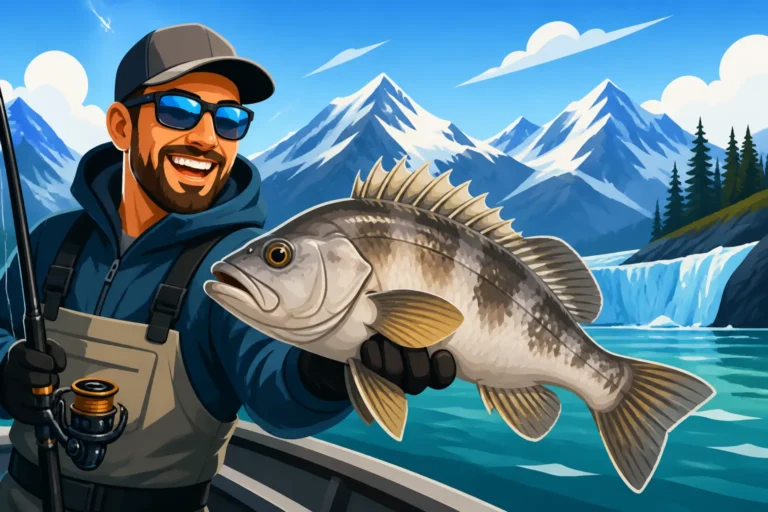
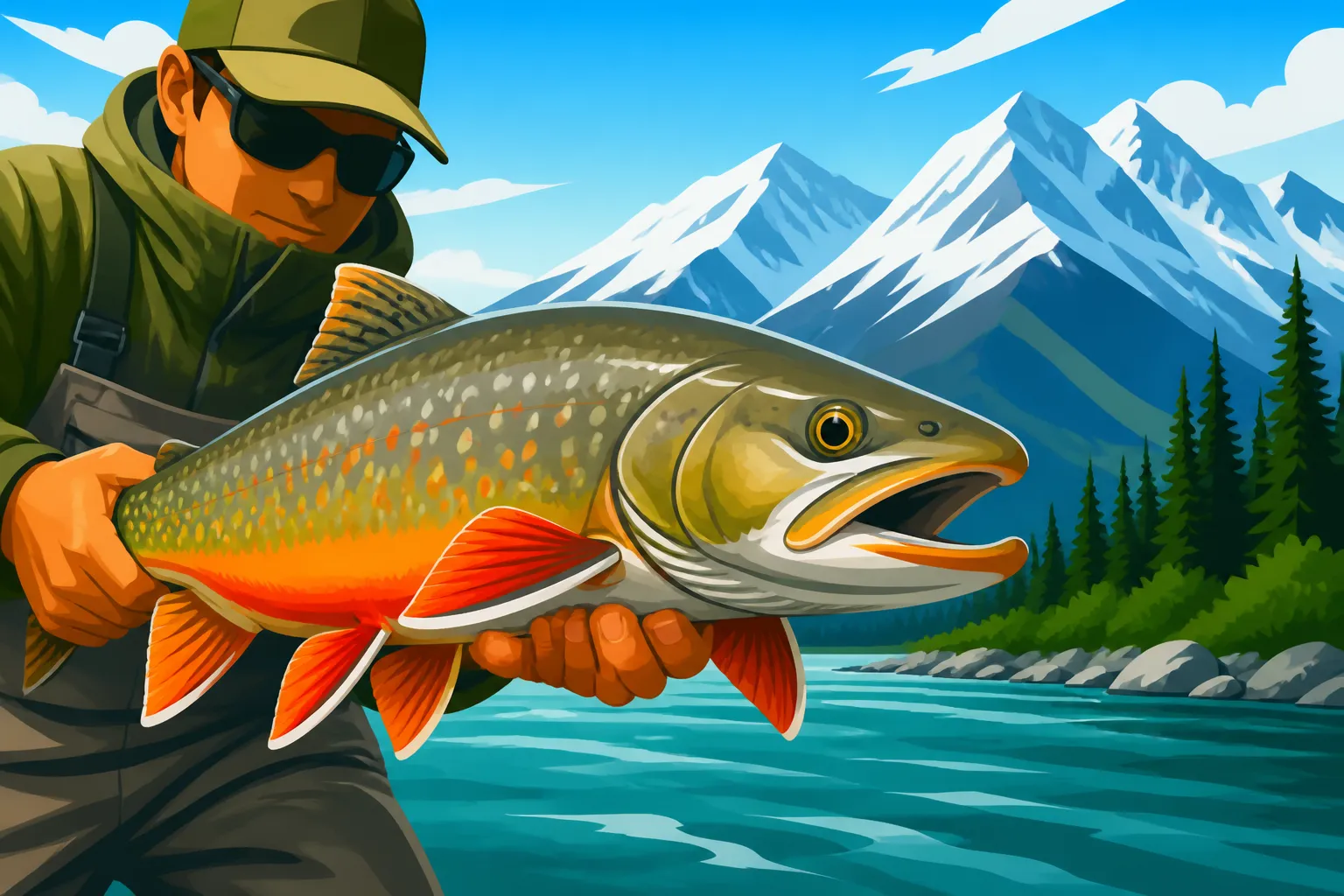
Dolly Varden, a member of the char family, are simply stunning fish. Their coloration can vary wildly depending on their habitat and spawning stage, ranging from silvery-blue with sparse red spots in saltwater to brilliant olive-green or brown with striking red, orange, or yellow spots when in freshwater, especially during spawning. What really sets them apart is their opportunistic feeding behavior. When salmon are spawning, Dollies will gorge themselves on loose eggs, making them incredibly active and predictable. During other times, they are fierce predators, chasing down baitfish or rising to dry flies. They're tenacious fighters on light tackle, offering spirited runs and impressive acrobatics that can surprise even seasoned anglers.
Beyond their fighting prowess, Dolly Varden are incredibly adaptive. They can be anadromous, meaning they migrate between freshwater and saltwater much like salmon, or they can be entirely resident in freshwater lakes and rivers. This adaptability contributes to their widespread distribution across the state and presents diverse fishing opportunities. Whether you're casting into a coastal stream in Southeast Alaska or a remote tributary in Bristol Bay, there's a good chance you'll encounter these beautiful fish.
Dolly Varden vs. Arctic Char: A Common Confusion
It's completely understandable to confuse Dolly Varden with Arctic Char; they look strikingly similar, especially to the untrained eye, and both belong to the Salvelinus genus. For years, scientists even classified them together. However, they are distinct species, and knowing the difference can be important for both identifying your catch and understanding their unique behaviors.
The most reliable way to distinguish them often involves examining the spots and the shape of the head. Dolly Varden typically have smaller, more numerous spots across their body, and their spots tend to be more intensely red or orange. Arctic Char, while also having spots, generally have larger, fewer, and sometimes lighter spots. Their heads can also be a subtle clue; Arctic Char sometimes have a slightly more pointed snout compared to the blunter, more robust head of a Dolly Varden.
For anglers, perhaps the most practical distinction comes down to geography and habitat. While there can be overlap, especially in certain areas, Arctic Char are generally found further north, in colder, often more pristine and remote waters, frequently preferring large, deep lakes. Dolly Varden, on the other hand, are more widespread across the state, commonly found in a broader range of stream, river, and coastal habitats, often following salmon runs. Understanding these subtle differences, as detailed in our guide on Alaska Dolly Varden vs Arctic Char, can help you appreciate each species for its unique characteristics.
Prime Locations for Dolly Varden Fishing in Alaska
Alaska is an enormous state, and Dolly Varden are found in countless rivers, streams, and coastal areas. While you can find them almost anywhere there's healthy salmon spawning activity, some regions and specific locations stand out for their consistent populations and excellent fishing opportunities. Knowing where to focus your efforts can dramatically increase your chances of a memorable encounter with these incredible char.
Southcentral Alaska Hotspots
The Southcentral region, particularly the Kenai Peninsula and the drainages flowing into Prince William Sound and Cook Inlet, offers some of the most accessible and productive Dolly Varden fishing in the state. These areas are heavily influenced by robust salmon runs, which are a primary food source for Dolly Varden.
The Kenai Peninsula is arguably one of Alaska's most famous fishing destinations, and for good reason. While the mighty Kenai River is synonymous with King and Sockeye Salmon, its smaller tributaries and feeder streams, as well as those on the nearby Russian River, offer fantastic Dolly Varden opportunities, especially during and after the salmon spawn. Think about the areas below spawning beds where salmon eggs are plentiful. The Dollies here will stack up, gorging on the nutrient-rich eggs. You can find them in the eddies, behind gravel bars, and in slower pockets of water. Even lesser-known streams like Quartz Creek, which feeds into Kenai Lake, can be phenomenal for these char. Check out our comprehensive guide on Best Fishing Spots on the Kenai Peninsula for more detailed spots.
Prince William Sound and its many rivers and streams, such as those near Valdez and Whittier, are also excellent. Here, Dollies migrate into freshwater systems in late summer and fall, again, closely trailing the salmon runs. Fishing opportunities abound in the lower reaches of these rivers and estuaries, where the fish are transitioning or actively feeding. Many of these spots are easily accessed by road or a short boat ride from coastal communities.
Southeast Alaska's Coastal Treasures
Southeast Alaska, with its intricate network of islands, fjords, and countless rain-fed streams, is another prime region for Dolly Varden. The sheer abundance of salmon in this part of the state means an equally robust population of Dollies that follow them.
Around cities like Juneau, Sitka, and Ketchikan, you'll find numerous small to medium-sized rivers and creeks that teem with Dolly Varden, particularly from late summer through fall. These anadromous char will move into freshwater to feed on salmon eggs and eventually spawn themselves. Rivers such as Cowee Creek or Sheep Creek near Juneau, or various smaller systems on Baranof Island near Sitka, can offer incredible action. These fish often remain in the systems through the winter, providing ice fishing opportunities in some frozen lakes further inland. The lush, temperate rainforest environment adds an extra layer of beauty to the fishing experience. It's crucial to consult the Southeast Alaska Regulations Summary as specific rules can vary by waterbody.
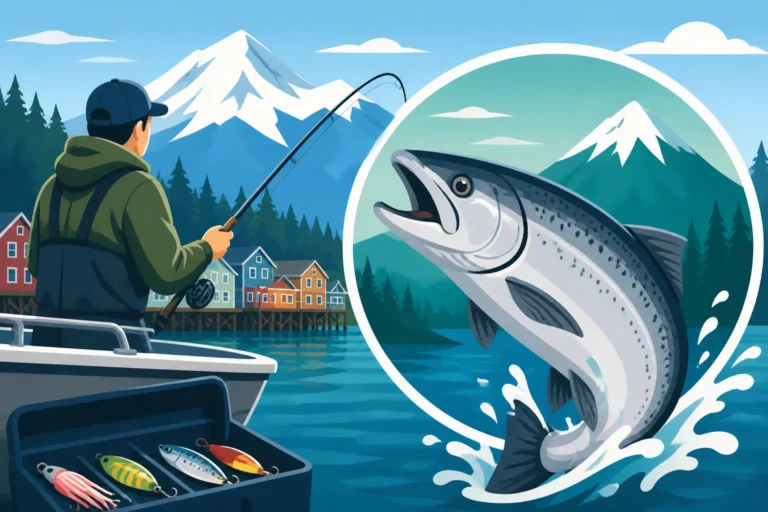
The coastal nature of Southeast means that even the saltwater estuaries and protected bays can hold large numbers of Dolly Varden, especially in spring and early summer when they're feeding on baitfish before heading upriver. Fishing near creek mouths where salmon smolt are congregating can be incredibly productive. Booking a local charter through a service like FishingBooker can often lead you to these tucked-away gems that only experienced local guides know well.
Remote Western and Interior Alaska Gems
For those seeking a truly wild and remote Dolly Varden experience, Western and Interior Alaska offer unparalleled opportunities, often requiring bush plane access or extended river trips. These regions boast vast, untouched ecosystems where Dolly Varden thrive in their natural splendor.
Bristol Bay, renowned globally for its Sockeye Salmon runs, also offers world-class Dolly Varden fishing. Rivers like the Naknek, Alagnak, and tributaries of the Nushagak system become Dolly Varden meccas as salmon eggs drift downstream. The sheer volume of food available during the salmon spawn here means Dolly Varden grow large and are incredibly plentiful. Many fly-out lodges in the region focus specifically on multi-species trips, ensuring anglers can target Dollies alongside the various salmon species. Our Bristol Bay Fishing Guide delves deeper into these remarkable fisheries.
Further north, rivers like the Togiak and Noatak support strong populations of large, anadromous Dolly Varden. These areas are far less accessible, typically requiring a fly-in trip to a remote lodge or a guided float trip. The rewards, however, are immense: pristine wilderness, incredible scenery, and Dollies that can push impressive sizes. Here, the fish might be more spread out, but their size and the solitude make the effort worthwhile. These are often once-in-a-lifetime trips for serious anglers.
Best Techniques and Seasons for Dolly Varden
Successful Dolly Varden fishing often comes down to understanding their seasonal movements and adapting your techniques accordingly. These opportunistic feeders respond well to a variety of presentations, but knowing when and where to apply them is key.
Seasonal Strategies: Following the Spawning Runs
Dolly Varden are highly migratory, often following food sources and seasonal changes. Their most predictable and abundant appearances often coincide with salmon spawning.
- Late Summer to Fall (August – October): The Egg Feast: This is prime time. As salmon begin to spawn in rivers and streams across Alaska, Dolly Varden move in, often in large numbers, to feast on loose salmon eggs. They'll position themselves downstream from active spawning redds, in eddies, and behind obstacles, waiting for eggs to drift by. This period, often from August through October, offers some of the most consistent and exciting Dolly Varden action. They are aggressive and plentiful. Our Alaska Fishing Seasons: Month-by-Month Guide highlights how various species overlap.
- Spring (May – June): Post-Winter Foraging: After wintering in lakes or deeper river pools, Dolly Varden become active again in the spring as water temperatures rise. They'll be looking for small baitfish, aquatic insects, and anything else they can find to replenish their energy. This can be a great time to target them in estuaries and near river mouths as they transition to saltwater, or in smaller streams where insect hatches are beginning.
- Summer (July – August): Coastal Cruisers and Stream Wanderers: In mid-summer, anadromous Dolly Varden will be spread out. Many will be in saltwater, feeding heavily on krill and small baitfish, often found near kelp beds or rocky shorelines. Others will have already entered freshwater systems, gradually moving upstream. Fishing creek mouths during outgoing tides can be effective as baitfish and smolt are flushed out.
Top Baits, Lures, and Flies for Dolly Varden
Dolly Varden aren't particularly picky, which is great news for anglers. However, some presentations are consistently more effective than others.
- For the Fly Angler:
- Egg Patterns: Without a doubt, bead eggs are king during the salmon spawn. Glo Bugs, flesh flies, and various imitation salmon eggs in pink, orange, or chartreuse are irresistible. Dolly Varden key in on these as a primary food source.
- Streamers: When Dollies are targeting baitfish, streamers like Clouser Minnows, Deceivers, or even Sculpins in white, olive, or black can be deadly. Sizes #2-8 are usually a good bet. Fishing them with a strip-retrieve that mimics a fleeing baitfish often triggers aggressive strikes.
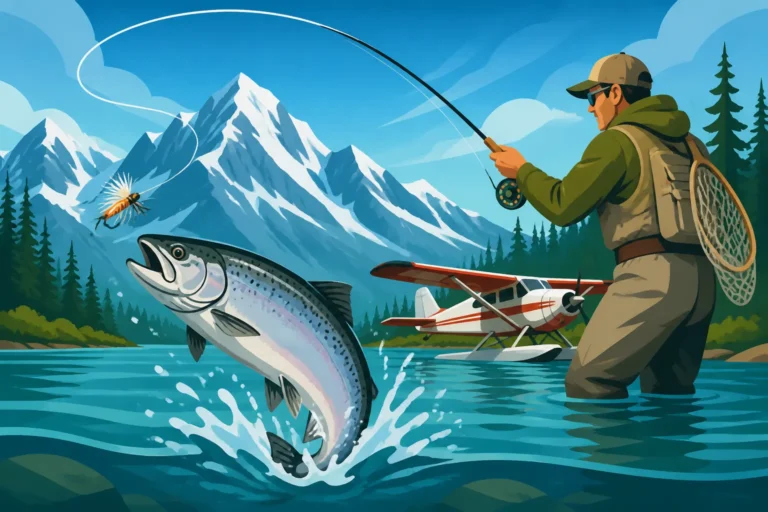
- Nymphs and Dry Flies: While less common than eggs or streamers, Dollies will absolutely take larger nymphs (like Stoneflies or Prince Nymphs) and even dry flies (like a stimulator or large caddis) during active insect hatches, especially in resident populations. Mastering these techniques can be part of How to Fly Fish in Alaska.
- For Spin Fishermen:
- Spinners: Small spinners like Mepps Aglias, Blue Fox Vibrax, or Panther Martins in sizes #1-3 are incredibly effective. Gold, silver, copper, or bright fluorescent colors work well. The flash and vibration mimic small baitfish.
- Small Spoons: Little Cleos or Pixee Spoons in silver, gold, or bright orange can also entice strikes, particularly in larger river sections or coastal waters.
- Soft Plastics/Jigs: Small grub jigs or soft plastic swimbaits rigged on a light jig head can be very productive, especially when fished near the bottom or drifted through deeper pools.
- Cured Salmon Roe: Fresh or properly cured salmon eggs are a universal attractant. Fishing them under a bobber or drifting them naturally can be incredibly effective, especially where regulations allow bait.
Remember, Dolly Varden regulations, including bait restrictions, can vary by specific area and time of year. Always check the current Alaska Fishing Regulations Explained before you go.
Essential Gear for Targeting Dolly Varden
You don't need heavy-duty gear to catch Dolly Varden, which makes them a fun target for light tackle enthusiasts.
- Rods and Reels:
- Fly Rods: A 4-weight or 5-weight fly rod, 8'6" to 9' long, paired with a matching reel and floating line, is perfect for most Dolly Varden scenarios. For larger fish or heavier flies, a 6-weight can be useful.
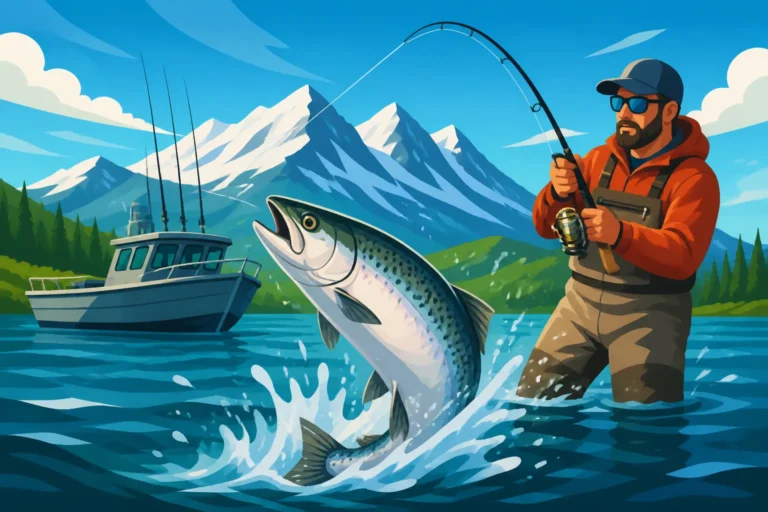
- Spinning Rods: A light to medium-light spinning rod (6' to 7' long) with a fast action, coupled with a 1000-2500 size spinning reel, is ideal. This setup provides excellent sensitivity and fighting power without overpowering the fish.
- Line:
- Fly Line: Floating fly lines are standard. You might use a sink-tip leader for deeper presentations with streamers.
- Spinning Line: 4-8 pound monofilament or fluorocarbon line is usually sufficient. Braid in 10-15 pound test with a fluorocarbon leader is also a popular choice for sensitivity and strength.
- Terminal Tackle: A selection of small swivels, snap swivels, appropriate hooks (single, barbless hooks are often required or preferred), and split shot weights will cover most spinning setups. For fly fishing, bring a range of leaders and tippet (3X-5X).
- Waders and Boots: Given that many prime Dolly Varden spots are in rivers and streams, a good pair of breathable chest waders and sturdy wading boots are essential. They keep you warm, dry, and allow you to access prime casting positions. For a deeper dive into what to bring, consult our Alaska Fishing Gear and Tackle Guide.
Conservation and Responsible Angling Practices
Alaska's fisheries are incredibly special, and keeping them healthy for future generations is a responsibility we all share. When targeting Dolly Varden, just like any other species, practicing responsible angling is paramount. This means not only adhering to regulations but also employing best practices to minimize your impact.
Adhering to Regulations and Catch Limits
Before you even step foot in an Alaskan stream, river, or coastal area, it is absolutely crucial to be familiar with the local fishing regulations. Regulations for Dolly Varden can vary significantly depending on the specific region, river system, and even time of year. For instance, some areas may have catch-and-release only rules, while others allow for retention with specific bag and possession limits. There might also be restrictions on bait use, hook type (e.g., single barbless hooks), or fishing methods.
The Alaska Department of Fish and Game (ADF&G) publishes detailed regulation booklets for each region (Southcentral, Southeast, Interior, etc.) that are available online and at local vendors. Always double-check any emergency orders that might supersede the printed regulations, as conditions and fish runs can change rapidly. Remember, you'll need an Alaska Fishing License: Complete Guide to fish in Alaska, and for some species, like King Salmon, a special stamp might be required. Even if you're primarily targeting Dolly Varden, being aware of all local rules, including those for other species you might encounter, is vital. For residents, certain personal use fisheries might have different rules for Alaska Harvest Record Card Explained. If you do retain fish, ensure you correctly fill out any required harvest cards, which is covered in How to Fill Out an Alaska Harvest Record Card.
| Region | Prime Seasons | Typical Baits/Lures | Key Dolly Varden Traits | Access Difficulty |
|---|---|---|---|---|
| Southcentral | Aug-Oct (salmon spawn) | Egg patterns, spinners | Follow salmon, accessible | Easy-Moderate |
| Southeast | Late Summer-Fall | Streamers, small spoons | Anadromous, coastal rivers/estuaries | Moderate |
| Western/Interior | July-Sept (salmon spawn) | Large egg patterns, streamers | Larger fish, remote wilderness | Difficult (Fly-in) |
Practicing Catch-and-Release
While Dolly Varden are considered good eating by many, a significant portion of the angling community, particularly fly fishermen, practices catch-and-release to help sustain healthy populations. If you choose to release your Dolly Varden, doing so responsibly is critical to ensure the fish's survival.
Here are some best practices for catch-and-release:
- Minimize Fight Time: Use appropriate tackle that allows you to land the fish relatively quickly, reducing stress and exhaustion.
- Keep the Fish Wet: Whenever possible, unhook the fish while it's still in the water. If you must handle it, wet your hands thoroughly beforehand. Avoid squeezing the fish, especially around its belly or gills.
- Use Barbless Hooks: Barbless hooks (or crimping down the barb on a barbed hook) make removal much easier and cause less damage to the fish's mouth. Many regulations in Alaska actually mandate barbless hooks for specific fisheries.
- Gentle Hook Removal: Use hemostats or pliers to quickly and carefully remove the hook. If the fish is deeply hooked and removal would cause significant trauma, it's often best to cut the line as close to the hook as possible.
- Revive Before Release: Hold the fish gently facing upstream in a current, allowing water to flow over its gills. Once it starts to regain strength and swim on its own, let it go. Don't simply toss it back. This is particularly important for Alaska Catch-and-Release Best Practices.
By embracing these responsible angling practices, you contribute directly to the health and longevity of Alaska's incredible Dolly Varden fisheries, ensuring that these beautiful char continue to thrive for generations of anglers to come.
Disclaimer
The information provided in this guide is for general informational purposes only and is subject to change. Alaska fishing regulations, seasons, and emergency orders are dynamic and can be updated frequently by the Alaska Department of Fish and Game. Always consult the official ADF&G regulations for the specific region and time you plan to fish before engaging in any angling activity. Fishing conditions, fish populations, and access points can also vary. We recommend verifying all details with current, official sources or local experts before planning your trip.