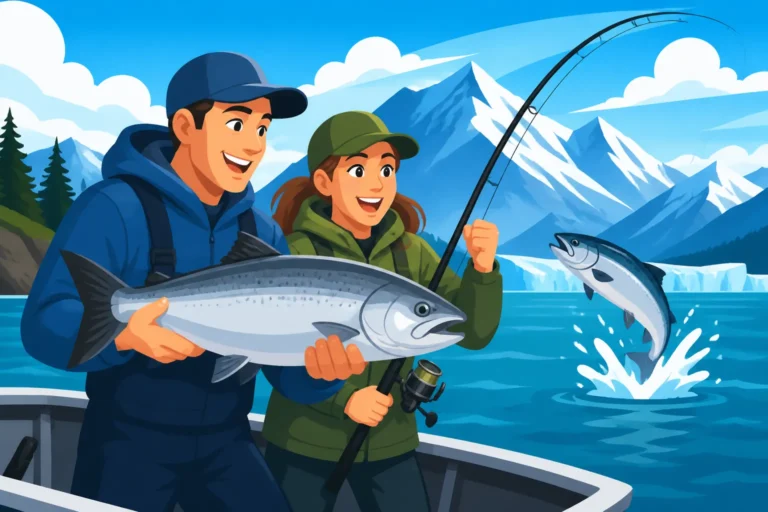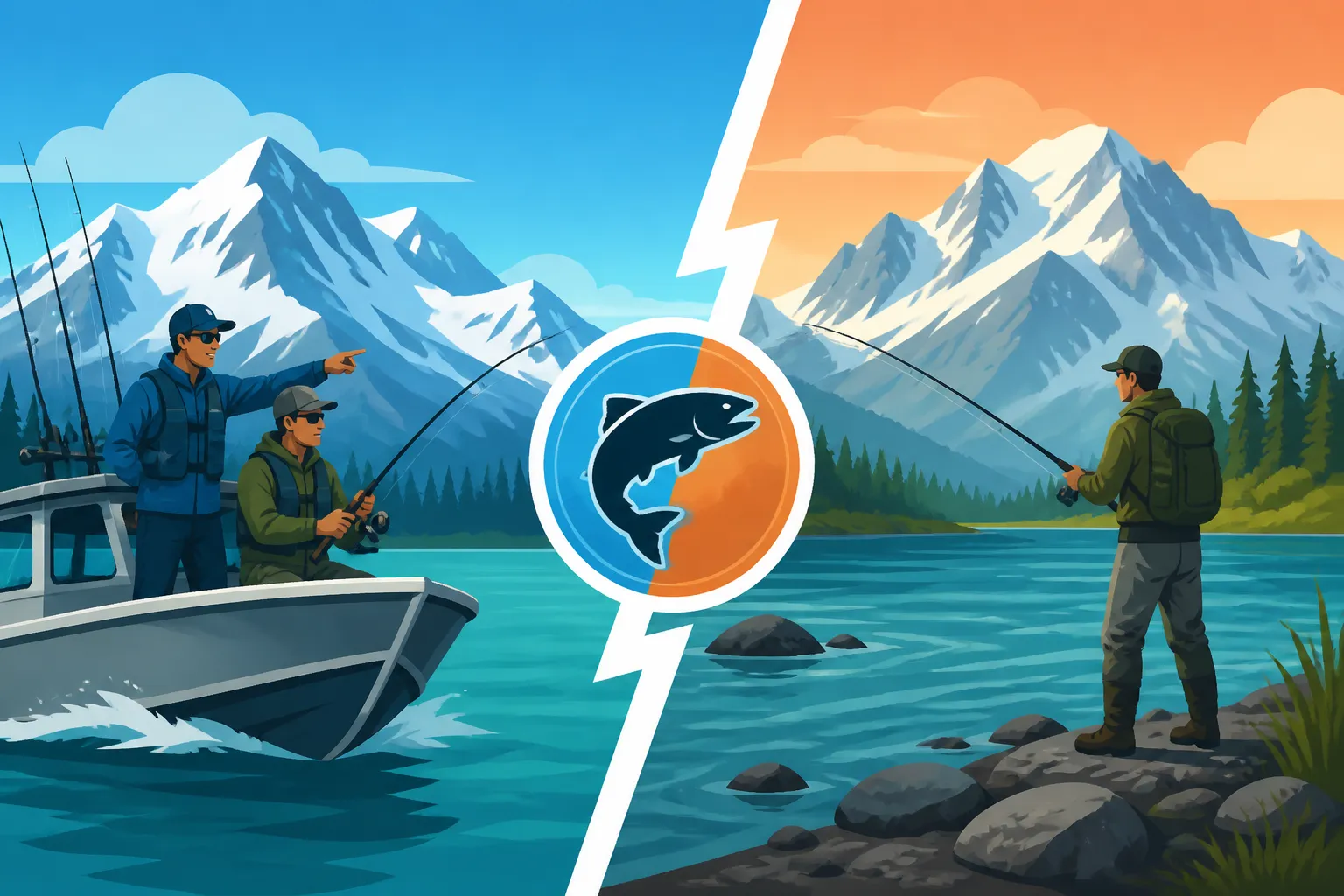
Guided vs Unguided Fishing in Alaska
The dream of casting a line in Alaska is a powerful one, conjuring images of massive salmon leaping from pristine rivers or battling a halibut in the vast, open ocean. But for many, that dream quickly morphs into a daunting puzzle: how do you even begin to plan such a trip? The sheer scale of the state, the endless regulations, and the unknown challenges can make the planning feel more like a chore than an exciting adventure. This comprehensive guide is here to untangle that complexity, helping you weigh the pros and cons of guided versus unguided fishing trips so you can choose the Alaskan adventure that's perfect for you.
Understanding the Allure: Why Alaska Fishing is a Dream for Many
There's something uniquely captivating about Alaska, especially for those of us who live and breathe fishing. It's not just a destination; it's an experience, a pilgrimage. The promise of untouched wilderness, abundant fish, and truly wild encounters is what draws so many to its shores and rivers. But that very wildness, while alluring, is also what makes it such a challenging place to navigate without a clear plan.
The Myth and the Reality of the Alaskan Wilderness
We all see those incredible photos: an angler holding a monstrous King Salmon, a floatplane disappearing into a misty mountain range, or a grizzly bear casually strolling along a riverbank. These aren't just myths; they're very real aspects of the Alaskan wilderness. The fish truly are bigger, the scenery more dramatic, and the wildlife encounters more frequent than almost anywhere else in North America. This raw, untamed environment is both the biggest draw and the biggest hurdle.
However, the reality also includes unpredictable weather, vast distances between services, complex regulations that change often, and the very real need for self-reliance. It's not a theme park; it's a wild frontier. Preparing for this reality means understanding that while the rewards are immense, the challenges require respect and thorough preparation. You're stepping into a place where nature truly calls the shots.
Initial Hurdles: What Makes Planning an Alaska Trip So Daunting
When you first start thinking about an Alaska fishing trip, the excitement is palpable. Then you start looking at flights, accommodation, gear lists, and suddenly, that excitement can turn into a headache. Where do you even begin? The state has an incredible diversity of fishing opportunities, from saltwater halibut in Homer to sockeye salmon runs on the Kenai River, or remote fly-out trips for Rainbow Trout in Bristol Bay. Each area has its own unique character, its own species, and its own set of challenges.
Beyond choosing a location, there's the labyrinth of regulations. Do you need a special stamp for King Salmon? What are the specific bag limits for the river you're targeting? How do you even get your fish home? These questions can pile up, creating a sense of overwhelm. For many, this is where the idea of a guided trip starts to look very appealing, offering a ready-made solution to these logistical nightmares.
The Guided Fishing Experience: Comfort, Expertise, and Peace of Mind
For those who want to immerse themselves in the fishing without getting bogged down in the logistics, a guided trip is often the answer. It’s like having a seasoned local friend take you to their secret spots, knowing exactly what to use and how to navigate the waters safely. This option provides a fantastic way to experience Alaska, especially if it’s your first time.
What a Guided Trip Truly Offers
When you book a guided trip, you're not just paying for a boat or a spot on the river. You're investing in expertise, convenience, and safety. A good guide knows the local waters like the back of their hand – where the fish are holding, what they're biting on, and how to adapt to changing conditions. They provide all the necessary Alaska Fishing Gear and Tackle Guide, from rods and reels to bait and lures, meaning you don't have to pack a heavy, specialized arsenal. This is particularly beneficial for travelers flying in, as it dramatically cuts down on luggage.
Beyond the fishing itself, guides often handle the nitty-gritty details that can make or break a trip. This includes things like baiting hooks, netting fish, and even basic fish processing at the end of the day. They’re also your primary source of real-time information on Alaska Fishing Regulations Explained and emergency orders, ensuring you stay compliant and out of trouble with the law. Their local knowledge is invaluable, offering insights not just into fishing, but into the culture and history of the region.
Types of Guided Adventures: From Day Charters to All-Inclusive Lodges
The spectrum of guided fishing experiences in Alaska is incredibly broad, catering to every budget and preference. At one end, you have single-day charters, perfect for those staying in towns like Homer, Seward, or Sitka. These are often half-day or full-day excursions focused on specific species, like deep-sea halibut fishing or salmon trolling. You simply show up at the dock, board the vessel, and off you go. These are great for fitting fishing into a broader Alaskan itinerary. For a deeper dive, consider a combo trip, such as a "halibut and salmon" charter, which lets you target multiple species in a single day.
On the other end of the spectrum are the luxurious, all-inclusive fishing lodges, many of which are fly-in operations in remote areas like Bristol Bay or Kodiak. These lodges typically include air transportation from a major hub, gourmet meals, comfortable accommodations, daily guided fishing, and even fish processing and packaging for your catch. They offer a completely immersive experience where every detail is handled, allowing you to focus purely on the fishing and the wilderness. Then there are river guides who operate drift boats or powerboats on famous rivers like the Kenai or Kasilof, specializing in specific salmon runs or trout fishing. You can learn more about What to Expect on an Alaska Fishing Charter to help decide.
The Financial Investment: Breaking Down the Cost of Guided Trips
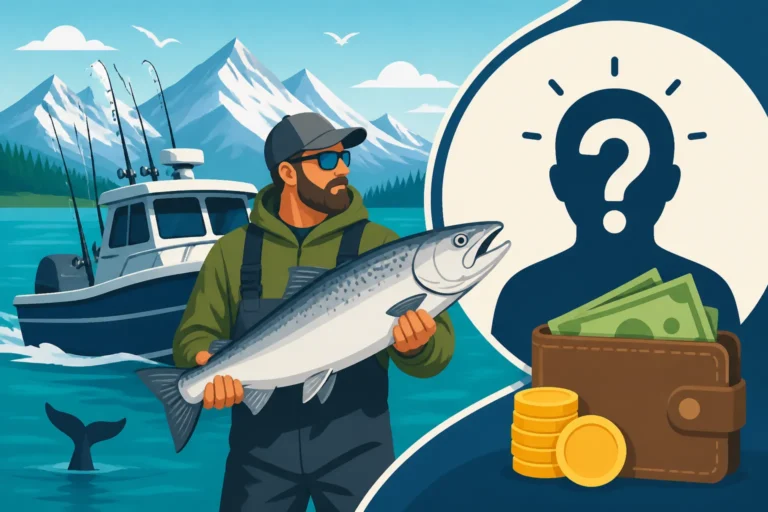
Let's be real: Alaska isn't a cheap place to visit, and guided fishing trips are no exception. The convenience and expertise come with a price tag. Day charters can range from $250 to $600 per person, depending on the duration, location, and target species. Halibut charters, especially those targeting larger "barn door" halibut, often fall on the higher end due to the boat, fuel, and specialized gear involved.
Multi-day packages or all-inclusive lodges are a significant investment, often ranging from $2,000 to $10,000+ per person for a 3-7 day trip. This usually covers everything from your lodging and meals to daily guided fishing, gear, and even the processing of your catch. While these numbers might seem steep, when you factor in the cost of flights, accommodation, food, rental cars, gear, and licenses for an unguided trip, the value proposition of a guided experience, particularly for a first-timer, becomes clearer. It’s about paying for peace of mind and maximizing your chances of a successful and memorable trip. To get a better idea of what you're looking at, check out our guide on Alaska Fishing Charter Cost Explained.
Embracing Independence: The Unguided Fishing Adventure
For many seasoned anglers and those with a strong sense of adventure, the idea of an unguided fishing trip in Alaska holds immense appeal. It's about the thrill of the chase, the satisfaction of figuring things out for yourself, and the freedom to forge your own path in the wilderness. This route offers unparalleled autonomy and a deeper connection to the Alaskan landscape.
The Freedom and Flexibility of Going It Alone
Choosing an unguided trip means you're the captain of your own adventure. You set the schedule, pick the spots, and decide how long you want to fish. Want to spend an entire day chasing Alaska Rainbow Trout Regulations on a remote creek? You can. Want to stay out until midnight during the endless summer days, pushing for one more cast? Go for it. This level of flexibility is incredibly attractive to those who chafe under the structured itinerary of a guided tour.
You can explore lesser-known areas, discover your own secret fishing holes, and truly immerse yourself in the solitude of Alaska. This also means you can pivot quickly if a particular spot isn't producing, or if an Alaska Fishing Emergency Orders Explained changes the game for your planned river. There's a profound sense of accomplishment that comes with successfully planning and executing your own Alaskan fishing expedition, from finding the fish to processing your catch.
Essential Preparations for the Unguided Angler
The trade-off for freedom is responsibility, and an unguided trip demands meticulous planning and preparation. First and foremost, you need to become an expert on How to Read Alaska Fishing Regulations for your chosen region and species. This includes understanding bag limits, gear restrictions, specific seasons, and any required stamps (like the King Salmon stamp). Ignorance is no excuse, and violations can lead to hefty fines and even jail time.
Next, consider your gear. You'll need reliable fishing equipment, appropriate clothing for rapidly changing Alaskan weather (think layers, waterproofs, and good boots), and robust safety gear (bear spray, first-aid kit, satellite communication device for remote areas). Transportation is another big one: will you rent a car and hit roadside access points, or are you venturing into fly-in only territories? If the latter, you'll still need to arrange bush planes, which, while offering incredible access, can add complexity and cost. For specific locations, you might want to look into topics like Best Fishing Spots in Alaska or even specific river guides such as the Kenai River Fishing Guide for unguided access points.
The Cost Savings and Potential Pitfalls
One of the biggest motivators for going unguided is the potential for significant cost savings. By handling your own logistics, bringing your own gear, and preparing your own meals, you can drastically reduce the per-person cost compared to a fully guided lodge experience. Rental cars, Airbnb rentals, and grocery store runs are generally much cheaper than charter fees and lodge rates, especially for groups. This allows you to extend your stay or allocate your budget to other Alaskan adventures.
However, it's crucial to be realistic about "hidden" costs and potential pitfalls. You might save on guide fees, but unexpected expenses can pop up. A broken rod, lost lures, the cost of specialized processing or shipping for your fish, or even a sudden emergency that requires medical attention or bush plane evacuation can quickly inflate your budget. Beyond money, the biggest pitfall is safety. Without a knowledgeable guide, you're solely responsible for navigating unpredictable weather, dangerous river conditions, and wildlife encounters. A lack of experience or proper preparation can turn a dream trip into a dangerous situation very quickly. For those wondering, our guide on How Much Is an Alaska Fishing License for Non-Residents can help you budget accurately.
Key Factors to Consider When Making Your Choice
Deciding between guided and unguided fishing isn't a one-size-fits-all answer. It truly depends on who you are, what you want out of the trip, and what resources you have available. Let’s break down the critical elements that should inform your decision-making process.
Experience Level and Fishing Knowledge
Your experience level is perhaps the most crucial factor. If you're a first-time angler, new to saltwater fishing, or have never fished in a remote, wild environment like Alaska, a guided trip is almost always the smarter choice. Guides provide not only the know-how but also a vital layer of safety and confidence. They can teach you techniques, help with gear, and ensure you're fishing legally and effectively. Imagine trying to learn how to catch Alaska Halibut Fishing Regulations and Limits without ever having fished for them before, in potentially choppy Alaskan waters—it’s a recipe for frustration.
Conversely, if you're a seasoned angler with years of experience in various fishing environments, a strong understanding of different techniques (like fly-fishing for Alaska Rainbow Trout Regulations or back-bouncing for salmon), and a comfort level with wilderness navigation and safety protocols, an unguided trip might be perfect for you. You likely already own much of the necessary gear and thrive on the challenge of self-reliance. Even then, a short guided trip for a day or two at the start can provide invaluable local insights.
Budget and Time Constraints
Money and time are often the biggest practical constraints. If you have a generous budget and limited time, an all-inclusive guided lodge or a series of day charters can maximize your fishing opportunities. With guides handling all the logistics, you spend less time planning and more time fishing. This is ideal for those who can only snatch a week away from work and want every moment on the water to count.
If you have a tighter budget but more time, an unguided trip offers much more flexibility. You can spread out your costs, opt for cheaper accommodations, and prepare your own meals. It will require more of your personal time for research, planning, and execution, but the financial savings can be substantial. For example, staying in a vacation rental in Soldotna and driving to various access points on the Kenai River for Alaska Sockeye Salmon Fishing Regulations and Limits is far less expensive than booking a multi-day guided package. Always account for your Alaska Fishing License Cost and Types regardless of your chosen path.
Desired Species and Location
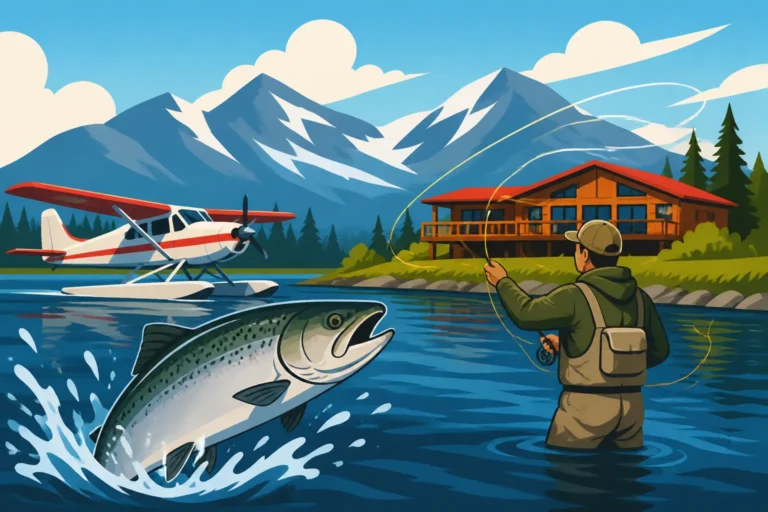
The specific fish you want to target and the locations you dream of exploring can also steer your decision. Certain species and areas are inherently better suited to one option over the other. For instance, if your heart is set on landing a massive "barn door" halibut in deep ocean waters, a guided charter is almost a necessity. These trips require specialized boats, heavy-duty gear, and deep knowledge of tidal movements and halibut grounds that are difficult for an amateur to acquire. Similarly, reaching remote, pristine rivers for trophy trout or King Salmon often requires floatplanes and experienced pilots, making a fly-in lodge or guided fly-out trip the most practical, if not only, option.
On the other hand, if your goal is to experience the legendary Alaska Sockeye Daily Limit by River on the Kenai River during peak season, or to fish for Alaska Coho Salmon Fishing Regulations and Limits from the bank of a more accessible river, an unguided approach can be highly successful. Many of these spots have good road access, public fishing areas, and plenty of resources (like tackle shops and local intel) to help DIY anglers. Researching Best Salmon Fishing Rivers in Alaska and their accessibility will be a crucial step.
Safety, Regulations, and Logistics: What You Can't Afford to Overlook
Regardless of whether you choose a guided or unguided trip, some aspects of Alaskan fishing are non-negotiable. Safety, understanding the law, and managing your catch are paramount. Overlooking any of these can lead to unpleasant, costly, or even dangerous consequences.
Navigating Alaska Fishing Regulations
Alaska's fishing regulations are notoriously complex, and they can change rapidly through emergency orders based on fish returns. Getting an Alaska Fishing License: Complete Guide is step one, but that's just the beginning. You need to know the specific regulations for the body of water you're fishing, the species you're targeting, and the time of year. For example, bait restrictions, single-hook rules, or specific slot limits for halibut can vary wildly from one area to another. How to Read Alaska Fishing Regulations is not just a suggestion; it's a requirement.
A guided trip often means your guide takes care of knowing and adhering to these rules, explaining them as you go. For an unguided trip, it's your responsibility entirely. You'll need to regularly check the Alaska Department of Fish and Game (ADF&G) website for updates and emergency orders, especially during peak seasons. Failure to comply can result in significant fines, confiscation of gear, or even loss of your catch, turning a dream trip into a nightmare. You'll also need to understand how to properly fill out your Alaska Harvest Record Card Explained for species like King Salmon and Steelhead.
Wilderness Safety: Bears, Weather, and Remote Access
Alaska is wild, and that means respecting its inherent dangers. Bears, both black and grizzly, are present throughout many popular fishing areas. Knowing how to store food, make noise, and carry bear spray (and knowing how to use it!) is essential for any trip, but especially if you're unguided. Guides are trained in bear safety and carry firearms for protection, offering a layer of security.
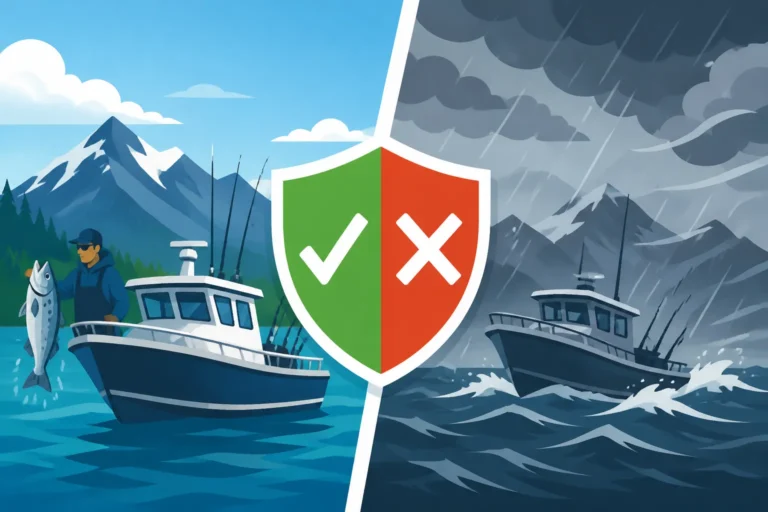
Beyond bears, Alaska's weather is famously unpredictable. A sunny morning can turn into a torrential downpour or high winds in a matter of hours. Hypothermia is a real risk. Dressing in layers, having good quality rain gear, and checking forecasts regularly are critical. If you're venturing into remote areas, consider renting a satellite phone or a personal locator beacon (PLB) to ensure you can call for help in an emergency. Cell service is often non-existent outside of major towns. This is where guides excel; they monitor weather, know safe passages, and are equipped for emergencies.
Fish Processing and Transport: Getting Your Catch Home
After a successful day of fishing, you'll inevitably face the question: what do I do with all this fish? On a guided trip, this is usually handled seamlessly. Most charters and lodges include basic fish processing, which might involve filleting, portioning, vacuum-sealing, and flash-freezing your catch. Many even have partnerships with local processors who can box and ship your fish home for an additional fee. This convenience is a huge draw for many anglers. If you're on a multi-day trip with a lodge, understanding Fish Processing After an Alaska Charter is part of the package.
For unguided anglers, this is another significant logistical hurdle. You'll need to plan for coolers, ice, and finding a local processor or doing the filleting and packaging yourself. Proper handling is crucial to preserve the quality of your catch, especially if you're traveling long distances. Shipping fish requires specialized insulated boxes and adherence to airline or shipping company regulations, which can be surprisingly costly. Factor in these costs and time commitments when budgeting for your unguided adventure. Check out Alaska Fish Transport and Shipping Rules to be fully prepared.
Hybrid Approaches and Making the Most of Both Worlds
It's easy to think of guided versus unguided as an either/or proposition, but Alaska fishing doesn't have to be so black and white. Many anglers find a hybrid approach to be the most rewarding, allowing them to tap into local expertise while still enjoying the thrill of self-guided exploration. This strategy can offer the best of both worlds, balancing cost, convenience, and adventure.
Combining a Guided Day with Self-Exploration
One of the smartest ways to approach an Alaskan fishing trip, especially if it's your first time or you're visiting a new region, is to book a single guided day at the beginning of your trip. Think of it as an intensive training session and scouting mission rolled into one. On this guided day, you can pick the guide's brain about local hotspots, current conditions, effective techniques for How to Catch King Salmon in Alaska or other species, and any nuances in the regulations. Observe how they rig their gear, where they cast, and how they read the water.
After this initial guided experience, you can then take that invaluable local knowledge and apply it to your own self-guided adventures for the rest of your trip. You might have discovered accessible bank fishing spots or learned about specific lures that are currently performing well. This approach significantly reduces the learning curve for unguided fishing and boosts your confidence, all while keeping the overall trip cost down compared to a fully guided package.
Leveraging Local Knowledge Even on Unguided Trips
Even if you choose an entirely unguided trip, you don't have to go in completely blind. Alaska is filled with friendly locals, seasoned tackle shop owners, and other anglers who are often willing to share a bit of intel. Before you arrive, do your homework: follow local fishing forums, read online fishing reports, and scour resources like Alaska Salmon Run Timing Explained to understand when and where different species will be available.
Once you're on the ground, don't be shy about visiting local tackle shops. These places are goldmines of real-time information. The folks working there often fish the local waters daily and can provide up-to-the-minute reports on what's biting, what gear is working, and where to access the best spots. Grabbing a few essential items from them also builds goodwill. Engaging in friendly conversation at boat ramps or popular fishing spots can also yield valuable tips. Just remember to be respectful and not demand "secret spots," but rather ask for general advice. These interactions can make a huge difference in your success rate.
Real-World Scenarios: Who Benefits Most from Each Option?
Let’s put it all together with some real-world examples to help you identify which type of Alaskan fishing adventure aligns best with your own situation and preferences.
The First-Timer's Dream Trip
Imagine Sarah and Tom, a couple from Texas who have always dreamed of fishing in Alaska. They have two weeks of vacation and a decent budget, but neither has extensive experience with saltwater fishing, nor have they ever navigated a vast wilderness alone. Their primary goal is to catch a variety of Alaskan fish, including some big halibut and a few salmon, and they want the trip to be stress-free and memorable.
For Sarah and Tom, a largely guided approach would be ideal. They might book a 3-day all-inclusive lodge in Southeast Alaska or on the Kenai Peninsula, focusing on guided salmon and halibut combo trips. This ensures they have expert help, all gear is provided, meals are cooked, and their fish is processed. They could then spend a few additional days exploring Seward or Homer on their own, perhaps doing some easy sightseeing, but their core fishing experience would be professionally handled. They might even check out FishingBooker to browse and compare various charter options in the areas they're interested in, helping them narrow down choices based on reviews and specialties. This minimizes risk and maximizes their chances of success, leading to that dream trip they envisioned.
The Budget-Conscious Adventurer
Now consider Mark, a college student with a passion for fishing and a summer break, but a very tight budget. He wants to experience Alaska's legendary salmon runs, particularly the sockeye. He's an experienced freshwater angler and is comfortable camping and roughing it. His goal is to catch fish and explore, even if it means sacrificing some comfort.
Mark is a prime candidate for an unguided or hybrid approach. He could fly into Anchorage, rent an older, more affordable vehicle, and spend his time exploring public access points on the Kenai and Russian Rivers. He'd bring his own lightweight gear, camp at state parks or national forest campgrounds, and cook his own meals. He'd spend hours studying Alaska Sockeye Salmon Limits on the Kenai and current emergency orders. To enhance his trip without breaking the bank, Mark might book one half-day guided drift boat trip on a lesser-known river. This would give him invaluable local insights into current water conditions and fish behavior, which he could then apply to his remaining unguided days. He might use online resources or local tackle shop advice to identify public access points and learn the nuances of bank fishing.
The Experienced Angler Seeking a Challenge
Finally, there's David, a seasoned fly fisherman with decades of experience targeting wild trout and salmon across North America. He's comfortable in the wilderness, owns all his own gear, and thrives on the challenge of finding fish in remote locations. His goal for Alaska is to target trophy Rainbow Trout in a truly wild setting, perhaps even sight-fishing for them. He has a moderate budget but prioritizes solitude and a true wilderness experience.
David could opt for a fly-out guided day trip from a hub like King Salmon or Iliamna, specifically targeting remote rivers known for large rainbows. While he could try to arrange his own bush plane, a guided fly-out package often includes the plane, the pilot's local knowledge of river conditions, and permits to access specific areas that might be tricky for an independent angler to navigate. Alternatively, he might use a service like FishingBooker to find a specific floatplane charter service that simply drops him off and picks him up from a remote river for a few days, allowing him to truly "do it himself" in the interim, but with the critical air support. This allows him the independence he crasves while still leveraging specialized transportation and safety only a local outfitter can provide in such remote areas. He'd be meticulously checking Alaska Rainbow Trout Regulations before venturing out.
Choosing Your Path: Practical Steps to Plan Your Alaska Fishing Trip
Once you've weighed the options and considered your personal factors, it's time to start putting your plan into action. Whether guided or unguided, a successful Alaska fishing trip hinges on meticulous planning and preparation.
Researching and Booking Your Adventure
For guided trips, the sooner you book, the better. Popular charters and lodges, especially during peak salmon runs or halibut season, can be booked a year or more in advance. Start by researching specific regions that appeal to you and the species you want to target. Websites like FishingBooker are excellent resources for comparing different Alaska Fishing Charters: Complete Guide options, reading reviews, and directly booking trips. Don't hesitate to call potential outfitters and ask plenty of questions, such as "Do charters include Alaska Fishing Licenses?" and "What's included in an Alaska Fishing Charter?". Reputable guides will be happy to provide detailed information.
For unguided trips, your research phase is even more critical. Dive deep into the ADF&G website, read fishing forums, and consult guidebooks. Identify public access points, campgrounds, and local resources. This is where you really map out your itinerary, daily fishing plans, and backup options in case of bad weather or changing regulations. You can also leverage online platforms that allow you to book cabins or campsites in advance, particularly in popular state parks. This intense planning is part of the adventure for many DIY enthusiasts, and helps you understand How to Book an Alaska Fishing Trip thoroughly.
Essential Packing and Preparation
No matter your choice, packing wisely is paramount. Alaska's weather is famously unpredictable, so layering is key. Think waterproof and windproof outer shells, fleece or wool mid-layers, and moisture-wicking base layers. Good quality waterproof boots are non-negotiable. Don't forget bug repellent, especially in July and August. Sunscreen, a wide-brimmed hat, and polarized sunglasses are also essential, even on cloudy days, due to the reflective water and long daylight hours.
For unguided trips, your gear list will be much more extensive. You'll need all your fishing tackle, cooking equipment, camping gear (if applicable), and crucial safety items like a first-aid kit, bear spray, and a reliable communication device. Even if you're guided, bring personal items like medications, toiletries, and any comfort items that make your trip more enjoyable. And for everyone, remember to carry your valid Alaska Fishing License: Complete Guide and any required stamps at all times!
Disclaimer
The information provided in this guide is for general informational purposes only and does not constitute professional advice. Alaska fishing regulations, conditions, and opportunities can change rapidly. Always consult the official Alaska Department of Fish and Game (ADF&G) website for the most current regulations and emergency orders before planning or embarking on any fishing trip. Safety in the Alaskan wilderness is paramount; always be prepared for changing weather, wildlife encounters, and remote conditions.