Alaska Charter Fishing for Families
Planning an unforgettable family trip to Alaska is an incredible dream for so many, but let's be real – figuring out the fishing side, especially with kids in tow, can feel like navigating a complex maze. Between deciphering regulations, picking the right location, and ensuring everyone, from your littlest angler to your teenager, has a blast, it's a lot to tackle. This guide is here to untangle all those worries, offering practical, heartfelt advice on making Alaska charter fishing a truly joyous and memorable adventure for your entire family.
Why Alaska is the Ultimate Family Fishing Destination
Alaska isn't just about massive fish; it's about unparalleled natural beauty, incredible wildlife, and creating those once-in-a-lifetime memories that stick with you forever. For families, it offers a unique blend of adventure and accessibility, provided you know how to plan it right. Imagine your child’s eyes widening as a wild salmon leaps from the water, or the pure excitement of reeling in their very first halibut. These are the moments Alaska delivers in spades.
Unforgettable Natural Scenery and Wildlife Encounters
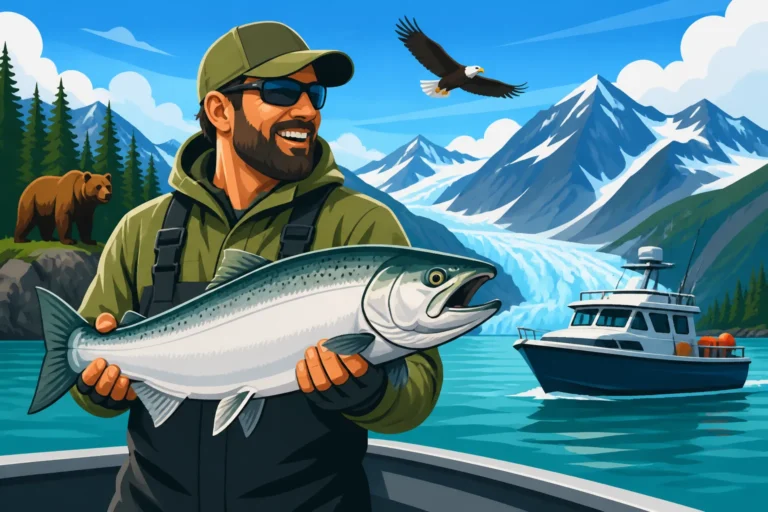
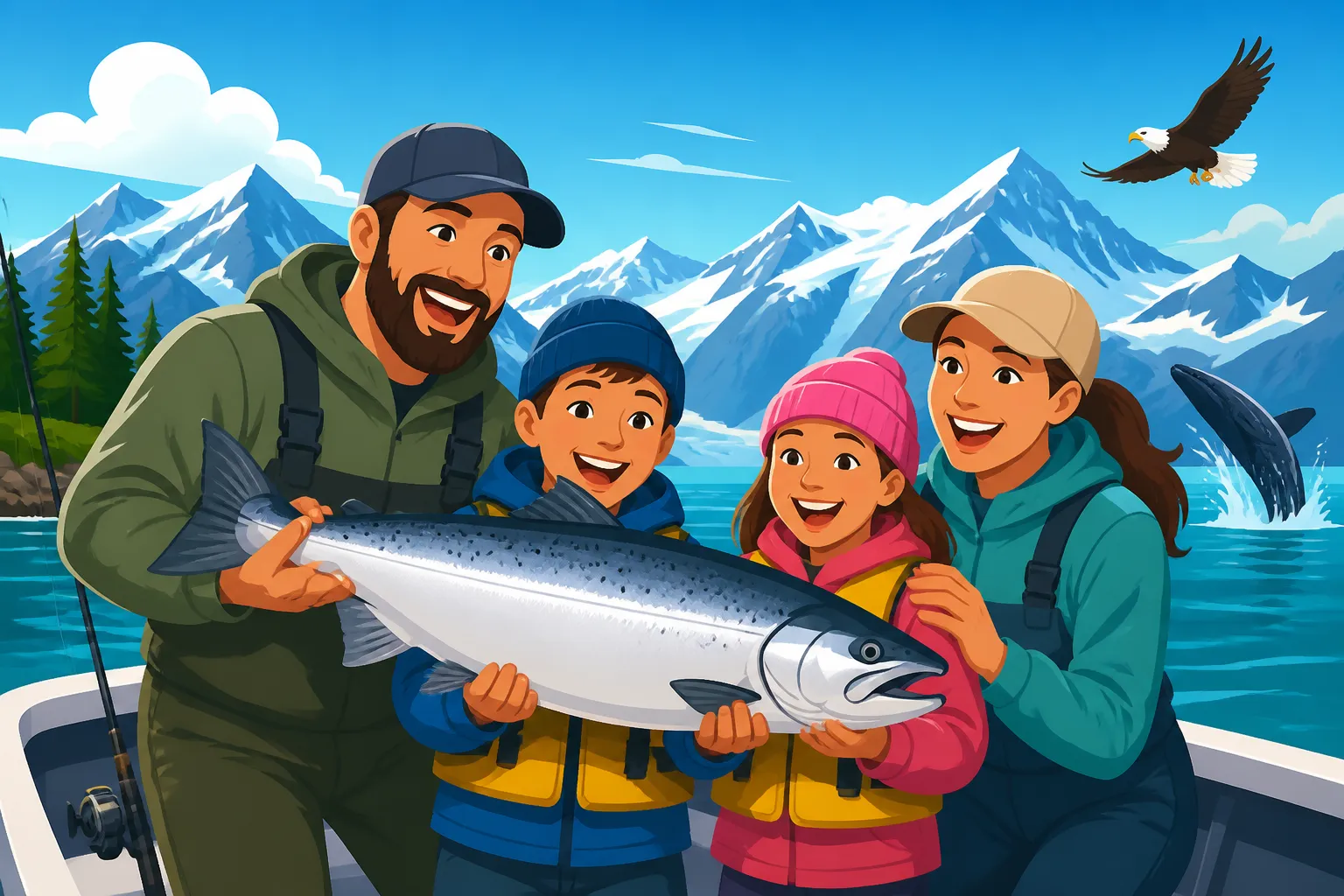
Beyond the thrill of the catch, Alaska's landscapes are a classroom and playground rolled into one. When you're out on a charter, whether it's the protected waters of Prince William Sound or the vastness of Kachemak Bay, you're not just looking at the ocean; you're immersed in a dynamic ecosystem. Glaciers might calve in the distance, bald eagles soar overhead, and you could spot sea otters playing, seals sunbathing, or even a humpback whale breaching. For kids, this isn't just a fishing trip; it's an educational expedition where they learn about marine life, geology, and conservation firsthand. These sensory experiences are so much more impactful than anything they could see in a book or on a screen.
The sheer scale of Alaska's wildness provides a profound sense of wonder. I remember taking my niece and nephew out near Seward, and they were more mesmerized by the puffins darting in and out of the water than by their lines for the first hour! It really highlights how a family fishing trip here isn't solely about how many fish you catch, but about connecting with nature in a truly profound way.
Diverse Fishing Opportunities for All Ages
One of the greatest strengths of Alaska as a family fishing destination is the sheer variety of experiences it offers. You’re not limited to one type of fish or one fishing style, which means you can tailor the trip to suit the energy levels and interests of different family members. Do you have a toddler who might get bored after 30 minutes? Or an older child with a burgeoning passion for angling? Alaska can accommodate both.
From relatively calm river fishing for sockeye salmon on the Kenai River to the more adventurous saltwater charters targeting halibut or king salmon in places like Homer or Sitka, there's an option for everyone. Many charters specialize in catering to families, understanding that shorter attention spans or a need for more hands-on help are part of the deal. They often have crew members who are fantastic with kids, making the entire experience smoother and more enjoyable for parents. This versatility means you can design a trip where everyone feels successful and engaged, fostering a shared love for the outdoors.
Planning Your Family Fishing Trip: Key Considerations
Embarking on an Alaska fishing adventure with your family requires a bit more thought than a solo trip, but the payoff is immense. Getting the details right upfront ensures a smoother, happier experience for everyone involved. Think about what truly matters for your family's comfort and enjoyment.
Timing Your Trip for Optimal Comfort and Catch
When you plan your family's Alaskan fishing adventure, timing is everything, and it's not just about when the fish are biting. You need to consider weather, school schedules, and even the length of daylight. Generally, the summer months from June through August offer the most consistent weather, though "consistent" in Alaska is always a relative term! These months also align perfectly with summer breaks, making it easier for families to travel.
For salmon, July and August are often prime for sockeye and silver (coho) runs, respectively, offering fast-paced action that can keep even the most restless kids engaged. Halibut fishing is strong throughout the summer, though some regulations, like the Alaska Halibut Thursday Closure Explained, might impact specific days if you're chartering. Early season (late May/early June) can be excellent for king salmon, but the weather might be a bit chillier. It's crucial to research the specific runs for the species you hope to target, and then cross-reference that with the best weather windows. You can dive deeper into the nuances with our guide on Alaska Fishing Seasons: Month-by-Month Guide. Don't forget that Alaska's famous midnight sun during summer means extremely long daylight hours, which can be disorienting for some kids but also means more daylight for activities!
Budgeting for a Family-Friendly Experience
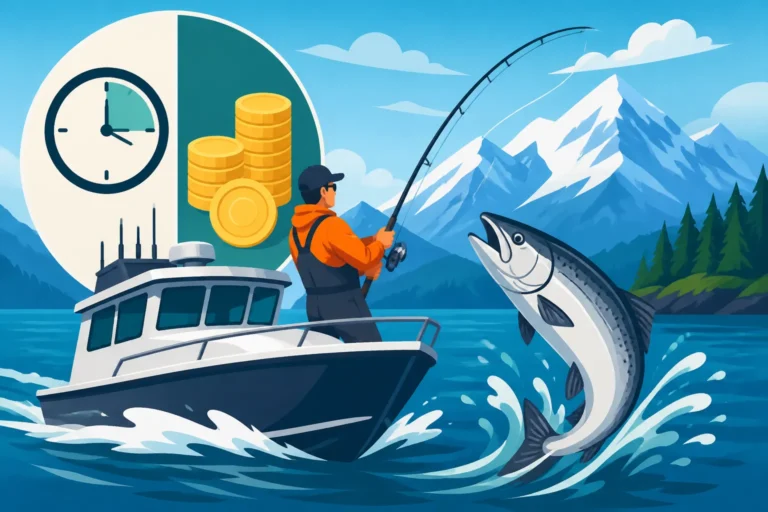
Let's face it, an Alaskan adventure can be an investment, especially for a family. However, with careful planning, you can absolutely make it work without breaking the bank. Charter costs vary widely depending on the type of trip (half-day vs. full-day, private vs. shared), the species targeted, and the location. River trips often cost less than full-day ocean charters. Don't forget to factor in the cost of fishing licenses for everyone over 16 – our comprehensive Alaska Fishing License Cost and Types article can help with that. Additionally, consider expenses for transportation, accommodations, meals, and fish processing.
Many families find that balancing a full-day, high-cost charter with some more affordable activities, like a scenic wildlife cruise or some roadside fishing, helps manage the overall budget. Some guides offer special rates for children, so always inquire. It's also wise to set a clear budget and stick to it, prioritizing experiences that will truly resonate with your family. For instance, if your kids are young, a shorter, half-day trip might be more valuable than a full 8-hour excursion they won't fully enjoy.
Selecting Fish Species Best Suited for Kids
When planning a family fishing trip, one of the smartest moves you can make is to target fish species that offer more consistent action and are relatively easier for smaller hands to manage. While the dream of reeling in a monster king salmon is appealing, the reality is that long waits between bites can test the patience of even the most dedicated adult, let alone a child.
Sockeye Salmon (Red Salmon): These are fantastic for families during their peak runs. They come in huge numbers, offering frequent action, especially in rivers like the Kenai or Russian. While they require a specific "flossing" technique, guides are experts at teaching kids this method, and the sheer volume of fish means lots of opportunities. They're not the biggest salmon, but their fight is spirited and they are delicious. Learn more about Alaska Sockeye Salmon Fishing Regulations and Limits.
Pink Salmon (Humpies): Often abundant in even years, pink salmon are typically smaller and incredibly aggressive, meaning lots of bites! They're fantastic for young anglers because they’re easy to catch on light tackle and provide constant excitement. Plus, their runs often coincide with other species, giving a good backup plan. They make for fun catch-and-release or can be kept for eating, though many prefer other salmon species.
Dolly Varden and Arctic Grayling: For freshwater experiences, these species offer a different kind of thrill. Often found in clearer streams and lakes, they are beautiful fish that are eager to bite on small spinners or flies. The scenic settings for these trips are also typically very calm and picturesque, perfect for a relaxed family outing. Our guide on Alaska Dolly Varden Regulations and Limits has more details. The excitement of seeing a grayling's sail-like dorsal fin is truly memorable for kids.
"Chicken" Halibut: While "barn door" halibut are the stuff of legends, targeting smaller, more manageable "chicken" halibut (typically under 40 pounds) can be ideal for families. They still put up a fantastic fight but are easier for kids to reel in without getting completely exhausted. Many charters offer combo trips that include halibut and salmon, providing variety. The key is to communicate with your charter captain about your family's experience level and what kind of action you're hoping for.
Choosing the Right Charter for Your Family
This is arguably the most critical decision when planning a family fishing trip to Alaska. A great family-friendly charter can make all the difference between a memorable adventure and a day of stress. It's not just about finding a boat; it's about finding the right crew, the right vessel, and the right attitude.
Private vs. Shared Charters: Weighing the Pros and Cons
When it comes to booking a fishing charter for your family, one of the first big choices you’ll face is whether to go with a private boat or join a shared charter. Both have their unique advantages and disadvantages, and the "best" option really depends on your family's specific needs, budget, and desired experience.
Private Charters:
- Pros: This is the ultimate in flexibility and personalized attention. With a private charter, your family has the entire boat to yourselves, meaning the captain can tailor the trip to your schedule, the kids' energy levels, and your fishing preferences. If little ones need a break, or if you want to focus on a particular type of fish, the choice is yours. There's also more space to move around, fewer people to worry about tangling lines with, and often a more relaxed atmosphere. It's ideal for larger families or those seeking a truly bespoke experience. You can also make more frequent stops for wildlife viewing without feeling like you're holding up other guests.
- Cons: The primary downside is cost. Private charters are significantly more expensive than shared trips because you're covering the entire boat's operating expenses. This might put them out of reach for some family budgets.
Shared Charters:
- Pros: The biggest advantage of a shared charter is the cost-effectiveness. You split the boat fees with other anglers, making it a much more accessible option. It's a great way to experience Alaskan fishing without the premium price tag. You also get to meet other people, which can sometimes be fun for older kids or teens.
- Cons: The main drawback is the lack of flexibility. You're on the captain's schedule, fishing for the species and in the spots that suit the group's general consensus (or the captain's best judgment). If your child gets seasick or bored, you can't just head back to shore early. You'll also be sharing space and fishing opportunities with strangers, which might not be ideal for very young or shy children. Lines can get tangled more easily, and the focus might be less on individual child engagement and more on the group's overall catch.
Here’s a quick comparison:
| Feature | Private Charter | Shared Charter |
|---|---|---|
| Cost | Higher (you pay for the whole boat) | Lower (cost is split among anglers) |
| Flexibility | High (tailored to your family's needs/schedule) | Low (fixed schedule, group dictates pace) |
| Privacy | Full privacy, boat exclusively for your family | Shared with other anglers/families |
| Space | More room to move, less crowded | Can be more crowded, limited personal space |
| Kid Focus | Guide can dedicate more attention to children | Guide attention spread across all passengers |
| Social Aspect | Family bonding focused | Opportunity to meet other anglers |
Ultimately, for families, especially those with young children, a private charter often offers the most stress-free and enjoyable experience if the budget allows. If not, carefully vetting a shared charter that explicitly states it's family-friendly and has a track record with kids can still be a fantastic option. You can use platforms like FishingBooker to compare options and read reviews, often filtering for "family-friendly" experiences.
Vessel Comfort and Safety for Young Anglers
The boat itself plays a huge role in the comfort and safety of a family fishing trip. You want a vessel that’s not just seaworthy, but truly family-friendly. Start by inquiring about the size and type of boat. A wider, more stable boat will reduce seasickness, which is a major concern for many families. Look for boats with ample deck space, allowing kids room to move around without feeling cramped or constantly in the way of other lines.
Safety features are paramount. Ensure the charter provides life jackets that fit children of all ages, not just adult sizes. Many reputable charters will have child-sized PFDs readily available. Ask about enclosed cabins, which are essential for protection from the elements – think sudden rain showers, chilly winds, or even too much sun. A heated cabin is a game-changer on a cool Alaskan morning. Access to a clean, functioning marine head (restroom) is also a non-negotiable for families. Imagine a five-year-old having to "hold it" for hours! Good charters understand these needs and will highlight these amenities. When researching options, don't hesitate to ask specific questions about their facilities; a good charter will be happy to provide details.
The Guide's Experience with Children and Families
This factor can truly make or break your trip. A guide who is simply good at fishing isn't necessarily good with kids. Look for captains and deckhands who genuinely enjoy having children on board and have a proven track record of making the experience fun and educational for young anglers. They should possess patience, a good sense of humor, and an ability to teach without being condescending.
When you're calling potential charters, explicitly ask about their experience with families. How do they engage kids? Do they offer special kid-friendly gear? Do they have any "junior angler" programs or certificates? A great family guide will know how to turn a slow fishing moment into a wildlife viewing opportunity or a quick snack break into a storytelling session. They’ll also be attuned to when a child is getting bored or frustrated and know how to re-engage them. Reading reviews on sites like FishingBooker often highlights guides who are particularly good with children, as parents love to share those positive experiences. This specialized attention can transform a good fishing trip into an extraordinary family memory. For deeper insights on how to vet potential guides, check out our guide on How to Choose an Alaska Fishing Charter.
Engaging Kids During the Fishing Experience
Keeping kids engaged on a fishing trip in Alaska requires a thoughtful approach. It’s not just about putting a rod in their hand; it’s about nurturing their curiosity and ensuring they feel part of the adventure, even during quieter moments.
Age-Appropriate Activities and Expectations
Setting realistic expectations based on your child's age and personality is crucial. For very young children (under 6), a half-day charter is often plenty. Their attention spans are short, and their stamina is limited. For them, the boat ride, seeing wildlife, and maybe catching one or two small fish might be the highlight. The experience should be more about the overall adventure than the catch count. Bring small toys, coloring books, or even an iPad for downtime.
For elementary school-aged children (6-12), they can often handle a longer trip, especially if the action is steady. Teach them simple tasks like baiting a hook (if appropriate) or helping net a fish. Make it a game! For teenagers, involve them in the planning process. Let them research fish species or learn about different techniques. They might enjoy the challenge of learning how to cast or understanding the boat’s sonar. Acknowledge their growing independence and knowledge. The key is to avoid forcing them to participate if they're not enjoying it; sometimes, simply being present and observing is enough, especially when faced with the vastness of the Alaskan wilderness.
Keeping Them Comfortable and Safe
Comfort is paramount, especially in Alaska’s variable weather. Start with layers! Even on a sunny day, the temperature can drop quickly, and rain can appear out of nowhere. Pack waterproof jackets and pants for everyone. Our guide on What to Wear on an Alaska Fishing Charter offers fantastic advice on layering. Sun protection is also key: hats, sunglasses, and sunscreen are absolute musts, even on cloudy days due to UV reflection off the water.
Seasickness can derail a trip faster than anything. If your family is prone to motion sickness, consider preventative measures like Dramamine or Bonine taken the night before or morning of the trip. Opt for larger, more stable boats, and try to book on days with calmer forecasts. Staying hydrated and avoiding heavy, greasy foods before the trip can also help. Most importantly, ensure children are aware of and follow all safety instructions from the captain and crew. Show them where the life jackets are and explain their importance. A safe and comfortable child is a happy child, and a happy child makes for a happy family trip.
Celebrating Every Success, Big or Small
In fishing, as in life, not every cast results in a trophy catch. It's vital to shift the focus from solely "catching the biggest fish" to celebrating every aspect of the experience. Did your child successfully bait their hook? That's a success! Did they patiently wait for a bite? Celebrate their patience! Did they manage to reel in a small rockfish? That's a huge win!
Make a big deal out of the smaller moments: identifying a bird species, spotting a seal, or even just feeling the pull of the current on their line. A good charter guide will often have a small certificate or souvenir for junior anglers, which can be a fantastic way to commemorate their achievement. Take plenty of photos and videos. These tangible memories will reinforce the positive aspects of the trip, making kids feel accomplished regardless of the size of their catch. The goal is to cultivate a love for the outdoors and the process of fishing, rather than just the outcome, ensuring they look forward to future adventures.
Beyond the Catch: Making Lasting Memories
An Alaskan family fishing trip is about more than just filling a cooler. It's a holistic adventure that can create bonds, teach valuable lessons, and fill your family album with incredible stories and pictures.
The Thrill of the First Catch and the Big One That Got Away
There’s nothing quite like the primal excitement of feeling a fish strike your line, especially for a child. The adrenaline, the quick instructions from the guide, the focused reeling – it’s a moment of pure, unadulterated joy. Whether it’s a feisty pink salmon or their first "chicken" halibut, that first catch is etched into memory. Even if it's not a monster, the feeling of successfully battling a fish and bringing it to the boat is a huge confidence booster for young anglers.
And then there's the inevitable "one that got away." Rather than a source of frustration, these moments can become cherished family lore. "Remember that huge fish that snapped your line off the coast of Homer?" It teaches kids about resilience, about the unpredictable nature of the wild, and provides a great story to tell around the campfire for years to come. It’s all part of the authentic Alaskan fishing experience.
Learning About Conservation and Alaska's Ecosystem
A fishing trip in Alaska offers a unique opportunity to educate your family about the importance of conservation and the delicate balance of its rich ecosystem. Many charter captains are incredibly knowledgeable about the local environment and are passionate about sustainable fishing practices. They can explain bag limits, why certain areas are catch-and-release only, and the significance of recording your harvest on an Alaska Harvest Record Card Explained.
Kids can learn about the salmon life cycle, the role of different fish species in the food chain, and why regulations like Alaska Fishing Limits and Bag Limits Explained are in place. When they witness these principles firsthand – like watching a fish carefully released to spawn – it instills a deeper respect for nature. This hands-on education is far more impactful than any textbook, fostering a sense of stewardship for these precious resources in the next generation. It transforms a recreational activity into a powerful learning experience.
Enjoying Your Catch: From Boat to Table
One of the most satisfying parts of an Alaska fishing trip is the opportunity to enjoy your fresh catch. There’s a profound connection formed when you’ve caught your own dinner. Many charters offer fish processing services right on the dock, or can recommend local processors who will fillet, vacuum seal, and freeze your fish for shipping back home. This is where the practical side meets the delicious side of the adventure!
Imagine grilling your own wild-caught sockeye salmon back home, or sharing a halibut feast with friends and family, recounting the tales of your Alaskan adventure. These culinary experiences extend the trip's enjoyment long after you’ve left Alaska. Teaching kids how to handle the fish with respect, from the moment it’s caught to preparing it for a meal, completes the full circle of the fishing experience. It’s a tangible reward that connects them to where their food comes from and the efforts involved in bringing it to the table. Our guide on Fish Processing After an Alaska Charter covers all the details you’ll need for this crucial step.
Practical Tips for a Smooth Family Fishing Adventure
Preparing thoroughly can prevent many common hiccups and ensure your family's Alaska fishing trip runs as smoothly and enjoyably as possible. A little foresight goes a long way, especially when traveling with children.
Essential Gear and What to Pack for Everyone
Packing smart is key for an Alaskan adventure. The weather can be notoriously unpredictable, so layers are your best friend. Start with a moisture-wicking base layer, add a warm fleece or wool mid-layer, and top it off with waterproof and windproof outerwear. Even in summer, a warm hat and gloves are often appreciated, especially on early morning boat rides. Remember to pack sturdy, waterproof boots with good traction – boat decks can be slippery!
For personal items, don't forget sunglasses and hats for sun protection, even if it's cloudy (the UV rays can still be strong). Sunscreen and lip balm are vital. Bring motion sickness medication if anyone is prone to seasickness, and take it before you board the boat. A camera is a must to capture those priceless moments. For kids, consider a small backpack with their own essentials: a beloved toy, a book, snacks, and a water bottle. Most charters will provide fishing gear, but confirming this beforehand is always a good idea. Having a dedicated bag for essentials helps keep things organized on a busy boat.
Snacks, Hydration, and Meal Planning on the Boat
Never underestimate the power of snacks and hydration, especially with kids on a boat! A hungry or thirsty child can quickly turn grumpy. Pack a cooler full of easy-to-eat, non-messy snacks like granola bars, fruit snacks, crackers, cheese sticks, and sandwiches. Avoid anything that requires extensive preparation or refrigeration unless your charter explicitly offers it.
Bring plenty of water bottles for everyone. Even on cool days, the wind and sun can be dehydrating. Some charters provide water, coffee, or hot chocolate, but it’s always best to bring your own to be safe. If you're on a full-day charter, coordinate with the captain about lunch plans. Some trips include a packed lunch, while others expect you to bring your own. Having a good supply of snacks and drinks will keep energy levels up and prevent meltdowns, allowing everyone to focus on the fishing and the scenery.
Managing Expectations and Embracing the Unexpected
Perhaps the most important tip for a successful family fishing trip in Alaska is to manage everyone’s expectations and embrace the inherent unpredictability of nature. Fishing, by its very definition, involves an element of chance. Some days the fish bite like crazy, and other days, they’re just not interested. Prepare your family for both possibilities. Explain that it’s called "fishing," not "catching," for a reason.
The true magic of Alaska often lies in the unexpected: a pod of orcas breaching near the boat, an unexpected bald eagle soaring overhead, or a conversation with your guide that unveils a fascinating piece of local history. These moments often become the most memorable parts of the trip, far surpassing the size of any fish caught. Encourage your children to look around, ask questions, and soak in the incredible environment. By focusing on the entire experience rather than just the number of fish, you ensure a more relaxed, enriching, and ultimately more rewarding adventure for everyone. It's about being present and allowing the Alaskan wilderness to surprise and delight you. Our article on What to Expect on an Alaska Fishing Charter can help further align your family's expectations.
Disclaimer
Please remember that fishing regulations in Alaska can change frequently due to emergency orders and conservation efforts. Always check the latest Alaska Department of Fish and Game regulations and any emergency orders for your specific fishing location and target species before you head out. This guide provides general information and should not be used as a substitute for official regulations.