Alaska Fishing Charters: Complete Guide
The dream of casting a line into Alaska's legendary waters often bumps right up against a daunting reality: how do you even begin to plan such a trip? The sheer scale of options, the whispered tales of monster fish, and the complex logistical dance can feel overwhelming, leaving many aspiring anglers scratching their heads. This comprehensive guide is here to untangle the complexities of Alaska fishing charters, providing you with all the insights you need to confidently choose and book your perfect Alaskan angling adventure.
Why Choose an Alaska Fishing Charter?
Let's be real, the idea of packing up your gear, driving to a remote riverbank, or launching your own boat into unfamiliar waters in Alaska can be pretty intimidating. That's where a fishing charter really shines, turning potential headaches into pure angling joy. It's not just about catching fish; it's about the entire seamless experience that a professional guide provides.
Expert Knowledge and Local Insights
One of the biggest advantages of hiring an Alaska fishing charter is tapping into a reservoir of local, on-the-ground knowledge that you simply can't get from a map or an online search. These guides spend hundreds of days a year on the water, observing patterns, understanding the ever-changing runs, and knowing precisely where the fish are biting. They've seen it all, from the subtle shifts in water temperature that bring in the sockeye to the specific tides that stack up halibut in a particular spot.
Imagine trying to navigate the vastness of Kachemak Bay or the braided channels of the Kenai River for the first time. Without that local expertise, you'd spend more time searching and less time fishing. A good guide doesn't just know where the fish are, but when they'll be there, and what they're biting on. They're your personal oracle for the wild, unpredictable world of Alaskan fisheries, and their insights dramatically increase your chances of success. Plus, they prioritize your safety, which is no small thing when you're out in the Alaskan wilderness.
Gear, Boats, and Logistics Handled
Let's face it, bringing all your own fishing gear to Alaska can be a logistical nightmare. Airlines charge a fortune for oversized bags, and who really wants to haul multiple rod cases and tackle boxes through airports? When you book an Alaska fishing charter, all that worry evaporates. Charters provide top-of-the-line rods, reels, and tackle specifically suited for the target species and local conditions. This isn't just generic gear; it's often heavy-duty equipment designed to handle everything from a barn-door halibut to a surging king salmon.
Beyond the tackle, the boat itself is a huge factor. Charter boats are meticulously maintained, often equipped with advanced fish finders, GPS navigation, and safety equipment that meets strict Coast Guard regulations. They’re designed for comfort and efficiency, whether it's a heated cabin for a chilly morning on the ocean or a stable drift boat perfectly suited for river fishing. You simply show up, step aboard, and focus on the thrill of the chase, leaving all the complicated equipment and boat handling to the pros.
Maximizing Your Catch and Experience
Ultimately, most people book an Alaska fishing charter because they want to catch fish, and a charter is undoubtedly one of the best ways to maximize your chances. Guides are experts at putting you on fish and helping you use the right techniques. If you're new to certain types of fishing, like back-bouncing for salmon or jigging for halibut, they'll provide hands-on instruction. This isn't just about reeling in fish; it's about truly learning and engaging with the sport.
Beyond the numbers on your harvest card, a charter elevates the entire experience. Instead of stressing about regulations, navigating unfamiliar waters, or dealing with equipment malfunctions, you're free to soak in the incredible Alaskan scenery, enjoy the camaraderie, and focus purely on the joy of fishing. You're making memories that will last a lifetime, guided by someone who genuinely wants you to have the best possible day on the water.
Understanding Different Types of Alaska Fishing Charters
Alaska is vast, and its fishing opportunities are incredibly diverse. What works for trophy rainbow trout in a remote stream won't cut it for a giant halibut in the Gulf of Alaska. Knowing the different types of charters available is key to matching your angling dreams with the right experience.
Saltwater Charters for Halibut and Salmon
When most people picture Alaska fishing, they often envision battling huge fish on the open ocean, and saltwater charters deliver exactly that. These trips typically depart from coastal towns like Homer, Seward, Valdez, and Sitka, heading out into the bays, fjords, and open waters of the Gulf of Alaska or Prince William Sound. The boats are generally larger, ranging from 25 to 50 feet or more, built to handle ocean swells and carry multiple anglers comfortably.
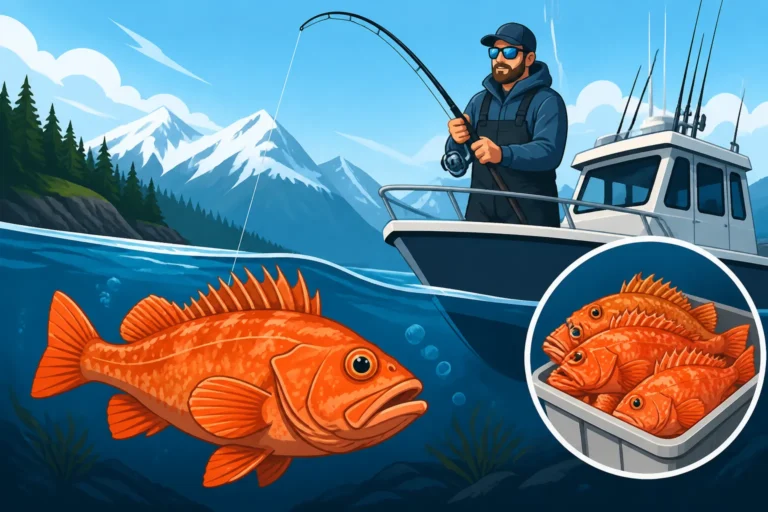
The primary targets for saltwater charters are often Alaska halibut, known for their immense size and delicious white meat. You'll typically be bottom fishing with heavy tackle, dropping bait or jigs to depths of hundreds of feet. Beyond halibut, these charters also pursue migrating King Salmon (Chinook) and Silver Salmon (Coho) as they stage along the coast before entering rivers. Rockfish, like the vibrant yelloweye, and aggressive lingcod are also popular catches, often found on rocky pinnacles and reefs. These trips offer stunning marine scenery, sometimes including whale and wildlife sightings, making them an incredible all-around Alaskan experience.
Freshwater River Charters for Salmon and Trout
If battling salmon in a pristine river or casting flies for wild trout is more your style, freshwater river charters are the way to go. The Kenai Peninsula, with its famous Kenai River and Kasilof River, is the epicenter for these types of trips, though many other rivers across the state offer similar opportunities. River charters use specialized boats, primarily drift boats or power boats, designed for navigating shallow, fast-moving currents.
The species you'll target vary by season. During the spring and early summer, King Salmon are the prized catch, requiring heavy gear and specialized techniques like back-trolling or back-bouncing. Later in the summer, millions of Sockeye Salmon (Red Salmon) flood the rivers, offering fast-paced action, often with methods like "flossing" or drift fishing. As fall approaches, feisty Silver Salmon provide excellent sport. Throughout the salmon runs, and even into the fall, resident fish like aggressive Rainbow Trout and Dolly Varden feed heavily on salmon eggs, offering incredible fly-fishing and spin-fishing opportunities. A good guide knows the intricacies of each river and its specific runs, ensuring you're in the right place at the right time.
Fly-Out Fishing Trips
For the ultimate wilderness fishing adventure, nothing quite compares to a fly-out fishing trip. This is where you truly escape the road system and venture into Alaska's remote backcountry, often to areas only accessible by small bush plane. These trips typically depart from hubs like Anchorage, King Salmon, or Iliamna, flying you to secluded lakes, rivers, or streams where human pressure is minimal, and the fishing can be truly phenomenal.
Fly-out operations often target trophy-sized Rainbow Trout, especially in the Bristol Bay region, where they grow enormous feeding on salmon eggs. You might also find incredibly strong runs of Sockeye Salmon in these remote systems, or feisty Arctic Grayling and Dolly Varden in crystal-clear waters. The experience itself is part of the adventure – soaring over vast wilderness, landing on a gravel bar or a remote lake, and spending a day (or several) in a truly wild setting. These trips are often more expensive due to the logistics and specialized aircraft involved, but for many, they represent the quintessential Alaskan fishing dream. Finding a reputable outfit through platforms like FishingBooker can help you sort through the options for these unique experiences.
Combo and Multi-Day Charters
For those who want to experience the best of both worlds or simply extend their adventure, combo and multi-day charters are an excellent choice. A combo trip typically means spending one day (or a portion of a day) targeting saltwater species like halibut, and another day (or portion) on a river for salmon or trout. This is particularly popular on the Kenai Peninsula, where you can easily access both Cook Inlet for halibut and the Kenai/Kasilof rivers for salmon. These trips allow you to maximize your varied angling experiences without having to plan separate logistics.
Multi-day charters often involve lodging, either at a dedicated fishing lodge or in a local town, and string together several days of guided fishing. Some lodges specialize in specific types of fishing, while others offer a full menu of options, including saltwater, freshwater, and even fly-out excursions. These packages are ideal for those seeking a comprehensive, hassle-free fishing vacation, where accommodations, meals, guiding, and even fish processing are all taken care of. They allow for deeper exploration of an area and a greater chance to hit various prime fishing windows.
What to Look for When Choosing an Alaska Fishing Charter
Choosing an Alaska fishing charter isn't like picking a taxi. You're entrusting your safety, your time, and your dream fishing trip to a professional. There are critical factors you need to scrutinize to ensure you have a safe, enjoyable, and successful outing.
Licensing, Insurance, and Safety Records
This is non-negotiable. Any reputable Alaska fishing charter or guide must be properly licensed by the state and carry adequate insurance. For saltwater operations, this includes U.S. Coast Guard licensing for the captain and vessel, ensuring they meet rigorous safety standards. For freshwater guides, specific state guiding licenses are required. Don't be shy about asking to see proof of these documents. A legitimate charter will be proud to show them.
Beyond basic licensing, inquire about their safety record and what safety measures they have in place. This includes life rafts, personal flotation devices for all passengers, communication equipment (VHF radio, satellite phone), first-aid kits, and emergency procedures. Especially in the remote reaches of Alaska, safety should always be the top priority. Good captains perform regular safety briefings and are well-versed in handling any situation that might arise, from rough weather to a medical emergency.
Captain and Crew Experience
A captain's experience and reputation are paramount. You want a guide who has spent years, if not decades, fishing the specific waters you'll be on. Local knowledge goes beyond just knowing where the fish are; it includes understanding the currents, the weather patterns, the best anchorages, and even the subtle signs of fish activity that only come from countless hours on the water. Don't hesitate to ask about their years of experience in the area and their specialization. Do they focus on halibut, or are they known for their prowess with Kenai River king salmon?
The personality of your captain and crew also matters immensely. Are they patient, friendly, and good at teaching? Fishing should be fun, and a grumpy or uncommunicative guide can quickly dampen the spirits. If you're bringing kids or are a beginner, a guide with a patient and encouraging demeanor is essential. For saltwater charters, a dedicated deckhand can make a huge difference, assisting with rigging, landing fish, and ensuring a smooth operation. Websites like FishingBooker often include reviews where previous customers comment on the guide's personality and expertise, which can be incredibly helpful.
Boat Type, Equipment, and Comfort
The vessel you'll be fishing from needs to be appropriate for the conditions and the type of fishing. For deep-sea halibut, you'll want a stable, ocean-worthy boat with plenty of deck space. For river fishing, a maneuverable drift boat or shallow-draft power boat is necessary. Ask about the boat's size, its capacity (how many anglers will be aboard?), and what amenities it offers. Does it have an enclosed, heated cabin for comfort on cold days? Is there a marine head (toilet) on board? These might seem like small details, but they can significantly impact your comfort, especially on a full-day trip.
The quality of fishing equipment provided is also crucial. Good charters invest in well-maintained, high-quality rods and reels suitable for the heavy fighting fish of Alaska. Dull hooks, frayed lines, or malfunctioning reels are not what you want when you hook into your trophy. Inquire about the type of tackle they use and how often it's maintained or replaced. Are they using fresh, quality bait? The details of their setup speak volumes about their commitment to a successful trip.
Trip Duration and Inclusions
Charters typically come in various durations: half-day (4-5 hours), full-day (8-10 hours), or even multi-day packages. Your choice should align with your budget, schedule, and how much time you genuinely want to spend on the water. Be very clear about what is included in the price. Does it cover all fishing gear, bait, and tackle? Are snacks, drinks, or lunch provided? What about fish filleting and initial processing?
Some charters offer "all-inclusive" packages that cover almost everything, while others operate on a more à la carte basis. It's vital to understand what's not included, such as your Alaska Fishing License: Complete Guide, king salmon stamps, gratuities for the crew, or professional fish processing services. Hidden costs can quickly add up, so get a clear breakdown before you book. For example, some charters will fillet your fish, but expect you to find a local processor for vacuum sealing and shipping, which is an additional cost.
Planning Your Alaska Fishing Charter Trip
Planning an Alaska fishing trip isn't just about picking a date; it's about strategizing around peak seasons, budgeting effectively, and preparing yourself for the unique challenges and rewards that come with fishing in the Last Frontier.
Best Time to Book and Peak Seasons
Alaska's fishing seasons are intense and relatively short, primarily running from May through September. This means that the best charters, especially those targeting popular species like King Salmon or prime halibut dates, book up incredibly fast. It's not uncommon for top guides to be fully booked a year or even 18 months in advance. As a general rule, if you have specific dates or a particular guide in mind, aim to book at least 6-12 months out.
Understanding the Alaska Fishing Seasons: Month-by-Month Guide is critical. For instance, if you're chasing trophy King Salmon, early to mid-June on rivers like the Kenai or Kasilof is prime time, but these dates are the first to fill. Sockeye Salmon runs typically peak in July, offering incredible action. Silver Salmon become abundant in August and September. Halibut fishing is excellent throughout the summer, but some prefer the consistency of mid-season. Check out specific run timings like Alaska King Salmon Run Timing for detailed information. If your dates are flexible, you might find more availability during the shoulder seasons (late May or early September), which can still offer fantastic fishing with fewer crowds.
Budgeting for Your Charter Experience
Alaska fishing isn't usually a budget-friendly vacation, but the experience is often worth every penny. Charter costs vary widely depending on the type of fishing, duration, location, and the amenities provided. A half-day river trip might start around $250-$350 per person, while a full-day saltwater halibut charter could range from $350-$500 per person. Fly-out trips are significantly more expensive, often starting at $800-$1,200+ per person for a day trip due to the aircraft costs. Multi-day all-inclusive lodge packages can run into the thousands.
Beyond the charter fee itself, remember to budget for:
- Fishing License and Stamps: These are almost never included in the charter fee. You'll need an Alaska Fishing License: Complete Guide and potentially a King Salmon stamp.
- Tips: Standard gratuity for guides and deckhands is 15-20% of the trip cost. They work incredibly hard to make your trip successful.
- Fish Processing: While many charters will fillet your catch, professional vacuum sealing, freezing, and shipping can add a significant cost, easily hundreds of dollars depending on your haul. Refer to Alaska Fish Processing and Shipping Home Rules.
- Travel and Accommodation: Flights, rental cars, and lodging before and after your charter.
- Food and Drink: Unless specified, bring your own snacks and beverages.
- Rain Gear and Layers: Investing in good quality waterproof clothing is essential. See What to Wear on an Alaska Fishing Charter.
Having a clear understanding of the Alaska Fishing Charter Cost Explained will prevent any unpleasant surprises and allow you to fully enjoy your adventure.
What to Pack and Prepare For
Preparation is key to comfort and enjoyment in Alaska's often unpredictable weather. "Dress in layers" is the mantra here. Even in summer, mornings can be chilly, and weather can change rapidly.
Your packing list should definitely include:
- Waterproof Rain Gear: High-quality waterproof jacket and pants are essential, even on sunny days. Alaska weather can turn on a dime.
- Warm Layers: Fleece jackets, thermal underwear, wool socks, and a warm hat. You can always shed layers, but you can't add what you don't have.
- Waterproof Boots: Insulated, waterproof boots are crucial for both river banks and wet boat decks. Xtratuf boots are a local favorite.
- Sun Protection: Sunglasses (polarized are best for spotting fish), sunscreen, and a brimmed hat. The Alaskan sun, especially reflected off water, can be intense.
- Motion Sickness Medication: If you're prone to seasickness, take medication before you board for saltwater trips.
- Personal Medications and Toiletries: Don't forget any essential prescriptions.
- Camera: To capture those incredible memories!
- Small Waterproof Bag: To keep your valuables dry.
- Food and Drink: Most charters won't provide full meals, so bring your snacks, drinks, and lunch.
- Fishing License and King Salmon Stamp: Have these purchased and ready before your trip, either printed or on your phone as proof. Remember to carry your Alaska Harvest Record Card Explained with you.
A well-prepared angler is a happy angler, ready to tackle whatever Alaska throws their way!
Maximizing Your Charter Experience on the Water
Once you've booked your charter and packed your bags, it's time to hit the water. But simply showing up isn't enough to guarantee the best possible trip. A little intentionality and respectful engagement can go a long way in making your charter experience truly exceptional.
Communication with Your Captain and Crew
Effective communication is the cornerstone of a successful guided trip. Before you even leave the dock, have a brief chat with your captain. Let them know your experience level – whether you're a seasoned angler or a complete novice. If you have any specific physical limitations, mention them. Clearly state your primary goals for the day: are you solely focused on catching a limit of halibut, or are you more interested in the overall experience and learning new techniques, even if it means fewer fish?
Throughout the day, listen attentively to instructions from the captain and deckhand. They're telling you how to rig your line, how to set the hook, or how to play a fish for a reason – they know what works best in those specific conditions. If you have questions about the techniques, the fish, or even the scenery, don't hesitate to ask! A good guide loves to share their knowledge and passion for Alaska. Clear, respectful communication ensures everyone is on the same page and helps the crew tailor the experience to your preferences, making for a much more enjoyable and productive day.
Respecting Regulations and Conservation
Alaska has some of the most robust and carefully managed fisheries in the world, and respecting the regulations is not just a legal obligation but a crucial part of preserving these incredible resources for future generations. Your charter captain will be intimately familiar with the current Alaska Fishing Regulations Explained, including daily and annual bag limits, size restrictions, and any emergency orders that might be in effect. Pay close attention to their instructions regarding what fish to keep and what must be released.
For example, understanding Alaska Halibut Bag Limits Explained and the "reverse slot limit" for charter anglers, or the various Alaska Salmon Bag Limits by Species is vital. Many fisheries, especially for iconic species like King Salmon or trophy Rainbow Trout, have strict catch-and-release rules or require specific gear like barbless hooks. If you're targeting certain species, you'll also need to be diligent about properly filling out your Alaska Harvest Record Card Explained to accurately track your catch. Be prepared for catch-and-release practices on certain fish or in specific areas, and always handle released fish with care to maximize their survival rates. Your guide will demonstrate best practices for catch-and-release fishing.
Handling Your Catch and Fish Processing
The moment of truth arrives when you land that prized Alaskan fish. Knowing what happens next to your catch is important. On most reputable charters, the crew will take excellent care of your fish immediately after it's caught. This typically involves bleeding the fish quickly, which greatly improves the quality of the meat, and then placing it on ice in a dedicated cooler. This initial care is crucial for preserving the freshness and flavor of your catch.
Once back at the dock, most charters include basic filleting services. The deckhand or captain will expertly clean and fillet your fish, preparing it for transport. However, this is usually where the charter's responsibility ends. You'll then need to decide on further processing. Many popular fishing towns like Homer, Seward, or Soldotna have professional fish processing companies nearby. These facilities will vacuum-seal, flash-freeze, and custom-pack your fillets into airline-approved boxes, ready for you to take home as checked luggage or ship directly to your address. They understand the intricacies of Alaska Fish Processing and Shipping Home Rules. Discussing these options with your captain beforehand, or researching local processors, will save you time and hassle after an exhilarating day on the water.
| Charter Type | Primary Species | Typical Locations | Boat Type | Key Features | Average Cost (per person/day) |
|---|---|---|---|---|---|
| Saltwater | Halibut, King/Silver Salmon, Rockfish, Lingcod | Homer, Seward, Sitka, Valdez, Ketchikan | Large ocean-going boats (25-50+ ft) | Heavy tackle, bottom fishing, trolling, wildlife viewing | $350 – $550 |
| Freshwater River | King/Sockeye/Coho Salmon, Rainbow Trout, Dolly Varden | Kenai River, Kasilof River, Russian River, Deshka River | Drift boats, river power boats | Light to medium tackle, back-trolling, drift fishing, fly-fishing | $250 – $450 |
| Fly-Out | Trophy Rainbow Trout, Sockeye Salmon, Arctic Grayling | Remote Bristol Bay, Western Alaska, Interior Alaska | Small bush planes (e.g., De Havilland Beaver), rafts | Wilderness experience, often fly-fishing, untouched waters | $800 – $1200+ |
Navigating Popular Alaska Fishing Charter Destinations
Alaska is immense, and its fishing destinations are as varied as the fish that swim its waters. Each region offers a unique flavor of adventure and specializes in different types of angling. Knowing where to go for what species can help you narrow down your charter choices.
Homer: Halibut Capital of the World
If "barn door" halibut are dancing in your dreams, then Homer, Alaska, is likely your Mecca. Perched on the southern end of the Kenai Peninsula, Homer is famously known as the "Halibut Fishing Capital of the World," and for good reason. The waters of Kachemak Bay and Cook Inlet are teeming with these giant flatfish, making it one of the premier destinations for a saltwater charter. Charters here primarily focus on deep-sea bottom fishing, often venturing far offshore to halibut hot spots.
The vast majority of charters departing from the Homer Spit are targeting halibut, but many also offer combination trips where you can try for migrating King or Silver Salmon if the season is right. You'll find a wide array of boats, from smaller vessels suitable for private groups to larger party boats that can accommodate more anglers. Homer provides a vibrant atmosphere, with bustling docks, fish processing facilities galore, and plenty of amenities for visitors. Planning a trip here means preparing for the chance to wrestle with some truly massive fish. For more detailed insights, check out our Homer Alaska Fishing Guide.
Seward: Gateway to Prince William Sound
On the eastern side of the Kenai Peninsula lies Seward, another fantastic port town that serves as a gateway to the rich fishing grounds of Resurrection Bay and the expansive Prince William Sound. While Seward also offers excellent halibut fishing, it's often distinguished by its phenomenal salmon runs and diverse rockfish opportunities. During the summer, huge runs of Silver Salmon (Coho) stage in the waters near Seward before heading into local rivers, providing thrilling light-tackle action.
Seward charters commonly offer combo trips, allowing you to target halibut on the bottom and then switch gears to troll for salmon. You'll also find charters specializing in catching a variety of rockfish, including the prized yelloweye and lingcod, in the rocky structures and deep waters of the fjords. The scenery around Seward is absolutely breathtaking, with towering glaciers, dramatic cliffs, and abundant marine wildlife, making any fishing trip here a scenic tour in itself. The often calmer, more protected waters of Prince William Sound can also be a more comfortable option for those prone to seasickness compared to the open ocean. Our Seward Alaska Fishing Guide can help you plan your visit.
Kenai Peninsula: River Fishing Paradise
When it comes to freshwater river fishing in Alaska, the Kenai Peninsula reigns supreme. Home to the legendary Kenai River and its equally productive neighbor, the Kasilof River, this region draws anglers from around the globe. These rivers are famous for their prodigious salmon runs, offering distinct experiences throughout the summer. The Kenai River is world-renowned for its trophy King Salmon and staggering Sockeye Salmon runs, while the Kasilof is celebrated for its more consistent King Salmon action.
Charter operations on these rivers primarily utilize drift boats or power boats tailored for river navigation. Guides here are masters of specific river techniques, whether it's back-trolling plugs for Kings, "flossing" for Sockeye, or drift fishing with beads for the massive resident Rainbow Trout that feed on salmon eggs. The sheer volume of fish can be astounding, creating an electric atmosphere, especially during the peak Sockeye runs. However, with popularity comes crowds, so be prepared for a lively environment, especially in areas like the Russian River confluence. To dive deeper into what these rivers offer, take a look at our Kenai River Fishing: Complete Guide.
Southeast Alaska: Sitka, Ketchikan, Juneau
For anglers seeking a different flavor of Alaskan fishing, particularly trophy King and Silver Salmon, the rugged, island-studded region of Southeast Alaska offers an unparalleled experience. Towns like Sitka, Ketchikan, and Juneau are major hubs for both sportfishing charters and high-end fishing lodges. The fishing here is predominantly saltwater, often taking place in the relatively protected waters of the Inside Passage, although offshore opportunities exist too.
Southeast Alaska is especially famous for its "feeder kings" – King Salmon that spend their lives in these nutrient-rich waters, growing to immense sizes before ever returning to a river. Trolling with downriggers for these robust salmon is a popular and effective technique. You'll also find fantastic halibut fishing, often in waters that are calmer than the Gulf of Alaska. Many charters and lodges in this region offer multi-day, all-inclusive packages that combine superb fishing with luxurious accommodations and gourmet meals. The pristine wilderness, abundant wildlife, and rich cultural history of Southeast Alaska make it a truly unique and memorable destination for a fishing charter. Learn more with our guides to Sitka Fishing Guide and Ketchikan Fishing Guide.
Disclaimer
The information provided in this guide is for general informational purposes only and does not constitute professional advice. Fishing regulations, seasons, and conditions in Alaska can change rapidly due to emergency orders or other factors. Always consult the latest regulations from the Alaska Department of Fish and Game (ADF&G) and communicate directly with your chosen charter operator to confirm details before and during your trip. Fishing in Alaska involves inherent risks; always prioritize safety and follow your guide's instructions.