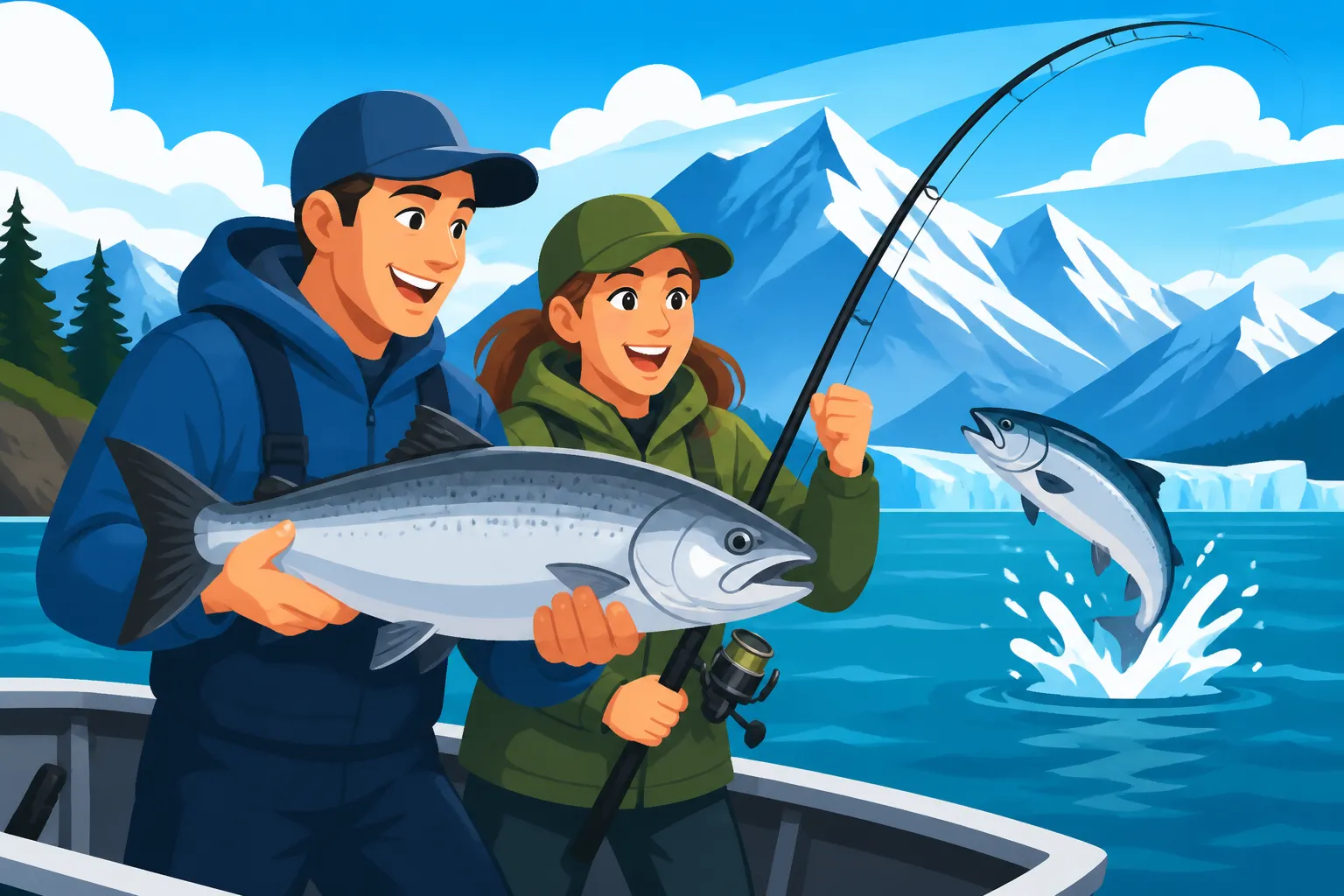
Best Alaska Fishing Charters for Beginners
Embarking on an Alaska fishing adventure can feel like diving into the deep end, especially if you're new to the sport. The sheer scale, legendary fish, and complex regulations can be intimidating, leaving many beginners wondering where to even start or which charter is truly right for them. This comprehensive guide is designed to cut through that confusion, helping you confidently choose the best Alaska fishing charter tailored specifically for first-timers, ensuring a memorable and successful experience.
Why a Fishing Charter is Ideal for Beginners in Alaska
Let's face it, Alaska isn't your local pond. The stakes are higher, the fish are bigger, and the environment can be incredibly demanding. For a beginner, trying to navigate all of this solo or with minimal experience can quickly turn a dream trip into a frustrating ordeal. This is precisely where a good fishing charter shines, acting as your trusted guide and outfitter, making the Last Frontier accessible and enjoyable.
Navigating Complex Regulations
One of the biggest headaches for anyone fishing in Alaska, let alone a beginner, is understanding the ever-changing and often intricate fishing regulations. These rules cover everything from daily bag limits and annual possession limits to specific gear restrictions, emergency orders, and even whether you need a special stamp for certain species like King Salmon. Imagine arriving at a world-class fishing spot, only to find out you're using the wrong tackle or that the season for your target species closed last week due to conservation efforts. It's a real bummer, and it happens.
A professional charter captain and crew live and breathe these regulations. They're constantly monitoring emergency orders and know the ins and outs of what's legal and what's not, often down to the specific river mile or marine area. They'll ensure you're fishing legally, using the correct gear, and properly documenting your catch on your Alaska Harvest Record Card Explained if required. This peace of mind allows you to focus solely on the thrill of the catch, rather than worrying about accidental violations. You won't have to spend hours poring over the dense Alaska Fishing Regulations Explained booklet; your guide has that covered.
Accessing Prime Fishing Grounds
Alaska's best fishing spots aren't always easy to reach. Many trophy fish lurk in remote waters, offshore reefs, or winding river bends that require specialized knowledge and equipment to access safely and effectively. For instance, the most productive halibut grounds might be miles offshore in deep, often choppy waters, or the prime salmon runs could be upstream in areas only reachable by jet boat or floatplane.
Charter boats are specifically designed and equipped for these conditions. They have the horsepower, navigation systems, and safety gear to get you to where the fish are biting, often spots that would be impossible or dangerous for an unequipped beginner to find. Guides spend countless hours on the water, tracking fish movements, understanding migration patterns, and adapting to real-time conditions. This local expertise is invaluable, turning a hopeful fishing trip into a truly productive one. They know which tide to fish, which hole holds the most King Salmon, or where the "chicken" halibut are hanging out.
Learning from Local Experts
As a beginner, you might know the basics of casting or reeling, but Alaskan fishing often demands specialized techniques. Whether it's the precise "flossing" method for Sockeye Salmon on the Kenai River, the art of jigging for deepwater halibut, or understanding how to read river currents for trout, there's a steep learning curve. Without a skilled mentor, it can be tough to pick up these nuances.
A good charter guide acts as your personal fishing coach. They'll patiently teach you the right techniques, help you set up your tackle, demonstrate proper casting, and show you how to identify a bite versus a snag. They'll explain why certain lures work better than others on a given day and share insights into fish behavior. This hands-on instruction is an incredible opportunity to learn from seasoned pros, significantly improving your skills and understanding of the sport. You'll gain practical knowledge that you can carry with you long after your trip.
Gear and Logistics Handled for You
One of the most overwhelming aspects of planning an Alaska fishing trip as a beginner is the sheer amount of specialized gear required. Do you need a heavy-duty rod for halibut, a sensitive rod for trout, or a robust setup for King Salmon? What about bait, lures, tackle, and even rain gear or waders? The cost and logistics of acquiring all this can be prohibitive for a single trip, and bringing it all on a plane is a logistical nightmare.
With a charter, all the necessary high-quality gear is provided. This includes rods, reels, tackle, bait, and often even rain gear if you don't have your own. You just show up, and everything is ready. This eliminates the expense of buying specialized equipment and the hassle of transporting it. Beyond the fishing gear, the charter also handles the boat maintenance, fuel, safety equipment, and permits, allowing you to relax and enjoy the experience without the burden of planning every little detail. For a detailed list of what you might consider bringing, check out our guide on What to Bring on an Alaska Fishing Charter.
Key Factors to Consider When Choosing a Beginner-Friendly Charter
Choosing an Alaska fishing charter for the first time can feel like sifting through a tackle box full of unfamiliar lures. You want something that looks good, but also something that's actually going to catch you a fish and make the experience enjoyable. It's not just about the biggest boat or the cheapest price; it's about finding the right fit for your novice angler status.
Experience Level of the Crew and Other Anglers
When you're a beginner, the patience and teaching ability of your crew are paramount. Look for charters that specifically mention catering to families, first-timers, or those with limited experience. Some charters are geared towards seasoned anglers chasing trophy fish, and while the crew might be excellent, they might not have the same temperament for teaching someone how to cast for the first time or patiently untangling frequent snags.
It's also worth considering the other anglers on board, especially if you're booking a shared trip. While many charters aim to create a welcoming atmosphere, a boat full of competitive, experienced anglers might inadvertently make a beginner feel rushed or out of place. Some booking platforms like FishingBooker allow you to read reviews that often comment on the crew's patience and the overall vibe of the trip, which can be incredibly helpful. Don't be shy about asking the charter company directly about their typical clientele and how they handle novices. A good charter will be proud to tell you they love introducing new people to the sport.
Types of Fish Targeted
For a beginner, instant gratification goes a long way. While catching a giant King Salmon or a "barn door" halibut is undeniably thrilling, these can sometimes require more advanced techniques, longer fights, and periods of patience that might test a newcomer. Instead, consider charters that target species known for being more abundant and providing more consistent action.
- Sockeye Salmon (Red Salmon): When they're running, especially on rivers like the Kenai, Sockeye offer fast-paced action and relatively straightforward techniques (like "flossing"). You might not land a monster, but you'll likely get many bites and opportunities to practice your hook set and reeling.
- Pink Salmon (Humpies): These are often the most abundant salmon species, especially on even-numbered years (e.g., 2024, 2026). They are aggressive biters and offer non-stop action, making them perfect for kids and beginners. They're found in both saltwater and freshwater.
- Silver Salmon (Coho Salmon): While a bit more elusive than Pinks or Sockeye, Silvers are known for their acrobatic fights and willingness to hit a variety of lures. They are often targeted later in the summer and provide a great balance of challenge and reward.
- Rockfish and smaller Halibut: For saltwater trips, targeting rockfish (like Black Rockfish) offers consistent bites and a variety of species. Smaller "chicken" halibut (under 20 lbs) are also great for beginners, as they're easier to reel in than their larger counterparts but still provide a good fight.
Focusing on species that are plentiful and relatively easy to catch increases your chances of success and builds confidence. Charters that offer combo trips, say for King and Silver salmon, or halibut and rockfish, might also be a good option as they diversify your chances of catching something.
Trip Duration and Format
The length of your fishing trip can significantly impact a beginner's experience.
- Half-Day Trips: For true beginners, especially those unsure of their sea legs or how much they'll enjoy prolonged fishing, a half-day trip (typically 4-5 hours) is an excellent starting point. It's enough time to learn the ropes, get some action, and experience the Alaskan wilderness without committing to a full day. These are popular for both freshwater river trips and closer-in saltwater excursions.
- Full-Day Trips: A full-day trip (6-10 hours) allows more time to explore different fishing spots, target multiple species, and really settle into the rhythm of fishing. If you're generally outdoorsy and think you'll enjoy it, a full day offers a more comprehensive experience. However, be mindful of potential fatigue or motion sickness if you're prone to it.
- Shared vs. Private Charters:
- Shared (Open) Charters: These are more budget-friendly as you split the cost with other anglers. They're a great way to meet new people, but you might have less personalized attention from the guide. However, many guides on shared trips are still excellent at rotating their attention and helping everyone.
- Private Charters: If your budget allows, a private charter offers an exclusive experience for your group. This means undivided attention from the guide, the flexibility to tailor the trip more to your preferences (within reason), and a more intimate atmosphere. For a family with young children or a group of hesitant beginners, a private charter can be worth the extra cost.
Consider your group's stamina, budget, and desire for personalized instruction when making this choice. Don't feel pressured to go for the longest or most expensive trip; often, the shorter, more focused trips are best for getting your feet wet.
Location, Location, Location
Alaska is vast, and different regions offer unique fishing experiences. For beginners, accessibility and the density of quality fishing opportunities are key.
- Kenai Peninsula (Seward, Homer, Soldotna, Cooper Landing): This region is arguably the most popular and accessible for guided fishing trips from Anchorage, making it ideal for many first-timers.
- Seward: Known for excellent saltwater charters targeting halibut, rockfish, and salmon in Resurrection Bay and the Gulf of Alaska. The scenery is breathtaking, and many charters cater to mixed groups.
- Homer: Famous as the "Halibut Fishing Capital of the World," Homer offers numerous charters for these flatfish, often combining with salmon or rockfish. The Homer Spit is a vibrant hub, and many reputable operators are based here.
- Soldotna/Cooper Landing: These towns on the Kenai River are legendary for their salmon (especially Sockeye and King) and rainbow trout fishing. River guides are plentiful and experienced in teaching river techniques.
- Southeast Alaska (Ketchikan, Juneau, Sitka): These cruise ship ports offer fantastic saltwater fishing for all five species of Pacific Salmon, halibut, and various rockfish. Many charters here specialize in combination trips. The stunning fjords and islands provide incredible backdrops.
- Prince William Sound (Valdez, Whittier): These towns, reachable by road or ferry from Anchorage, offer excellent fishing for salmon (especially Silver Salmon), halibut, and lingcod in protected waters, which can be a plus for those prone to seasickness.
When researching, consider how easy it is to get to the location, the local amenities (lodging, restaurants), and the predominant species available. A place like Seward offers a great blend of scenic beauty and diverse fishing opportunities that appeal to beginners. You can find more details on these areas in guides like Homer Alaska Fishing Guide or Seward Alaska Fishing Guide.
Top Regions and Ports for Beginner Anglers
When you're new to Alaska fishing, certain regions stand out as particularly welcoming and fruitful. These areas not only boast abundant fish but also a robust charter industry accustomed to catering to all skill levels. They often have better infrastructure, making travel and logistics smoother for newcomers.
Kenai Peninsula (Seward, Homer, Soldotna)
The Kenai Peninsula is often called "Alaska's Playground" for a good reason, and it's a fantastic starting point for any beginner angler. It's easily accessible from Anchorage by car, and its towns are well-equipped with services catering to tourists and fishermen.
-
Seward: Nestled at the head of Resurrection Bay, Seward is a prime jumping-off point for saltwater fishing. Many charters here run daily trips targeting halibut, lingcod, and various rockfish species, often combined with opportunities for King or Silver Salmon depending on the season. The waters of Resurrection Bay can be quite calm, offering a gentler introduction to ocean fishing. Most captains are highly experienced with diverse clientele, patiently guiding first-timers through the motions of bottom fishing. The scenery is also unparalleled, with glaciers and mountain peaks rising directly from the sea, making for an awe-inspiring backdrop to your fishing lesson. You can even combine a fishing trip with a wildlife cruise, offering a diverse Alaskan experience.
-
Homer: Perched on the iconic Homer Spit, this town proudly declares itself the "Halibut Fishing Capital of the World." While it's famous for giant "barn door" halibut, many charters here also specialize in catching more manageable "chicken" halibut, which are perfect for beginners to practice their reeling skills without an exhausting battle. Homer's charters are plentiful, offering a wide range of boats and trip durations. You'll find many guides here who are excellent teachers, ensuring you understand the techniques for bottom fishing and jigging. The spit itself is a bustling hub with fish processing services readily available, so you can easily get your catch prepared for the journey home.
-
Soldotna & Cooper Landing: These communities are the heart of Kenai River fishing. While the Kenai is famous for its massive King Salmon, it's the incredible Sockeye Salmon runs that truly make it beginner-friendly, particularly in July. "Flossing" for Sockeye can be a highly productive, albeit unique, technique that guides are adept at teaching. It involves using the river's current to drift a weighted leader and bare hook into a Sockeye's mouth, then setting the hook. It sounds complicated but a good guide will have you catching fish in no time. Beyond salmon, the upper Kenai River near Cooper Landing offers fantastic drift boat trips for rainbow trout and Dolly Varden, often with fly-fishing guides who are patient instructors. The river fishing here is often more intimate and less prone to seasickness than ocean charters. You can read more about it in our Kenai River Fishing: Complete Guide.
Southeast Alaska (Ketchikan, Juneau, Sitka)
Southeast Alaska, the panhandle, is a labyrinth of islands, fjords, and rich marine waters. While typically accessed via cruise ship or regional flights, these communities offer world-class fishing that can be very welcoming to beginners.
-
Ketchikan: Known as the "Salmon Capital of the World," Ketchikan is an excellent choice for newcomers looking for consistent salmon action. You can target all five species of Pacific Salmon here, with King, Silver, and Pink Salmon being particularly popular. Many charters offer combination trips where you might troll for salmon in the morning and then drop lines for halibut and rockfish in the afternoon. The waters around Ketchikan are often protected, offering calmer conditions than the open ocean, which is great for those new to boat fishing. Guides here are accustomed to a steady stream of visitors, many of whom are first-timers, ensuring a patient and instructive experience.
-
Juneau: Alaska's capital city provides easy access to incredible fishing within its surrounding waters. Like Ketchikan, Juneau offers fantastic opportunities for salmon, halibut, and various bottom fish. Charters typically operate from Auke Bay or downtown, taking you into the rich waters of Gastineau Channel or Stephens Passage. The scenery is dramatic, with glaciers visible from the fishing grounds. Charters are plentiful and well-versed in hosting anglers of all skill levels, making it a great option for families or individuals wanting to combine fishing with other sightseeing activities in the capital.
-
Sitka: Located on Baranof Island, Sitka boasts some of the most productive fishing in Southeast Alaska due to its proximity to the open Pacific Ocean. While the open ocean can sometimes mean rougher conditions, many charters operate in the more protected inner passages. Sitka is renowned for its trophy King Salmon and Silver Salmon, as well as abundant halibut. Charters here are often high-quality, catering to a mix of serious anglers and those seeking a memorable first-time experience. Many lodges and charters in Sitka specifically offer all-inclusive packages that simplify planning for beginners, covering everything from gear to lodging and fish processing.
Prince William Sound (Valdez, Whittier)
Prince William Sound offers a unique fishing experience in generally calm, protected waters surrounded by stunning glaciers and towering mountains. It's less crowded than the Kenai Peninsula but still very accessible.
-
Valdez: Known for its incredible Silver Salmon runs in late summer and early fall, Valdez also offers excellent halibut and rockfish opportunities. The waters of Prince William Sound are typically much calmer than the Gulf of Alaska, making it an ideal choice for beginners worried about seasickness. Many charters depart from the Valdez harbor, targeting fish within the Sound's many bays and coves. The town is geared towards outdoor enthusiasts, and its charter operators are well-versed in guiding diverse groups, including families and first-timers.
-
Whittier: A small, unique town accessible by car through a tunnel or by ferry, Whittier provides another great entry point into Prince William Sound. Fishing here is very similar to Valdez, focusing on salmon, halibut, and rockfish in the protected waters. It's often a quieter option, with a more laid-back atmosphere, which some beginners might prefer. The short boat rides to fishing grounds are also a plus for those new to charter fishing.
| Region/Port | Primary Target Species (Beginner-Friendly) | Typical Trip Format | Pros for Beginners | Cons for Beginners |
|---|---|---|---|---|
| Seward | Halibut, Rockfish, King/Silver Salmon | Saltwater, 1/2 or full day | Calm bay waters, stunning views, diverse fish, many experienced guides. | Can be crowded during peak season. |
| Homer | Halibut (chicken), Rockfish, King/Silver Salmon | Saltwater, 1/2 or full day | "Halibut Capital" means many boats, great infrastructure for fish processing. | Open water trips can be choppier. |
| Soldotna/Cooper Landing | Sockeye Salmon, Rainbow Trout, Dolly Varden | Freshwater river drift, 1/2 or full day | Unique Sockeye "flossing" action, less prone to seasickness, intimate river experience. | Techniques can be specific, limited to river species. |
| Ketchikan | King/Silver/Pink Salmon, Halibut, Rockfish | Saltwater, 1/2 or full day | "Salmon Capital," protected waters, high catch rates, combo trips. | Primarily accessed via cruise or flight. |
| Valdez/Whittier | Silver Salmon, Halibut, Lingcod, Rockfish | Saltwater, 1/2 or full day | Very calm, protected waters; beautiful scenery; excellent Silver Salmon runs. | Fewer options for King Salmon, somewhat remote. |
When considering these locations, remember that the "best" choice for you will depend on your desired fish, travel plans, and comfort level with different fishing environments. Each offers a unique slice of the Alaskan fishing pie, and many charters in these areas are eager to welcome first-timers.
Understanding Different Types of Charters
Just like there are many flavors of ice cream, there are many types of fishing charters in Alaska, each offering a distinct experience. Understanding these differences is crucial for a beginner, as it helps you align your expectations with the reality of the trip. Choosing the right type will significantly impact your enjoyment and success.
Saltwater Bottom Fishing (Halibut, Rockfish, Lingcod)
This is one of the most iconic Alaskan fishing experiences and often a great starting point for beginners. Saltwater bottom fishing typically involves dropping weighted lines with bait (often herring or squid) or jigs to the ocean floor, where halibut, rockfish, and lingcod reside.
-
Halibut: These flatfish are legendary for their size and fighting power. Charters will often head to deep waters, sometimes 20-30 miles offshore, or find productive reefs closer to shore depending on the regulations and captain's strategy. For beginners, the consistent bite of "chicken" halibut (smaller, but still exciting) is a huge draw. The technique is relatively straightforward: drop your line, feel for a bite, and reel! Guides are excellent at helping you identify bites and properly setting the hook. While the boat might be rocking, the thrill of reeling in a good-sized halibut is unforgettable. Many charters use specialized electric reels for deep-water fishing, which makes the retrieval much easier for beginners and kids. You can learn more about techniques in How to Catch Halibut in Alaska.
-
Rockfish: Alaska is home to numerous species of rockfish, including Black Rockfish, Yelloweye Rockfish, and China Rockfish. They are often found in rocky reefs and provide fast action and beautiful colors. Many halibut charters will offer rockfish as a secondary target, especially if halibut limits are met or if clients want a different fight. The gear is similar to halibut fishing, but often lighter. Rockfish are plentiful and relatively easy to catch, making them excellent for beginners who want consistent bites.
-
Lingcod: These aggressive, toothy predators are a prized catch for their unique appearance and delicious meat. Lingcod often inhabit rocky structures and sunken reefs. They put up a formidable fight, but their willingness to strike jigs and bait makes them an exciting target. While they are often a secondary target on halibut or rockfish trips, some specialized charters will target them, especially later in the season. Lingcod fishing can be a bit more physically demanding due to their strong pulls, but a patient guide can make it very accessible.
River Salmon Charters (Sockeye, Coho, Pink)
If you prefer freshwater, or are prone to seasickness, a river salmon charter is an excellent option. These trips typically take place on rivers like the Kenai, Kasilof, or Russian River, often from drift boats or powered river boats.
-
Sockeye Salmon (Red Salmon): When these prolific salmon are running, typically in July, the action can be non-stop. Guides will teach you specific techniques, like "flossing," where you cast upstream and allow your weighted line to drift downstream, positioning a bare hook in front of the Sockeye's mouth. It's a precise technique, but once you get the hang of it, you'll be setting hooks left and right. Sockeye are strong fighters, making for an exhilarating experience. The guides on these trips are highly skilled at teaching this unique method, perfect for beginners.
-
Coho Salmon (Silver Salmon): Coho typically run from August into September and are renowned for their acrobatic jumps and hard fighting. River charters for Coho often involve casting spinners, spoons, or cured eggs. Guides will position the boat in prime holding water and show you exactly where and how to cast. Coho are incredibly aggressive, making for exciting and visual fishing.
-
Pink Salmon (Humpies): On even-numbered years, Pink Salmon runs can be absolutely massive, filling rivers and estuaries. They are the smallest of the Pacific salmon but make up for it in sheer numbers and aggressive bites. They'll readily hit a variety of lures, making them perfect for beginners, especially kids. You can often catch Pinks both from boats and from shore, and river guides will know the best spots for consistent action.
These river charters offer a different rhythm than ocean fishing, often allowing for more one-on-one instruction and a closer connection to the Alaskan wilderness.
Combination Trips (Saltwater & Freshwater)
For those who want to experience the best of both worlds, some charters and lodges offer multi-day packages that combine saltwater and freshwater fishing. This is an excellent option for beginners who want a diverse Alaskan fishing experience and more time to practice different techniques.
- Example Itinerary: You might spend a day or two on a saltwater charter out of Seward, chasing halibut and rockfish, and then transfer to a river guide on the Kenai River for a day of Sockeye or Coho salmon fishing. These trips are often curated by lodges or larger outfitting companies, making the logistics seamless for you. They allow you to broaden your fishing horizons and discover which type of fishing you enjoy most. Just be mindful of the different Alaska Fishing License Cost and Types you might need for both fresh and saltwater endeavors.
Fly-Out Day Trips (More Advanced but some beginner options)
While many fly-out trips target seasoned fly anglers for trophy rainbow trout in remote streams, some operations offer beginner-friendly fly-out experiences, particularly for salmon or for less technical spin fishing.
- What it is: You'll take a small floatplane from a hub like Anchorage, Homer, or King Salmon to a remote river or lake that is otherwise inaccessible. The advantage is pristine, unpressured fishing with incredible wildlife viewing opportunities.
- For Beginners: If you're physically adventurous and eager for a truly remote experience, look for fly-out trips that specifically advertise spin fishing for salmon or less technical trout fishing. Guides on these trips are often very patient, understanding that the allure of the wilderness draws many skill levels. However, these trips are generally more expensive and require more flexibility due to weather. They offer an unparalleled opportunity to see Alaska's true wilderness, but it's important to be realistic about your comfort level with small planes and rugged terrain. If you're considering this, check out our guide on Best Fly-In Fishing in Alaska for more details.
What to Expect on Your First Alaska Fishing Charter
Stepping onto a charter boat for the first time, especially in Alaska, can bring a mix of excitement and a little bit of apprehension. Knowing what to expect can help you feel more comfortable and allow you to fully immerse yourself in the experience. A good charter crew will strive to make your first trip as smooth and enjoyable as possible.
Pre-Trip Communication and Preparation
Once you've booked your charter (perhaps through a platform like FishingBooker), the communication usually begins. Expect an email or phone call confirming your trip details, including the meeting point, time, and any specific instructions.
- What to bring: Your charter company will typically provide a list of recommended items. This almost always includes your valid Alaska Fishing License: Complete Guide (and any necessary King Salmon stamps), warm layered clothing, rain gear (even if the forecast is sunny, Alaska weather changes quickly!), snacks, drinks, sunglasses, and sunscreen. They'll also tell you what not to bring, usually heavy coolers or unnecessary gear.
- Arrival time: Most charters request that you arrive 15-30 minutes before departure. This allows time for check-in, final payments, using the restroom on shore, and getting settled on the boat without rushing.
- What they provide: For beginners, the great news is that charters provide all the fishing gear—rods, reels, tackle, and bait. This is a huge relief, as you don't need to invest in expensive equipment or worry about what to bring. Many also have extra rain gear or boots available, but it's always best to bring your own if you have it for comfort.
Onboard Experience and Safety Briefing
As you board the vessel, the crew will greet you and help you find your spot. Modern Alaskan charter boats are generally well-maintained and equipped for safety and comfort.
- Safety First: Before heading out, the captain or a crew member will conduct a mandatory safety briefing. This covers important information like the location of life vests, first-aid kits, emergency procedures, and how to use the marine head (restroom). Pay close attention; it's vital information.
- Finding Your Spot: On a shared charter, anglers are usually assigned specific fishing positions around the boat to prevent lines from tangling. Your deckhand will show you where to put your gear and get you set up.
- The Journey Out: Depending on the fishing grounds, the ride out can be anywhere from 15 minutes to a couple of hours. This is a great time to enjoy the scenery, chat with the crew, and get comfortable with the boat's motion. If you're prone to motion sickness, now is the time to employ any preventative measures you've taken (like Dramamine).
Hands-On Fishing Guidance
This is where the real value for beginners comes in. Once you arrive at the fishing spot, the crew will get everyone set up and offer personalized instruction.
- Tackle Setup: The deckhand will bait your hook, show you how to drop your line to the correct depth, and instruct you on how to hold the rod. They'll explain what a "bite" feels like and when to set the hook.
- Learning Techniques: Whether it's jigging for halibut, trolling for salmon, or "flossing" for Sockeye, the crew will demonstrate the correct technique. They'll patiently correct your form, untangle snags, and help you reel in your catch. Don't be afraid to ask questions! The guides are there to help you learn and succeed.
- Landing Fish: When you hook a fish, the crew will guide you on how to fight it. For larger fish, a deckhand will often assist with netting or gaffing the fish and bringing it aboard safely. This is often the most exciting part, and the crew's expertise ensures the fish is landed efficiently. Expect them to be encouraging and celebratory when you land your first Alaskan fish!
Fish Processing and What Happens Next
After a successful day of fishing, your adventure isn't quite over. How your fish is handled is a crucial part of the Alaskan experience.
- Onboard Care: Once caught, fish are usually bled immediately and placed into an icy fish hold to preserve their quality.
- Dockside Processing: Upon returning to the dock, the crew will typically unload the day's catch. Many charters offer basic filleting services right there, or they'll direct you to a professional fish processor. These processors can fillet, vacuum-seal, and freeze your catch, and even arrange for shipping it home. This is an extra cost but highly recommended for preserving your valuable catch. Be aware of Alaska Fish Transport and Shipping Rules if you plan to take your catch with you on a flight.
- Your Bag Limits: The crew will ensure that your catch adheres to all Alaska Fishing Limits and Bag Limits Explained. They'll keep track of your daily limit and help you record any specific species, like King Salmon, on your harvest card. Don't worry about trying to remember every rule; that's their job.
Overall, your first Alaskan fishing charter should be a well-supported, educational, and thrilling experience designed to make you feel like a seasoned angler by the end of the day.
Essential Questions to Ask Before Booking Your Charter
Booking an Alaska fishing charter, especially as a beginner, is a significant investment in time and money. Don't just pick the first one you see or the cheapest option. Asking the right questions upfront will save you headaches, ensure you get what you expect, and ultimately lead to a more enjoyable and successful trip. Think of it as interviewing your potential guide – you want to make sure they're the right fit for your first Alaskan adventure.
What's Included and What's Not?
This is perhaps the most critical question. Charters vary widely in what they offer as part of their base price. Misunderstandings here can lead to unexpected costs or disappointment.
- Standard Inclusions: Most reputable charters will include all fishing gear (rods, reels, tackle, bait), fuel, and the services of the captain and deckhand. For saltwater trips, they'll usually include a certain amount of ice for your catch.
- Common Exclusions:
- Fishing Licenses & Stamps: You always need to purchase your own Alaska Fishing License: Complete Guide and any necessary King Salmon stamps before your trip. Charters do not provide these.
- Fish Processing: While some charters may offer basic filleting, professional processing (vacuum-sealing, freezing, boxing, shipping) is almost always an extra cost. Ask if they have a preferred processor and if they facilitate transportation to it.
- Food & Drink: Unless it's an all-inclusive lodge package, you're usually responsible for bringing your own snacks, lunch, and beverages.
- Rain Gear/Waders: While some charters have spares, it's safer to assume you need your own. Confirm if they provide loaners if you don't have them.
- Gratuity: Tipping the crew is customary and expected, but it's not included in the base price. Ask about the recommended tipping guidelines.
- Transportation to the Dock: Unless specified, getting to the departure point is your responsibility.
A clear understanding of what your money covers will prevent any unpleasant surprises on the day of your trip. Don't be afraid to ask for a detailed breakdown.
What's Your Cancellation Policy?
Alaska weather is notoriously unpredictable. What starts as a sunny morning can quickly turn into a windy, rainy, or foggy afternoon. For your safety and enjoyment, captains may cancel or reschedule trips due to adverse weather or unsafe conditions.
- Weather Cancellations: Inquire about their policy for captain-initiated cancellations due to weather. Will you receive a full refund, or can you reschedule? What if you're traveling and rescheduling isn't an option? A good charter will prioritize safety and have a fair policy for these situations.
- Angler Cancellations: Understand the terms if you need to cancel. What's the notice period for a full refund? What if it's less than that? Many charters require a significant lead time (e.g., 30-60 days) for cancellations, especially during peak season, due to the high demand for their limited spots. Always get this policy in writing or confirm it via email. This is an important part of How to Choose an Alaska Fishing Charter.
What are the Typical Group Sizes and Dynamics?
If you're booking a shared charter, the group size and composition can significantly impact your experience, especially as a beginner.
- Maximum Anglers: How many people will be on the boat? Smaller groups (4-6 anglers) generally mean more personalized attention from the deckhand and less chance of tangled lines. Larger boats might accommodate 8-10 or more.
- Typical Clientele: Ask if they cater specifically to families, beginners, or more experienced anglers. A charter that often hosts first-timers will likely have a more patient and teaching-oriented crew. If you're a family with young kids, look for charters that actively promote a family-friendly environment.
- Private vs. Shared: Reiterate if you're looking for a private charter or an open (shared) trip. Ensure there's no confusion, as the pricing and experience are vastly different.
Understanding the boat's dynamics will help you visualize your trip and ensure it aligns with your comfort level. You can also look up reviews on sites like FishingBooker to see what past customers say about the group experience.
Do You Cater to Novices?
This might seem obvious, but it's crucial to explicitly ask if they are genuinely set up to provide a great experience for beginners.
- Crew Patience and Teaching Style: A beginner-friendly charter should have a crew known for their patience and willingness to teach. Ask about their philosophy on working with new anglers. Do they explain techniques clearly? Are they good with kids?
- Equipment: While most provide gear, ask if they have lighter rods suitable for kids or smaller adults, or specialized equipment that makes fishing easier for beginners (e.g., electric reels for deep dropping).
- Target Species for Beginners: Some charters might focus on more challenging, less frequent catches (like trophy King Salmon) which can be less rewarding for a beginner. Ask if they target abundant, action-oriented species that increase the chances of consistent bites for a first-timer.
- Testimonials: Look for reviews or testimonials that specifically mention positive experiences for beginners or families.
A charter that embraces beginners will make you feel welcome, provide thorough instruction, and celebrate your successes, no matter how small. Don't hesitate to convey your experience level upfront; it helps the charter prepare for your needs.
Packing Smart for Your Alaska Fishing Adventure
You've picked your charter, you know what to expect, and now it's time to pack! Packing for Alaska fishing isn't like packing for a beach vacation. The key words here are "layers" and "waterproof." The weather can change on a dime, going from sunny and mild to rainy and chilly within minutes, even in the summer. Being prepared means you'll stay comfortable and focused on the fishing, rather than shivering or getting soaked.
Layering for Alaska Weather
This is the golden rule for dressing in Alaska, whether you're fishing or hiking. Don't rely on one heavy coat; build your outfit in adaptable layers.
- Base Layer (Moisture-Wicking): Start with a thin layer of moisture-wicking material like merino wool or synthetic fabric. This is crucial because it pulls sweat away from your skin, keeping you dry even if you exert yourself. Avoid cotton for this layer, as it absorbs moisture and stays wet, making you feel cold quickly.
- Mid-Layer (Insulation): This is your warmth layer. Think fleece jackets, down vests, or wool sweaters. You might need one or two mid-layers depending on the temperature. The idea is that you can add or remove these as the day warms up or cools down, or as you move in and out of the boat's cabin.
- Outer Layer (Waterproof and Windproof): This is your armor against the elements. A high-quality waterproof and windproof jacket and pants (often called "rain gear" or "foul weather gear") are non-negotiable. Look for materials like Gore-Tex or similar breathable waterproof fabrics. Even if it's not actively raining, the spray from the ocean or river can get you wet, and the wind can cut right through unprotected clothing. Your outer layers should be durable enough to withstand leaning against boat rails or brushing against brush on a riverbank. This is often mentioned as the most important item in any Alaska Fishing Charter Packing List.
Comfort and Essentials
Beyond clothing, there are a few other items that will significantly enhance your comfort and overall experience.
- Footwear: Waterproof boots are essential. XTRATUF boots are practically the unofficial footwear of Alaska and a local favorite for a reason – they're comfortable, durable, and keep your feet dry. If you don't have them, sturdy, waterproof hiking boots are a good second choice, but prepare for them to get wet. Avoid sneakers or open-toed shoes.
- Headwear: A warm hat (beanie) is crucial for retaining body heat, especially on windy boat rides. A baseball cap or wide-brimmed hat is also great for sun protection and reducing glare on the water.
- Gloves: Waterproof fishing gloves can be a lifesaver for keeping your hands warm and dry, particularly when handling wet fish or gear in cold conditions. Even thin liners can make a difference.
- Sunglasses: Polarized sunglasses are highly recommended. They not only protect your eyes from the sun's glare (which is intense on the water, even on cloudy days) but also help you see into the water, which can be useful for spotting fish or structure on river trips.
- Sunscreen and Lip Balm: Even on cloudy days, UV rays are strong, especially with reflection off the water. Protect your skin.
- Snacks and Drinks: As mentioned, most charters don't provide meals. Bring easy-to-eat snacks and plenty of water. A thermos with hot coffee or tea can be a welcome comfort on a chilly morning.
- Camera/Phone: You'll want to capture the stunning scenery and your trophy catch! Make sure it's waterproof or in a waterproof case, and have a way to keep it secure. A portable charger is also a good idea.
- Motion Sickness Medication: If you are prone to seasickness, take preventative medication (like Dramamine or Bonine) before you board the boat, preferably an hour or two prior. Once you start feeling sick, it's often too late.
Fishing Gear (Do you need to bring anything?)
For beginners on a guided charter, the simple answer is usually "no." All necessary fishing gear is provided by the charter. This includes:
- Rods and Reels: High-quality, appropriate gear for the target species.
- Tackle: Hooks, weights, swivels, lures, leaders – all the small bits and pieces.
- Bait: Fresh bait will be onboard.
You do not need to bring your own rod or tackle box unless you are an experienced angler with specific preferences and have cleared it with your captain beforehand. The beauty of a beginner-friendly charter is that all these logistical worries are handled for you, allowing you to travel light and focus on the adventure.
Making the Most of Your Beginner Fishing Charter
You've done your research, booked the perfect beginner-friendly charter, and packed all the right gear. Now it's time to actually go fishing! To ensure your first Alaskan fishing trip is as rewarding and enjoyable as possible, there are a few key attitudes and actions that can make all the difference.
Listen to Your Guide
This might seem obvious, but it's astonishing how many people pay for expert guidance and then ignore it. Your captain and deckhand are not just there to drive the boat; they are seasoned professionals with years, often decades, of experience on Alaskan waters. They know the fish, the techniques, and most importantly, the current conditions.
- Follow Instructions Precisely: Whether it's how to drop your line, reel in, or set the hook, listen carefully to their directions. They're telling you exactly what works that day in that spot. Don't try to reinvent the wheel with techniques you saw on a YouTube video from a different fishery.
- Ask Questions: If you don't understand something, ask! There are no stupid questions when you're learning. Your guide would much rather you ask for clarification than make a mistake that could cost you a fish or tangle lines.
- Observe and Learn: Watch how the crew handles the gear, interacts with the fish, and reads the water. This is an incredible opportunity for real-world learning that you can't get from a book. They're literally giving you a masterclass in Alaskan fishing.
Embrace the Learning Curve
Fishing, especially in a new environment with new techniques, has a learning curve. You might make mistakes, tangle your line, miss a bite, or even get a little seasick. That's perfectly normal, and it's part of the experience!
- Patience is Key: Sometimes the fish bite constantly, and sometimes you have to wait. Alaskan fishing isn't always about instant gratification, though many beginner charters aim for it. Enjoy the scenery, the fresh air, and the company while you wait for your next strike.
- Don't Get Discouraged: If others on the boat are catching more fish, or if you're struggling with a technique, don't let it get you down. Every angler has off days, and every beginner starts somewhere. Focus on your own progress and celebrate your own small victories.
- It's an Adventure: Remember that you're in Alaska, one of the most beautiful and wild places on Earth. Even if the fishing isn't red-hot, the experience of being on the water, seeing wildlife, and enjoying the Alaskan wilderness is a reward in itself.
Manage Expectations
While Alaska fishing is legendary, it's still fishing, not catching guaranteed. There are many variables at play: weather, tides, fish migration patterns, and even fishing pressure.
- Focus on the Experience: While catching fish is definitely the goal, try to view the trip as an overall Alaskan adventure. The thrill of the chase, the stunning landscapes, the camaraderie with fellow anglers, and the knowledge gained are all part of the package.
- Understand Limits and Seasons: Your guide will adhere to all Alaska Fishing Limits and Bag Limits Explained and local regulations. Don't expect to keep every fish you catch, or to always land a "trophy." The goal is ethical and sustainable fishing within the rules. Be especially aware of Alaska Halibut Charter Regulations Explained which often have complex rules.
- Be Realistic About "Trophy" Fish: While Alaska offers giant fish, going for a "trophy" sometimes means longer waits and fewer bites. Beginner charters often prioritize consistent action over just one monster fish, which is usually more satisfying for a first-timer.
Capture the Memories
Alaska provides countless opportunities for stunning photos and unforgettable moments. Make sure you're ready to capture them.
- Photos and Videos: Take pictures of the scenery, your boat, your fellow anglers, and, of course, your fish! Your deckhand will often be happy to take photos of you with your catch. Just make sure your camera or phone is secure and waterproof.
- Fish Stories: Every fishing trip generates stories. Whether it's the one that got away, the biggest fish of the day, or a funny moment with the crew, these are the memories you'll cherish.
- Fish Processing: Consider investing in professional fish processing (filleting, vacuum-sealing, freezing, and even shipping). Bringing home delicious, perfectly preserved Alaskan fish is one of the best ways to extend the memory of your trip and share it with friends and family. This tangible reminder of your adventure is often just as important as the fishing itself.
By approaching your first Alaska fishing charter with an open mind, a willingness to learn, and realistic expectations, you're setting yourself up for an incredible and truly unforgettable Alaskan adventure.
Disclaimer
The information provided in this guide is intended for general informational purposes only and is subject to change. Alaska fishing regulations, seasons, and emergency orders can change rapidly. Always consult the most current Alaska Department of Fish and Game regulations and any local emergency orders before planning or embarking on a fishing trip. We recommend confirming all details directly with your chosen charter operator. Fishing involves inherent risks, and participants should always prioritize safety and follow all instructions from their guides and crew.