Kenai River Fishing Guide
Many anglers dream of fishing in Alaska, picturing vast wilderness and endless opportunities, but often feel overwhelmed by the sheer scale and complexity of regulations and the best places to go. This comprehensive guide is designed to cut through that confusion, focusing specifically on the legendary Kenai River, providing you with everything you need to know to plan a successful and unforgettable fishing trip to this iconic Alaskan waterway.
The Kenai River: Alaska's Fishing Mecca
The Kenai River isn't just a river; it's an institution in the world of sportfishing, drawing anglers from every corner of the globe. Its reputation is well-earned, primarily due to its incredible salmon runs and the chance to land truly monstrous rainbow trout. If you've ever heard tales of Alaska's fishing prowess, chances are the Kenai River was at the heart of those stories. It's a place where dreams of chrome-bright salmon and trophy trout routinely become reality.
Why the Kenai is So Special
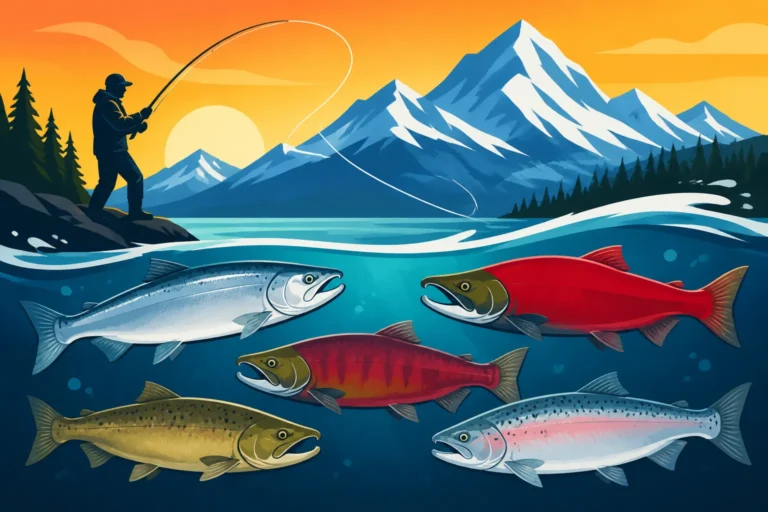
What truly sets the Kenai River apart from other world-class fishing destinations? For starters, its sheer productivity is mind-boggling. This river system supports some of the largest salmon runs on the planet, including the prized King Salmon (Chinook), sockeye (red) salmon, and coho (silver) salmon. These aren't just abundant; they often grow to impressive sizes, with Kenai River King Salmon holding the world record at over 97 pounds! This river also boasts a healthy population of resident rainbow trout and Dolly Varden, which grow fat feeding on salmon eggs and smolt, offering incredible catch-and-release opportunities throughout the season.
Beyond the fish themselves, the Kenai River offers accessibility that's somewhat unique for a world-class Alaskan fishery. A significant portion of the river is "road accessible," meaning you can drive right to many prime fishing spots, especially along the Middle and Lower Kenai. This accessibility makes it a popular choice for both seasoned Alaskans and visiting anglers who might not be looking for a remote fly-in wilderness experience. While it can get busy, especially during peak sockeye runs, the chance to experience such prolific fishing without needing a bush plane is a major draw. It truly offers a blend of wild Alaska with a touch of convenience, making it an ideal destination for many.
Geographic Overview and Key Sections
The Kenai River originates from the Kenai Mountains, flowing out of Kenai Lake, snaking its way approximately 82 miles through the Kenai Peninsula before emptying into Cook Inlet at Kenai and Soldotna. Anglers typically divide the river into three distinct sections, each offering unique fishing experiences and challenges.
The Upper Kenai begins at Kenai Lake and flows through the Kenai National Wildlife Refuge, including the famous Kenai River Canyon and the stretch above Skilak Lake. This section is often described as pristine, with crystal-clear waters, making it a fly-fishing paradise for rainbow trout and Dolly Varden, particularly in the fall. Motorized boats are heavily restricted in parts of the Upper River, making it an ideal spot for drift boats, rafts, and kayaks, offering a more serene and wild experience. Access can be a bit more challenging, requiring a float or specific launch points, but the rewards in terms of scenery and wild fish can be immense.
The Middle Kenai runs from Skilak Lake down to the Sterling Highway bridge in Soldotna. This is arguably the most famous and heavily fished section, particularly known for its massive King and sockeye salmon runs. It's wider and often deeper than the Upper Kenai, characterized by numerous braids, gravel bars, and deep holes. This section sees a lot of powerboat traffic, especially during the sockeye runs when "combat fishing" for sockeye on the bank can be an experience in itself. Popular access points include Bing's Landing, Swiftwater Park, and Soldotna Creek Park. Many guided trips operate in this section due to the prevalence of salmon and easier boat access.
Finally, the Lower Kenai extends from the Sterling Highway bridge to Cook Inlet. This tidal influence section is broad and slower, offering excellent opportunities for King and coho salmon, particularly as they stage before heading upstream. It's also where the Kenai and Kasilof River dipnet fisheries take place during specific seasons, a unique personal-use opportunity for Alaskan residents. While less focus is placed on the resident trout fishery here, the sheer volume of salmon pushing through this section makes it a highly productive area for those targeting an abundance of fresh fish. Each section offers a different flavor of Kenai River fishing, catering to various preferences and target species.
Targeting the Kenai's Prized Fish Species
When you come to the Kenai, you're not just fishing; you're often engaging in a specific pursuit for one of its iconic species. Each fish presents its own challenge, requiring different techniques, gear, and timing. Understanding what you're after is the first step to a successful trip.
King Salmon: The Elusive Giants
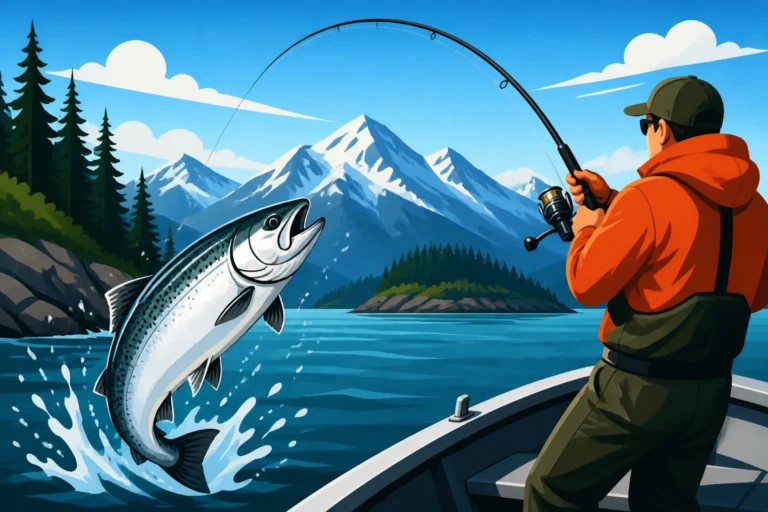
Ah, the King Salmon, or Chinook. These are the undisputed monarchs of the Kenai, famous for their incredible size and brute strength. Hooking into a large Kenai King is often described as trying to stop a freight train with a fishing rod. They are legendary, and for good reason—they represent the ultimate prize for many anglers traveling to Alaska. When you're fishing for kings, you're always holding your breath, knowing that any given cast could connect you with a fish of a lifetime.
Catching these magnificent fish is no easy feat. They are notoriously finicky and put up an epic fight once hooked. Anglers typically target them using heavy gear, employing techniques like back-trolling with Kwikfish or Mag Lip plugs, often baited with cured salmon roe. Another popular method is back-bouncing, which involves using heavy lead weights to bounce bait or lures along the river bottom where kings often hold. Fly anglers, too, can find success, often swinging large flies or indicator fishing with heavy nymphs and beads. The season for kings is generally from late May through July, with two distinct runs: the early run in May-June and the late run in July. However, regulations for King Salmon on the Kenai can be quite complex and subject to change via emergency orders, so it's crucial to stay updated on the specific rules, including the need for an Alaska King Salmon Stamp and adherence to specific Alaska King Salmon Fishing Regulations and Limits.
Sockeye Salmon: The Red Army Rush
If King Salmon are the royalty, then sockeye are the tireless workers, arriving in staggering numbers that define "salmon run" for many. The Kenai River is home to two massive sockeye runs each year, making it one of the most prolific sockeye fisheries in the world. During the peak of the run, the river can literally turn red with fish, and the banks are lined with anglers, often shoulder-to-shoulder, participating in what's famously known as "combat fishing." It might sound intense, but for many, it's a quintessential Alaskan experience, especially for those looking to fill their freezer with delicious, red-fleshed salmon.
Catching sockeye on the Kenai is a unique proposition, often involving a technique called "flossing" or "flipping." Unlike kings that actively strike lures, sockeye, once they enter freshwater, generally stop feeding. Instead, they are caught by drifting a bare hook or a bead ahead of their nose, allowing the current to carry the line until the hook "flosses" into their mouth as they swim upstream. It's a precise technique that takes practice but can be incredibly effective when done correctly. The first run of sockeye typically arrives in June, with the much larger second run hitting its stride from mid-July through early August. Bag limits are generous when the runs are strong, often allowing for three to six sockeye per day, but always consult the most current Alaska Sockeye Daily Limit by River before heading out.
Silver Salmon: Fall's Feisty Fighters
As the summer sun begins to wane and the sockeye runs wind down, the Kenai River comes alive with another exciting salmon species: coho, or silver salmon. These fish are renowned for their aggressive strikes and acrobatic fights, often leaping clear out of the water once hooked. For many, silvers offer a fantastic blend of abundance and thrilling sportfishing, especially when the river isn't quite as crowded as it is during the sockeye peaks. They are an excellent target for both fly and spin anglers, providing action well into the fall.
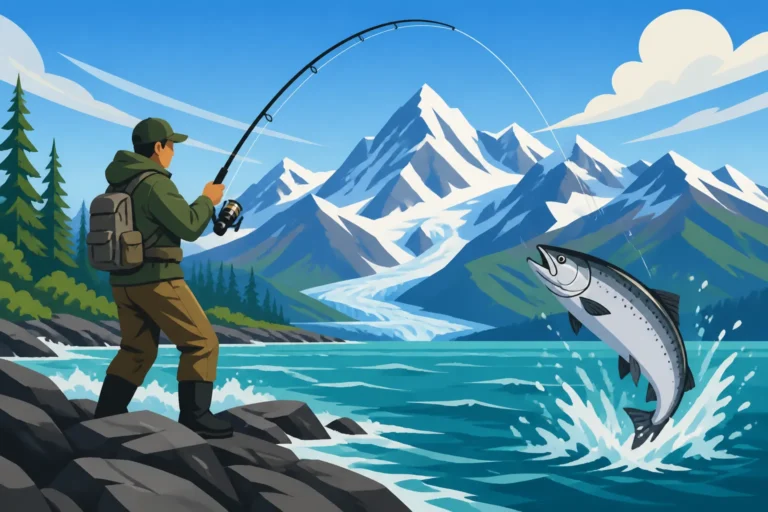
Silver salmon on the Kenai can be caught using a variety of methods. Spin anglers often find success with bright, flashy lures like spinners (e.g., Blue Fox Vibrax, Mepps Aglia) or spoons (e.g., Pixee, Krokodile), cast and retrieved through likely holding water. Drift fishing with cured salmon eggs or bits of herring under a bobber can also be incredibly effective. For fly anglers, swinging large, colorful стример patterns or indicator fishing with egg patterns and flesh flies can yield fantastic results. The main coho run typically begins in late August and can extend well into September and even early October, offering a vibrant fall fishery. Knowing the prime time for this run is key, and our guide on Alaska Silver Salmon Run Timing can help you pinpoint your trip for maximum success.
Rainbow Trout and Dolly Varden: Year-Round Action
While the salmon runs steal much of the spotlight, the Kenai River's resident fish populations, particularly its giant rainbow trout and ubiquitous Dolly Varden, offer incredible fishing opportunities, often with far less pressure. These fish thrive in the nutrient-rich waters of the Kenai, growing exceptionally large by feasting on salmon eggs, smolt, and various aquatic insects. Many anglers specifically visit the Kenai outside of peak salmon season to target these powerful, beautiful resident fish.
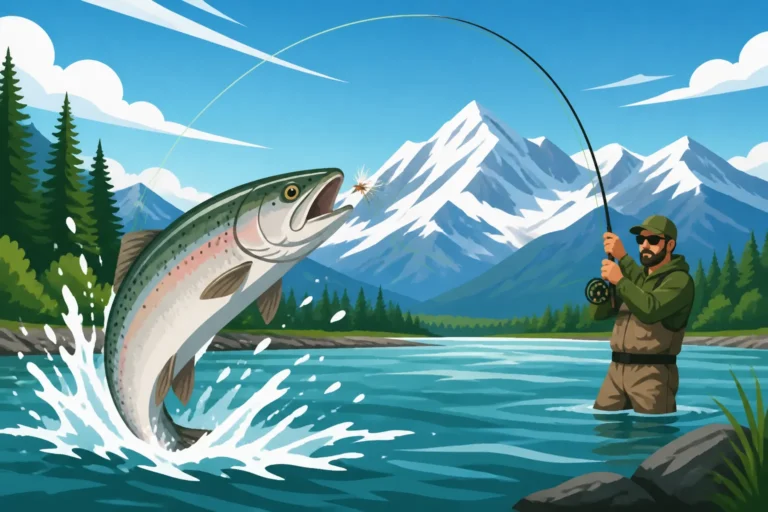
Rainbow trout in the Kenai are famous for their leopard spots and impressive size, with fish over 30 inches not uncommon. They are primarily targeted using fly-fishing gear, especially during and after the salmon spawns when they gorge themselves on loose salmon eggs. Egg patterns, beads, and flesh flies are incredibly effective during these times. During other periods, traditional nymphing with stoneflies, caddis, or mayfly patterns, as well as streamer fishing, can produce excellent results. Dolly Varden, which are actually a species of char, are equally abundant and can be caught using similar techniques. They are often found right alongside the rainbows, and while typically smaller, they are aggressive fighters and a blast on light tackle. Anglers looking to explore beyond salmon will find the Kenai's rainbow trout fishing particularly rewarding. To learn more about specific tactics, refer to our Kenai River Rainbow Trout Fishing Guide.
Navigating Kenai River Fishing Seasons
Timing your trip to the Kenai River is everything. The seasons here aren't just about weather; they dictate which fish are running, what techniques will be effective, and how crowded the river will be. Understanding the nuances of the Kenai's fishing calendar is crucial for setting expectations and maximizing your chances of success.
Early Season Opportunities
The Kenai River fishing season officially kicks off in May, but the real excitement often begins in earnest towards the end of the month. This early window is primarily focused on the first run of King Salmon. While these kings might not be as numerous as the later run, they are often some of the biggest and freshest fish of the year. Anglers who venture out during this time often experience a more serene river, as the peak summer crowds haven't fully descended yet.
The early King Salmon run typically peaks in early to mid-June. Alongside the kings, anglers can also find opportunities for rainbow trout and Dolly Varden, which are actively feeding after the long winter, often on emerging insects and smolt. The weather in May and early June can be a mixed bag, with sunny days giving way to cooler, rainy periods, so packing appropriate gear is essential. While the numbers of fish might be lower than peak season, the quality of the fishing experience—less crowded, bigger fish, and the feeling of being among the first—is a huge draw for many. Booking a guide through platforms like FishingBooker can be particularly helpful during this time, as local experts know exactly where these early kings might be holding.
Peak Summer Action
July is when the Kenai River truly explodes with activity and becomes the epicenter of Alaskan sportfishing. This month witnesses the confluence of the late King Salmon run and the beginning of the massive second run of sockeye salmon. It’s a period of intense angling pressure, incredible fish numbers, and a vibrant, almost festival-like atmosphere along the river.
The late King Salmon run, peaking in mid-July, brings some of the largest kings of the season into the river. This is often the last major push for these trophy fish, and anglers work diligently to land one of these giants before their season closes. Simultaneously, the second run of sockeye salmon begins its relentless surge upstream, often in numbers that defy belief. This is "combat fishing" at its finest, with thousands of anglers lining the banks, particularly around the Russian River confluence and Soldotna, all vying for their share of the red salmon bounty. While the crowds can be daunting, the sheer volume of fish means high catch rates for many, providing an unforgettable experience. For detailed information on specific run timings, check out our guide on Alaska Salmon Run Timing Explained.
Fall Fishing Delights
As August turns to September, the intense summer crowds begin to dissipate, and the Kenai River transitions into a spectacular fall fishery. This period is often favored by anglers looking for a more peaceful experience, combining excellent fishing with the stunning backdrop of autumn foliage. The primary targets during this time are coho salmon, as well as truly monstrous rainbow trout and Dolly Varden.
The coho (silver) salmon run peaks from late August through September, offering incredibly aggressive strikes and aerial acrobatics. These fresh-from-the-ocean fish are fantastic table fare and provide consistent action. What truly sets the fall apart, however, is the resident trout and Dolly Varden fishing. With millions of salmon having spawned upstream, their eggs become a readily available, high-protein food source for the trout and char. This is when the Kenai’s famous "leopard rainbows" put on weight and are at their most active. Fly anglers, in particular, flock to the Kenai in the fall, using egg patterns and flesh flies to target these opportunistic feeders. The river is often less crowded, the weather can be crisp and beautiful, and the fishing for silvers and trophy trout can be phenomenal, making it a truly magical time to be on the Kenai.
Here's a quick overview of the Kenai's primary fishing seasons:
| Species | Peak Season (General) | Primary Techniques | Key Considerations |
|---|---|---|---|
| King Salmon | Late May – July | Back-trolling (plugs, bait), back-bouncing, heavy fly gear | Highly regulated, often catch-and-release only or very limited retention. Requires a King Salmon Stamp. |
| Sockeye Salmon | June, Mid-July – Early August | Flossing/Flipping (bare hooks, beads) | Extremely high numbers, often "combat fishing" from shore. Excellent for filling freezers. |
| Silver Salmon | Late Aug – September | Spinners, spoons, drift fishing (bait), fly fishing (streamers, egg/flesh flies) | Aggressive fighters, good action. Less crowded than sockeye peak. |
| Rainbow Trout | June, Aug – Oct | Fly fishing (egg patterns, beads, nymphs, streamers), spin fishing (small lures) | Excellent year-round, but peaks during and after salmon spawn. Mostly catch-and-release for trophy fish. Look for specific areas like the Kenai River Rainbow Trout Regulations to understand limits and practices. |
| Dolly Varden | May – Oct | Similar to Rainbow Trout | Abundant and aggressive, often caught alongside rainbows. Feeds heavily on salmon eggs. |
Understanding Kenai River Fishing Regulations
Fishing in Alaska, especially on a world-renowned river like the Kenai, comes with a set of specific and often intricate regulations. It's not just about what you can catch, but how you can catch it, when, and where. Ignoring these rules can lead to hefty fines, confiscation of gear, or even loss of fishing privileges, so staying informed is paramount for any angler.
General Rules and Emergency Orders
The Alaska Department of Fish and Game (ADF&G) is responsible for managing the state's fisheries, and their regulations booklet is your Bible. It details everything from bag limits and size restrictions to specific gear requirements for different species and sections of rivers. For the Kenai River, this means paying close attention to the Southcentral region's regulations. Before you even pack your bags, make sure you have your Alaska Fishing License: Complete Guide squared away, as this is non-negotiable for anyone over 16.
What often catches out-of-state anglers off guard are the frequent "Emergency Orders" issued by ADF&G. These orders can change regulations in-season, sometimes with very little notice, to protect fish populations or adjust for unexpected run strengths. For example, a King Salmon fishery might suddenly switch from bait to artificial lures only, or even close entirely, if the run is weak. Similarly, a strong sockeye run might see bag limits increased. It is your responsibility to check for these emergency orders regularly, especially in the days leading up to and during your trip. ADF&G provides various ways to do this, including their website, hotlines, and local offices, making it relatively easy to stay informed.
Harvest Records and Specific Gear Restrictions
Beyond the general license and bag limits, the Kenai River has some species-specific requirements. For instance, if you're targeting King Salmon, you'll need to purchase an Alaska King Salmon Stamp in addition to your regular fishing license. This stamp is vital, and failure to have one when fishing for kings can result in significant penalties. Furthermore, any King Salmon you harvest must be immediately recorded on your Alaska Harvest Record Card, which typically comes with your license. This recording helps ADF&G track harvest numbers and manage the fishery effectively. Similarly, specific recording rules apply to certain Sockeye Salmon caught on the Kenai.
Gear restrictions are also a big deal on the Kenai. For example, during certain periods or for specific species, only single-hook, artificial lures might be allowed. Barbless hooks are commonly mandated in many areas, particularly for catch-and-release fisheries like much of the rainbow trout fishing. Knowing the rules regarding bait restrictions Alaska Bait Restrictions Explained or Alaska Barbless Hook Requirements is critical. These rules are designed to minimize harm to fish, especially those that are released. Before you even tie on your first lure, double-check the regulations for the specific section of the Kenai you plan to fish and the species you're targeting. Many reputable guides and tackle shops in Soldotna and Cooper Landing are excellent resources for clarifying any questions you might have.
Guided vs. Unguided: What You Need to Know
Deciding whether to hire a guide or go it alone is a common dilemma for Kenai River visitors, and the regulations play a significant role in this decision. Many anglers opt for a guided trip, especially for their first visit, for several compelling reasons. Guides are experts on the river: they know where the fish are holding, what techniques are working, and most importantly, they are intimately familiar with the constantly changing regulations and emergency orders. A good guide will ensure you're fishing legally and effectively. They also provide all the necessary gear, boats, and sometimes even a shore lunch, making for a hassle-free experience. If you’re considering this route, services like FishingBooker are a great way to find reputable local guides who specialize in Kenai River fishing.
However, going unguided (DIY) is also very popular, particularly for sockeye salmon. Many access points along the Kenai, especially in the Middle River, allow for productive bank fishing for sockeye. For residents, the personal use dip net fishery on the Kenai is also a unique opportunity. If you choose to go unguided, the onus is entirely on you to understand and follow all regulations. This includes understanding Alaska Sport Fishing vs Personal Use rules, bag limits, gear restrictions, and ensuring you have the correct licenses and stamps. While it offers more freedom and can be more budget-friendly, it requires a significant amount of homework and self-reliance to fish safely and legally. Even experienced anglers often refer to the latest ADF&G regulations booklet frequently to avoid unintended violations.
Effective Techniques for Kenai River Success
The Kenai River is a diverse fishery, demanding a variety of techniques to effectively target its different species. What works for a sockeye might not even get a glance from a King, and trout require a different approach altogether. Mastering these methods, or at least understanding them, is key to success on this iconic river.
Flossing for Sockeye: A Local Staple
When it comes to sockeye salmon on the Kenai, "flossing" is by far the most dominant and effective technique. As mentioned, sockeye generally stop feeding once they enter freshwater and are focused solely on their spawning migration. This means you can't typically entice them with traditional lures they'd strike out of hunger. Instead, flossing aims to hook the fish in the mouth by drifting a lead-weighted line and a bare hook or bead ahead of a school of fish.
The basic premise involves casting upstream and across the current, allowing your weighted line to sink to the depth where the sockeye are swimming. As the line drifts downstream, the long leader (often 4-6 feet of fluorocarbon) attached to a bare hook or a bead drifts naturally through the school. The goal is for the line to pass over the sockeye’s back, and as it continues to drift, the hook or bead eventually swings into their open mouth. When you feel a subtle tug or resistance, you set the hook. It sounds simple, but perfecting the depth, weight, leader length, and the feel of a "take" versus snagging debris requires practice. This technique is specifically designed for snagging fish in the mouth (not externally), making it legal under specific conditions where sockeye are abundant. Our guide on How to Catch Sockeye Salmon in Alaska delves deeper into this essential technique.
Back-Trolling and Back-Bouncing for Kings
Targeting the formidable King Salmon on the Kenai requires a robust approach, and two techniques stand out: back-trolling and back-bouncing. These methods are designed to present lures or bait directly in the fish's face, often in deeper holes or along current seams where kings prefer to hold.
Back-trolling is typically done from a boat. Anglers deploy heavy-duty rods and reels, often spooled with braided line, and attach large, diving plugs like a Kwikfish or Mag Lip. These plugs are often "wrapped" with a fillet of sardine or herring to add scent. The boat then slowly moves upstream, usually using a small "kicker" motor, but the current pushes the boat back downstream, making the plugs dive and wiggle enticingly right in front of the kings. It's a method of controlled drift, keeping the lure in the strike zone for extended periods. When a King hits, it's usually a violent, unmistakable strike that tests both angler and gear to their limits.
Back-bouncing is another common boat technique, though it can sometimes be adapted for bank fishing in specific areas. This involves using heavy lead weights (often 8-16 ounces or more, depending on current) attached to a dropper leader, with a separate leader for bait (typically cured salmon roe) or a lure. The setup is dropped to the bottom, and the angler uses the rod tip to gently "bounce" the weight along the riverbed as the boat drifts downstream, mimicking a natural presentation. This keeps the bait directly in the kings' holding lanes. Both methods require patience, powerful gear, and a keen sense of the river bottom, but they are highly effective for connecting with these trophy fish. You can find more specific advice in our How to Catch King Salmon in Alaska article.
Drift Fishing and Spin Casting for Silvers and Trout
While specialized techniques dominate for sockeye and kings, silver salmon and the Kenai's resident trout are often caught using more traditional, active methods like drift fishing and spin casting. These techniques emphasize presentation and interaction with the fish, making them very engaging.
Drift fishing is a versatile technique that works well for both silvers and trout, particularly in the Middle and Upper Kenai. This involves using a relatively light lead weight (pencil lead or slinky weights are common) and a short leader with bait (cured salmon roe, bits of herring) or an artificial egg imitation. The angler casts upstream and allows the current to carry the bait naturally downstream, bouncing along the bottom. The goal is to keep the line taut enough to feel subtle bites but loose enough for a natural drift. This method is incredibly effective for targeting fish holding in current seams, behind structure, or in deeper pockets.
Spin casting (or hardware fishing) is a favorite for aggressive coho salmon. Bright, flashy spinners (like Blue Fox Vibrax, Mepps Aglia) or spoons (such as Pixee, Croc) in various colors (chartreuse, pink, orange, silver) are cast out and retrieved, imitating fleeing baitfish or attracting the salmon’s attention. The retrieve speed and depth are adjusted to match the conditions and fish activity. For trout, smaller spinners, spoons, or even small plugs can be effective, especially during periods when they are actively feeding on smolt. Fly anglers targeting trout often use similar principles, swinging streamers across currents or nymphing with egg patterns and beads, particularly after the salmon have spawned, making for truly world-class catch-and-release opportunities. Always remember to practice Alaska Catch-and-Release Best Practices when targeting these sensitive resident fish.
Planning Your Kenai River Fishing Adventure
A successful Kenai River fishing trip involves more than just knowing how to catch fish; it requires careful planning, especially when it comes to gear, lodging, and logistics. Being prepared can make the difference between a frustrating experience and a trip of a lifetime.
Essential Gear and Tackle
The gear you bring will heavily depend on the species you intend to target and the techniques you plan to employ. However, there are some universal truths when packing for Alaska. Layering is paramount; the weather can change dramatically in a single day, from bright sunshine to cold rain. Waterproof and windproof outer layers are non-negotiable. Quality rain gear, like a GORE-TEX jacket and pants, will be your best friend. Sturdy, waterproof boots are also essential. For sockeye bank fishing, hip waders or chest waders will keep you dry, but be mindful of current strength if wading.
When it comes to fishing tackle, prepare for strong fish. For King Salmon, you'll need heavy-action rods (9-10 feet), robust baitcasting reels spooled with 50-80 lb braided line, and heavy leaders. For sockeye, a medium-heavy spinning rod (8.5-10 feet) with a good spinning reel and 30-40 lb braided line is standard. Silver salmon can often be tackled with slightly lighter versions of your sockeye setup. For rainbow trout and Dolly Varden, a 7-8 weight fly rod or a medium-light spinning rod is ideal. Don't forget a good selection of terminal tackle: hooks, weights, swivels, and leader material. Many local tackle shops in towns like Soldotna or Cooper Landing are well-stocked and can offer up-to-the-minute advice on what's working.
Choosing a Guide or Going DIY
The choice between a guided trip or a do-it-yourself (DIY) adventure largely depends on your budget, experience level, and desired fishing style. Both have distinct advantages and disadvantages on the Kenai.
Guided trips offer convenience, expertise, and often higher success rates, especially for King Salmon where specialized boats and local knowledge are invaluable. A good guide knows the river intimately, understands current regulations (including those tricky emergency orders), and provides all the necessary equipment, bait, and often fish processing at the end of the day. This is particularly beneficial for first-time visitors or those less experienced with Alaskan river fishing. Expect to pay anywhere from $250-$400+ per person for a full-day guided trip, often not including tips. Using platforms like FishingBooker can help you compare different charters and guides based in areas like Soldotna, Cooper Landing, and Kenai, reading reviews and checking their specialties before you book.
DIY trips can be more adventurous and significantly more budget-friendly. This is a very popular option for sockeye fishing, where bank access is plentiful, and the "flossing" technique is relatively straightforward to learn. However, going DIY requires more upfront planning: you'll need to research regulations meticulously, acquire all your own gear (or rent it locally), arrange transportation, and be comfortable navigating the river either from shore or in your own boat. While it offers immense freedom, it also carries greater responsibility for safety and adherence to rules. If you're considering a DIY trip, plan your accommodation early, as prime spots can book up months in advance during peak season.
Lodging and Logistics
The Kenai Peninsula offers a wide array of lodging options, catering to various budgets and preferences. The towns of Soldotna and Kenai are central hubs, providing hotels, motels, RV parks, and numerous private cabin rentals. Cooper Landing, situated closer to the Upper Kenai and Russian River confluence, offers a more rustic, wilderness-oriented experience with lodges and cabins nestled among the trees. Expect prices to be higher during peak fishing season (June-August), so booking well in advance is crucial, especially if you have specific dates or group requirements.
Getting to the Kenai Peninsula typically involves flying into Anchorage's Ted Stevens Anchorage International Airport (ANC), then either renting a car for the scenic 2.5 to 3-hour drive south to Cooper Landing or Soldotna, or taking a commuter flight to Kenai (ENA). A rental car offers flexibility to explore different fishing spots and local attractions. Fuel, groceries, and bait are readily available in Soldotna and Kenai, but it's always a good idea to stock up before heading to more remote areas. Remember that cell service can be spotty in some parts of the Upper River or more remote access points, so plan accordingly. Many anglers also factor in fish processing and shipping for their catch; local processors in Soldotna and Kenai offer services to fillet, vacuum seal, and freeze your fish, and even ship it home for you. Planning these logistics ahead of time ensures that your prized catch makes it home in perfect condition. For a broader look at planning an entire Alaska fishing trip, consider our How to Book an Alaska Fishing Trip guide.
Disclaimer
Please remember that fishing regulations in Alaska, especially on dynamic fisheries like the Kenai River, can change frequently due to emergency orders from the Alaska Department of Fish and Game. While we strive to provide the most up-to-date information, it is always the angler's responsibility to consult the current Alaska Sport Fishing Regulations booklet and any active emergency orders before fishing. Local conditions, fish runs, and access points can also vary. Fish responsibly and sustainably.