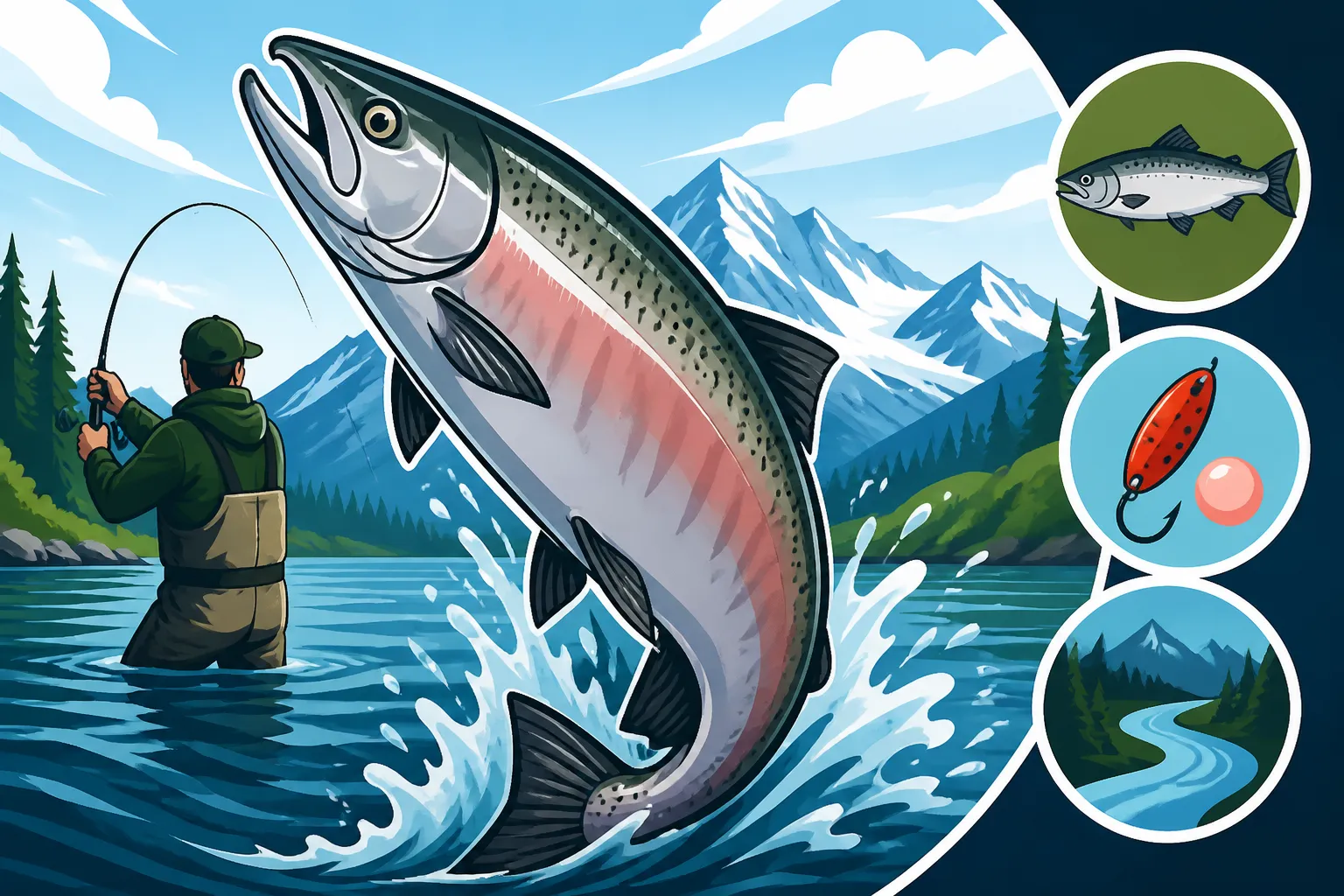
Alaska Chum Salmon: Facts and Fishing Tips
Oh, the Alaska chum salmon. If you've spent any time on the rivers of Alaska, you've likely encountered this powerful fish, often met with a mix of excitement for the fight and sometimes, a little less enthusiasm for the dinner plate. There's a common misconception that chum salmon are nothing more than "dog salmon," only good for bait or feeding the sled dogs. But let me tell you, that idea couldn't be further from the truth, especially when you catch them fresh from the ocean. This guide is here to bust those myths, dive deep into the fascinating world of chum salmon, and give you all the facts and fishing tips you need to truly appreciate these incredible Alaskan fighters.
Understanding Alaska Chum Salmon: The Basics
Chum salmon, or Oncorhynchus keta as the scientists call them, are a truly remarkable species, playing a vital role in Alaska's intricate aquatic ecosystems. They might not always get the same celebrity status as their King or Sockeye cousins, but their sheer numbers and incredible resilience make them a cornerstone of many fisheries and wildlife populations across the state.
Biological Profile and Life Cycle
Chum salmon are anadromous fish, meaning they hatch in freshwater, migrate to the ocean to grow, and then return to their natal streams to spawn and complete their life cycle. A typical chum salmon will spend anywhere from three to five years in the marine environment, packing on size and strength before their epic journey upstream. Unlike some other salmon species that might travel hundreds of miles, many chum runs are relatively shorter, often heading to coastal rivers and streams, even those with relatively low gradients or small drainages. They're often found spawning in the lower reaches of rivers, sometimes right up to the tidal influence, but they can also travel further inland into clearwater tributaries.
When they return to freshwater, their bodies undergo a dramatic transformation. Their silver, ocean-bright scales give way to a stunning display of vertical green and purple bars, and the males develop an impressive kype (a hooked jaw) and pronounced teeth, earning them some of their less flattering nicknames. This incredible metamorphosis is all for the purpose of reproduction, a testament to nature's efficiency. After spawning, like all Pacific salmon, chum salmon die, their bodies providing a crucial nutrient pulse to the rivers and surrounding riparian habitats, feeding everything from insects to bears.
Unique Characteristics and Nicknames
The most well-known, and perhaps unfairly maligned, nickname for chum salmon is "dog salmon." This moniker isn't just about their taste, but more commonly attributed to the prominent, canine-like teeth that mature male chums develop during their spawning phase. It's an aggressive look, meant for territorial defense and attracting mates, not for biting anglers (though they certainly can!). Another common nickname, especially for their striking appearance, is "calico salmon," referring to their vibrant, mottled green and purple patterns.
Size-wise, chum salmon are robust. While not reaching the behemoth proportions of a trophy King, they typically range from 8 to 15 pounds, with some individuals pushing 20 pounds or more. They are thick-bodied and powerful, especially when fresh from the ocean, and offer a formidable fight on appropriate tackle. Their sheer tenacity often surprises anglers who might underestimate them based on their reputation. You can often find some impressive chum in systems like the Kenai River or the rivers of Southeast Alaska.
Ecological Importance
Beyond their recreational fishing value, chum salmon are ecologically indispensable. Their massive annual returns in some systems provide a critical food source for a vast array of wildlife. Bears, eagles, wolves, and countless scavenging birds and mammals depend on the abundance of chum during their spawning runs. When you visit places like Chilkoot River near Haines or the streams of Kodiak Island, you'll see firsthand how interwoven these salmon are with the health of the entire ecosystem.
Furthermore, the decomposing carcasses of post-spawn chum salmon enrich the freshwater systems with vital marine-derived nutrients, acting as a natural fertilizer. This influx of nitrogen, phosphorus, and other elements nourishes aquatic invertebrates, plants, and even the surrounding forest, ultimately supporting the next generation of salmon. Understanding this complex web of life truly helps you appreciate the profound role of what many casually dismiss as "just a chum."
Identifying Chum Salmon in Alaska Waters
Knowing how to differentiate chum salmon from the other four species of Pacific salmon found in Alaska is key, especially if you're targeting a specific species or adhering to varying bag limits. While they undergo significant color changes, there are some consistent anatomical features that can help you make a positive identification. Learning these characteristics will enhance your fishing experience and ensure you're always within the regulations.
Key Physical Features
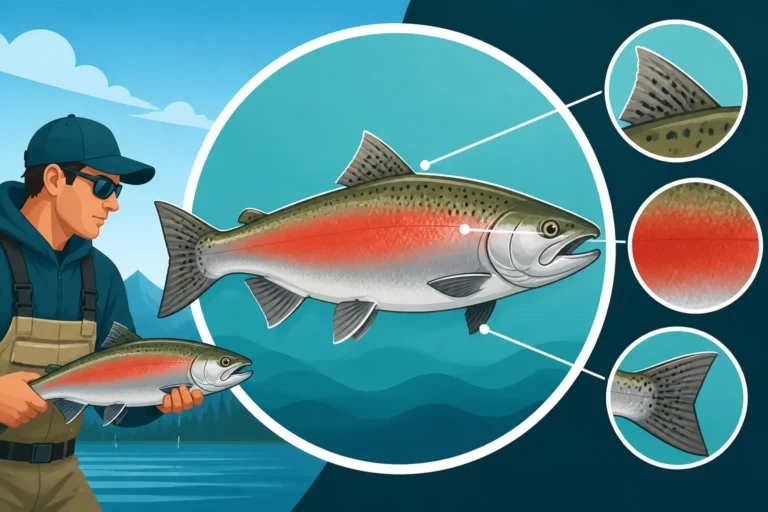
When a chum salmon is fresh from the saltwater, they possess a sleek, metallic silver body, often with a faint greenish-blue back, not unlike a silver salmon. However, as they enter freshwater and begin their spawning migration, their appearance transforms dramatically. Here’s what to look for:
- Body Color: As mentioned, ocean-bright chums are silvery. In freshwater, they develop striking, broad, dark green vertical bars or splotches on their sides, often interspersed with iridescent purplish or reddish hues. Their belly remains whitish.
- Mouth and Teeth: This is a big one. Mature males develop a pronounced, hooked upper jaw (kype) and prominent, sharp canine-like teeth. Even females and less mature males will have larger, more noticeable teeth than most other salmon species.
- Tail: Chum salmon have a relatively square or slightly forked tail, often with a faint sprinkling of small spots, but generally lacking the heavy spotting found on King (Chinook) or Pink (Humpy) salmon tails.
- No Spots on Back: A critical distinguishing feature is the lack of prominent large spots on their back or dorsal fin, which are typically present on Kings and Coho.
- Eye: Their eyes are relatively small compared to the size of their head.
Distinguishing from Other Salmon Species
Sometimes, particularly with ocean-bright fish, distinguishing chum can be tricky. Here's a quick comparison to help you tell them apart from their common Alaskan relatives. For an even more in-depth guide, check out our article on How to Identify Alaska Salmon Species.
- King Salmon (Chinook): Kings have irregular black spots on both halves of their tail and a black gum line at the base of their teeth. Chum usually lack heavy spotting on their tail and have a white gum line. Kings are also generally much larger.
- Sockeye Salmon (Red): Sockeye are the easiest to distinguish in freshwater due to their vibrant red bodies and green heads. Ocean-bright sockeye are silvery with a darker blue-green back and typically have no spots on their back or tail. Chum, even when bright, will have some faint spots or a more mottled appearance if caught later in their run. Sockeye also have very fine, comb-like gill rakers, whereas chum have fewer, more widely spaced gill rakers.
- Coho Salmon (Silver): Coho also have spots on the upper half of their tail, but not typically on the lower half. They usually have a white gum line, similar to chum, but their spots on the back and caudal fin are a key differentiator. Coho are generally more streamlined than the chunkier chum.
- Pink Salmon (Humpy): Pinks are identified by their large, oval-shaped spots on their back and entire tail, and the incredibly pronounced hump on the back of spawning males. Chum lack this pronounced hump and the large spotting. Pink salmon are also significantly smaller than chum.
Here’s a quick table to help summarize key identification features:
| Feature | Chum Salmon (Keta) | King Salmon (Chinook) | Sockeye Salmon (Red) | Coho Salmon (Silver) | Pink Salmon (Humpy) |
|---|---|---|---|---|---|
| Ocean Color | Silvery, faint bars sometimes | Silvery, darker back, spots often visible | Silvery, blue-green back, no spots | Silvery, darker back, few spots | Silvery, many large spots |
| Spawning Color | Dark green/purple vertical bars, whitish belly | Dark, mottled, often reddish/black | Bright red body, green head | Reddish sides, darker back, green head | Light green/brown, huge dorsal hump (males) |
| Spots on Back | Generally none or very faint | Irregular black spots | None | Irregular black spots | Large oval black spots |
| Spots on Tail | Generally none or small, diffuse spots | Heavy, irregular black spots on both lobes | None | Spots on upper lobe only | Large oval black spots on both lobes |
| Gum Line | White | Black | White | White | White |
| Teeth | Prominent, canine-like (especially males) | Moderate, sharp | Small, fine | Moderate, sharp | Small |
| Tail Shape | Square or slightly forked | Slightly forked to square | Square | Slightly forked | Moderately forked |
| Avg. Size | 8-15 lbs | 20-40 lbs (can be much larger) | 5-10 lbs | 8-12 lbs | 3-6 lbs |
This table should give you a quick reference point when you're on the river and unsure of your catch. Remember, careful observation is key!
Where and When to Find Alaska Chum Salmon
Chum salmon are widely distributed across Alaska, from the Southeast panhandle all the way to the Arctic coast, making them accessible to many anglers. Knowing their preferred habitats and typical run timings can significantly improve your chances of a successful outing.
Prime Habitats and Migration Patterns
Chum salmon are incredibly adaptable and utilize a diverse range of freshwater environments for spawning. Unlike King or Sockeye that often migrate long distances up major river systems, chums often favor the lower to mid-reaches of larger rivers, as well as smaller, clearwater coastal streams and sloughs, sometimes even those with relatively swift currents. They're not particularly fond of silty glacial rivers for spawning, preferring gravel-bottomed areas where they can effectively dig their redds.
You'll find substantial chum runs in regions like Southeast Alaska, particularly around Juneau, Sitka, and Ketchikan, where they utilize countless short coastal drainages. Western Alaska, including the vast Yukon and Kuskokwim River systems, also sees massive returns of chum salmon, although these are often targeted more by subsistence fisheries due to their remote location. In Southcentral Alaska, while not as dominant as sockeye or kings, good chum runs occur in certain areas of Prince William Sound, Cook Inlet tributaries, and some rivers on the Kenai Peninsula. The Susitna River drainage and its tributaries, for instance, are known to have healthy chum populations.
Alaska Chum Salmon Run Timing
Chum salmon typically have a later run timing than sockeye but earlier than coho, making them a fantastic mid-to-late summer target. Generally, you can expect to see the main push of chum salmon entering Alaska's rivers from mid-July through August, and often extending into early September in some systems.
However, like all salmon, exact timing can vary significantly based on the specific river system, water temperatures, and even yearly environmental factors. For example, in Southeast Alaska, some earlier runs might start in late June, while Western Alaska rivers often see their peak runs in late July and early August. Always check local Alaska Department of Fish and Game (ADF&G) regulations and fishing reports for the most up-to-date information on specific rivers you plan to fish. Staying informed about current conditions is crucial, as Alaska Fishing Emergency Orders Explained can change things quickly. You can also dive deeper into Alaska Salmon Run Timing Explained for a broader understanding across all species.
For a more granular look, you might want to specifically reference our guide on When Do Chum Salmon Run in Alaska, which breaks down timing by region and specific rivers.
Best Fishing Locales
While chum can be found throughout Alaska, some areas are particularly renowned for their strong runs and accessible fishing opportunities.
- Southeast Alaska: Rivers near Juneau, like the Fish Creek, and countless streams around Ketchikan and Sitka, offer excellent bank fishing opportunities for chum. Many local outfitters also run charters in these areas that target chum in the saltwater before they enter rivers, offering bright, prime eating fish.
- Southcentral Alaska: While the Kenai River is famous for sockeye and kings, some of its tributaries and nearby smaller rivers like Ship Creek in Anchorage see decent chum returns. The Little Susitna River can also be a good spot.
- Western Alaska: The mighty Yukon and Kuskokwim rivers, along with their tributaries, are historically home to some of the largest chum salmon runs in the world. While often remote, fly-out fishing lodges in this region often offer incredible experiences targeting these powerful fish.
It's worth noting that some of the best fishing for "bright" (ocean-fresh) chum occurs in saltwater near river mouths or within the lower tidal reaches of rivers before they've had a chance to darken and develop their full spawning colors and physical changes. This is where you'll find them at their prime for both fighting and eating quality.
Effective Fishing Techniques for Chum Salmon
Chum salmon are strong, aggressive fighters, and while they can sometimes be perceived as less "sporting" than kings or silvers, that's often due to anglers not adapting their techniques. With the right gear and approach, targeting chum can provide an incredibly fun and rewarding angling experience. They hit hard and pull like freight trains!
Gear and Tackle Essentials
To effectively tackle these powerful fish, you'll need gear that can withstand their strong runs and headshakes. Don't skimp on quality, as a strong chum can test even sturdy setups.
- Rod: A medium-heavy to heavy spinning rod or baitcasting rod, typically 8 to 10 feet in length, is ideal. This length helps with casting distance and allows for better line control when fighting fish in river currents. A rod with a good backbone but a forgiving tip will allow you to cast lighter lures and detect subtle takes, while still having the power to turn a fish.
- Reel: A reliable spinning reel in the 3000-5000 series or a baitcasting reel with a smooth, strong drag system is crucial. Brands like Penn, Shimano, or Daiwa offer excellent options that are durable and perform well in tough conditions. Remember, smooth drag is paramount to prevent break-offs when a big chum decides to bolt. You can find many great options for reels and rods on Amazon.
- Line: Spool up with 20 to 30 lb braided mainline. Braid offers superior sensitivity, minimal stretch, and impressive strength for its diameter. Pair this with a 15 to 25 lb fluorocarbon leader. Fluorocarbon is nearly invisible underwater and has good abrasion resistance, which is important when fishing around rocks or logs.
- Terminal Tackle: You'll want strong swivels, heavy-duty snaps, and sharp hooks appropriate for salmon. Single barbless hooks are often required or highly recommended in many Alaska fisheries to reduce harm to fish you intend to release. Always check the regulations for the specific area you're fishing – for example, Alaska Barbless Hook Requirements are common.
For a comprehensive breakdown of what to pack, refer to our Alaska Fishing Gear and Tackle Guide. It covers everything from rods to waders.
Popular Fishing Methods
Chum salmon are opportunistic feeders, especially when fresh from the ocean, and become more aggressive/territorial as they approach spawning grounds. This means a variety of techniques can be effective.
-
Spin Fishing: This is perhaps the most popular and versatile method. Casting and retrieving bright, flashy lures (spinners, spoons) or drift fishing with baited jigs are highly effective.
- Casting & Retrieving: Focus on areas where chum might hold or funnel, such as current seams, deeper pools, or just below riffles. Cast upstream and retrieve with a steady pace, allowing the current to impart action on your lure. Experiment with retrieval speeds and depths.
- Drift Fishing: This involves using enough weight to bounce your lure or bait along the bottom, mimicking natural debris or dying eggs. This is particularly effective in rivers where chum are holding. A common setup involves a sliding weight (like a Slinky weight) above a bead and a leader with your hook.
Our guide on How to Spin Fishing for Salmon in Alaska offers more granular advice on techniques.
-
Fly Fishing: Chum salmon are fantastic targets on a fly rod, especially for anglers who enjoy a powerful fight.
- Heavy Gear: You'll want an 8 to 10-weight fly rod with a fast action, paired with a matching reel spooled with plenty of backing and a sink-tip or full-sinking line to get your fly down to the fish.
- Flies: Large, brightly colored flies are the ticket. Chartreuse, pink, purple, and orange are all highly effective. Popular patterns include large Intruders, Dolly Llamas, Clouser Minnows, and various flesh flies.
- Technique: Focus on swinging flies through likely holding water, casting across and slightly upstream, letting the current sweep your fly through the strike zone. Sometimes, a short strip or twitch can induce a strike.
Lures, Flies, and Bait for Success
Chum salmon are drawn to bright, flashy colors and sometimes scents. What works one day might not the next, so bringing a variety is always a good idea.
- Lures:
- Spinners: Roostertails, Mepps, and Pixee spoons (especially in orange, chartreuse, or pink) are perennial favorites. The flash and vibration can trigger an aggressive strike.
- Spoons: Classic wobbling spoons in silver, gold, chartreuse, or even a mix of colors like the popular "fire tiger" pattern can be deadly.
- Jigs: Lead-head jigs dressed with bright marabou or synthetic fibers in pink, chartreuse, or purple are excellent, especially when tipped with a small piece of cured roe or shrimp.
- Flies: As mentioned, large, gaudy patterns in pink, chartreuse, purple, and black are highly effective. Think big, flashy, and vibrant.
- Bait: Cured salmon roe (eggs) is a universal salmon attractant and works well for chum, particularly when drift fishing or under a float. Small pieces of cut herring or shrimp can also be effective, especially in saltwater or tidal areas.
For more detailed information on specific attractants, you can consult our articles on Best Lures for Alaska Salmon and Best Bait for Alaska Salmon. Don't be afraid to experiment! Chum can be finicky one moment and incredibly aggressive the next.
The Culinary Side of Alaska Chum Salmon
Alright, let's tackle the elephant in the room: the reputation of chum salmon as table fare. It's true that they often get a bad rap, but a lot of this stems from misunderstanding when and how to harvest and prepare them. When caught at the right time and handled properly, chum salmon can be a delicious and versatile meal.
Dispelling Misconceptions
The "dog salmon" stigma primarily comes from fish that have been in freshwater for an extended period. As salmon migrate upstream, they stop eating, and their bodies undergo significant changes. Their flesh, which is rich in oils when ocean-bright, begins to break down, losing its color, firmness, and much of its fat content. This is a natural part of their reproductive cycle. A post-spawn, darkened, emaciated salmon is indeed not good for eating.
However, an ocean-bright chum, often caught in saltwater or the lower tidal reaches of a river, is a completely different story. These fish are firm, fatty, and have a vibrant orange-red flesh that rivals some other salmon species. Many Alaskan locals and seasoned anglers will tell you that a fresh, bright chum is excellent eating. They might not have the buttery richness of a prime King, but their flavor is clean and robust. If you've been hesitant to keep a chum, I encourage you to reconsider, especially if you catch one with that characteristic silver sheen. For more details on this, take a look at our discussion on Are Alaska Chum Salmon Good to Eat.
Best Preparation Methods
Because of their slightly leaner flesh compared to Kings or Sockeye (when fresh), chum salmon really shine with certain cooking methods.
- Smoking: This is, hands down, one of the absolute best ways to prepare chum salmon. The smoking process infuses flavor and helps to retain moisture, resulting in a delicious, flaky product. Brine your fillets thoroughly, and then use a cold or hot smoking method with alder, apple, or cherry wood. Smoked chum is fantastic on crackers, in dips, or simply on its own.
- Canning: Another excellent preservation method. Canned chum salmon, especially when packed in its own juices or a light brine, is perfect for salads, salmon patties, or as a quick, healthy protein source. It’s an efficient way to process a large catch.
- Grilling/Baking: For fresh fillets, grilling or baking with a good marinade or a simple seasoning of salt, pepper, and lemon can be delicious. Ensure you don't overcook it, as the slightly lower fat content means it can dry out quicker than fattier species. Cooking en papillote (in parchment paper) or wrapping in foil can also help retain moisture.
- Fish Tacos/Burgers: Flaked, cooked chum salmon makes excellent fish tacos or salmon burgers. The texture holds up well, and the flavor pairs beautifully with bold spices and fresh toppings.
The key is to handle your catch with care: bleed the fish immediately after catching, keep it on ice, and process it as soon as possible. This ensures the best possible quality for the table.
Roe as a Delicacy
One often-overlooked culinary aspect of chum salmon is their roe (eggs). Chum salmon roe is highly prized for caviar, especially in Asian markets. The eggs are large, plump, and have a beautiful orange hue, making them excellent for preparing fresh ikura. If you catch a female chum with mature skeins, consider saving the roe. Learning how to properly brine and cure salmon roe can turn a part of your catch into a valuable and delicious delicacy. It's a fantastic way to maximize your harvest and experience another traditional Alaskan culinary delight.
Regulations and Responsible Angling
Fishing in Alaska means being aware of and respecting the rules and regulations set forth by the Alaska Department of Fish and Game (ADF&G). These rules are in place to ensure the sustainability of Alaska's incredible fisheries for generations to come. Chum salmon, despite their abundance, are no exception, and responsible angling practices are paramount.
Understanding Bag and Possession Limits
The first and most important step before you even cast a line is to know the current bag and possession limits for chum salmon in the specific waters you plan to fish. These limits can vary widely by region, river system, and even change throughout the season via emergency orders depending on run strength.
- Bag Limit: This refers to the number of fish you can legally keep within a 24-hour period. For chum salmon, this might be something like three or six fish per day, but it's crucial to verify.
- Possession Limit: This refers to the total number of fish you can have in your possession at any given time, including those in storage, at your lodge, or being processed. It's often twice the daily bag limit.
Always consult the current year's Alaska Sport Fishing Regulations booklet, available online through the ADF&G website or at most sporting goods stores and license vendors. The ADF&G often issues emergency orders that can close fisheries, change bag limits, or alter legal gear types. Regularly checking the emergency order updates for your region is essential. Our Alaska Fishing Regulations Explained guide provides a great overview, and for species-specific limits, be sure to check Alaska Salmon Bag Limits by Species. Remember, ignorance of the law is no excuse, and violations can result in hefty fines or even confiscation of gear and fish.
Ethical Fishing Practices
Responsible angling goes beyond just following the rules; it's about treating the fish, the environment, and fellow anglers with respect.
- Minimize Stress on Fish: If you're planning to release fish, handle them as little as possible. Keep them in the water, use a rubberized net to protect their slime coat, and remove the hook quickly. Barbless hooks make this much easier and reduce tissue damage.
- Know When to Harvest: If you intend to eat your catch, try to target ocean-bright chum. These fish are in peak condition for the table and will provide the best culinary experience. As fish progress further upstream and darken, their flesh quality declines rapidly. Releasing these darker fish allows them to complete their spawning mission and contributes to future generations.
- Respect Private Property and Fellow Anglers: Always be mindful of land boundaries, and maintain a courteous distance from other anglers. Alaska's rivers can get busy, especially during peak salmon runs, so common courtesy goes a long way.
- Leave No Trace: Pack out everything you pack in. Dispose of all trash, fishing line, and fish carcasses responsibly. Leaving a clean environment ensures that these pristine fishing spots remain beautiful for everyone.
- Bear Safety: When fishing in Alaska, you are in bear country. Be bear aware, carry bear spray, and know how to use it. Make noise while walking, and keep your catch away from your immediate fishing area if possible. Being prepared for wildlife encounters is part of the Alaskan experience.
By adhering to these regulations and practicing ethical angling, you contribute to the health and sustainability of Alaska's remarkable chum salmon fisheries, ensuring that the thrill of catching these powerful fish can be enjoyed for years to come.
Disclaimer
The information provided in this guide is for general informational purposes only and is subject to change. Fishing regulations in Alaska are complex and can be updated frequently, often through emergency orders. Always consult the most current Alaska Department of Fish and Game (ADF&G) regulations and emergency orders for the specific area and time you plan to fish before heading out. Failure to do so could result in fines or penalties.