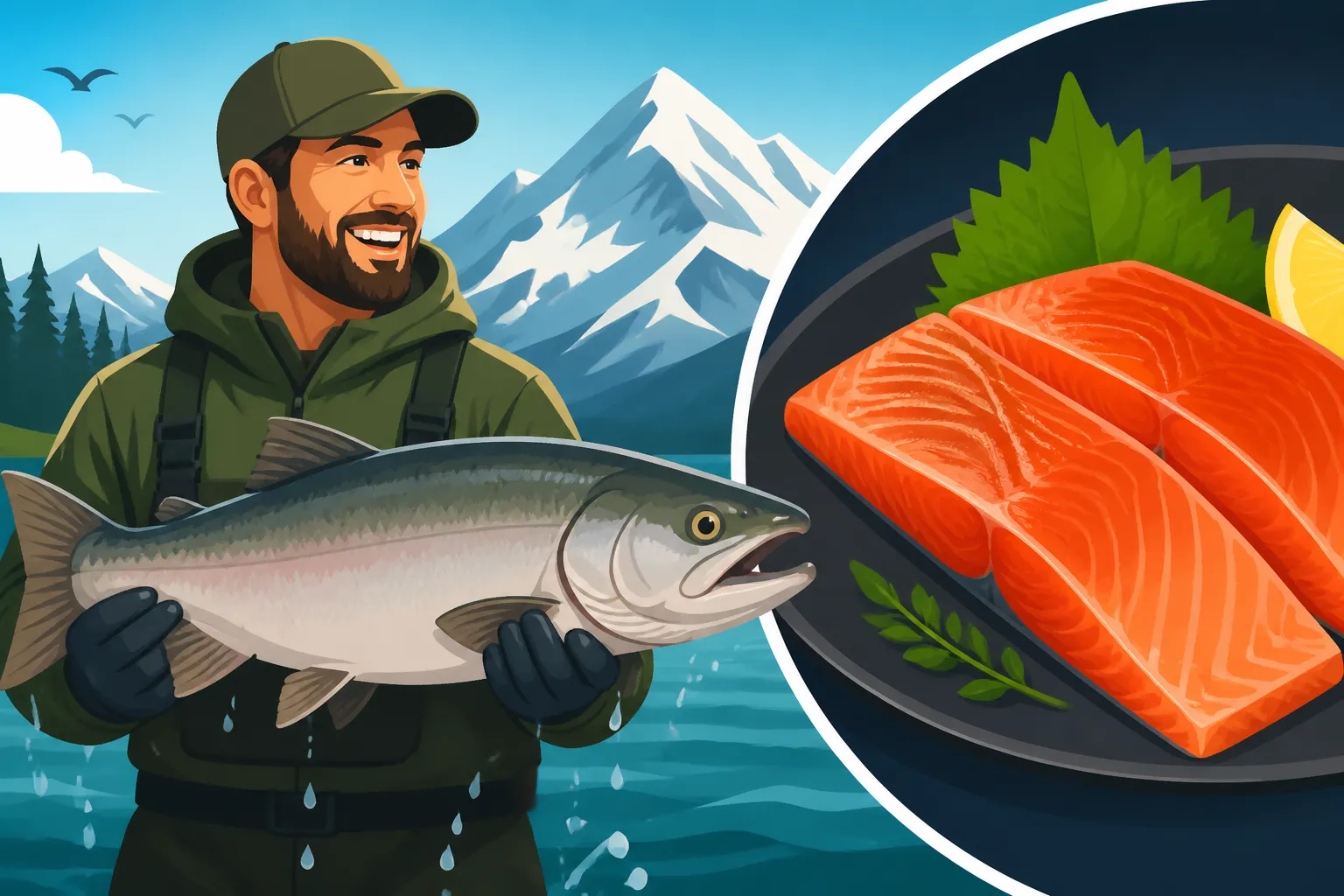
Are Alaska Chum Salmon Good to Eat
It's a question that echoes across many Alaskan fishing docks and dinner tables: "Are Alaska Chum salmon good to eat?" For too long, these incredible fish have been unfairly branded, often dismissed with a dismissive wave. The truth is, while some anglers might turn up their noses, understanding the nuances of catching and preparing chum salmon can unlock a surprisingly delicious and versatile culinary experience. This guide will dive deep into why chum salmon get such a bad rap and, more importantly, reveal when and how they can be a fantastic addition to your table, proving that their reputation is often undeserved.
Understanding the Unfair Reputation: Why Chum Salmon Get a Bad Rap
The perception of chum salmon as a lesser species is deeply ingrained, and it's a frustration many anglers share. You hear it often: "Oh, it's just a dog salmon," and immediately, assumptions are made about its quality. This widespread dismissal has historical roots and is often fueled by superficial observations rather than a true understanding of the fish's potential. It's a shame because it leads many to miss out on a truly great Alaskan resource.
The "Dog Salmon" Name and Its Historical Context
The most common culprit behind chum salmon's poor image is its unflattering nickname: "dog salmon." This moniker isn't derived from their flavor, but rather from their distinctive, dog-like teeth that develop during their spawning phase. Imagine seeing a salmon with a hooked jaw and prominent canines, especially when you're used to the sleek, pristine look of a sockeye or a king. It's easy to see how such an intimidating appearance could lead to a less-than-appetizing nickname. Historically, these fish were also sometimes used as dog food by Indigenous communities and early settlers in Alaska and other northern regions, further cementing the association with something less desirable for human consumption.
This historical usage, while practical, inadvertently contributed to the narrative that chum salmon were simply not "table fare." Many old-timers passed down stories of these fish being tough or oily, largely referring to fish caught far upstream, closer to their spawning grounds, which we'll discuss more later. This cultural imprint has proven incredibly difficult to shake, even as modern understanding of fish quality and culinary techniques has evolved. For an angler new to Alaska, hearing "dog salmon" is often enough to deter them from even trying to catch or keep one.
Visual Transformation: From Ocean Bright to Spawning Drab
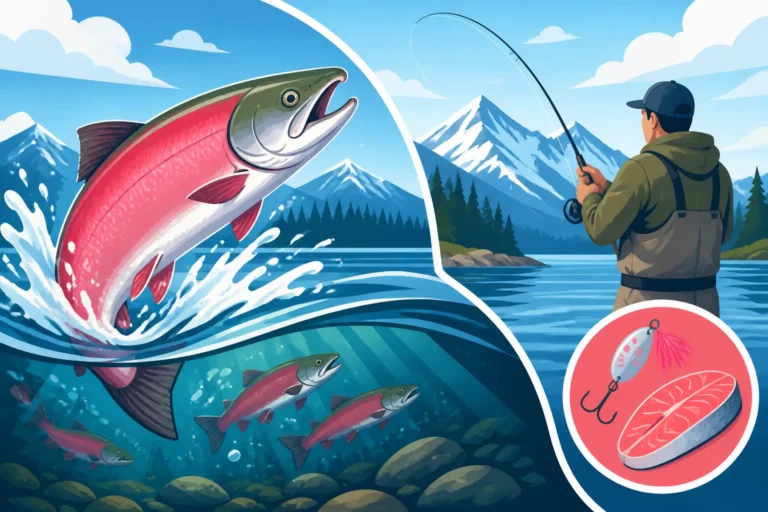
Another significant factor contributing to the negative perception of chum salmon is their dramatic physical transformation as they approach and enter freshwater to spawn. When chum salmon are fresh out of the ocean, often called "bright" or "chrome" fish, they are sleek, silver-sided, and boast firm, pristine flesh. They are powerful swimmers, their bodies packed with rich oils and nutrients necessary for their long journey. Their meat at this stage is a beautiful orange-pink, comparable in texture and flavor to many other salmon species.
However, once they enter rivers and begin their upstream migration, they undergo a striking change. Their brilliant silver scales start to darken, often developing mottled stripes of green, purple, and red. Their jaws become elongated and hooked, particularly in males, and their teeth become more pronounced – hence the "dog" association. More critically for their culinary appeal, their flesh rapidly deteriorates. The fat content, which gives salmon its delicious flavor and moist texture, is used up to fuel their arduous journey and reproductive efforts. Their muscle tissue softens, becoming paler, more mushy, and losing much of its rich flavor. Catching a chum salmon in this advanced spawning stage can indeed be a disappointing experience, and unfortunately, these are often the fish that give the entire species a bad name.
Texture and Flavor Myths: Separating Fact from Fiction
Due to the factors above, a pervasive myth exists that chum salmon are universally mushy, flavorless, or "fishy." This couldn't be further from the truth when dealing with a high-quality, ocean-bright chum. The truth is, like all salmon, the flavor and texture are highly dependent on when and where the fish is caught. A chum caught just hours from the ocean, still vibrant silver, will have firm, flavorful flesh. It's not as intensely rich as a King salmon, nor as vibrantly colored as a Sockeye, but it has its own distinct, mild, and pleasant salmon flavor that truly shines with the right preparation.
Many people who claim chum are "bad to eat" have likely only encountered them in their spawning phase. A spawning-phase chum will indeed have soft, watery, pale flesh that can be unappetizing. But to extrapolate that experience to all chum salmon is like saying all apples are mealy because you once ate one that had been sitting in the sun for a week. The myth persists because fewer people have had the opportunity to taste a truly prime chum, which are often caught closer to the ocean by commercial fisheries or discerning sport anglers who know what to look for.
Unlocking the Culinary Potential: When Chum Salmon Truly Shine
Dispelling the myths about chum salmon requires understanding one crucial principle: timing and location are everything. Just like other wild salmon species, a chum's culinary quality is directly tied to its life cycle and proximity to its spawning grounds. When caught at the right moment, these fish are not just edible, but truly delicious, offering a fantastic opportunity for anglers who are often targeting other species.
The "Bright" Chum: Prime Conditions for Superior Eating Quality
The golden rule for enjoying chum salmon is to catch them when they are "bright." This term refers to salmon that have recently entered freshwater systems from the ocean, or are still in saltwater, and haven't yet begun their significant physical changes associated with spawning. These are the fish that gleam with a metallic silver sheen, often referred to as "chrome" chums, and they are packed with the healthy fats and firm muscle tissue that make salmon so desirable. Their flesh is a beautiful, light orange-pink color, boasting a mild, clean flavor and a firm, flaky texture that holds up well to various cooking methods.
The best time to target these bright chum salmon is typically early in their runs, or in fishing areas very close to the ocean, such as estuaries or coastal bays. For instance, in Southeast Alaska, anglers often catch brilliant chums in July and August, sometimes even mixed in with targeted coho salmon. These fish are traveling fast, their bodies still largely ocean-fueled, making them prime for the table. Knowing when to fish for each salmon species in Alaska is crucial for maximizing your chances of encountering these high-quality fish.
Geographical Influences: Where and When to Find the Best Chum
The geographical location where you catch a chum salmon plays a huge role in its culinary quality. As a general rule, the closer to saltwater you are, the better the fish will taste. Rivers with shorter migration routes to the ocean tend to have higher quality chum salmon further upstream compared to rivers with very long migrations. For example, a chum caught in a short coastal river near Juneau or Sitka will likely be in much better condition than one caught hundreds of miles up a massive river system in Interior Alaska.
Consider the Copper River or the Yukon River, known for their arduous, long-distance salmon migrations. While these rivers produce legendary Sockeye and King salmon, the chum salmon that make it far up these systems will have expended most of their energy reserves, resulting in softer, paler flesh. Conversely, in areas like Prince William Sound or Kachemak Bay, where chum salmon might only travel a few miles to spawn, you can find excellent eating fish throughout their run. Understanding Alaska Salmon Run Timing Explained for different regions can help you pinpoint these prime opportunities.
Dietary Impact on Flesh Quality
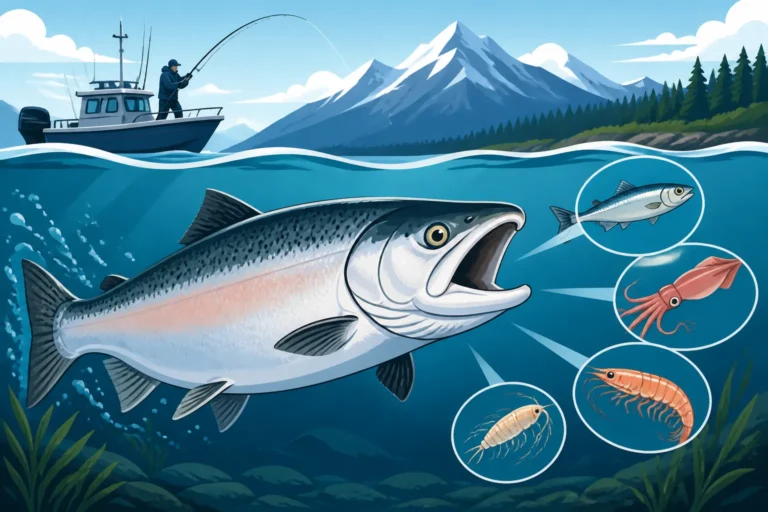
While less pronounced than the spawning migration, a salmon's diet in the ocean does contribute to its flavor and fat content. Chum salmon are primarily pelagic feeders, meaning they consume a diverse diet of zooplankton, small crustaceans, and smaller fish like herring and sand lance. This diet contributes to their good fat content and, consequently, their flavor profile. They often have a rich, yet not overly "fishy," taste, making them a favorite for many culinary applications, especially smoking.
Unlike some other salmon that might have a more distinct flavor profile linked to a very specific diet (e.g., sockeye's red color from krill), chum's generalist diet gives its flesh a more neutral, versatile base. This allows the fish to take on flavors from seasonings and marinades exceptionally well, making it a chef's dream for experimentation. The quality of their ocean feeding grounds directly impacts how much fat they've accumulated before their freshwater journey, meaning a well-fed chum from nutrient-rich waters will always taste better.
From River to Table: Best Ways to Prepare Chum Salmon
So, you've landed a beautiful, bright chum salmon. Now what? This is where chum truly shines as a versatile culinary ingredient. Forget the old "dog salmon" prejudice; with the right preparation, you can elevate this often-misunderstood fish into a delectable meal. Its firm flesh (when ocean-bright) and good oil content make it suitable for a wide array of cooking techniques.
The Art of Smoking and Curing Chum Salmon
If there's one preparation method where chum salmon truly excels, it's smoking and curing. The texture and fat content of a bright chum are perfectly suited for absorbing smoky flavors and retaining moisture during the curing process. Many seasoned Alaskan processors and home smokers actually prefer chum for their smoked salmon products because it holds together well and takes on flavor beautifully. This is why you'll find it widely used in commercial smoked salmon operations.
To get started, a good brine is essential. You'll want a balance of salt, sugar, and your favorite spices (like garlic powder, black pepper, brown sugar, or even a touch of maple syrup). Brine the fillets for several hours or overnight, then allow them to air dry and form a pellicle – a slightly tacky surface that helps smoke adhere. Whether you're using a hot smoker for flaky, ready-to-eat pieces or a cold smoker for lox-style fillets, the results with chum are consistently excellent. Many people invest in quality home smokers, and you can find a wide range of reliable options, along with various wood chips and brining salts, on Amazon to help you perfect your technique. This method transforms even a slightly less-than-prime chum into something truly special. For more inspiration, check out our guide on the Best Salmon for Smoking from Alaska.
Grilling, Baking, and Pan-Searing Fresh Chum
For those prized, ocean-bright chum fillets, simple cooking methods like grilling, baking, or pan-searing are fantastic. Because the flesh is firm and flavorful, it doesn't need much fuss. When grilling, a light brush of olive oil, a squeeze of lemon, and a sprinkle of salt and pepper are often all you need to highlight its natural taste. Cook it skin-side down first to crisp the skin and prevent sticking, then finish on the flesh side until it's just opaque in the center. Avoid overcooking, as this can dry out any salmon, including chum.
Baking is another gentle method that works wonderfully. Wrap a seasoned fillet in foil with some herbs, citrus slices, and a splash of white wine or broth to keep it moist. Bake at around 375-400°F (190-200°C) for 12-15 minutes, depending on thickness. For pan-searing, a hot skillet with a little oil will give you a beautiful crust. Pat the fillets dry before searing to ensure a good sear. These methods truly let the inherent quality of the bright chum salmon shine, offering a delicious, healthy meal. Our article on the Best Salmon for Grilling from Alaska provides additional tips that apply well to prime chum.
Versatile Culinary Applications Beyond the Filet
Beyond the traditional fillet preparations, chum salmon is incredibly versatile. Its robust flavor, especially when smoked, makes it an excellent candidate for dishes where salmon isn't the sole star. Think about making delicious salmon patties or croquettes; the firm texture of good chum holds up well when flaked and mixed with binders. You can serve these with a creamy dill sauce or a zesty aioli.
Chum salmon also works beautifully in stews, chowders, or even curries. The meat stays together nicely and infuses the broth with a delicate salmon flavor. For a quick and easy meal, flaked cooked chum can be added to salads, wraps, or used as a filling for tacos. If you find yourself with an abundance of chum, consider canning it for long-term storage, a popular method in Alaska. A good pressure canner is an invaluable tool for this, and many reliable models, along with canning jars and accessories, are readily available on Amazon. With a little creativity, a bright chum salmon can become a staple in your kitchen.
A Smart and Sustainable Choice: Health and Environmental Benefits
Beyond its culinary potential, choosing to eat Alaska chum salmon offers compelling benefits for both your health and the environment. In an age where sustainable food choices are increasingly important, chum salmon stands out as an abundant, nutritious option that often gets overlooked.
Nutritional Powerhouse: More Than Just Protein
Like all wild Alaskan salmon, chum salmon are a nutritional powerhouse. They are an excellent source of lean protein, essential for muscle repair and overall body function. More notably, they are rich in Omega-3 fatty acids, particularly EPA and DHA. These "good fats" are crucial for heart health, brain function, reducing inflammation, and even improving mood. While their Omega-3 content might be slightly less than a King salmon, it's still significantly higher than many other protein sources and highly beneficial.
In addition to protein and Omega-3s, chum salmon also provide a wealth of vitamins and minerals. They are a good source of Vitamin D, which is important for bone health and immune function, as well as several B vitamins (B6, B12, Niacin), which play vital roles in energy metabolism. You'll also find minerals like selenium, a powerful antioxidant, and phosphorus, essential for strong bones and teeth. Making chum salmon a regular part of your diet means you're consuming a nutrient-dense food that supports a healthy lifestyle.
Abundance and Conservation: A Sustainable Alaskan Catch
One of the most compelling reasons to embrace chum salmon is their incredible abundance and the robust management practices that ensure their sustainability. Alaska's salmon fisheries are world-renowned for their meticulous scientific management, and chum salmon populations are generally healthy and plentiful across the state. They have large, widespread runs, particularly in regions like Bristol Bay and Southeast Alaska, making them a reliable and responsible choice for seafood consumers. The Alaska Department of Fish and Game (ADF&G) carefully monitors all salmon runs, including chum, to ensure that enough fish escape to spawn, maintaining healthy populations for future generations.
Unlike some other salmon species that might face more intense fishing pressure or conservation concerns in certain years or regions, chum salmon often represent an underutilized resource. By choosing to catch and consume chum, anglers and consumers are helping to diversify demand, reducing pressure on other species, and supporting a healthy ecosystem. Many anglers participate in personal use fishing in Alaska, where chum salmon can be a significant part of the harvest, further emphasizing their availability. If you're looking for a sustainable wild-caught fish, Alaska chum salmon is an excellent choice that you can feel good about putting on your plate.
| Factor | Ocean-Bright Chum Salmon | Spawning-Phase Chum Salmon |
|---|---|---|
| Appearance | Sleek, metallic silver, firm body | Dark, mottled colors (green, purple, red), hooked jaw, soft body |
| Flesh Color | Light orange-pink | Pale, sometimes grayish or white |
| Texture | Firm, flaky, moist | Soft, mushy, watery |
| Flavor | Mild, clean, pleasant salmon taste | Bland, sometimes "muddy" or unappetizing |
| Fat Content | High, rich in Omega-3s | Low, depleted for spawning |
| Best Uses | Grilling, baking, pan-searing, smoking, curing, canning | Smoking (with heavy brining), fish cakes, pet food |
| Catch Location | Near ocean, estuaries, lower river sections | Far upriver, near spawning grounds |
Disclaimer
Please remember that fishing regulations in Alaska can change frequently due to emergency orders and conservation efforts. Always consult the current Alaska Fishing Regulations Explained booklet and check for any emergency orders from the Alaska Department of Fish and Game (ADF&G) before heading out on your fishing trip. This guide is for informational purposes only and does not replace official regulations.