When Are Sockeye in Season in Alaska
Planning an Alaska fishing trip can feel like a high-stakes gamble, especially when you're targeting a specific species like the feisty sockeye salmon. There’s nothing more disheartening than arriving in the Last Frontier only to find the run hasn't started, or worse, has already passed its prime. This comprehensive guide will pull back the curtain on when sockeye salmon are in season across Alaska, offering you the detailed insights needed to time your adventure perfectly and experience the thrill of a lifetime.
Understanding the Alaska Sockeye Salmon Season
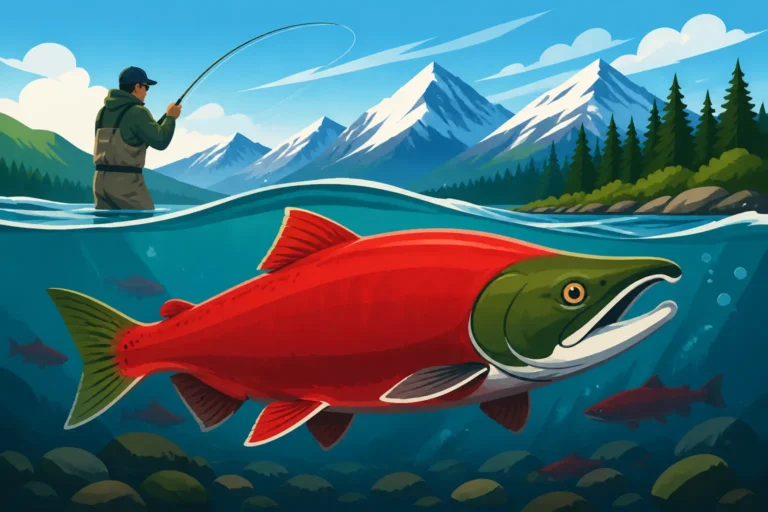
Alaska’s sockeye salmon, often called "reds" for their brilliant scarlet spawning colors, are a highly sought-after species, both for their incredible fighting spirit and their delicious, firm red meat. Their runs are a cornerstone of Alaska's summer, attracting anglers from around the globe. However, pinning down an exact, universal "sockeye season" is a bit like trying to predict the weather a year in advance – it's complicated. The season is a dynamic window influenced by many natural variables, but there are definitely general patterns to guide your planning.
The General Calendar Window for Sockeye
Generally speaking, you can expect sockeye salmon to begin their migrations into Alaska's freshwater systems from late May through late August, with peak activity typically falling within July. This broad window encompasses a massive geographic area, from the rivers of Southeast Alaska up through Prince William Sound, Cook Inlet, and west to Bristol Bay. Different river systems and even different populations within the same river can have distinct run timings. Think of it as a rolling wave: it starts in one area, builds, peaks, and then moves on to the next, like a domino effect across the state.
For example, the Copper River in Southcentral Alaska often sees the earliest push, with sockeye starting to show up in late May. As June progresses, other systems, particularly those feeding into Cook Inlet and Bristol Bay, start to get some action. By mid-July, many rivers are absolutely brimming with sockeye, offering some of the most exciting fishing opportunities of the year. The runs can extend into August, especially in northern or interior systems, but by then, many fish are beginning to show their spawning colors and are less desirable for table fare.
Why Timing is Everything for Sockeye Fishing
Timing your sockeye trip is paramount because these fish are on a mission. Unlike other salmon that might linger in estuaries or feed aggressively once they enter fresh water, sockeye are primarily focused on getting to their spawning grounds. This means their behavior, and thus their catchability, can change rapidly. If you hit the run too early, you might find sparse numbers. Too late, and the fish might be "dark" (having developed full spawning coloration and losing their prime eating quality) or have already moved past prime fishing areas.
The peak of the run often coincides with a short but intense period of high-volume fishing, where daily limits can be achieved relatively quickly. Missing this window by even a week can mean the difference between landing dozens of bright red salmon and struggling to find a handful of tired, discolored fish. Understanding these nuances helps you not only plan when to go but also where to focus your efforts. This dynamic nature is why anglers often closely monitor Alaska Salmon Run Timing Explained for their chosen destination.
Key Sockeye Hotspots and Their Run Timings
Alaska is blessed with countless rivers that host sockeye salmon, but a few stand out for their sheer volume and popularity. Knowing the typical run schedules for these prime locations is crucial for effective trip planning.
Kenai River Sockeye Run Details
The Kenai River, flowing through Alaska's Kenai Peninsula, is arguably the most famous sockeye fishery in the world. It experiences two distinct sockeye runs, offering anglers multiple chances to experience the action.
- First Run (Late May – Early July): The early run of Kenai sockeye typically begins in late May and continues through early July. These fish are primarily bound for the Russian River, a tributary of the Kenai, as well as some smaller lakes and streams. While smaller in number compared to the second run, these early fish are often bright and aggressive. Fishing during this period, especially on the Russian River, can involve what's affectionately known as "combat fishing," where anglers stand shoulder-to-shoulder, casting for these strong-willed salmon. Checking Russian River Sockeye Fishing Guide can give you more specific details on this intense experience.
- Second Run (Mid-July – Mid-August): This is the behemoth, the run that put the Kenai on the map. Starting around the second week of July and continuing strong through the first half of August, the second run sees millions of sockeye salmon flood the Kenai River. These fish are destined for the mainstem Kenai and its numerous upstream spawning grounds. It's during this time that daily bag limits are often met quickly, and the river turns into a vibrant, bustling scene of anglers, guides, and fish processors. If you're looking for an unforgettable experience, timing your trip for the heart of the second run is often the goal, but be prepared for crowds. Keeping an eye on forecasts for How to Time the Kenai Sockeye Run is essential.
Bristol Bay's Massive Sockeye Fisheries
When you talk about sockeye salmon, you simply cannot ignore Bristol Bay. This region in Southwest Alaska boasts the largest sockeye salmon run on Earth, accounting for over half of the world's wild sockeye harvest. While much of this fishery is commercial, there are incredible sportfishing opportunities in its myriad rivers.
- Peak Season (Late June – Late July): The Bristol Bay sockeye run is incredibly concentrated, usually peaking from late June through late July. Rivers like the Nushagak, Naknek, and Kvichak become absolutely choked with fish. This isn't just a "run"; it's a migration of unimaginable scale, where millions upon millions of sockeye surge upstream. Fishing here often involves fly-out trips to remote lodges or camps, offering a true wilderness experience. The sheer numbers mean that, even outside the absolute peak, there are usually plenty of fish to be caught. Planning a trip to this region usually requires significant advance booking, often a year or more out, given the limited number of lodges and guides. For comprehensive information, consult a Bristol Bay Fishing Guide.
Other Notable Rivers and Their Cycles
While the Kenai and Bristol Bay get a lot of attention, Alaska has many other fantastic sockeye rivers, each with its own unique timing.
- Copper River (Late May – Mid-July): Famous for its early, prized sockeye, the Copper River begins to see its sockeye run as early as late May, continuing strongly through June and into mid-July. These fish are renowned for their high fat content and deep red flesh, a result of their long journey upstream. The dipnetting fishery here is also a major draw for Alaska residents. You can learn more about its specific dynamics in a Copper River Fishing Guide.
- Kasilof River (Early June – Mid-August): Just south of the Kenai, the Kasilof River also hosts strong sockeye runs. Its timing often mirrors the Kenai, with an early run in June and a larger second run peaking in July and August. It can offer a slightly less crowded alternative to the Kenai, especially during the peak of the second run.
- Susitna River Drainage (July – Early August): Rivers like the Deshka and Talkeetna, part of the vast Susitna River drainage north of Anchorage, see good sockeye numbers primarily in July and early August. These are often popular spots for road-system anglers looking for convenient access.
Here's a quick overview of typical sockeye run timings in some of Alaska's key rivers:
| River System | General Run Window | Peak Period (Approx.) | Key Characteristics |
|---|---|---|---|
| Copper River | Late May – Mid-July | Early June – Early July | Earliest run, high fat content, strong currents |
| Russian River | Early June – Early July | Mid-June – Early July | First Kenai run, combat fishing, fly-fishing focus |
| Kenai River | Mid-July – Mid-August | Late July – Early August | Massive second run, prolific, popular for guided trips |
| Kasilof River | Early June – Mid-August | Late July – Early August | Often parallels Kenai, good alternative |
| Bristol Bay Rivers | Late June – Late July | Early July – Mid-July | World's largest run, remote fly-out lodges |
| Susitna Drainage | July – Early August | Mid-July – Late July | Road-system access, good for local anglers |
Factors That Influence Sockeye Run Timing
While historical data provides a great baseline, sockeye salmon runs are a product of nature, and nature is wonderfully unpredictable. Several environmental factors can subtly (or not so subtly) shift the timing and intensity of the runs each year.
Environmental Variables and Their Impact
- Water Temperature: This is perhaps the most significant influencer. Sockeye salmon prefer specific water temperatures for their migration. If river temperatures are unusually cold due to heavy snowmelt or a cool spring, the run might be delayed. Conversely, warmer-than-average ocean or river temperatures can sometimes accelerate the migration, pushing fish into rivers earlier. These temperature shifts can impact their metabolism and urge to spawn.
- Snowpack and Water Levels: Heavy snowpacks in the mountains can lead to prolonged spring runoff, resulting in high and murky river conditions well into summer. While sockeye are incredibly strong swimmers, consistently high water can sometimes spread fish out or make them harder to target. Low snowpack and subsequent lower water levels can concentrate fish but may also lead to earlier warming and stress.
- Ocean Conditions: The health and timing of sockeye returns are also largely dependent on conditions in the North Pacific. Food availability, ocean temperatures, and predator populations can affect the overall size of the return and when the fish decide to "stage" at river mouths before making their final push upstream. A strong, nutrient-rich ocean year often correlates with a robust and timely return.
- Tides: For coastal rivers, especially those with strong tidal influences like many in Cook Inlet, incoming tides can play a role in pushing fresh schools of salmon into the river systems. Many anglers time their efforts around these tidal shifts, looking for that fresh influx of fish.
The Role of Forecasts and Emergency Orders
Given the variability, it’s not enough to just know the historical season. You must stay informed with current data as your trip approaches and even during your stay.
- Annual Forecasts: The Alaska Department of Fish and Game (ADF&G) releases highly anticipated sockeye run forecasts annually, typically in the late winter or early spring. These forecasts provide projections for the total number of fish expected to return to specific river systems. While projections, they offer the best scientific estimates and are invaluable for planning. They help anglers understand if a particular season is predicted to be strong or weak, which can influence where they choose to focus their efforts. You can often find detailed breakdowns in resources like How to Read Alaska Salmon Run Forecasts.
- Emergency Orders (EOs): Alaska's fisheries are managed dynamically to ensure sustainability. This means regulations, including bag limits, open/closed days, and even allowable gear, can change on a dime via Emergency Orders. These EOs are issued by ADF&G in response to real-time run data, escapement goals (the number of fish needed to reach spawning grounds), and harvest levels. For instance, if a sockeye run is weaker than expected, ADF&G might reduce bag limits or close fishing for a few days to allow more fish to pass. Conversely, if a run is exceptionally strong, limits might be increased.
- It is absolutely critical to check for emergency orders daily, especially if you are targeting a specific river during a critical period. Many local bait and tackle shops, charter operators, and the ADF&G website are excellent sources for the latest information. Missing an EO can lead to fines and confiscated fish, turning a dream trip into a nightmare. You can learn more about these critical updates by checking Alaska Fishing Emergency Orders Explained.
Planning Your Alaska Sockeye Fishing Adventure
With a better understanding of when and where sockeye salmon are in season, you're better equipped to plan your trip. But there are still a few more pieces to the puzzle to ensure a successful and enjoyable experience.
Essential Gear and Preparations
Fishing for sockeye is not for the faint of heart, and having the right gear is crucial. These fish are powerful, and the methods used to catch them (often "flossing" or "flipping") can be demanding on your tackle.
- Rods and Reels: A medium-heavy to heavy spinning rod, 8.5 to 10.5 feet long, paired with a robust spinning reel spooled with 30-50 lb braided line is standard. The longer rod helps with casting distance and line control in strong currents. For many, a good quality combo like those found on Amazon, rated for salmon, is a perfect starting point.
- Terminal Tackle: Sockeye are not typically biters in freshwater; they are focused on spawning. Therefore, methods often involve a heavy lead weight (1-2 ounces), a leader (20-30 lb monofilament or fluorocarbon), and a sharp, barbless hook (often size 2/0 or 3/0). You'll go through a lot of tackle due to snags, so bring plenty of extra weights and hooks. You can find excellent bulk deals on these consumables on Amazon, saving you precious fishing time once you arrive.
- Waders and Rain Gear: Alaska weather is notoriously unpredictable. Good quality breathable chest waders are essential for staying dry and comfortable, as you’ll often be standing in the river. A reliable rain jacket and waterproof pants are non-negotiable. Don't skimp on these items; being cold and wet will quickly dampen your enthusiasm. A wide variety of trusted brands are available on Amazon to help you prepare.
- Fishing License and Stamps: Don't forget your Alaska Fishing License: Complete Guide! If you’re a non-resident, you'll need to purchase one, and depending on what else you plan to fish for, you might need additional stamps, although typically not for sockeye. You can buy these online from the ADF&G website before you arrive, which is highly recommended. Make sure you understand Alaska Fishing License Age Requirements if traveling with family.
Booking Charters and Permits
For many visitors, especially those less familiar with Alaska's specific fishing techniques and regulations, booking a guided trip is a fantastic option.
- Guided Trips: An experienced guide knows the river, the techniques, and the current regulations. They'll provide all the necessary gear (though you'll still want your own rain gear and waders) and often handle fish processing. Whether you're targeting the Kenai, Kasilof, or a fly-out lodge in Bristol Bay, a guide can significantly increase your chances of success and safety. Be sure to book well in advance, especially for peak July dates, as the best guides fill up quickly. You can explore options by checking Alaska Fishing Charters: Complete Guide.
- Personal Use Fisheries: For Alaska residents, some specific "personal use" fisheries, like the famous Copper River dipnetting or the Kenai River personal use dipnetting, offer a unique way to harvest sockeye. These fisheries have their own specific seasons, permits, and regulations. If you're a resident, exploring Alaska Personal Use Fishing Explained can open up exciting opportunities.
- Harvest Records: Regardless of whether you’re guided or unguided, you'll need to be diligent about filling out your Alaska Harvest Record Card, especially for species like king salmon. While sockeye don't always require individual recording, understanding Alaska Harvest Record Card Explained is crucial for all anglers.
Understanding when sockeye are in season in Alaska involves more than just looking at a calendar. It requires appreciating the interplay of nature, paying close attention to forecasts and emergency orders, and being prepared with the right gear and knowledge. By doing your homework and planning strategically, you can stack the odds in your favor for an unforgettable sockeye salmon adventure.
Disclaimer
The information provided in this guide is for general informational purposes only and is subject to change. Alaska fishing regulations, seasons, and emergency orders can change rapidly. Always consult the official Alaska Department of Fish and Game (ADF&G) regulations and current emergency orders before engaging in any fishing activity. Your safety and adherence to all laws are your responsibility.