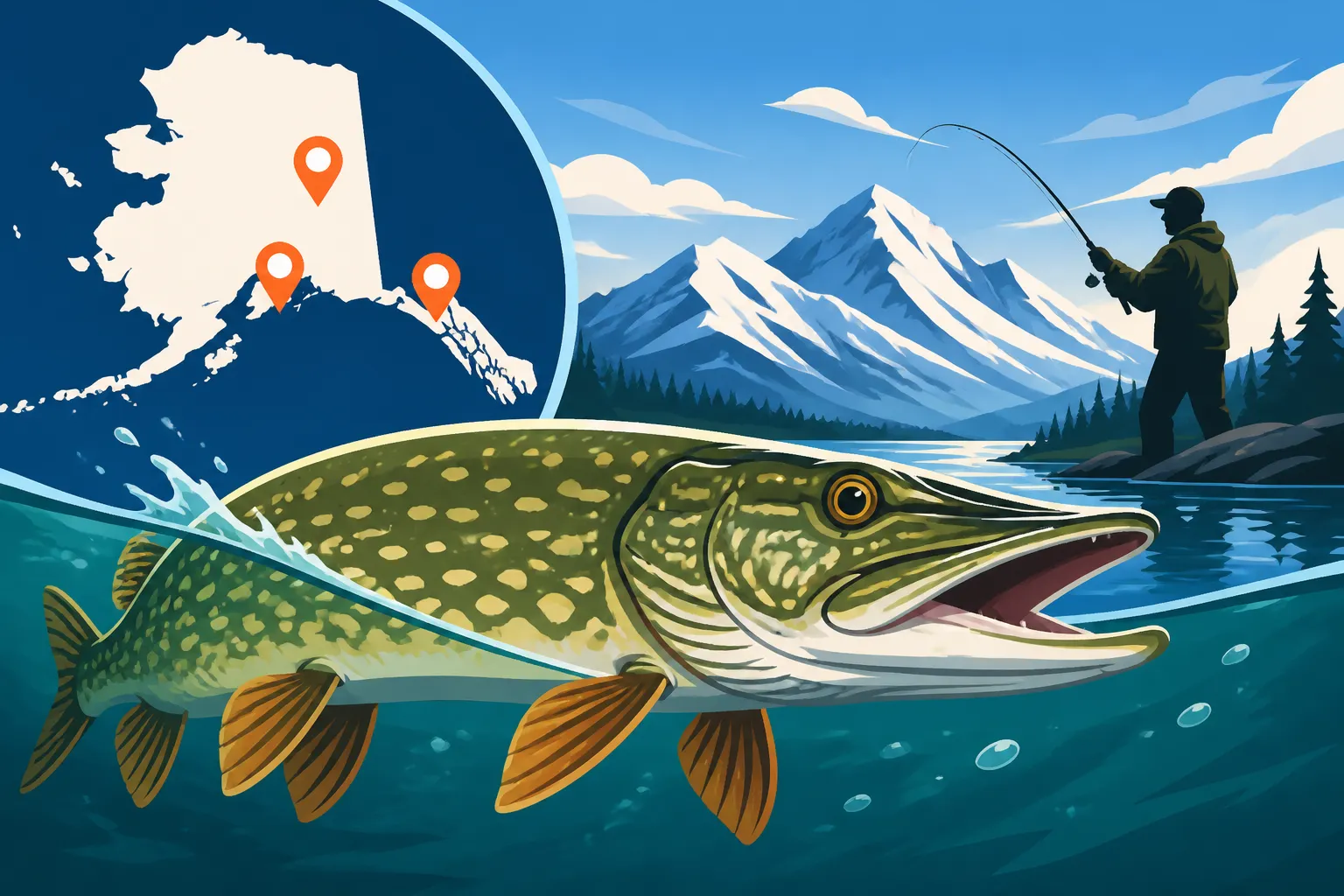
Where to Catch Northern Pike in Alaska
If you've ever cast a line in Alaska hoping to tangle with something large and toothy, only to come up short, you know the frustration of trying to pinpoint where to find Northern Pike. These formidable freshwater predators aren't everywhere, and they prefer very specific habitats. This comprehensive guide is here to cut through the guesswork, helping you understand exactly where these aggressive fish thrive across the Last Frontier and how to target them successfully.
Understanding Northern Pike Habitat in Alaska
Northern Pike are a bit different from Alaska's famous salmon and trout. They don't typically hang out in fast, cold, glacier-fed rivers. Instead, these ambush predators prefer environments that offer plenty of cover and warmer, often slower-moving, or stagnant water. Knowing their preferred haunts is the first step to unlocking some incredible pike fishing opportunities.
Key Environmental Factors for Pike
Northern Pike are true survivors, but they truly flourish in certain conditions. They love waters that are relatively shallow, often under 15 feet deep, especially during the warmer months when they're most active. This preference for shallower water means they're often found in lakes, sloughs, oxbows, and slower sections of rivers. Unlike salmon, which demand pristine, cold, oxygen-rich waters for spawning, pike are much more tolerant of varying water quality and can even thrive in systems that might seem less appealing to other game fish.
A crucial factor is water temperature. Pike become most active when water temperatures rise, typically into the 50s and 60s Fahrenheit (10-20°C). This is why you'll find some of the best pike fishing in Alaska during the late spring, summer, and early fall, particularly in lakes and slow-moving rivers that have had a chance to warm up under the endless Alaskan sun. They’re also prolific breeders, and areas with abundant aquatic vegetation provide excellent spawning grounds and nurseries for young pike.
Pike's Preferred Lie and Structure
When you're out on the water, looking for pike, think structure and cover. These fish are ambush predators, meaning they lie in wait, perfectly camouflaged, ready to explode on unsuspecting prey. Their preferred "lie" or hiding spots are almost always associated with some form of cover. This could be dense beds of submerged weeds, lily pads, fallen timber, brush piles, or even undercut banks. Any place where they can hide from their prey and surprise them is prime pike territory.
Imagine a lake filled with lily pads on one end and a section of drowned timber from an old beaver dam on the other. Both of these spots are going to be magnets for pike. They will position themselves on the edges of these structures, darting out to strike anything that swims by. So, when you're scouting a potential pike spot, don't just look for open water; actively seek out these complex underwater landscapes. Understanding these preferences will save you a lot of time and increase your chances of hooking into one of these freshwater giants.
Prime Regions for Northern Pike Fishing
While pike are certainly found throughout parts of Alaska, there are distinct regions where they truly dominate and offer exceptional fishing. These areas share common characteristics that make them ideal for these aggressive predators.
Interior Alaska's Hotspots
Interior Alaska is arguably the undisputed king when it comes to Northern Pike fishing. This vast region, characterized by its warmer summers, slower river systems, and countless lakes and sloughs, provides the perfect environment. The pike here are often native and have thrived for centuries, growing to impressive sizes.
The Minto Flats State Game Refuge, located northwest of Fairbanks, is perhaps the most famous pike destination in the entire state. This expansive network of lakes, sloughs, and shallow wetlands connected to the Chatanika and Tolovana Rivers is teeming with pike. Anglers often access it via boat from launching points near Fairbanks, or by air taxi for more remote sections. Minto Flats is a prime example of an ideal pike habitat: shallow, weedy, and rich in baitfish. You can expect to find good numbers of pike here, with many reaching trophy sizes. While some areas are accessible by road, the real gems often require boat travel deep into the refuge. For those considering an extended trip, exploring the nuances of Best Fishing Near Fairbanks would be highly beneficial.
Beyond Minto Flats, the broader Yukon River drainage offers immense potential. Tributaries, oxbow lakes, and sloughs connected to the mighty Yukon are often rich with pike. Communities like Tanana, Galena, and Fort Yukon, though remote, serve as gateways to areas where pike fishing can be phenomenal. These regions often feature vast expanses of relatively undisturbed wilderness, providing a truly wild fishing experience.
Southcentral Alaska's Hidden Gems
Southcentral Alaska presents a different, more complex picture for Northern Pike. While pike are native to Interior and Western Alaska, they were illegally introduced into Southcentral Alaska in the 1950s and 60s. Since then, they've spread to many lakes and river systems, particularly in the Matanuska-Susitna (Mat-Su) Valley. Here, they are largely considered invasive because they predate heavily on native salmon, trout, and char populations, often decimating them.
Because of their invasive status, regulations in Southcentral are generally more liberal, often encouraging anglers to retain all pike caught, regardless of size or bag limit. This makes for fantastic fishing opportunities, as many waters are bursting with pike. Popular spots in the Mat-Su Valley include Nancy Lake Recreation Area, with its numerous interconnected lakes like Nancy Lake, Big Lake, and Red Shirt Lake, which are all known for healthy pike populations. The Susitna River drainage also holds pike, particularly in its slower-moving sloughs and associated lakes. Anglers looking to explore this region should definitely look into Best Fishing in the Mat-Su Valley for detailed guidance.
While pike in Southcentral don't typically reach the behemoth sizes of their Interior counterparts, it's still possible to catch plenty of fish in the 20-30 inch range, with larger ones being caught regularly. The accessibility of many Mat-Su Valley lakes makes them a popular choice for local anglers and visitors alike.
Western Alaska's Remote Opportunities
For the truly adventurous angler seeking an unparalleled wilderness experience, Western Alaska offers some incredible, albeit remote, pike fishing. This region is characterized by vast, flat tundra, meandering river systems, and countless shallow lakes.
The Bristol Bay region, famous worldwide for its salmon runs, also harbors excellent pike fishing in many of its smaller, warmer tributaries and associated lakes. While anglers often focus on the salmon, those who branch out can find incredible pike action. Rivers like the Nushagak River and Naknek River systems, while primarily salmon destinations, have numerous backwaters and side channels where pike lurk. It’s a fantastic opportunity for a multi-species trip if you plan it right.
Further west, the immense Yukon-Kuskokwim Delta is a mosaic of tundra, wetlands, and slow-moving rivers. This expansive, roadless area is a natural stronghold for native pike. Access is almost exclusively by bush plane or boat, often requiring the services of a Alaska Fly-In Fishing Lodges Guide or specialized air taxi. The sheer remoteness means these waters see very little fishing pressure, allowing pike to grow large and aggressive. Areas around Bethel and other smaller communities in the delta can serve as starting points for these epic trips.
When planning for these remote trips, understanding the unique challenges and regulations is key. Many anglers choose to use Alaska Fishing Charters: Complete Guide or guided services to navigate these wild areas safely and effectively.
Top Specific Lakes and Rivers for Northern Pike
Now that we've covered the broader regions, let's dive into some specific locations that consistently deliver for Northern Pike anglers. Whether you're looking for easily accessible spots or a true wilderness adventure, Alaska has a pike hotspot for you.
Well-Known Public Access Locations
For those who prefer to drive to their fishing spot, Southcentral and Interior Alaska offer several excellent choices.
- Nancy Lake Recreation Area (Mat-Su Valley): This is a fantastic option with a network of interconnected lakes, including Nancy, Big, and Red Shirt Lakes. You can rent canoes or kayaks, or launch your own small boat. The shallow, weedy nature of these lakes makes them ideal pike habitat. In late spring and summer, the pike are often found cruising the weed lines. Anglers often have great success with topwater lures and spoons thrown into pockets within the lily pads.
- Fish Creek (Mat-Su Valley): Flowing into Big Lake, Fish Creek is a well-known pike haven, especially in its slower sections and oxbows. It's easily accessible and offers good bank fishing opportunities. Many smaller boats and kayaks can navigate portions of it, allowing you to get away from the crowds.
- Susitna River Sloughs (Southcentral): While the main Susitna River is powerful and cold, its numerous sloughs and side channels, particularly those with less current, are excellent for pike. Locations like those near the Talkeetna area offer good potential, especially in early summer before water levels get too high. You'll often find these areas choked with aquatic vegetation, perfect for pike to ambush their prey.
- Cheney Lake (Fairbanks): Located right in Fairbanks, Cheney Lake is a stocked urban lake that also holds Northern Pike. While not known for trophy fish, it's a super convenient spot for residents and visitors to try their hand at pike fishing without a long drive. It’s a great place to hone your skills or introduce kids to fishing.
- 8 Mile Lake (Denali Highway): If you're looking for a roadside option in Interior Alaska with native pike, 8 Mile Lake on the Denali Highway is a popular choice. This shallow, vegetated lake offers good numbers of pike and is a scenic spot to boot. It's a bit of a drive, but the reward can be worth it.
Remote Fly-In Opportunities
For the adventurous angler seeking solitude and potentially larger, less pressured fish, fly-in trips open up a world of possibilities. These often involve chartering a bush plane (usually a floatplane) from hubs like Fairbanks, Anchorage, or Bethel.
- Minto Flats (Interior Alaska – Remote Sections): While parts of Minto Flats are accessible by boat, flying into more remote lakes and sloughs within the refuge can offer an even more incredible experience. These secluded spots often hold older, larger pike that have seen fewer lures. Many outfits offer day trips or multi-day camping trips into these areas.
- Yukon River Drainage Lakes (Interior Alaska): Numerous unnamed or locally known lakes and sloughs throughout the vast Yukon drainage are accessible only by air. These can be found near smaller communities like Tanana, Galena, or even directly from Fairbanks. A good air taxi pilot will often know hidden gems. These are truly wild fisheries, offering a chance at massive pike with virtually no competition.
- Kuskokwim River Delta Lakes (Western Alaska): The immense, roadless expanse of the Kuskokwim Delta is dotted with countless shallow lakes and sloughs. Many of these are connected to the Kuskokwim River and its tributaries, providing ideal pike habitat. Flying in from Bethel or other regional hubs can lead to incredible, untouched pike fishing. Expect a truly immersive wilderness experience with abundant wildlife.
- Lake Illiamna Region (Bristol Bay): While famed for its salmon and trout, the shallower, warmer bays and feeder lakes within the Lake Illiamna system and surrounding Bristol Bay watersheds hold substantial pike populations. Some remote lodges in the area offer specific pike fishing excursions, often as a complement to their salmon and trout programs. Exploring these diverse fisheries can truly showcase Best Fishing Spots in Alaska.
Remember, for remote fly-in trips, it's crucial to plan meticulously, hire experienced outfitters, and always prioritize safety. And, of course, ensure you have your Alaska Fishing License: Complete Guide in order, especially if you're a visitor, as costs can vary (e.g., How Much Is an Alaska Fishing License for Non-Residents).
Essential Gear and Techniques for Alaskan Pike
Hooking into a Northern Pike is an exhilarating experience, but they are tough fighters with a mouth full of razor-sharp teeth. Having the right gear and knowing the most effective techniques are paramount to success and safety.
Recommended Tackle and Lures
When it comes to tackle for Alaskan Northern Pike, think durable and strong. These fish can be surprisingly powerful, and their teeth are no joke.
Rods and Reels:
- Rods: A medium-heavy to heavy-action spinning or baitcasting rod, typically 6'6" to 7'6" long, is ideal. You need backbone to cast larger lures and to handle a thrashing pike. Brands like Ugly Stik or St. Croix offer great options that can withstand the abuse.
- Reels: Pair your rod with a reliable spinning reel in the 3000-4000 series or a robust baitcasting reel. Look for a reel with a smooth, strong drag system.
- Line: Spool up with 30-50 lb braided line. Braid offers superior strength, sensitivity, and casting distance. It's also less prone to abrasion from weeds.
- Leaders: This is non-negotiable for pike! You must use a steel, titanium, or heavy fluorocarbon leader (60-80 lb test) at least 10-12 inches long. Pike will bite through monofilament or standard fluorocarbon like butter, leading to lost fish and lures, and potentially injured fish. You can find pre-made leaders on Amazon or at local tackle shops.
Lures: Pike are not particularly finicky and will strike a variety of lures, especially those that create a lot of flash, vibration, or commotion.
- Spoons: Classic spoons like Dardevles, Five of Diamonds, and Johnson Silver Minnows in bright colors (red/white, orange, chartreuse) are incredibly effective. Sizes from 3/4 oz to 1.5 oz work well.
- Spinnerbaits: Large, flashy spinnerbaits with tandem blades are excellent, particularly in weedy areas where their weedless design shines. White, chartreuse, black, and yellow are popular colors.
- Topwater Lures: During summer, when pike are active in shallow, weedy areas, topwater baits like Heddon Super Spooks, Whopper Ploppers, or even large poppers can trigger explosive strikes. The visual thrill of a pike exploding on a topwater lure is unmatched!
- Soft Plastics: Large swimbaits (4-8 inches) or curly tail grubs rigged on heavy jig heads (1/2 oz to 1 oz) can also be very effective, especially when worked around structure.
- Crankbaits/Jerkbaits: Large, shallow-diving crankbaits or suspending jerkbaits can entice strikes, particularly when retrieved erratically.
- Flies (for fly anglers): Big, flashy streamers tied on stout hooks (sizes 2/0-4/0) are fantastic. Patterns like pike bunnies, Dahlberg Divers, or large Gartside Gurglers can be deadly. You'll need a fast-action 8-10 weight fly rod and a heavy-duty reel for these. If you're into fly fishing, a deeper dive into How to Fly Fish in Alaska might be useful.
For a comprehensive list of what to pack, you might want to review an Alaska Fishing Gear and Tackle Guide. Remember, having a pair of long-nose pliers or a jaw spreader is essential for safely removing hooks from a pike's mouth. A sturdy landing net is also a good idea. Many of these specialized items are readily available on Amazon for convenient shipping.
Best Fishing Methods for Pike
Pike fishing often involves covering water and targeting specific types of cover.
- Casting and Retrieving: This is the most common method. Cast your chosen lure (spoon, spinnerbait, or soft plastic) near weed lines, submerged logs, or other structures. Retrieve it at a steady pace, varying your speed and adding twitches or pauses to entice strikes. Pike often hit on the pause or as the lure changes direction.
- Trolling: In larger lakes or slower river sections, trolling can be very effective, especially when trying to cover a lot of water. Use larger spoons or crankbaits and troll along depth contours or parallel to weed beds. Ensure your leader is strong enough to withstand strikes.
- Twitching and Jerking: For topwater lures and jerkbaits, an erratic retrieve is key. Cast out, let the ripples subside, then twitch or "walk the dog" with your lure. The stop-and-go action often triggers aggressive strikes from lurking pike.
- Fly Fishing: For fly anglers, presenting large streamers into shallow, weedy bays or along marshy shorelines is incredibly exciting. Use a short, heavy leader with a bite guard and strip the fly aggressively. The take can be explosive! Our guide on How to Catch Northern Pike in Alaska delves into these techniques in more detail.
- Ice Fishing: Pike are active under the ice! Tip-ups baited with large smelt, herring, or sucker minnows are very effective. Jigging with large spoons or lipless crankbaits can also produce fish. Ice fishing offers a unique way to target them during the colder months.
Remember to always be aware of your surroundings, especially in remote areas. Alaskan wildlife, including bears, share these pristine fishing grounds.
Here's a quick overview of some top pike fishing locations in Alaska:
| Region | Primary Locations | Accessibility | Typical Pike Size | Best Time to Fish | Notes |
|---|---|---|---|---|---|
| Interior Alaska | Minto Flats, Yukon River Sloughs, 8 Mile Lake | Remote to Moderate | 25-40+ inches, Trophy potential | June – September | Native pike, best for wilderness experience, often requires floatplane. |
| Southcentral | Nancy Lake Recreation Area, Fish Creek, Susitna Sloughs | Road Accessible | 20-30 inches, occasional larger | May – September | Invasive pike, liberal regulations, good for boat/kayak. |
| Western Alaska | Kuskokwim Delta Lakes, Bristol Bay Tributaries | Very Remote (Fly-in) | 25-35+ inches, Trophy potential | July – Early September | Untouched wilderness, strong native populations, requires guided trips. |
Before heading out, always double-check the current Alaska Northern Pike Regulations and Limits with the Alaska Department of Fish and Game, as rules can change, especially concerning invasive species management in Southcentral. Understanding Alaska Fishing Regulations Explained in general is always a smart move.
Disclaimer
The information provided in this guide is for general informational purposes only and is subject to change. Fishing regulations, seasons, and access can vary greatly depending on location and time of year. Always consult the most current Alaska Department of Fish and Game regulations before planning any fishing trip to ensure compliance. Safety in the Alaskan wilderness is paramount; be prepared for changing weather conditions and wildlife encounters.