What to Expect on a Bristol Bay Fly-Out
Dreaming of an Alaska fishing trip often conjures images of pristine, untouched wilderness, and nowhere delivers on that promise quite like a Bristol Bay fly-out adventure. But let's be real, the idea of flying into the middle of nowhere for a fishing trip can feel a bit overwhelming, leaving many wondering what they're actually signing up for. This guide is here to pull back the curtain, detailing precisely what you can expect when you embark on a fly-out fishing trip to the legendary Bristol Bay region, from the moment you book to the minute you head home with your fish.
The Allure of Bristol Bay Fly-Out Fishing
There's a reason Bristol Bay holds such an iconic status in the fishing world, and it’s not just the sheer number of fish. It's the entire experience – the untouched landscapes, the sense of true wilderness, and the feeling of being utterly removed from the hustle and bustle of everyday life. This isn't your roadside fishing hole; it's an immersive journey into the heart of Alaska's wild.
Why Bristol Bay Stands Out
Bristol Bay isn't just a fishing destination; it's often considered the fishing destination for Pacific salmon, particularly sockeye. Imagine rivers so thick with migrating salmon that the water literally turns red. This region, encompassing rivers like the Nushagak, Naknek, and Alagnak, hosts the largest sockeye salmon run in the world, a spectacle that draws anglers from every corner of the globe. But it’s not just about salmon; these waters are teeming with formidable rainbow trout, Dolly Varden, Arctic grayling, and even some powerful King salmon. The sheer biomass of fish is staggering, creating an ecosystem that provides unparalleled angling opportunities. It's a place where catch rates can be incredibly high, making it a dream for both seasoned anglers and those looking for an unforgettable experience.
The Thrill of Remote Access
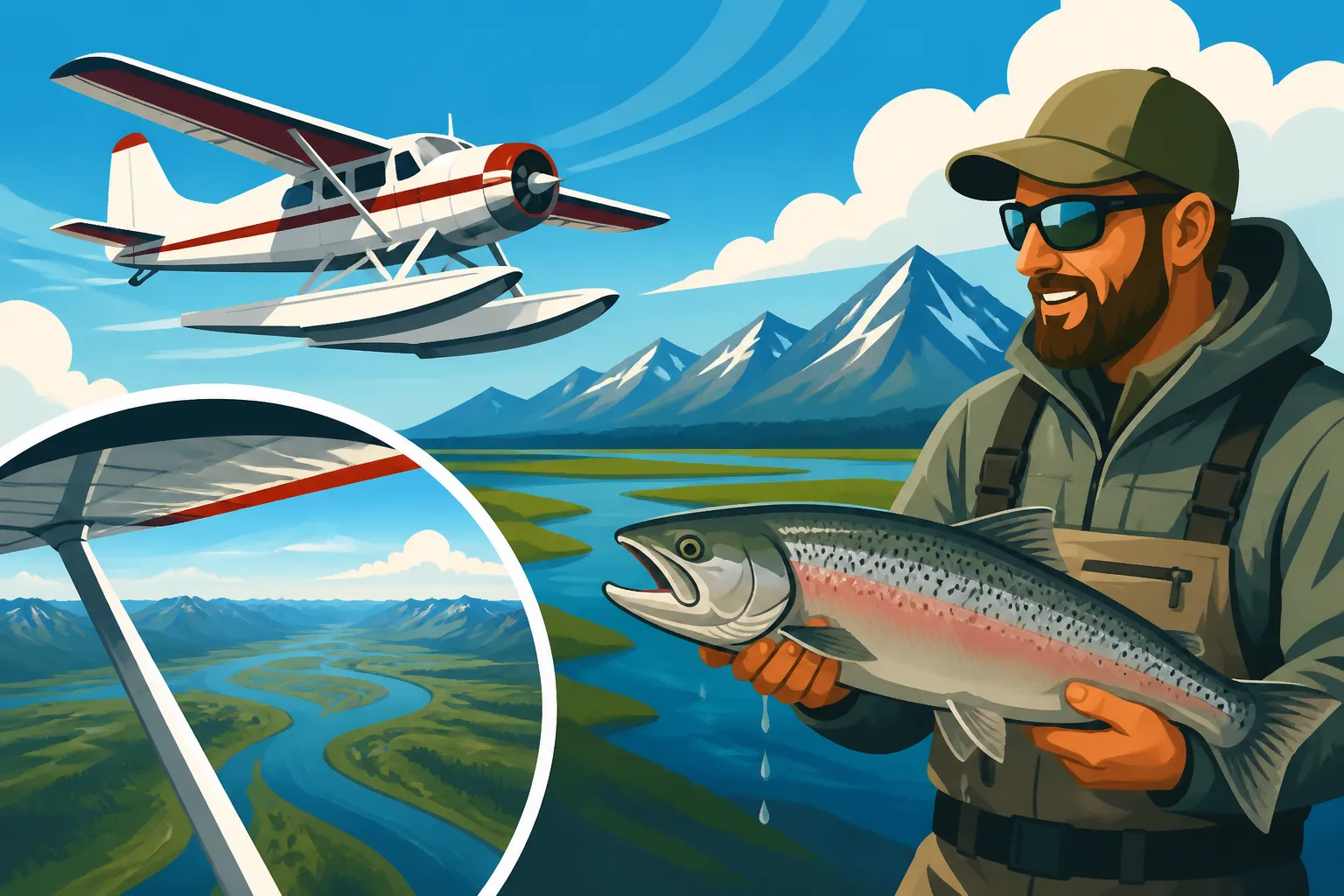
What truly sets a Bristol Bay fly-out apart is the "fly-out" part itself. You won't be driving to these lodges or remote camps. Instead, your adventure begins with a bush plane flight, often in a de Havilland Beaver or Otter, from regional hubs like King Salmon or Dillingham. This isn't just transportation; it's an integral part of the experience. As your plane dips and weaves over vast tundras, winding rivers, and towering mountains, you get an aerial perspective of the immense wilderness you're about to enter. The journey itself builds anticipation, giving you a glimpse into the raw beauty and scale of Alaska that few ever get to witness. Landing on a remote airstrip or even directly on a river, miles from any road or town, instantly immerses you in a level of solitude and natural grandeur that's increasingly rare in our crowded world.
Planning Your Bristol Bay Fly-Out Adventure
Planning any trip to Alaska can feel like a monumental task, but a fly-out trip to Bristol Bay adds another layer of complexity. It's not just about flights and accommodation; it's about securing access to truly remote locations, understanding logistics, and making sure you have the right gear for an environment that demands respect.
Booking and Logistics: Getting There
The first step is securing your spot, and these trips book up fast, often a year or more in advance, especially for prime season dates. Most anglers fly commercially to Anchorage (ANC), then connect to a regional flight to a gateway town like King Salmon (AKN) or Dillingham (DLG). From there, your lodge or outfitter will coordinate your bush plane transfer directly to their camp or a designated drop-off point. This leg is typically included in your package.
When you're looking to book, reputable platforms like FishingBooker can be incredibly helpful for comparing different lodges and outfitters, reading reviews, and understanding what each package includes. They help streamline what can otherwise be a daunting search. Make sure you confirm all transfer details with your chosen operator – timing, baggage limits on bush planes (which are often strict), and any intermediate stops. Understanding the full journey, from your home airport to the lodge's doorstep, is crucial for a smooth start to your adventure. For detailed information on flights and other travel arrangements, it can be useful to consult resources like How to Plan an Alaska Fishing Vacation to get a broader overview of Alaskan travel.
Choosing the Right Outfitter or Lodge
Bristol Bay offers a spectrum of fly-out experiences, from rustic tent camps focused purely on fishing, to luxurious all-inclusive lodges with gourmet meals and private cabins. Your choice will largely depend on your budget, desired comfort level, and the specific fish species you're most eager to target.
Consider these factors when choosing:
- Location and Access: Some lodges are situated on a single prime river, offering daily fly-outs to different beats. Others might have a home base and rely entirely on daily fly-outs to various rivers and streams, providing immense variety.
- Fishing Focus: Are you solely after King salmon? Or is a mixed bag of sockeye, rainbow trout, and Dolly Varden more appealing? Confirm which species are prevalent during your chosen dates and how the lodge targets them. For a deeper dive into target species, you might check out Alaska Fish Species Guide.
- Guide-to-Guest Ratio: A lower ratio (e.g., 1:2) means more personalized attention and flexibility.
- Accommodations and Amenities: Research what's included. Do they offer hot showers, private rooms, Wi-Fi? Or is it a more rugged, shared-tent experience?
- Food: Read reviews about the food. After a long day of fishing, a good meal makes all the difference!
- Reputation: Look for established outfitters with strong safety records and positive angler testimonials. Using platforms like FishingBooker can help you filter options and read verified reviews, giving you confidence in your selection.
Essential Gear and Packing Considerations
Packing for a Bristol Bay fly-out requires careful thought due to strict weight limits on bush planes (often 50-70 pounds per person, including carry-ons!). The weather in Alaska is notoriously unpredictable, so layering is key.
Here’s a general packing list:
- Fishing Gear:
- Rods: Typically 8-9 weight for salmon, 6-7 weight for trout. Bring a backup!
- Reels: Durable, with a good drag system and plenty of backing.
- Line: Floating line, sink-tip lines, and plenty of leaders and tippet.
- Flies/Lures: Your outfitter will provide a list, but common flies include Sockeye Bombers, weighted flesh patterns, Dolly Llamas, and various egg patterns. For spin fishing, bring an assortment of spinners (e.g., Flying C, Pixee), spoons, and drift gear. Need more ideas? Take a look at Alaska Fishing Gear and Tackle Guide.
- Apparel:
- Waders and Boots: High-quality breathable chest waders are essential. Neoprene or felt-soled wading boots are generally preferred, but check with your lodge regarding regulations on felt soles (some areas restrict them due to invasive species concerns).
- Rain Gear: Top-tier waterproof and breathable jacket and pants are non-negotiable. Think brands like Simms or Patagonia.
- Layering: Thermal base layers, fleece mid-layers, down vest or jacket for warmth.
- Headwear: Warm hat, brimmed hat for sun protection.
- Gloves: Fingerless gloves for fishing, warmer waterproof gloves for cold or wet conditions.
- Socks: Wool or synthetic, plenty of pairs.
- Essentials:
- Polarized sunglasses (crucial for spotting fish and eye protection).
- Sunscreen and insect repellent (the mosquitoes can be legendary).
- Small backpack/day pack for daily essentials.
- Camera with extra batteries.
- Headlamp or small flashlight.
- Personal medications.
- Small first-aid kit.
- Cash for gratuities (typically 15-20% of your trip cost).
Most lodges provide rods, reels, and tackle, but serious anglers often prefer their own. Always confirm with your outfitter what they supply and what you should bring.
On the River: Fishing Expectations and Techniques
Once you've arrived and settled in, the real magic begins: the fishing. A Bristol Bay fly-out trip isn't just about catching fish; it's about the unique challenges and immense rewards of fishing in a truly wild environment.
Target Species and Prime Seasons
Bristol Bay is renowned for its diverse fishery, but understanding the seasonal timing is crucial for setting your expectations.
| Month | Primary Target Species | Secondary Species & Notes |
|---|---|---|
| June | King Salmon, Rainbow Trout | Early Sockeye runs start late June. Trout fishing excellent as they feed on salmon smolt. Arctic Grayling also active. Often the best time for trophy King Salmon. |
| July | Sockeye Salmon, King Salmon | Peak Sockeye runs. Excellent rainbow trout fishing (pre-spawn egg feast). Chum and Pink Salmon start to arrive. A truly phenomenal month for sheer numbers. |
| August | Silver Salmon, Rainbow Trout | Sockeye still present but finishing. Silver Salmon runs are strong. Rainbow trout fishing explodes as they gorge on salmon eggs. Dolly Varden also plentiful. |
| Sept | Silver Salmon, Rainbow Trout | Late Silver Salmon runs. Trophy rainbow trout fishing is at its prime, with fish aggressively feeding on decaying salmon flesh and eggs. Steelhead (some rivers) and Northern Pike also available. |
For a more granular view, check out Alaska Fishing Seasons: Month-by-Month Guide and Alaska Salmon Run Timing Explained. If King salmon are your primary goal, a deep dive into Alaska King Salmon: Complete Guide would be beneficial.
Common Fishing Techniques on a Fly-Out
Your guides are experts in these waters and will adapt techniques to current conditions and target species. However, be prepared for a variety of approaches:
- Fly Fishing: This is incredibly popular, especially for sockeye and rainbow trout. For sockeye, "flossing" with unweighted flies or small bead patterns is common, mimicking loose salmon eggs. For trout, you'll often be dead-drifting bead patterns or flesh flies below an indicator, or stripping streamers in deeper pools. When learning How to Catch Sockeye Salmon in Alaska, fly-fishing is often highlighted.
- Spin Fishing: For salmon, particularly Kings and Silvers, back-bouncing cured roe, tossing spinners (like Flying C, Vibrax), or casting spoons (Pixee, Kwikfish) are highly effective. For trout, smaller spinners and bait can also be productive.
- Drift Fishing: This technique involves letting your bait or lure drift naturally with the current, often with a small weight to keep it near the bottom. It's deadly for salmon holding in specific runs and for trout feeding in current seams. Guides often employ various drift fishing methods, making it one of the Best Fishing Techniques for Alaska.
Regardless of the technique, presentation is key. Many Alaska rivers are crystal clear, especially those further from the main channels, requiring careful casts and a stealthy approach.
Navigating Changing Conditions
One thing you can always expect in Bristol Bay is change. River levels can fluctuate dramatically with rain, affecting fish migration and access. Weather can shift from sunny and calm to windy and rainy in a matter of hours. Water temperatures, clarity, and even fish behavior can vary day to day.
Your guide will be constantly monitoring these conditions and will adjust your plan accordingly. Flexibility is paramount. Sometimes, a planned fly-out might be grounded due to fog or high winds, requiring a switch to a nearby accessible stream or a different technique. Embrace the unpredictability; it's part of the wild Alaska experience. Even experienced anglers sometimes get frustrated, but remember, the guides are there to maximize your chances given the day's realities. For up-to-the-minute details on regulatory changes that can impact your trip, regularly check emergency orders, as detailed in resources like Alaska Fishing Emergency Orders Explained.
Beyond the Fishing: What Else to Expect
While fishing is undoubtedly the main event, a Bristol Bay fly-out offers a much broader experience. It’s a full immersion into one of the planet’s last great wildernesses, complete with wildlife, breathtaking scenery, and the unique camaraderie forged in remote camps.
Wilderness Immersion and Wildlife Encounters
Being in Bristol Bay means you are truly in bear country. Brown bears (grizzlies) are abundant, drawn by the incredible salmon runs. It's not uncommon to see bears fishing on the same river you are, often just across the bank. Your guides are highly trained in bear safety and carry deterrents, but you must remain vigilant and follow their instructions. Seeing a bear in its natural habitat is an awe-inspiring, humbling experience that adds an unparalleled dimension to your trip.
Beyond bears, you might spot moose, caribou, eagles, wolves, and countless species of birds. The sheer scale of the landscape, with its endless tundra, braided rivers, and distant volcanic peaks, is breathtaking. Every moment spent in this environment is a reminder of nature's raw power and beauty. The isolation also offers a profound sense of peace, a rare commodity in our busy lives.
Comforts and Challenges of Remote Lodging
The level of comfort varies widely, but even the most luxurious lodges operate in remote settings, which comes with its own set of challenges. Electricity might be generated by a diesel generator and run on a schedule. Water might be heated by demand. Internet access, if available, is often satellite-based and limited. Cell service is generally non-existent.
However, remote lodges excel at making you feel at home despite the logistics. Expect delicious, hearty meals, often featuring fresh local ingredients and, of course, plenty of fresh fish. The communal atmosphere in many lodges fosters strong bonds among guests and staff, sharing stories of the day's catches around a warm fire or dining table. Staff typically work incredibly hard to ensure your stay is comfortable, from drying your waders overnight to preparing shore lunches. Don't forget that tipping on an Alaska Fishing Charter or lodge is customary and a great way to show appreciation for their tireless efforts.
Fish Care and Bringing Your Catch Home
Successfully catching fish is only half the battle; properly caring for your catch is equally important, especially if you plan to bring it home. Most fly-out lodges have excellent fish processing facilities.
Here's what to expect:
- Catch and Release: Many lodges and regulations encourage or mandate catch and release for certain species, especially for trophy rainbow trout and often for King salmon, particularly in conservation zones. Learn about Alaska Catch-and-Release Best Practices.
- Harvesting: For species like sockeye, silver, and often halibut (if combined with a saltwater trip), you'll have opportunities to harvest fish. Your guide will typically clean and bleed the fish immediately.
- Processing at the Lodge: Back at the lodge, staff will expertly fillet, portion, vacuum seal, and flash-freeze your catch. They'll often pack it into airline-approved fish boxes, ready for your journey home.
- Shipping: Some lodges offer direct shipping services, while others require you to transport your fish as checked luggage. Be sure to confirm airline policies regarding frozen fish coolers and factor in potential extra baggage fees. For a detailed breakdown of this process, resources like Fish Processing After an Alaska Charter and Alaska Fish Transport and Shipping Rules are invaluable. Remember to carefully track your bag limits, as explained in Alaska Fishing Limits and Bag Limits Explained.
A Bristol Bay fly-out fishing trip is more than just a vacation; it's an expedition. It demands preparedness, flexibility, and a deep appreciation for the wild. But for those willing to embrace the adventure, it offers an unparalleled connection to nature and a fishing experience that will forever be etched in your memory.
Disclaimer
The information provided in this guide is for general informational purposes only and does not constitute professional advice. Alaska fishing regulations, seasons, and conditions can change rapidly due to emergency orders. Always consult the latest regulations from the Alaska Department of Fish and Game (ADF&G) and communicate directly with your chosen lodge or guide service for the most current and accurate information before and during your trip. Fishing in remote areas carries inherent risks, and personal safety is paramount.