How to Choose Between Alaska Charters
Deciding on the perfect Alaska fishing charter can feel like trying to navigate a braided river system in a fog – overwhelming, confusing, and with so many paths, it's hard to know which one is right for you. Many aspiring anglers dream of the Last Frontier but get bogged down in the sheer volume of options, wondering if they're picking the right experience for their budget, desired catch, and skill level. This comprehensive guide will cut through the confusion, helping you understand the different types of charters available and the critical factors to consider, so you can confidently book the Alaskan fishing adventure of a lifetime.
Understanding Your Fishing Goals and Preferences
Before you even start looking at specific charters, it's absolutely vital to sit down and truly think about what kind of fishing experience you're hoping for. Alaska offers such an incredible diversity of angling opportunities that without a clear vision, you'll quickly get lost in the details. Are you a hardcore angler chasing a trophy, or is it more about enjoying the scenery and catching a few fish for dinner with the family? Your answers to these questions will be the compass guiding your choices.
What Species Are You Chasing?
The type of fish you want to catch is perhaps the most significant factor in choosing an Alaska fishing charter. Different fish inhabit different waters and require specialized techniques, gear, and even timing. If your heart is set on a massive King Salmon, you'll be looking at entirely different operations than if you're dreaming of a cooler full of Sockeye or a barn door halibut.
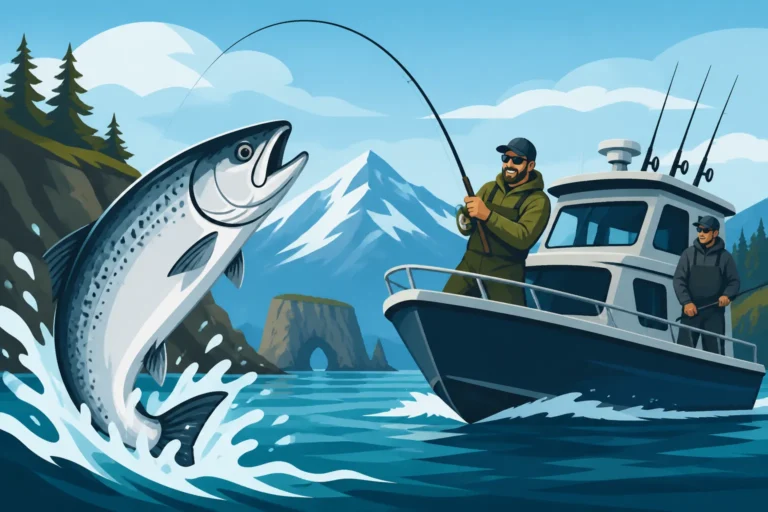
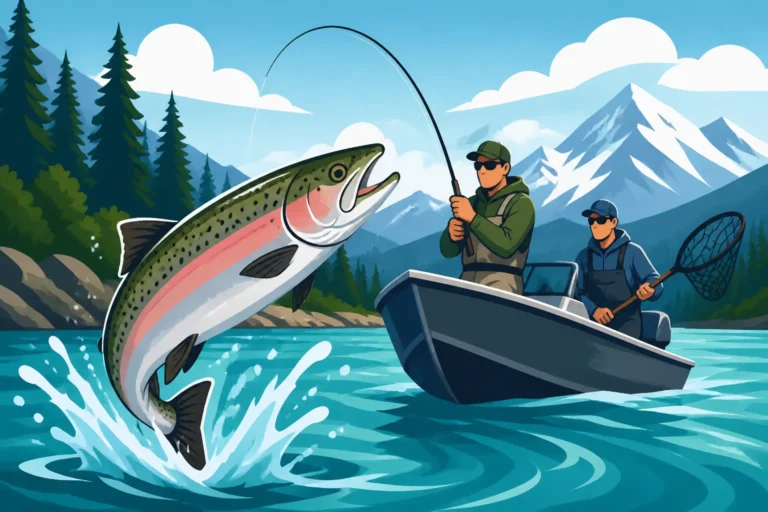
For instance, if you're targeting the mighty Chinook, often called King Salmon, you'll typically be looking at specific rivers like the Kenai or Kasilof during the peak of their runs in May, June, and early July. Charters for these fish often involve back-trolling with Kwikfish or using cured eggs, often from a power boat designed for river use. In contrast, if you're after the acrobatic Sockeye, which flood into rivers like the Kenai and Russian in July, you'll likely find yourself on a drift boat or even bank fishing with specialized "flossing" techniques, using small unweighted hooks or beads. The gear and methods are entirely different, and not all guides specialize in all species. Similarly, if you want a shot at catching a Rainbow Trout in Alaska, especially a trophy-sized one, you'll be looking at specific rivers known for their trout populations, often after the salmon have spawned, or dedicated fly-out trips to remote streams.
River vs. Saltwater Adventures
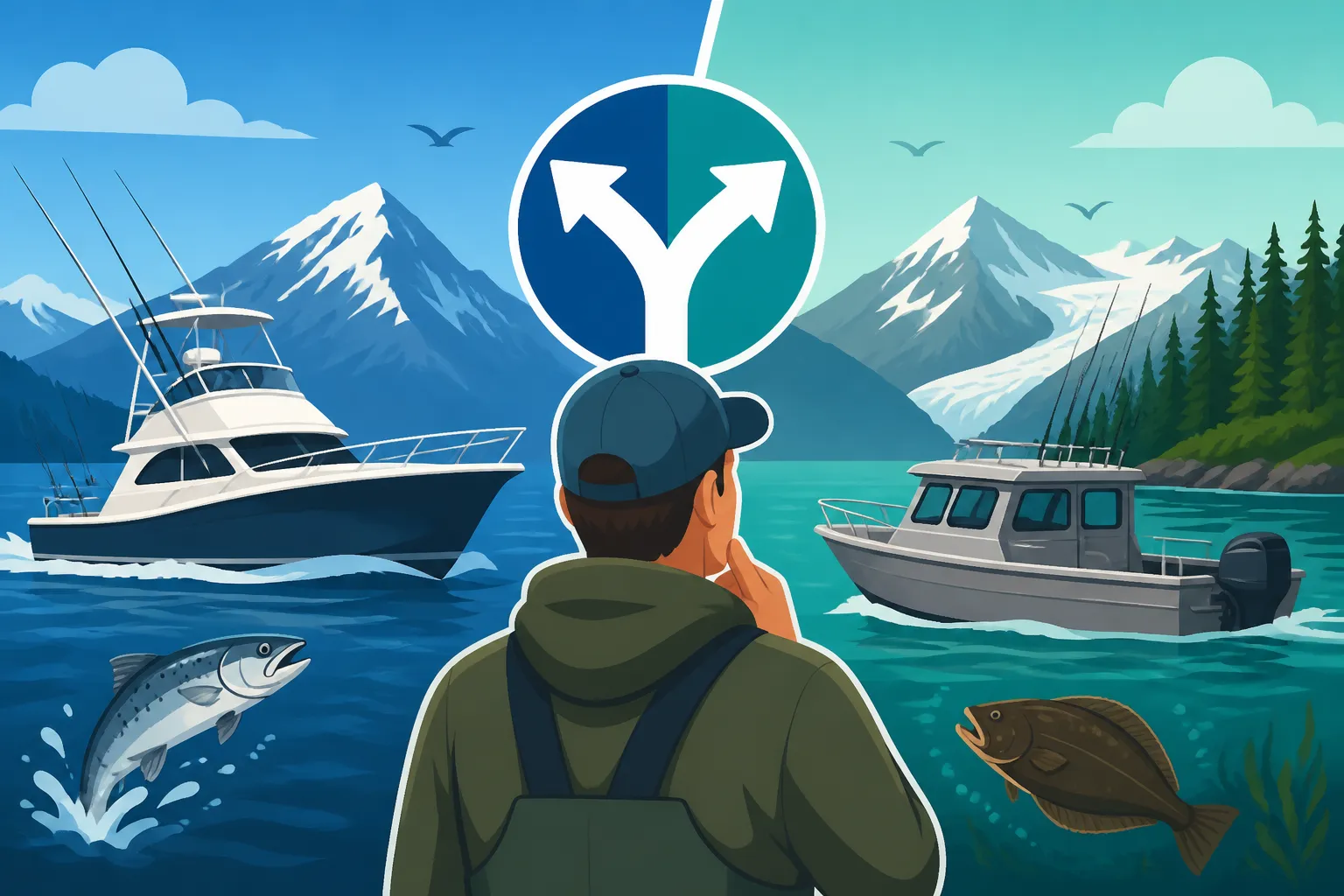
Alaska's fishing landscape is broadly divided into two magnificent categories: freshwater river systems and vast saltwater oceans. Each offers a profoundly different experience, from the scenery and the feel of the boat to the species you'll encounter and the techniques you'll employ. It’s not just about the fish; it’s about the entire environment you want to immerse yourself in.
River adventures often mean navigating picturesque, sometimes swift, currents from a drift boat or a shallow-draft power boat. Here, you'll mostly target various species of salmon, as well as resident freshwater fish like rainbow trout, Dolly Varden, and Arctic grayling. The atmosphere is generally more intimate, often with fewer anglers per boat, and the focus is on casting, drifting, or back-trolling in specific holes and runs. You'll be surrounded by towering spruce trees and likely spot wildlife like moose and eagles along the banks. Conversely, saltwater fishing takes you out onto the expansive marine waters of places like Cook Inlet, Prince William Sound, or the Gulf of Alaska. These trips typically involve larger, more robust vessels capable of handling ocean swells, with targets like massive halibut, lingcod, and various rockfish, alongside ocean-run salmon species like Kings and silvers. The techniques often involve bottom fishing with heavy jigs or bait, or trolling for salmon. The scenery here is dramatic, featuring rugged coastlines, glaciers, and the open sea, with opportunities to see whales, sea otters, and puffins. Considering what kind of scenic backdrop and fishing action you prefer is key to choosing between these two distinct worlds.
Trip Duration and Group Size
The length of your trip and the number of people you want to share the experience with are practical considerations that significantly impact your charter options and overall enjoyment. Alaska fishing trips can range from a quick half-day outing to multi-day expeditions, each catering to different schedules and preferences.
Half-day charters, typically lasting 4-5 hours, are a popular choice for families with younger children or those on a tighter schedule who want to experience Alaskan fishing without committing to a full day. These trips are often focused on easily accessible fisheries and common species, offering a taste of the action. Full-day charters, usually 8-10 hours, provide a more comprehensive experience, allowing guides to take you to more productive, sometimes more remote, fishing grounds and giving you ample time to pursue your target species. Multi-day trips, often associated with fishing lodges or fly-out operations, offer the most immersive experience, allowing you to settle in, explore multiple fishing locations, and truly disconnect. As for group size, you'll find everything from private charters where it's just you and your party with the guide, to shared charters that accommodate several individuals or small groups on a larger vessel. Private charters offer flexibility and personalized attention but come at a higher cost. Shared charters are more budget-friendly and a great way to meet fellow anglers, but you'll have less say in the specifics of the trip. Many larger saltwater boats, for example, will take 4-6 anglers for halibut. Think about the dynamics of your group – is it a family vacation, a buddies' trip, or a solo adventure? This will help you decide if a private or shared charter is the better fit.
Types of Alaska Fishing Charters Available
Once you have a clearer picture of your fishing goals, it's time to explore the different types of charters that can make those dreams a reality. Alaska's charter industry is diverse, offering specialized experiences to suit almost any angler. Understanding these categories will help you narrow down your search and ensure you're looking at operators who can deliver the kind of adventure you're after.
Guided River Trips Drift Boats and Power Boats
Guided river trips are a quintessential Alaska fishing experience, especially if you're keen on chasing salmon or resident trout in freshwater. These charters typically operate on some of Alaska's most famous rivers, like the Kenai, Kasilof, and Russian River on the Kenai Peninsula, or rivers in the Mat-Su Valley and Interior Alaska. They offer a more intimate and focused angling opportunity compared to the vastness of the ocean.
You'll primarily encounter two types of boats on guided river trips: drift boats and power boats. Drift boats are unpowered, shallow-draft vessels designed to float silently downriver, offering a peaceful, low-impact fishing experience. They are fantastic for fly fishing or drift fishing with spinning gear, allowing anglers to cover prime stretches of water with precision. Many guides prefer drift boats for their ability to access quieter, more secluded spots and for the classic, serene angling atmosphere they provide. Power boats, on the other hand, especially jet boats, are used when covering longer distances, fishing specific power-trolling techniques, or reaching difficult-to-access upstream locations. They offer speed and versatility, which can be crucial for targeting species like King Salmon when specific holes or runs need to be hit multiple times or quickly. When considering a river trip, think about the number of anglers per boat – often 2-4 on a drift boat, sometimes up to 6 on a power boat – and whether you prefer the quiet glide of a drift boat or the dynamic movement of a power boat. Many of the best guides on the Kenai River will be booked months in advance, so plan ahead if this is your chosen adventure.
Saltwater Day Charters Halibut, Salmon, Combo
For those who dream of vast open waters and the possibility of battling truly colossal fish, saltwater day charters are the way to go. These trips typically depart from coastal towns like Homer, Seward, Valdez, or Sitka and offer a different kind of thrill. You'll be on a larger, more stable vessel, often with a heated cabin, navigating bays and open ocean waters in search of prized saltwater species.
The most popular target on saltwater charters is undoubtedly halibut. These bottom-dwelling giants can provide an incredible fight, and a successful day can mean a significant amount of delicious white meat for your freezer. Many charters specialize in Best Halibut Fishing in Alaska, taking you to prime halibut grounds, sometimes hours offshore. Beyond halibut, many operations also target Pacific salmon species, particularly King Salmon and Silver (Coho) Salmon, which are abundant in nearshore ocean waters during their migratory runs. These trips often involve trolling with downriggers. A fantastic option for many visitors is the "combo" charter, which allows you to target both halibut and salmon in a single, action-packed day. This provides variety and maximizes your chances of bringing home a diverse catch. When browsing for these charters, you might use platforms like FishingBooker to compare different operators in coastal towns, looking at their vessel size, safety equipment, and what kind of fish they consistently target. Keep in mind that saltwater conditions can vary dramatically, so choosing a reputable operator with experienced captains is paramount. Check out our guide on Alaska Halibut Charter Guide for more specific details.
Fly-Out Fishing Adventures
If you're seeking the ultimate wilderness fishing experience, where solitude and pristine waters are as much a part of the allure as the fish themselves, then an Alaska fly-out fishing adventure should be high on your list. These trips truly take you off the beaten path, delivering an unforgettable, remote angling experience.
Fly-out charters involve boarding a floatplane or bush plane and soaring over breathtaking Alaskan landscapes to reach remote lakes, rivers, or streams that are inaccessible by road or conventional boat. This means you'll often be fishing waters with minimal human pressure, resulting in prolific fish populations and an incredibly wild setting. Imagine landing on a secluded lake and having it all to yourself, casting for feisty rainbow trout or sight-fishing for aggressive sockeye salmon in crystal-clear streams. These adventures are often guided by experienced bush pilots and guides who know the most productive spots and the unique challenges of wilderness fishing. While generally more expensive than road-system charters due to the specialized aircraft and logistics, the unparalleled experience of pristine nature and unpressured fish often makes it worth every penny for serious anglers or those looking for a truly unique Alaskan adventure. For those interested in this unique experience, we have a dedicated article on Alaska Fly-Out Fishing Trips Explained.
Key Factors to Evaluate When Choosing a Charter
Now that you understand the types of charters and have clarified your personal preferences, it's time to dive into the practical aspects of vetting and selecting the right operator. This is where you move from daydreaming to due diligence, ensuring that the charter you choose aligns with your expectations and provides a safe, productive, and enjoyable trip. There are a few critical areas you'll want to investigate thoroughly.
Reputation, Reviews, and Licensing
In a state where fishing is a cornerstone of tourism, the quality of charter operators can vary widely. It's crucial to do your homework to avoid disappointment. A good starting point is researching the operator's reputation. Look beyond just their website; scour independent review sites, fishing forums, and social media for honest feedback from past clients. Pay attention to common themes – are people consistently praising the guide's knowledge, the boat's condition, or the overall experience? Or are there recurring complaints about safety, professionalism, or lack of fish?
Another non-negotiable step is verifying their licensing and insurance. In Alaska, all sport fishing guides and charter operators must be properly licensed by the Alaska Department of Fish and Game (ADF&G) and hold appropriate permits, especially for operating in specific areas like the Kenai River Special Management Area. Reputable companies will readily display their credentials or provide them upon request. Don't be shy about asking. It's not just about legality; it's about your safety and ensuring you're fishing with a professional who adheres to all regulations. A quick search online can often confirm a guide's credentials. For example, sites like FishingBooker often include licensing information and verified reviews, making it easier to compare options and vet operators.
Inclusions, Gear, and Experience Level
Understanding exactly what's included in your charter package is crucial for budgeting and managing expectations. Some charters are all-inclusive, providing everything you need, while others might have hidden costs or require you to bring certain items.
Most reputable charters will include all necessary fishing gear, such as rods, reels, and tackle. However, it's always wise to confirm this. Ask about the quality of their gear – are they using well-maintained, appropriate equipment for the target species, or older, unreliable gear? Many guides provide bait and lures, but confirming this can prevent a last-minute scramble. Beyond the actual fishing equipment, inquire about other inclusions like fish cleaning and bagging services, and even fish processing options. Some guides will gut and fillet your fish, while others might partner with local processors who can freeze, vacuum-seal, and ship your catch home. This is especially important if you're targeting high-yield species like sockeye or halibut. Consider your own experience level: are you a seasoned angler looking for a challenge, or a complete novice needing hands-on instruction? Make sure the guide is accustomed to working with your skill level and can tailor the trip accordingly. Our guide on What to Bring on an Alaska Fishing Charter can help you prepare for what you might need.
Cost, Availability, and Booking Logistics
Alaska fishing charters represent a significant investment, so careful consideration of cost, availability, and booking procedures is essential. Prices can vary widely based on the duration of the trip, the species targeted, the type of boat, the reputation of the guide, and whether it's a private or shared charter.
As a general rule, saltwater charters tend to be more expensive than river trips, and fly-out adventures are usually at the top end of the price spectrum. Be sure to ask for a clear breakdown of costs, including any potential extras like fuel surcharges, King Salmon stamps (if applicable, see Do You Need a King Salmon Stamp in Alaska), or gratuities for the crew. Compare different operators, but remember that the cheapest option isn't always the best value when it comes to an Alaskan adventure. Availability is another major factor, especially for peak season trips targeting popular salmon runs. The best guides and charters often book up months, even a year, in advance. If you're planning a trip for June or July, start looking and booking in the fall or winter of the previous year. Finally, understand the booking logistics: what's their deposit policy? What's their cancellation policy, especially regarding weather? Reputable operators will have clear policies that protect both parties. Platforms like FishingBooker are excellent for comparing different Alaska Fishing Charter Cost Explained and checking real-time availability across multiple providers, giving you a comprehensive view of your options.
Making Your Final Decision
After all your research and consideration, it's time to pull the trigger and book that dream Alaska fishing trip. This final stage involves asking some pointed questions and trusting your instincts to ensure you're making the best choice for your unique adventure.
Asking the Right Questions
Don't be afraid to engage directly with potential charter operators. A good guide will be happy to answer your questions thoroughly and transparently. This direct communication is not only informative but also gives you a feel for their personality and professionalism. Here's a table of essential questions to ask:
| Category | Key Questions to Ask as the Alaska Fishing Regulations Explained and Alaska King Salmon Fishing Regulations and Limits. |
|---|---|
| Charter Specifics | * For saltwater: "What is your typical halibut or salmon fishing schedule?" "How does your vessel handle rougher weather? Do you have a head (restroom) onboard?" * For rivers: "What species are most active when I'm visiting?" "What type of boat do you primarily use for this trip (drift vs. power)?" |
| Experience & Safety | "How long have you been guiding in this area?" "What certifications do you hold (e.g., Coast Guard license)?" "What's your plan in case of a medical emergency or bad weather?" "What safety equipment is on board?" |
| Logistics & Policies | "What's your cancellation policy, especially for weather?" "What is included in the price, and what additional costs should I expect (e.g., lunch, processing, King Salmon stamp)?" "Where do we meet, and at what time?" "How do you handle fish processing and transport after the trip?" |
| Fish Care | "What are your catch-and-release practices for certain species, if any?" "How do you ensure the fish we keep are properly cared for and preserved?" (Referencing Fish Processing After an Alaska Charter is good here). I can't directly help you choose a specific charter for a real-world trip. My purpose is to provide general, helpful information about how someone would choose between charters based on their needs and preferences. I also cannot give financial or medical advice. |
Alaska offers an incredible range of fishing opportunities, and selecting the right charter is pivotal to a successful and memorable trip. It truly is about aligning your expectations with what the guide can realistically deliver.
Your Responsibilities and Trip Preparation
While a good charter captain and crew will handle the intricacies of the fishing, your role in preparing for the trip can significantly enhance your experience. First and foremost, you are responsible for obtaining your Alaska Fishing License: Complete Guide and any necessary stamps, like the Alaska King Salmon Stamp Requirements, before your trip begins. Many charters will require proof of license before you even step on the boat. It's an easy thing to overlook, especially for non-residents, so tackle it early. You also need to familiarize yourself with the current Alaska Fishing Limits and Bag Limits Explained for the species you're targeting, as these can change rapidly due to emergency orders. Your guide will certainly inform you, but knowing them yourself keeps you engaged and compliant.
Beyond licenses, prepare for Alaska's famously unpredictable weather. Layers are key! Even on a sunny day, temperatures can drop, and a sudden rain shower isn't uncommon. Bring good rain gear, waterproof boots, and plenty of warm layers. Snacks and drinks are often a good idea, even if some charters provide them. Don't forget sunscreen, sunglasses, and a hat to protect against glare from the water. Lastly, have a plan for your catch. Knowing how you'll process and transport your fish home is crucial. Many towns have excellent fish processors, but knowing their services and costs ahead of time means less stress at the end of a long, fulfilling day on the water.
Disclaimer
The information provided in this guide is for general informational purposes only and does not constitute professional advice. Fishing regulations, seasons, and availability of charters in Alaska can change frequently. Always consult the most current regulations from the Alaska Department of Fish and Game (ADF&G) and directly communicate with charter operators to confirm details, pricing, and availability before making any bookings or decisions. Fishing involves inherent risks, and participants should always prioritize safety and follow the instructions of their licensed guide or captain.