What Is an Arctic Grayling
Many anglers dream of Alaska's massive King Salmon and giant Halibut, but there's a certain magic that draws a dedicated crowd to pursue one of the Last Frontier's most exquisitely beautiful and truly unique fish: the Arctic Grayling. Often overshadowed, these magnificent, sail-finned creatures present a rewarding challenge and a visual feast for those who seek them in Alaska's remote, pristine waters. This guide will take you deep into the world of the Arctic Grayling, helping you understand their allure, where to find them, and how to successfully bring one to your net.
Understanding the Elusive Arctic Grayling
The Arctic Grayling, scientifically known as Thymallus arcticus, is a true gem of the northern waters. It's not just another fish; it's a living work of art, a testament to the wild, untamed beauty of Alaska's interior and arctic regions. Many anglers, especially those new to Alaska, might mistake them for a type of trout or char, but the grayling stands proudly in its own distinct family.
Distinctive Features and Identification
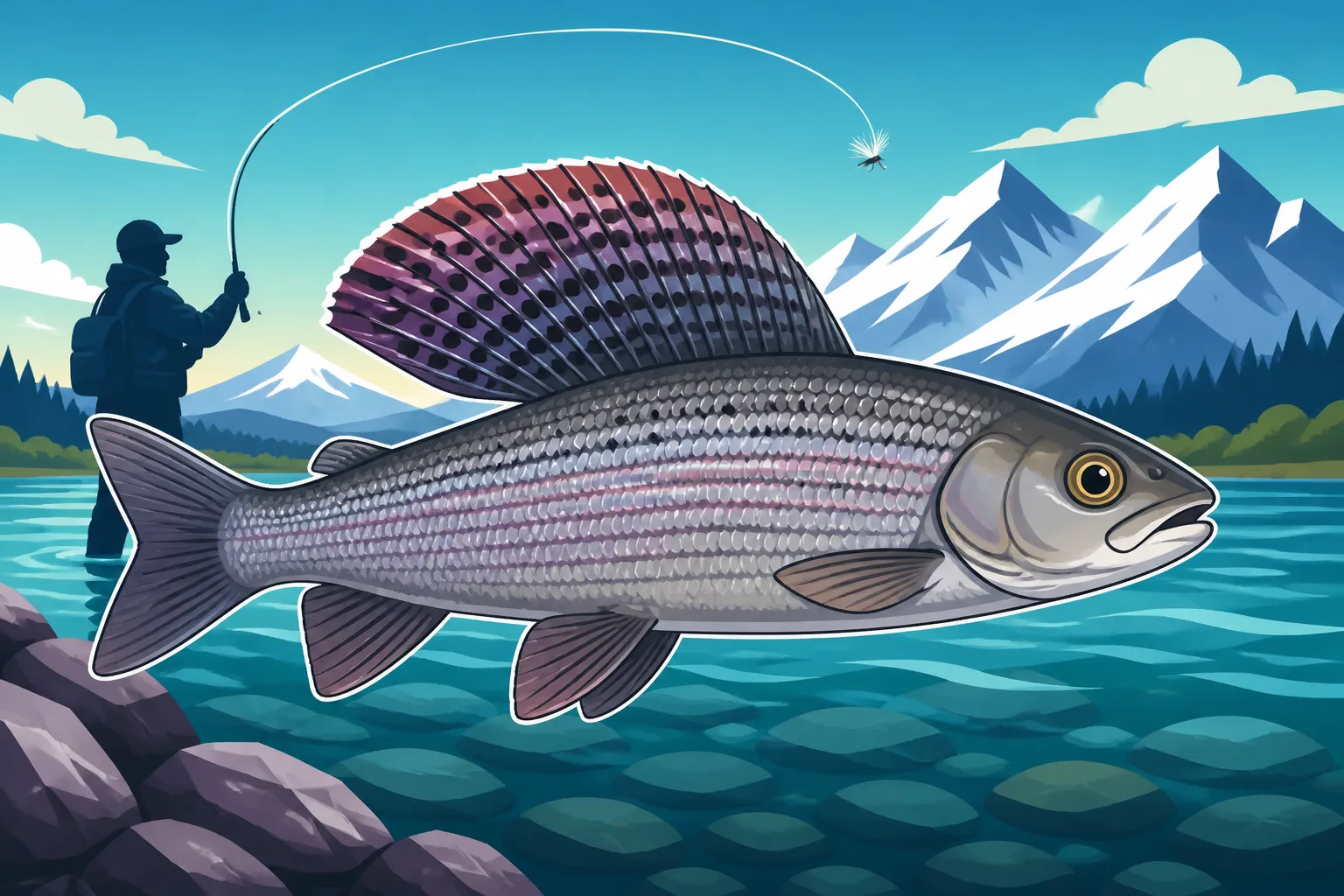
The first thing that strikes you about an Arctic Grayling is its incredible dorsal fin. It's often described as a "sail-like" or "flag-like" fin, incredibly tall and elongated, especially in mature males, and adorned with iridescent, jewel-toned spots of red, purple, and green. This dorsal fin alone makes them instantly recognizable and undeniably spectacular. It's not just for show, though; this fin plays a role in their maneuvering in swift currents and possibly in courtship displays.
Beyond the magnificent dorsal fin, Arctic Grayling boast a sleek, streamlined body, typically dark on the back, fading to silvery-grey on the sides, and a creamy white belly. Their sides are often speckled with small, dark spots, and their gill plates sometimes flash with a turquoise or bluish hue. Their mouth is relatively small, filled with tiny teeth, perfectly adapted for sipping insects off the water's surface. When you hold one carefully in your wet hands, the vibrant colors truly pop, making the experience unforgettable. Their graceful appearance and spirited fight make them a favorite among fly anglers. If you're looking to identify various species, our comprehensive Alaska Fish Species Guide can offer more insights.
Natural Habitat and Behavior in Alaska
Arctic Grayling are true cold-water specialists, thriving in the crystal-clear, oxygen-rich rivers, streams, and lakes of Interior and Arctic Alaska. You won't typically find them in the warmer, murkier waters, but rather in the pristine headwaters and tributaries where water temperatures remain consistently low. Their presence is often a strong indicator of a healthy, undisturbed aquatic ecosystem, which is why encountering them feels so special.
Their diet primarily consists of aquatic insects and their larvae, terrestrial insects that fall into the water, and occasionally small minnows or fish eggs. During prolific insect hatches, grayling will rise to the surface with an almost rhythmic elegance, sipping bugs as they drift by. This behavior is what makes them such a cherished target for fly fishermen. They are also opportunistic feeders, not above snatching a small streamer or spinner if it resembles a tasty morsel. Understanding their diet and preferred water conditions is key to successfully targeting these beautiful fish. You'll find many of these patterns applicable to other native species, as detailed in our guide to Alaska Freshwater Fish Species.
Where and When to Find Arctic Grayling in Alaska
Finding Arctic Grayling in Alaska often means venturing off the beaten path, away from the bustling salmon fisheries, into quieter, more remote stretches of water. While they aren't as widely distributed as some other species, their presence is concentrated in some truly iconic Alaskan landscapes.
Top Regions and Rivers for Grayling Fishing
The heartland for Arctic Grayling in Alaska lies primarily in the Interior and Arctic regions. Near Fairbanks, you'll find some fantastic roadside opportunities for grayling fishing. Rivers like the Chena, Chatanika, and Goodpaster are renowned for their healthy populations and relatively easy access. These rivers, flowing through boreal forests, offer stunning scenery and excellent chances to hook into a respectable grayling. On a clear summer evening on the Chena, you might spot multiple grayling rising in the eddies, making for fantastic dry fly action.
Further north, in more remote areas, the opportunities become even more abundant. Rivers within the Gates of the Arctic National Park and Preserve, such as the Kobuk, Noatak, and Alatna Rivers, hold pristine, untouched grayling populations that rarely see human presence. These are often accessible via fly-in trips, offering a truly wild Alaskan experience. While these rivers might also be known for species like Dolly Varden or even an occasional migrating salmon, grayling are the stars of the show in their specific clearwater habitats. Knowing your regional regulations is key, so definitely check out Alaska Fishing Regulations by Region before you head out.
For those who prefer stillwaters, many lakes in Interior Alaska, particularly those stocked by the Alaska Department of Fish and Game, also offer great grayling fishing. Lakes around the road system near Anchorage, like those in the Mat-Su Valley, might hold grayling, but the truly wild and large specimens are usually found farther north. Always check local stocking reports and regulations for the most up-to-date information on lake fishing.
Best Seasons and Times to Target Grayling
The prime season for targeting Arctic Grayling in Alaska generally spans from late spring through early fall, typically from May through September. However, the peak window is usually during the warmer summer months, from June to August, when insect activity is at its highest. This is when grayling are most actively feeding and are most likely to rise to dry flies.
During May and early June, shortly after ice-out, grayling are often found in tributary streams as they shake off winter dormancy and begin to spawn. As summer progresses and insect hatches become more regular, they spread out into larger rivers and lakes. The famous "midnight sun" of Alaskan summer means you can literally fish all day and night, and grayling will often feed actively during the twilight hours when insect hatches are particularly dense. Our comprehensive Alaska Fishing Seasons: Month-by-Month Guide offers a broader overview, but for grayling, summer is definitely the sweet spot.
By September, as temperatures begin to drop and insect hatches become less frequent, grayling will start to move into deeper pools or larger rivers in preparation for winter. While you can still catch them, the dry fly action might diminish, and you'll often need to switch to nymphs or small streamers to entice a bite. Understanding these seasonal shifts in their behavior is crucial for a successful grayling expedition.
Essential Techniques and Tackle for Arctic Grayling
Successfully catching Arctic Grayling is less about brute force and more about finesse and understanding their delicate feeding habits. Whether you're a seasoned fly angler or prefer the simplicity of spin fishing, there are effective methods for these beautiful fish.
Fly Fishing for Grayling
Fly fishing is, arguably, the most quintessential and rewarding way to pursue Arctic Grayling. Their willingness to rise to a well-presented dry fly makes them an absolute joy for fly anglers. You'll want to use light tackle; a 3-weight or 4-weight fly rod, paired with a floating line, is ideal. This lighter setup allows for delicate presentations and maximizes the fun when battling a spirited grayling, which, while not huge, puts up a fantastic fight on appropriate gear. If you're new to the sport, our guide on How to Fly Fish in Alaska can provide an excellent foundation.
For dry flies, patterns that imitate common Alaskan insects like the Elk Hair Caddis, Adams, or Parachute Adams in sizes 12-18 are usually very effective. When the fish aren't rising, switching to nymphs such as Prince Nymphs, Hare's Ear Nymphs, or Pheasant Tail Nymphs in similar sizes can produce excellent results, especially when fished under an indicator in deeper runs. Small streamers, like a tiny Woolly Bugger or a sculpin pattern, can also entice larger grayling, particularly in lakes or larger river sections. Presentation is key; a soft, accurate cast is often more important than the specific fly pattern.
Spin Fishing for Grayling
For those who prefer spin fishing, don't worry – Arctic Grayling are certainly catchable with conventional gear! The key here is to go ultra-light. Think about using an ultra-light spinning rod, perhaps 5 to 6 feet long, paired with a small spinning reel spooled with 2 to 4 lb test monofilament or fluorocarbon line. This delicate setup ensures you can cast small lures accurately and still feel the subtle strikes of a grayling.
Small spinners are incredibly effective for grayling. Think classic inline spinners like Mepps Aglia or Comet, or Panther Martin spinners, in sizes #0 to #2. Silver, gold, or copper blades often work well, sometimes with a red or black dressing. Tiny spoons, such as a 1/8 oz or 1/16 oz Little Cleo or Kastmaster, can also be deadly, especially in still water or slower currents. When using lures, a slow, steady retrieve that allows the lure to wobble and flash is usually best. While bait fishing can be effective, it's often discouraged for grayling due to their delicate nature and the prevalence of catch-and-release practices. Always check local regulations before using bait, as many grayling fisheries are artificial lures only or require single, barbless hooks. You can find many of these recommended items on Amazon, making it easy to prepare for your trip.
Recommended Gear and Supplies
Beyond your rod and reel, a few essential items will make your Arctic Grayling adventure much more enjoyable. Waders are almost a must-have, even for bank fishing, as they allow you to wade out into shallow areas for better casting angles and access. Lightweight, breathable waders are ideal for hiking to those secluded grayling spots. A good rain jacket and pants are non-negotiable in Alaska, as the weather can change in an instant. Protecting yourself from the elements is crucial for comfort and safety, as detailed in our guide on How to Dress for Alaska Fishing.
Don't forget bug spray! Mosquitoes and gnats can be relentless in the Alaskan wilderness, especially near water. A head net can also be a sanity saver. Polarized sunglasses are essential for spotting fish in clear water and protecting your eyes from glare. A small landing net with rubber mesh is highly recommended for safely landing and releasing grayling without harming their delicate fins and slime coat. You might want to consider checking out gear recommendations on Amazon before your trip to ensure you have everything you need.
Here's a quick comparison of typical gear for fly fishing versus spin fishing for Arctic Grayling:
| Feature | Fly Fishing Gear | Spin Fishing Gear |
|---|---|---|
| Rod | 3-4 weight, 7.5-9 ft, moderate action | Ultra-light, 5-6 ft, fast action |
| Reel | Matching fly reel (single action) | Ultra-light spinning reel (size 1000-2000) |
| Line | Floating fly line (WF or DT), 2-5 lb tippet | 2-4 lb test monofilament or fluorocarbon |
| Lures/Bait | Dry flies, nymphs, small streamers | Small inline spinners, tiny spoons, micro jigs |
| Leader/Tippet | 7.5-9 ft tapered leader, 4x-6x tippet | None needed (line tied directly to lure) |
| Best For | Sight fishing, rising fish, delicate presentation | Covering water, beginners, deeper water |
| General Cost | Moderate to High | Low to Moderate |
Conservation and Best Practices for Arctic Grayling
Alaska's fisheries are incredibly special, and that's especially true for the Arctic Grayling. These fish aren't just pretty; they're a vital part of healthy northern ecosystems. Practicing responsible angling is paramount to ensuring future generations can enjoy the thrill of catching these magnificent creatures.
Catch and Release Importance
Arctic Grayling, particularly the larger, trophy-sized specimens, are slow-growing fish. Unlike some salmon species that mature quickly, a large grayling can be quite old, making them particularly vulnerable to overfishing. This is why catch-and-release fishing is not just a suggestion, but a crucial practice in many grayling fisheries across Alaska. Many anglers who specifically target grayling do so purely for the sport and the sheer beauty of the fish, releasing every one they catch.
When practicing catch and release, handle the fish as little as possible. Always wet your hands before touching the fish to protect its protective slime coat. Avoid squeezing the fish, especially around its belly, and try to keep it in the water if possible. If you must remove it for a quick photo, do so gently, support its full body, and minimize its time out of the water – literally a few seconds. Use a rubber-mesh landing net, which is much gentler on fins and scales than knotty nylon nets. A quick release ensures the fish has the best chance of survival. Our guide on Alaska Catch-and-Release Best Practices offers more detailed advice for ethical angling.
Following Regulations
Alaska has meticulously managed fisheries, and Arctic Grayling are no exception. Regulations can vary significantly depending on the specific region, river, or lake you are fishing. Some areas might have strict catch-and-release rules, while others may allow retention with specific bag and possession limits. For instance, the Chena River Special Management Area has specific rules for grayling, often including bait restrictions and gear limitations, like single-hook, artificial lures only.
It is your responsibility as an angler to always check the most current Alaska Department of Fish and Game regulations booklet for the specific area you intend to fish before you head out. These regulations are updated annually, and emergency orders can change them mid-season, so always double-check. Ignoring regulations can lead to hefty fines and loss of fishing privileges, but more importantly, it can negatively impact these delicate grayling populations. For a deeper dive into understanding the rulebook, you might find our article on How to Read Alaska Fishing Regulations incredibly helpful. Remember, a responsible angler is a successful conservationist.
Disclaimer
The information provided in this guide is for general informational purposes only and is not intended as legal advice regarding fishing regulations. Alaska fishing regulations are complex and subject to change. Always consult the most current Alaska Department of Fish and Game regulations manual and any applicable emergency orders before engaging in any fishing activities.