Alaska Halibut vs Pacific Cod
It’s easy to get tangled up in the incredible variety of fish species when you’re planning an Alaska fishing trip. Two of the most common and often confused bottom dwellers are Alaska halibut and Pacific cod. While both are highly sought after by anglers and appreciated by seafood lovers, they are distinct species with different characteristics, habitats, and fishing experiences. This comprehensive guide will help you understand the key differences, so you can confidently identify, target, and appreciate each of these magnificent fish.
Getting to Know the Giants: Physical Characteristics
When you pull a fish out of the deep Alaskan waters, your first thought might be, "Is this a halibut or a cod?" It's a valid question, especially for those new to the nuances of Alaskan fisheries. While both are groundfish, their physical appearances tell entirely different stories once you know what to look for.
Halibut's Distinctive Flatness and Size
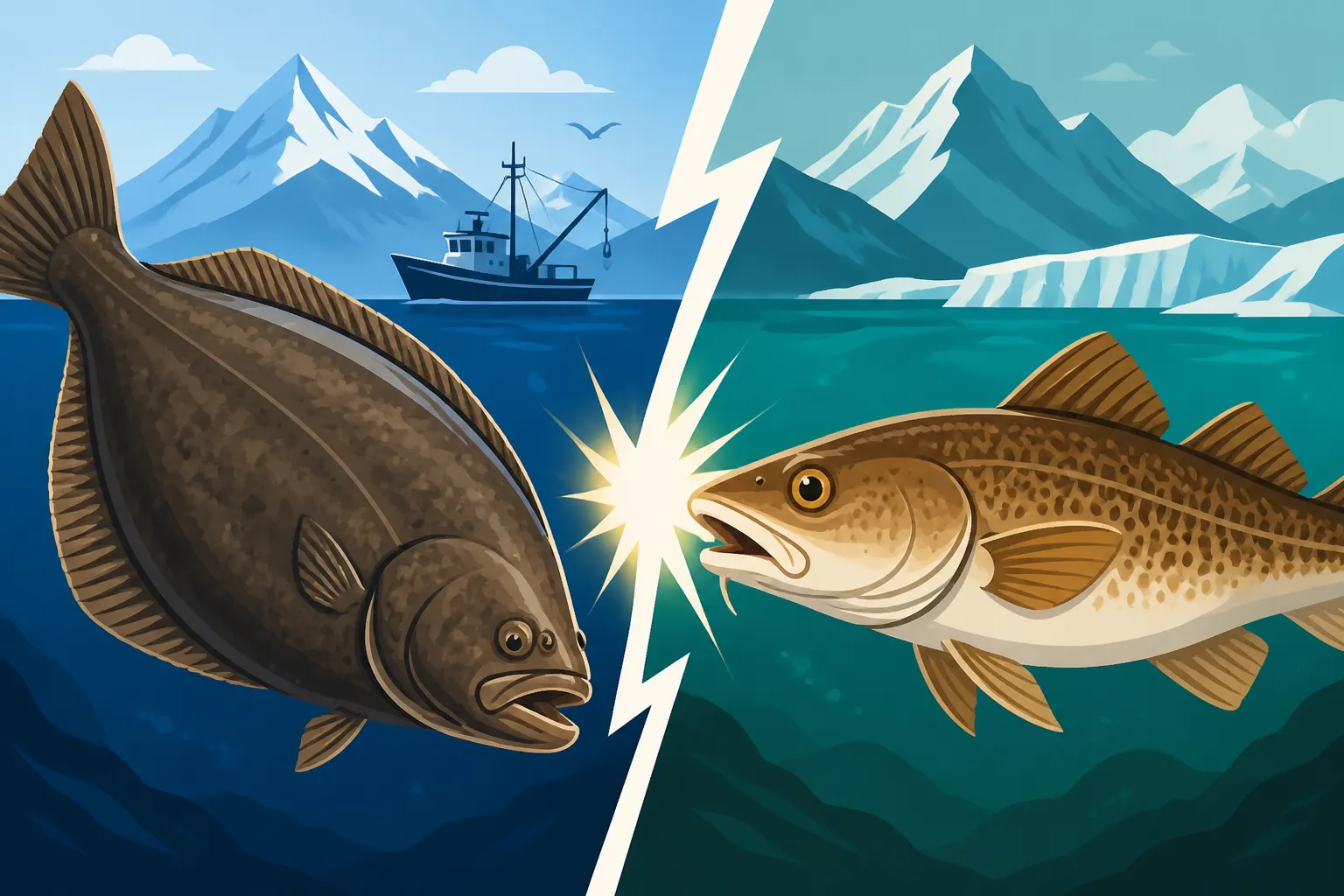
The Pacific halibut, often revered as the "Barn Door" of the sea, is undeniably unique. Its most striking feature is its incredibly flat, diamond-shaped body. Imagine a pancake that decided to grow to monstrous proportions – that’s a halibut. Both eyes are on one side of its head, typically the dark, mottled brown or greenish-brown side, which serves as camouflage against the seafloor. The underside, where its eyes originally started before migrating during development, is usually stark white. This asymmetry is a dead giveaway.
Halibut are true giants of the deep, often weighing hundreds of pounds. A "chicken halibut" might be a modest 20-30 pounds, but seasoned anglers regularly pull in fish over 100 pounds, and some even approach the 400-pound mark. They have a powerful, crescent-shaped tail that propels them with surprising speed when hooked. Their skin is smooth, without the prominent scales you might expect from a fish of their size, though it's incredibly tough. These characteristics make them instantly recognizable once you've seen one up close. If you're wondering how big these magnificent creatures can get, our guide on How Big Do Alaska Halibut Get offers a fascinating look at their potential.
Cod's More Classic Fish Shape and Whisker
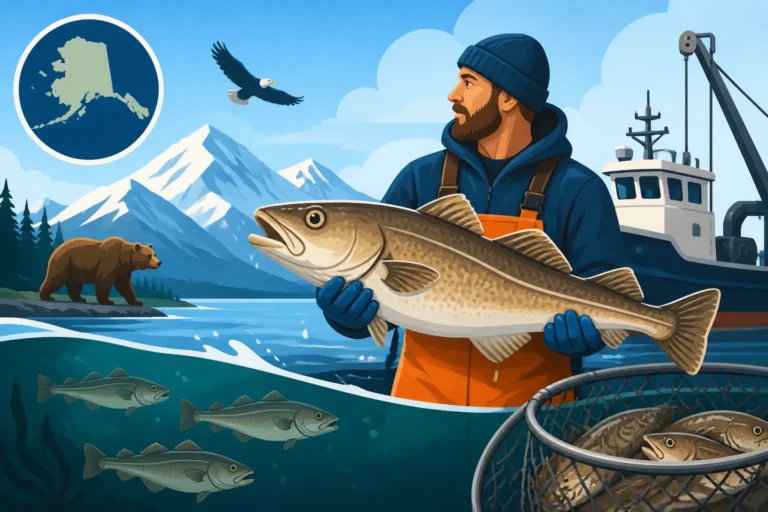
In contrast to the halibut's unique flatness, the Pacific cod (often simply called "cod" in Alaska) has a much more traditional, elongated, and rounded fish shape. If you were to draw a generic fish, it would probably look more like a cod than a halibut. Their bodies are typically brown or gray, mottled with darker spots or blotches, providing camouflage in rocky or kelp-filled habitats. They have three distinct dorsal fins and two anal fins, clearly separated, which is another key identifier.
Perhaps the most iconic feature of the Pacific cod is the prominent barbel or "whisker" under its chin. This fleshy appendage, equipped with chemosensory receptors, acts like a mini-detector, helping the cod find food on the murky seafloor. While cod don't reach the gargantuan sizes of halibut, they are still substantial fish, commonly ranging from 5 to 20 pounds, with some larger specimens pushing 30 pounds or more. They are much more streamlined than a halibut, built for cruising and actively hunting rather than lying in wait. If you're interested in learning more about different species, our Alaska Fish Species Guide covers a wide range of inhabitants you might encounter.
Where They Live and How They Act: Habitat and Behavior
Understanding where halibut and cod prefer to spend their time and how they interact with their environment is crucial for any angler. While both are groundfish, their ecological roles and preferred habitats show distinct differences.
Halibut: The Bottom-Dwelling Predator
Halibut are true denizens of the deep, primarily inhabiting the sandy, gravelly, or muddy bottoms of the ocean floor, from relatively shallow coastal waters out to depths of over 3,600 feet. They are ambush predators, perfectly camouflaged against the seabed, waiting patiently for prey to swim by. Their diet is incredibly varied, reflecting their opportunistic nature. They feast on other bottomfish like cod, rockfish, sculpins, and even smaller halibut, but they also gorge on octopus, crab, and various invertebrates. This diet is one reason they grow so large and put up such a powerful fight.
These fish are largely solitary, preferring their own space on the vast ocean floor. While you might find several halibut in a productive fishing area, they aren't schooling fish in the same way cod are. They tend to migrate seasonally, moving into shallower waters to feed during warmer months and retreating to deeper, warmer waters in winter for spawning. This migratory pattern is a key factor in understanding Alaska Halibut Season Explained and where to find them at different times of the year. Their ability to blend into their surroundings is remarkable, allowing them to remain hidden until the perfect moment to strike.
Cod: The Voracious Schooling Fish
Pacific cod, while also bottom-dwellers, tend to prefer slightly different environments. They are often found over more varied bottom structures, including rocky reefs, kelp beds, and even open mudflats, typically in shallower to moderate depths, though they can go deeper. Unlike the solitary halibut, cod are known to be schooling fish, moving in groups to forage. This behavior means that when you find one cod, you're likely to find more, making them a popular target for commercial and recreational fisheries alike.
Their diet is broad and includes small fish like herring and sand lance, shrimp, crabs, and other crustaceans and invertebrates. The barbel under their chin is actively used to detect prey hidden in the sediment. Cod are incredibly active feeders, always on the move, which makes them a more consistent bite once a school is located. They are also less prone to long-distance migrations compared to halibut, though they will move to follow food sources or for spawning. This schooling behavior and voracious appetite mean they can sometimes be caught in large numbers, providing a different fishing experience than targeting the more elusive halibut.
Landing Your Catch: Fishing for Halibut vs. Cod
When it comes to the actual act of fishing, targeting halibut and cod requires different approaches, gear, and strategies. Knowing these differences will not only increase your chances of success but also enhance your appreciation for each species.
Techniques and Gear for Halibut
Halibut fishing is often a heavy-duty affair, demanding robust gear to handle these powerful fish. The most common method involves bottom fishing with heavy sinkers (often 1-3 pounds or more depending on current and depth) to get your bait down to where the halibut lie. Large circle hooks, typically 16/0 to 20/0, are standard, often baited with large chunks of herring, salmon heads, or octopus. Many anglers also use jigs, sometimes scented with bait, to entice a strike. You’ll need a stout rod, a powerful reel with a high line capacity (50-80 lb braided line is common), and a strong back!
Charters are incredibly popular for halibut fishing in Alaska, with destinations like Homer and Seward being famous for their halibut fleets. A good charter captain will know the productive drifts and depths. When you hook a big halibut, prepare for a serious fight. They have incredible strength and can make powerful runs, often followed by a "death roll" at the surface, where they spin violently. Landing a large halibut often requires a harpoon or a flying gaff, followed by a well-aimed shot to subdue the fish quickly and safely. For a deep dive into successful tactics, check out our guide on How to Catch Halibut in Alaska. Finding specialized halibut gear on platforms like Amazon can give you an edge, from heavy-duty reels to unique jigging lures designed for deepwater monsters.
Best Approaches for Pacific Cod
Fishing for Pacific cod is generally a lighter, more active experience compared to halibut. While they share similar habitats, cod can be targeted with lighter tackle, though still durable enough to handle their decent size and strong runs. Jigging is incredibly effective for cod, using metal jigs ranging from 4 to 12 ounces, often tipped with a piece of bait like a squid strip or herring. Bottom fishing with bait on smaller circle hooks (around 5/0 to 7/0) also works wonderfully, using much lighter sinkers than for halibut.
You can often catch cod from shore in some areas, or from smaller boats in shallower bays and inlets, making it a more accessible fishery for many. Rods in the 7-8 foot range with a medium-heavy action and reels spooled with 30-50 lb braided line are usually sufficient. When you hook a cod, you'll feel a distinctive head shake and a strong pull, but generally not the prolonged, deep runs of a halibut. They are excellent fighting fish for their size and provide consistent action. It's not uncommon to pull up multiple cod in a short period if you're on a productive school, making it a fantastic experience for anglers looking for steady bites.
Seasonal Considerations
Both species are available throughout much of the year, but their peak seasons align with warmer waters and spawning migrations.
| Feature | Pacific Halibut | Pacific Cod |
|---|---|---|
| Appearance | Flat, diamond-shaped, both eyes on one side | Elongated, rounded, classic fish shape, barbel |
| Color | Dark top (mottled brown/green), white bottom | Brown/gray mottled with spots |
| Average Size | 20-200+ lbs (can exceed 400 lbs) | 5-20 lbs (can reach 30+ lbs) |
| Habitat | Sandy/gravelly bottoms, deep water | Rocky reefs, kelp beds, shallower to moderate depths |
| Behavior | Solitary ambush predator | Schooling, active bottom feeder |
| Fishing Method | Heavy bottom fishing, large jigs, big bait | Jigging, lighter bottom fishing, smaller bait |
| Peak Season | May – September | Year-round, peaks in colder months for commercial |
| Taste Profile | Firm, flaky, rich, mild, white meat | Softer, flaky, very mild, white meat |
Halibut fishing in Alaska generally kicks into high gear from May through September, when the fish move into shallower, more accessible feeding grounds. This is when the majority of charters operate, targeting the massive schools of baitfish that attract the halibut. Our article on Best Time to Fish in Alaska provides a good overview of when to target various species.
Pacific cod, on the other hand, can be targeted year-round. While commercial fisheries often operate during the colder winter months when cod are schooling heavily, recreational anglers find success throughout the spring, summer, and fall. Their more consistent presence makes them a reliable target when other fisheries might be slower or closed due to regulations. Always consult current Alaska Fishing Regulations Explained before heading out, as rules can change frequently based on conservation needs.
From Ocean to Plate: Culinary Delights and Differences
Beyond the thrill of the catch, the ultimate reward for many anglers is enjoying the fresh seafood. Both Alaska halibut and Pacific cod are highly prized for their delicious, white flesh, but they offer distinct culinary experiences.
The Prized Flake of Halibut
Halibut is often considered the king of whitefish, and for good reason. Its meat is incredibly firm, bright white, and boasts a large, distinctive flake that holds together beautifully when cooked. The flavor is rich, buttery, yet mild, making it incredibly versatile for a wide range of culinary applications. It stands up well to grilling, baking, pan-searing, and even deep-frying, retaining its moistness and texture. Many fine dining restaurants feature Alaskan halibut as a premium item on their menus.
The high demand for halibut means it often fetches a premium price at fish markets. When preparing halibut, simplicity often reigns supreme. A squeeze of lemon, a pat of butter, and a sprinkle of herbs are often all that's needed to highlight its natural exquisite taste. If you've successfully landed one of these giants, understanding How to Fillet a Halibut is an essential skill to maximize your yield and prepare it for the table or freezer. Remember, a good, sharp fillet knife, perhaps one you ordered from Amazon, makes all the difference!
Cod's Versatile and Mild Flavor
Pacific cod also delivers a delightful culinary experience, albeit with a slightly different profile. Its meat is white, tender, and has a smaller, softer flake compared to halibut. The flavor is very mild, almost neutral, which makes it incredibly versatile for absorbing flavors from sauces and seasonings. It's a fantastic choice for fish and chips, fish tacos, chowders, and stews. Because of its milder flavor, it's often more approachable for those who might find stronger fish flavors overpowering.
Cod is also generally more affordable and widely available than halibut, making it a staple in many kitchens. Its delicate texture means it can be a bit more fragile to handle than halibut, especially when cooking. However, its ability to take on diverse flavor profiles makes it a chef's favorite. Whether you're making a classic British-style battered cod or a zesty lime-marinated fish taco, Pacific cod delivers a consistently delicious result. Many recipes call for fresh ingredients, which you can easily find at your local market, or even specialized spices which are readily available on Amazon.
Stewarding the Resource: Regulations and Conservation
Alaska's fisheries are world-renowned for their sustainability, largely due to robust management and conservation efforts by the Alaska Department of Fish and Game (ADF&G) and other agencies. Understanding these regulations is critical for all anglers.
Halibut Management in Alaska
Due to its high commercial and recreational value, Pacific halibut fisheries are co-managed by the International Pacific Halibut Commission (IPHC) and the National Marine Fisheries Service (NMFS) with input from the North Pacific Fishery Management Council (NPFMC) and ADF&G. These bodies set strict quotas, size limits, and season dates to ensure the long-term health of the stock. For recreational anglers, this often translates into specific daily bag limits (which can vary by region and even in-season based on harvest rates), possession limits, and sometimes even reverse slot limits to protect larger, breeding females.
For example, on many guided charters, anglers might be limited to one halibut per day, and sometimes there are restrictions on specific days of the week, like the infamous "Thursday closures" in certain areas to manage catch. It's crucial to check the latest Alaska Halibut Charter Regulations Explained before your trip. These regulations are designed to protect the breeding stock and ensure that future generations can continue to enjoy this incredible fishery. Adhering to these rules is not just a legal requirement but a commitment to the conservation of this precious resource.
Pacific Cod Sustainability
Pacific cod management in Alaska is primarily handled by the ADF&G and the NPFMC. While not under the same international scrutiny as halibut, cod stocks are also carefully monitored through scientific assessments and managed with catch limits, gear restrictions, and area closures to prevent overfishing. Both commercial and recreational fisheries have regulations in place to ensure sustainability.
Recreational cod fishing regulations are generally more lenient than those for halibut, often allowing for higher daily bag limits and longer seasons. However, these regulations are still subject to change based on stock assessments and emergency orders. For instance, the Gulf of Alaska and Bering Sea/Aleutian Islands cod stocks are carefully tracked, with management measures adjusted as needed. It's always a good idea to consult the most recent ADF&G sport fishing regulations booklet for the region you plan to fish. Staying informed about Alaska Fishing Emergency Orders Explained is vital for all anglers to ensure they are fishing legally and responsibly.
Conclusion
Whether you’re dreaming of wrestling a massive "barn door" halibut from the depths or enjoying the consistent action of a schooling Pacific cod, Alaska offers unparalleled fishing opportunities for both. While they are both delicious whitefish from the same vast ocean, their distinct physical traits, habitats, behaviors, and the techniques required to catch them make each a unique and rewarding angling pursuit. Understanding these differences not only enriches your fishing experience but also helps you appreciate the incredible diversity of Alaska's marine life. So, gear up, check your regulations, and get ready for an unforgettable Alaskan adventure!
Disclaimer
The information provided in this guide is for general informational purposes only and does not constitute legal advice. Fishing regulations in Alaska are subject to change by the Alaska Department of Fish and Game (ADF&G) and other governing bodies. It is the angler's responsibility to consult the most current official ADF&G regulations and emergency orders for the specific area and time they plan to fish before engaging in any fishing activities. Compliance with all applicable laws and regulations is mandatory.