Seward Fishing: What to Know Before You Go
Planning a fishing trip to Seward, Alaska, can feel like navigating a maze of possibilities. With its stunning fjords and abundant marine life, the sheer number of species and fishing opportunities can be overwhelming for first-timers and seasoned anglers alike. This guide will cut through the noise, providing you with all the crucial information you need to know before you go, ensuring your Seward fishing adventure is successful, enjoyable, and unforgettable.
Why Seward is an Angler's Paradise
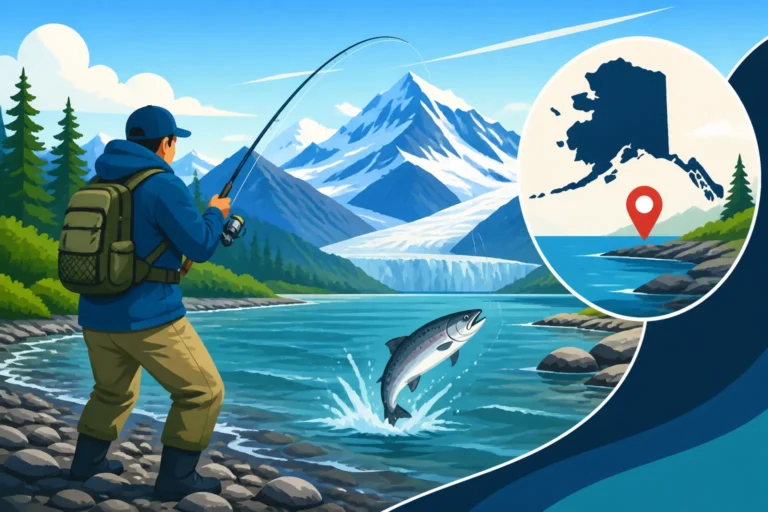
Seward, nestled at the head of Resurrection Bay, isn't just a picturesque port town; it's a vibrant hub for some of Alaska's most incredible fishing. It offers a unique blend of accessibility and wild Alaskan adventure, making it a top destination for those looking to experience the thrill of fishing in the Last Frontier. The town itself has a rich history tied to its fishing heritage, and that spirit is still very much alive in its bustling harbor and dedicated fishing community.
A Gateway to Diverse Fisheries
What truly sets Seward apart is its unparalleled access to diverse fishing grounds. From the calm, deep waters of Resurrection Bay to the vast, open expanses of the Gulf of Alaska, anglers here can pursue a remarkable array of species. You're not just limited to one type of fishing; you can chase massive halibut one day and vibrant salmon the next, often without traveling too far from port.
Resurrection Bay itself is a biological hotspot, drawing in baitfish that, in turn, attract larger predators. As you venture further out, you tap into the richer feeding grounds of the Gulf, where the really big fish often roam. And for those who prefer freshwater, while Seward is primarily known for saltwater, nearby rivers and streams on the Kenai Peninsula offer additional opportunities for species like rainbow trout and Dolly Varden, though the main draw here is definitely the marine action. This geographical advantage means anglers have a better chance of hitting a peak season for multiple species, maximizing their catch potential and overall experience.
The Majestic Scenery and Accessibility
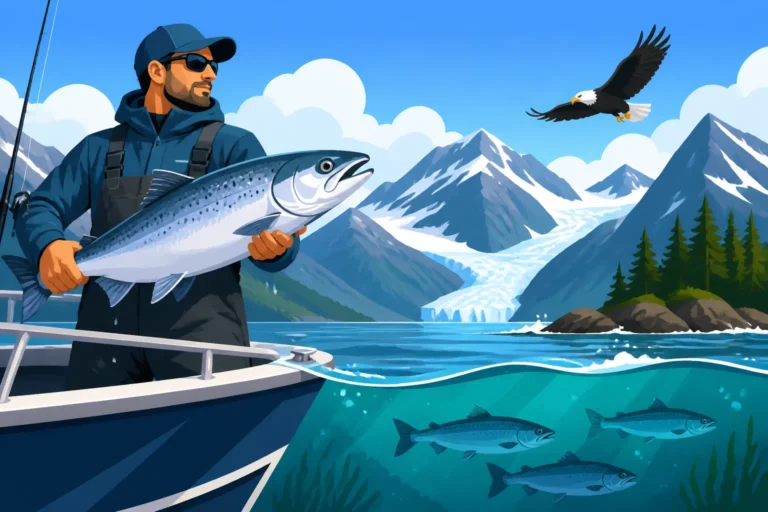
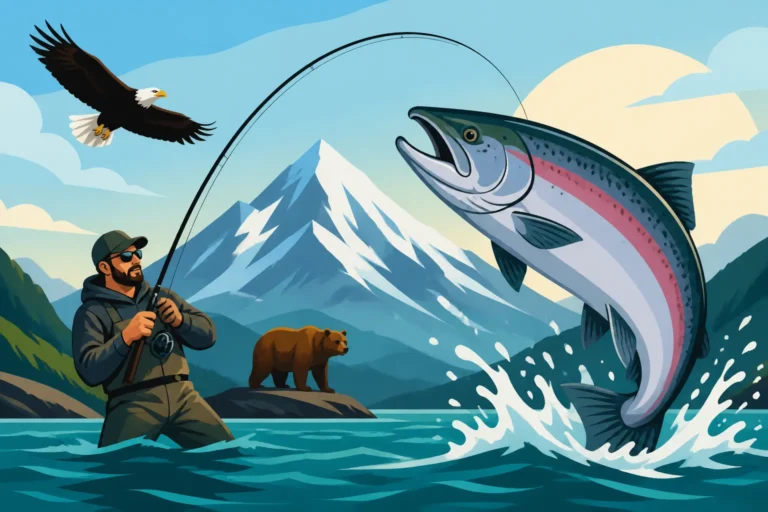
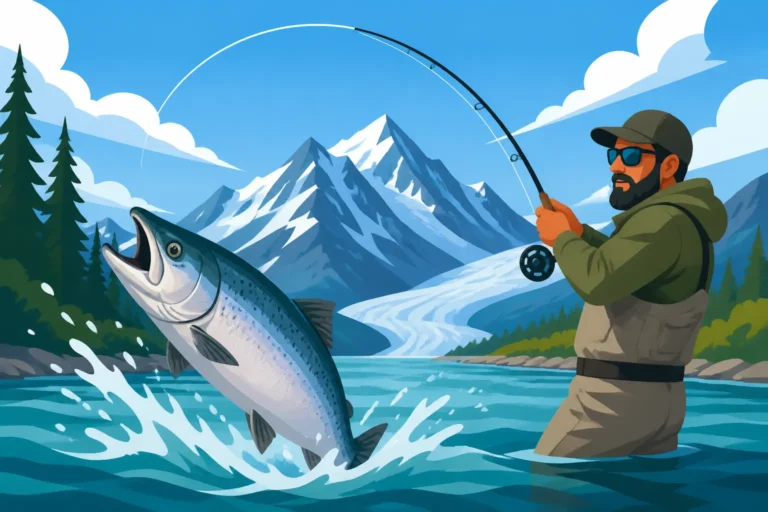
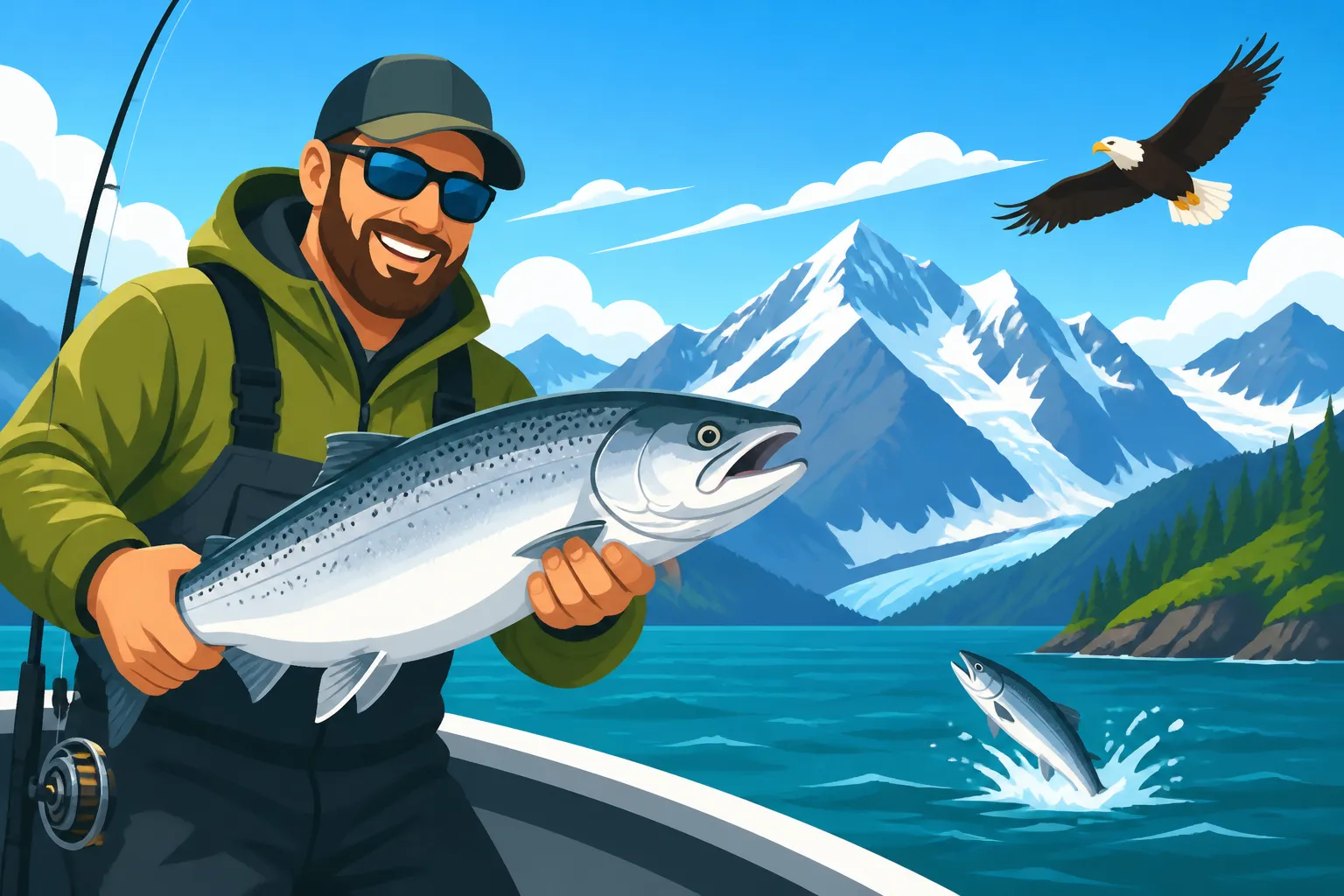
Beyond the incredible fishing, Seward offers an experience that engages all your senses. Imagine reeling in a powerful King Salmon with towering, snow-capped mountains as your backdrop, or pulling up a "barn door" halibut while eagles soar overhead and seals curious watch from a distance. The natural beauty of Kenai Fjords National Park is right on Seward's doorstep, offering breathtaking views of glaciers, wildlife, and dramatic coastlines that make every moment on the water a postcard-worthy memory.
Seward is also incredibly accessible, particularly for an Alaskan fishing destination. It's a key stop on Alaska's road system, easily reachable by car from Anchorage via the scenic Seward Highway, often lauded as one of the most beautiful drives in North America. For those who prefer not to drive, the Alaska Railroad offers a stunning journey right into the heart of Seward, making it convenient for travelers flying into Anchorage. This combination of world-class fishing, stunning scenery, and relative ease of access makes Seward an unbeatable choice for many anglers.
What You'll Catch and When: Targeting Seward's Prized Fish
When you drop a line in Seward, you're entering a world teeming with some of the most sought-after game fish in Alaska. Knowing what species are active and when their runs peak is crucial for planning a successful trip. The seasons here are distinct, and timing your visit can make all the difference between a good trip and a truly legendary one.
King Salmon (Chinook)
The mighty King Salmon is often the crown jewel of an Alaskan fishing trip, and Seward offers a fantastic opportunity to hook one of these magnificent fish. King Salmon are known for their immense power and incredible fighting spirit, making them a true challenge for any angler.
- Seasonality: While some early Kings might show up in late May, the peak King Salmon season in Seward generally runs from mid-June through early July. This window is when charter boats are actively targeting them, often by trolling.
- Typical Sizes: Kings in this area can range from 15 to over 50 pounds, with trophy fish certainly possible. Landing a King over 30 pounds is a serious accomplishment.
- Where They're Found: In Resurrection Bay and the immediate offshore waters, Kings are often caught trolling with downriggers in deeper sections where they're feeding on baitfish. They don't typically enter freshwater systems near Seward in large numbers, so saltwater trolling is the primary method here.
- Techniques: Trolling with large spoons, plugs like the Kwikfish, or herring behind flashers is the most common and effective method for King Salmon in Seward. The key is to present your lure or bait at the depth where the fish are holding, often marked by bait balls on your sonar. For more in-depth techniques, check out our guide on How to Catch King Salmon in Alaska. Remember to always be aware of Alaska King Salmon Fishing Regulations and Limits, as these can change rapidly due to emergency orders.
Silver Salmon (Coho)
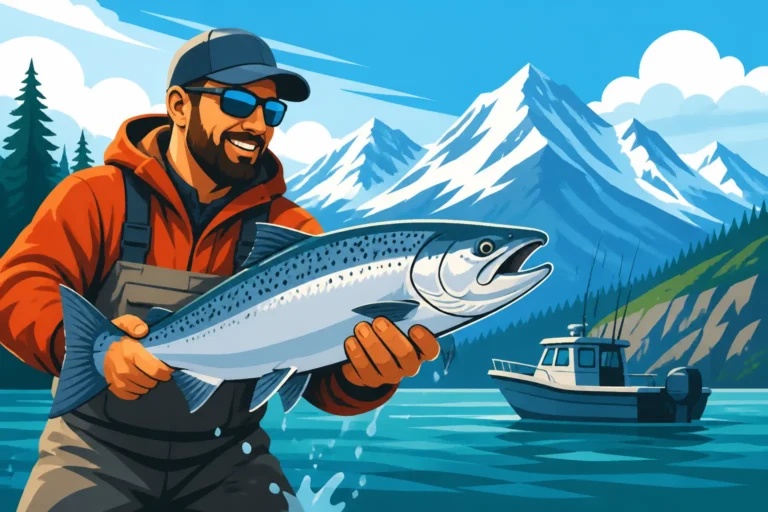
If you're looking for an acrobatic fight and consistent action, Silver Salmon are your fish. They are renowned for their aerial displays and aggressive strikes, providing a thrilling experience for anglers of all skill levels.
- Seasonality: Silver Salmon fishing in Seward kicks off strong in mid-July and continues through August, often with a good push into early September. This is a very popular time for combination salmon and halibut charters.
- Typical Sizes: Silvers typically weigh between 8 to 15 pounds, though larger individuals can certainly be caught. What they lack in sheer size compared to Kings, they make up for in tenacity and fight.
- Where They're Found: You'll find Silvers primarily in Resurrection Bay and the nearshore waters of the Gulf. They follow baitfish into the bay, often congregating in areas with good current or structure.
- Techniques: Trolling is still a primary method, using smaller spoons, hootchies, or cut-plug herring behind flashers. Jigging with metal jigs can also be incredibly effective when you find a school of Silvers. They're often found shallower than Kings, but depth can vary. Our How to Catch Silver Salmon in Alaska article offers more insights into proven methods. Keep an eye on the Alaska Coho Salmon Fishing Regulations and Limits to stay compliant.
Pacific Halibut
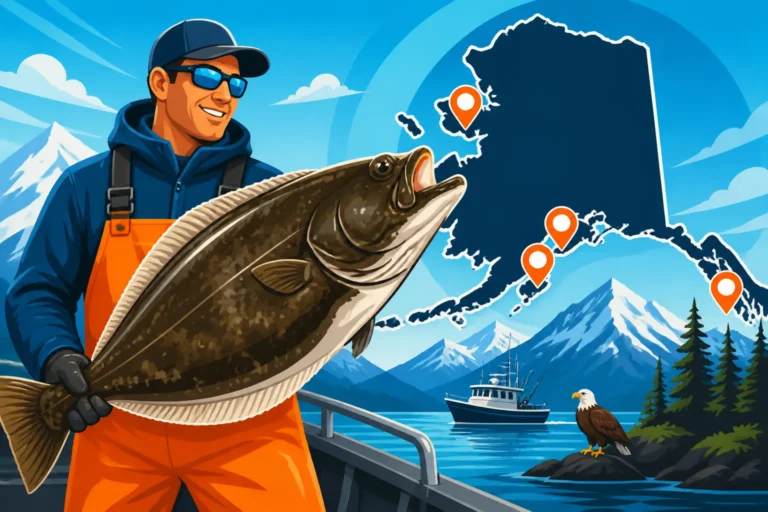
The legendary Pacific Halibut is a staple of Alaskan fishing, and Seward is one of the best places to target these giant flatfish. Known for their delicious white meat and incredible strength, halibut offer a deep-water battle unlike any other.
- Seasonality: Halibut season in Seward typically runs from May through September, with peak months being June, July, and August. This wider window means you can often combine halibut fishing with salmon during the summer.
- Typical Sizes: Halibut can range from "chicken" halibut (10-30 lbs) to true "barn door" monsters exceeding 100 pounds. While landing a 200+ pounder is rare, it's not unheard of in the Gulf of Alaska waters accessible from Seward.
- Where They're Found: Halibut are bottom dwellers, preferring sandy or gravelly bottoms, often near structure or drop-offs in depths ranging from 100 to 500 feet or more. Productive halibut grounds are found both within Resurrection Bay and, more commonly, further out in the Gulf.
- Techniques: Bottom fishing with heavy gear is the name of the game. Large circle hooks baited with herring, cod, or salmon heads are dropped to the seafloor, often with spreader bars to keep the bait away from the main line. Jigging with large metal jigs tipped with bait can also be very effective. Our guide on How to Catch Halibut in Alaska delves into these techniques. Familiarize yourself with Alaska Halibut Fishing Regulations and Limits and especially Alaska Halibut Charter Regulations Explained if you're going with a guide, as these rules are quite specific.
Rockfish and Lingcod
Seward also provides excellent opportunities for various bottom-dwelling rockfish and the elusive, toothy Lingcod. These species offer a fun fight and are excellent eating.
- Seasonality: Rockfish and Lingcod can generally be targeted throughout the saltwater fishing season, from May through September. Lingcod have specific seasons that can vary, so always check the current regulations.
- Typical Sizes: Rockfish vary greatly by species, from a few pounds to over 20 pounds for yelloweye rockfish. Lingcod can grow quite large, often 20-50 pounds, with some exceeding 70 pounds.
- Where They're Found: These species inhabit rocky reefs, pinnacles, and other underwater structures, often in depths ranging from 50 to 300 feet. Your charter captain will know the prime spots.
- Techniques: Jigging with heavy metal jigs or rubber swimbaits is very effective. You can also use bait on a dropper rig. For rockfish, especially yelloweye, it's crucial to use a deepwater release device for any fish you don't intend to keep, as they suffer from barotrauma when brought up from deep water.
Here's a quick summary table for Seward's main fishing targets:
| Species | Peak Season | Typical Size Range | Primary Fishing Location | Common Techniques |
|---|---|---|---|---|
| King Salmon (Chinook) | Mid-June to Early July | 15-50+ lbs | Resurrection Bay, Nearshore Gulf | Trolling (spoons, plugs, herring) |
| Silver Salmon (Coho) | Mid-July to Early September | 8-15 lbs | Resurrection Bay, Nearshore Gulf | Trolling (hootchies, spoons), Jigging |
| Pacific Halibut | May to September (Peak: Jun-Aug) | 10-200+ lbs | Resurrection Bay, Gulf of Alaska | Bottom Fishing (bait), Jigging |
| Rockfish | May to September | 2-20+ lbs | Rocky Reefs, Pinnacles | Jigging, Bait on Dropper Rigs |
| Lingcod | Check Regulations (seasonal) | 20-70+ lbs | Rocky Reefs, Pinnacles | Jigging, Large Baits |
Essential Fishing Techniques and Gear for Seward
Success in Seward's rich waters often comes down to employing the right techniques and having the appropriate gear. Whether you're trolling for salmon or bottom fishing for halibut, understanding the methods and tools involved will significantly boost your chances of a memorable catch.
Saltwater Strategies
The vast majority of fishing in Seward is saltwater-based, and a few key strategies dominate the scene:
- Trolling: This is the bread and butter for salmon fishing in Seward. Trolling involves dragging lures or baited rigs behind a moving boat. Downriggers are essential for getting your offerings down to the desired depth, especially for King Salmon which often suspend at 60-120 feet. For Silvers, you might fish a bit shallower, perhaps 30-60 feet. The speed of the troll, the type of lure (spoons, hootchies, plugs), and the bait (cut-plug herring is a classic) are all critical factors that experienced guides constantly adjust based on conditions and fish behavior. Look for bait balls on your sonar; salmon are usually not far behind.
- Jigging: Jigging is incredibly versatile and effective for both salmon and bottom fish. It involves vertically dropping a weighted lure (jig) to a specific depth and then rhythmically raising and dropping it to mimic an injured baitfish. For Silvers, lighter jigs in the 2-4 ounce range might be used when schools are active near the surface. For rockfish and Lingcod, heavier jigs (6-16 ounces or more, depending on depth and current) are deployed closer to the bottom, often tipped with a piece of bait for added attraction. This technique allows for a more hands-on, interactive fishing experience.
- Bottom Fishing: This method is primarily for Halibut. It requires robust gear to handle heavy weights, strong currents, and potentially massive fish. You'll typically use a heavy rod and reel combo spooled with braided line, a strong leader, and a large circle hook baited with herring, cod, or other oily fish. The goal is to get your bait directly on the bottom where halibut lie in wait. Once the bait is down, you might gently bounce it or just let it sit, waiting for that tell-tale "thump" that signals a halibut strike. Patience is often a virtue when bottom fishing.
Freshwater Approaches
While Seward is predominantly a saltwater fishing destination, if you're venturing inland on the Kenai Peninsula, you might encounter freshwater fishing opportunities. For example, some anglers head to the Russian River or Kenai River for Sockeye Salmon during their specific runs. These rivers require entirely different approaches.
- Flossing (for Sockeye): On rivers like the Kenai and Russian, a common and effective technique for Sockeye Salmon is "flossing." This involves a weighted leader with a small, bare hook trailing behind it. The idea is to drift the line through schools of salmon, and when the leader passes through their open mouths, the hook ideally snags them in the corner of the jaw as you set it. This isn't snagging in the traditional sense, but a legal method specifically regulated for Sockeye in certain areas. It's a highly specialized technique that takes practice.
- Fly Fishing/Spin Fishing (for Trout/Dolly Varden): For resident species like Rainbow Trout and Dolly Varden in streams, fly fishing with egg patterns, streamers, or nymphs can be very productive. Spin fishermen will use small spinners, spoons, or bait like cured salmon eggs. These methods are typically catch-and-release focused in many trout fisheries to preserve the populations.
Recommended Gear and Tackle
For a saltwater trip out of Seward, especially on a charter, much of the heavy-duty gear will be provided. However, knowing what to expect and what to bring yourself can be helpful.
- Rods and Reels: For salmon trolling, a medium-heavy rod with a level-wind reel spooled with 20-30 lb monofilament or braid is common. For halibut, you'll need a much heavier setup – a stiff, short rod with a large lever-drag reel spooled with 80-150 lb braided line.
- Line: Braided line is popular for its strength, sensitivity, and lack of stretch, making it ideal for deep-water jigging and halibut fishing. A fluorocarbon or monofilament leader is typically used at the business end.
- Lures and Baits:
- Salmon: Spoons (e.g., Silver Horde, Coho Killer), plugs (e.g., Kwikfish), hootchies (squid skirts), and cut-plug herring are top choices.
- Halibut: Fresh or frozen herring, salmon heads, cod fillets, or octopus are excellent baits. Large metal jigs (e.g., P-Line, Gibbs) or large grub-style soft plastics are also effective.
- Rockfish/Lingcod: Jigs, soft plastic swimbaits, and bait (herring, squid) on a dropper rig.
- Terminal Tackle: Swivels, snap swivels, heavy-duty leaders (80-150 lb for halibut), and large circle hooks (8/0 to 16/0 for halibut) are essential.
- Clothing: Layers are key in Alaska. Expect cool mornings, potential rain, and wind, even in summer. Good rain gear (jacket and pants), warm base layers, a fleece, waterproof boots, gloves, and a warm hat are non-negotiables. Check out our detailed guide on How to Dress for Alaska Fishing for more tips.
Planning Your Seward Fishing Adventure: Charters, Regulations, and Logistics
Embarking on an Alaskan fishing trip requires a bit of planning, especially when it comes to booking charters, understanding the rules, and managing your catch. Seward has a robust infrastructure to support anglers, but being prepared will ensure a smooth and successful trip.
Choosing the Right Charter
For most visitors to Seward, booking a fishing charter is the most effective way to experience its incredible waters. Charter captains are local experts who know the best spots, current conditions, and effective techniques.
- What to Look For: When choosing a charter, consider the type of fish you want to target (salmon, halibut, or a combo trip), the duration (half-day or full-day), and the size of the boat. Ask about their catch limits policy and what's included (gear, bait, fish cleaning). A reputable charter will have experienced captains and crew, well-maintained boats, and a strong safety record.
- Booking Ahead: Seward is a popular destination, especially during peak salmon and halibut seasons. It is highly recommended to book your charter several months in advance, particularly if you're traveling in July or August. Online platforms like FishingBooker make it easy to compare different charters, read reviews, and secure your spot well ahead of time. You can often filter by target species, boat size, and price, which is incredibly helpful when planning.
- Questions to Ask: Don't hesitate to ask specific questions before booking, such as "What's the typical group size?" or "Do you provide fish cleaning and processing services?" Our guide on How to Choose an Alaska Fishing Charter provides an extensive list of questions to consider. Also, be sure to understand What to Expect on an Alaska Fishing Charter so you're not caught off guard.
Navigating Regulations and Licenses
Alaska has some of the most complex fishing regulations in the world, designed to protect its precious fisheries. Staying compliant is not just about avoiding fines; it's about preserving these resources for future generations.
- Fishing License: Every angler aged 16 or older needs an Alaska fishing license. Non-residents have various options, including 1-day, 3-day, 7-day, 14-day, and annual licenses. You can purchase these online through the Alaska Department of Fish and Game (ADF&G) website, or in person at many local vendors in Seward. Make sure you understand the Alaska Fishing License: Complete Guide before your trip. If you plan to fish for King Salmon, you'll also need a King Salmon Stamp, regardless of whether you're a resident or non-resident.
- Emergency Orders: This is one of the most critical aspects of Alaskan fishing. Regulations, especially for King Salmon and Halibut, can change daily via emergency orders issued by ADF&G in response to fish run strengths or conservation concerns. Always check the latest emergency orders before heading out. Your charter captain will be up-to-date, but it's good practice for you to be aware. Our article Alaska Fishing Emergency Orders Explained offers a deeper dive into this vital topic.
- Bag Limits: Understand the daily and annual bag limits for each species you plan to target. Halibut limits, in particular, vary between guided and unguided anglers, and often include size restrictions or reverse slot limits, especially for charter anglers. For example, Alaska Halibut Charter Regulations Explained details how these limits work. Alaska Fishing Limits and Bag Limits Explained is an excellent resource to review before your trip.
Beyond the Fishing: Lodging, Fish Processing, and Local Amenities
Your Seward fishing trip isn't just about what happens on the water; it's also about your experience on land.
- Lodging: Seward offers a range of accommodations, from hotels and motels to cabins, B&Bs, and vacation rentals. During peak season, lodging fills up quickly, so book well in advance. Popular options include the Seward Windsong Lodge and the Gateway Hotel, but plenty of smaller, locally-owned establishments offer a charming stay.
- Fish Processing: Catching a cooler full of fish is just the first step. You'll need to process it for travel. Many charter services offer basic cleaning (filleting) included in the trip price. For vacuum sealing, freezing, and shipping, you'll want to utilize one of Seward's professional fish processors. Companies like J-Dock Seafood Company or Seward Fish Processing can handle your catch, ensuring it's properly cared for and ready for your journey home. This service is invaluable, as it preserves the quality of your hard-earned fish. Read our guide on Fish Processing After an Alaska Charter for more information.
- Local Amenities: Seward boasts a variety of restaurants, tackle shops, and other services. You can pick up any last-minute gear, enjoy a hearty meal after a day on the water, or explore attractions like the Alaska SeaLife Center. Many tackle shops, like The Fish House, are great resources for local tips and current fishing reports. Don't forget to grab some local smoked salmon or fresh seafood to enjoy.
- Other Activities: If you have downtime, consider a wildlife cruise into Kenai Fjords National Park, kayaking Resurrection Bay, or hiking some of the beautiful trails like the Harding Icefield Trail. Seward is a destination that truly offers something for everyone, making it perfect for combining a hardcore fishing trip with broader Alaskan exploration.
Remember, a trip to Seward is more than just fishing; it's an immersion into the wild beauty and abundant resources of Alaska. By understanding the species, mastering the techniques, and planning ahead with reliable resources like FishingBooker for charters, you're set for an unforgettable adventure.
Disclaimer
Please note that fishing regulations in Alaska are subject to change at any time due to emergency orders from the Alaska Department of Fish and Game (ADF&G). It is the angler's responsibility to check the most current regulations before fishing. This guide provides general information and should not be considered a substitute for official ADF&G regulations.