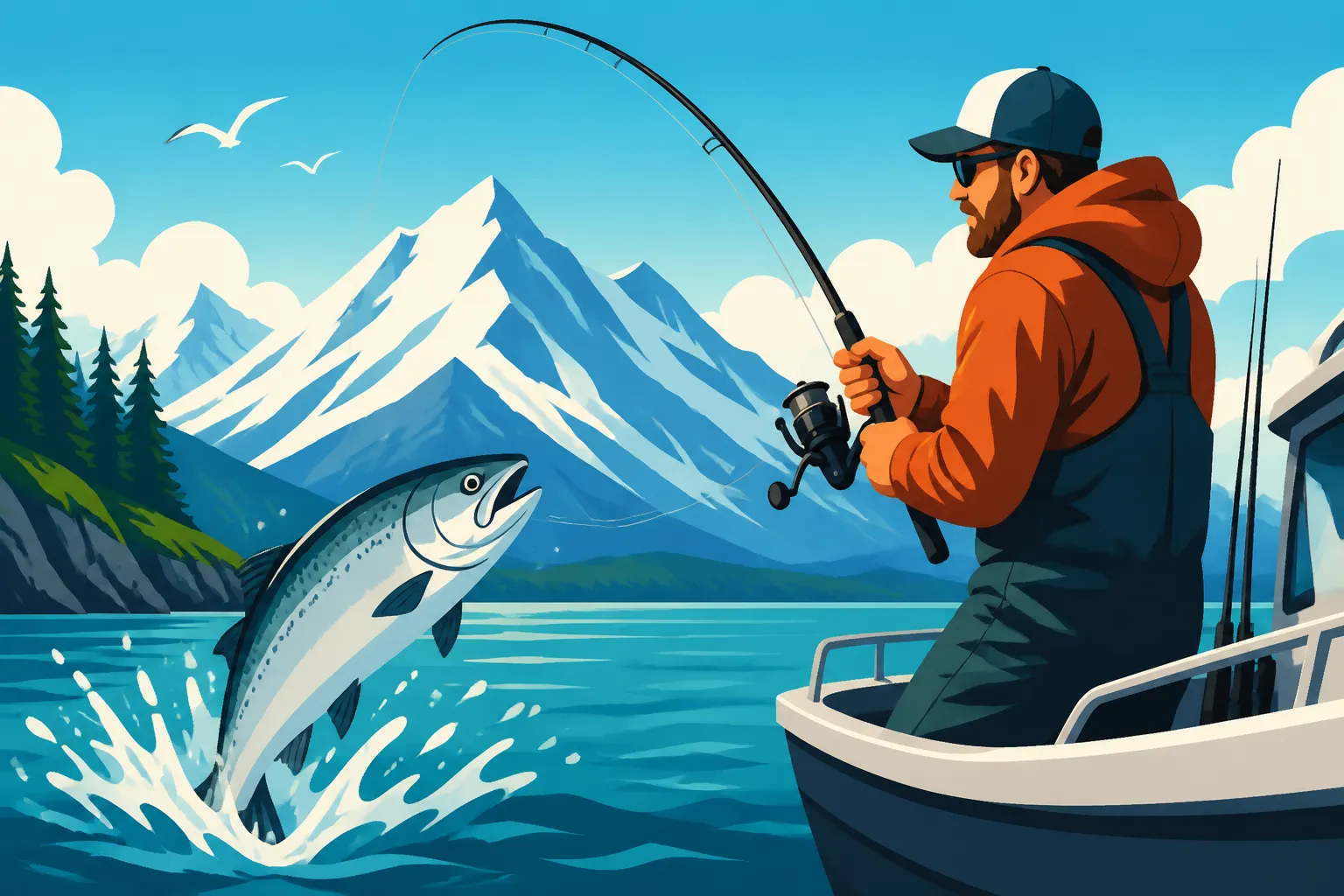
Homer Fishing: What to Know Before You Go
Planning a fishing trip to Homer, Alaska, can feel like trying to untangle a hundred yards of monofilament line in a gale – exciting, but potentially overwhelming with all the details, regulations, and choices involved. You want to make the most of your adventure to the "Halibut Fishing Capital of the World," but figuring out the best time to go, what to fish for, and how to book the right experience can be a real headache. This guide is here to untangle that line for you, providing all the essential knowledge you need before you even set foot on the Homer Spit.
Why Homer is a Premier Fishing Destination
Homer, perched at the southern tip of the Kenai Peninsula, isn't just a picturesque town with stunning views of Kachemak Bay and the distant, snow-capped mountains of the Alaska Range. It's a true angler's paradise, a place where fishing isn't just a pastime, but a way of life. The unique geography and rich marine ecosystem here create an unparalleled environment for both seasoned fishermen and complete novices to experience some of the most exciting fishing Alaska has to offer. The sheer abundance and variety of fish draw people from all corners of the globe, seeking that iconic Alaskan angling adventure.
The "Halibut Fishing Capital of the World" Reputation
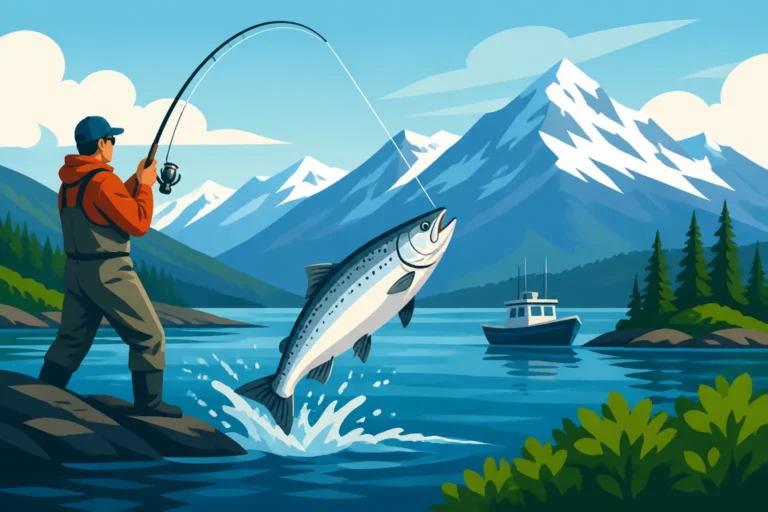
Let's be honest: when most people think of Homer fishing, they immediately think of halibut. And for good reason! Homer has proudly earned its moniker as the "Halibut Fishing Capital of the World," and it delivers on that promise year after year. The deep, nutrient-rich waters of Kachemak Bay and the surrounding Gulf of Alaska are teeming with these giant flatfish. Picture this: you’re out on the water, the sun glinting off the choppy surface, and suddenly, your rod bends over with a force that makes your arms ache. That's the Homer halibut experience – a powerful, sustained fight against a fish that can easily weigh over a hundred pounds. Many anglers come specifically hoping to land a "barn door" halibut, and Homer provides some of the best opportunities anywhere to do just that.
Beyond the sheer size potential, the consistency of the halibut fishery here is remarkable. While no fishing is ever a guarantee, Homer's waters consistently produce good catches, making it a reliable choice for a successful halibut trip. You'll find many local charter operations specialize in halibut, offering everything from full-day excursions far offshore to shorter trips within the bay. When planning, it's a good idea to research Homer Halibut Fishing Guide options to understand what kind of experience you're looking for, whether it's a dedicated hunt for a monster or a more relaxed trip focused on limits of "chicken" halibut.
Diverse Species Beyond Halibut
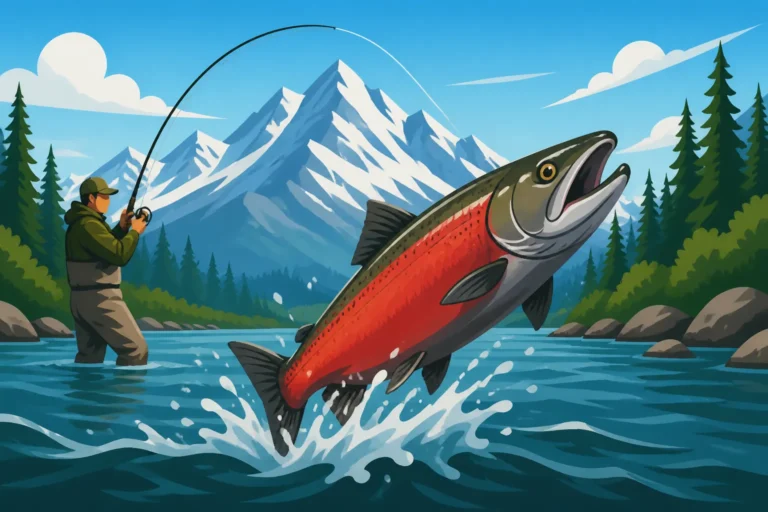
While halibut might steal the spotlight, it would be a mistake to think Homer is a one-fish town. The fishing opportunities here are incredibly diverse, catering to all sorts of angling preferences. Just as the salmon runs flood the rivers of the Kenai Peninsula, the saltwater around Homer offers fantastic salmon fishing, especially for feisty silver salmon (coho) and the hard-fighting king salmon (chinook). Often, charters will offer combo trips, allowing you to try for both salmon and halibut in a single day, maximizing your chances of filling your cooler with a variety of delicious Alaskan fish.
But the diversity doesn't stop there. The rocky reefs and deeper structures around Kachemak Bay are also home to a fantastic array of bottom fish. You can find robust lingcod, known for their aggressive strikes and impressive teeth, and a variety of colorful rockfish species, including the prized yelloweye rockfish. These species offer a different kind of challenge and flavor profile, making a multi-species trip a truly rewarding experience. For those looking for a different pace, even crabbing for Dungeness or Tanner crab can be an option with some charter outfits, adding another layer to your seafood harvest. This variety means that even if the halibut bite is slow one day, there's always another exciting fish to target, ensuring your time on the water is never dull.
Understanding Homer's Fishing Seasons and Best Times
Timing is everything when it comes to fishing in Alaska, and Homer is no exception. While you can typically find some fishing action throughout the open water season, knowing when different species are peaking will significantly increase your chances of a successful and memorable trip. It’s not just about the fish, though; knowing the seasonal rhythms also helps you plan for weather, crowds, and the overall ambiance of your Homer adventure. A little research into Alaska Fishing Seasons: Month-by-Month Guide can go a long way in setting realistic expectations for your trip.
Prime Time for Halibut and Salmon
The absolute prime season for halibut in Homer generally kicks off in late May and runs strong through September. During this window, the weather tends to be more stable, and the halibut are actively feeding. June, July, and August are often considered the sweet spot. You'll find a wide selection of charters available, and the fishing can be phenomenal. However, this is also peak tourist season, meaning you'll encounter more crowds and potentially higher prices for accommodations and charters. It's crucial to book your Homer Halibut Fishing Guide well in advance if you're planning a trip during these bustling months.
Salmon fishing, particularly for king salmon, typically starts in May and can extend into early July. These early-season kings are often caught in the waters just outside Kachemak Bay. Silver salmon (coho) fishing then picks up, usually from late July through September, and offers incredibly exciting action closer to shore and in the bay itself. Many anglers find the late summer silver salmon run to be a fantastic alternative or addition to halibut fishing, especially when paired with calmer waters. If you're hoping for a mixed bag of both halibut and salmon, the window from late July through August is often ideal, allowing you to hit both prime times.
Here’s a quick overview of the general prime seasons for popular species in Homer:
| Fish Species | Prime Season | Notes |
|---|---|---|
| Halibut | June – September | Peak activity, larger fish more common. Book charters well in advance. |
| King Salmon | May – Early July | Strong fighters, often targeted in the open waters near the bay entrance. |
| Silver Salmon | Late July – September | Abundant and aggressive, excellent sport in Kachemak Bay. |
| Lingcod | July – August | Aggressive bottom fish, often a bonus on halibut trips. |
| Rockfish | June – September | Diverse species, good eating, found on reefs. |
Less-Known Seasons for Other Species
While the summer months are undeniably popular, Homer does offer viable fishing opportunities outside of the absolute peak for halibut and salmon. For instance, some local guides will target feeder king salmon throughout the winter months, offering a unique, often solitary experience away from the summer crowds. These winter kings are often plump and incredibly tasty, though the weather can be more challenging. It’s a less common pursuit for visitors, but a rewarding one for those seeking solitude and a different kind of Alaskan adventure.
Additionally, certain rockfish species and even some smaller halibut can be targeted earlier in the spring or later in the fall. These shoulder seasons typically see fewer tourists, lower prices for some services, and a more serene atmosphere. While the weather can be unpredictable, a beautiful, crisp spring day or a calm, autumnal morning can offer fantastic fishing without the competition. Always check current regulations, as seasons and limits can vary, especially for species like lingcod which have specific opening dates. Consulting the Alaska Fishing Regulations Explained or local bait shops upon arrival will provide the most up-to-date information.
Navigating Fishing Charters in Homer
For most visitors to Homer, booking a fishing charter is the quintessential way to experience the local fisheries. Unless you're bringing your own boat or know someone with local knowledge and a vessel, a charter provides the expertise, gear, and safety necessary to tackle the vast waters of Kachemak Bay and beyond. The choices can be overwhelming, from small, personalized trips to large party boats, each with different focuses and price points. Knowing how to choose an Alaska Fishing Charter is key to a successful outing.
When searching for charters, many anglers find it helpful to browse options on platforms like FishingBooker. These sites allow you to compare multiple operators, read reviews, and see available dates and prices all in one place, streamlining the booking process significantly.
Charter Options: Halibut, Salmon, or Combo Trips
Homer's charter fleet offers a variety of specialized trips. The most popular by far are the dedicated halibut charters, which often involve longer runs out into the deeper waters of the Gulf of Alaska to target larger fish. These trips can be exhilarating, but also demand a full day and can be physically demanding, especially if you hook into a monster. Be prepared for early mornings and potentially rough seas on these offshore excursions.
If salmon is your primary target, you'll find charters that focus specifically on trolling for king salmon or jigging and mooching for silver salmon in Kachemak Bay. These trips often stay closer to shore, offering calmer waters and a different style of fishing. However, for many visitors, the ultimate Homer experience is a combo trip. These charters attempt to target both halibut and salmon in a single day, often starting with halibut in the morning and then switching to salmon fishing closer to port in the afternoon. While you might not spend as much dedicated time on any single species, a combo trip offers the best chance to experience the diversity of Homer's fisheries and bring home a varied catch. When using resources like FishingBooker, you can usually filter charters by the type of trip they offer, making it easier to find one that matches your angling goals.
What to Expect and How to Prepare
Regardless of the type of charter you choose, there are some universal expectations and preparations you should consider. Most Homer charters will provide all necessary fishing gear, bait, and safety equipment. This usually includes heavy-duty rods and reels suitable for battling big halibut or salmon, as well as personal flotation devices. However, you are typically responsible for your own Alaska Fishing License: Complete Guide and any required stamps, like the King Salmon Stamp, which you should purchase before your trip. Some charters may offer to sell licenses on board, but it's always best to arrive prepared.
What to expect on an Alaska Fishing Charter often includes an early start, usually between 5:00 AM and 7:00 AM, depending on the tides and the captain's plan. Be prepared for a long day on the water, often 8-12 hours. Pack layers of clothing, as Alaska weather can change rapidly. Waterproof outer layers are non-negotiable – think good rain gear, not just a splash-proof jacket. Bring snacks, drinks, and a packed lunch. Sunscreen, sunglasses, and a hat are also crucial, as the glare off the water can be intense, even on cloudy days. Dramamine or other motion sickness medication is a good idea if you're prone to seasickness, especially for halibut trips that venture into the open ocean. Always confirm with your specific charter what they provide and what you should bring. Sites such as FishingBooker often have detailed descriptions of what's included in a charter package, so you can review those before booking.
Essential Regulations and Gear for Homer Anglers
Alaska's fishing regulations are designed to protect its precious fisheries, and they can be complex and change frequently due to emergency orders. It's imperative that every angler understands and adheres to these rules. Ignorance is not an excuse, and violations can lead to hefty fines and even loss of fishing privileges. Beyond regulations, having the right gear, even if provided by a charter, and knowing how to dress for unpredictable Alaskan weather are crucial for a comfortable and successful trip.
Key Fishing Regulations in Kachemak Bay
Before you even cast a line, you need an Alaska Fishing License. For non-residents, these can be purchased online or at local vendors. Remember, if you plan to target King Salmon, you'll also need to purchase an Alaska King Salmon Stamp Requirements in addition to your regular license. Homer falls within the Southcentral region's management area, and the rules for Kachemak Bay and the adjacent marine waters are specific.
One of the most important aspects for halibut anglers is understanding the daily and annual bag limits, which can vary significantly for resident and non-resident anglers, and also differ for guided (charter) versus unguided fishing. For example, Alaska Halibut Charter Regulations Explained often include a "reverse slot limit" or specific "no retention days" like Thursdays in certain areas, especially for guided anglers, to manage the fishery. These regulations are subject to change, sometimes even in-season via emergency orders. Always check the current year's Alaska Fishing Regulations Explained booklet (available online or at local vendors) and look for any updated emergency orders from the Alaska Department of Fish and Game (ADF&G) before heading out. Local tackle shops in Homer are also excellent resources for the very latest information. You also need to be mindful of Alaska Halibut Daily Limit for Charter Anglers, which can be different from unguided limits.
Recommended Gear and Local Insights
While most charters provide the core fishing gear, there are a few personal items that will greatly enhance your experience. As mentioned, layers of clothing are paramount. Start with a moisture-wicking base layer, add a fleece or wool mid-layer for warmth, and top it off with a high-quality, waterproof and windproof outer shell. Even on a sunny day, the air temperature on the water can be significantly cooler, and unexpected squalls can roll in quickly. Waterproof boots are also highly recommended, as boat decks can be wet and slippery.
For those venturing out on their own, or fishing from shore (Homer's Nick Dudiak Fishing Lagoon on the Spit offers great shore fishing for salmon during runs), a medium-heavy to heavy action rod with a robust reel spooled with at least 50-80 lb braided line is standard for halibut. For salmon, a medium-heavy rod with 20-30 lb monofilament or braid is more common. Lures and bait will depend on the species and time of year; for halibut, large chunks of herring or octopus on circle hooks are popular. For salmon, spinners, spoons, and cured roe are often effective. Always confirm bait and lure restrictions, especially in freshwater systems if you venture off the salt. A good pair of polarized sunglasses will help cut the glare and spot fish, and a brimmed hat will offer protection from sun and spray. A final local tip: bring a cooler for your fillets! Many fish processors on the Homer Spit can vacuum seal and freeze your catch for shipping home, but you’ll need a way to transport it to them.
Disclaimer
Please remember that fishing conditions, regulations, and fish runs in Alaska are subject to change without notice due to biological and environmental factors. Always consult the latest regulations from the Alaska Department of Fish and Game (ADF&G) and local authorities before planning and embarking on any fishing trip. This guide provides general information and recommendations, but it is your responsibility to ensure compliance with all current rules.