Best Fishing Spots Without a Boat in Alaska
Dreaming of Alaska fishing but don't own a boat? You're not alone. Many anglers assume you need a pricey charter or a personal vessel to experience the Last Frontier's legendary waters. The good news is, that's simply not true! This guide will take you through the best fishing spots in Alaska that you can access right from the shore, docks, or easily wadeable rivers, proving you can have an epic angling adventure without ever stepping foot on a boat.
The Underrated Joy of Boat-Free Angling in Alaska
There's a common misconception that to truly experience Alaska's world-class fishing, you absolutely need a boat, whether it's a guided charter or your own vessel. While boats certainly open up different opportunities, they are by no means a prerequisite for an incredible fishing trip. In fact, some of the most memorable and productive fishing in Alaska can be done with your feet firmly planted on solid ground or wading in a pristine stream. The freedom of pulling over your vehicle at a roadside pull-out, hiking to a secluded bend, or simply casting from a public dock offers a unique connection to the Alaskan wilderness that's often missed on a boat.
For many, the cost of a charter or the logistics of transporting a boat can be prohibitive. The beauty of boat-free fishing is its accessibility and affordability. You’re not beholden to a captain's schedule, nor are you paying hundreds or thousands of dollars for a single day on the water. This independence allows you to explore at your own pace, linger longer in a promising spot, or quickly move on if conditions aren't favorable. This focus on shore-based angling is truly one of the Best Bank Fishing in Alaska experiences you can have.
Why Go Boat-Free? Accessibility and Authenticity
Choosing to fish without a boat in Alaska isn't just a budget-friendly option; it's a choice for a more authentic, grassroots experience. When you're standing on the bank of a river, feeling the current at your feet, you're experiencing the ecosystem firsthand in a way that's different from being on a vessel. You hear the rustle of leaves, the calls of birds, and maybe even the distant roar of a bear, all while keeping a keen eye on the water for rising fish or signs of a salmon run. It's a raw, immersive encounter with nature.
Public access points are surprisingly plentiful across Alaska, particularly in the more populated Southcentral region, offering vast stretches of fishable water. These areas are often well-maintained and provide parking, making it easy for anglers of all skill levels to get to the water. Some of these spots are legendary for their productivity, drawing local and visiting anglers alike who are eager to test their skills against Alaska's powerful salmon and trout without the need for specialized watercraft. Even if you're not chartering, sometimes a quick search on FishingBooker for guides in a specific area can give you an idea of what species are being targeted and where, which can inform your own bank fishing plans.
The Myth of Limited Opportunities
The idea that boat-free fishing means limited opportunities is just that—a myth. While certain deep-water halibut grounds or remote river stretches are indeed boat-access only, a vast array of species are perfectly catchable from shore. King salmon, sockeye salmon, coho salmon, rainbow trout, Dolly Varden, and even some species of char can all be targeted successfully from riverbanks, stream mouths, and saltwater docks. It just requires a different approach, a keen eye for good water, and an understanding of fish behavior in shallow or accessible areas.
Many productive spots are at river mouths where salmon congregate before heading upstream, or in tidal flats where they pass through. Lakes, too, offer excellent boat-free fishing for trout and pike from shorelines and public docks. It’s all about doing your homework, understanding the fish species you’re targeting, and knowing when and where they can be found within casting distance of the bank. Remember, even for shore fishing, it's wise to consider local knowledge. Some guides listed on FishingBooker might offer walk-in trips or provide invaluable tips for a small fee.
Southcentral Alaska: Road System Riches
Southcentral Alaska, especially the Kenai Peninsula and the greater Anchorage area, is a treasure trove of easily accessible fishing spots for those without a boat. The extensive road system makes these locations reachable by car, and many offer well-developed public access.
Kenai Peninsula Hotspots: Russian River and Kenai River
The Kenai Peninsula is arguably the most famous fishing destination in Alaska, and for good reason. It boasts phenomenal fishing for all five species of Pacific salmon, plus rainbow trout and Dolly Varden, and much of it is accessible without a boat.
The Russian River, near Cooper Landing, is legendary for its sockeye salmon runs. Anglers line the banks during peak season, "flipping" for reds with short rods and weighted flies. While it can be crowded, the sheer volume of fish means incredible opportunities for bank anglers. Public access is excellent, with well-maintained trails and platforms. Just be prepared for the famous "combat fishing" experience! The Russian River Fishing: What to Know Before You Go offers legendary sockeye fishing that draws crowds, but also ample bank access.
The mighty Kenai River itself, particularly the sections around Soldotna and Cooper Landing, offers numerous public access points. You can find pull-offs along the Sterling Highway leading to gravel bars or designated shore fishing areas. Anglers regularly target King salmon, sockeye, and coho from these banks, often using spin fishing techniques or even fly fishing in appropriate stretches. For those exploring the Kenai River Fishing: Complete Guide, you'll find numerous pull-offs and designated public access points, perfect for land-based angling. Access points like the Izaak Walton State Recreation Site or various city parks in Soldotna provide great starting points.
Anchorage Area Access: Ship Creek and Eklutna Tailrace
You don't even have to leave the Anchorage area to find fantastic boat-free fishing.
Ship Creek, running right through downtown Anchorage, is a truly unique urban fishery. During summer, King salmon and coho salmon run up this small stream, providing incredible angling opportunities literally steps from skyscrapers. There are designated fishing platforms and ample bank access, making it incredibly popular. It’s an easy spot to reach, perfect for a quick evening session after exploring the city. One of the most iconic and easily accessible spots near the urban hub is Ship Creek Fishing in Downtown Anchorage.
The Eklutna Tailrace, located about an hour north of Anchorage, is another excellent option. This is the outflow from Eklutna Lake, and it attracts both King salmon and coho salmon during their respective runs. It's easily accessible via a short hike from the parking area and provides plenty of bank space for casting. The calm, managed waters here can be a good spot for anglers looking for a slightly less chaotic experience than some of the larger river systems.
Mat-Su Valley Rivers: Deshka River and Little Susitna
North of Anchorage, the Matanuska-Susitna Valley ("Mat-Su Valley") offers more road-accessible fishing.
The Deshka River is a major tributary of the Susitna River and is famous for its King salmon runs. While much of the prime fishing is boat-accessed, there are areas near the mouth where strong bank anglers can find success, particularly with the use of larger casting setups. However, this often requires a bit more local knowledge or a willingness to explore.
The Little Susitna River, accessible via the Little Susitna Public Use Area, provides ample bank access for targeting salmon and rainbow trout. It's a popular spot for locals, especially during the coho salmon run in late summer. The river is relatively narrow in many places, allowing for effective casting from either bank, and it's well-managed for public recreational use.
Interior Alaska: Remote but Reachable Gems
While the Interior often evokes images of vast, untouched wilderness, there are still excellent opportunities for boat-free fishing, particularly around Fairbanks and along some scenic highways.
Fairbanks Area: Chena River and Tanana River Tributaries
Fairbanks is the hub of Interior Alaska, and it offers its own unique set of fishing opportunities.
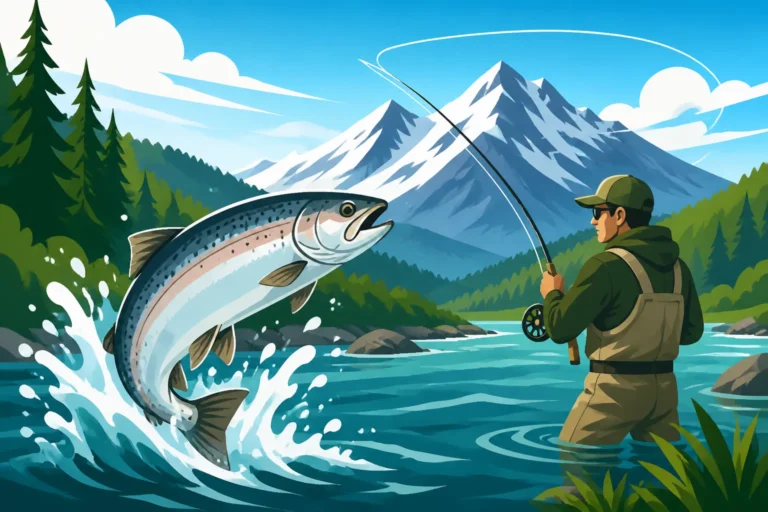
The Chena River, flowing directly through Fairbanks, is a beautiful clearwater river known for its Arctic grayling, salmon (primarily chum and some coho), and occasionally rainbow trout. There are numerous parks and public access points along the river within city limits where you can cast a line. Fly fishing for grayling is particularly popular here. This river system provides a surprisingly peaceful urban fishing experience.
Tributaries of the massive Tanana River, such as the Salcha River or Chatanika River, can also provide bank access for salmon, though these often require a bit more research or local guidance to find the most productive spots. Always consult the latest Alaska Fishing Regulations Explained for the specific river or stream you plan to visit, as rules can vary greatly.
Denali Highway Lakes and Streams
For the more adventurous boat-free angler, the Denali Highway offers a truly spectacular experience. This mostly gravel road, stretching between Paxson and Cantwell, is dotted with countless lakes and streams that are teeming with Arctic grayling, rainbow trout, and even some lake trout.
Most of these waters are easily accessible from the roadside, requiring only a short walk or wade to cast. Imagine pulling over, walking a hundred yards, and catching wild grayling with their sail-like dorsal fins against a backdrop of stunning mountain scenery. It’s an unparalleled wilderness experience that doesn't demand a boat. Just be sure your vehicle is up to the task of gravel road travel, and always carry bear spray.
Southeast Alaska: Urban and Coastal Opportunities
Southeast Alaska, with its intricate network of islands and fjords, is predominantly a saltwater fishing paradise. While many prime spots require a boat, there are still some excellent bank and dock fishing opportunities, especially in and around the coastal communities.
Juneau's Accessible Waters: Auke Bay and Cowee Creek
Juneau, Alaska's capital, offers several boat-free options.
Auke Bay is a popular area with public docks and accessible shorelines where anglers can target King salmon and coho salmon, especially when they are staging before entering freshwater systems. You can often see locals casting spoons or bait from the docks, particularly during the early morning or late evening. Public beaches and parks like the Auke Bay Recreation Area offer good vantage points.
Cowee Creek and other smaller streams around Juneau can provide opportunities for salmon during their runs, especially pink and chum salmon which are often more abundant and less pressured. Finding these spots might require a little local inquiry, but the reward of catching salmon in a pristine stream is well worth it.
Ketchikan and Sitka: Docks and Estuaries
Similar to Juneau, towns like Ketchikan and Sitka, known for their abundant salmon and halibut fishing, also offer some bank and dock fishing possibilities.
In Ketchikan, the city's numerous public docks and shoreline access points along the Tongass Narrows can be productive for salmon, especially coho, as they migrate through. Fishing from the docks here is a common pastime for residents and a fun, accessible way for visitors to wet a line.
Sitka likewise has public areas and docks that can yield salmon or even bottom fish for persistent anglers. Estuary areas, where freshwater streams meet the saltwater, are always good bets for salmon that are transitioning. While you won't be booking a boat, platforms like FishingBooker can still be valuable resources to research local guides who specialize in shore-based or wade fishing, offering insights into productive areas and techniques.
Essential Tips for Boat-Free Angling Success
Fishing without a boat in Alaska presents its own unique set of challenges and rewards. Being prepared and understanding local nuances will significantly boost your chances of success and ensure a safe, enjoyable trip.
Gear Essentials for Shore Anglers
When you’re not on a boat, portability and versatility become key considerations for your gear. You won't have a vast tackle box or rod holder at your disposal, so pack smart. A medium-heavy spinning rod (8-10 feet is often ideal for casting distance) paired with a reliable reel spooled with 20-30 lb braided line is a great all-around setup for salmon. For trout and grayling, a lighter setup (6-7 foot rod, 6-10 lb line) is more appropriate.
Your tackle should include an assortment of lures and baits tailored to your target species. For salmon, consider Pixee Spoons, Spin-N-Glos, Vibrax spinners, and a supply of weights and hooks if you're planning on using cured roe or other bait (check local regulations for bait use!). For trout and grayling, small spinners, dry flies, nymphs, and egg patterns are essential. Don't forget a landing net with a long handle, pliers for hook removal, and a reliable fishing vest or backpack to keep everything organized and accessible. Getting good at How to Fish from Shore in Alaska techniques will greatly enhance your success.
Understanding Regulations and Emergency Orders
Alaska's fishing regulations are notoriously complex and can change frequently, especially during peak salmon runs. Before you even cast a line, understanding the Alaska Fishing Regulations Explained is paramount. These regulations vary not only by region but often by specific river, species, and even time of year. Emergency Orders (EOs) can close fisheries, change bag limits, or alter legal gear types with very short notice due to conservation concerns. Always check the Alaska Department of Fish and Game (ADF&G) website or their physical regulation booklets for the most up-to-date information.
For instance, the Kenai River might have different rules for King salmon than for sockeye, or even specific restrictions on certain river sections. Knowing your Alaska Fishing Limits and Bag Limits Explained is crucial to avoid violations. Also, ensure you have your Alaska Fishing License: Complete Guide before your trip; you can buy these online or at many sporting goods stores across the state. To maximize your chances, familiarize yourself with How to Read Alaska Fishing Regulations for area-specific rules.
Safety First: Bears and Wading Hazards
Fishing in Alaska means sharing the wilderness with incredible wildlife, including bears. Both black and brown (grizzly) bears are common near salmon-rich rivers. Always carry bear spray (and know how to use it!), make noise while walking, and be aware of your surroundings. Avoid fishing alone if possible, and never store food or fish scraps near your fishing spot. If you encounter a bear, remain calm, speak in a low voice, and slowly back away. Never run.
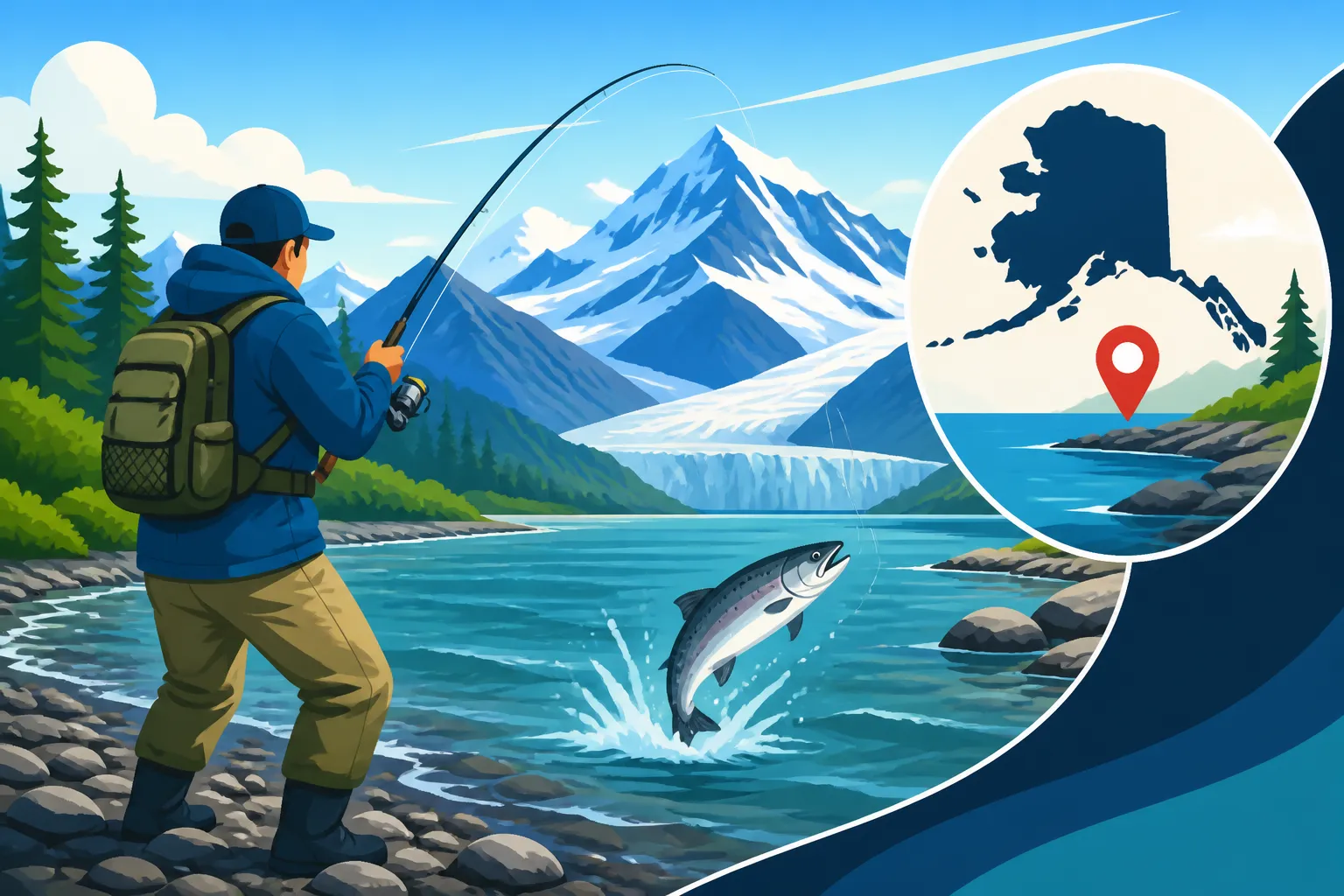
Wading in Alaskan rivers can also be hazardous. Currents can be swift, and river bottoms can be uneven and slippery. Always wear studded wading boots for better traction and use a wading staff for stability. Be aware of changing water levels, especially after heavy rains or glacial melt. Dress in layers, including waterproof outer layers, as Alaska weather can change rapidly. Hypothermia is a real risk. Always tell someone your fishing plans and expected return time. Safety should always be your top priority, especially when exploring less-trafficked areas. Before heading out, checking local forums or even what types of trips are being advertised on sites like FishingBooker can provide clues about current hot spots or seasonal runs.
Top Boat-Free Fishing Spots at a Glance
To give you a quick overview, here's a table summarizing some of the best boat-free fishing spots in Alaska, perfect for planning your adventure.
| Region | Location | Target Species | Best Season | Notes |
|---|---|---|---|---|
| Southcentral | Ship Creek (Anchorage) | King Salmon, Coho Salmon | May-July (Kings), Aug-Sep (Coho) | Urban fishery, public platforms, very accessible. |
| Southcentral | Russian River (Cooper Landing) | Sockeye Salmon, Rainbow Trout, Dolly Varden | June-July (Sockeye) | Famous for "combat fishing" for sockeye, excellent access. |
| Southcentral | Kenai River (Soldotna/Cooper) | King Salmon, Sockeye, Coho, Rainbow Trout | May-Sep | Numerous public access points, diverse species. |
| Southcentral | Eklutna Tailrace (Palmer) | King Salmon, Coho Salmon | June-July (Kings), Aug-Sep (Coho) | Clear waters, short walk to access. |
| Southcentral | Little Susitna River (Palmer) | King Salmon, Coho Salmon, Rainbow Trout | May-Sep | Good bank access, popular with locals. |
| Interior | Chena River (Fairbanks) | Arctic Grayling, Chum Salmon, Coho Salmon, Trout | May-Sep | Urban river, fly fishing for grayling. |
| Interior | Denali Highway Streams | Arctic Grayling, Rainbow Trout | June-Sep | Wilderness experience, roadside access to numerous streams. |
| Southeast | Auke Bay (Juneau) | King Salmon, Coho Salmon | June-Sep | Public docks and shorelines, staging salmon. |
| Southeast | Ketchikan Docks/Shore | Coho Salmon, Pink Salmon, Bottomfish | July-Sep | City docks provide easy access for salmon. |
This table offers a snapshot, but always remember to dive deeper into specific regulations and timing for each location. For example, if King Salmon are your primary target, you'll need to know about Alaska King Salmon: Complete Guide including seasonal closures and gear restrictions. Sockeye salmon, or 'reds,' are another favorite, and mastering the technique to catch them from shore is key, which you can learn more about in Alaska Sockeye Salmon Explained. Always consult the latest Alaska Salmon Run Timing Explained for the specific river or stream you plan to visit, as timing is everything when fishing without a boat.
Disclaimer
The information provided in this guide is for general informational purposes only and does not constitute legal or professional advice. Fishing regulations in Alaska are complex and subject to frequent change. Always consult the official Alaska Department of Fish and Game (ADF&G) regulations for the most current and accurate information before planning any fishing trip. Adherence to all local, state, and federal laws is the sole responsibility of the angler. Fishing carries inherent risks, and participants should take appropriate safety precautions, including bear awareness and proper wading techniques.