Best Places for Halibut in Alaska
Chasing the mighty Pacific halibut in Alaska is a dream for many anglers, but knowing where to even begin in a state as vast and wild as the Last Frontier can feel overwhelming. You’ve heard the legends of "barn doors" and the intense battles, but how do you actually get yourself to a place where those dreams become reality? This comprehensive guide is designed to cut through the noise, revealing the absolute best places in Alaska to target halibut, giving you the insider scoop on what makes each spot special.
Alaska's Halibut Hotbeds: Where Giants Lurk
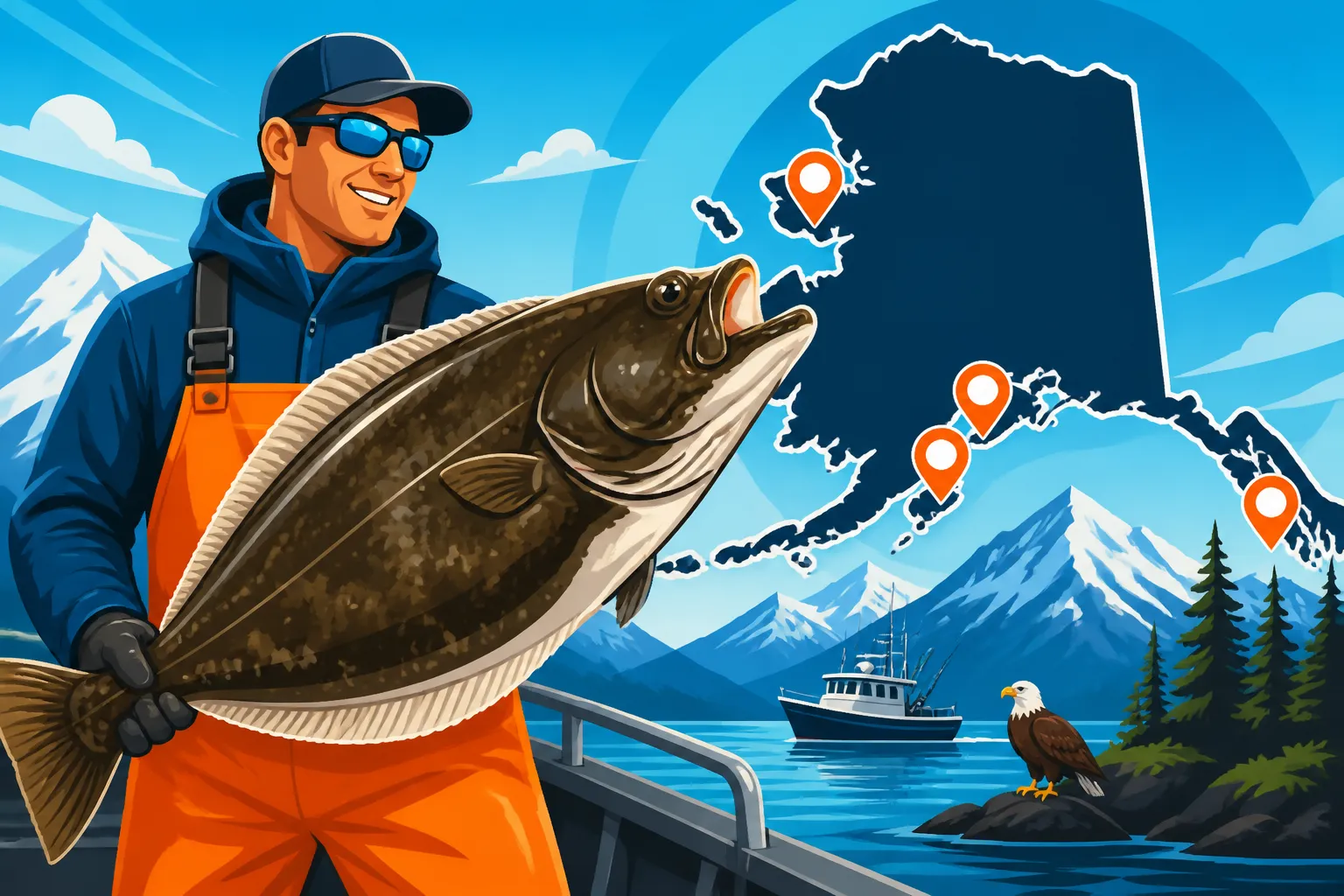
When it comes to landing a monster halibut, location truly is everything. Alaska's coastlines, rich with nutrients and deep, cold waters, are prime hunting grounds for these colossal flatfish. But not all halibut grounds are created equal. Some spots are renowned for sheer numbers, others for their trophy potential, and a few offer a combination that makes them legendary. Understanding these distinctions is key to planning your ultimate Alaskan halibut adventure.
Homer: The "Halibut Fishing Capital of the World"
It's not just a catchy slogan; Homer genuinely lives up to its title. Perched on the southern tip of the Kenai Peninsula, this charming fishing town is arguably the most famous and accessible destination for halibut fishing in Alaska. Anglers flock here from around the globe, drawn by its consistent catches and the vibrant culture surrounding its world-class fishery.
The sheer volume of halibut in Kachemak Bay and the deeper waters of Cook Inlet makes Homer an undeniable hotspot. The fishing grounds here are extensive, ranging from shallower nearshore banks to deep offshore trenches. What makes Homer truly special is the consistent availability of halibut throughout the season, from late spring through early fall. You'll find a wide variety of charters, from large party boats to smaller, more personalized experiences, all targeting these bottom dwellers. When you're ready to explore options, platforms like FishingBooker can help you compare guides and boats in Homer, making it easier to find the perfect fit for your trip.
The typical fishing experience out of Homer involves a scenic boat ride through Kachemak Bay, often past towering glaciers and abundant wildlife. Once on the fishing grounds, it's usually a combination of bait fishing with large chunks of herring, salmon heads, or octopus, and jigging with heavy lead jigs. The depth can vary wildly, from 100 to over 400 feet, which means heavy gear is standard. While "chicken" halibut (smaller, 10-30 lb fish) are plentiful and make for excellent eating, the chance to hook into a "barn door" over 100 lbs is a constant, thrilling possibility. To maximize your chances, it's wise to understand the nuances of the season, which you can learn more about in our guide on the Best Time to Catch Halibut in Alaska.
Seward: Deep Waters and Abundant Halibut
Just a couple of hours drive north of Homer, Seward offers a different, yet equally productive, halibut fishing experience. Nestled at the head of Resurrection Bay, Seward is your gateway to the pristine waters of Prince William Sound and the Gulf of Alaska. The fishing here is characterized by dramatic fjords, deep canyons, and nutrient-rich currents that funnel baitfish directly into halibut feeding zones.
The deep, cold waters immediately outside Resurrection Bay are teeming with halibut, and the relatively shorter run times to productive fishing grounds compared to some other destinations make Seward highly attractive. Charters here often head out into the Gulf, where the structure of the continental shelf drops away dramatically, creating perfect ambush points for large halibut. It's not uncommon to fish depths exceeding 300-500 feet, so be prepared for a workout! The consistent bait supply, including herring, Pollock, and cod, keeps the halibut well-fed and aggressively biting throughout the season.
Fishing out of Seward frequently involves targeting halibut in conjunction with other species like lingcod and rockfish, making for exciting combo trips. The scenic beauty of fishing amidst tidewater glaciers and rugged coastline is an added bonus. Many anglers find the experience here slightly less crowded than Homer, especially during peak times, offering a more serene yet equally productive outing. To get a better grasp of what a trip here entails, check out our detailed Seward Alaska Fishing Guide. Remember, choosing the right charter is crucial, and knowing What to Expect on an Alaska Halibut Charter can help you prepare.
Southeast Alaska's Premier Halibut Destinations
Venturing further south into the panhandle of Alaska reveals a different kind of halibut fishery – one intertwined with dense rainforests, a labyrinth of islands, and a rich history of commercial and sport fishing. Southeast Alaska, with its deep channels and proximity to the open ocean, offers some truly spectacular halibut opportunities, often in conjunction with world-class salmon fishing.
Sitka: Trophy Halibut on the Edge of the Pacific
Known primarily for its incredible salmon fishing, Sitka is also a phenomenal destination for trophy halibut. Situated on Baranof Island, on the outer coast of Southeast Alaska, Sitka benefits from its direct exposure to the Pacific Ocean, where massive halibut migrate to feed in nutrient-rich waters. The proximity to the open ocean means charters can often reach prime halibut grounds quickly, maximizing fishing time.
The waters around Sitka boast a diverse underwater topography, with numerous pinnacles, ledges, and deep-water channels that attract large schools of baitfish, and in turn, hungry halibut. Anglers here often report an excellent chance at catching halibut well over 100 pounds, with occasional giants pushing the 200-pound mark. The cold, oxygen-rich currents from the Pacific create ideal conditions for these large, powerful fish. Fishing techniques are similar to other regions, utilizing large baits and heavy jigs, but the strong currents sometimes necessitate even heavier lead to stay on the bottom.
Many fishing lodges and charters in Sitka specialize in multi-species trips, allowing you to combine a thrilling day of halibut fishing with targeting king salmon or silver salmon. This offers a truly comprehensive Alaskan fishing experience. For those serious about a mixed bag, considering a visit in our guide on the Alaska Fishing Seasons: Month-by-Month Guide will help you plan for peak opportunities across species. Booking your trip in advance is always a good idea, and utilizing services like FishingBooker can streamline the process of finding a reputable guide.
Juneau: Capital City Halibut
As Alaska's capital city, Juneau might not immediately jump to mind as a halibut hotspot compared to its more famous counterparts, but don't let its urban setting fool you. The waters surrounding Juneau, particularly in the larger Gastineau Channel and further out into Stephens Passage and Lynn Canal, hold a healthy population of Pacific halibut. It's an excellent option for visitors who want to combine city amenities with a productive fishing trip.
The fishing grounds near Juneau are extensive, offering diverse habitats for halibut. While the average size might be slightly smaller than the behemoths found off Sitka or Kodiak, Juneau provides consistent action and good eating-sized fish. Charters typically target depths ranging from 150 to 400 feet, focusing on underwater structure where halibut congregate. The scenery is breathtaking, with towering mountains, lush forests, and potential wildlife sightings like whales and eagles, adding to the overall experience.
Juneau offers convenience, with plenty of guides and charter operations ready to take you out. It's a fantastic choice for families or groups that want the comforts of a city while still experiencing world-class fishing. You can easily find half-day or full-day charters that cater to all skill levels. For a more in-depth look at this region, check out our Southeast Alaska Regulations Summary, ensuring you're up to date on local rules.
Remote & Rugged Halibut Grounds: For the Adventurous Angler
For those seeking a more remote and wild Alaskan fishing adventure, several less-traveled destinations offer unparalleled halibut fishing. These spots often require a bit more planning and travel but reward the intrepid angler with fewer crowds and potentially even larger, less pressured fish.
Kodiak Island: The Emerald Isle's Bottomfish Bounty
Kodiak Island, known as Alaska's "Emerald Isle," is a rugged and remote paradise for anglers, particularly those targeting halibut. With its wild coastline, vast bays, and direct access to the rich waters of the Gulf of Alaska, Kodiak offers some of the most consistent and productive halibut fishing in the state. If you're looking for a genuine wilderness experience combined with excellent fishing, Kodiak should be high on your list.
The waters around Kodiak are incredibly diverse, featuring deep offshore banks, submarine canyons, and numerous kelp beds that provide ample food sources for halibut. The fishing grounds can be extensive, stretching from Chiniak Bay to Marmot Bay and beyond. Anglers often find both large numbers of medium-sized halibut (20-60 lbs) and a significant opportunity for true trophy fish, often exceeding 100 or even 200 pounds. The strong currents and robust ecosystem here support a thriving halibut population, making for a challenging and rewarding fight.
Fishing out of Kodiak typically means longer runs to the fishing grounds, but the payoff is often worth the extra travel. Many charters on Kodiak are run by seasoned captains who have spent decades navigating these waters. They know the subtle nuances of the tides, currents, and structures that hold the biggest fish. You can find more specific details about this incredible destination in our Kodiak Fishing Guide. For those considering the journey, it's wise to book your trip well in advance.
Prince William Sound: Fjords and Fish
While Seward provides access to the fringes of Prince William Sound, the interior of this vast, sheltered body of water offers its own unique halibut fishing opportunities. Accessed from Whittier or Valdez, Prince William Sound is a labyrinth of islands, deep fjords, and protected bays, providing a stunning backdrop for your fishing trip.
Halibut in Prince William Sound tend to be found in the deeper channels and near underwater structure, often congregating around areas with strong currents that bring in food. While trophy halibut are certainly present, the Sound is often celebrated for its consistent action on eating-sized halibut, making it a fantastic choice for those looking to fill their freezer with delicious white meat. The protected waters mean that rough seas are less common here compared to the open Gulf, offering a more comfortable fishing experience, especially for those prone to seasickness.
Many charters operating out of Whittier and Valdez offer halibut fishing, often combined with targeting salmon, rockfish, or even shrimping and crabbing. This region is particularly popular for multi-day trips where you can explore various fishing spots. The pristine environment and abundant wildlife, including sea otters, seals, and whales, enhance the overall adventure. If you're curious about the regulations in this unique area, a quick look at the Alaska Fishing Regulations by Region will be beneficial.
Key Factors in Choosing Your Halibut Hotspot
Selecting the "best" place for halibut fishing in Alaska really boils down to what kind of experience you're after. Are you focused solely on landing the biggest fish, or is the overall adventure, accessibility, and scenery equally important? Here's a breakdown of factors to consider:
Accessibility and Logistics
Some destinations are much easier to reach than others. Homer and Seward are on the road system, making them highly accessible for independent travelers driving from Anchorage. Sitka and Juneau require flying or taking the Alaska Marine Highway, while Kodiak is typically accessed via commercial flight.
Consider these points:
- Road System Access: Homer, Seward, Valdez, Whittier are your best bets if you plan on driving from Anchorage.
- Flight Access: Sitka, Juneau, Ketchikan, and Kodiak typically require flights.
- Charter Availability: All major hubs will have numerous charters, but smaller, more remote locations might have fewer options, requiring earlier booking. Websites like FishingBooker can be invaluable here for comparing and booking.
Trophy Potential vs. Consistent Action
Every halibut destination in Alaska offers the chance at a big fish, but some are statistically better for landing true monsters.
- Trophy Hotspots: Sitka, Kodiak, and the deeper offshore grounds out of Seward are often cited for their potential for halibut over 100-200 lbs. These areas have direct access to the nutrient-rich Gulf of Alaska.
- Consistent Action: Homer, Juneau, and Prince William Sound are known for providing more consistent action on eating-sized halibut (20-60 lbs), with plenty of opportunity for larger fish too. If your goal is to fill the cooler, these spots excel.
Combining Species for a Diverse Catch
Many anglers visiting Alaska want to catch more than just halibut. The good news is that many of the best halibut destinations also offer fantastic opportunities for other species.
- Salmon & Halibut Combo: Sitka, Seward, and Homer are excellent for combining halibut with various salmon species (King, Sockeye, Silver, Pink, Chum). Our guide on Alaska Salmon Bag Limits by Species will help you understand what you can keep.
- Rockfish & Lingcod: Most saltwater halibut charters will also target rockfish and lingcod, especially if they are fishing over rocky structure. This adds variety to your catch and the fight. Remember to bring a descending device for rockfish, as detailed in our guide on Alaska Rockfish Deepwater Release Device Rules.
Here's a quick comparison of some top halibut spots:
| Location | Primary Access | Halibut Size Potential | Combo Fishing | Scenery | Crowds |
|---|---|---|---|---|---|
| Homer | Road/Ferry | Consistent (20-100 lbs+) | Salmon, Rockfish | Kachemak Bay, Glaciers | Moderate-High |
| Seward | Road/Ferry | Good (30-150 lbs+) | Salmon, Rockfish, Lingcod | Resurrection Bay, Fjords, Glaciers | Moderate |
| Sitka | Flight/Ferry | Excellent (50-200 lbs+) | Salmon, Rockfish, Lingcod | Islands, Rainforest, Open Ocean | Moderate |
| Juneau | Flight/Ferry | Good (20-80 lbs+) | Salmon, Rockfish | Mountains, Channels, Urban access | Moderate |
| Kodiak Island | Flight/Ferry | Excellent (50-200 lbs+) | Salmon, Rockfish, Lingcod | Rugged Coastline, Wilderness, Bays | Low-Moderate |
| Prince William Sound | Road (Whittier/Valdez) | Consistent (20-80 lbs+) | Salmon, Rockfish, Crabbing | Islands, Fjords, Glaciers, Protected Waters | Low-Moderate |
Planning Your Alaska Halibut Fishing Trip
Once you've narrowed down your ideal location, it's time to get down to the nitty-gritty of planning. A successful halibut trip in Alaska requires careful consideration of timing, booking, and preparation.
Timing Your Visit for Peak Halibut Action
While halibut can be caught year-round in some areas, the prime sportfishing season generally runs from May through September. The peak for halibut often aligns with the salmon runs, offering excellent combo opportunities.
- Early Season (May-June): Good for halibut as they move into shallower feeding grounds. Fish can be aggressive. This is also when King Salmon are typically running, offering a great chance for a How to Catch King Salmon in Alaska combo.
- Mid-Season (July-August): Often considered the sweet spot. Halibut are plentiful, and all five species of Pacific Salmon are typically available in various regions. This is when the weather is generally at its warmest, though "warm" is relative in Alaska!
- Late Season (September): Still productive for halibut, especially larger ones preparing for winter. Silver Salmon fishing is usually at its peak. Fewer crowds can make for a more peaceful experience. Our guide to Alaska Fishing Seasons: Month-by-Month Guide provides more details.
Always remember that Alaska's fishing regulations can change due to emergency orders, especially for species like halibut. Checking the Alaska Halibut Charter Regulations Explained is a must before your trip, and your charter captain will also keep you informed.
Booking Charters and Accommodations
Alaska is a popular destination, and the best charters and lodges book up quickly, sometimes a year or more in advance. Don't procrastinate!
- Research Charters: Look for reputable charter operators with experienced captains and good safety records. Ask about boat size, amenities, and what's included (gear, fish processing, snacks). Services like FishingBooker are fantastic resources for comparing different operators, reading reviews, and booking with confidence.
- Ask Questions: Don't hesitate to ask your potential charter about their typical halibut catches, their preferred techniques, and their cancellation policy in case of bad weather. Our guide on How to Choose an Alaska Fishing Charter offers great advice.
- Accommodations: Book your lodging early, especially in smaller towns like Homer or Seward, where options can be limited during peak season. From rustic cabins to comfortable hotels, there's a range of choices.
- Getting Your License: You'll need an Alaska Fishing License: Complete Guide, and for halibut, potentially a King Salmon Stamp if you plan to target or retain Kings. You can often buy these online or at local tackle shops.
Essential Gear and Preparation
While most charters provide all the necessary fishing gear, a little personal preparation goes a long way to ensure a comfortable and enjoyable trip.
- Layered Clothing: Alaska weather is notoriously unpredictable. Dress in layers, including waterproof outer shells. You'll be glad for a good rain jacket and pants, even on sunny days, due to spray on the boat.
- Motion Sickness Medication: If you're prone to seasickness, take medication before you get on the boat. The Pacific can get rough, even on seemingly calm days.
- Sun Protection: Sunscreen, sunglasses, and a wide-brimmed hat are crucial, as the sun's reflection off the water can be intense, especially during Alaska's long summer days.
- Coolers for Your Catch: While many charters offer fish processing, bringing your own coolers (or purchasing them locally) to transport your filleted and frozen fish home is essential. Check out our guide on Alaska Fish Transport and Shipping Rules for detailed info.
Getting ready for your Alaskan halibut adventure is almost as exciting as the trip itself. With the right planning and knowledge of the best spots, you're well on your way to experiencing the thrill of battling one of the ocean's most powerful bottom dwellers.
Disclaimer
The information provided in this guide is for general informational purposes only and does not constitute professional advice. Fishing regulations in Alaska are subject to change by the Alaska Department of Fish and Game (ADF&G) through emergency orders. It is the angler's responsibility to consult the most current ADF&G regulations before fishing. Always prioritize safety and follow all local, state, and federal laws.