How to Time the Kenai Sockeye Run
Trying to figure out exactly when those vibrant, hard-fighting sockeye salmon will surge into the Kenai River can feel like trying to solve a complex puzzle, especially when you've planned a trip specifically around catching them. Many anglers, myself included, have spent countless hours poring over forecasts, only to arrive and find the run either late, early, or smaller than expected. It’s frustrating when you're dedicating precious time and resources to this iconic fishery. This comprehensive guide is here to demystify the Kenai sockeye run, helping you understand the factors at play and arming you with the knowledge to better anticipate those prime fishing days.
Understanding the Kenai Sockeye Run Dynamics
The Kenai River sockeye salmon run is legendary, drawing anglers from all corners of the globe. But it’s not just one monolithic event; it’s a dynamic, intricate ballet of nature, heavily influenced by countless environmental factors and complex biological cycles. Knowing these dynamics is the first step to truly appreciating – and successfully timing – this incredible natural phenomenon.
The Two Sockeye Runs on the Kenai
What many folks don't realize is that the Kenai River experiences two distinct sockeye salmon runs each summer. This isn't just a minor detail; it's absolutely crucial for planning your trip. Each run has its own timing, characteristics, and preferred fishing locations, largely due to where the fish are ultimately headed to spawn.
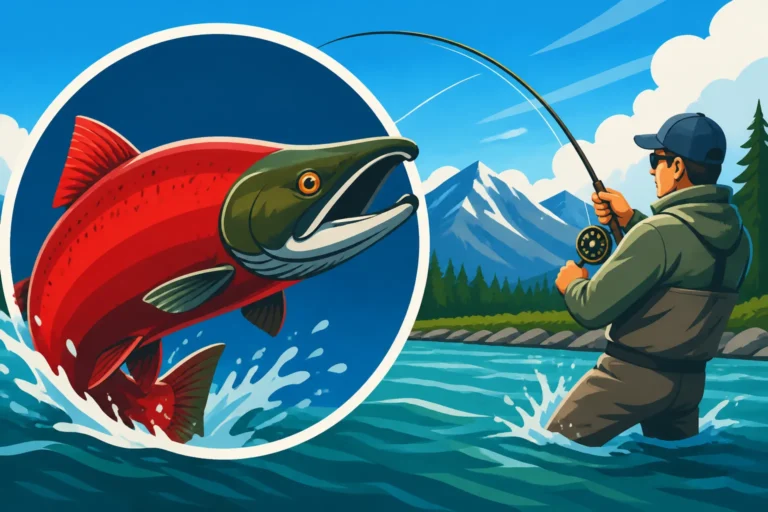
The first run, often referred to as the "early run," typically begins in late May and peaks in mid-to-late June. These sockeye are primarily destined for the upstream tributaries of the Kenai River, especially the Russian River and its confluence with the Kenai. Anglers targeting this run often focus their efforts further upriver, particularly in the Cooper Landing area. While usually smaller in numbers compared to the second run, these fish are highly prized, and the fishery around the Russian River can become incredibly popular, leading to what some affectionately call "combat fishing." If you're planning a trip during this period, you'll definitely want to understand the Alaska Sockeye Salmon Limits on the Kenai and other regulations specific to these waters.
Then there's the second run, which is the absolute behemoth that truly makes the Kenai famous. This run typically kicks off in earnest around mid-July, often building rapidly through the latter half of the month and sometimes extending into early August. These fish are generally headed for the mainstem Kenai River and its numerous clearwater tributaries below Skilak Lake, as well as the larger glacial lakes. This is when the lower and middle sections of the Kenai River, particularly around Soldotna and Sterling, become teeming with sockeye. The sheer volume of fish during this peak can be astonishing, offering incredible opportunities for both sport and personal use fishing.
Understanding this distinction is vital. If you show up in early July hoping for the massive schools of the second run, you might be disappointed, just as you'd miss the Russian River action if you waited until August. Both runs offer fantastic opportunities, but they require different timing and often different fishing strategies.
Why Timing is Everything
For any angler, timing is everything when it comes to the Kenai sockeye. It's not just about being there when the fish are present; it's about being there when the fish are abundant, catchable, and regulations are favorable. Arrive too early, and you'll be casting into an empty river. Arrive too late, and you might encounter fish that are already starting to darken, are less active, or have been heavily targeted, making them warier.
Beyond the sheer numbers, regulations often hinge on timing. Emergency Orders from the Alaska Department of Fish and Game (ADF&G) can open or close fisheries, modify bag limits, or change legal gear based on in-season run strengths. Being present during a strong, sustained push of fish means better fishing and potentially more liberal regulations. Conversely, a weaker run could lead to restrictions or even closures, cutting your trip short or forcing a change of plans.
For those participating in personal use fisheries, like the famous Kenai River dipnetting, timing means being there when the permits are valid and the fish are stacked up for optimal harvest. Even for sport anglers, the peak of the run often coincides with the most aggressive fish, before they settle into their spawning grounds and become less interested in a hook. This guide will help you understand Alaska Salmon Run Timing Explained for all species, but for sockeye on the Kenai, it's a game of precision.
Key Factors Influencing Run Timing
Predicting the exact peak of the Kenai sockeye run is notoriously difficult because so many variables are at play. It’s a dynamic system where slight changes in natural conditions can shift the arrival and intensity of the salmon. Don't let anyone tell you it's an exact science – it's more of an educated guess based on historical data and current conditions.
Water Temperature and Flow
The behavior of sockeye salmon, like most anadromous fish, is heavily influenced by the conditions of the freshwater environment they're entering. Water temperature and flow are two of the most critical factors governing their migration into the Kenai River.
Sockeye salmon prefer specific temperature ranges for optimal upstream migration. If river temperatures are too cold in early summer, fish might delay their entry from Cook Inlet. Conversely, if river temperatures get too warm, it can stress the fish and slow their progress or cause them to hold in cooler pockets. A long, cold spring, with persistent snowmelt keeping rivers chilly, can easily push the run back by several days or even a week. On the other hand, a sudden heatwave can warm the rivers quickly, potentially accelerating their movement into the system.
River flow, largely determined by snowpack, glacial melt, and rainfall, also plays a significant role. Higher flows can aid upstream migration by providing more depth and current, essentially giving the fish a "push." However, excessively high flows can also make the river difficult to navigate for both fish and anglers, increasing turbidity and making fish harder to locate. Lower flows, common during dry spells, might concentrate fish in certain areas but can also make upstream travel more challenging and increase water temperatures, creating less favorable conditions. Keep an eye on local weather patterns and snowpack reports for the Chugach and Kenai Mountains in the spring; these often provide early clues about potential water levels and temperatures for the summer season.
Ocean Conditions and Food Availability
While river conditions dictate the final push, the salmon’s journey begins much earlier in the ocean, and factors there can also influence their timing and even their overall health. Ocean water temperatures, currents, and the availability of food sources during their years at sea profoundly impact how strong, healthy, and numerous a run will be.
For example, warmer-than-average ocean temperatures in the Gulf of Alaska or Cook Inlet can sometimes alter migration paths or influence the metabolic rates of returning salmon. A prolonged period of warm ocean water could potentially cause fish to mature faster or slower, thus affecting their exact return date. Furthermore, the availability of zooplankton, their primary food source in the marine environment, affects their growth and condition. A robust food supply means healthier, fatter fish returning to spawn, which can also subtly impact their timing or their drive to enter freshwater. These large-scale oceanic patterns are complex and harder for the average angler to track day-to-day, but they are factored into the broader scientific forecasts provided by agencies like ADF&G. While you can't control ocean conditions, knowing that they play a role helps contextualize the unpredictability you might experience year-to-year.
Escapement Goals and Management Decisions
Perhaps the most direct and immediate factor influencing your fishing opportunity, particularly during the peak of the run, are the management decisions made by the Alaska Department of Fish and Game. ADF&G sets specific "escapement goals" for sockeye salmon, which are the desired number of fish that must successfully pass upstream to spawn, ensuring future generations.
These escapement goals are constantly monitored using sonar counts and weir data throughout the season. If the run is strong and meets or exceeds these goals quickly, ADF&G might liberalize regulations, such as increasing bag limits, allowing bait, or even extending fishing hours. This is typically when fishing truly explodes, and everyone wants to be on the river. Conversely, if the run is weak or slow, and escapement goals are not being met, they will implement conservation measures. This could mean emergency closures, reduced bag limits, or restrictions on gear, like mandating single-hook, unbaited lures. These regulations are critical for resource management but can certainly impact an angler's experience. This dynamic system means that even if the fish are physically present, you might not always be legally allowed to target them in the way you hoped. Staying informed about these decisions is paramount, and it's why understanding Alaska Fishing Regulations Explained is so crucial.
Reading the Signs: Forecasts and Real-Time Data
Given the complexities of run timing, relying solely on historical averages or word-of-mouth is a recipe for disappointment. Smart anglers leverage the official forecasts and real-time data sources available to make the most informed decisions about their trip.
ADF&G Forecasts and Reports
The Alaska Department of Fish and Game (ADF&G) is your absolute best friend when it comes to understanding and predicting the sockeye runs. Each spring, typically in May, ADF&G releases its official sockeye salmon forecast for the upcoming season, including specific projections for the Kenai River. These forecasts are based on years of historical data, ocean conditions, sibling-year returns, and various scientific models. While they are, by their nature, predictions and subject to change, they provide the most accurate long-term outlook available.
Once the season begins, ADF&G ramps up its reporting, providing in-season updates that are vital for day-to-day planning. They publish daily sonar counts from various locations on the Kenai River, showing how many fish have passed a certain point. These counts, along with weir counts from tributaries like the Russian River, are used to track the progress of the run against escapement goals. They also release weekly or bi-weekly Sport Fishing Reports that detail the fishing success and conditions across different regions and rivers, including the Kenai. These reports will tell you if the sockeye are "in" and where the action is hottest. I highly recommend bookmarking the ADF&G website; it's a treasure trove of information, far more reliable than anything you'll find elsewhere.
Emergency Orders and In-Season Adjustments
The most critical pieces of information you'll need during the season are the Emergency Orders (EOs) issued by ADF&G. These EOs are how the department quickly responds to changing run strengths and ensures escapement goals are met. They can drastically alter regulations with little notice – sometimes just a day or two before they take effect. An EO could:
- Open or close a fishery entirely.
- Change bag or possession limits.
- Restrict gear (e.g., fly fishing only, bait prohibitions, single hook rules).
- Adjust fishing hours or days.
For instance, if the sockeye run is lagging behind projections, ADF&G might implement a bait restriction or reduce the daily bag limit to ensure more fish make it upstream. Conversely, if the run is exceptionally strong, they might increase bag limits or extend fishing opportunities. Missing an Emergency Order could lead to unknowingly violating regulations, which carries stiff penalties. This is why knowing How to Check Alaska Emergency Orders Before Fishing is non-negotiable for any serious Kenai angler. You can often sign up for email or text alerts directly from ADF&G, and local tackle shops almost always have the most current EOs posted.
River Level and Temperature Monitors
Beyond fish counts and regulatory changes, real-time environmental data can give you a significant edge in understanding current conditions on the Kenai River. Several online resources provide up-to-the-minute information on river levels and water temperatures. The U.S. Geological Survey (USGS) operates stream gauges that monitor water levels and discharge rates on the Kenai. Watching these trends can tell you if the river is rising due to rain or glacial melt, or falling during a dry spell. Dramatic changes in river level can impact fish movement and where they hold, as well as make certain areas unfishable.
Similarly, water temperature monitors, sometimes available through USGS or local weather stations, can help you gauge fish activity. Sockeye tend to migrate more actively within certain temperature ranges. If the water suddenly cools after a hot spell, it might spur a new push of fish. These data points, when combined with ADF&G reports, paint a much clearer picture of what to expect on the river. Many anglers even bring their own portable thermometers, which you can easily find on Amazon, to check the water temperature at their specific fishing spot, allowing for on-the-spot adjustments to their technique or location.
Practical Tips for Anglers
Alright, so you understand the dynamics and how to read the official tea leaves. Now, let’s talk about putting that knowledge into action so you can maximize your chances of success during the fabled Kenai sockeye run. It's about preparation, flexibility, and a willingness to adapt.
Planning Your Trip Around Peak Times
While there are always anomalies, historical data provides a strong foundation for planning your trip. The first run of Kenai sockeye generally sees its peak action from mid-June through late June. If your heart is set on the Russian River fishery or the upstream Kenai, this is your window. The second run, which is the larger of the two, typically hits its stride from mid-July through early August. This is when the lower and middle Kenai become swarming with fish.
Here's a quick reference table for average peak times:
| Kenai Sockeye Run | Average Peak Window | Primary Locations | Notes |
|---|---|---|---|
| First Run | June 15 – June 30 | Russian River, Upper Kenai (Cooper Landing) | Smaller numbers, popular with fly anglers |
| Second Run | July 15 – August 5 | Lower & Middle Kenai (Soldotna, Sterling) | Massive numbers, sport and personal use |
Remember, these are averages. Some years, the run might be a week early or a week late. It's not uncommon for the peak of the second run to be around July 20-25. Booking your trip slightly before and after these dates, if possible, can give you a buffer. For instance, aiming for the last week of June for the first run or the third week of July for the second run often puts you squarely in the prime window. For more insights on general timing, check out Alaska Sockeye Salmon Run Timing.
When booking flights and accommodations, try to build in some flexibility. While you might not be able to change your trip dates on a dime, knowing the general trend allows you to anticipate whether you’ll be fishing the early stages, the peak, or the tail end of the run, which can inform your gear choices and expectations.
Gear and Tackle Considerations
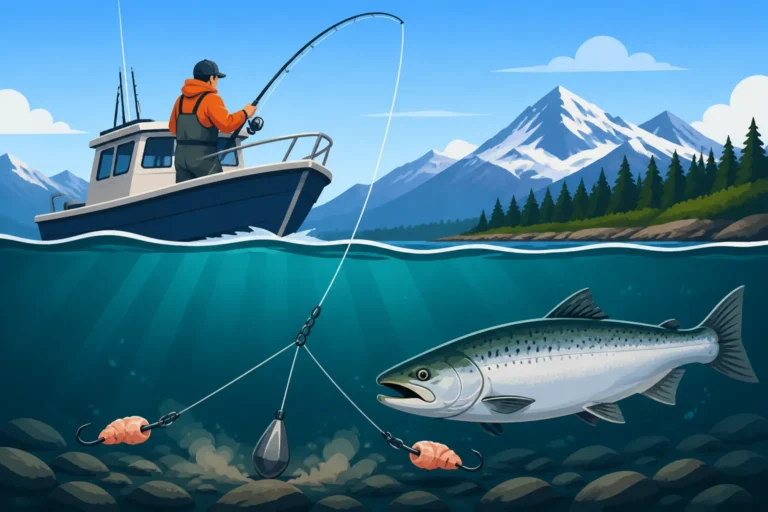
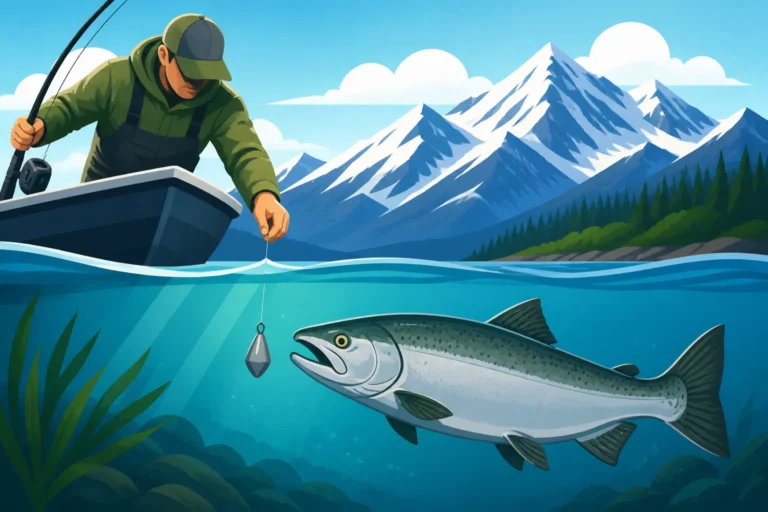
Knowing when to expect the fish is one thing, but being prepared with the right tools is another. Sockeye salmon are unique and require specific gear and techniques, especially on the Kenai, where regulations are often precise. The primary method for catching sockeye is often referred to as "flossing" or "lining" – a technique where a lead weight gets your line and a short leader with a bare hook (or small fly/bead) down to the bottom, and you essentially drift the rig until the line catches in the fish's mouth. Then, you set the hook.
You'll want a medium-heavy spinning or casting rod, typically 8-9 feet long, paired with a sturdy reel spooled with 20-30 lb braided line. This setup provides the backbone needed to fight strong sockeye in fast currents. For leader material, 20-25 lb fluorocarbon is common. You'll need an assortment of lead weights, usually 3/8 to 1 ounce, depending on river current. Hooks should be sharp, typically size 2 or 4 octopus-style. Don't forget a good pair of polarized sunglasses to spot fish and waders for getting into the action. Many anglers find durable, breathable waders and reliable wading boots crucial for comfort and safety in the river's often cold waters. You can find excellent options for all these items on Amazon from brands like Redington or Simms. To master the specifics, dive into our guide on How to Catch Sockeye Salmon in Alaska.
Remember to check current regulations for bait and hook types, as these can change with Emergency Orders. During peak sockeye runs, bait is often prohibited in certain areas to prevent incidental catch of other species, and single hooks may be mandated.
Staying Flexible and Informed
The most important piece of advice for timing the Kenai sockeye run is to be flexible. Mother Nature doesn't read the forecasts, and neither do the fish. A sudden cold snap, a prolonged drought, or an unexpected surge of rain can all throw predicted run timings off course. Having a Plan B, or at least a flexible mindset, will save you a lot of stress.
- Monitor ADF&G Daily: I cannot stress this enough. Check their website daily for updated fish counts, run assessments, and especially Emergency Orders. This is the single most important action you can take.
- Talk to Locals: Once you're in Alaska, visit local tackle shops in Soldotna, Sterling, or Cooper Landing. The folks working there live and breathe fishing and will often have the most up-to-the-minute anecdotal information about where the fish are and what’s working. They can also confirm the latest regulatory changes.
- Consider a Guide: Especially for your first few trips, hiring a local guide for at least a day can be invaluable. They know the river, the techniques, and the current hot spots. A good guide will also keep you fully compliant with all the changing regulations. You can explore options in our guide on Kenai River Fishing: Complete Guide.
- Have Backup Plans: What if the sockeye aren't running strong? Don't despair! Alaska offers incredible fishing for other species. You might shift your focus to rainbow trout, Dolly Varden, or even halibut if you're near the coast. Being prepared to pivot to other species or locations can salvage a trip that might otherwise be disappointing. Even considering different sections of the Kenai, or nearby rivers like the Kasilof, can broaden your opportunities.
The Kenai sockeye run is a wild, unpredictable, and utterly fantastic experience. By understanding its complexities, staying informed, and remaining flexible, you'll significantly increase your chances of being there when the river turns red with chrome-bright salmon. And remember, the journey and the experience are as much a part of the Alaskan adventure as the catch itself. Even if the sockeye are being finicky, there’s always an incredible story to tell and another fish to chase. Happy fishing! You might even find some specialized tackle or rain gear on Amazon that will make your trip more comfortable and successful.
Disclaimer
The information provided in this guide is for general informational purposes only and is subject to change. Alaska fishing regulations, emergency orders, and run timings can vary significantly from year to year and even week to week within a season. Always consult the official Alaska Department of Fish and Game (ADF&G) regulations booklet and their website for the most current and accurate information before heading out to fish. Compliance with all regulations is the sole responsibility of the angler.