How Tides Affect Alaska Salmon Fishing
If you've ever found yourself standing on the banks of an Alaskan river, or out on a bay, wondering why the salmon seem to vanish and then reappear as if by magic, chances are you're grappling with the powerful, often mysterious influence of the tides. It's a common frustration, feeling like you're missing out because you can't quite crack the code of these shifting waters. This guide is here to demystify how tides affect Alaska salmon fishing, offering practical insights so you can better time your efforts and increase your chances of a successful catch.
Understanding Alaska's Tidal System
Alaska's coastline is vast, stretching over 34,000 miles, and it's heavily influenced by the constant push and pull of the moon's gravitational forces. For anglers, especially those targeting salmon in nearshore waters or river mouths, ignoring the tides is like trying to navigate without a compass—you might get somewhere, but it'll be by sheer luck rather than informed strategy. The sheer magnitude of Alaska's tides can be breathtaking, with some areas experiencing vertical changes of over 30 feet, which drastically alters shorelines, currents, and fish access to certain areas.
The Basics of Tidal Flow
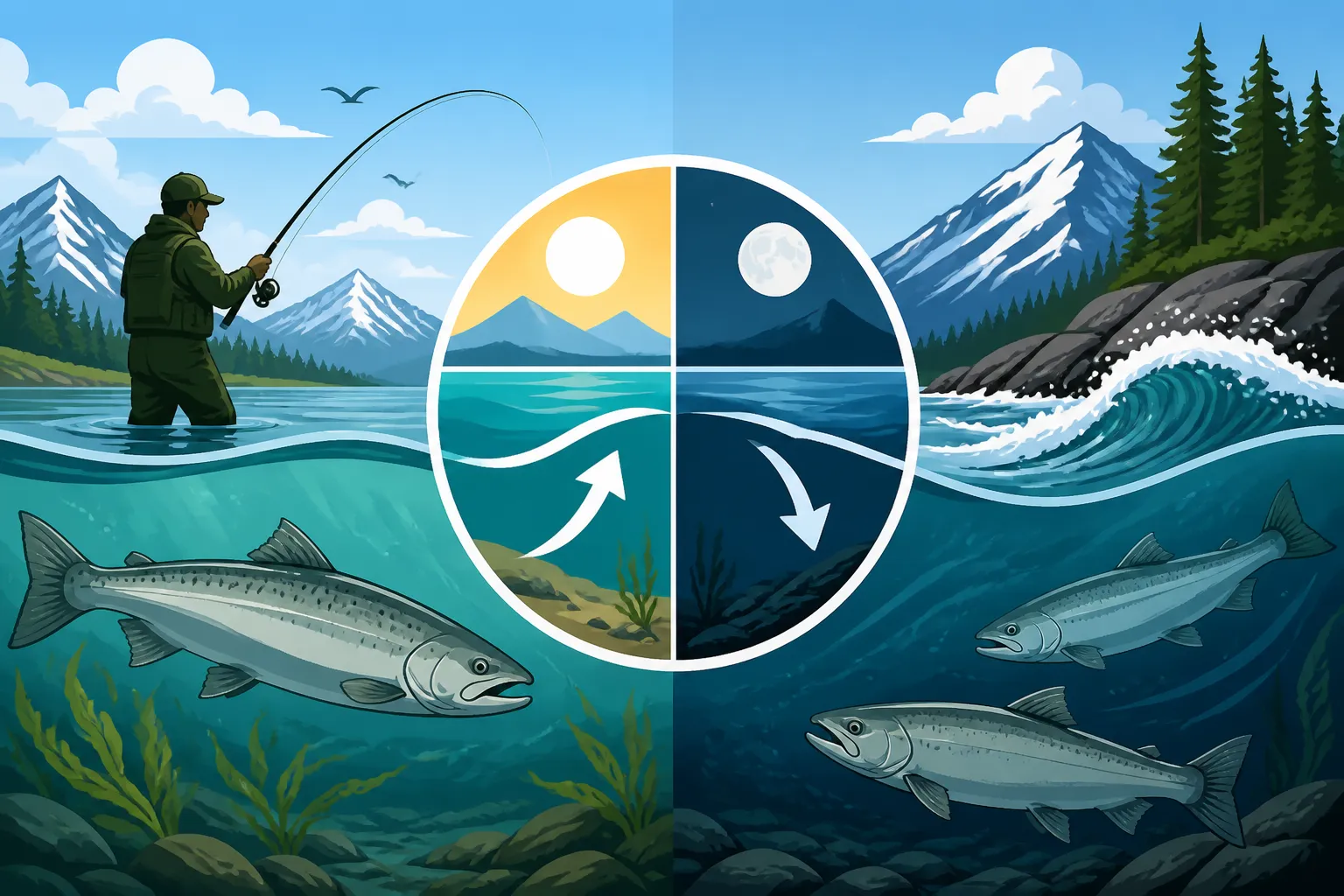
At its core, a tide is the rise and fall of sea levels caused by the combined effects of the gravitational forces exerted by the Moon and Sun, and the rotation of the Earth. In Alaska, you'll typically encounter two high tides and two low tides each day, though the exact timing and magnitude vary significantly depending on your specific location. An incoming tide, also known as a flood tide, is when the water level is rising, pushing seawater further inland or upriver. Conversely, an outgoing tide, or ebb tide, is when the water level is receding, pulling water back towards the open ocean. Between these phases are moments of slack tide, where the water movement slows down significantly before reversing direction. Many seasoned anglers will tell you that understanding these basic rhythms is the first step in unlocking productive fishing windows.
The speed and volume of water movement during a tidal exchange can be immense, particularly in narrow channels, river mouths, and bays like Cook Inlet or Resurrection Bay. This forceful movement isn't just about water depth; it's about the current it generates, which is a major factor in how and where salmon travel. Consider the Kenai River, for example. The lower stretches are directly impacted by the massive tides of Cook Inlet, meaning that what might look like a freshwater river is actually a dynamic estuary for miles upstream, with currents that shift from freshwater-dominated to saltwater-dominated in a matter of hours.
Tidal Exchanges and Their Impact
Not all tides are created equal. The difference between high and low tide—known as the tidal exchange or range—can vary from just a few feet to over twenty feet in some parts of Alaska, such as Turnagain Arm near Anchorage. A large tidal exchange means a greater volume of water moving in and out, resulting in stronger currents. These powerful currents can be both a blessing and a curse for anglers. On one hand, strong currents can bring in fresh schools of salmon and concentrate baitfish. On the other, they can make fishing challenging, requiring heavier weights to get your gear down, or making it difficult to hold your position.
Conversely, a small tidal exchange, or neap tide, occurs when the gravitational forces of the moon and sun are at right angles to each other, resulting in weaker currents. While these periods might not bring in the same surge of new fish, they can offer more stable conditions, making it easier to present your lures or flies effectively. Knowing when you're dealing with a spring tide (large exchange) or a neap tide (small exchange) can significantly alter your approach. You might find that during strong spring tides, fish are more active during the peak current flows, whereas during neap tides, they might be more dispersed and require more active searching. Being prepared with a variety of weights and lures, which you can easily find on Amazon, is always a smart move.
How Tides Influence Salmon Behavior
Salmon are creatures of instinct, and their migrations are meticulously timed with environmental cues, including the lunar cycles that dictate tidal movements. When these powerful fish transition from the vastness of the ocean into the more confined river systems to spawn, tides become a critical navigational tool and an energizing force, directly impacting their movement patterns and feeding habits (though actively feeding isn becomes less of a priority as they move upriver).
Salmon Movement with Incoming Tides
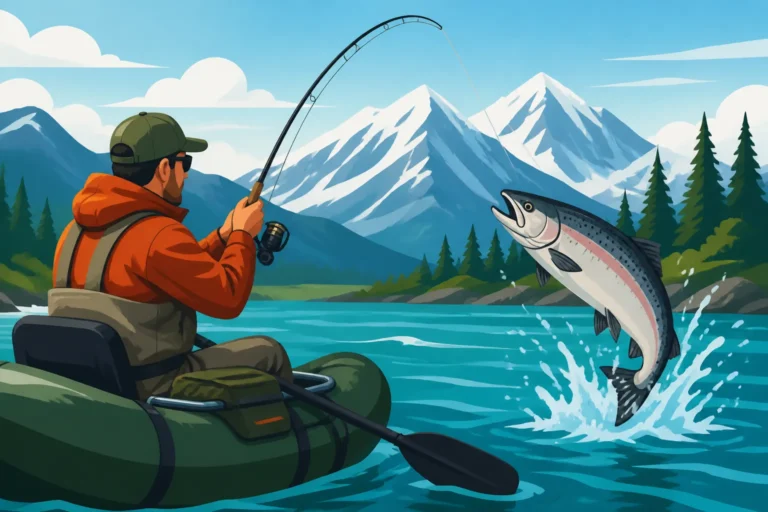
The incoming tide is often considered the "golden hour" for many Alaska salmon anglers, and for good reason. As the saltwater pushes inland, it brings with it cooler, oxygen-rich ocean water, which salmon find invigorating. For species like King Salmon and Sockeye Salmon, this influx of fresh ocean water acts as a highway, guiding them into river mouths and estuaries. They conserve energy by "riding the tide," letting the current do much of the work for them as they push upstream.
You'll often observe salmon staging at the mouth of a river or in deeper channels, waiting for the tide to begin its push. Once the current starts to flow inward, these fish will begin their journey. This is a prime time for fishing because the salmon are actively moving and concentrated, often following established migration paths close to shore or along specific current seams. If you're fishing areas like the lower Kenai River, you'll notice a distinct push of fresh salmon moving with the flood tide. This is especially true for Sockeye Salmon, which pour into systems like the Kenai and Russian Rivers by the tens of thousands during their peak runs.
Slack Tide Challenges and Opportunities
The period of slack tide, when the water is neither rising nor falling significantly, can be a bit of a mixed bag. For many, it's a frustrating lull where the fishing seems to die down completely. The strong currents that once concentrated the fish dissipate, and salmon tend to scatter, become less active, or simply hold in deeper pools or along structure, conserving energy before the next tidal push.
However, slack tide isn't always a bust; it presents different opportunities. With less current, presenting lighter tackle or more subtle presentations becomes feasible. If you're targeting resident species like Rainbow Trout or Dolly Varden that might be present alongside salmon, slack water can be a fantastic time, as they often become more active when the currents subside. For salmon, while they might not be actively migrating, they are still present. You might need to change your technique from drift fishing to casting and retrieving, or focus on deeper holes where fish are holding. This is also a good time to check your gear, re-tie knots, or grab a snack—just be ready for the turn of the tide.
Outgoing Tide Dynamics
As the tide begins to ebb and the water recedes, the dynamics shift again. Salmon that haven't made significant progress upstream might move back out with the current, or they might hold in the deeper channels and pools within the river mouth, waiting for the next incoming tide. For species that aren't primarily migrating at that exact moment, like feeder King Salmon in certain bays, the outgoing tide can still present opportunities. The receding water can expose baitfish, stirring up the food chain.
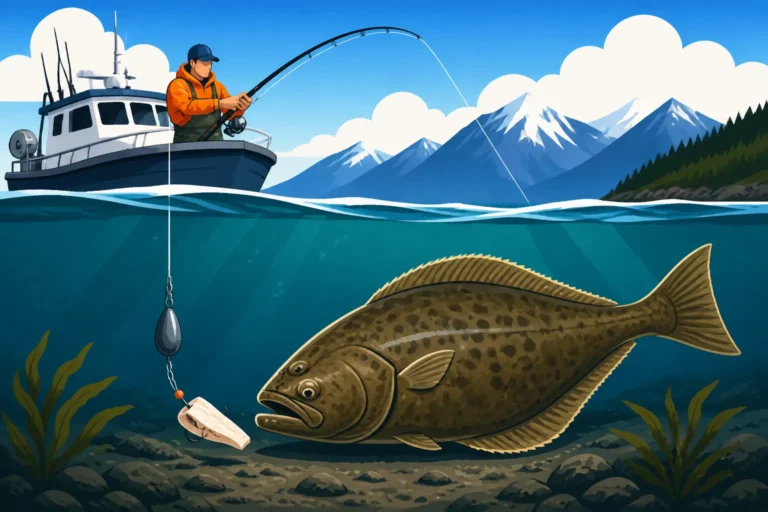
However, for most anadromous salmon on their spawning journey, the outgoing tide can sometimes signal a slowdown in their upstream movement. The currents can become quite strong again, pushing fish back out, and often carrying a lot of debris from upstream, which can foul lines. Anglers often find this period less productive for active migration, but it can still be effective if you understand where fish might hold up or if you're targeting other species that benefit from bait being flushed out. For saltwater anglers, this might be a good time to target species like Halibut in deeper channels where currents concentrate them.
Fishing Strategies for Different Tidal Stages
Knowing when the tides are doing what is only half the battle. The real magic happens when you adapt your fishing techniques and locations to match the specific conditions each tidal stage presents. It's about being nimble and strategic, not just casting blindly.
Fishing the Incoming Tide
This is often the most anticipated tidal phase for salmon anglers. As the tide begins to flood, salmon feel the call of the river and start to move in.
- Targeting Entry Points: Focus your efforts on river mouths, estuaries, and the leading edge of the incoming tide. Salmon will often follow predictable paths. For instance, in areas like Ship Creek in Anchorage, salmon will stack up at the mouth, waiting for the tide to bring them in.
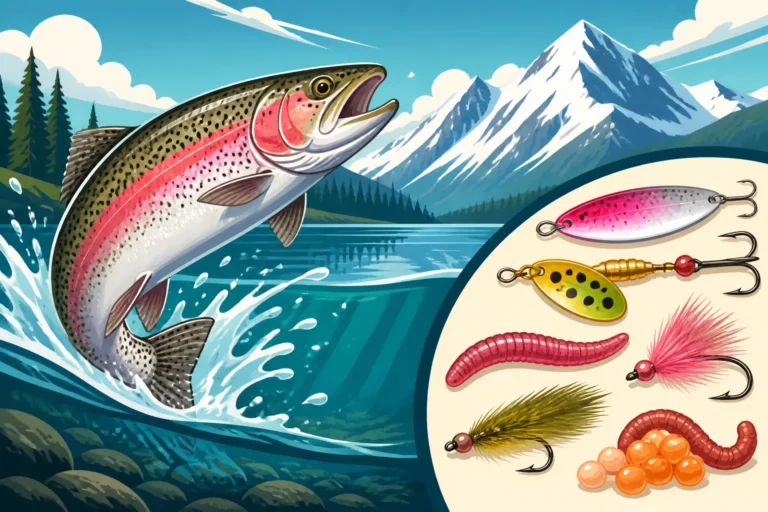
- Active Presentations: Salmon on the move are often aggressive. Use techniques like drift fishing with eggs or beads, or casting spinners and spoons. You'll want your presentation to be visible and enticing in the moving water. Brands like Blue Fox and Mepps offer popular spinners that are effective in these conditions and can be found on Amazon. Make sure you're using enough weight to get your lure down to where the fish are traveling, which is often near the bottom in river channels.
- Observing the Water: Pay attention to current seams and eddies. Salmon will often travel along these invisible highways, taking advantage of slower water near the banks to conserve energy. Learning to read the water effectively is key to finding these travel lanes. This is where mastering different fishing techniques for Alaska can really pay off.
Fishing the Slack Water
When the tide goes slack, it's a good time to adjust your approach and mindset. The frenetic pace of the incoming tide gives way to calmer, though sometimes more challenging, conditions.
- Focus on Holding Water: Salmon aren't usually migrating during slack tide, but they are holding somewhere. Look for deeper pools, submerged structure, or calm eddies where fish might be resting. These spots can be surprisingly productive if you find them.
- Subtler Presentations: With less current, fish might be less inclined to chase a fast-moving lure. Try slower retrieves with jigs, soft plastics, or even fly fishing with egg patterns. The key is a more natural presentation that lingers in the strike zone. This might involve different gear than what you used during the strong current, so having options readily available is smart.
- Bottom Fishing: For saltwater species or salmon holding deep in estuarine environments, bottom fishing with bait can be effective during slack tide. This technique allows your bait to sit patiently where fish are resting, rather than being swept away by a strong current.
Fishing the Outgoing Tide
The ebb tide can be productive, particularly during the earlier phases as water levels are still high or for certain species in specific locations.
- Transition Zones: As the water recedes, fish may become more concentrated in specific channels or deeper areas. Target these transition zones where the water is funneling out.
- Exploiting Forage Movement: The outgoing tide can flush out baitfish and other forage from shallower areas into deeper channels. Predators, including some salmon species, might be looking for an easy meal. This is a good time for casting lures that mimic baitfish.
- Safety First: Be mindful of rapidly dropping water levels, especially if you're bank fishing. What was navigable ground on the incoming tide might become soft, mucky, or completely submerged on the outgoing tide. Always know your exit strategy and pay attention to how much the tide can change in Alaska.
| Tidal Stage | Salmon Behavior | Recommended Fishing Actions |
|---|---|---|
| Incoming Tide | Actively migrating upstream, concentrated, energetic. | Focus on river mouths/estuaries. Drift fishing, casting spinners/spoons. Use adequate weight. |
| High Slack | Resting, holding in deeper water, less active migration. | Target deep pools and structure. Slower retrieves, jigs, flies. Bottom fishing with bait. |
| Outgoing Tide | May move out or hold in channels; less active migration. | Target transition zones and deep channels. Lures mimicking baitfish. Be aware of debris. |
| Low Slack | Similar to high slack, often holding deep. | Focus on deepest accessible water. Subtler presentations. Scout locations for next incoming tide. |
Regional Variations and Local Knowledge
Alaska is immense, and its fishing opportunities are incredibly diverse. What works for tides in Southeast Alaska might be completely different from how they impact fishing in Southcentral. A universal truth in Alaskan fishing is that local knowledge is gold, and this certainly applies to understanding tidal influences.
Coastal vs. River Mouth Tides
The impact of tides varies significantly depending on whether you're fishing directly on the coast, in a large bay, or miles upstream in a river.
- Open Coastline and Bays: In open coastal areas or large bays like Kachemak Bay near Homer, tides primarily affect water depth and current direction. For species like Halibut, strong tidal currents can concentrate them along ledges and deep channels, making them easier to target during certain windows. Here, you're often fishing deeper water, so the current dictates your drift and tackle. Many anglers rely on specific Alaska Halibut Charter Regulations Explained details to ensure they're compliant while chasing these giants.
- River Mouths and Estuaries: This is where tidal influence is most dynamic for salmon. The intersection of freshwater and saltwater creates complex current patterns. For instance, the lower Kenai River experiences a dramatic tidal bore during extreme tides, where the incoming saltwater literally pushes a wall of water upstream. This phenomenon, while fascinating, can also dramatically alter fishing conditions in an instant. Understanding when and where these surges occur is crucial for safety and success. You'll find specific details on how to fish the Kenai River in our comprehensive Kenai River Fishing: Complete Guide.
- Upriver Sections: While tides have a diminishing effect the further upstream you go, even inland rivers can experience subtle changes in current speed or water levels due to major tidal exchanges miles downstream. For example, during a huge incoming tide on the Susitna River, the saltwater wedge might extend far upriver, affecting salmon movement even in seemingly freshwater sections. Always consult local regulations and forecasts, as they often include tide charts. Many anglers use apps or websites that provide detailed Alaska Salmon Run Timing Explained information, which often correlates with tidal patterns.
Consulting Tide Charts and Local Experts
The single most important tool for understanding how tides will affect your fishing day is a reliable tide chart. These charts provide predictions for high and low tides, along with their associated heights, for specific locations. You can find them online from NOAA (National Oceanic and Atmospheric Administration) or through various fishing apps. It's not just about knowing when high tide is, but also how high it will be, as this dictates the strength of the currents.
Beyond the charts, nothing beats talking to local experts. Charter captains, tackle shop owners, and seasoned local anglers have invaluable insights into the nuances of specific fishing spots. They can tell you exactly which tidal stages are best for which species in that particular area, and what specific techniques work during those times. For example, a local guide in Seward might recommend specific lures and a technique like jigging during the slack tide for Lingcod, while a Kenai River guide might emphasize flossing during the peak of the incoming Sockeye Salmon run. Don't be shy about asking questions; Alaskans are generally happy to share their knowledge, especially when it helps preserve the resource and ensures a good experience. They can also provide context for local regulations, like Alaska Fishing Emergency Orders Explained, which can change rapidly and often in response to fish run timing that is influenced by tides.
Navigating the regulations in Alaska can be complex, and understanding how they interact with tidal fishing is part of the learning curve. For instance, knowing the Alaska Halibut Charter Reverse Slot Limit rules is crucial if you're targeting big barn doors out of Homer or Seward. Ultimately, the more you learn about the tides and observe their effects, the more intuitive your fishing strategy will become.
Maximizing Your Tidal Fishing Success
Beyond just understanding when to fish, there are practical steps you can take to make the most of Alaska's dynamic tidal environment. Being prepared and adaptable are key virtues for any angler in the Last Frontier.
Gear and Tackle Adaptations
The fluctuating currents driven by tides demand versatile gear. You'll want to have a range of weights—from light egg sinkers for subtle presentations during slack tide to heavy lead pyramid sinkers or cannonball weights for battling strong currents on the incoming or outgoing tide. For river fishing, a variety of lead sizes, perhaps ranging from 1/2 oz to 2 oz, available from retailers like Amazon, will allow you to adjust to changing current speeds without constantly switching rods.
Beyond weights, consider your line strength. Stronger currents put more strain on your line, and fighting a powerful salmon in moving water requires confidence in your tackle. Braided lines are popular for their strength and sensitivity, allowing you to feel subtle bites even in turbulent water. For a deep dive into what to pack, check out our Alaska Fishing Gear and Tackle Guide. Additionally, having a selection of lures, from brightly colored spinners that flash in murky water to more natural-looking soft plastics, will allow you to adapt to different light conditions and salmon preferences.
Safety Considerations for Tidal Waters
Fishing in tidal waters, especially in Alaska, comes with inherent risks. Rapidly rising or falling tides can quickly change the landscape. Areas that were easily accessible at low tide can become deep and dangerous at high tide, and vice versa. Always keep an eye on the clock and the water level.
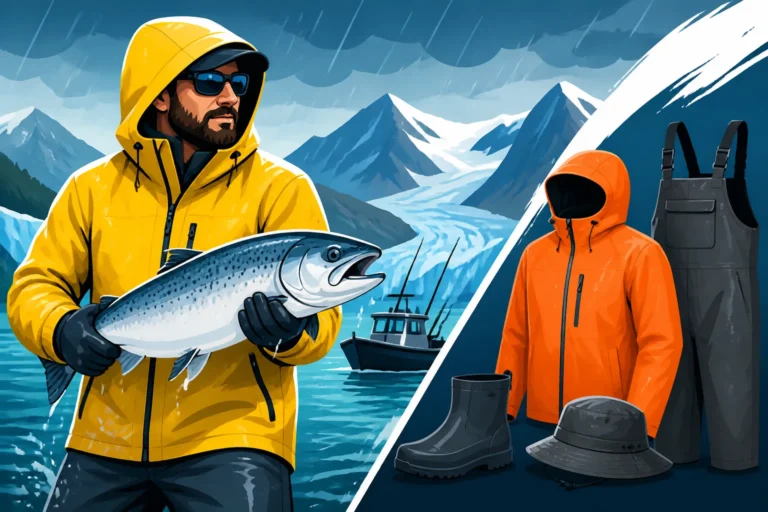
- Shore Anglers: If you're fishing from the bank in an estuary or bay, be acutely aware of your surroundings. Soft mudflats can quickly become traps as the tide recedes. Never turn your back on an incoming tide, especially in areas known for tidal bores or strong currents. Wear appropriate footwear, like sturdy rubber boots or waders, and consider carrying a wading staff for stability.
- Boaters: Boaters must be even more vigilant. Strong tidal currents can create dangerous standing waves, eddies, and whirlpools, particularly in narrow passages or around obstructions. Always consult marine charts and navigation guides. Pay close attention to channel markers, as currents can be deceptive. Ensure your boat is properly anchored or capable of holding its position in strong currents. Always have appropriate safety gear, including life jackets, and inform someone of your float plan. Understanding Alaska Fishing Regulations Explained can also help prevent accidental violations.
Planning Your Trip Around the Tides
For an Alaska fishing trip, especially one focused on salmon, factoring in the tides during your planning phase can make all the difference. Instead of just picking a week, try to align your trip with the tidal cycles that favor your target species and fishing style.
- Peak Runs and Tides: Research the Alaska Salmon Run Timing Explained for your chosen location and species. Then, cross-reference that with tide charts. If you're chasing King Salmon in a tidal river, you might prioritize dates that have strong incoming tides during the peak of their run.
- Multi-Species Approach: If you're hoping to catch both salmon and halibut, consider how the tides affect both. A specific tidal window might be excellent for salmon in a river, while another might be ideal for halibut in the bay. Planning a combo trip often means adjusting your schedule to hit different spots at optimal times.
- Flexibility is Key: Even with the best planning, Alaska's weather can throw a wrench in your plans. Be prepared to be flexible. If a particular tidal window is blown out by heavy winds, having a backup plan or being willing to shift your focus to a more sheltered area can save the day. A well-organized tackle box, which you can easily stock with various weights, lures, and line options from Amazon, allows for quick adjustments.
By integrating tidal knowledge into every aspect of your Alaska fishing adventure, you'll move from simply hoping for a bite to strategically targeting fish with informed confidence. It's a fundamental part of the Alaskan angling experience, and mastering it will deepen your connection to these incredible waters.
Disclaimer
Please remember that fishing regulations, conditions, and fish run timings in Alaska can change rapidly due to emergency orders or other factors. Always consult the latest Alaska Department of Fish and Game regulations and emergency orders before heading out on the water. This guide provides general information and should not be used as a substitute for official sources or local expertise.