Best Shore Fishing in Alaska
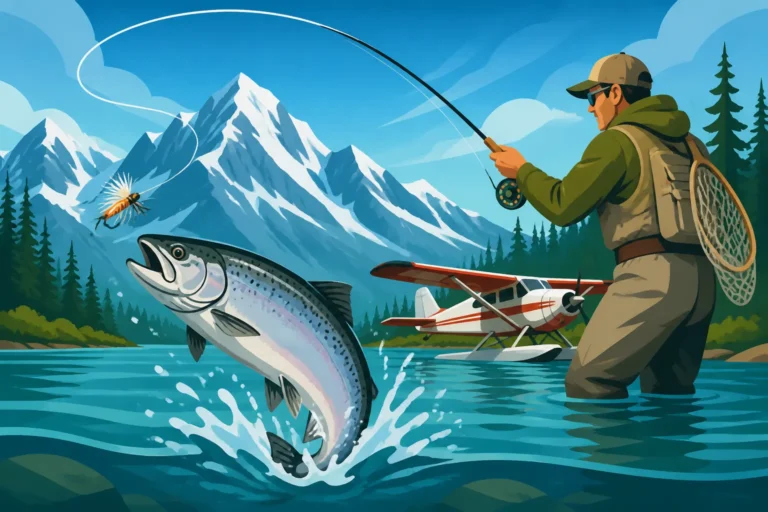
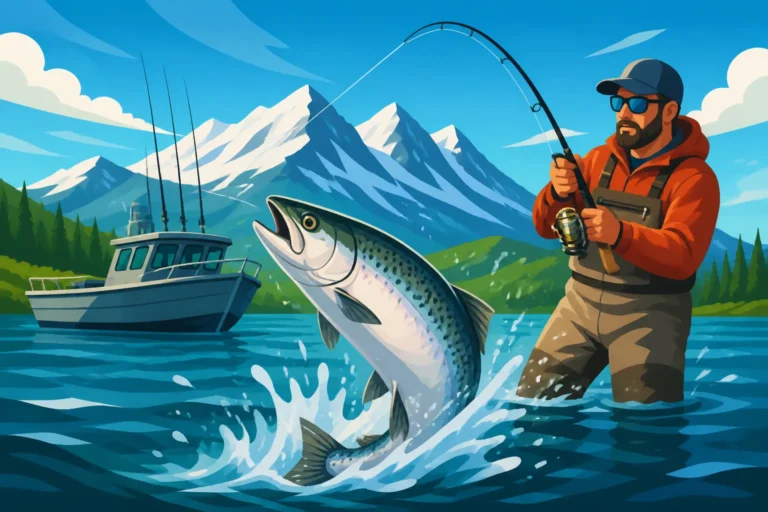
Let's be real, the thought of fishing in Alaska often conjures images of expensive charters, remote fly-in lodges, or private boats navigating vast waters. Many anglers feel a pang of disappointment, thinking a true Alaskan fishing experience is out of reach without a hefty budget or specialized gear. But here's the exciting truth: you absolutely can have an incredible, memorable, and productive fishing adventure right from the shore in Alaska. This comprehensive guide will show you exactly where to go, what to bring, and how to successfully hook into some of the Last Frontier's legendary fish without ever stepping foot on a boat.
Why Shore Fishing in Alaska Is a Game Changer
There's a common misconception that to truly experience Alaska fishing, you need a high-dollar charter or a bush plane trip to a remote lodge. While those experiences are certainly fantastic, they're not the only way to fish Alaska. Shore fishing is often overlooked, but it offers a genuinely rewarding and often more accessible way to connect with Alaska's incredible fisheries.
Accessibility and Affordability
One of the biggest hurdles for many people dreaming of an Alaska fishing trip is the cost. Charters for salmon, halibut, or even river trips can quickly add up, especially for families or groups. This is where shore fishing truly shines. It dramatically lowers the barrier to entry, making the dream of an Alaskan angling adventure a reality for many who might otherwise be priced out.
Think about it: when you're fishing from shore, you eliminate charter fees, boat rental costs, fuel expenses, and often the need for a dedicated guide (though hiring one for a day can be a great way to learn local spots and techniques for future unguided trips). All you need is your gear, a valid Alaska Fishing License: Complete Guide, and a little local knowledge – which we're about to dive into! For a family looking to introduce their kids to the thrill of catching salmon, setting up on the bank of the Kenai River or a dock in Homer is infinitely more manageable and budget-friendly than booking multiple seats on a boat. This accessibility means you can spend more days fishing, explore different locations, and truly immerse yourself in the Alaskan landscape without constantly watching your wallet. It's an empowering feeling to know you can walk right up to a productive fishing spot and start casting.
Unique Perspectives and Intimate Experiences
Fishing from shore offers a different kind of connection to the environment. Unlike being on a boat, where your world is largely confined to the vessel and the immediate water around it, shore fishing allows you to truly feel the rhythm of the land and water. You're part of the landscape, not just observing it. This offers a more intimate and personal experience that many anglers cherish.
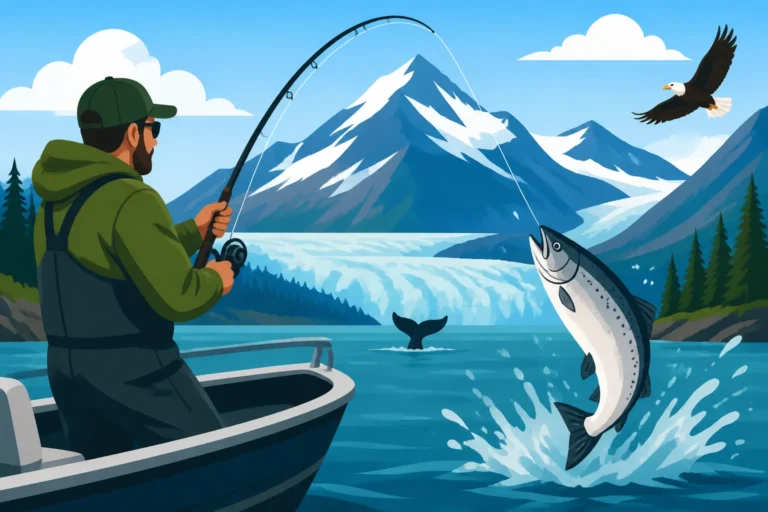
You get to scout the banks, read the currents as they swirl past rocks and fallen logs, and discover hidden pockets where fish might be holding. The sounds of the forest or the ocean, the scent of fresh air, and the sheer majesty of Alaska's scenery are all amplified when you're standing with your feet firmly planted on solid ground. You might spot a bear foraging on the opposite bank, watch eagles soar overhead, or see salmon jumping as they push upstream – moments that feel even more personal when you're not sharing a busy boat with a dozen other people. It’s a chance to truly become a silent observer, blending in with nature and enjoying a quieter, more reflective angling experience. Plus, there's a certain satisfaction that comes from successfully landing a powerful Alaska salmon or a tasty rockfish entirely on your own terms, from a spot you discovered yourself.
Key Species You Can Target from Shore
One of the most exciting aspects of shore fishing in Alaska is the incredible diversity of species you can encounter. From the iconic Pacific salmon to feisty trout and even some surprising saltwater catches, the opportunities are vast. It's not just small fry either; many anglers land trophy-sized fish right from the bank or a pier.
Salmon Species Sockeye, Pink, Coho, Chum
Alaska is world-renowned for its salmon runs, and thankfully, many of these runs are incredibly accessible from shore, particularly in rivers and near estuaries. Understanding the different species and their behaviors will greatly improve your success.
- Sockeye Salmon (Red Salmon): Oh, the sockeye! These powerful, delicious fish are often the target of choice for shore anglers, especially on the Kenai Peninsula. They hug the banks as they migrate upstream, making them highly vulnerable to shore-based techniques. You'll find huge numbers of them in rivers like the Kenai and Russian Rivers. They are notoriously challenging to get to bite a lure, preferring to "floss" or "snag" (check local regulations carefully regarding snagging, as it's often only allowed in specific "terminal" fisheries) with bare hooks or small, unbaited flies. The prime time for sockeye is usually July, with a strong second run in late July to early August. For a deep dive, check out "Alaska Sockeye Salmon Fishing Regulations and Limits" and our guide to the "Alaska Salmon Run Timing Explained". Imagine standing elbow-to-elbow with other excited anglers on a gravel bar, feeling the unmistakable thrum of a sockeye on your line – it's an experience unlike any other.
- Pink Salmon (Humpies): These are perhaps the most abundant and easiest salmon to catch from shore, making them fantastic for beginners or kids. Pink salmon runs typically peak in odd-numbered years, with massive numbers entering rivers and coastal areas. They readily strike a variety of small spinners, spoons, and flies. You can find them in nearly any coastal river or stream from July through August. Their sheer numbers make for consistent action, even if they aren't the largest of the salmon species. They're also excellent table fare, especially if caught fresh and bled quickly.
- Coho Salmon (Silver Salmon): Silvers are incredibly acrobatic fighters and a favorite among many anglers. They arrive later in the season, typically from late August through September and even into October. Coho are aggressive biters and will chase down spinners, spoons, cured roe, and flies. You can find them in many of the same rivers as sockeye and pinks, and they tend to hold in deeper pools and current seams near the banks. They provide thrilling fights and are another excellent eating fish. Shore anglers often target them by casting into eddies or drift fishing baits through deeper runs.
- Chum Salmon (Dog Salmon): Often underrated, chum salmon are powerful fish that can be great fun to catch from shore. While not typically sought after for their table quality (though they can be good if bled immediately and processed quickly), they offer incredible fights. They'll readily hit large spinners, spoons, and flies. Chum runs vary but often overlap with pink and coho runs, primarily from July through September in many coastal rivers. Their sheer size and strength make them a challenging catch from the bank.
Resident Freshwater Fish Rainbow Trout, Dolly Varden, Arctic Grayling
Beyond the migratory salmon, Alaska's freshwater systems offer fantastic opportunities for shore anglers to target resident fish species. These fish are often present year-round, providing consistent action when salmon runs aren't happening or if you prefer a less crowded experience.
- Rainbow Trout: Alaska's rainbow trout are legendary, especially the "leopard rainbows" of the Bristol Bay region, but excellent opportunities exist on the road system as well. Rivers like the Upper Kenai River and its tributaries, accessible near Cooper Landing, offer world-class rainbow trout fishing from the banks. These fish often feed heavily on salmon eggs during and after the salmon spawns, making bead fishing or egg-pattern fly fishing incredibly effective. You can also catch them on small spinners or spoons throughout the season. They are strong fighters and absolutely beautiful fish. The spring and fall offer fantastic opportunities, but you can find them all summer long. Learning how to identify "Alaska Rainbow Trout Regulations" will be key to a successful trip.
- Dolly Varden: Related to Arctic Char, Dolly Varden are widely distributed throughout Alaska's freshwater and coastal marine environments. They are often found alongside salmon, feeding on their eggs and smolt. These striking fish, with their vibrant spots, can be caught on small spinners, spoons, flies, and salmon egg imitations. They're aggressive and can provide steady action. Many streams and rivers accessible from hiking trails or roads hold good populations of Dolly Varden, particularly on the Kenai Peninsula and in Southeast Alaska.
- Arctic Grayling: With their distinctive, sail-like dorsal fin, Arctic Grayling are a favorite among fly anglers but can also be caught on small spinners. They thrive in clear, cold streams and lakes across interior and Southcentral Alaska. Rivers like the Chena River near Fairbanks, or streams in the Mat-Su Valley, offer excellent bank access for grayling. They're not huge fighters, but their beauty and willingness to bite make them a delight to catch. They are particularly active during the summer months when insect hatches are prevalent.
Saltwater Opportunities Halibut, Rockfish, Lingcod from Certain Shorelines
While most folks think of boats for saltwater fishing, it's actually possible to catch some impressive marine species from shore in specific locations. This isn't your typical ocean experience, but for those who know where to look, it can be incredibly rewarding.
- Halibut: Yes, you read that right – halibut from shore! While not common, it's certainly possible in places with deep water close to shore, such as the famous Homer Spit. The deep channels and strong currents around the Homer Spit allow halibut to come within casting range. Anglers often use heavy surf rods, pyramid sinkers, and large baits like herring or salmon heads fished on the bottom. It requires patience and heavy tackle, but hooking into a "chicken" halibut (smaller, tastier ones) from the beach is an unforgettable experience. You'll need to know the specific regulations, especially regarding "Alaska Halibut Daily Limit for Charter Anglers" vs. unguided anglers and the "Alaska Halibut Size Limit Explained".
- Rockfish: Alaska is home to numerous species of rockfish, and many of them can be caught from jetties, rocky shorelines, and docks in coastal towns like Seward, Homer, and Valdez. These feisty bottom dwellers readily strike jigs, lead-head lures tipped with bait, or even pieces of shrimp. You might catch black rockfish, yelloweye (check regulations as they are a protected species), or various other colorful varieties. They're excellent eating fish and provide consistent action. Look for areas with structure like kelp beds or rocky reefs where they like to hide. Remember, rockfish have swim bladders that expand when brought up from deep water, so be prepared with a descending device if you plan to release fish to minimize mortality.
- Lingcod: In areas with very deep rocky shorelines and strong currents, typically found in Southeast Alaska, lingcod can sometimes be targeted from shore. These aggressive predators can grow quite large and offer a serious fight. They'll hit large jigs, swimbaits, and even whole baitfish. It's a specialized form of shore fishing, often requiring heavy tackle and a good understanding of the local topography.
Prime Shore Fishing Locations Across Alaska
Alaska is vast, and while remote wilderness fishing often steals the spotlight, there are countless fantastic shore fishing opportunities that are easily accessible, even on the road system. Knowing where to go is half the battle, so let's break down some of the top spots by region.
Southcentral Alaska Hotspots Kenai Peninsula, Anchorage Area
Southcentral Alaska, particularly the Kenai Peninsula, is a mecca for accessible fishing. It's home to some of the state's most famous rivers and offers diverse opportunities for shore anglers.
- Kenai River: This river is legendary, and while many fish it from boats, the lower Kenai offers excellent shore fishing for salmon, especially sockeye and coho. Access points in Soldotna, Kenai, and Sterling provide bank fishing opportunities. The mouth of the Kenai River in Kenai City is a popular spot for king salmon, coho, and sockeye. Further upstream, near Cooper Landing, the Russian River Ferry provides access to a specific section of the Kenai that is world-famous for sockeye salmon. Anglers line the banks during the sockeye runs, flipping flies or bare hooks to catch these powerful fish as they hug the shorelines. This area is also excellent for rainbow trout after the salmon spawn. For comprehensive details, check out our "Kenai River Fishing: Complete Guide".
- Kasilof River: Located just south of the Kenai River, the Kasilof offers less crowded but equally productive shore fishing, particularly for king salmon and sockeye. Various public access points along the river allow bank fishing. The Kasilof also has unique regulations sometimes, so always double-check the latest ADF&G emergency orders.
- Homer Spit: This iconic geological feature is a long, narrow strip of land extending into Kachemak Bay, offering exceptional saltwater shore fishing. You can cast for halibut, various rockfish species, and even king salmon from its public beaches and numerous fishing docks. The deep water and strong currents here make it a prime location. It's also a fantastic place to try for Pacific cod. For more on this renowned spot, see our "Homer Alaska Fishing Guide".
- Seward's Harbor and Jetties: The charming town of Seward, nestled at the head of Resurrection Bay, offers several shore fishing opportunities. The public docks and jetties within the harbor can be surprisingly productive for rockfish, Irish lords, and even occasional salmon or cod. It's a great spot for families to try their luck without needing a boat.
- Ship Creek (Anchorage): Right in downtown Anchorage, Ship Creek offers a truly unique urban fishing experience. During the king and coho salmon runs (typically May-July for kings, August-September for coho), anglers line the banks, casting into the tidal waters. It's an easily accessible and exciting spot, especially for those staying in Anchorage. Check local rules as bait restrictions and specific seasons apply. More details can be found in "Ship Creek Fishing in Downtown Anchorage".
Southeast Alaska Gems Juneau, Ketchikan, Sitka
Southeast Alaska's rugged, island-studded coastline is renowned for its fishing, and many opportunities exist right from the shore in its picturesque towns.
- Juneau: Alaska's capital city has several popular shore fishing spots. The mouth of Fish Creek, near the Mendenhall Glacier, can be good for salmon during their runs. Various public docks and beaches offer chances for rockfish, cod, and even shore-caught salmon. Imagine casting a line with towering glaciers and lush rainforests as your backdrop!
- Ketchikan: Known as the "Salmon Capital of the World," Ketchikan certainly lives up to its name, even for shore anglers. The city's numerous public docks, state ferry terminals, and accessible beaches offer chances to catch all five species of Pacific salmon during their runs, along with various bottom fish. Creek fishing within city limits can also be incredibly productive.
- Sitka: This historic town on Baranof Island offers fantastic shore fishing. Its public docks and rocky shorelines are prime spots for rockfish, and during salmon runs, anglers can often hook into coho and pinks right from the accessible coastline. The unique ecosystem here provides diverse angling opportunities.
Interior and Other Accessible Areas Fairbanks, Valdez
While the focus often drifts to coastal regions, interior Alaska also boasts incredible shore fishing for specific species, especially trout and northern pike.
- Fairbanks Area Rivers and Lakes: The interior around Fairbanks offers a different kind of shore fishing. The Chena River, which flows right through Fairbanks, is excellent for Arctic grayling, especially during the summer. Numerous stocked lakes in the area, like Harding Lake and Chena Lakes, provide great shore access for rainbow trout and arctic char. These are fantastic places for families or anyone looking for a more serene freshwater experience. You can even find northern pike in some of the sloughs and slower waters.
- Valdez: This scenic port town in Prince William Sound is famous for its silver salmon run in late summer. Anglers flock to the Valdez Small Boat Harbor and various points along the road system to target coho and, surprisingly, even hooligan (eulachon, a small smelt-like fish) during their spring runs. The area offers great opportunities for pink salmon as well. It's a beautiful setting for shore fishing, with glaciers and mountains providing a stunning backdrop.
| Location | Primary Species (Shore) | Best Season | Key Access Points | Notes |
|---|---|---|---|---|
| Kenai River | Sockeye, Coho, King Salmon, Rainbow Trout, Dolly Varden | July – September | Russian River Ferry, Soldotna/Kenai City parks, Sterling Rd | Famous for sockeye "flossing." Check "Alaska Sockeye Daily Limit by River" for specific regulations. |
| Homer Spit | Halibut, Rockfish, King Salmon, Pacific Cod | May – September | Public beaches, fishing docks | Requires heavy tackle for halibut. Great family spot. |
| Ship Creek | King Salmon, Coho Salmon | May – September | Downtown Anchorage | Urban fishing, highly accessible. Check daily "Alaska King Salmon Daily and Annual Limits" as they can change often due to emergency orders. |
| Valdez | Coho Salmon, Pink Salmon, Hooligan, Rockfish | May – September | Harbor, various roadside pullouts | Scenic fishing in Prince William Sound. Strong silver runs. |
| Fairbanks (Chena River/Lakes) | Arctic Grayling, Rainbow Trout, Arctic Char, Northern Pike | May – September (Ice fishing winter) | City parks, stocked lake access points | Excellent for fly fishing grayling. Good for family-friendly lake fishing. |
| Juneau | Coho Salmon, Pink Salmon, Rockfish, Pacific Cod | July – October | Public docks, Fish Creek | Beautiful backdrop of glaciers and mountains. |
| Ketchikan | All 5 Salmon species, Rockfish, Lingcod | June – October | City docks, public beaches, creek mouths | "Salmon Capital of the World" offers abundant opportunities even from shore. |
Essential Gear and Techniques for Shore Anglers
Successfully fishing from shore in Alaska doesn't require a tackle shop's entire inventory, but having the right gear and understanding effective techniques will make all the difference. Remember, versatility is key when you're covering diverse terrain and targeting multiple species.
Rods, Reels, and Line for Shore Fishing
Choosing the right combination of rod, reel, and line is crucial. You'll want gear that can handle powerful fish, cast good distances, and withstand Alaska's often rugged conditions.
- Rods: For most salmon and general river fishing, a medium-heavy to heavy spinning rod, typically 8.5 to 10.5 feet long, is ideal. This length helps with casting distance, managing line in strong currents, and providing leverage when fighting strong fish like kings or sockeye. Brands like Ugly Stik or Lamiglas offer durable, affordable options that can take a beating. If you're targeting smaller trout or grayling in clear streams, a lighter action rod, perhaps 6-8 feet, will be more enjoyable and sensitive. For saltwater shore fishing for halibut or larger rockfish, you might even consider a heavy-duty surf rod, 10-12 feet long, to really hurl heavy weights and baits out into deeper channels.
- Reels: Pair your rod with a durable spinning reel in the 4000-6000 size range. Look for reels with a smooth, reliable drag system, as Alaska's fish are powerful. Sealed reels are a bonus for saltwater environments to protect against corrosion. Shimano and Daiwa make excellent, reliable reels that can handle the abuse. Ensure your reel has sufficient line capacity to handle long runs from a strong salmon.
- Line: For your main line, 30-50 lb braided line is highly recommended. Braid offers superior casting distance, minimal stretch for excellent sensitivity (you'll feel every bump and bite), and incredible strength for its diameter. The lack of stretch is particularly useful for detecting subtle bites when "flossing" for sockeye. Always use a monofilament or fluorocarbon leader, typically 15-30 lb test, depending on the species and water clarity. This provides invisibility to the fish and abrasion resistance. A good general all-around setup for salmon would be 40 lb braid with a 20-25 lb fluorocarbon leader.
Must-Have Tackle and Bait
Once you have your rod and reel, stocking your tackle box with the right lures and baits is the next step. Simplicity and effectiveness are paramount.
- Lures:
- Spinners: Hands down, spinners are a staple for Alaska salmon. Mepps, Blue Fox Vibrax, and Roostertail are classic choices. Sizes #3 to #5 are versatile for pinks, coho, and even smaller kings. Colors like chartreuse, orange, silver, and brass are consistently effective.
- Spoons: Spoons like the Pixie, Koho, and Acme Kastmaster are also highly productive, especially for coho and pinks in both fresh and saltwater shore situations. Again, bright colors, silver, and gold are good bets.
- Jigs: Lead-head jigs (1/4 oz to 1 oz) tipped with a grub or a piece of bait are excellent for rockfish from docks and jetties. They can also be effective for coho salmon.
- Bait:
- Cured Salmon Roe: For king and coho salmon, especially when regulations allow, cured salmon eggs (roe) are often irresistible. You can buy them pre-cured or learn to cure your own. Check out "How to Cure Salmon Eggs for Bait".
- Herring: For saltwater species like halibut, large rockfish, or even migratory king salmon, pieces of herring (whole or cut plug) are extremely effective when fished on the bottom with a weight.
- Artificial Eggs/Beads: For rainbow trout and sometimes sockeye, realistic artificial egg imitations or beads drifted naturally in the current can be incredibly deadly, especially during and after salmon spawning.
- Terminal Tackle: Don't forget swivels (barrel or snap swivels to prevent line twist), split shot or pencil weights (various sizes from 1/4 oz to 3 oz), bobbers (fixed or slip bobbers for different depths), and a good selection of hooks (sizes 1/0 to 4/0 for salmon, smaller for trout). Single, barbless hooks are often required in certain fisheries, so always check local "Alaska Barbless Hook Requirements".
Effective Shore Fishing Techniques
Alaska's diverse fisheries call for a range of techniques. Mastering a few key methods will greatly increase your chances of success from shore. For a broader overview, check out "Best Fishing Techniques for Alaska".
- Spin Fishing (Casting and Retrieving): This is the most common and versatile technique. Cast your spinner or spoon across the current or into likely holding water and retrieve it at a speed that allows the lure to wobble and flash enticingly. Vary your retrieve speed and depth until you find what the fish prefer. This works wonders for coho, pinks, and even kings.
- Drift Fishing: Particularly effective in rivers for salmon and trout, drift fishing involves casting your weighted bait or lure upstream and allowing it to drift naturally downstream with the current, ideally at the same speed as the current. The goal is to present your offering as naturally as possible. This technique is fantastic for sockeye (often called "flossing" or "lining" when using a bare hook to snag them legally in terminal areas), king salmon with cured eggs, and rainbow trout with beads. You need to constantly mend your line to keep it free of drag.
- Plunking (Still Fishing): When targeting salmon in larger rivers or halibut from shore, plunking can be very effective. This involves casting a heavy weight (like a pyramid sinker) with your bait or lure attached to a leader, and simply letting it sit on the bottom in a promising location. The current will impart action to your lure or spread the scent of your bait. This is a passive but often very successful method, especially in areas with strong currents that concentrate fish.
- Fly Fishing: For those who prefer the long rod, fly fishing from shore is incredibly productive for rainbow trout, Dolly Varden, Arctic grayling, and even salmon. For trout and char, egg patterns, beads, flesh flies, and various insect imitations are deadly. For salmon, large weighted flies in bright colors (pink, chartreuse, purple) can entice aggressive biters like coho. The Russian River area is particularly famous for fly fishing for sockeye.
Navigating Regulations and Safety from Shore
Alaska fishing is an incredible experience, but it comes with a serious responsibility. Understanding and adhering to regulations, as well as prioritizing safety, are paramount for a successful and legal trip. The rules can be complex and change frequently, so diligence is key.
Understanding Alaska Fishing Regulations
This is probably the most critical aspect of any Alaska fishing trip, whether from shore or boat. Alaska's fisheries are intensely managed to protect fish populations, and the rules are specific and dynamic. Ignoring them can lead to hefty fines, confiscation of gear, or even jail time.
- License Requirements: First and foremost, almost everyone needs an Alaska Fishing License: Complete Guide. There are different types for residents and non-residents, and specific stamps (like the King Salmon Stamp) may be required depending on what you're targeting. Kids often have different age requirements; for example, residents under 18 generally don't need a license for sport fishing, but non-residents 16 and older do. Always check "Alaska Fishing License Age Requirements".
- Emergency Orders: This is where many visitors get tripped up. Alaska's fisheries are managed in-season through "Emergency Orders" issued by the Alaska Department of Fish and Game (ADF&G). These orders can change bag limits, close fisheries entirely, restrict gear (e.g., barbless hooks only, no bait), or alter fishing hours at any time, sometimes with very short notice. You might arrive at a river planning to target king salmon, only to find an emergency order closed the season due to low returns. Before you even pack your bags, and especially right before you head out to fish each day, you must check the latest emergency orders for your specific region and target species. You can find these on the ADF&G website or through their hotline. Understanding "Alaska Fishing Emergency Orders Explained" is non-negotiable.
- Bag and Possession Limits: Every species has daily and annual bag limits, which specify how many fish you can keep. Possession limits refer to how many fish you can have in your possession at any given time (e.g., in your cooler, freezer, or vehicle). These limits are often different for residents and non-residents, and can change by region and even specific river sections. For example, "Alaska Halibut Bag Limits Explained" are very different for guided vs. unguided anglers. Likewise, "Alaska Salmon Bag Limits by Species" vary significantly. You'll also need to understand the "Alaska Harvest Record Card Explained" and which fish need to be recorded, such as king salmon.
- Gear Restrictions: Many areas have specific gear restrictions. These can include:
- Barbless hooks: Required in many popular fisheries to promote catch and release. Always carry a crimping tool for your barbs.
- Bait restrictions: Some rivers or sections of rivers prohibit the use of bait, especially during certain times or for specific species (e.g., no bait when fishing for king salmon during low returns, or in rainbow trout catch-and-release areas). "Alaska Bait Restrictions Explained" explains this in detail.
- Single hook rules: Sometimes enforced during king salmon closures or in sensitive areas.
- Number of rods: Typically, you can only fish with one rod unless you purchase a two-pole endorsement (and even then, it's not allowed everywhere).
- Area-Specific Rules: A river might have different rules for different sections. A public park might have different regulations than a wild stretch of coastline. Always consult the official ADF&G regulations booklet, available online or at sporting goods stores. Our guide, "How to Read Alaska Fishing Regulations", can help simplify this.
Safety Precautions for Bank Anglers
Alaska is wild, and even when fishing from shore, you're venturing into an environment that demands respect and preparedness.
- Bear Safety: This is not optional. Bears are prevalent throughout Alaska, especially along salmon streams. Always carry bear spray (and know how to use it) and make noise as you move through brushy areas. Avoid fishing alone if possible, and never leave food or fish scraps unattended. Store food in bear-resistant containers. If you hook a fish, be aware of your surroundings, as the smell can attract bears. Carry a bell on your pack or talk loudly.
- Tide Awareness: If you're fishing coastal areas, especially tidally influenced rivers or beaches like the Homer Spit, understanding the tides is critical. Incoming tides can quickly cut off access to certain spots, and outgoing tides can expose treacherous mudflats. Always carry a tide table and be aware of your escape route. Getting stranded by an incoming tide is a serious and potentially life-threatening situation.
- Slippery Surfaces: Riverbanks, rocks, and jetties can be incredibly slick, especially when wet or covered in algae. Wear sturdy, non-slip footwear (felt-soled wading boots are excellent for river rocks). A wading staff can provide extra stability. Many serious injuries occur from falls on slippery terrain.
- Weather Preparedness: Alaska's weather is famously unpredictable. A sunny morning can quickly turn into a cold, rainy, or windy afternoon. Dress in layers, using synthetic or wool materials (never cotton). Always carry good rain gear, even on clear days. Hypothermia is a real danger, even in summer. Check out "How to Dress for Alaska Fishing" for detailed advice.
- Water Safety: Even from shore, water safety is crucial. Fast-moving rivers can sweep you off your feet. If you're wading, know your limits and wear a wading belt to prevent your waders from filling with water if you fall. A PFD (personal flotation device) is always a good idea, especially in swift or cold water.
- Communication: Cell service can be spotty or nonexistent in many remote areas. Let someone know where you're going and when you expect to return. Consider carrying a satellite messenger for emergencies.
Planning Your Ultimate Shore Fishing Adventure
A successful shore fishing trip in Alaska requires more than just a rod and reel; it demands thoughtful planning, especially concerning timing and utilizing available resources.
Best Time of Year and Weather Considerations
Alaska's fishing seasons are dictated by the anadromous nature of its salmon runs and the behaviors of resident species, making timing absolutely everything. Weather, of course, plays a significant role in your comfort and success.
- Salmon Runs: The peak time for salmon fishing from shore generally spans from late May through September.
- King Salmon: Early runs often start in late May and June. These are the biggest and often the hardest fighting, but their runs are more sensitive to closures.
- Sockeye Salmon: July is prime sockeye month on many rivers, with the Kenai River often having a massive run that peaks mid-July.
- Pink Salmon: Found in huge numbers during odd-numbered years, typically July and August. They are a great bet for consistent action.
- Coho Salmon (Silvers): These aggressive fighters are a late-season favorite, with runs peaking from late August through September and even into October in some areas.
For a detailed breakdown, check out the "Alaska Salmon Run Timing Explained" or even specific guides like "When Do Sockeye Salmon Run in Alaska".
- Trout and Char: While salmon are seasonal, rainbow trout and Dolly Varden are present year-round. However, their activity often peaks during the spring (May-June) and fall (September-October) when they are actively feeding on salmon eggs or preparing for winter. During the peak salmon runs, they'll be feasting on roe.
- Arctic Grayling: These beautiful fish are most active in the summer months, from June through August, when insect hatches are prevalent, making them excellent targets for fly anglers.
- Halibut and Rockfish (Shore): For coastal shore fishing, the best months typically align with the general open season for halibut and rockfish, from May through September, when the weather is milder and fish are closer to accessible deepwater areas.
- Weather: Alaskan weather is famously unpredictable.
- Rain: Expect rain, especially in Southeast and Southcentral. Good rain gear is essential. Fish often bite well in the rain, so don't let a drizzle deter you.
- Temperature: Summer temperatures can range from the 50s to 70s Fahrenheit (10-20°C), but nights can be chilly. Always layer.
- Wind: Wind can make casting difficult and fishing uncomfortable, particularly on open coastlines or large rivers. Check forecasts.
- Midnight Sun: During summer, especially June and July, daylight extends late into the night. This means more fishing hours, but it can mess with your sleep schedule!
Resources and Local Knowledge
You don't have to go into your Alaska shore fishing adventure blind. There's a wealth of information available, and leveraging it will significantly enhance your experience.
- Alaska Department of Fish and Game (ADF&G): This is your ultimate resource. Their website provides detailed regulation booklets, emergency orders, harvest reports, and fishing reports for all regions. Seriously, bookmark their page and check it religiously.
- Local Bait and Tackle Shops: These are goldmines of real-time, hyper-local information. The folks who work there live and breathe fishing in their area. They can tell you what's biting, where the fish are, what lures are working, and any recent regulation changes or emergency orders. They can also set you up with the right local gear. For example, a quick stop at a shop in Soldotna or Homer can give you invaluable insights into current conditions.
- Online Forums and Social Media Groups: Many online communities are dedicated to Alaska fishing. Searching for local fishing forums or Facebook groups can connect you with experienced anglers who are often willing to share tips and current conditions.
- FishingBooker: If you're feeling a bit overwhelmed by the planning or simply want to fast-track your learning curve, consider booking a short guided trip for a day or two through a platform like FishingBooker. While this guide is all about DIY shore fishing, a day with a local guide can provide invaluable local knowledge, teach you effective techniques for specific areas, and highlight productive shore spots you might otherwise miss. It's an investment in your future unguided trips! Think of it as an intensive course in Alaskan angling. Many guides operate in areas like the Kenai River or Homer and can show you specific bank access points and techniques.
- Mapping Apps: Apps like Google Maps, Gaia GPS, or even the ADF&G's own interactive maps can help you identify public access points, campgrounds near rivers, and trailheads that lead to prime fishing spots. Look for green spaces (state parks, public lands) along river systems or coastlines.
By combining careful timing, an understanding of species behavior, and smart use of available resources, your Alaska shore fishing adventure can be incredibly successful and deeply satisfying. It's a chance to truly experience the Last Frontier on your own terms, reeling in magnificent fish against the backdrop of unparalleled wilderness.
Disclaimer
Please note that fishing regulations in Alaska are subject to change without notice due to emergency orders issued by the Alaska Department of Fish and Game. Always consult the most current ADF&G regulations booklet and check for emergency orders before you head out to fish. This guide is for informational purposes only and does not supersede official state regulations. Be aware of your surroundings, practice bear safety, and prioritize your personal safety at all times in the Alaskan wilderness.