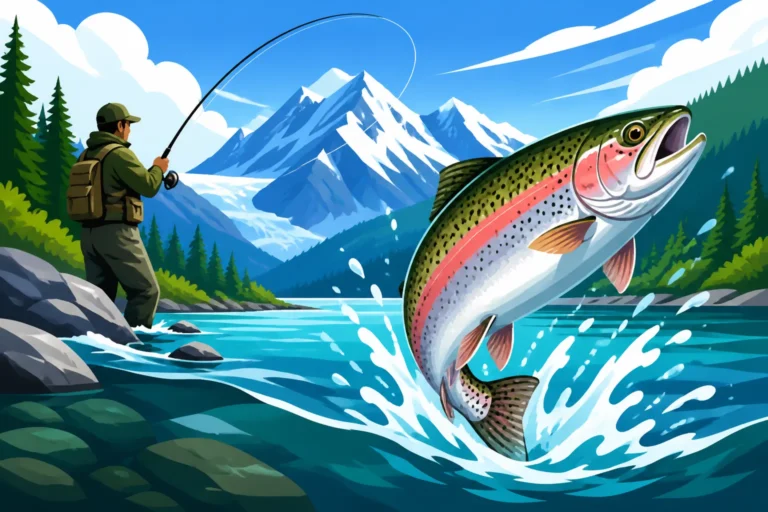
Best Fishing Spots Near Wrangell, Alaska
Trying to figure out where to cast your line when visiting Wrangell, Alaska, can feel a bit overwhelming. The sheer vastness of Southeast Alaska, combined with the ever-changing tides and diverse fish runs, often leaves anglers wondering where to even begin. This comprehensive guide is here to cut through the confusion, helping you uncover the very best fishing spots near Wrangell, ensuring your angling adventure is both memorable and successful.
Wrangell's Unique Fishing Landscape
Wrangell, perched on Wrangell Island in the heart of Southeast Alaska, offers a truly unique fishing experience. Unlike some of the more populated fishing hubs, Wrangell provides a blend of accessible waters and remote wilderness, making it a dream destination for those seeking both convenience and solitude. Its strategic location at the mouth of the mighty Stikine River, one of Alaska's largest and most productive salmon rivers, significantly influences the diverse angling opportunities available.
Why Wrangell is a Hidden Gem for Anglers
Many anglers flock to the more famous fishing towns, inadvertently overlooking the incredible potential that Wrangell holds. This town is a true hidden gem, offering less crowded waters and an authentic Alaskan experience that's hard to find elsewhere. The community is deeply connected to its fishing heritage, and local knowledge runs deep, often passed down through generations. You'll find a welcoming atmosphere and guides who genuinely love their home waters. The proximity to vast wilderness areas means that, even on popular fishing days, you can often find stretches of river or secluded coves where it feels like you have the entire Tongass National Forest to yourself. This sense of untouched nature, combined with consistent fish runs, creates an unparalleled angling environment.
Beyond the major rivers, countless smaller streams and protected coves abound, many of which remain relatively unfished except by locals. These areas can hold incredible populations of resident trout, Dolly Varden, and even provide sheltered spots for salmon on their migratory journeys. The sheer biodiversity of the region means that you're not just limited to one type of fishing; you can easily switch between targeting ocean-dwelling species one day and freshwater inhabitants the next, adapting to weather, tides, and personal preference. It's this versatility that truly sets Wrangell apart for the dedicated angler.
Navigating the Inland Passage Waters
Fishing near Wrangell means immersing yourself in the intricate network of the Inside Passage. This region is characterized by deep fjords, countless islands, and strong tidal currents, all of which play a crucial role in fish migration and behavior. Understanding these waters is key to successful fishing. Saltwater fishing here often involves navigating through channels like Sumner Strait or Zimovia Strait, where strong currents can funnel baitfish and, subsequently, the predatory salmon and halibut. The protection offered by the numerous islands often means calmer waters than the open ocean, making for a more comfortable fishing experience, especially for those prone to seasickness.
However, these currents also demand respect and a good understanding of boat handling and anchoring techniques. Tides can fluctuate dramatically, revealing or concealing prime fishing structure within hours. Experienced local guides are invaluable in these waters, as their knowledge of the local currents, underwater topography, and fish movements can significantly boost your chances of success. They know where the fish are holding at different stages of the tide and which channels offer the best protection from prevailing winds. When planning your trip, consider reaching out to local experts or researching resources like FishingBooker to find reputable charter operators who possess this vital local expertise.
Top Saltwater Fishing Destinations Near Wrangell
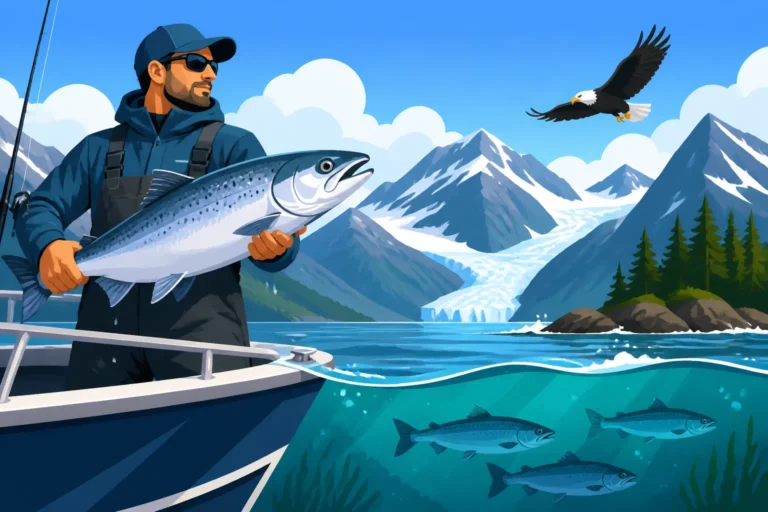
Wrangell is surrounded by some of the most productive saltwater fishing grounds in Southeast Alaska. The nutrient-rich waters of the Inside Passage support a vibrant ecosystem, drawing in millions of salmon, halibut, and various rockfish species annually. Whether you're trolling for kings or bottom fishing for halibut, the options are plentiful and exciting.
Targeting King and Coho Salmon
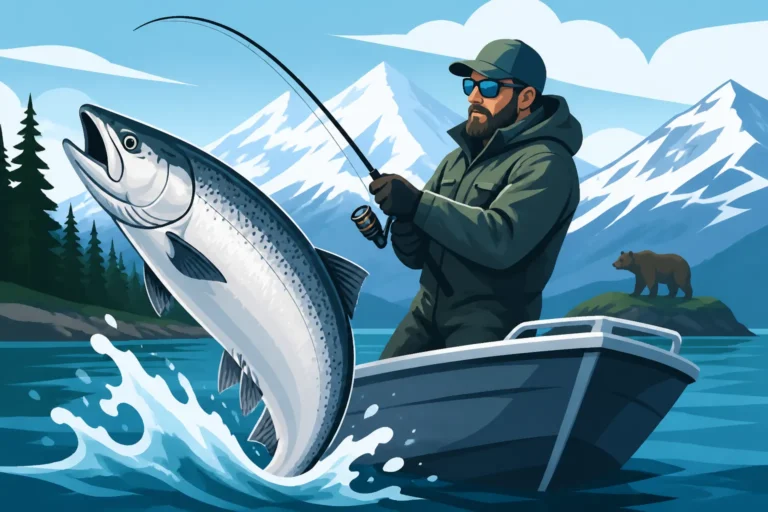
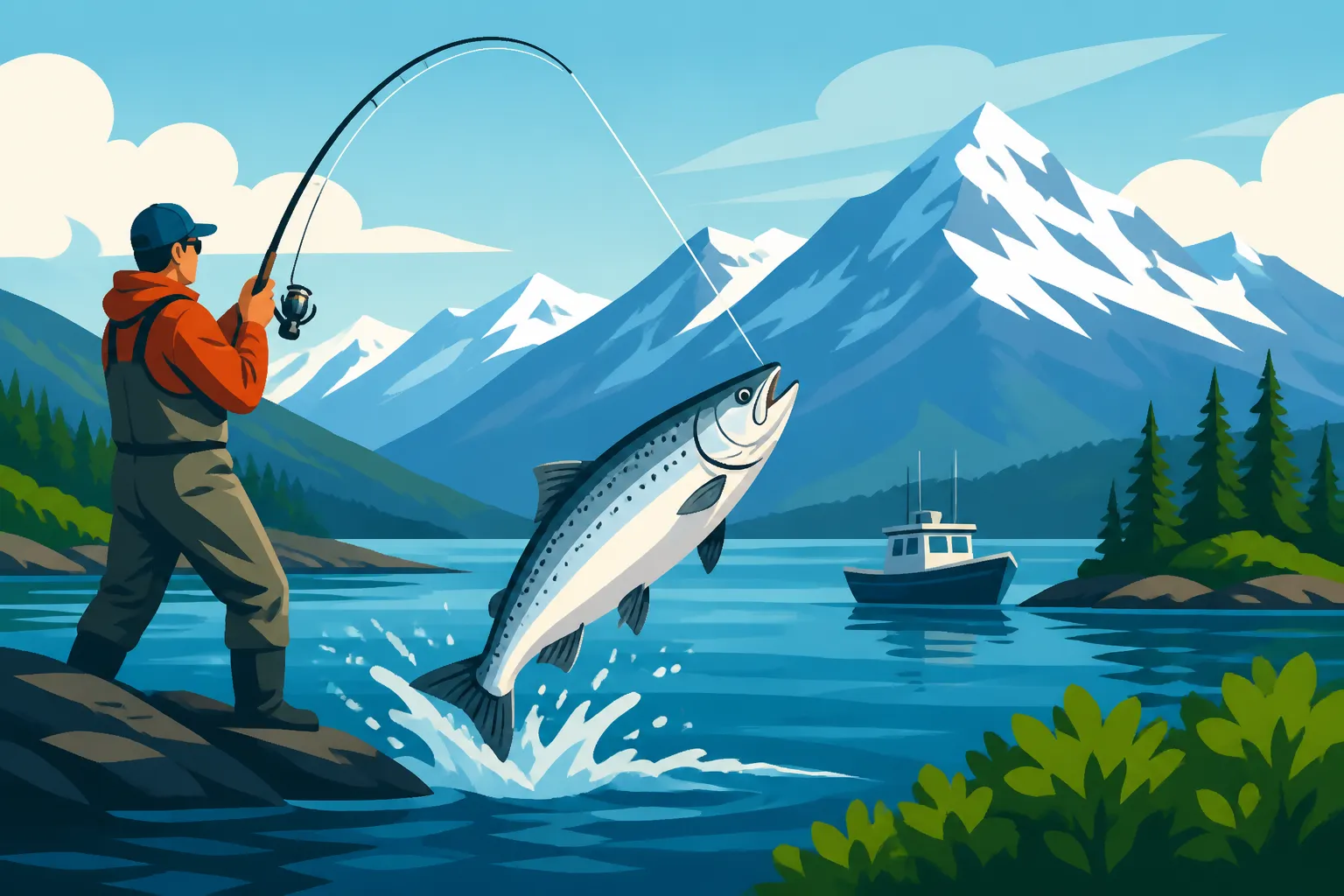
King salmon, also known as Chinook, are the undisputed royalty of Alaska's waters, and the areas around Wrangell offer prime opportunities to hook into one of these magnificent fish. Anglers often target kings in the deeper channels and near river mouths, particularly in early spring and summer as they migrate towards their spawning grounds. Locations like Sumner Strait and the entrance to Zimovia Strait are particularly productive, where the deep, current-swept waters serve as highways for these powerful fish. Trolling with large spoons, flashers, and herring is a popular and effective method. It's crucial to pay attention to the Alaska King Salmon Fishing Regulations and Limits as they can change based on run strength.
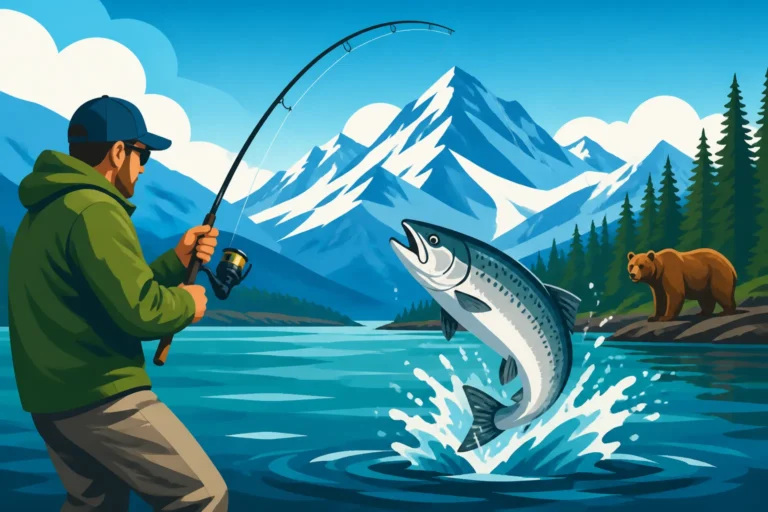
As summer progresses into late July and August, the focus shifts to Coho salmon, or silvers. These acrobatic fish provide exhilarating fights and are abundant in many of the same areas as kings, often closer to the surface. Schools of coho frequently gather in protected bays and near river mouths, gorging themselves on baitfish before making their final push upstream. Targeting coho often involves lighter tackle, trolling with smaller spoons or hoochies, or even casting spinners from shore in certain spots like the mouth of the Stikine River. Understanding the Alaska Fishing Seasons: Month-by-Month Guide can help you time your visit for peak king or coho action.
The Thrill of Halibut and Rockfish
Beyond salmon, the saltwater realm near Wrangell is a haven for bottom-dwelling species, most notably the colossal Pacific halibut. Known for their incredible strength and delicious white meat, halibut can be found in deeper waters throughout the straits and bays. Prime halibut grounds often lie near underwater pinnacles, drop-offs, and rocky ledges where they ambush prey. Areas around Vank Island or deeper sections of Sumner Strait are often productive. Anglers typically use heavy-duty gear, targeting them with large pieces of herring, salmon heads, or jigs tipped with scent. It's an intense battle to bring one of these "barn doors" up from the depths, and being prepared with the right equipment is paramount. Be sure to familiarize yourself with the Alaska Halibut Fishing Regulations and Limits as they include specific rules for charter and unguided anglers.
Accompanying the halibut are a variety of rockfish species, including the prized yelloweye, black rockfish, and quillback. These colorful fish inhabit rocky structures and reefs, offering consistent action and excellent table fare. Jigging with metal jigs or bait-tipped jigs near submerged structures is a common technique. Remember that many rockfish species are sensitive to barotrauma when brought up from deep water, so using a descending device for release is often required and always recommended to help maintain healthy populations. Checking the Alaska Rockfish Retention and Release Rules is always a good idea before heading out.
Recommended Charter Operations and Booking Resources
While bank fishing around Wrangell offers some opportunities, for the full saltwater experience, especially for halibut and salmon, a reputable charter is often the best route. Local charter captains in Wrangell are intimately familiar with the complex tides, currents, and prime fishing locations. They provide all the necessary gear, expertise, and often, fish processing services.
When selecting a charter, look for operators with strong safety records and positive reviews, and don't hesitate to ask questions about their experience and what's included in the trip. Some well-regarded local charter operations include Breakaway Adventures or Angerman's Charters, both known for their knowledgeable guides and comfortable boats. To streamline your search and compare options, I always recommend checking platforms like FishingBooker. It’s a fantastic resource where you can browse numerous charters near Wrangell, read detailed reviews from other anglers, compare prices, and book your trip with confidence. This saves you a ton of time and ensures you’re getting on a boat with experienced professionals who know these waters like the back of their hand. Using a service like FishingBooker can help you find everything from a half-day salmon trip to a full-day halibut adventure, tailored to your group size and target species.
Freshwater Fishing Adventures Around Wrangell
While the saltwater fishing grabs much of the attention, Wrangell's freshwater opportunities are equally captivating, offering a different pace and challenge. The dendritic network of rivers, streams, and lakes that feed into the Inside Passage provides a rich habitat for various species, making it a fantastic complement to any saltwater excursion.
River Fishing for Sockeye and Dolly Varden
The crown jewel of Wrangell's freshwater fishing scene is undoubtedly the Stikine River. This massive glacial river system, stretching far into British Columbia, provides incredible runs of salmon, particularly sockeye, or reds. Sockeye are legendary for their strength and delicious meat. During their peak migration, typically from late June through July, the lower stretches of the Stikine and its tributaries can be teeming with these fish. Anglers often target sockeye using specific techniques like "flossing" or drift fishing with unweighted flies or beads, aiming to intercept them as they make their determined upstream journey. The Stikine's sheer size means that there are numerous braids and side channels, offering plenty of room to spread out and find your own piece of the action. Keeping up with Alaska Sockeye Salmon Fishing Regulations and Limits is vital, as emergency orders can change limits based on run strength.
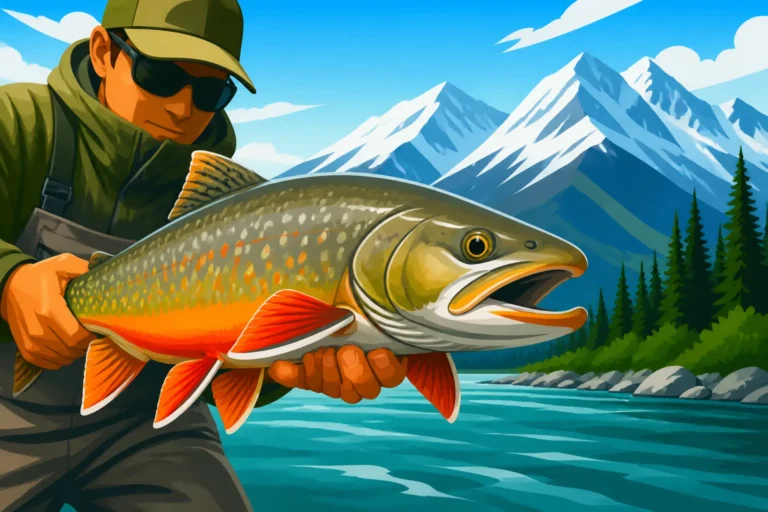
Beyond the salmon, the Stikine and its feeder streams are excellent for Dolly Varden. These beautiful char species are abundant throughout the system, often found feeding on salmon eggs during the spawn, or chasing juvenile salmon and insects at other times of the year. Fly fishing with egg patterns, streamers, or small spinners can be incredibly effective for Dollies. They offer spirited fights on light tackle and are a great option when salmon runs are less active. The serenity of fishing these pristine rivers, often surrounded by towering old-growth forests and the occasional bear, is an experience truly unique to Alaska.
Remote Lake Opportunities
While less known than the rivers, the lakes accessible from Wrangell offer serene fishing experiences, particularly for resident trout and Dolly Varden. Many of these lakes, often tucked away in the Tongass National Forest, require a floatplane or a sturdy boat and a bit of hiking to reach, but the reward is often solitude and eager fish. Anan Creek is one such destination, famous for its bear viewing, but its lake and river system also hold good fishing for Dolly Varden and sometimes cutthroat trout. These remote lakes are generally less pressured, providing a tranquil escape.
For those willing to venture further, fly-in trips to remote alpine lakes can unlock exceptional opportunities for Arctic Grayling, which are known for their distinctive large dorsal fin and willingness to rise to dry flies. These excursions require careful planning, often involving a local air taxi service from Wrangell, but the chance to fish untouched waters for unique species is an unforgettable adventure. Always double-check local regulations for any specific lake systems you plan to explore, as rules can vary even within close proximity.
Planning Your Wrangell Fishing Trip
A successful fishing trip to Wrangell requires more than just knowing where the fish are; it demands thoughtful preparation. From understanding local regulations to packing the right gear and timing your visit, a little planning goes a long way in ensuring a smooth and enjoyable Alaskan angling adventure.
Essential Gear and Local Regulations
The diverse fishing opportunities around Wrangell mean your gear list might be varied. For saltwater salmon and halibut, you'll need sturdy rods capable of handling powerful fish, reliable reels with ample line capacity, and a selection of heavy jigs, lead weights, and bait rigs. Many charters will provide this gear, but if you're going unguided or prefer your own equipment, preparing ahead is key. For freshwater fishing, a medium-action spinning rod or a 6-8 weight fly rod will cover most scenarios for salmon, trout, and Dolly Varden. Don't forget an array of spinners, spoons, beads, and fly patterns appropriate for the season and target species.
Beyond fishing tackle, dressing for success in Alaska is paramount. The weather can change rapidly, so waterproof and windproof layers are non-negotiable. Quality rain gear, waterproof boots, and layers of fleece or wool will keep you comfortable. Sunscreen, sunglasses, and a wide-brimmed hat are also essential, even on cloudy days, due to UV reflection off the water.
Crucially, every angler aged 16 or older needs an Alaska fishing license. This can be purchased online through the Alaska Department of Fish and Game (ADF&G) website before your trip or at local vendors in Wrangell. If you plan to target King Salmon, you'll also need to purchase a King Salmon Stamp, which is an additional endorsement. Be sure to check the Alaska Fishing License: Complete Guide for detailed information on types and costs, and review the Alaska Fishing Regulations Explained specifically for the Southeast region (Region A) before you arrive. Regulations, especially bag and possession limits, can change rapidly via emergency orders, so it's wise to check the ADF&G website or local offices right before and even during your trip.
Best Times to Visit for Specific Species
Timing is everything in Alaska fishing. Wrangell offers productive fishing throughout the late spring, summer, and early fall, but the peak windows for different species vary significantly.
Spring (May – Early June):
This is often the earliest opportunity for King salmon, particularly "feeder kings" that are actively foraging in saltwater. The Stikine River also sees early runs of Sockeye salmon starting to trickle in. Freshwater opportunities for Dolly Varden and resident trout are also picking up as waters warm.
Summer (Mid-June – August):
This is prime time in Wrangell.
- Mid-June to Mid-July: Peak King salmon season, both in saltwater and in the Stikine River. This period also sees the strongest runs of Sockeye salmon in the Stikine, making it an incredibly busy and productive time for river anglers.
- Late July to Mid-August: Coho salmon start to become abundant in saltwater, providing fast-paced action. Halibut fishing is consistently good throughout these months, with many charter operations focusing on these big bottom dwellers. Pink and Chum salmon also make significant runs during this period, offering abundant catch-and-release opportunities.
- August: Excellent for Coho salmon, and freshwater fishing for Dolly Varden and resident trout remains strong, often with fish feeding aggressively on salmon eggs.
Fall (September – Early October):
While summer crowds thin out, September can offer some of the best fishing for Coho salmon, which are typically larger and more aggressive as they prepare for spawning. Trout and Dolly Varden fishing also remains excellent in the freshwater systems, often with less competition. Later in the fall, some winter steelhead can also be found in certain rivers.
Understanding these seasonal patterns will allow you to tailor your trip to your desired species. For a comprehensive overview, refer to the Best Time to Fish in Alaska guide. No matter when you choose to visit, Wrangell's waters are almost always teeming with life, promising an exciting and rewarding fishing adventure.
Here's a quick reference table to help you visualize the best times for different species near Wrangell:
| Target Species | Peak Season (General) | Primary Location Type | Common Fishing Method |
|---|---|---|---|
| King Salmon | Late May – Mid-July | Saltwater Channels, River Mouths | Trolling, Back-trolling |
| Sockeye Salmon | Late June – Late July | Stikine River, Tributaries | Flossing, Drift fishing |
| Coho Salmon | Late July – September | Saltwater Bays, River Mouths | Trolling, Casting Spinners |
| Halibut | June – August | Deep Saltwater Bottoms | Bottom fishing, Jigging |
| Rockfish | June – September | Rocky Reefs, Deep Structure | Jigging, Bottom fishing |
| Dolly Varden | June – October | Rivers, Streams, Lakes | Fly fishing, Spin fishing |
| Pink Salmon | Late July – Mid-August | Saltwater near River Mouths | Casting Spinners/Spoons |
| Chum Salmon | Mid-July – Mid-August | Saltwater near River Mouths | Casting, Trolling |
Disclaimer
Please note that fishing regulations in Alaska are subject to change, sometimes on short notice, due to emergency orders issued by the Alaska Department of Fish and Game (ADF&G). Always check the most current regulations and emergency orders for the specific area and species you plan to fish before heading out. This guide provides general information and should not be used as a substitute for official ADF&G regulations.