Are Alaska Pink Salmon Good to Eat
One of the most common questions I hear from folks, especially those new to fishing our incredible Alaskan waters, is about pink salmon. They’ve heard whispers, seen their sheer numbers, and maybe even caught a few, but there’s often a lingering doubt: are Alaska pink salmon really good to eat? It's a valid question, as these smaller, often abundant salmon sometimes get a reputation that doesn't quite do them justice. This guide is here to cut through the noise, validate your curiosity, and give you the real scoop on dining with the mighty "humpy."
The Reputation of Alaska Pink Salmon: Why the Mixed Reviews?
Pink salmon, or Oncorhynchus gorbuscha, are the most numerous of Alaska's salmon species, swarming into our rivers and coastal waters in incredible numbers every two years. This biennial abundance, paired with their smaller size, often leads to misunderstandings about their quality. Many anglers, especially those chasing the elusive King or the vibrant Sockeye, tend to overlook Pinks, thinking they're merely "bait fish" or not worth the effort. But like many things in life, the truth is a bit more nuanced than surface-level impressions.
The "Humpy" Stigma and Size Perception
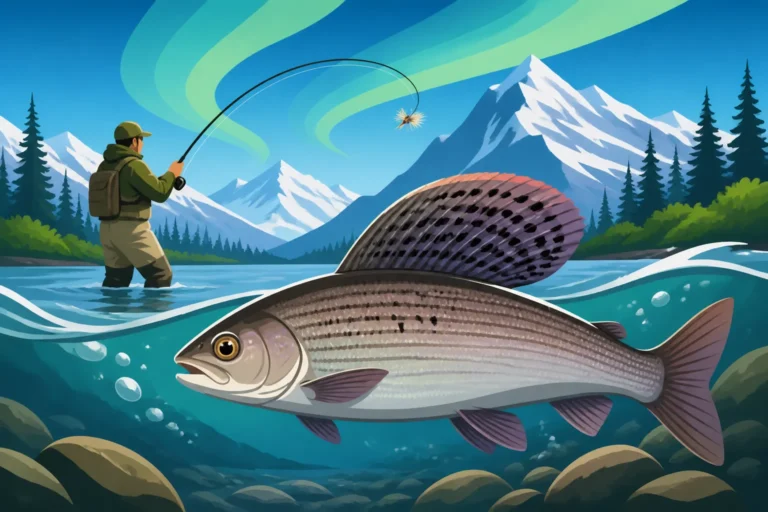
Let's address the elephant in the room: their nickname, "humpy." This moniker comes from the pronounced dorsal hump that the males develop during their spawning migration into freshwater. While an impressive display of nature's design, it's also where some of the less favorable opinions about their eating quality begin. Folks often associate this physical transformation with a decline in their flesh quality, and honestly, they're not entirely wrong when it comes to spawning phase fish.
Beyond the "humpy" appearance, their size is another factor. Pink salmon are generally the smallest of the Pacific salmon, typically weighing between 3 and 5 pounds. When you're used to seeing 20-pound King salmon or even 8-pound Sockeye, a 4-pound pink might seem insignificant. This size difference sometimes leads people to assume smaller fish automatically mean lesser quality. It's a common misconception that often pushes anglers to release Pinks in pursuit of bigger, more "trophy-worthy" catches. However, judging a fish solely by its size, especially a salmon, can be a mistake, as we'll soon discover.
Spawning Phase vs. Ocean Phase Quality
Here’s the absolute critical distinction that separates a delicious pink salmon from one that's, well, less than ideal: where and when you catch it. Like all salmon, Pinks undergo incredible physiological changes as they leave the ocean and begin their freshwater spawning journey. Their bodies are literally designed to prioritize reproduction, not maintaining delicious, oily flesh.
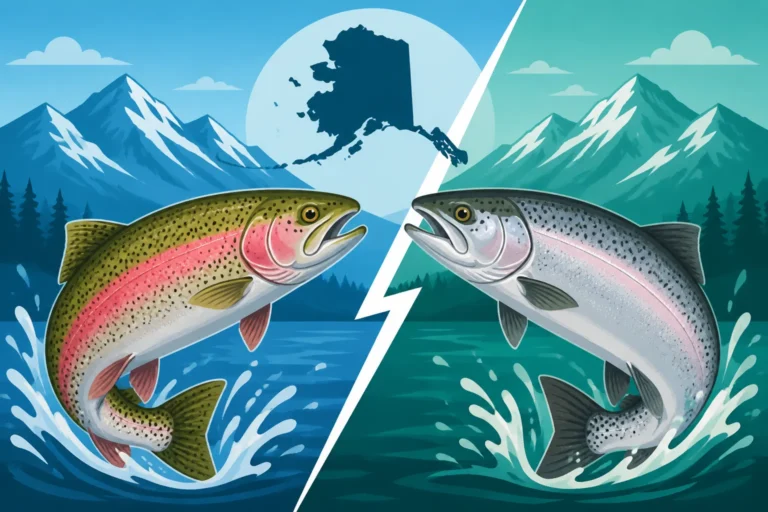
When a pink salmon is still in its vibrant, ocean-bright phase, cruising the saltwater estuaries or nearshore waters, its flesh is firm, bright, and packed with valuable nutrients. This is the prime eating window. However, once they enter the rivers and transition to their spawning colors – becoming darker, developing that pronounced hump, and often displaying battle scars – their flesh rapidly deteriorates. It becomes softer, paler, and loses much of its fat content and flavor as their bodies consume stored energy for the monumental task of spawning. This rapid decline is much more noticeable in pink salmon compared to other species, leading to that "mixed review" reputation. So, the secret isn't if pink salmon are good to eat, but when and where they're caught. For more on their natural cycle, you might want to read our guide on Alaska Salmon Run Timing Explained.
Unpacking the Culinary Value of Pink Salmon
Now that we've cleared up some of the historical baggage, let's talk about the actual culinary potential of a properly caught and handled pink salmon. It's truly a hidden gem for many, offering a distinct flavor and texture that, while different from its larger cousins, is absolutely delightful in its own right. Don't let anyone tell you otherwise if they haven't tasted an ocean-fresh pink!
Taste and Texture Profile
When caught "ocean-bright" – meaning they still have their vibrant silver scales and haven't started their spawning transition – pink salmon offer a surprisingly delicate and mild flavor. Unlike the rich, robust, and sometimes intensely "salmon-y" taste of a King or Sockeye, pinks are much subtler. They have a clean, fresh taste that isn't overly oily, making them a fantastic option for those who prefer a lighter fish flavor or who are new to eating salmon. This mildness means they readily absorb marinades and seasonings, offering incredible versatility in the kitchen.
In terms of texture, pink salmon typically have a softer, finer flake compared to the firmer, more dense flesh of other salmon species. While this might be a downside for some who prefer a steak-like consistency, it's a huge plus for dishes where a delicate texture is desired. Think light salads, flaked salmon for sandwiches, or even homemade salmon patties. Because of their lower oil content, they can dry out if overcooked, so gentle cooking methods are key to preserving that tender flake. If you're looking for a comprehensive overview of all the species, our Alaska Fish Species Guide provides a great starting point.
Nutritional Benefits and Versatility
Just because they're smaller and less oily than other salmon doesn't mean pink salmon skimp on the health benefits. Far from it! They are still an excellent source of lean protein, essential omega-3 fatty acids, and important vitamins and minerals like Vitamin D and B12. While their omega-3 content might be slightly lower per serving than a King or Sockeye, their abundance and often lower price point mean you can incorporate them into your diet more frequently, still reaping significant health advantages.
Their mild flavor and fine texture also make them incredibly versatile in the kitchen. Forget just grilling or baking (though they excel at both!). Pink salmon are fantastic for:
- Smoking: Their delicate flavor takes beautifully to a good brine and smoke. Many Alaskans swear by smoked pink salmon. Our guide on Best Salmon for Smoking from Alaska might give you some ideas.
- Canning: Historically, pink salmon were a cornerstone of Alaska's canning industry. Their fine texture holds up well, and home-canned pink salmon is a pantry staple for many, perfect for quick meals.
- Salmon Cakes/Patties: Flaked pink salmon is ideal for turning into delicious, savory patties, perhaps with some breadcrumbs, herbs, and a touch of mayonnaise.
- Fish Tacos or Burritos: The mild flavor won't overpower the vibrant spices and toppings you love.
- Curries and Stews: Their tender flesh will absorb the flavors of your broth beautifully.
This versatility ensures that a good pink salmon catch can contribute to a wide array of delicious meals throughout the year. For more specific details on this species, check out Alaska Pink Salmon: Facts, Season, and How to Catch.
Best Practices for Enjoying Alaska Pink Salmon
To truly appreciate the deliciousness of pink salmon, it’s not just about if they're good to eat, but how you treat them from the moment they hit your line to the moment they hit your plate. Proper handling makes all the difference, transforming a potentially mediocre meal into a truly memorable one.
Catching and Handling for Peak Quality
The golden rule for pink salmon (and frankly, most fish) is to catch them when they are "ocean-bright." This means targeting them in saltwater environments or very near the mouths of rivers, before they’ve had a chance to expend too much energy or begin their physical transformation for spawning. Places like Prince William Sound, Cook Inlet's saltwater areas, or the coastal regions of Southeast Alaska are prime spots during their runs. Knowing Best Time to Catch Pink Salmon in Alaska and How to Catch Pink Salmon in Alaska will significantly improve your chances of landing a prime specimen.
Once you’ve landed an ocean-bright pink, immediate and proper handling is paramount:
- Bleed Immediately: This is perhaps the most crucial step. Cut the gill arch or sever the tail to allow the blood to drain completely from the fish. This greatly improves the flavor and shelf life of the meat.
- Ice Down Promptly: Get the fish on ice as quickly as possible. A cooler full of slush ice is ideal. This rapid chilling stops bacterial growth and maintains the firmness and quality of the flesh. Don't let your fish sit in a warm fish box!
- Fillet and Process Quickly: Once back on shore, fillet your fish efficiently. Removing the skin is often preferred for pinks as the skin can sometimes have a stronger flavor, especially if the fish is even slightly past ocean-bright. For guidance, our detailed article on How to Fillet a Salmon in Alaska can walk you through the process.
- Vacuum Seal and Freeze: For long-term storage, vacuum sealing is the way to go. This prevents freezer burn and keeps your salmon tasting fresh for months. Investing in a good vacuum sealer is a game-changer for any Alaskan angler. You can find many reliable models on Amazon that will quickly pay for themselves. Learn all about this in How to Vacuum Seal and Ship Alaska Fish.
Following these steps ensures you're starting with the best possible product, making all the difference in the final culinary experience.
Cooking Methods That Shine
Given their mild flavor and finer texture, pink salmon benefit from cooking methods that are gentle and don't overpower their natural taste. Overcooking is the biggest pitfall, as their lower fat content means they can dry out quickly. Aim for an internal temperature of 145°F (63°C) and remove them from the heat slightly before, as they will continue to cook with residual heat.
Here are some fantastic ways to prepare them:
- Baking or Roasting: A simple bake in the oven with some lemon, dill, and a touch of butter or olive oil is delicious. Wrap it in parchment paper or foil to keep it moist.
- Pan-Searing: Get a good crust on one side in a hot pan, then finish it gently. This works wonderfully for small fillets.
- Grilling: Keep the heat medium, and consider grilling on cedar planks to infuse extra moisture and flavor. Don't overdo it!
- Poaching: Poaching in broth or wine is an excellent way to keep the fish incredibly moist and infuse it with subtle flavors.
- Smoking: As mentioned, pink salmon takes to smoking exceptionally well. A sweet and savory brine followed by a slow smoke results in flaky, flavorful smoked salmon perfect for appetizers or spreading on crackers. You can find some great brining ingredients and smokers on Amazon.
Don't be afraid to experiment with light marinades or rubs. Teriyaki, lemon-herb, or a simple salt and pepper seasoning all work beautifully. Their versatility truly makes them a chef's friend! Remember to always stay informed on the latest regulations; you can always check out Alaska Fishing Regulations Explained before heading out.
Dispelling Myths and Embracing the "Underdog" Salmon
It's time to fully embrace the pink salmon for what it is: a delicious, abundant, and incredibly versatile fish that deserves a spot on your dinner table, especially if you catch it at its prime. Let's tackle some final comparisons and practical advice.
Comparing Pink Salmon to Other Species
While it's easy to dismiss pink salmon in favor of their larger, more famous relatives, it’s fairer to appreciate each species for its unique qualities. Different species excel in different culinary applications, much like different cuts of beef have different ideal uses.
Here's a quick comparison of the five main species of Pacific salmon found in Alaska to help put pinks in perspective:
| Feature | King (Chinook) Salmon | Sockeye (Red) Salmon | Coho (Silver) Salmon | Pink (Humpy) Salmon | Chum (Dog) Salmon |
|---|---|---|---|---|---|
| Typical Size | Largest (20-60 lbs) | Medium (6-12 lbs) | Medium (8-15 lbs) | Smallest (3-5 lbs) | Medium-Large (8-18 lbs) |
| Oil Content | Very High | High | Medium-High | Low-Medium | Low |
| Taste | Rich, buttery, full-bodied | Robust, distinct "salmon-y" | Mild, clean, delicate | Very mild, delicate, subtle | Mild, slightly drier, firm |
| Texture | Firm, large flake, tender | Very firm, dense, steak-like | Firm, medium flake | Fine, softer flake, tender | Very firm, coarse flake |
| Flesh Color | Deep Red to Orange | Deep Red | Orange-Red | Pale Pink | Pale Orange-Pink |
| Best Uses | Grilling, baking, broiling, sashimi | Grilling, baking, smoking, searing | Grilling, baking, pan-searing, canning | Canning, smoking, patties, tacos, baking, poaching | Smoking, canning, jerky, soups |
As you can see, pink salmon truly stand out for their mildness and fine texture. They aren't trying to be a King or a Sockeye, and that's perfectly fine! They carve out their own niche, particularly shining in applications where a lighter touch is desired, or when you're making something like salmon cakes where a strong "fishy" flavor might be unwelcome. Furthermore, understanding the nuances between the different types of salmon in Alaska can truly enhance your fishing and culinary experience.
Practical Tips for Budget-Consious Anglers and Consumers
One of the greatest advantages of pink salmon is their sheer abundance. They have incredibly strong runs every other year, particularly in even-numbered years (though there are runs in odd years too, especially in areas like Southeast Alaska). This abundance often translates into more liberal bag limits and a more accessible fishing experience. They are often easier for beginners to catch, making them a fantastic target for families or those new to the sport. Our article on Why Pink Salmon Are Called Humpies delves a bit deeper into their unique characteristics.
For the budget-conscious angler, pink salmon offer a fantastic way to fill the freezer without the higher costs often associated with King or Sockeye salmon. You can often participate in personal use fisheries for pinks or simply find them more readily available in markets at a lower price point.
If you're not an angler but still want to enjoy wild Alaska pink salmon, look for them canned or frozen at your local grocery store or even on Amazon. Many reputable brands sell high-quality, wild-caught Alaskan pink salmon that has been processed at its prime. It's a healthy, sustainable, and affordable protein source that deserves a permanent spot in your pantry. So, next time you're wondering if Alaska pink salmon are good to eat, remember that with the right approach, they're not just good—they're delicious.
Disclaimer
The information provided in this guide is for general informational purposes only and is not intended as legal or professional advice. Fishing regulations in Alaska can change frequently due to emergency orders, and it is the angler's responsibility to consult the latest Alaska Department of Fish and Game regulations before fishing. Always prioritize safety on the water and adhere to all local, state, and federal laws.