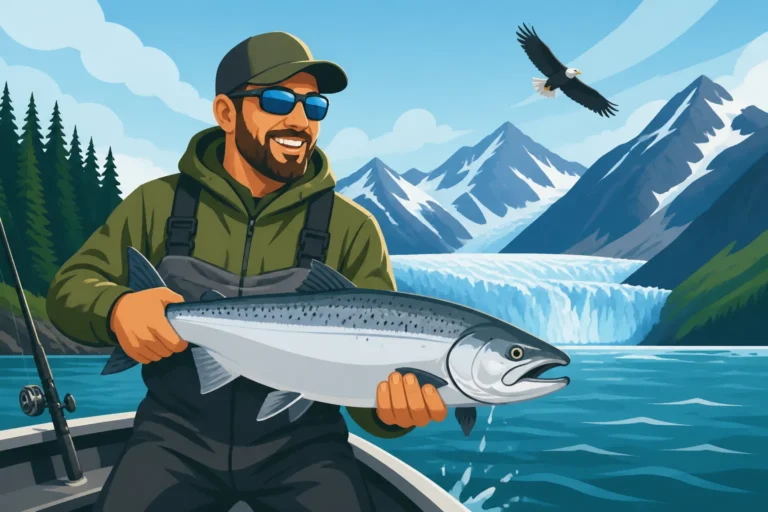
Best Fishing in Southcentral Alaska
Exploring the vast wilderness of Alaska for fishing can be incredibly exciting, but also pretty daunting, right? The state is huge, and Southcentral Alaska, in particular, offers an overwhelming number of world-class fishing opportunities, making it tough to figure out where to even begin. This comprehensive guide is here to cut through the confusion, helping you pinpoint the best fishing spots, target the right species, and plan an unforgettable angling adventure in the heart of the Last Frontier.
Navigating the Fishing Hotspots of Southcentral Alaska
Southcentral Alaska is a true angler's paradise, boasting an incredible diversity of fisheries, from bustling salmon rivers to tranquil lakes and the deep, rich waters of the Pacific Ocean. It's the region most accessible from Anchorage, making it a popular choice for both residents and visitors alike. But "Southcentral" covers a lot of ground, stretching from Prince William Sound to the Kenai Peninsula and up into the Mat-Su Valley. Each area has its own unique charm and fishing opportunities.
The Kenai Peninsula: Salmon Mecca and Halibut Havens
When most people dream of fishing in Alaska, they're probably picturing the Kenai Peninsula. This iconic stretch of land is undeniably the epicenter of Southcentral Alaska's sportfishing scene, drawing anglers from all corners of the globe for its legendary salmon runs and colossal halibut. It’s a place where fishing isn’t just a hobby; it’s a way of life, and sometimes, a true spectacle.
First, let's talk about the rivers. The Kenai River is, without a doubt, the star of the show. It's famous for producing some of the largest King Salmon on record, and its Sockeye Salmon runs are nothing short of epic, sometimes reaching into the millions. Imagine standing shoulder-to-shoulder with other excited anglers, all casting into the swift current during the peak of the Sockeye run – it's an experience unlike any other, often referred to as "combat fishing." For those seeking a slightly less crowded experience but still chasing those famous Kings and Sockeye, the Kasilof River is an excellent alternative. It offers similar species but often with fewer boats and bank anglers. You can dive deeper into the specifics with our guide on the Kenai River Fishing: Complete Guide.
Then there's the Russian River, a tributary of the Kenai, which becomes a focal point for thousands of Sockeye each summer. It’s a sight to behold, but also requires a specific technique often called "flossing" and adherence to strict regulations. Many anglers also find fantastic opportunities for Rainbow Trout here, especially after the salmon have spawned, feasting on the leftover eggs.
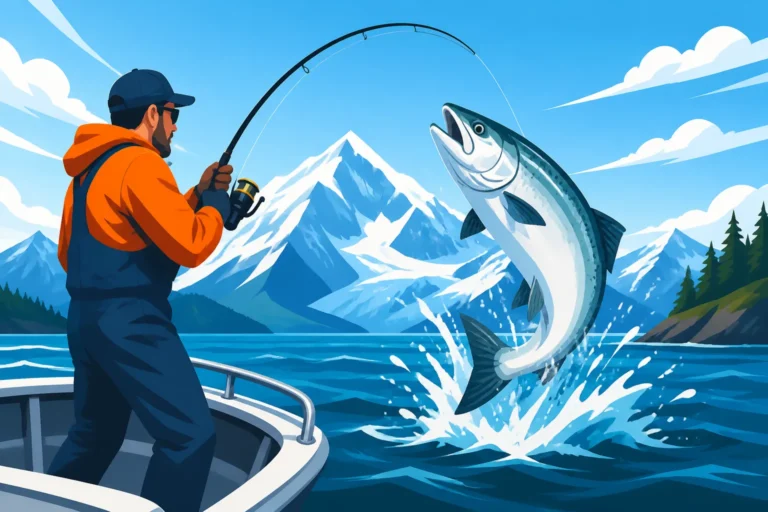
Moving to the coast, the towns of Homer and Seward become the gateways to incredible saltwater fishing. Homer, famously dubbed the "Halibut Capital of the World," offers exhilarating charters that venture into Kachemak Bay and beyond into the Gulf of Alaska in pursuit of massive Pacific Halibut. It's not uncommon to hear tales of "barn door" halibut weighing over a hundred pounds here. Beyond halibut, these charters often target a variety of bottom fish and even Silver Salmon during their season. Meanwhile, Seward, nestled at the head of Resurrection Bay, offers similar deep-sea experiences for halibut, as well as prolific fisheries for Silver Salmon, Lingcod, and various species of Rockfish. For an in-depth look, check out our Homer Alaska Fishing Guide and Seward Alaska Fishing Guide.
Prince William Sound and Cook Inlet: Saltwater Giants and River Mouth Opportunities
Beyond the Kenai Peninsula, other regions within Southcentral Alaska offer equally rewarding, albeit sometimes different, fishing adventures. Prince William Sound, accessible from towns like Valdez and Whittier, is a vast, pristine wilderness of glaciers, fjords, and incredibly productive saltwater.
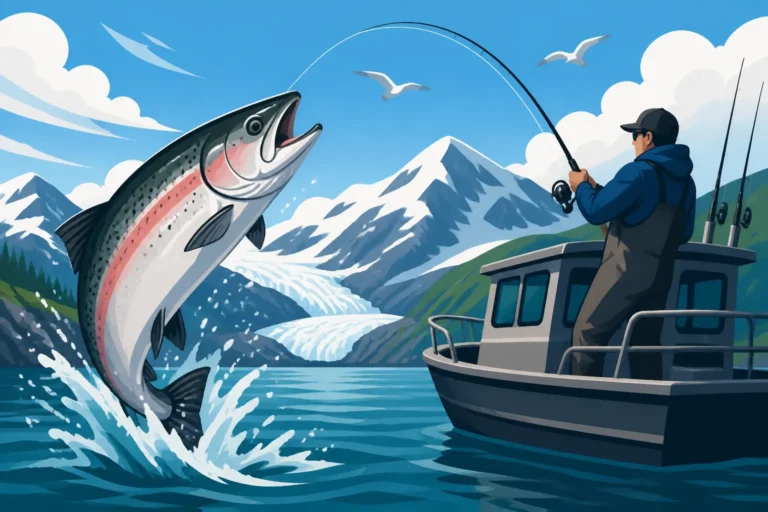
In Valdez, often called the "Silver Salmon Capital," the late summer months see massive runs of Coho (Silver) Salmon returning to the Valdez Arm and local streams. Charters from Valdez also pursue Halibut and various Rockfish species in the Sound's rich waters. It’s a stunning place to fish, surrounded by towering mountains and ice-blue glaciers. Whittier, though smaller, offers similar saltwater opportunities, providing quick access to deep-sea fishing grounds for halibut and salmon within Prince William Sound. The scenery alone is worth the trip, but the fishing is truly world-class.
Cook Inlet, a massive tidal estuary, is another significant fishery in Southcentral Alaska, particularly for King Salmon. Rivers flowing into the Inlet, like the Susitna River and its tributaries, can see strong King Salmon runs. However, fishing here often comes with dynamic and sometimes restrictive regulations due to conservation efforts. Anglers frequently rely on power boats to navigate the vast, silty waters and chase migrating salmon.
Mat-Su Valley and Interior Connections: Pike, Rainbows, and Grayling
Just north of Anchorage, the Matanuska-Susitna (Mat-Su) Valley offers a different flavor of fishing, often more accessible by road and with a greater emphasis on freshwater species beyond just salmon. This area is a network of rivers, lakes, and sloughs, providing excellent opportunities for those looking for a different kind of fight.
The Susitna River system, including its tributaries like the Deshka River and Little Susitna River, sees runs of King, Coho, and Sockeye Salmon, though often with varying regulations and timing compared to the Kenai. Many local anglers love the challenge of targeting these salmon closer to home. But the Mat-Su Valley truly shines for its resident freshwater fish. Numerous lakes and sloughs are home to feisty Northern Pike, a predatory fish known for its aggressive strikes and thrilling battles. These waters also hold good populations of Rainbow Trout and Arctic Grayling, offering a delightful change of pace from salmon fishing. You can often find great bank fishing spots or easily launch a small boat or kayak in these serene settings. For those staying near the state's largest city, exploring the Best Fishing Spots Near Anchorage will naturally lead you to many Mat-Su Valley gems.
Target Species and Prime Seasons in Southcentral
Understanding what you can catch and when to catch it is crucial for a successful Southcentral Alaska fishing trip. The seasons here are distinct, and fish migrations are highly predictable, though Mother Nature always has the final say.
The Quest for Alaska's Salmon
Alaska is synonymous with salmon, and Southcentral offers access to all five species of Pacific salmon. Timing your trip around their runs is paramount.
- King Salmon (Chinook): The biggest and most prized, Kings usually run from late May through early July. The Kenai River is legendary for its Kings, but the Kasilof and Susitna rivers also produce fantastic fish. Fishing for Kings is a powerful experience; these fish fight with incredible strength. Learning How to Catch King Salmon in Alaska is a right of passage for many anglers. Keep in mind that King Salmon regulations can change frequently due to conservation, so always check emergency orders.
- Sockeye Salmon (Red): Known for their delicious red meat and powerful runs, Sockeye are prevalent from mid-June through late July. The Kenai and Russian Rivers host massive Sockeye runs, creating intense but rewarding fishing. Unlike other salmon, Sockeye don't typically strike lures aggressively, requiring specialized techniques like "flossing" to hook them. Our detailed guide on How to Catch Sockeye Salmon in Alaska can walk you through the nuances.
- Coho Salmon (Silver): These acrobatic fighters arrive later in the summer, typically from August through September, making them a fantastic late-season target. They are found in both saltwater (Prince William Sound, Resurrection Bay) and freshwater systems (Kenai, Kasilof, Susitna tributaries). Cohos are aggressive and readily strike a variety of lures, flies, and bait, offering consistent action.
- Pink Salmon (Humpy): These smaller, incredibly abundant salmon run every even-numbered year in massive numbers, typically in July and August. They offer non-stop action, perfect for beginners, kids, or anyone just wanting to bend a rod. You'll find them throughout Southcentral's rivers and coastal areas.
- Chum Salmon (Dog): While not as widely targeted for sport as other salmon, Chums are strong fighters and excellent for smoking. They typically run from mid-July through August, often alongside Pink Salmon.
Battling Alaska's Bottom Dwellers: Halibut, Lingcod, and Rockfish
If saltwater fishing is your passion, Southcentral Alaska delivers in spades. The deep waters of the Gulf of Alaska, Kachemak Bay, and Prince William Sound are teeming with exciting bottom fish.
- Pacific Halibut: The star of Alaska's saltwater fishing, halibut are found on the seafloor from May through September. Charter boats from Homer, Seward, and Valdez specialize in targeting these flatfish, often using heavy gear, large baits, and jigs. Halibut can range from smaller "chicken" halibut (5-20 lbs) to enormous "barn doors" weighing hundreds of pounds. Learning How to Catch Halibut in Alaska involves specific techniques and patience. Remember, Alaska Halibut Charter Regulations Explained are quite particular, especially regarding size and bag limits, which can even include reverse slot limits.
- Lingcod: These prehistoric-looking, toothy predators inhabit rocky reefs and pinnacles. They offer a fierce fight and have delicious white meat. Lingcod season typically opens in July, and they're often caught on halibut charters or dedicated bottom fishing trips.
- Rockfish: A diverse group of species, including Yelloweye (often called Snapper), Black Rockfish, and various others, are abundant on rocky bottoms. They are excellent eating fish and provide steady action. Many charters target them, often using lighter gear than for halibut. Special care must be taken with deepwater rockfish, as they require descending devices to be released properly due to barotrauma.
Freshwater Gems: Trout, Pike, and Arctic Grayling
Beyond the migratory salmon, Southcentral Alaska's freshwater systems offer year-round opportunities for resident species.
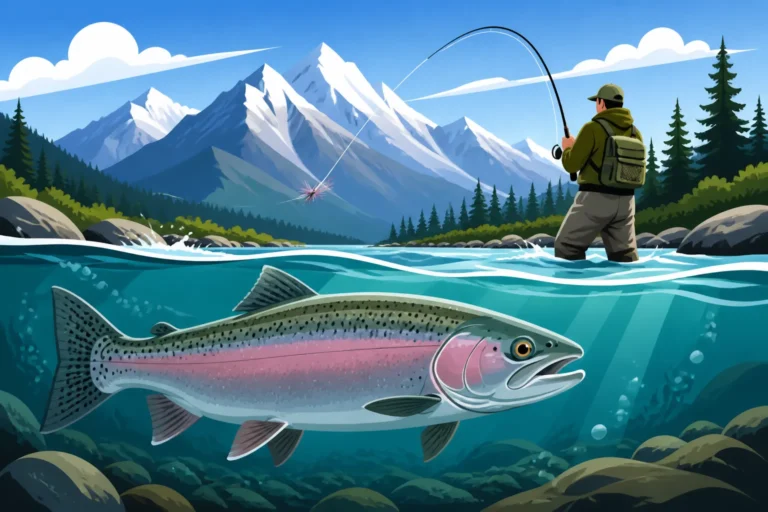
- Rainbow Trout: The Kenai River is world-renowned for its trophy-sized Rainbow Trout, especially in the fall after the salmon spawn. These trout gorge themselves on salmon eggs, growing to impressive sizes. Fly fishing with egg patterns or beads is a popular and highly effective method. Our Alaska Rainbow Trout Guide provides excellent insights into targeting these magnificent fish. Many other lakes and streams throughout the Mat-Su Valley also hold good populations of rainbows.
- Northern Pike: For an aggressive, toothy freshwater fight, head to the Mat-Su Valley's lakes and sloughs. Pike fishing is excellent from late spring through fall, and they readily strike large spoons, spinners, and topwater lures. They are a blast to catch and often overlooked.
- Arctic Grayling: With their distinctive, sail-like dorsal fin, Arctic Grayling are beautiful fish found in clear, cold streams and lakes across interior and northern Southcentral Alaska. They are eager to rise to dry flies, making them a favorite among fly anglers. While generally smaller, they offer a delicate and rewarding fishing experience in stunning wilderness settings.
Southcentral Alaska Fishing Opportunities Table
To give you a quick overview, here's a table summarizing some key locations and their primary fishing draws:
| Location | Primary Species | Best Fishing Months | Key Fishing Type | Notes |
|---|---|---|---|---|
| Kenai River | King, Sockeye, Coho Salmon, Rainbow Trout | June – Sept | River fishing (drift, bank, guided) | Famous for large Kings, huge Sockeye runs, trophy trout. |
| Russian River | Sockeye Salmon, Rainbow Trout | July – August | Bank fishing (combat style) | Iconic Sockeye flossing, great trout opportunities. |
| Kasilof River | King, Sockeye, Coho Salmon | June – Sept | River fishing (drift, bank, guided) | Less crowded alternative to Kenai, strong King runs. |
| Homer | Halibut, King, Silver Salmon, Lingcod, Rockfish | May – Sept | Saltwater charter fishing | "Halibut Capital," diverse saltwater species. |
| Seward | Halibut, Silver Salmon, Lingcod, Rockfish | May – Sept | Saltwater charter fishing | Gateway to Resurrection Bay, excellent combo trips. |
| Valdez | Silver Salmon, Halibut, Rockfish | July – Sept | Saltwater charter fishing, shore fishing | "Silver Salmon Capital," stunning Prince William Sound scenery. |
| Mat-Su Valley Lakes | Northern Pike, Rainbow Trout, Arctic Grayling | May – Oct (Pike year-round) | Lake/Slough fishing (boat, shore) | Great for freshwater species, accessible from Anchorage. |
| Cook Inlet (Rivers) | King, Sockeye, Coho Salmon | June – Sept | River fishing (powerboat, bank) | Highly regulated, can be very productive. |
Planning Your Southcentral Alaska Fishing Adventure
A trip to Alaska is often a bucket-list item, and planning it properly will ensure you maximize your time and fishing success. There are a few critical decisions to make and things to consider to make your adventure seamless.
Guided vs. DIY: Making the Right Choice
This is often the first big question for anyone planning an Alaska fishing trip. Both options have their merits, and the best choice depends on your experience, budget, and desired level of independence.
Opting for a guided trip, especially for your first visit to Southcentral Alaska, can significantly enhance your experience. A local guide brings invaluable expertise, knowing exactly where the fish are biting, the best techniques to use, and how to navigate ever-changing regulations and conditions. They typically provide all the necessary gear, from rods and reels to tackle and bait, and often have comfortable boats to get you to the prime spots. For example, if you’re looking to battle a massive halibut out of Homer, a local captain found through platforms like FishingBooker can take you to their honey holes, saving you countless hours of searching. Guided trips are often essential for specific fisheries, like deep-sea halibut, or for navigating complex rivers like the Kenai. They also handle the fish processing, which is a huge convenience after a successful day.
On the other hand, a Do-It-Yourself (DIY) trip offers unparalleled freedom and can be more budget-friendly if you have your own gear and transportation. Many anglers enjoy the challenge of scouting spots, reading the water, and figuring out the fish themselves. Southcentral Alaska offers many accessible roadside fishing opportunities, particularly in the Mat-Su Valley or along parts of the Kenai Peninsula, where you can target salmon, trout, or pike from shore or with a personal watercraft. However, DIY fishing requires thorough research into Alaska Fishing Regulations Explained and strong adherence to Alaska Fishing Limits and Bag Limits Explained, as you'll be solely responsible for understanding and following the rules.
Many choose a hybrid approach: booking a few guided charters for specific species or locations (like halibut out of Seward or King Salmon on the Kenai), and then spending other days exploring independently for trout, pike, or accessible salmon runs. FishingBooker is a great resource to find and compare reputable charters across Southcentral Alaska, allowing you to easily book those specialized trips.
Essential Gear and Regulations
Alaska's weather is famously unpredictable, even in the summer, so packing the right gear is non-negotiable. Layers are your best friend. Always bring good quality rain gear (jacket and pants) and waterproof boots, even if the forecast looks clear. For river fishing, waders are often essential. Polarized sunglasses are also incredibly helpful for spotting fish and reducing glare.
Beyond personal attire, understanding and adhering to Alaska's fishing regulations is paramount. The Alaska Department of Fish and Game (ADF&G) sets strict rules regarding licenses, seasons, bag limits, gear restrictions (like single hooks or bait restrictions), and specific recording requirements for certain species on your Alaska Harvest Record Card Explained. Before you even cast a line, you'll need to purchase an Alaska Fishing License: Complete Guide, and if targeting King Salmon, you'll likely need an Do You Need a King Salmon Stamp in Alaska as well.
It's absolutely critical to check the current regulations for the specific area you plan to fish, as rules can change suddenly via "emergency orders" due to fluctuating fish runs or conservation concerns. Always know How to Check Alaska Emergency Orders Before Fishing before heading out. These changes can happen quickly, even mid-season, and ignorance is no excuse for a violation. Local tackle shops, guides, and the ADF&G website are excellent resources for the most up-to-date information.
| Consideration | Guided Trip | DIY Trip | Hybrid Approach |
|---|---|---|---|
| Expertise & Knowledge | Provided by guide (local hotspots, techniques) | Requires extensive personal research | Combines guided expertise with personal exploration |
| Gear Provided | Often all gear, tackle, and boat | Must bring or rent all your own gear | Gear provided for guided days, own gear for DIY |
| Regulations | Guide keeps you compliant | Personal responsibility for all rules | Guide handles rules on their trip, personal for DIY |
| Cost | Higher upfront cost per trip | Lower daily cost, but gear/travel costs add up | Moderate; balances cost of guided trips with DIY savings |
| Flexibility | Scheduled itinerary | Complete freedom to explore | Mix of scheduled and flexible days |
| Best For | First-timers, targeting specific species/locations | Experienced anglers, budget-conscious, explorers | Most common, balances support with independence |
Southcentral Alaska truly offers an angling adventure for everyone, from the seasoned veteran looking for a trophy King Salmon or a giant Halibut, to the family just hoping to catch some feisty Pink Salmon. With careful planning, respect for the resource, and a healthy dose of Alaskan spirit, your fishing trip to this incredible region will be an experience you'll never forget.
Disclaimer
The information provided in this guide is for general informational purposes only and is subject to change. Fishing regulations in Alaska are complex and can be updated frequently by the Alaska Department of Fish and Game (ADF&G) through emergency orders. Always consult the official ADF&G regulations booklet and check for current emergency orders specific to your chosen fishing location and species before heading out. We are not responsible for any changes in regulations or conditions. Fishing involves inherent risks; please fish safely and responsibly.