Best Steelhead Rivers in Alaska
Finding that perfect steelhead river in Alaska, the one that truly holds those chrome-bright, powerful fish, can feel like chasing a ghost. Anglers often struggle with where to even begin, given Alaska's immense size and the elusive nature of these incredible fish. This guide is dedicated to cutting through the noise, revealing some of Alaska's best steelhead rivers, detailing their unique characteristics, and offering practical advice to help you plan your unforgettable steelhead adventure.
Understanding Alaska Steelhead Runs and Regulations
Steelhead fishing in Alaska isn't just about showing up with a rod; it's a deep dive into understanding specific runs, seasons, and, perhaps most critically, the stringent conservation regulations that protect these magnificent anadromous rainbow trout. Without this foundational knowledge, you might find yourself in the wrong place at the wrong time, or worse, unintentionally breaking the rules.
The Elusive Nature of Steelhead
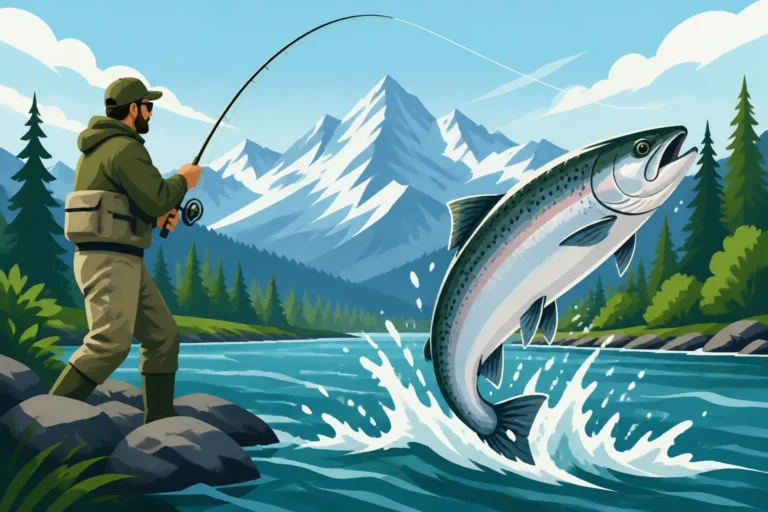
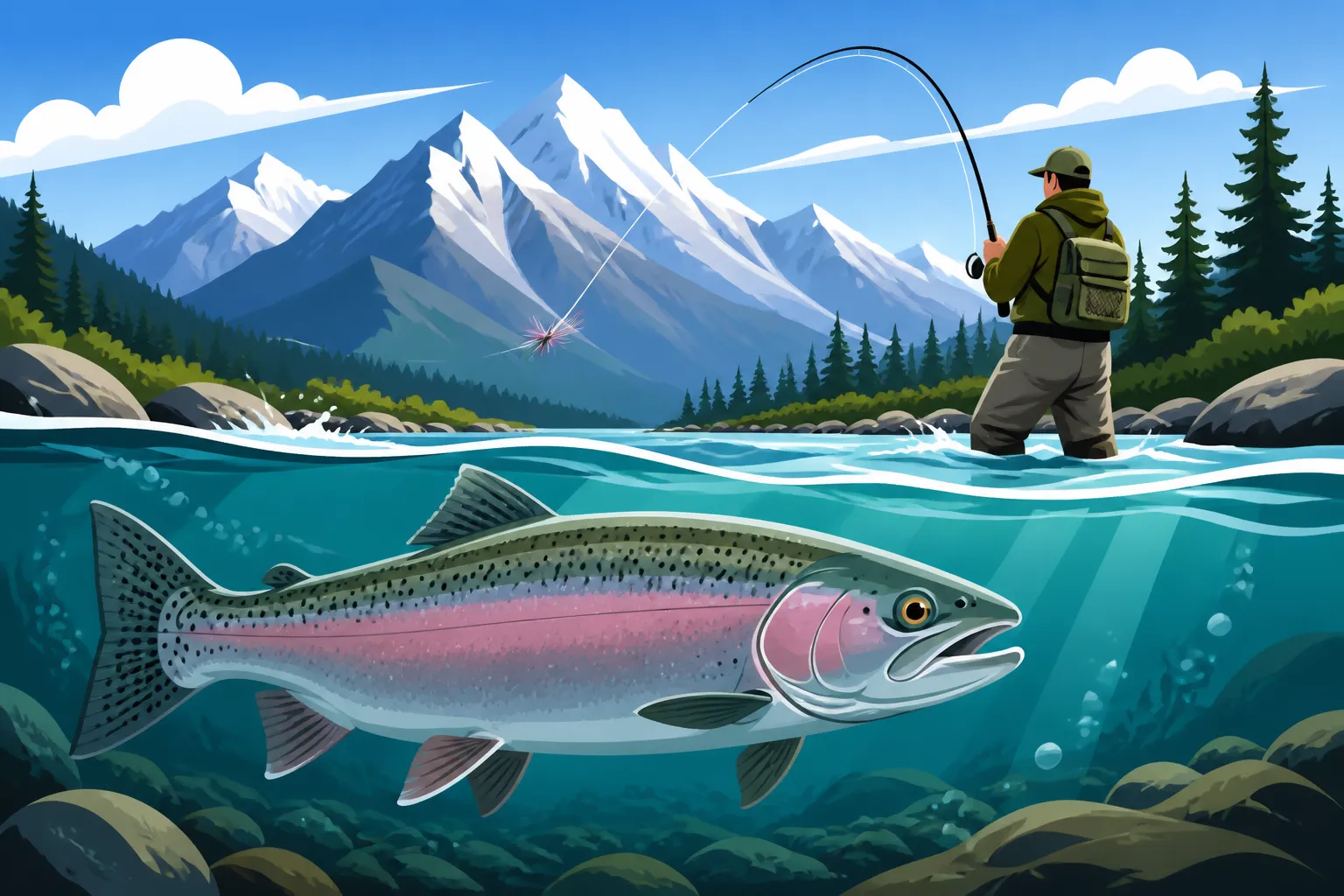
Steelhead are, by their very definition, an enigma. They are rainbow trout that migrate from freshwater rivers to the ocean, much like salmon, to grow large and powerful before returning to their natal streams to spawn. This migratory pattern imbues them with incredible strength, stamina, and a fighting spirit that makes them a top target for many anglers. However, their numbers are often far lower than salmon, and their timing can be fickle, influenced by water levels, temperature, and oceanic conditions. They don't arrive in massive, predictable schools like sockeye salmon; instead, they often trickle in, requiring patience and persistence from the angler. This solitary nature is what makes catching a true Alaska steelhead such a prized accomplishment.
When you're out on a river like the Situk, known for its strong steelhead runs, you'll feel that anticipation with every cast. You might go hours without a touch, then suddenly, your line will go taut with the electrifying pull of a fish that seems to possess endless energy. It's not just a fish; it's a testament to the wildness of Alaska, a creature that has defied countless odds to return home.
Key Seasons for Steelhead Fishing
Alaska experiences two primary steelhead runs: a spring run and a fall run. Each offers a distinct experience and targets different life stages of the fish.
- Spring Run (Late April to June): This is when "post-spawn" or "kelts" (fish that spawned the previous fall and overwintered in the river) as well as "fresh" fish that have just entered the river, are active. The kelts, though thinner, can still be incredibly strong and aggressive. The fresh fish are bright, powerful, and ready to spawn. The weather can be a mixed bag during spring, with crisp, cold mornings giving way to milder, sunny afternoons. Rivers are often running higher and colder with snowmelt, which can make for challenging but rewarding fishing. This is a time of renewal and anticipation, as the rivers wake up from winter.
- Fall Run (Late August to November): For many, the fall run is the holy grail. These fish are typically fatter, fresh from the ocean, and haven't yet spawned. They are vibrant, aggressive, and at their absolute peak condition, preparing to overwinter in the rivers. The fall colors paint the landscape in breathtaking hues of gold and red, making the fishing experience even more spectacular. However, the weather can turn quickly, bringing rain, snow, and freezing temperatures. Anglers need to be prepared for all conditions, but the reward of a fresh fall steelhead is often worth enduring the elements. Understanding these seasonal nuances is key to planning a successful trip. You can find more details on specific timings in our guide to Alaska Fishing Seasons: Month-by-Month Guide.
Navigating Steelhead Regulations and Conservation
Alaska's steelhead populations are precious, and the Alaska Department of Fish and Game (ADF&G) implements strict regulations to protect them. Most steelhead fisheries in Alaska are catch-and-release only, often requiring single, barbless hooks. This is not just a suggestion; it's a critical conservation measure to ensure these fish can successfully spawn and contribute to future generations. Violating these rules can result in significant fines and penalties.
It's imperative to consult the current Alaska Fishing Regulations Explained booklet for the specific region you plan to fish, as regulations can vary greatly from one river to another and can change in-season via emergency orders. Always check for Alaska Steelhead Catch-and-Release Rules and specific gear restrictions. For example, some rivers might have bait restrictions or specific fly-fishing-only sections. Ethical angling practices, like minimizing handling time, keeping the fish in the water, and using proper release techniques, are paramount when targeting steelhead. We share more about these practices in our article on Alaska Catch-and-Release Best Practices. Remember, the goal is to enjoy the pursuit of these incredible fish while ensuring their survival for years to come.
Top Steelhead Rivers in Southeast Alaska
Southeast Alaska, with its temperate rainforests, countless islands, and short, productive river systems, is widely regarded as the stronghold for Alaska's anadromous steelhead. The remote nature and pristine environment make these rivers a true wilderness fishing experience.
Situk River: The Steelhead Mecca
The Situk River, located near Yakutat on the Gulf of Alaska coast, is arguably the most famous steelhead river in the state, if not North America. Its legendary runs draw anglers from around the globe. This river offers both a strong spring run (April to May) and a robust fall run (September to November), making it a prime destination for dedicated steelhead enthusiasts.
The Situk is a relatively short, clear river that flows from Situk Lake to the Gulf, offering easily wadeable gravel bars and deep pools. Access is primarily by boat, with many anglers floating downriver from the upper landing, or utilizing jet boats for targeted access. While lodges and guides are plentiful, it's also possible for the well-prepared angler to arrange a float trip independently. The fishing pressure can be high, especially during peak season, but the river is long enough to find solitude if you're willing to walk a bit. When you hook into a Situk steelhead, you'll instantly understand why this river has its mythical status. These fish are bright, powerful, and rarely give up without an epic fight. If you're looking to book a guided trip to experience the Situk, platforms like FishingBooker can help you find reputable guides operating out of Yakutat.
Karta River: Wild Steelhead on Prince of Wales
For those seeking a more rugged, wilder experience, the Karta River on Prince of Wales Island offers an exceptional opportunity for large, feisty steelhead. This river system, accessible via a combination of logging roads and a short hike or boat ride, is a gem for anglers looking for a true wilderness feel. The Karta is known for its fall steelhead run, typically peaking in October and November.
Unlike the Situk, the Karta is less developed, and you'll find fewer amenities. This means more planning and self-sufficiency are required, but the reward is a chance to fish a truly wild river with minimal pressure. The fish here are strong, aggressive, and often less wary than those in more heavily fished systems. Navigating the logging roads can be tricky, and it's often advisable to hire a local guide or lodge based out of towns like Craig or Klawock to ensure safe and productive access. These guides not only know the river intimately but also understand the complex land use agreements on Prince of Wales Island.
Other Notable Southeast Steelhead Waters
While the Situk and Karta often steal the spotlight, Southeast Alaska is riddled with countless other, smaller rivers and streams that host impressive steelhead runs. Many of these are remote, requiring floatplanes, chartered boats, or extensive backcountry travel to reach.
- Chilkat River System (Haines/Skagway): While primarily known for its incredible salmon runs and huge bald eagle congregations, certain tributaries and sections of the Chilkat River also see strong steelhead returns, particularly in the fall. These fish can be massive, owing to the rich food sources in the system. Access can be challenging, often requiring local knowledge or a guided trip.
- Small Streams on Baranof and Chichagof Islands: Many of the smaller, unnamed or less-known rivers around Sitka and Juneau, for example, have localized, healthy runs of steelhead. These often require a bush plane or a sturdy skiff and a good map, but they offer unparalleled solitude and a chance at untouched water. Finding these spots is often the result of years of exploration or the specialized knowledge of local guides. This is where researching local guides on platforms like FishingBooker, who often specialize in these lesser-known areas, can be invaluable. It's truly a testament to Alaska's vastness that such hidden gems continue to exist, waiting for the adventurous angler to discover them.
Steelhead Opportunities in Southcentral Alaska
While Southeast Alaska is renowned for its steelhead, Southcentral Alaska, particularly the Kenai Peninsula and areas within reach of Anchorage, offers some exciting, albeit typically smaller, steelhead opportunities. These fisheries often provide easier access for residents and visitors on the road system, making them a popular choice for a more accessible steelhead pursuit.
Anchor River: A Roadside Gem
The Anchor River, flowing into Cook Inlet near Anchor Point on the Kenai Peninsula, is one of the most accessible and celebrated steelhead rivers on Alaska's road system. This river sees both a spring and a fall run of steelhead, though the runs here are generally smaller in number than those in Southeast Alaska. The Anchor River's accessibility makes it a popular spot, especially during peak times.
Anglers can often find success wading its gravel bars and fishing its clear pools. The spring run, typically from late April into May, often targets fish that have overwintered or are just entering to spawn. The fall run, from late August through October, brings in fresh, chrome-bright fish. Because of its popularity, adhering to regulations and showing courtesy to fellow anglers is especially important here. While not as numerous, Anchor River steelhead are powerful and offer a fantastic challenge, especially on lighter tackle. Many local shops in Soldotna or Homer can provide up-to-date information on the runs and conditions for the Anchor.
Remote Steelhead Fisheries in Prince William Sound and Gulf Coast
Beyond the road system, Southcentral Alaska holds a scattering of remote, smaller rivers along the Prince William Sound and further out on the Gulf Coast that receive steelhead returns. These are true wilderness experiences, often requiring fly-out trips from towns like Cordova, Whittier, or Homer.
These rivers are typically short, steep, and drain glacial or rain-fed watersheds. Their steelhead runs are often smaller and more sporadic, but the fish can be incredibly strong and vibrant. Because of their remoteness, pressure is usually minimal, offering an unparalleled sense of solitude. Think of flying into a pristine bay, hiking a few miles up a clear stream, and having the entire river to yourself. This kind of trip requires significant planning, specialized gear, and a good understanding of bush flying logistics. It's often best undertaken with an experienced outfitter who knows these specific systems. These unique fisheries highlight the diverse Best Fishing Spots in Alaska and the incredible variety of experiences the state offers.
Essential Gear and Techniques for Alaska Steelhead
Chasing Alaska steelhead is not just about finding the right river; it's also about employing the right tools and techniques. These powerful, intelligent fish demand precision, patience, and often, specialized gear to successfully hook and land them.
Fly Fishing vs. Spin Fishing for Steelhead
Both fly fishing and spin fishing can be effective for Alaska steelhead, each with its passionate proponents and ideal scenarios. The choice often comes down to personal preference, river conditions, and specific regulations.
- Fly Fishing: This is often considered the purest form of steelhead fishing, and many of Alaska's prime steelhead waters are fly-fishing-only or have significant fly-only sections. Spey rods are popular for covering large rivers, enabling long casts with minimal effort, especially when swinging flies. Single-hand fly rods (8 to 10-weight) are ideal for nymphing, indicator fishing, or presenting traditional steelhead patterns. Effective fly patterns range from large intruders and leeches (for swinging) to egg patterns, nymphs, and flesh flies (for dead-drifting). The feel of a steelhead taking a swung fly on a long line is an experience that keeps anglers coming back year after year. If you're new to this, checking out our guide on How to Fly Fish in Alaska can be a great starting point.
- Spin Fishing: Where allowed, spin fishing can be incredibly effective, especially in higher, off-color water or when targeting fish holding in deeper, faster runs. Techniques include drift fishing with cured roe or small artificial baits, casting spinners (like Blue Fox or Mepps), or throwing small plugs (such as a Kwikfish or Mag Lip). A medium-heavy spinning rod (8'6" to 10'6") with a fast action, paired with a reliable reel spooled with 15-20 lb braided line and a fluorocarbon leader, is a common setup. Spin fishing allows for precise depth control and presentation in various water conditions. Always verify local regulations before using bait or specific lures, as these can be highly restricted in steelhead rivers.
Must-Have Gear and Tackle
Regardless of your chosen technique, having the right gear is non-negotiable for a comfortable and successful steelhead trip in Alaska. The weather can be unpredictable, and the fishing can be demanding.
- Waders and Boots: High-quality, breathable chest waders are essential. Combine them with sturdy wading boots that offer excellent ankle support and grip on slippery river bottoms. Felt soles are often preferred for grip in rivers, but rubber soles are more common for hiking and when felt is prohibited. Layers of insulation underneath your waders are crucial for staying warm.
- Rain Gear: Beyond your waders, a waterproof and breathable rain jacket and pants are a must. Alaska weather can turn on a dime, and staying dry is key to staying comfortable and safe. Look for durable, seam-sealed gear from brands known for their outdoor performance.
- Layered Clothing: Think in terms of layers. A moisture-wicking base layer, insulating mid-layers (fleece or down), and your waterproof outer shell will allow you to adapt to changing temperatures throughout the day. Don't forget a warm hat, gloves, and wool socks.
- Rods, Reels, and Line: Bring backup rods and reels if possible, especially on remote trips. Ensure your reels have smooth, reliable drags. For lines, a good quality floating line for fly fishing, or braid with fluorocarbon leaders for spin fishing, will serve you well.
- Terminal Tackle: A variety of single, barbless hooks (sizes 2 to 4/0), split shot, strike indicators, swivels, and leader material (8-15 lb fluorocarbon) are essential. For fly anglers, a selection of flies in various patterns and weights will be necessary.
- Safety Gear: Bear spray, a first-aid kit, communication device (satellite messenger or PLB for remote areas), and a good map are vital. Remember, you're often in wild country.
- Other Essentials: Polarized sunglasses (for spotting fish and eye protection), a sturdy landing net (rubberized mesh is gentle on fish), and a reliable headlamp are also important. For a more exhaustive list, consult our comprehensive Alaska Fishing Gear and Tackle Guide.
Ethical Angling and Best Practices
Steelhead are a precious resource, and practicing ethical angling is crucial for their long-term health. These fish are often caught while they are actively migrating or spawning, making them particularly vulnerable.
Always handle steelhead with extreme care. Keep the fish in the water as much as possible, especially during photos. If you must lift a fish for a quick photo, support its weight horizontally with both hands, one near the tail and one under the belly. Never hold a large fish vertically by the jaw or tail alone, as this can cause internal damage. Minimize the time it's out of the water, and use a net with a soft, rubberized mesh to protect their delicate slime coat. If you're fishing a river that allows bait, ensure your hooks are barbless and remove them gently. When fishing with guides, such as those you might find on FishingBooker, they will almost always enforce strict catch-and-release rules and best practices, as it's vital for their livelihood and the health of the fishery. Respecting the resource and leaving no trace is part of the privilege of fishing in Alaska's wild steelhead rivers.
| River Name | Primary Location | Best Season(s) | Access Level | Typical Experience | Notes |
|---|---|---|---|---|---|
| Situk River | Yakutat, Southeast Alaska | Spring, Fall | Boat/Float (Guided) | Legendary, high-yield, can be crowded | World-class, attracts international anglers |
| Karta River | Prince of Wales Island, SE | Fall | Road/Hike (Remote) | Wild, less pressure, challenging access | Requires more self-sufficiency, often guided |
| Anchor River | Anchor Point, Kenai Peninsula | Spring, Fall | Roadside (Wadeable) | Accessible, popular, smaller runs | Great for road-system anglers, local favorite |
| Chilkat River | Haines/Skagway, Southeast | Fall | Boat/Guided | Large fish, mixed fishery, remote areas | Known for salmon, but good steelhead in tributaries |
| Remote SE/SW Streams | Various remote locations | Spring, Fall | Fly-in/Boat (Expedition) | Ultimate solitude, true wilderness, variable runs | Best with experienced bush pilots/outfitters; check conditions |
Planning Your Alaska Steelhead Adventure
Embarking on an Alaska steelhead trip is more than just a fishing excursion; it's an adventure into one of the last true wildernesses. Careful planning is essential to ensure a safe, productive, and memorable experience.
Choosing Your Steelhead Destination and Timing
The choice of river will largely dictate the type of experience you'll have. Do you prefer the legendary runs and guided ease of the Situk, or the rugged solitude of a remote Prince of Wales stream? Consider your budget, desired level of comfort, and tolerance for adventure.
Timing is equally critical. If you're after those big, aggressive fall-run fish, you'll be looking at September through November. For the excitement of spring fishing, focusing on April and May would be best. Always consult ADF&G resources and local forums for up-to-date run timing and conditions. Remember that Best Time to Fish in Alaska can vary significantly depending on the species and region, so specific research for steelhead is key. Many anglers book their trips a year or more in advance, especially for popular lodges or guides during peak seasons.
Guided vs. Unguided Trips
Deciding between a guided or unguided trip is a fundamental choice when planning your steelhead adventure. Each option offers distinct advantages and disadvantages.
- Guided Trips: For many, especially first-time visitors or those venturing into remote areas, a guided trip is the best option. Guides provide invaluable local knowledge, safe transportation, appropriate gear, and expertise in locating and catching fish. They also handle logistics like meals and lodging, especially for fly-in lodge experiences. While more expensive, the peace of mind and increased success rate often make it worthwhile. When looking for a guide, check reviews and inquire about their experience specifically with steelhead. Platforms like FishingBooker are an excellent resource for finding and booking reputable Alaska fishing guides who specialize in steelhead. Many guides also prioritize ethical fishing and conservation, ensuring your trip contributes positively to the fishery.
- Unguided Trips: For experienced wilderness anglers with a strong sense of self-reliance, an unguided trip offers maximum flexibility and a more intimate connection with the Alaskan wilderness. This could involve packing in by foot, utilizing local air taxis for drop-offs, or renting a vehicle and exploring roadside access points like those on the Kenai Peninsula. Unguided trips are generally more budget-friendly but demand extensive preparation, navigational skills, knowledge of bear safety, and a thorough understanding of regulations. You are solely responsible for your safety and success. Always let someone know your float plan or hiking route, and be prepared for emergencies.
Logistics and Permits
Beyond fishing licenses, some areas might require specific permits or reservations, especially for camping in state parks or national forests. For example, some personal use fisheries or specific sections of rivers might have additional permit requirements. You'll need an Alaska Fishing License: Complete Guide, which can be purchased online through the ADF&G website. If you plan to target king salmon at any point, don't forget the King Salmon Stamp, even if steelhead is your primary target, as you might encounter incidental kings.
Consider your travel to Alaska (likely flying into Anchorage, Juneau, or Ketchikan) and then connecting flights or ground transportation to your chosen fishing destination. Rental cars, bush planes, and local ferries are all common modes of transport. Pack appropriate clothing, including layers and quality rain gear, as detailed in our guide on How to Dress for Alaska Fishing. Don't underestimate the need for bear safety protocols; carrying bear spray and knowing how to use it is crucial in many areas. With thorough preparation, your Alaska steelhead adventure will be one for the books, offering not just incredible fishing, but a profound connection to Alaska's wild heart.
Disclaimer
The information provided in this guide is for general informational purposes only and does not constitute legal or professional advice. Fishing regulations in Alaska are subject to change, often without prior notice, through emergency orders issued by the Alaska Department of Fish and Game. Always consult the most current official ADF&G regulations booklet and emergency orders for the specific region and time you plan to fish before heading out. Failure to do so may result in fines or penalties. Anglers are responsible for knowing and adhering to all applicable rules and regulations.