Juneau Fishing Guide
The dream of casting a line into Alaska's abundant waters often conjures images of remote wilderness, but for many, the bustling capital city of Juneau offers a unique blend of accessibility and incredible fishing opportunities. Yet, navigating the local waters, understanding the best times, and knowing what to target can feel overwhelming, especially if you're visiting for the first time or on a tight schedule. This comprehensive guide is here to cut through the confusion, helping you plan a successful and unforgettable fishing adventure in Juneau, whether you're a seasoned angler or a curious beginner.
Why Juneau is a Prime Fishing Destination
Juneau, tucked between the Coast Mountains and the Gastineau Channel, is more than just Alaska's capital; it's a gateway to some of the most productive saltwater fishing grounds in Southeast Alaska. Unlike many other Alaskan fishing hubs that require small plane charters, Juneau is readily accessible by air and by the Alaska Marine Highway System, making it a popular starting point for many anglers. Its sheltered bays, deep channels, and proximity to the open ocean create a rich ecosystem supporting a diverse array of fish species.
The Unique Appeal of Juneau's Waters
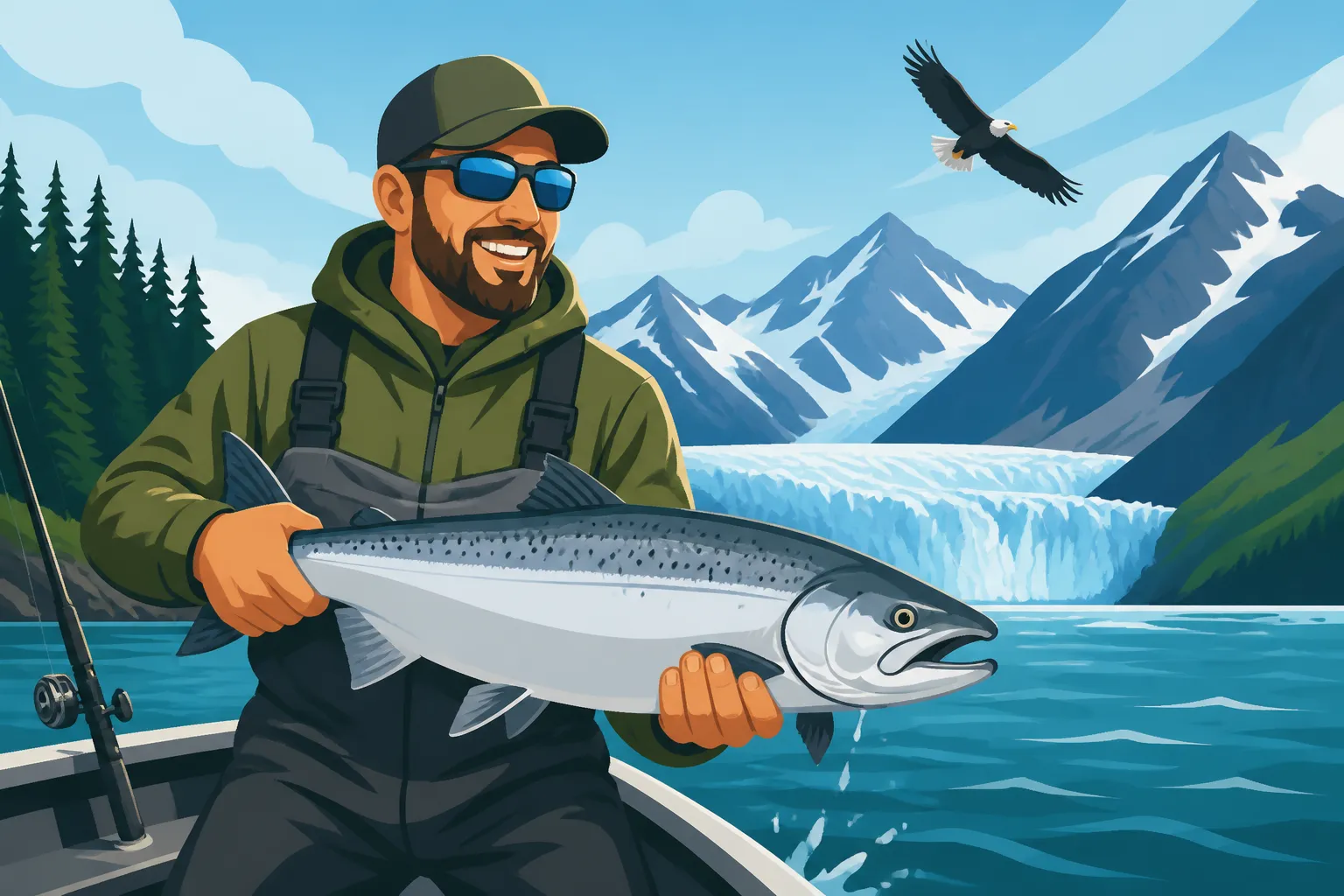
The geography around Juneau provides a natural bounty that sets it apart. The convergence of glacial meltwater, nutrient-rich currents from the Pacific, and the deep, protected waters of the Inside Passage create an ideal habitat for baitfish, which in turn draws in larger predatory species. This intricate ecosystem means that within a relatively short boat ride from downtown Juneau, you can be in prime territory for trophy salmon or massive halibut. The scenic backdrop of towering mountains, dense rainforests, and active glaciers just adds to the magic, transforming every fishing trip into an unforgettable wilderness experience. You might even spot whales, sea lions, or eagles while waiting for a bite.
Accessibility and Logistics for Anglers
Juneau's status as a state capital means it has excellent infrastructure compared to more remote fishing destinations. There's a wide array of lodging options, restaurants, and essential services readily available. For anglers, this translates to easier access to fishing charters, gear rentals, and fish processing facilities. The airport (JNU) connects directly to major hubs, and the ferry system provides a scenic alternative for those driving from other parts of Alaska or the Lower 48. While you won't be driving to Juneau (it's not on the road system from the outside world), once you're there, getting to the docks or a local tackle shop is straightforward. This convenience significantly reduces the logistical headaches often associated with Alaskan fishing trips, making it a great option for families or those with limited time.
Top Fish Species to Target in Juneau
Juneau's diverse marine environment means a wide variety of species call its waters home. Depending on the season and your preferred style of fishing, you can target several highly sought-after game fish.
Pacific Salmon Varieties
Juneau is renowned for its salmon fishing, with all five species of Pacific salmon making their way through these waters at different times of the year. Understanding the salmon run timing is crucial for a successful trip.
King Salmon Chinook
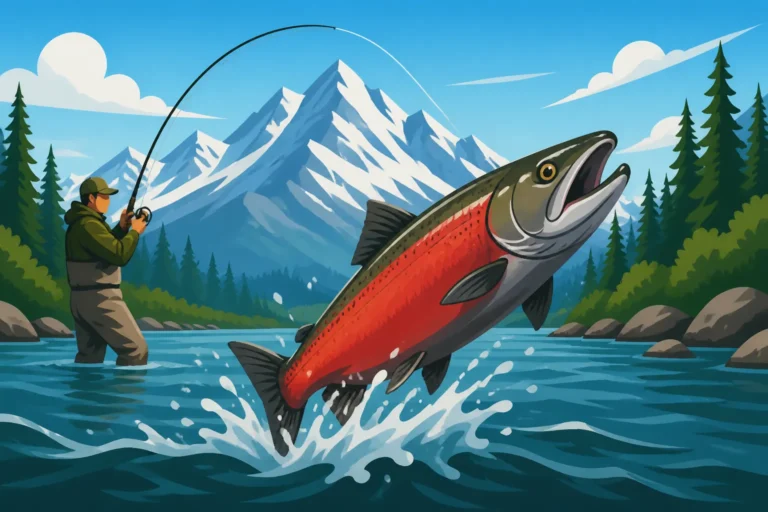
King Salmon, also known as Chinook, are the largest and arguably most prized of the Pacific salmon species, famous for their powerful fights and rich, flavorful meat. In Juneau, anglers target Kings both as feeder fish (often called "winter kings" or "spring kings") and as returning spawners. The feeder Kings, found year-round but especially strong from April through June, are actively feeding and incredibly strong. They can be found in the Gastineau Channel, Auke Bay, and around nearby islands like Douglas Island. Later in the summer, from mid-June through July, mature Kings return to local rivers to spawn, offering another exciting opportunity. For visitors, a guided charter is often the best way to locate these elusive giants, especially if you're hoping to learn how to Catch King Salmon in Alaska.
Coho Salmon Silver
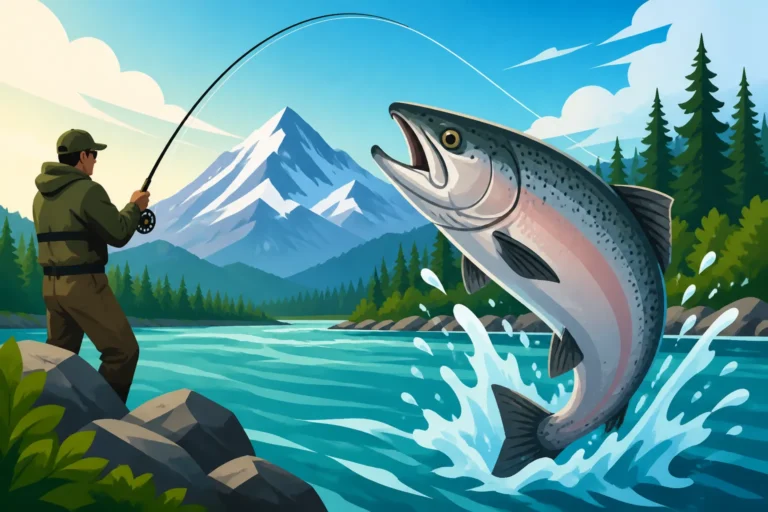
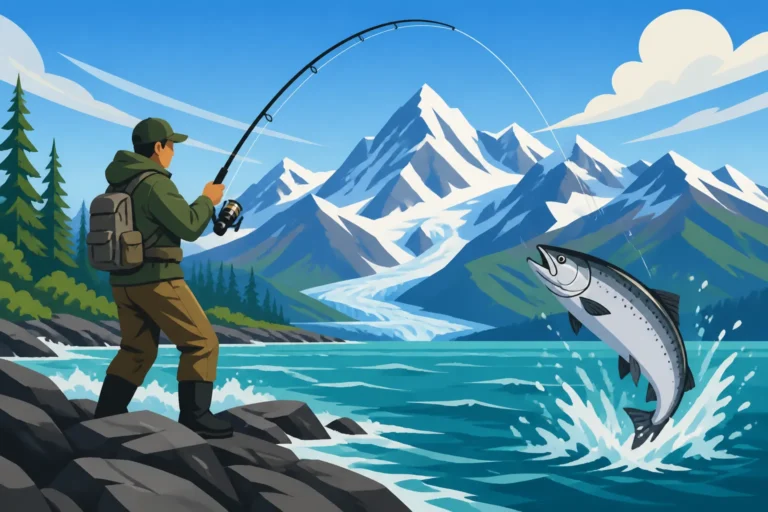
Coho Salmon, or Silvers, are celebrated for their acrobatic leaps and aggressive strikes, making them a favorite among sport fishermen. Their runs typically start in late July and peak in August and September, extending well into October. These fish are often found closer to the surface than Kings, feeding voraciously on baitfish. They readily hit trolled spoons, flashers with hoochies, or even flies in certain areas. Coho runs can be incredibly prolific, with multiple hookups common during peak season. Their smaller size compared to Kings doesn't diminish the thrill; a feisty Silver on light tackle provides an unforgettable battle. You'll want to check out the Alaska Coho Salmon Fishing Regulations and Limits to make sure you're compliant.
Sockeye, Pink, and Chum Salmon
While King and Coho salmon are the primary sportfishing targets, Juneau also sees runs of Sockeye (Red) Salmon, Pink (Humpy) Salmon, and Chum (Dog) Salmon. Sockeye are famously strong fighters and incredibly delicious, though they are primarily targeted in freshwater systems and can be harder to catch on traditional gear in saltwater. Pink salmon arrive in massive numbers, especially in even-numbered years, offering fast and furious action for anglers of all skill levels. They're excellent for smoking and canning. Chum salmon, while less sought after for their table fare, are powerful fighters and can provide exciting action, particularly in mid-summer. Knowing the Alaska Salmon Run Timing Explained can significantly improve your chances of encountering these species during your trip.
Pacific Halibut
No trip to Juneau is complete without at least considering a deep-sea Halibut adventure. These flatfish are legendary for their immense size, delicious white meat, and the sheer strength required to haul them from the depths.
Deep-Sea Giants of the North
Halibut are bottom dwellers found in deep, cold waters, often in depths ranging from 100 to 500 feet, though they can be caught shallower. Juneau offers excellent access to prime halibut grounds, particularly around the outer islands and near nutrient-rich submarine banks. The season for halibut generally runs from May through September, with peak fishing in June, July, and August. Anglers typically use heavy tackle, large baits (like herring, salmon heads, or octopus), and heavy jigs to entice these "barn door" flatfish. The fight is a pure test of endurance, often involving a prolonged tug-of-war. Many charter captains specialize in targeting these giants, providing all the necessary gear and expertise to help you land a personal best. For specific regulations, be sure to review the Alaska Halibut Charter Regulations Explained.
Regulations and Retention
Halibut regulations in Alaska are complex and can change annually, especially for charter operations. These often include daily bag limits, annual limits for non-residents, and size restrictions (like reverse slot limits or specific retention days). For example, charter anglers might be limited to one halibut per day, and that fish may need to be under a certain length or within a specific slot size. Unguided anglers often have different rules, sometimes allowing for two fish per day with fewer size restrictions. It's absolutely crucial to consult the most current Alaska Department of Fish and Game regulations before heading out, or better yet, book with a reputable charter that stays on top of all the rules. They'll ensure you're fishing legally and sustainably.
Rockfish and Lingcod
Beyond salmon and halibut, Juneau's rocky reefs and kelp beds are home to other exciting species that offer great fishing opportunities and delicious fillets.
Diverse Rockfish Species
Southeast Alaska is home to numerous species of rockfish, including yelloweye, black, quillback, copper, and vermillion rockfish, among others. Yelloweye rockfish, often called "red snapper," are particularly prized for their size and firm, white meat. Rockfish are structure-oriented, meaning they hang out near underwater reefs, pinnacles, and drop-offs. They can be caught by jigging with artificial lures or by bait fishing with cut herring or squid. Many halibut charters will offer rockfish as a bonus catch if time and limits allow, as they often inhabit similar deep, rocky areas. Remember that rockfish, especially those caught from deeper water, require a descending device to be released successfully due to barotrauma. Adhering to Alaska Rockfish Retention and Release Rules is vital for conservation.
Elusive Lingcod
Lingcod are aggressive, toothy predators that hide in rocky crevices and ambush their prey. They are known for their distinctive appearance, voracious appetites, and excellent table fare. Lingcod fishing is often combined with rockfish or halibut trips, as they share similar habitats. They respond well to large jigs, swimbaits, or live bait fished close to the bottom around rocky structures. Lingcod can grow quite large, offering a powerful fight that will test your tackle. Their season is typically more restricted than other species, often opening in May and closing in November, with specific size and bag limits. Always confirm the current regulations before you go, as they can vary regionally and seasonally.
Best Fishing Spots Around Juneau
Juneau's diverse geography offers a variety of fishing spots, each with its own charm and target species. Whether you're seeking the tranquility of a freshwater stream or the thrill of deep-sea adventure, Juneau has something for every angler.
Saltwater Hotspots
The vastness of Southeast Alaska's marine waters surrounding Juneau provides countless opportunities. Knowing where to focus your efforts can make all the difference.
Gastineau Channel and Auke Bay
The Gastineau Channel, right alongside downtown Juneau, is surprisingly productive, especially for salmon. It’s easily accessible for smaller boats and even some shore fishing. Early season King Salmon are often found here, as are later runs of Coho. Auke Bay, just north of Juneau, is another popular and relatively sheltered area. It serves as a major harbor and launch point for many charters and private boats. The bay itself and the waters immediately outside it are excellent for King and Coho salmon, particularly when the baitfish schools move in. Shore anglers can also find success in certain spots around Auke Bay and the nearby state ferry terminal. These spots are often bustling with local anglers, which can be a good sign, but also means you'll need to be courteous and give others space.
Favorite Island Systems
The numerous islands surrounding Juneau, such as Douglas Island, Shelter Island, and Lincoln Island, create complex underwater topographies that are magnets for fish. The currents flowing around these islands often concentrate baitfish, drawing in feeding salmon. Deepwater troughs and rocky pinnacles around these islands are also prime habitat for halibut, rockfish, and lingcod. For instance, the waters off the northern end of Douglas Island or around Shelter Island are well-known halibut grounds, while the kelp beds and rocky shorelines provide excellent rockfish opportunities. Fishing these areas typically requires a boat, and navigating the sometimes-strong currents and exposed waters is best done with local knowledge or a guided charter. Many of the reputable charter operators in Juneau will focus their efforts in these productive areas depending on current conditions and target species.
Freshwater Opportunities
While Juneau is famed for its saltwater fishing, the region also offers serene freshwater angling experiences for those seeking a different kind of challenge.
Local Lakes and Rivers
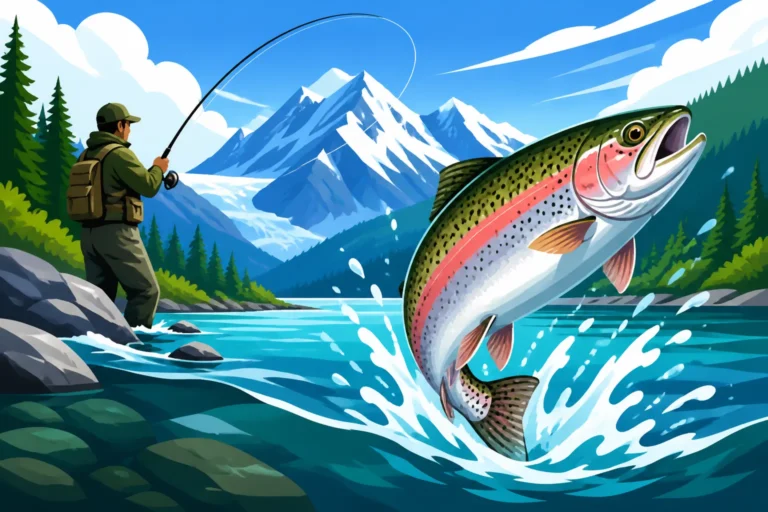
Several small lakes and streams near Juneau offer opportunities for trout and char. For example, some of the lakes accessible via the road system, or a short hike, are stocked with Rainbow Trout or hold native Cutthroat Trout and Dolly Varden. Gold Creek, running through downtown Juneau, sees salmon returns, though fishing regulations here are highly specific and often restricted to specific gear or seasons due to its urban setting and conservation efforts. Mendenhall Lake, fed by the Mendenhall Glacier, and its outflowing Mendenhall River, can also offer opportunities, especially for Dolly Varden and sometimes salmon, though again, regulations are key. These freshwater spots provide a quieter, more intimate fishing experience, often surrounded by stunning glacial scenery. Check the specific Alaska Rainbow Trout Regulations and local area restrictions before casting a line.
Fishing the Outskirts
For anglers willing to venture a bit further, several less-pressured streams and small rivers on Douglas Island or accessible by short boat rides can offer excellent freshwater fishing, especially for Dolly Varden and sometimes resident salmon populations. These spots often require more effort to reach, perhaps involving a hike through the rainforest, but they reward anglers with solitude and pristine wilderness. Keep in mind that freshwater fishing in Alaska often requires different gear and techniques than saltwater, such as lighter spinning gear or fly fishing setups. Always be bear aware when fishing in freshwater areas, especially when salmon are spawning.
Juneau Fishing Seasons and Best Times
Timing is everything in Alaska fishing. Juneau's seasons dictate not only which species are available but also the intensity of the fishing.
Seasonal Overview
Understanding the general flow of the fishing year in Juneau will help you plan your trip for maximum success.
| Month | Primary Species (Peak) | Secondary Species | Notes |
|---|---|---|---|
| April | King Salmon | Lingcod (late) | Feeder Kings active, good for uncrowded trips |
| May | King Salmon, Halibut | Rockfish | Good combo opportunities, weather improving |
| June | King Salmon, Halibut | Rockfish | Peak King & Halibut, Sockeye start |
| July | Halibut, Sockeye Salmon | King Salmon (late), Coho Salmon (early) | High season, diverse catches, warm weather |
| August | Coho Salmon, Halibut | Pink Salmon (even years), Chum Salmon | Excellent Coho action, abundant fish |
| September | Coho Salmon | Halibut (late), Trout, Char | Strong Coho, fewer crowds, crisp weather |
| October | Coho Salmon | Trout, Char | Late season Coho, good for resident fish |
Spring Fishing April-May
Spring in Juneau marks the true beginning of the saltwater fishing season. April and May are prime months for targeting "feeder" King Salmon. These actively foraging Kings are often found in good numbers in the protected waters of the Gastineau Channel and Auke Bay. They are powerful and offer a fantastic fight, with relatively consistent action before the major summer runs. Halibut fishing also starts to pick up in May as the waters warm and baitfish become more prevalent. The weather can be variable, ranging from crisp, sunny days to rainy and cool, so dressing in layers is essential. This time of year often means fewer crowds, offering a more peaceful angling experience.
Summer Fishing June-August
Summer is the undisputed peak season for fishing in Juneau, offering the widest variety of species and the most consistent action. June is a transitional month, with King Salmon still strong and halibut fishing hitting its stride. By July, halibut action is typically excellent, and the first major runs of Sockeye Salmon appear, followed closely by the powerful push of Coho Salmon starting in late July. August is often considered the prime time for Coho, with large schools entering the local waters, providing fast-paced, action-packed fishing. Pink Salmon also return in huge numbers during even-numbered years in July and August. The long daylight hours of Alaskan summer mean you can fish late into the evening, maximizing your time on the water. This is when Juneau truly shines for anglers, though it's also the busiest time for tourism.
Fall Fishing September-October
As summer fades, fall brings a shift in species and a quieter angling atmosphere. September is still fantastic for Coho Salmon, often with bigger, more mature fish as the runs near their end. Halibut fishing remains viable, especially in early September, though often requiring more effort. As the salmon runs conclude, resident trout and char in freshwater systems become more active, feeding on salmon eggs. The crowds thin out, and the stunning autumn colors of the Tongass National Forest provide a breathtaking backdrop to your fishing adventures. While the weather can become colder and wetter, dedicated anglers often find great success and solitude during these shoulder months.
Best Time of Day to Fish
Unlike some fishing destinations, the exact "best" time of day in Juneau is heavily influenced by tides and specific species behavior.
Tides and Salmon
For saltwater salmon fishing, particularly in areas like the Gastineau Channel, the tides play a crucial role. Salmon often move with the incoming and outgoing tides, using the currents to migrate and feed. Slack tide can sometimes be slower, while the movement of water can concentrate baitfish and make salmon more active. Many local anglers and guides pay close attention to the tidal charts, often scheduling trips around optimal tidal windows rather than fixed morning or afternoon slots. This is especially true for King Salmon, which are often caught during periods of strong current. Learning about How Tides Affect Alaska Salmon Fishing can significantly improve your success.
Halibut and Bottom Fishing
For halibut and other bottom-dwelling species like rockfish and lingcod, the tides are also significant, but for different reasons. Strong currents can make it challenging to keep your bait on the bottom, requiring heavier weights and more effort. Often, the best halibut fishing occurs during periods of lighter current, such as around the slack tide, or when the current is just starting to build or slow down. This allows your bait to stay in the strike zone longer and reduces the amount of weight needed. However, sometimes halibut will become more active during stronger feeding currents as well. Local knowledge of specific fishing grounds and how currents affect them is invaluable, which is why booking a charter is often recommended for these species.
Juneau Fishing Charters and Guides
For many visitors, especially those new to Alaskan fishing, booking a reputable charter or guide is the most effective way to experience Juneau's incredible fisheries.
Why Choose a Guided Trip
Alaska fishing can be complex, with constantly changing regulations, intricate waterways, and specialized techniques. A guided trip simplifies everything, allowing you to focus on the thrill of the catch.
Expertise and Local Knowledge
Juneau's waters, while bountiful, can be challenging to navigate without local expertise. A professional fishing guide brings years of experience and intimate knowledge of the area, including where the fish are biting, which techniques are most effective, and how to adapt to changing conditions. They know the secret spots, understand the subtle nuances of tides and currents, and can quickly identify productive areas. This local insight is invaluable, dramatically increasing your chances of success and ensuring a safer, more efficient trip. They'll also be up-to-date on all Alaska Fishing Regulations Explained and any emergency orders.
Gear and Equipment Provided
One of the biggest advantages of booking a charter is that all the necessary gear and equipment are provided. This means you don't have to worry about transporting heavy rods and reels, specialized tackle, or bait. Reputable charters use high-quality, well-maintained equipment perfectly suited for the target species and local conditions. They'll have the right depth finders, GPS, safety equipment, and comfortable boats designed for Alaskan waters. All you typically need to bring is your fishing license, appropriate clothing, snacks, and a camera. This convenience is particularly appealing for travelers flying into Juneau. If you're wondering what's usually included, you can read more about What's Included in an Alaska Fishing Charter.
Safety and Compliance
Fishing in Alaska's marine environment comes with inherent risks, from unpredictable weather to navigational challenges. Professional charters prioritize safety, equipped with essential safety gear like life rafts, emergency radios, and first-aid supplies. Their captains are trained in marine safety and first aid. Furthermore, a good guide ensures that everyone on board complies with all state and federal fishing regulations, which can be incredibly complex. They'll help you understand bag limits, size restrictions, and proper fish handling techniques, preventing accidental violations and contributing to sustainable fishing practices.
Finding the Right Charter
With numerous charter operators in Juneau, choosing the right one can feel like its own challenge. It's important to do your research to find a reputable and reliable service.
Researching Local Operators
Start your search by looking for Juneau-based fishing charters online. Read reviews on platforms like Google, TripAdvisor, and specific fishing forums. Pay attention to what past clients say about the captain's demeanor, the condition of the boat, the quality of the gear, and their success rates. Look for charters that specialize in the species you want to target, as some focus more on salmon, while others are halibut specialists. Consider how long they've been operating in Juneau – local experience matters. Don't be afraid to reach out to a few different operators to ask questions about their trips, availability, and pricing. You might also find it helpful to look into some Best Fishing Charters in Juneau Alaska before making your decision.
Booking and What to Expect
Once you've narrowed down your choices, book your charter well in advance, especially if you're traveling during peak summer months (June-August). Popular charters can be booked solid months ahead. When booking, clarify what's included (gear, bait, fish cleaning, snacks, drinks) and what you need to bring (license, food, rain gear). Ask about their cancellation policy, especially regarding weather. On the day of your trip, expect an early start. Your captain will provide a safety briefing and discuss the day's plan. They'll typically handle all the rigging, baiting, and fish handling, but you'll be responsible for reeling in your catch! Platforms like FishingBooker can be incredibly useful for comparing different Juneau charters, checking availability, and booking securely online, offering a wide array of choices for various budgets and preferences.
Essential Gear and Techniques for Juneau Fishing
While charters provide most of the gear, understanding the equipment and methods used will enhance your experience. If you plan to do any unguided fishing, this knowledge is paramount.
Tackle for Juneau's Waters
The right tackle is critical for success and enjoyment, especially when dealing with powerful Alaskan fish.
Rods, Reels, and Line
For saltwater salmon fishing, medium-heavy to heavy-action rods, typically 8 to 10 feet long, are common for trolling or mooching. These are paired with level-wind or conventional reels spooled with 25-50 lb test monofilament or braided line. The heavier line is crucial for handling hard-fighting Kings and Coho, especially when fishing near structure. For halibut, much heavier gear is required: stout rods, often with a bent butt, paired with large conventional reels capable of holding hundreds of yards of 60-100 lb braided line. This setup provides the backbone needed to pull heavy lead and strong fish from deep water. When in doubt, defer to your charter's gear or visit a local Juneau tackle shop like Ed's Fly Shop or Alaska Outdoor Supersite for recommendations.
Lures, Baits, and Rigs
The choice of lure or bait depends heavily on the target species and technique. For salmon, popular options include artificial lures like spoons (e.g., Luhr Jensen Kwikfish, Silver Horde), hoochies (squid imitations) behind flashers, and plugs. Cut herring, rigged to spin, is also an incredibly effective bait for King and Coho salmon. For halibut, large lead-head jigs tipped with bait (like octopus, salmon belly, or herring) are popular, as are simple circle hook rigs with heavy lead weights, fished directly on the bottom. Rockfish and lingcod often respond well to jigs, swimbaits, or cut bait. Your guide will typically have a well-stocked tackle box, but if you're going out on your own, a variety of options is wise. You can learn more about Best Lures for Alaska Salmon to expand your knowledge.
Common Fishing Techniques
Juneau anglers employ several effective techniques to entice the local fish.
Trolling for Salmon
Trolling is perhaps the most widespread and effective method for catching salmon in Juneau's saltwater. This involves dragging lures or baits behind a moving boat at specific depths and speeds. Downriggers are often used to get lures to the desired depth, especially for King Salmon which often hold deeper. The boat's speed, the action of the lure, and the depth are all carefully managed to present the bait in the most appealing way to salmon. It's a method that covers a lot of water and is often productive, particularly in open water areas like Auke Bay or around the islands.
Bottom Fishing for Halibut and Rockfish
Bottom fishing, as the name suggests, involves getting your bait or lure down to the ocean floor where halibut, rockfish, and lingcod reside. This often means using heavy weights, sometimes several pounds, to combat currents and depths. For halibut, anglers will typically drop a baited rig or jig to the bottom, then lift and drop it slowly to attract attention. For rockfish, jigging vertical jigs or dropping baited rigs into rocky structure is effective. This technique requires patience and strength, but the reward of a hard-fighting halibut or a beautiful yelloweye rockfish is well worth the effort.
Mooching and Jigging
Mooching is a popular technique for salmon, particularly Coho and feeding Kings, and involves drifting with the current, dropping weighted bait (usually cut herring) down, and slowly retrieving it or letting it fall in a natural motion. It's a more active, hands-on method that can be incredibly effective when fish are concentrated. Jigging, often done for halibut, rockfish, and lingcod, involves repeatedly lifting and dropping a heavy jig to simulate an injured baitfish. This can be done while drifting or anchored and is a very active way to entice predatory fish.
Regulations and Responsible Angling
Adhering to regulations and practicing responsible angling are paramount to preserving Juneau's incredible fisheries for future generations.
Understanding Alaska Fishing Regulations
Alaska's fishing regulations are extensive and can be quite specific to regions, species, and even types of gear. It's not uncommon for rules to change in-season via "emergency orders" issued by the Alaska Department of Fish and Game (ADF&G).
Licenses and Stamps
Every angler aged 16 or older needs an Alaska Fishing License to fish in Alaska, whether resident or non-resident. Non-residents typically choose daily, weekly, or annual licenses. If you plan to target King Salmon, a King Salmon stamp is also required, even if you're on a charter. These can be purchased online through the ADF&G website or from local vendors in Juneau. For visitors, it's often easiest to buy your license and stamp online before you arrive. You can find out more about Alaska Fishing License: Complete Guide for full details.
Bag Limits and Seasons
Each species has specific bag and possession limits, which dictate how many fish you can keep per day and how many you can have in your possession at any one time (including fish already processed and stored). Seasons also vary by species and region. For instance, halibut have specific days of the week when charters can retain them, and King Salmon limits can fluctuate dramatically based on run strength. Always consult the current ADF&G sport fishing regulations booklet for Southeast Alaska or ask your charter captain for the most up-to-date information. Ignorance of the rules is not an excuse for violations.
Sustainable Fishing Practices
Juneau's fisheries are a precious resource. Practicing ethical and sustainable angling ensures these resources remain healthy.
Catch-and-Release Best Practices
While many anglers come to Juneau to harvest fish, catch-and-release is an important part of conservation, especially for species with low populations or those outside legal retention limits. If you're releasing fish, minimize handling time, keep the fish in the water as much as possible, use barbless hooks, and handle them gently. For deep-water fish like rockfish, using a descending device is crucial to help them recover from barotrauma when released. Your guide will demonstrate proper techniques. Learning Alaska Catch-and-Release Best Practices is a great way to be a responsible angler.
Waste and Habitat Protection
Responsible anglers also make an effort to leave no trace. This means properly disposing of all trash, including fishing line, hooks, and bait packaging. Avoid damaging sensitive habitats like kelp beds or spawning grounds. If you're cleaning fish, do so responsibly and discard carcasses in appropriate areas or at sea where they can be part of the natural ecosystem, away from public access points or residential areas. Showing respect for the environment ensures that Juneau's natural beauty and its fisheries remain pristine for everyone to enjoy.
Fish Processing and Shipping Your Catch
One of the most exciting parts of an Alaska fishing trip is bringing home your delicious catch. Juneau offers excellent services to make this seamless.
On-Site Fish Processing
After a successful day on the water, you'll need to process your fish.
Filleting and Packaging
Most fishing charters in Juneau include basic fish cleaning and filleting as part of their service, though it's always good to confirm this beforehand. Your captain or deckhand will expertly fillet your salmon or halibut, transforming your catch into boneless, skinless portions ready for further processing. For larger quantities, or if you're fishing on your own, Juneau has several professional fish processing companies, such as Salmon Etc. or Alaskan Fudge & Fish Co., that can handle everything. They will take your fresh fillets, vacuum seal them in durable bags, and typically freeze them solid. This ensures your fish stays fresh and protected for its journey home.
Freezing and Storage
After filleting and vacuum-sealing, rapid freezing is crucial to maintain quality. Professional processors in Juneau have commercial freezers that can quick-freeze your fish to -20°F or colder, preserving its taste and texture. They'll store your frozen fish until you're ready to pick it up for your departure. If you're staying in a lodge or hotel with a freezer, you might be able to do some basic storage yourself, but for larger quantities and proper long-term preservation, professional services are highly recommended.
Shipping Your Catch Home
Getting your prized fillets from Juneau to your kitchen requires careful planning, but it's a routine process for local businesses.
Insulated Boxes and Dry Ice
When it's time to head home, your processor will pack your vacuum-sealed, frozen fish into insulated, airline-approved shipping boxes. These boxes, typically made of waxed cardboard with a Styrofoam liner, are designed to keep your fish frozen for 24-48 hours. Many processors will also add dry ice to further extend the cold life of your package, especially for longer flights. Be sure to confirm airline regulations regarding dry ice if you're checking your fish as baggage.
Air Cargo and Checked Baggage Options
You have a couple of options for getting your fish home. The most common is checking your insulated fish box as baggage on your commercial flight. Always check with your specific airline for their current policies on frozen fish, weight limits, and any dry ice restrictions, as these can vary significantly (e.g., Alaska Airlines is generally very accommodating). The other option is to ship your fish via air cargo, through carriers like Alaska Air Cargo. This can be more expensive but is often the preferred method for very large quantities or if you're not flying directly home and want to ensure your fish arrives quickly and frozen solid. Discuss these options with your chosen fish processor, as they often have established relationships with airlines and can help facilitate the shipping process. Getting a handle on Alaska Fish Transport and Shipping Rules can save you a lot of headache.
Disclaimer
Please note that fishing regulations in Alaska, including those for Juneau, are subject to change by the Alaska Department of Fish and Game (ADF&G) at any time, often through emergency orders. While this guide provides general information, it is the angler's responsibility to review and comply with all current regulations before fishing. Always consult the official ADF&G website or a current sport fishing regulations booklet for the most up-to-date rules.