Best Saltwater Fishing in Alaska
If you've ever dreamt of casting a line into the vast, wild waters of Alaska, but felt completely overwhelmed by the sheer scale and endless possibilities, you're not alone. Deciding where to go, what to fish for, and how to even begin planning a saltwater adventure in the Last Frontier can feel like a monumental task. This guide is here to untangle that complexity, taking you through the absolute best saltwater fishing destinations in Alaska, the incredible species you can expect to encounter, and the essential tips for making your trip a reality.
Why Saltwater Fishing in Alaska is an Unforgettable Experience
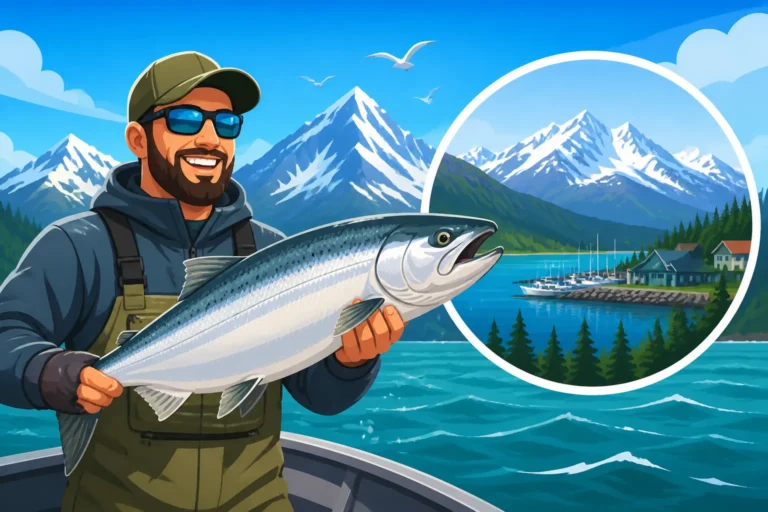
Alaska's coastline stretches over 34,000 miles, making it longer than all other U.S. states combined. These frigid, nutrient-rich waters are a powerhouse of marine life, offering unparalleled opportunities for anglers seeking trophy fish and breathtaking scenery. It's not just about the size of the fish, though you'll certainly find some monsters here; it's about the entire immersive experience, from the dramatic fjords to the abundant wildlife.
The Thrill of the Catch
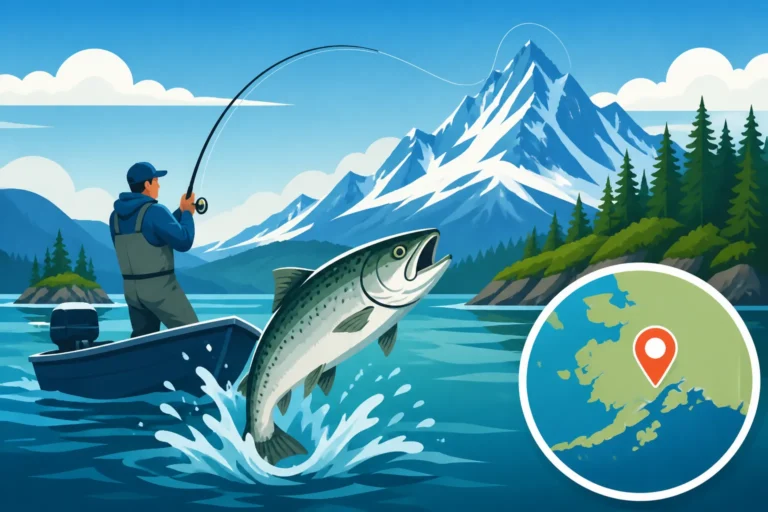
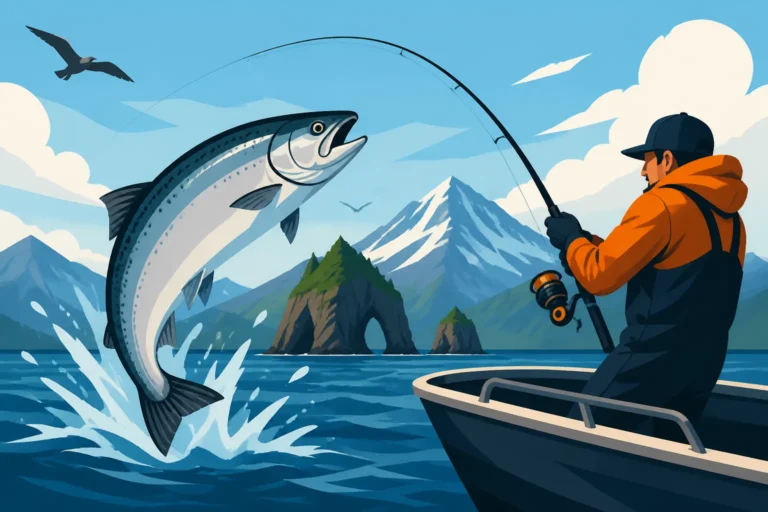
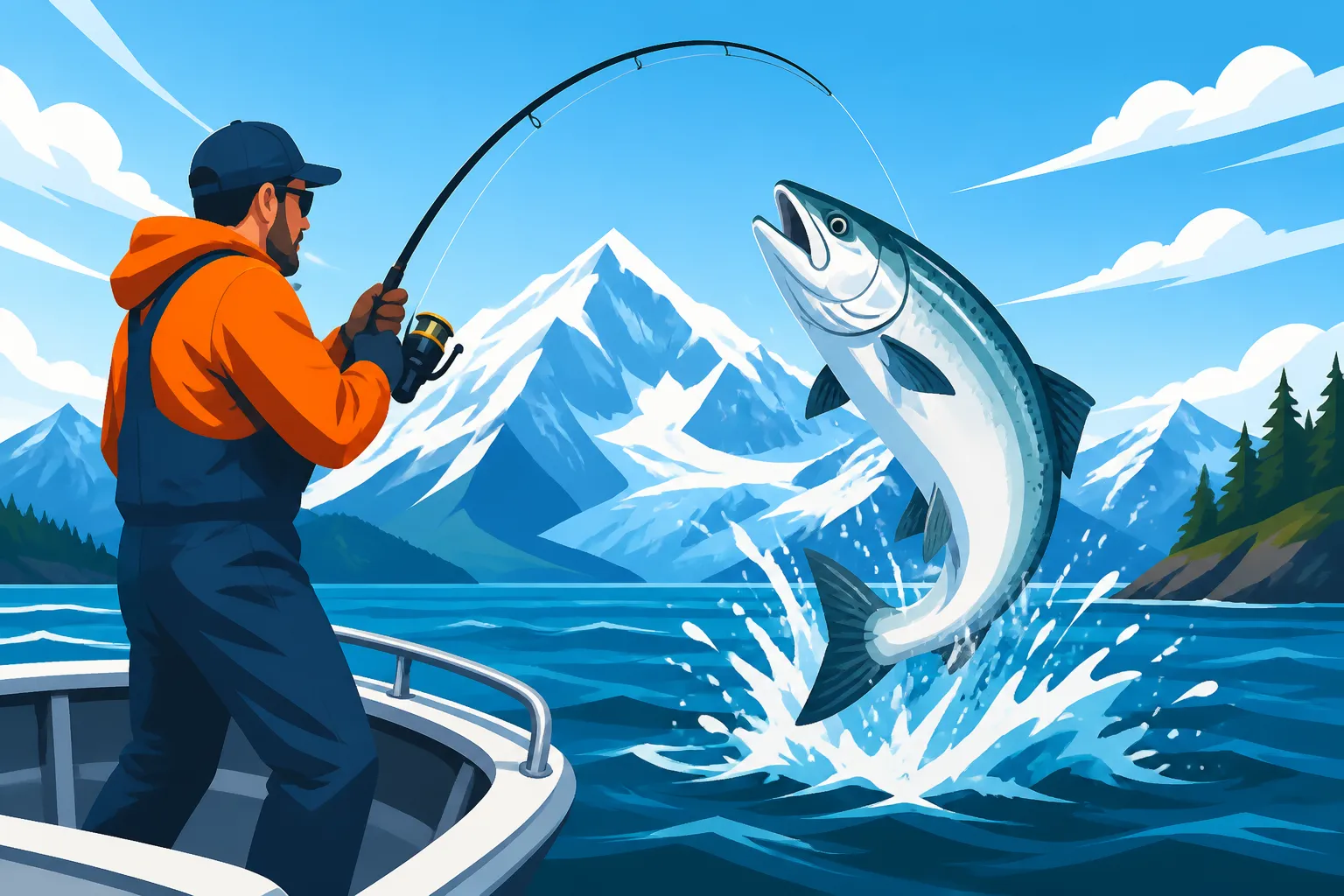
There's a reason why so many anglers put an Alaska saltwater trip at the top of their bucket list. The fishing here is intense, often involving powerful battles with fish that could easily outweigh you. Imagine the drag screaming as a massive halibut makes a run for the bottom, or the acrobatic leaps of a silver salmon fighting for its freedom. These are not just fish stories; they are common occurrences in Alaska's saltwater fisheries. The sheer power of these creatures, combined with the often rugged weather conditions, makes every hookup an adrenaline-pumping test of skill and endurance.
Diverse Species You'll Encounter
One of the greatest joys of saltwater fishing in Alaska is the incredible variety of species available. While halibut and salmon often steal the spotlight, the truth is that these waters teem with a rich tapestry of marine life. You might start your day targeting a feisty coho salmon and end it hauling up a colorful rockfish from the depths. This diversity means that even if one species isn't biting, there's always another exciting option to pursue, keeping your lines active and your spirits high. It's truly a multi-species angler's paradise, offering different challenges and rewards throughout the season.
Top Saltwater Fishing Destinations in Alaska
Choosing a destination can be one of the toughest parts of planning your Alaska adventure. Each region offers a unique flavor of fishing and scenery. Here, we'll dive into some of the most renowned spots where saltwater anglers consistently find success and create lasting memories.
Homer: The Halibut Fishing Capital
Nestled on the Kenai Peninsula, Homer proudly claims the title of "Halibut Fishing Capital of the World," and for good reason. Kachemak Bay and the surrounding waters are legendary for their prolific Pacific halibut grounds. Anglers flock here from late spring through early fall, eager to do battle with these massive bottom dwellers, often referred to as "barn doors" due to their impressive size. The town itself has a vibrant fishing culture, with numerous charters ready to take you out. You'll find everything from seasoned captains operating large party boats to smaller, more intimate charters focusing on personalized experiences. Beyond halibut, Homer also offers excellent opportunities for various salmon species, especially silver salmon later in the season, and a wide array of rockfish. The Homer Spit, a long, narrow landform jutting into Kachemak Bay, is a hub of activity, featuring boat harbors, tackle shops, and fish processing facilities, making it incredibly convenient for visiting anglers. For a deeper dive into targeting these giants, check out our guide on Alaska Halibut: Complete Guide.
Seward: Gateway to Resurrection Bay
Seward, located at the head of beautiful Resurrection Bay, is another premier destination for saltwater fishing, especially if you're looking for a mix of salmon and halibut. The calm, protected waters of the bay often provide a smoother ride than the open ocean, which can be a relief on choppier days. However, venturing further out into the Gulf of Alaska from Seward opens up access to some truly epic fishing grounds for large halibut and aggressive king salmon. The season here kicks off strong in May and June with king salmon, followed by a surge of silver salmon from July through September. Many charters in Seward offer "combo" trips, allowing you to target both salmon and halibut in a single day, maximizing your chances of filling your cooler. The scenery here is nothing short of spectacular, with towering mountains, glaciers, and abundant wildlife like sea otters and puffins often accompanying your fishing excursion. You can even combine your fishing trip with some glacier viewing or wildlife tours. To understand the different regulations you'll encounter, particularly with charter operations, our Alaska Halibut Charter Regulations Explained article is a must-read.
Sitka: Southeast's Premier Fishing Hub
If you're looking for world-class king salmon fishing, particularly during the early season, Sitka in Southeast Alaska is tough to beat. Situated on Baranof Island, this historic town is surrounded by fertile waters renowned for their healthy populations of Pacific salmon and impressive halibut. Sitka's unique location near the open Pacific means migratory king salmon often pass through these waters in large numbers before heading to their spawning rivers. Many anglers consider Sitka the "King Salmon Capital" in May and June when these powerful fish are at their peak. Beyond kings, you'll find excellent coho (silver) salmon fishing in late summer, as well as an abundance of bottom fish like lingcod and various rockfish species. The fishing here can be incredibly diverse, offering opportunities for trolling, jigging, and even some sport crabbing or shrimping with the right charter. When planning your trip, consider using platforms like FishingBooker to compare reputable Sitka-based charters and read reviews from other anglers, ensuring you find the perfect guide for your adventure. Understanding the different Types of Salmon in Alaska Explained will give you a leg up on what to expect.
Valdez: Prince William Sound's Gem
Valdez, located at the head of Prince William Sound, offers a different, yet equally rewarding, saltwater fishing experience. Surrounded by dramatic fjords and glaciers, the scenery here is truly breathtaking. Valdez is particularly famous for its silver salmon (coho) run, which typically peaks from late July through September, offering fast-paced action and plenty of fish. Anglers often troll with flashers and spoons for these aggressive fighters. While halibut can also be caught out of Valdez, it's generally known more for its prolific salmon and deep-sea rockfish opportunities. The protected waters of Prince William Sound can make for a more comfortable day on the water, especially for those prone to seasickness. The town also hosts popular fishing derbies, like the Valdez Halibut Derby and Silver Salmon Derby, which add an exciting competitive element to your trip and offer substantial prizes. When planning your trip, remember that the window for prime silver salmon fishing in Valdez aligns perfectly with late summer.
Key Saltwater Species and When to Target Them
Understanding the peak seasons for different species is crucial for a successful Alaska saltwater fishing trip. Each fish has its own migration patterns and preferred habitats.
Halibut: The Barn Door of the Deep
Pacific halibut are, without a doubt, one of Alaska's most iconic saltwater fish. These flatfish can grow to immense sizes, with "barn doors" weighing hundreds of pounds. They are powerful fighters, often making deep, determined runs that will test your tackle and stamina.
- Season: Halibut are generally available from May through September, with peak season often considered to be June through August. The warmer summer months bring them into shallower, more accessible waters, though charter boats will chase them year-round.
- Techniques: Bottom fishing with heavy gear is the name of the game. Large circle hooks baited with herring, cod, or even salmon heads are popular choices. Jigging with large metal jigs or grub-style soft plastics is also highly effective, especially for more active fish. You'll typically be fishing in depths ranging from 50 to 800 feet, depending on the location and time of year.
- Where to find them: They prefer sandy or gravelly bottoms, often near drop-offs, underwater pinnacles, and structure where baitfish congregate. Homer, Seward, and Sitka are prime halibut grounds. Remember to check current Alaska Halibut Daily Limit for Charter Anglers or for unguided anglers before you head out.
King Salmon: The Silver King
King salmon, also known as Chinook, are the largest and most prized of the Pacific salmon species. Their incredible size, powerful runs, and rich, red meat make them a highly sought-after trophy. Catching an Alaska King Salmon is a truly memorable experience.
- Season: While some "winter kings" are caught year-round, the main saltwater king salmon season typically runs from May through early July. This is when they are migrating along the coast, feeding heavily before entering freshwater to spawn.
- Techniques: Trolling with cut-plug herring, large spoons, or Kwikfish plugs behind flashers is the most common and effective method. Downriggers are essential to get your gear down to the preferred depths, often 50-150 feet. Mooching (drift fishing with bait) can also be productive in certain areas, particularly around Sitka.
- Where to find them: Look for kings near current breaks, kelp beds, and baitfish schools in coastal waters, often relatively close to shore. Sitka, Seward, and Prince William Sound are excellent areas for kings. For more specific details on these majestic fish, our Alaska King Salmon: Complete Guide has everything you need to know.
Silver Salmon: Coho's Aggressive Fight
Silver salmon, or coho, are renowned for their aggressive takes, acrobatic fights, and excellent table fare. They are a favorite among many anglers for their consistent action and sheer tenacity.
- Season: The prime saltwater silver salmon season typically kicks off in July and extends through September, often providing fantastic late-season action.
- Techniques: Silvers are aggressive and will hit a wide variety of lures. Trolling with spoons (like the Gold Star or Silver Horde), hoochies, or fly patterns behind flashers is highly effective. They are often found higher in the water column than kings, making them accessible to a broader range of anglers.
- Where to find them: Coho concentrate in bays and near river mouths as they stage before their freshwater migration. Valdez, Seward, and throughout Southeast Alaska are fantastic for silver salmon.
Rockfish and Lingcod: Bottom-Dwelling Brawlers
While not as famous as salmon or halibut, rockfish and lingcod offer exciting fishing, delicious meat, and are often available as a bonus catch on halibut charters. There are dozens of species of rockfish, from colorful yelloweye to sporty black rockfish, all of which put up a good fight. Lingcod are true monsters, with large teeth and an aggressive nature.
- Season: These species are generally available year-round, though they are most commonly targeted during the summer months when other fisheries are also open.
- Techniques: Jigging with heavy metal jigs or large swimbaits is highly effective. They are often found around rocky pinnacles, reefs, and submerged structures. Using a deepwater release device is mandatory for certain rockfish species if caught outside of specific depths to aid in their survival upon release.
- Where to find them: Anywhere there's significant underwater structure, such as the outer coastlines near Sitka, Seward, and Kodiak.
Essential Gear and Techniques for Alaska Saltwater Fishing
Being prepared with the right equipment and understanding basic techniques will greatly enhance your success and enjoyment on the water.
Rods, Reels, and Lines for Big Game
Saltwater fishing in Alaska demands robust gear capable of handling powerful fish in often deep water.
- Rods: For halibut and lingcod, you'll want heavy-action conventional rods, typically 6 to 7 feet long, with a strong backbone to lift heavy weights and fight big fish. For salmon, medium to heavy action trolling rods, often 8.5 to 10.5 feet, are common to help spread lines and absorb powerful runs.
- Reels: Conventional reels with high line capacity and a strong drag system are essential for halibut and deepwater rockfish. Look for models like a Penn Squall or a Shimano Tekota. For salmon, levelwind trolling reels are popular, making it easier to manage lines.
- Line: Braided line (e.g., 60-100 lb test for halibut, 30-50 lb for salmon) is preferred for its strength, lack of stretch, and thin diameter, allowing you to reach deeper depths with less weight. A fluorocarbon leader is often added for abrasion resistance and reduced visibility.
Many reputable charters will provide all the necessary gear, but if you're venturing out on your own or prefer your own equipment, investing in quality tackle is paramount.
Baits, Lures, and Rigs That Work
The right presentation can make all the difference.
- Halibut: Large pieces of fresh bait are king. Herring, cod, salmon heads, and octopus are all excellent choices. For lures, heavy lead jigs (up to 32 oz or more) tipped with scent or a piece of bait are very effective when jigging.
- King Salmon: Cut-plug herring, fished in a rotating manner to mimic an injured baitfish, is a classic. Large spoons (e.g., Coho Killer, Coyote), and diving plugs (e.g., Kwikfish, Brads Killerfish) are also highly productive when trolled behind flashers or dodgers.
- Silver Salmon: Silvers are less picky. Spoons (e.g., Silver Horde, Pixie), hoochies (squid skirts) behind a flasher, and bright, flashy flies (if fly-fishing) are all great options.
- Rockfish/Lingcod: Heavy metal jigs (e.g., P-Line Laser Minnow, Berkley Gulp! jigs) and large soft plastic swimbaits rigged on heavy jig heads work wonders. Drop-shot rigs with multiple hooks and artificial squid can also be very effective for rockfish.
Charter Fishing vs. DIY Approaches
Deciding whether to book a charter or go it alone is a big decision for any Alaska fishing trip.
- Charter Fishing: For many visitors, a guided fishing charter is the best way to experience Alaska's saltwater bounty. Charters provide all the gear, bait, and most importantly, the local expertise of a seasoned captain who knows where the fish are and how to catch them. This is especially beneficial for halibut, which often require specialized boats and knowledge of deep-water locations. Charters also handle fish processing, making your life much easier. When looking for a charter, platforms like FishingBooker can help you sort through options by location, target species, and even reviews from past clients, ensuring you book a reliable operation. You'll want to ask plenty of questions about what's included and what to expect on an Alaska Fishing Charter: Complete Guide.
- DIY Fishing: While more challenging, do-it-yourself (DIY) saltwater fishing is possible, particularly from shore or with your own boat. Shore fishing opportunities are limited but can yield results for salmon in certain areas, especially around river mouths or public docks during peak runs. However, targeting halibut or deep-sea rockfish usually requires a well-equipped boat and considerable local knowledge. If you're considering this, thorough research into local regulations, safety precautions for Alaskan waters, and appropriate gear is absolutely essential.
Navigating Regulations and Best Practices
Alaska's fishing regulations are complex and can change frequently, often via emergency orders. Staying informed is paramount to avoid violations.
Understanding Licenses and Stamps
Every angler 16 years of age or older needs an Alaska fishing license. If you plan to target king salmon, you'll also need an Alaska King Salmon Stamp, regardless of whether you're a resident or non-resident.
- Where to Buy: Licenses and stamps can be purchased online through the Alaska Department of Fish and Game (ADF&G) website, at most sporting goods stores, or from authorized vendors throughout the state. It's best to purchase yours before you hit the water.
- Types of Licenses: Options range from 1-day to annual licenses for non-residents. Residents have annual options and can apply for permanent identification cards. To get a full breakdown of the requirements, our Alaska Fishing License: Complete Guide will walk you through all the details. Also, make sure to check out Do You Need a King Salmon Stamp in Alaska for specific requirements.
Bag Limits and Size Restrictions
Bag limits and size restrictions vary by species, region, and sometimes even by day of the week, especially for halibut on charter boats. Emergency orders can also change these limits mid-season, so always check the latest regulations before fishing.
- Halibut: Alaska Halibut regulations are among the most complex, with different rules for charter anglers versus unguided anglers, and sometimes even specific size "reverse slot limits" or closed days.
- Salmon: Bag limits for salmon generally specify daily and often annual limits by species. For example, Alaska King Salmon Daily and Annual Limits can be quite restrictive, especially for non-residents.
- Harvest Record: Many species require you to record your catch on your fishing license or a separate harvest record card immediately upon retention. This is vital for tracking harvest and ensuring sustainable management. Learn how to accurately fill out your card with our guide on How to Fill Out an Alaska Harvest Record Card.
Responsible Angling and Conservation
Alaska's fisheries are incredibly valuable, and responsible angling practices are key to ensuring their health for future generations.
- Catch and Release: If you're releasing fish, especially rockfish caught from deep water, use proper catch-and-release techniques and descending devices for rockfish to minimize stress and maximize survival. Our Alaska Catch-and-Release Best Practices provides excellent guidance.
- Waste Not, Want Not: Alaska has strict rules against wasting fish. Only retain what you plan to consume or process.
- Emergency Orders: Always check the Alaska Department of Fish and Game (ADF&G) website or local offices for the latest emergency orders before heading out. These can close fisheries, change bag limits, or restrict gear types with little notice. Knowing How to Check Alaska Emergency Orders Before Fishing is absolutely critical.
Saltwater Fishing Hotspots and Peak Seasons
Here's a quick overview of some top saltwater fishing destinations, their primary targets, and the best times to visit:
| Destination | Primary Target Species | Peak Season | Key Characteristics |
|---|---|---|---|
| Homer | Halibut, Silver Salmon, Rockfish | June – August | "Halibut Fishing Capital," Kachemak Bay, Homer Spit |
| Seward | Halibut, King Salmon, Silver Salmon | May – September | Resurrection Bay, Combo Trips, Glacier Views |
| Sitka | King Salmon, Halibut, Silver Salmon | May – September | World-class King Salmon, Southeast Alaska charm, diverse |
| Valdez | Silver Salmon, Halibut, Rockfish | July – September | Prince William Sound, Silver Salmon Derbies, stunning fjords |
| Kodiak Island | Halibut, King Salmon, Silver Salmon | June – September | Remote, large fish, wild scenery, big King Salmon |
| Ketchikan | All 5 Salmon Species, Halibut, Rockfish | June – September | "Salmon Capital of the World," accessible Southeast fishing |
This table provides a general guideline, but remember that actual fish runs and conditions can vary year to year. Consulting local guides, checking current fishing reports, and utilizing resources like FishingBooker for up-to-date charter availability will give you the most accurate picture for your specific travel dates.
Disclaimer
The information provided in this guide is for general informational purposes only and is subject to change. Alaska fishing regulations are dynamic and can be modified at any time by the Alaska Department of Fish and Game (ADF&G). It is the sole responsibility of each angler to review and comply with all current federal, state, and local fishing regulations, including emergency orders, before engaging in any fishing activity. Always prioritize safety and consult official ADF&G resources for the most up-to-date and accurate regulatory information.