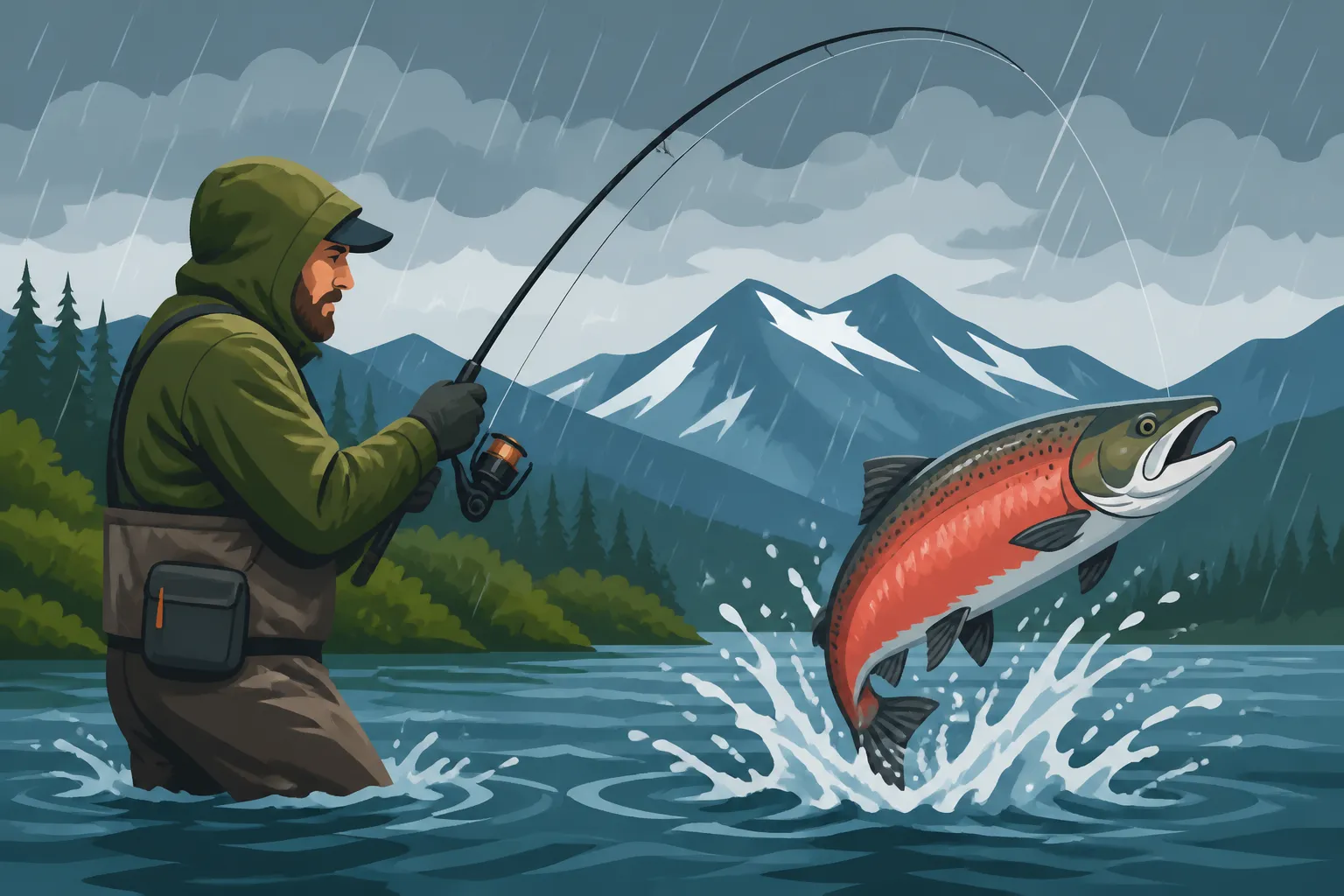
How to Fish for Salmon in the Rain
There's nothing quite like planning that dream Alaska fishing trip, only to see "rain" in the forecast for days on end. Many anglers feel a pang of disappointment, imagining washed-out rivers, shivering discomfort, and spooked fish. But here's the honest truth, my friend: rain in Alaska isn't just common; it can often lead to some of the most epic salmon fishing experiences you'll ever have. This guide is all about equipping you with the knowledge, gear, and mindset to not just tolerate but truly embrace fishing for salmon in the rain, turning those grey skies into gold-star fishing days.
Embracing the Wet: Why Rain Can Be Your Friend for Salmon Fishing in Alaska
It's easy to get discouraged by a rainy forecast, but when it comes to salmon fishing in Alaska, a little (or a lot) of precipitation can actually be a huge advantage. Don't let the weather dampen your spirits; understand why the fish often become more active and less wary in wet conditions.
The Biological Edge: How Rain Affects Salmon Behavior
Think about it from a salmon's perspective. They've spent years in the ocean, growing strong, and now they're driven by an instinctual urge to return to their freshwater spawning grounds. Rain often plays right into their biological programming, making their journey easier and safer.
First, increased water levels from rain provide vital cover. When rivers are low and clear, salmon can feel exposed to predators like eagles, bears, and even human anglers. Higher, murkier water offers them a sense of security, allowing them to move more boldly upstream. This cover makes them feel less vulnerable, which can translate into more aggressive strikes. You'll often find that fish that were previously holding in deeper, safer pockets will spread out and become more active, moving into areas they might avoid on a bright, sunny day.
Secondly, rain often cools the water temperatures, especially during warm spells. Salmon are cold-blooded creatures and thrive in cooler water. If a river has been warm and sluggish, a good rain can invigorate them, making them more energetic and willing to chase a lure or fly. The added oxygen from churning water is another benefit, giving them that extra boost of vitality needed for their arduous migration.
Finally, rain can act like a natural conveyor belt, washing terrestrial insects, grubs, and other food sources into the river from the banks. While adult salmon largely stop feeding once they enter freshwater, they can become more opportunistic or react to changes in the environment, especially fresh arrivals from the ocean that might still be partially feeding. This can trigger a feeding response or at least a curious strike, even if it's not for pure sustenance. The disturbance of the water and the influx of new "stuff" can make them less discerning and more reactive. If you're wondering about the timing of these natural events, our Alaska Fishing Seasons: Month-by-Month Guide offers a fantastic overview of when different species are typically running and how weather can influence them.
The Angler's Advantage: Why Anglers Benefit from Rainy Conditions
Beyond what it does for the fish, rain offers some distinct advantages for us anglers. The first, and often most appreciated, is a significant reduction in crowds. Many fair-weather anglers will pack it in or stay home when the forecast looks grim, leaving prime fishing spots open for those willing to brave the elements. Fewer people on the river means less pressure on the fish and more elbow room for you to work your chosen spot.
Another huge benefit is low visibility. Just as murkier water provides cover for salmon, it also makes it harder for them to see you. Salmon, especially kings and sockeye, can be incredibly spooky in clear, bright conditions. A shadow cast over the water, a brightly colored jacket, or even a clumsy step on the bank can send them scattering. In the rain, with reduced light penetration and disturbed surface water, your profile is obscured, allowing for a more stealthy approach and presentation. They're simply less likely to spot you and your movements, making them more receptive to your offering.
Lastly, the churn and noise from falling rain and increased water flow can mask small imperfections in your casting or retrieve. Every angler, even the most seasoned veteran, can have a less-than-perfect cast from time to time. On a calm, clear day, a splashy landing or a slightly off-kilter presentation can send a fish bolting. But in the natural chaos of a rainy river, these minor disturbances are often swallowed by the ambient noise and broken surface tension, making your presentation seem more natural and less threatening.
Essential Gear for Rainy Day Salmon Fishing in Alaska
Alright, so we've established that fishing in the rain can be excellent. But let's be real: "excellent" quickly turns into "miserable" if you're soaked to the bone and shivering. Having the right gear isn't just about comfort; it's about safety and extending your time on the water.
Staying Dry and Comfortable: Layering, Waterproof Outerwear
This is, hands down, the most crucial aspect of fishing in the rain. You need a system, not just a single piece of gear. Start with a solid layering strategy. Your base layer should be moisture-wicking – think merino wool or synthetic fabrics. Absolutely avoid cotton, which absorbs moisture and holds it against your skin, making you cold. Over that, a mid-layer like a fleece jacket or a down vest provides insulation.
The outer layer is where the magic happens: quality waterproof rain gear. We're talking about a truly waterproof, breathable jacket and pants. Look for materials like Gore-Tex, eVent, or high-end proprietary waterproof membranes. Cheap rain gear might keep you dry for an hour, but after a full day in an Alaskan downpour, you'll feel every drop. Brands like Grundéns, Simms, and Helly Hansen are popular choices among Alaskan guides for a reason – they hold up. You can often find great deals on reliable rain gear on platforms like Amazon, but always check reviews for waterproof ratings. For a comprehensive look, check out our guide on Best Rain Gear for Alaska Fishing.
Don't forget your head! A waterproof hat with a brim will keep rain out of your eyes and off your face. A hood on your rain jacket is also essential. And speaking of keeping dry, good waders are a must for river fishing. Breathable chest waders are ideal, paired with wading boots that offer excellent traction on slippery rocks. If you're in a boat, rubber boots might suffice, but if you plan on wading, investing in quality waders will save you a world of discomfort. Our article on Do You Need Waders for Alaska Fishing dives deeper into selecting the right pair.
Finally, consider your hands. Cold, wet hands are not only uncomfortable but can make it hard to tie knots or handle fish. Waterproof gloves are a game-changer. Neoprene gloves or fingerless gloves with a flip-over mitten are popular options, providing warmth while still allowing dexterity for fine tasks.
Protecting Your Tackle and Electronics: Waterproof Bags, Reel Covers
Rain doesn't just affect you; it can be tough on your gear, too. Water and electronics don't mix, and persistent moisture can lead to rust and corrosion on reels and tackle.
Invest in dry bags or waterproof backpacks for anything you can't afford to get wet. This includes your spare clothes, snacks, first-aid kit, and especially your phone, camera, and car keys. Even if your jacket has "waterproof" pockets, a small dry bag inside offers an extra layer of security. Some anglers even use waterproof cases designed for phones or small electronics that allow touchscreen functionality.
For your reels, while most modern fishing reels are designed to be somewhat water-resistant, prolonged exposure to heavy rain can still cause issues. Consider a neoprene reel cover if you're not actively fishing that rod, or at least give your reels a thorough wipe-down and light lubrication after a rainy day. It's good practice to disassemble and properly clean your reels more frequently when fishing in persistently wet conditions to prevent salt or grit from causing internal damage. Our Alaska Fishing Gear and Tackle Guide offers more tips on general gear maintenance.
Rod, Reel, and Line Considerations: Specific Choices for Rainy Conditions
While your core rod and reel setup for salmon fishing will largely remain the same, there are a few nuances for rainy days. For instance, the slickness of a wet rod handle can be a minor annoyance. Some anglers prefer cork grips that maintain a bit more grip when wet, or they'll use overgrips designed for tennis rackets on their rod handles.
When it comes to line, if the water is becoming murkier due to rain, you might consider switching to a slightly heavier line or a line with a brighter color. While salmon can see, their visibility is reduced in turbid water, so a more visible line might not be as much of a deterrent, and a brighter line can help you detect subtle strikes against a dark, churning background. On the other hand, some anglers will stick with fluorocarbon leaders for their invisibility, believing that even in murky water, a stealthy approach is best.
The main thing is to ensure your reel's drag system is well-maintained. A smooth, consistent drag is always important, but particularly when fighting a powerful salmon in potentially slippery conditions. A sticky drag combined with wet hands can lead to snapped lines or lost fish. Regularly clean and check your drag washers.
Rainy Day Salmon Fishing Techniques and Strategies
Fishing in the rain isn't just about different gear; it often requires a subtle shift in your angling approach. Understanding how salmon react to changed water conditions is key to success.
Adjusting Your Approach to Water Conditions: Reading Murky Water
When the river swells and turns cloudy, salmon tend to move. They're less likely to hold in the fast, turbulent currents and will often seek out areas of slightly slower water, like seams, eddies, and behind submerged structures. These spots offer a break from the main current and a sense of security. Pay close attention to current breaks, especially those closer to the bank, as fish will often push into these easier travel lanes.
In very high, turbid water, salmon might even move right up to the very edge of the bank, where the current is weakest, or even into flooded grassy areas. Don't be afraid to cast closer to shore than you normally would. Your casting approach needs to be more targeted towards these holding lies. If the rain has been exceptionally heavy and the river is raging, finding side channels or smaller tributaries that are less affected by the main river's surge can also be highly productive.
The key to reading murky water is to look for subtle signs. Are there submerged logs? Big rocks creating eddies? Any changes in water color or current speed can indicate a potential holding spot. Remember, salmon are trying to conserve energy while migrating, so they'll always look for the path of least resistance or a good resting place. Our guide on Best Fishing Techniques for Alaska provides a great foundation for understanding river dynamics.
Lure and Bait Selection: Visibility and Vibration
This is where rainy conditions can really change your game. In clear water, subtle, natural colors often work best. But in murky water, you need to grab a salmon's attention.
- Bright Colors: This is almost a universal rule for turbid water. Fluorescent colors like chartreuse, hot pink, and orange become much more effective because they stand out against the cloudy background. Whether you're drift fishing with an egg cluster, casting a spinner, or jigging, incorporating these colors significantly increases your visibility to the fish. Think about a bright pink or orange yarn tied into your drift rig when targeting sockeye salmon.
- Scented Baits: With reduced visibility, salmon rely more on their other senses, particularly their sense of smell. Using heavily scented baits or adding scent to your lures can be incredibly effective. Cured salmon roe, prawns, or commercially available scent sprays and gels can give your offering that extra appeal. Brands like Pautzke Bait Co. offer popular options for curing eggs, which can be fantastic in stained water.
- Vibration and Noise: Lures that create a strong vibration or a distinct sound can also be very attractive. Spinners with large, thumping blades (like a classic Mepps or Blue Fox), or twitching jigs with rattles, can send out signals that salmon can detect even in low visibility. These lures literally "call" the fish to your presentation.
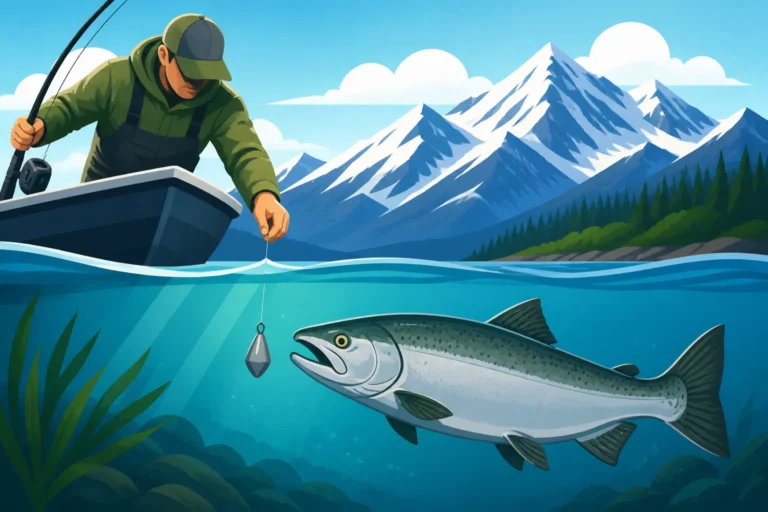
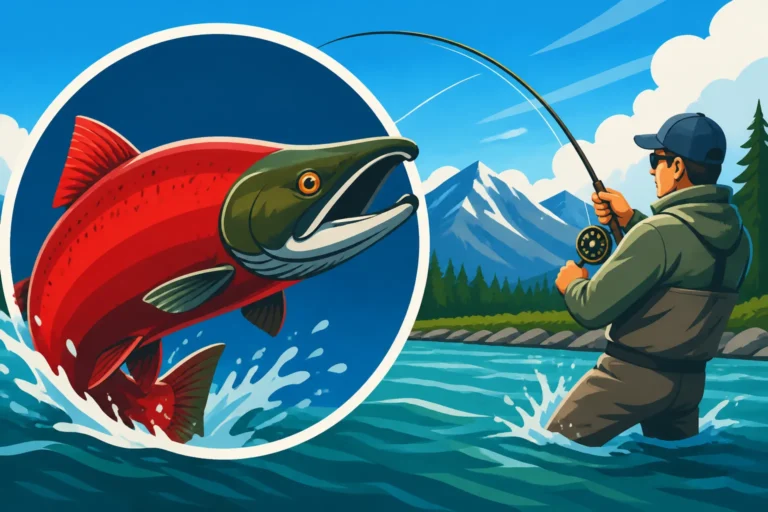
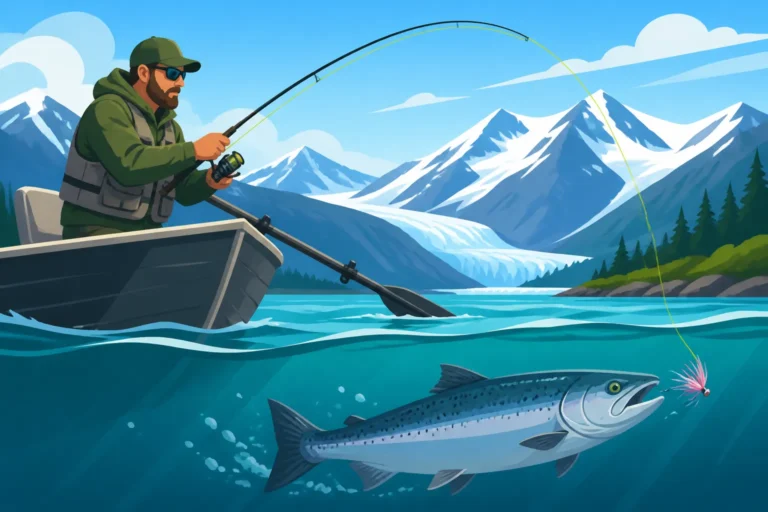
When fishing for species like King Salmon, which are known to hit larger, more aggressive presentations, a brightly colored Kwikfish or Mag Lip plug can be deadly when back-trolling in a boat. For Sockeye Salmon, who are notoriously picky, you'll still be "flossing" for them, but ensuring your leader is clean and your sockeye fly is tied well is still important, perhaps with a brighter yarn accent. For Coho Salmon, who are often more aggressive feeders, bright spinners and spoons can be very effective in the rain. Check out our detailed articles on How to Catch King Salmon in Alaska, How to Catch Sockeye Salmon in Alaska, and How to Catch Coho Salmon in Alaska for species-specific lure recommendations, many of which can be adapted for rainy conditions.
Don't be afraid to experiment. Start with brighter, more aggressive presentations and adjust if you're not getting bites. Sometimes a slightly more subtle lure in a bright color can be the ticket.
Casting and Presentation in the Rain: Stealth and Precision
Even in the rain, presentation matters. The increased water flow from rain can make it challenging to get your lure or bait into the strike zone effectively. You might need to add more weight to your drift rigs or use heavier lures to ensure they get down to where the fish are holding without being swept away too quickly. Our guide on How to Spin Fish for Alaska Salmon covers fundamental techniques that can be adapted for varying currents.
When casting, be mindful of the wind that often accompanies rain. Adjust your casting angle to minimize wind resistance and prevent your line from blowing off course. Shorter, more controlled casts might be more effective than trying to bomb it out there, especially if fish are holding closer to the bank.
Maintaining line control is also paramount. The rain can make it harder to see your line, and the increased surface chop can mask subtle strikes. Focus on feeling your presentation through the rod. Use a high-visibility main line if you prefer, which can help you track your drift visually and detect slight twitches or pauses that indicate a bite. Be ready to set the hook at any unusual feeling, as a salmon's take can sometimes be very soft in these conditions.
Safety and Practical Tips for Fishing in the Rain
While rain can mean fantastic fishing, it also introduces extra challenges. Staying safe and prepared is just as important as knowing where and how to cast.
Navigating Wet and Slippery Terrain: Boots, Awareness
Alaska's riverbanks, trails, and boat ramps can become incredibly treacherous when wet. Mossy rocks, muddy paths, and slippery boat decks are a recipe for falls and injuries.
- Footwear is Key: This goes back to wearing appropriate wading boots or rubber boots with excellent traction. Boots with felt soles (where legal) or studded soles offer superior grip on slick rocks, though they can be less effective in mud. Rubber lug soles are a good all-around choice.
- Slow Down: Don't rush. Take smaller, deliberate steps, especially when moving over uneven ground or near the water's edge. Use a wading staff for added stability when crossing currents or navigating rocky bottoms.
- Watch for Hazards: Be extra vigilant for slick roots, submerged logs, and unstable banks. The increased water flow can also create undercurrents or undercut banks that are not visible from the surface. Stay clear of fast-moving, high water, especially if you're unfamiliar with the area.
- Buddy System: If possible, fish with a partner. If one of you takes a tumble, the other can assist.
Remember, a lost fish is better than a broken bone. Prioritize your safety above all else, and never take unnecessary risks.
Monitoring Weather and Water Levels: Emergency Orders
Alaska's weather can change on a dime, and prolonged heavy rain can rapidly alter river conditions. A river that was perfectly wadeable in the morning could be a raging torrent by afternoon.
- Check Forecasts Constantly: Before you head out, and even during your trip, keep an eye on the weather forecast. Many Alaskan towns have specific river gauges that you can check online to monitor water levels in real-time. This is especially important on major rivers like the Kenai or Kasilof.
- Understand Emergency Orders: The Alaska Department of Fish and Game (ADF&G) regularly issues emergency orders that can change bag limits, open or close fisheries, or alter legal gear types, often in response to changing fish runs or environmental conditions, including high water. You absolutely need to know how to check these. Our article Alaska Fishing Emergency Orders Explained is a vital resource for understanding and staying up-to-date on these critical regulations. Not knowing can lead to fines or worse. Check the ADF&G website or local sporting goods stores for current updates.
- Know When to Call It Quits: There comes a point when safety overrides fishing desire. If the river swells to dangerous levels, if visibility becomes too poor, or if lightning is present, it's time to pack it up. No fish is worth risking your life.
Post-Fishing Care for Gear and Yourself: Drying Out, Maintenance
The adventure doesn't end when you leave the river. Proper care after a rainy day ensures your gear lasts and you stay healthy.
- Dry Everything Thoroughly: As soon as you get home, unpack and hang all your wet gear to dry. Waders, rain jackets, boots, and gloves should be air-dried completely before being stored. Hanging waders upside down can help drain water from the bootie area. Never store wet gear, as it will quickly develop mildew and mold, ruining fabrics and creating unpleasant odors. This is particularly important for items you might have purchased from Amazon, where proper care instructions are often online.
- Clean Your Tackle: Wipe down your rods and reels. Pay special attention to your reels, rinsing them with fresh water (don't submerge them unless they're specifically designed for it) and drying them thoroughly. A light spray of a water-displacing lubricant like WD-40 on exterior metal components can prevent rust. Inspect your line for any abrasions.
- Take Care of Yourself: After a cold, wet day, warming up is crucial. Get into dry clothes, drink something warm, and rehydrate. A hot shower feels amazing and helps ward off hypothermia, which can set in even on relatively mild days if you're wet for too long. Reflect on your day, enjoy the memories, and start planning your next outing, rain or shine!
Disclaimer
The information provided in this guide is for general informational purposes only and does not constitute professional advice. Fishing regulations, conditions, and best practices in Alaska can change rapidly. Always consult the official Alaska Department of Fish and Game (ADF&G) regulations and emergency orders before heading out. Fishing involves inherent risks; always prioritize your safety and be prepared for changing weather conditions.