Best Bait for Alaska Halibut
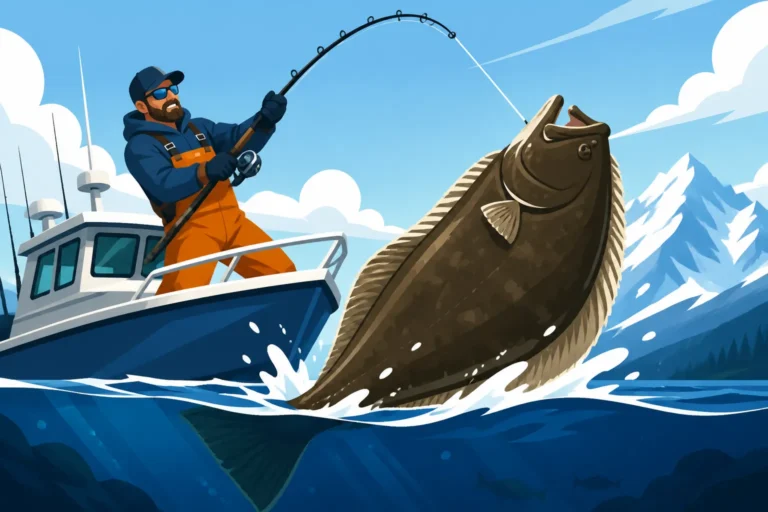
It can be incredibly frustrating to spend hours on the choppy waters of the Gulf of Alaska or Prince William Sound, patiently waiting for that tell-tale tug, only to reel in an empty hook while others around you are landing barn-door halibut. The secret often lies not just in where you fish or how you fish, but profoundly in the bait you choose. This comprehensive guide will pull back the curtain on the best baits for Alaska halibut, helping you understand their preferences and dramatically increase your chances of hooking into that monstrous flatfish.
Understanding the Halibut's Appetite: Why Bait Selection is Crucial
Before we dive into the specific baits, it's essential to understand what makes a halibut tick, or rather, what makes it bite. Pacific halibut are opportunistic predators, often lurking on the seafloor, waiting to ambush unsuspecting prey. They have incredibly keen senses, primarily scent and vibration, which they use to detect food in the often-dark, murky depths. This means your bait needs to appeal to these senses, not just visually.
The Halibut's Natural Diet
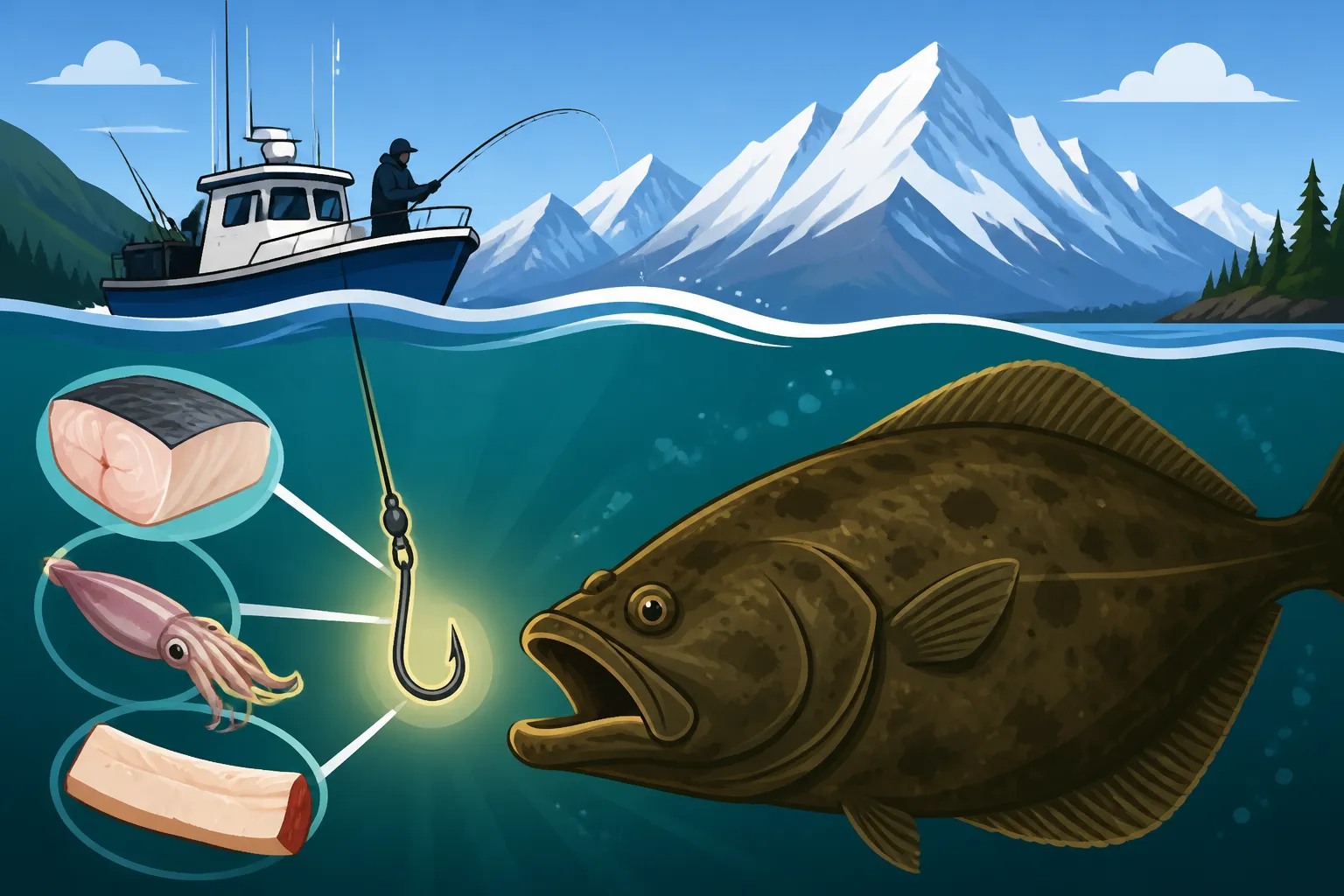
Halibut are not particularly picky eaters in their natural environment; they'll devour almost anything that crosses their path and fits in their mouth. Their diet typically consists of a variety of bottom-dwelling fish and crustaceans. Common menu items for a halibut include cod, pollock, rockfish, sculpins, octopus, crab, and even smaller halibut. Knowing this gives us a huge clue about what kinds of baits will be most effective – anything that mimics these natural food sources in terms of scent, texture, and size is a good bet. The bigger the halibut, generally the bigger the meal it's looking for.
Appealing to Scent and Vibration
In the deep, dark ocean, sight can be limited, especially on overcast days or in deeper waters where halibut often reside. This is why scent is king. A strong, natural scent trail is paramount for drawing halibut in from a distance. Think of it like a bloodhound following a scent – halibut can home in on a juicy, oily bait from a surprising distance. Vibrations also play a significant role. A bait that flutters, wiggles, or creates a disturbance as it drifts or jigs can signal to a hungry halibut that a meal is struggling nearby, triggering their predatory instincts. This is where the debate between fresh and frozen, and how you rig your bait, really comes into play.
The Undisputed Champions: Herring and Other Oily Delights
When you ask experienced Alaska halibut anglers what their go-to bait is, herring is almost always at the top of the list. But it's not the only heavy hitter. Oily, scent-rich baits are universally favored, and for good reason.
Pacific Herring: The Halibut Magnet
Herring are like candy to halibut. They're naturally oily, which creates an irresistible scent slick in the water, and their silver flash can be a visual attractant if the light is right. Herring come in various sizes, and choosing the right size can make a difference. Typically, large or extra-large herring are preferred for halibut, often ranging from 6 to 10 inches.
Fresh vs. Brined Herring
While fresh herring is undeniably the best, it's not always practical to obtain, especially for visitors. That's where brining comes in. Brining herring stiffens them, makes them tougher on the hook, and can enhance their scent, helping them last longer both on the boat and on the hook in the water. Many anglers have their secret brine recipes, often involving rock salt, cure, and sometimes even Kool-Aid for added color. A properly brined herring can withstand aggressive nibblers and the force of the deep water current much better than a fresh, soft one. When selecting your herring, look for intact scales and a firm body. You can buy bags of brined herring or plain frozen herring from local tackle shops in places like Homer or Seward, or even order larger quantities online from specialty suppliers on Amazon.
How to Rig Herring
Rigging herring effectively is a key skill. The most common method involves a two-hook setup: one hook (often a large circle hook, 12/0 to 16/0) through the head, and another smaller treble or circle hook placed mid-body or near the tail. This ensures that when a halibut bites, there's a good chance of a solid hook-up. For a detailed guide, check out our post on How to Set Up a Halibut Rig for Alaska. Some anglers prefer to "butterfly" the herring by making cuts along its sides or splitting it open, which increases the scent dispersion. Others simply nose-hook it, letting it flutter naturally.
Salmon Heads and Fillet Strips
Don't let those salmon carcasses go to waste! Salmon heads, especially from King salmon or large Sockeye, are incredibly oily and provide a massive scent footprint. Many charter boats will save salmon heads specifically for halibut bait. The sheer size of a salmon head can also deter smaller fish, ensuring that when something bites, it's likely to be a sizable halibut. Similarly, strips of salmon belly or flanks, particularly from oily species like Sockeye or King, can be highly effective. These strips, cut into 6-12 inch lengths and about an inch or two wide, flutter enticingly in the current and release a strong scent.
Octopus and Squid
These cephalopods are a natural part of a halibut's diet, and they make fantastic bait. Octopus is incredibly tough, meaning it stays on the hook through multiple bites from smaller fish or vigorous runs from a halibut. Its white flesh and many tentacles create a lot of movement and visual appeal in the water. Squid is also a good option, though generally softer and smaller. Many anglers will combine octopus or squid with herring or salmon strips to offer a "cocktail" bait, maximizing both scent and durability. You can often find frozen octopus or squid at Asian markets or specialty bait shops, and sometimes even in bulk on Amazon.
Beyond the Usual Suspects: Other Effective Baits
While herring and salmon are workhorses, having a few other options in your bait box can make a big difference, especially on days when halibut seem to ignore the traditional offerings or when you're targeting specific sizes.
Pacific Cod and Pollock Fillets
Since cod and pollock are common prey fish for halibut, it stands to reason that their fillets make excellent bait. Cut into long, thin strips, cod or pollock fillets offer a good amount of white flesh that contrasts well in the water. They are also firmer than herring, making them more durable on the hook. While not as oily as salmon or herring, they still release a natural fish scent that halibut recognize. Many anglers will use the carcasses and trimmings from their own caught cod or pollock as immediate, fresh bait.
Artificial Baits and Scents
Sometimes, the halibut are just not responding to natural bait, or you want to add an extra layer of attraction. This is where artificial baits and scents come in handy.
Scent Gels and Sprays
These are incredibly popular for enhancing natural baits. Brands like Pro-Cure or Atlas Mike's offer a variety of scents, from herring and anchovy to salmon egg and shrimp. Applying a generous amount of gel to your herring, salmon strips, or even artificial jigs can make a huge difference, particularly if your bait is a bit older or less oily. The scent plume in the water acts as a strong attractant, especially if you're drift fishing. You can find a wide array of these scent products readily available on Amazon or at local tackle stores.
Soft Plastics and Scented Artificial Baits
While less common for primary halibut bait, large soft plastics, especially those designed to mimic herring or octopus, can be effective when tipped with a piece of natural bait. Berkley Gulp! products, for example, are impregnated with powerful scents and have a texture that fish hold onto longer. These can be particularly useful when jigging for halibut, providing both a visual target and a strong scent. Combining a large grub or worm-style soft plastic with a small strip of herring can be a killer combination, offering durability, movement, and maximum scent.
Live Bait: The Ultimate Temptation
If you're truly dedicated and have the means, live bait is arguably the most effective. A struggling, live cod, pollock, or rockfish hooked through the back will create irresistible vibrations and visual cues that no halibut can ignore. However, using live bait requires extra effort in catching and keeping the bait alive, and it's not always practical or permitted in all areas. Always check Alaska Halibut Fishing Regulations and Limits before attempting to use live bait, as rules can vary by region and species.
Rigging Your Bait for Maximum Effectiveness
Getting the right bait is only half the battle; how you present it to the halibut is equally important. Your rig needs to be strong, appropriate for the depth and current, and allow your bait to perform its magic.
The Standard Halibut Rig
A standard halibut rig typically consists of a heavy lead sinker (often 1 to 3 pounds, depending on current and depth), a spreader bar to keep your leader clear of your main line, and a strong leader with one or two large circle hooks. We covered some of this in How to Set Up a Halibut Rig for Alaska. The leader should be robust, at least 200-300 lb monofilament or fluorocarbon, to withstand the abrasion from the halibut's sandpaper-like mouth and the sheer power of a large fish.
Spreader Bars and Leader Length
Spreader bars are crucial for preventing your bait from tangling with your mainline. They also create a slight distance, allowing your bait to swim or flutter more naturally. The length of your leader (the line from the spreader bar to your hooks) can vary. Some prefer shorter leaders (18-24 inches) for a more direct presentation, while others use longer leaders (3-5 feet) to allow the bait more freedom of movement, especially when drift fishing. For information on tactics, you might want to read How to Drift for Alaska Halibut or How to Anchor for Alaska Halibut.
Jigging for Halibut with Bait
While jigs themselves can be effective, tipping a large metal jig or a leadhead jig with bait can make it even deadlier. A strip of salmon, octopus, or even a whole herring can be threaded onto the jig's hook. This combination gives you the flash and vibration of the jig, amplified by the irresistible scent and natural movement of real bait. This technique is often referred to as "sweetening the jig" and can be incredibly effective, especially when the halibut are a bit lethargic. Our guide on How to Jig for Halibut in Alaska goes into more detail on this technique.
Practical Considerations: Storage and Handling
You've got the best bait, but it won't do you any good if it spoils or isn't prepared correctly. Proper storage and handling are critical for maintaining bait quality and effectiveness.
Keeping Bait Fresh on the Boat
If you're using fresh herring or salmon, keeping it cold is paramount. A cooler packed with ice is a must. If possible, consider a cooler with a circulating saltwater system to keep bait lively if you're aiming for live bait. For brined or frozen baits, keep them frozen until just before you're ready to use them. Thawing them slowly in the refrigerator or a saltwater bath is best. Avoid repeated freezing and thawing, as this breaks down the bait's cell structure, making it soft and less appealing.
Bait Preservation Tips
Brining isn't just for herring; you can brine salmon strips, octopus, and other fish parts too. A good brine recipe usually includes plenty of non-iodized salt (like rock salt or pickling salt), water, and sometimes additives like Borax (for firmness) or even scent enhancers. Soaking your bait in brine for 12-24 hours before your trip can significantly improve its durability and scent profile. Some anglers even vacuum seal their brined bait in individual portions to lock in freshness and scent until they're ready to hit the water. This also makes for easier transport.
Table: Common Halibut Baits and Their Best Uses
| Bait Type | Key Advantages | Best Uses | Tips for Success |
|---|---|---|---|
| Pacific Herring | High oil content, strong scent, natural prey | General bottom fishing, drift fishing, tipping jigs | Use large/extra-large, brine for firmness, rig with two hooks (head & body/tail) |
| Salmon Heads | Extremely oily, large scent plume, durable | Attracting large halibut, long soak times | Use fresh King or Sockeye heads, position carefully on heavy-duty circle hooks |
| Salmon Strips | Oily, good flutter, strong scent | Drift fishing, jigging, "sweetening" artificial lures | Cut 1×6-12 inch strips from belly/flank, use on a second hook or as a jig trailer |
| Octopus | Very tough, stays on hook, natural prey, good visual | Areas with small bait stealers, deep drops, long soak times | Use fresh or frozen tentacles, combine with oily bait for scent, cut into strips or chunks |
| Pacific Cod/Pollock Fillets | Firmer than herring, white visual, natural prey | General bottom fishing, when halibut are picky, durable | Cut into long strips, can be combined with scent gels, good alternative if herring is scarce |
| Scent Gels/Sprays | Boosts attraction, masks human scent, easy to apply | Enhancing any natural or artificial bait, on jigs | Apply liberally, reapply every 30-60 minutes, experiment with different scents |
| Live Bait (Cod, Rockfish) | Irresistible natural movement and vibration | Targeting trophy halibut (if legal), specific conditions | Requires careful handling, check local regulations on Alaska Fishing Limits and Bag Limits Explained |
Final Thoughts on Your Halibut Bait Strategy
The truth is, there's no single "magic bullet" bait that works every single time for every single halibut. The most successful anglers are those who come prepared with a variety of options and are willing to experiment. Pay attention to what the charter captain or your fellow anglers are using, and don't be afraid to try something different if the bite slows down. Sometimes, a subtle change in bait, or adding a bit of scent, can turn a slow day into an epic one.
Remember that presentation, depth, and technique are just as critical as the bait itself. While you're focusing on bait, don't forget the importance of understanding How to Catch Halibut in Alaska overall, including things like Best Weight for Alaska Halibut Fishing to get your bait down effectively. The massive waters of Alaska hold incredible opportunities, and with the right bait in your arsenal, you'll be well on your way to catching that trophy halibut you've been dreaming of.
Disclaimer
The information provided in this guide is for general informational purposes only and is subject to change. Always consult the latest Alaska Department of Fish and Game regulations and emergency orders before planning any fishing trip. Fishing conditions and regulations can vary significantly by region and season.