How Water Temperature Affects Alaska Salmon
Anyone who's spent enough time with a line in the water in Alaska knows that sometimes the fish are biting like crazy, and other times it feels like the river is empty. Often, the unseen hand guiding this ebb and flow of salmon activity isn't just the moon phase or the run timing, but something far more fundamental: water temperature. Understanding how subtle shifts in water temperature profoundly impact Alaska's iconic salmon is crucial for both successful fishing and appreciating the delicate balance of their survival.
The Fundamental Role of Water Temperature in Salmon Life Cycles
Water temperature isn't just a comfort factor for salmon; it's a profound environmental cue that dictates nearly every aspect of their existence, from when they decide to leave the ocean to how effectively their eggs develop. Think of it as their internal clock and thermostat all rolled into one. For an angler, grasping this is like unlocking a secret code to where the fish might be and what they might be doing.
Temperature as a Driving Force for Migration
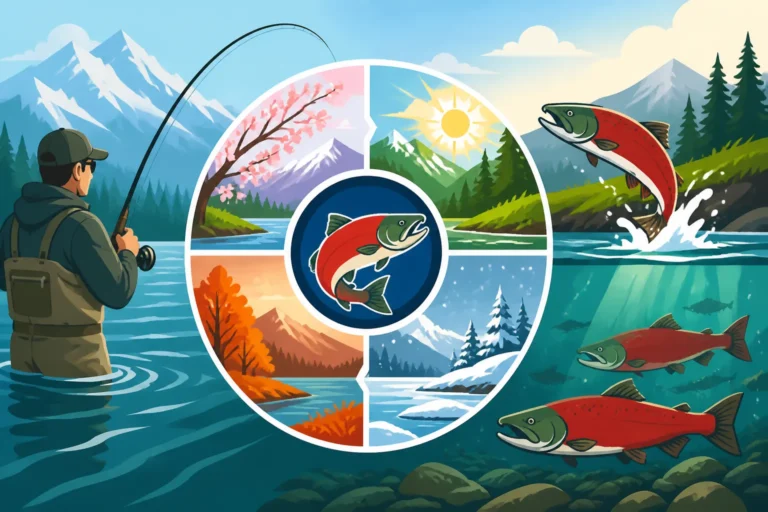
When you hear about the legendary salmon runs in rivers like the Kenai or the Nushagak, what you're witnessing is a massive, temperature-driven migration. Salmon spend years growing fat in the ocean, but the urge to return to their natal streams is primal, and water temperature is one of the primary triggers. As freshwater temperatures begin to warm in late spring and early summer, it signals to salmon in saltwater that it's time to begin their journey upstream. Each species has a slightly different preference, a specific "sweet spot" that cues them to move.
For instance, King salmon, also known as Chinook, often start their migrations when river temperatures are still relatively cool, sometimes in the low to mid-40s Fahrenheit. They're typically the first major salmon run of the season. As the season progresses and waters continue to warm, Sockeye salmon, or Red salmon, begin their epic push, often preferring water temperatures in the mid-40s to low 50s. If the water is too cold, they might hold in estuaries or near river mouths, conserving energy. If it gets too warm, their metabolism can stress them, making them rush through areas or seek cooler tributaries. This intricate dance of temperature and migration is a key aspect of Alaska Salmon Run Timing Explained. Knowing these temperature preferences can give you a significant advantage in predicting when and where to encounter these incredible fish.
Impact on Salmon Metabolism and Energy
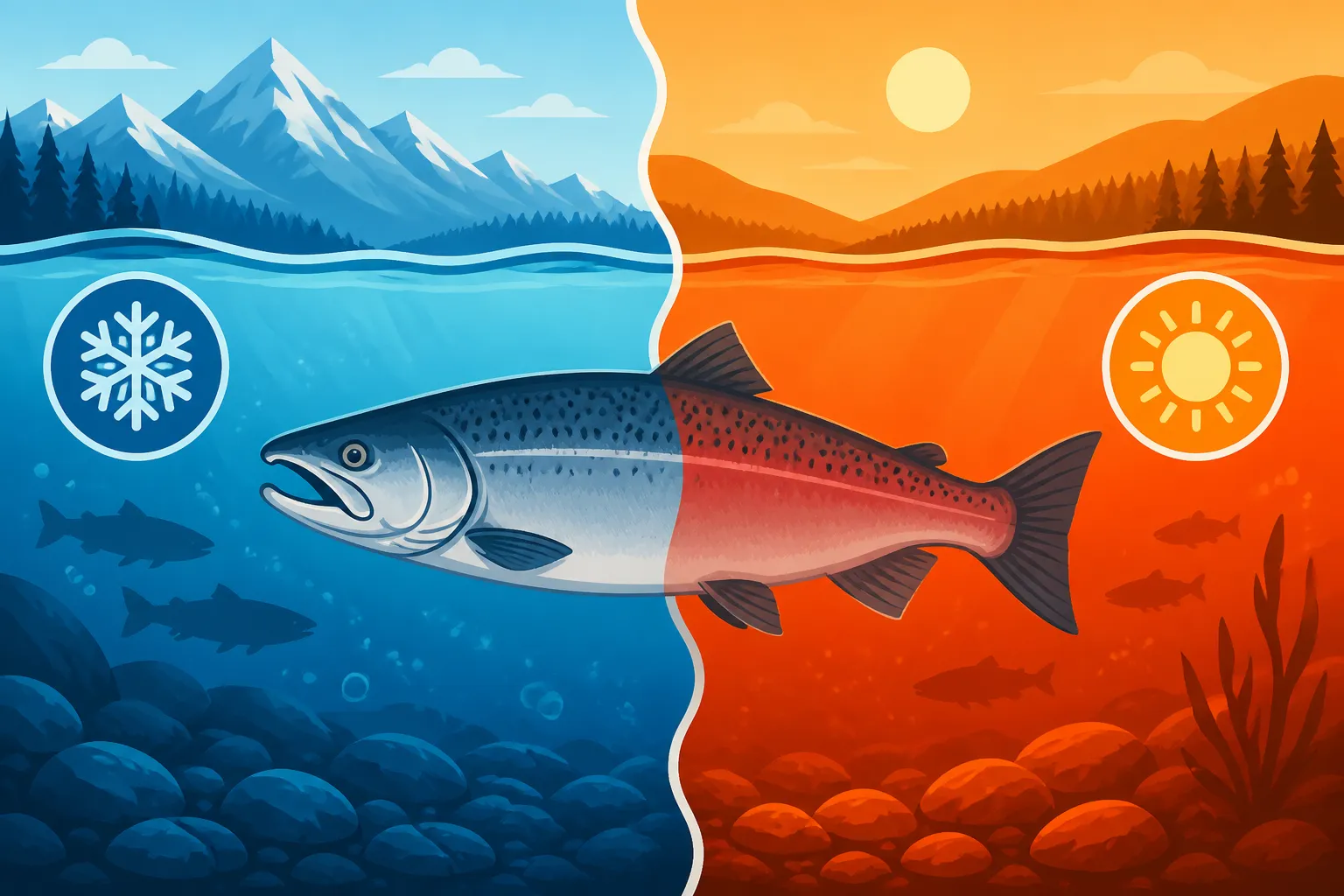
Water temperature directly impacts a salmon's metabolic rate, which is essentially how fast its body performs all its functions. Just like us, salmon have an optimal temperature range where their bodies work most efficiently. Within this range, their digestion, muscle function, and energy conversion are at their peak. Outside this range, they begin to struggle.
When water temperatures are too cold, a salmon's metabolism slows down considerably. They become sluggish, their feeding activity decreases, and their ability to fight currents or predators is diminished. Conversely, when water temperatures get too warm, their metabolic rate skyrockets. This might sound good, but it's a huge problem. It means they burn through their stored energy reserves – the fat they accumulated in the ocean – at an accelerated rate. These reserves are critical for their grueling upstream migration and, most importantly, for the development of their eggs and milt once they reach the spawning grounds. Extreme heat can lead to rapid exhaustion, increased susceptibility to disease, and even death before they've had a chance to spawn. This is why a sustained heatwave on a river can be so devastating to a salmon run, impacting not just the current year's fishing but the survival of future generations.
Spawning Success and Egg Development
The ultimate goal for all wild salmon is to successfully spawn and ensure the next generation. Water temperature plays an absolutely critical role in this final, vital stage of their life cycle. After their arduous journey, female salmon create "redds" – nests in the gravel – where they deposit their eggs, which are then fertilized by males. The temperature of the water flowing over these eggs determines their survival and developmental rate.
Salmon eggs require a relatively stable and cool temperature range for proper incubation. Too cold, and development slows drastically, making them vulnerable to predators and environmental changes for a longer period. Too warm, and it can accelerate development to an unhealthy degree, leading to deformities or premature hatching. Even worse, excessively warm water holds less oxygen, which is vital for the developing embryos. Studies have shown that even a few degrees outside the ideal range can significantly reduce the survival rate of eggs and fry. This delicate balance highlights why protecting riparian habitats, which provide shade and help regulate stream temperatures, is so crucial for the long-term health of Alaska's salmon populations. The success of an entire salmon run, years in the making, can hinge on the precise temperature of the spawning grounds.
How Temperature Changes Influence Salmon Behavior and Fishing Success
Understanding how water temperature acts as a primary control knob for salmon behavior is perhaps the most practical piece of knowledge an angler can possess. It dictates everything from where the fish are holding to whether they'll even glance at your lure.
Direct Impact on Feeding and Activity Levels
When water temperatures are within a salmon's comfortable range, their metabolism is optimal, and they are generally more active and more inclined to feed. For species like King salmon that may still feed during their early river migration, or resident Rainbow Trout that feed on salmon eggs, these ideal temperatures stimulate their appetite and aggressive behavior. They’ll be more willing to chase lures, take bait, or rise to a fly.
However, as temperatures move outside this comfort zone, their activity levels decline dramatically. In excessively warm water, salmon become lethargic and stressed. They conserve energy, often refusing to feed altogether. This is why you might be out on a scorching summer day, the river looking perfect, but you're getting no bites. The fish are there, but they’re too stressed to respond. Conversely, if the water is unusually cold, their metabolism slows down, making them less reactive and less likely to pursue a meal aggressively. This means as an angler, you might need to slow down your presentation, use different baits, or seek out areas where temperatures are more favorable. Consider packing a reliable water thermometer, easily found on Amazon, to gauge conditions directly.
Seeking Thermal Refuges and Holding Patterns
When river temperatures become too extreme – either too hot or too cold – salmon will actively seek out "thermal refuges," areas where the water temperature is more to their liking. This is a critical piece of information for anglers.
During periods of high water temperatures, which are becoming more common in certain areas due to climate patterns, salmon will seek out cooler water. This often means congregating in:
- Deep pools: Deeper water tends to be cooler and more stable than shallow areas.
- Confluences: Where a colder tributary stream or glacial meltwater flows into a warmer main river, salmon will stack up in the cooler plume. A great example of this is the Russian River confluence with the Kenai River; fish will often hold in the colder Russian River outflow during warm spells.
- Shady areas: Overhanging banks, large trees, or canyon sections can provide shade, keeping water temperatures slightly lower.
- Spring-fed areas: Underwater springs can introduce cooler water, creating localized thermal pockets.
Conversely, if early season waters are unusually cold, salmon might seek out slightly warmer, shallower areas that are exposed to more sunlight, or slower-moving sections where water warms up a bit more. Recognizing these patterns and knowing where to find these refuges can drastically improve your chances of finding actively biting fish, even when general river conditions are challenging.
Early vs. Late Season Considerations
The progression of water temperature throughout the fishing season profoundly influences salmon behavior and fishing strategies. In the early season, typically May and early June, rivers are often still swollen with snowmelt, and water temperatures can be quite chilly. For species like King salmon that enter early, they might be slower-moving and more concentrated in deeper, slightly warmer channels. Anglers might need to use heavier gear to get down to them and slower presentations. Our guide on Best Time to Fish in Alaska can provide more seasonal context.
As summer progresses into July and August, river temperatures generally rise, reaching their peak. This is when the majority of salmon runs, like the massive Sockeye and eventually Coho, occur. Ideal temperatures lead to strong, aggressive fish. However, this is also when heat waves can push temperatures too high, triggering the aforementioned stress and refuge-seeking behaviors. Knowing the Alaska Fishing Seasons: Month-by-Month Guide helps you anticipate these changes.
By the late season, in September and October, as air temperatures drop, so do water temperatures. This signals the final push for some species like Coho salmon, and the beginning of the spawn for others. Fish might be less active overall, focusing solely on spawning, and will be less inclined to bite. For resident species like trout, cooling water might spur a last burst of feeding before winter, as they gorge on salmon eggs.
Here's a quick reference table for general optimal temperature ranges for some key Alaska salmon species:
| Salmon Species | Optimal Water Temperature Range (Fahrenheit) | General Behavior in Range | Behavior Outside Range (Warm) | Behavior Outside Range (Cold) |
|---|---|---|---|---|
| King (Chinook) | 40-55°F | Active migration, some feeding | Stressed, seek refuge, sluggish | Slow migration, less active |
| Sockeye (Red) | 45-58°F | Strong migration, aggressive | Stress, rapid energy depletion | Delay migration, conserve energy |
| Coho (Silver) | 45-60°F | Active, aggressive, good fighters | Lethargic, reduced feeding, seek shade | Reduced activity, slower bite |
| Pink (Humpy) | 50-65°F | Active, schooling, high numbers | High stress, prone to disease | Delayed entry, less active |
| Chum (Dog) | 48-62°F | Strong migration, territorial | Stressed, seek refuge, lower survival | Delayed entry, sluggish |
Note: These are general ranges; individual fish behavior can vary, and other factors like water levels and oxygen play a role.
Understanding Temperature-Related Challenges and Conservation Efforts
The intricate relationship between water temperature and salmon health isn't just a concern for anglers; it's a critical focus for fisheries managers and conservationists trying to protect these vital resources.
The Threat of Warming Waters and Climate Change
One of the most significant long-term threats to Alaska's salmon populations is the undeniable trend of rising water temperatures, largely attributed to climate change. Warmer air temperatures lead to warmer stream temperatures, which can have cascading negative effects. As discussed, elevated temperatures stress salmon, making them more vulnerable to disease and parasites. Their immune systems can be compromised, and the energy demands of simply existing in warm water reduce their capacity for migration and spawning.
For example, on rivers like the Kenai and Kasilof, a prolonged period of hot weather in July can push water temperatures into stressful zones for Sockeye and King salmon. This can lead to increased pre-spawn mortality, where fish die before they have a chance to lay their eggs. It also changes the timing of their migrations, sometimes causing them to enter rivers earlier or later than historical norms, which can throw off the delicate balance of predator-prey relationships and human fishing efforts. This is a complex issue with far-reaching implications for the future of Alaska King Salmon Fishing Regulations and Limits and Alaska Sockeye Salmon Fishing Regulations and Limits.
Emergency Orders and Management Strategies
The Alaska Department of Fish and Game (ADF&G) actively monitors river temperatures, along with a host of other biological data, to make informed management decisions. When water temperatures reach critical thresholds, especially in areas with concentrated salmon runs, ADF&G may issue emergency orders. These orders are put in place to protect stressed fish by closing fisheries, restricting gear, or limiting fishing hours.
For instance, during particularly warm summers, an emergency order might temporarily close a section of the Kenai River to King salmon fishing if temperatures rise too high, even if the run strength is otherwise decent. This is a proactive measure to reduce additional stress on the fish from angling, allowing them to conserve energy for spawning. It's vital for all anglers to stay informed about these potential changes. You can always check for updates and current conditions through the ADF&G website or by calling their hotlines, which our guide on How to Check Alaska Emergency Orders Before Fishing details. Understanding Alaska Fishing Emergency Orders Explained is not just about compliance; it's about being a responsible steward of the resource.
Angler Best Practices in Varying Temperatures
As anglers, we have a role to play in mitigating stress on salmon, especially during challenging temperature conditions. Being mindful of water temperature and adjusting our practices can make a real difference in the survival rate of released fish.
- Carry a thermometer: This is perhaps the simplest and most effective tool. A small, inexpensive water thermometer, which you can easily find on Amazon, allows you to directly assess conditions. If the water temperature is consistently above 65°F (for most salmon species), consider limiting your fishing or taking extra precautions.
- Fish during cooler parts of the day: In warm weather, salmon are less stressed in the early morning or late evening when water temperatures are typically at their coolest. Consider adjusting your fishing schedule to these times.
- Minimize fight time: When water is warm and oxygen levels are lower, fighting a fish to exhaustion can be fatal, even if you intend to release it. Use appropriate gear to land fish quickly and efficiently.
- Handle fish carefully: If you plan to release a fish, keep it in the water as much as possible. Avoid dragging it onto the bank or boat. Use wet hands to minimize slime removal, and support the fish horizontally. Our article on Alaska Catch-and-Release Best Practices offers more detailed advice.
- Consider alternative species/locations: If your target salmon river is experiencing dangerously high temperatures, consider switching to a different fishery known for cooler water, or target species that are less sensitive to the current conditions, if regulations allow.
By adopting these practices, we can all contribute to the health and sustainability of Alaska's salmon, ensuring these magnificent fish continue to thrive for generations to come.
Disclaimer
Please remember that fishing regulations and conditions in Alaska can change rapidly due to emergency orders, conservation efforts, and environmental factors. Always consult the latest Alaska Department of Fish and Game (ADF&G) regulations and emergency orders before heading out on the water. This guide is for informational purposes only and should not replace official sources.