When Is the Best Trout Fishing in Alaska
Trying to figure out the absolute best time for trout fishing in Alaska can feel like trying to nail jelly to a wall – it's just so vast and varied! Many anglers get frustrated because what works for a giant rainbow trout on the Kenai River might be completely different from targeting an Arctic Grayling up north. You might dream of catching a massive, egg-fed rainbow, only to arrive during a completely different part of their feeding cycle. This comprehensive guide is here to break down the nuances, helping you pinpoint the prime seasons for various trout species across Alaska's incredible landscapes so you can plan your ultimate angling adventure.
Understanding Alaska's Diverse Trout Species and Their Seasonal Behaviors
Alaska is home to a spectacular array of trout and char species, each with its own preferred habitats, feeding patterns, and peak seasons. What one angler considers "trout fishing" can vary wildly depending on whether they're chasing feisty rainbows, iridescent grayling, or migratory Dolly Varden. Knowing your target species is the first crucial step in timing your trip perfectly.
Rainbow Trout and Steelhead: The Glamour Fish
When most people think of Alaska trout, their minds often jump straight to the incredible rainbow trout, especially those behemoths found gorging themselves in rivers like the Kenai. These fish are true opportunists, and their seasons are heavily influenced by the salmon runs.
- Spring/Early Summer (May – Mid-July): As the ice recedes and rivers awaken, resident rainbow trout become active, eager to feed after a long winter. This can be an excellent time to target them with nymphs, streamers, and even dry flies on warmer days. They'll key in on emerging insects, juvenile salmon (smolt and fry), and leftover salmon eggs from the previous fall. Rivers like the Kenai and Kasilof on the Kenai Peninsula, or streams in the Mat-Su Valley, offer fantastic opportunities during this window before the main salmon frenzy begins. For those eyeing the elusive steelhead, which are essentially sea-run rainbow trout, spring (late April to early June) can be prime in Southeast Alaska's coastal rivers, like those near Sitka or Ketchikan, as these powerful fish return from the ocean to spawn. These runs can be fickle, so checking specific stream conditions is key. You'll want to be familiar with the detailed Alaska Steelhead Catch-and-Release Rules
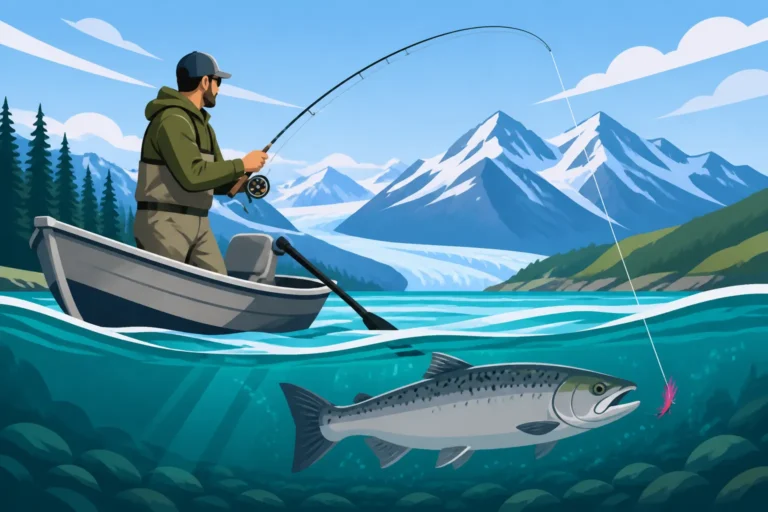
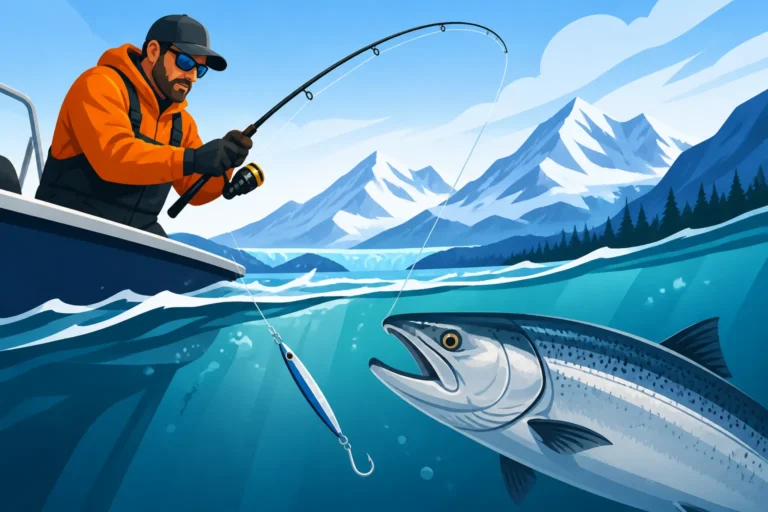
- Late Summer/Fall (Late July – October): This is arguably the most famous and productive time for trophy rainbow trout fishing, particularly in Southcentral and Southwest Alaska. It directly coincides with the massive salmon spawns. As millions of sockeye, pink, and later, coho salmon move into the rivers to lay their eggs, trout position themselves downstream of spawning beds to feast on the protein-rich bounty. Imagine drifting an egg pattern, and suddenly your line goes taut with a fish that has grown enormous on a diet of salmon eggs! This "egg-dropping" season continues until rivers begin to freeze, with September and October often providing exceptional fishing for large, robust rainbows. The Best Rivers for Rainbow Trout in Alaska often have their prime during this period.
Dolly Varden and Arctic Char: The Relentless Eaters
Dolly Varden and Arctic Char, though often confused, are both members of the char family and share similar migratory patterns and feeding behaviors in Alaska. These fish are renowned for their willingness to strike and their beautiful coloration.
- Year-Round (with peaks): Unlike some trout species, Dollies and Arctic Char can be targeted almost year-round in various locations, even through the ice in winter. However, their peak activity aligns beautifully with salmon.
- Late Summer/Fall (August – October): This is the undisputed prime time for these char species. Like rainbow trout, they follow the salmon runs into freshwater, gorging themselves on eggs, flesh, and fry. They are incredibly opportunistic and can be caught using egg patterns, streamers, and small spinners. You'll often find them schooled up behind spawning salmon in incredible numbers. In Southeast Alaska, coastal streams and river mouths are excellent for sea-run Dolly Varden in spring and fall. The Kenai Peninsula, Bristol Bay region, and even rivers in Prince William Sound can offer exceptional opportunities.
Arctic Grayling: The Jewels of the North
With their distinctive, sail-like dorsal fin and iridescent coloring, Arctic Grayling are true icons of Alaska's clear, cold freshwater streams and lakes, particularly in the Interior and Far North.
- Summer (June – August): This is unequivocally the best time for Arctic Grayling. Once the ice breaks up in May, grayling become incredibly active, eagerly rising to dry flies. They are less influenced by salmon runs and more by insect hatches. During the long summer days, fishing small dry flies, nymphs, and even tiny spinners in clear, shallow streams can yield non-stop action. Rivers and lakes in the Denali area, Fairbanks region, and vast stretches of remote Interior Alaska are fantastic for grayling. They're an ideal target for those looking for a classic fly-fishing experience in pristine wilderness settings. Early June, right after ice-out, and into late August, before the nights turn too cold, offers prime conditions.
Cutthroat Trout: Southeast's Stealthy Fighters
Primarily found in the freshwater lakes and streams of Southeast Alaska's temperate rainforests, cutthroat trout are an exciting target for those exploring the panhandle.
- Spring and Fall (April – June, September – October): Cutthroat trout in Southeast Alaska are often migratory, moving between marine waters and freshwater streams. Spring sees them entering streams to spawn, and they can be targeted with streamers, nymphs, and dry flies. In the fall, they key in on salmon eggs and fry, much like Dollies. During the summer, they might be harder to pinpoint as they disperse, but opportunities still exist, especially in colder lakes. The fishing for these beautiful, copper-colored trout is often a more solitary experience, exploring smaller streams and secluded lakes.
The Undeniable Influence of Alaska's Salmon Runs on Trout Fishing
You simply cannot talk about the best time for trout fishing in Alaska without a deep dive into the salmon runs. Salmon are the lifeblood of Alaska's freshwater ecosystems, and their presence dictates the movements, feeding habits, and sheer size of many of the state's most sought-after trout. Understanding the ebb and flow of salmon is like having a secret calendar for trout.
The "Egg Dropping" Season: A Feast Unparalleled
This is the golden ticket for many anglers, especially those dreaming of monstrous rainbow trout and plump Dolly Varden. The phenomenon of "egg dropping" refers to the period when salmon, after reaching their spawning grounds, begin to lay and fertilize their eggs.
- When It Happens: It generally kicks off in late July, peaks throughout August and September, and can continue into October, depending on the salmon species and river system.
- Sockeye Salmon: These are often the first major salmon run to provide a bountiful egg source, usually peaking in July and August in rivers like the Kenai and Russian River. Rainbows, Dollies, and even juvenile salmon gather to feed on the nutrient-rich sockeye eggs. Learning How to Fish Beads for Alaska Trout during this time is essential.
- Pink and Chum Salmon: These often arrive in late July and August, adding to the egg buffet. While pinks might not run in every river system every year (they have a strong two-year cycle), when they do, they provide an immense amount of food.
- Coho (Silver) Salmon: These late-season spawners, typically peaking in September and October, extend the egg-dropping season, keeping the trout actively feeding well into the fall.
- Why It's Prime: Trout, especially rainbows and Dollies, pack on an incredible amount of weight during this period. They become less selective, more aggressive, and are often concentrated in specific areas below spawning beds. Imagine hundreds of thousands of salmon laying eggs, and the trout below just waiting for the next drift. It's a feeding frenzy that's hard to beat, resulting in fat, powerful fish. This is when the legendary "leopard rainbows" of the Bristol Bay region put on their incredible girth and vibrant colors.
Fry and Smolt Season: Early Summer's Secret
While the egg drop gets all the fame, the early season offers another crucial feeding opportunity that shapes the trout fishery.
- When It Happens: Primarily in spring and early summer (May to mid-July), as young salmon, known as fry or smolt, emerge from the gravel or migrate downstream to the ocean.
- Why It's Prime: For actively hunting trout, these small, vulnerable salmon are a prime food source. Rainbow trout, in particular, will key in on these protein-packed meals. Fishing with small streamers or flesh patterns that imitate these juvenile salmon can be incredibly effective. This period can provide excellent action for lean, aggressive trout that are focused on hunting rather than simply collecting stationary eggs. It's a different kind of fight and often requires more active presentation. Many anglers find the Kenai River fishing particularly good for trout during these early runs, especially if you're not solely focused on the big egg-feeders.
Regional Nuances: Pinpointing Prime Trout Fishing Across Alaska's Vastness
Alaska is gargantuan, and "when" the best trout fishing is truly depends on "where" you are planning to cast a line. The sheer size of the state means that fishing conditions, peak seasons, and even the available species can vary drastically from one region to another. A one-size-fits-all approach just doesn't work here.
Here's a breakdown by some of Alaska's major fishing regions:
| Region | Primary Trout Species | Peak Trout Season | Key Factors & Best Tactics |
|---|---|---|---|
| Southcentral Alaska | Rainbow Trout, Dolly Varden | Late July – October (Egg Drop) | Salmon runs (Kenai, Kasilof), beads, flesh, streamers |
| Southwest Alaska | Trophy Rainbow Trout, Dolly Varden | August – September (Sockeye Egg Drop) | World-class wild rainbows (Bristol Bay), fly-out lodges |
| Southeast Alaska | Cutthroat Trout, Dolly Varden, Steelhead | Spring (Steelhead), Spring/Fall (Cutthroat/Dolly) | Coastal rivers, rainforest streams, nymphs, streamers |
| Interior Alaska | Arctic Grayling, Rainbow Trout | June – August (Dry Fly, Insect Hatches) | Clear streams, remote lakes, dry flies, small spinners |
Southcentral Alaska: The Kenai Peninsula and Mat-Su Valley
This region, easily accessible from Anchorage, is a mecca for many anglers.
- Prime Time: While you can catch trout here from May through October, the absolute best time for trophy rainbow trout and abundant Dolly Varden is from late July through October. This period coincides perfectly with the massive salmon runs on rivers like the Kenai and Kasilof. As millions of sockeye, then coho, enter these systems to spawn, the resident trout capitalize on the rich protein source of salmon eggs. September often stands out as a top month, offering aggressive fish and often fewer crowds than the peak sockeye weeks of July. You'll want to be prepared with the right gear, and remember that specific regulations like Alaska Rainbow Trout Regulations are crucial.
- What to Expect: Expect to fish egg patterns, flesh flies, and streamers. The fish will be incredibly robust and strong from their summer feast. Roadsides like the Russian River confluence area, or guided drift boat trips on the Kenai River are popular ways to access these fisheries.
Southwest Alaska: Bristol Bay and the Alaskan Peninsula
This remote region is world-renowned for its truly wild, trophy rainbow trout fishery. Many consider it the pinnacle of Alaskan trout fishing.
- Prime Time: The window for truly spectacular rainbow trout fishing in Southwest Alaska is generally August through September. This is when the enormous sockeye salmon runs in systems like the Nushagak, Naknek, and Alagnak Rivers are either spawning or have just finished, providing an unprecedented bounty of eggs and decaying flesh.
- What to Expect: This is primarily a fly-out lodge experience. You'll be targeting massive, wild rainbow trout that grow to incredible sizes on a diet almost exclusively dictated by salmon. Fishing techniques predominantly involve drifting beads (egg imitations) or flesh flies. The sheer numbers of salmon and the size of the trout here are legendary. If your dream is a true Alaskan trophy rainbow, this is the place and time. Check out our Bristol Bay Fishing Guide for more details.
Southeast Alaska: The Panhandle's Rainforest Fisheries
This region, characterized by its islands, fjords, and temperate rainforest, offers a different kind of trout fishing experience.
- Prime Time: For resident cutthroat trout and Dolly Varden, spring (April-June) and fall (September-October) are generally best. In spring, fish are active as insect hatches begin and they move into streams from marine areas. In fall, they follow salmon into rivers to feed on eggs. For steelhead, spring (late April-early June) and fall (late September-November) are when these powerful sea-run rainbows enter rivers to spawn.
- What to Expect: Expect to fish smaller, intimate streams and lakes. Fly fishing with streamers, nymphs, and sometimes dry flies is popular. This region is often accessed via ferry or floatplane from towns like Juneau, Ketchikan, or Sitka. The focus here is less on sheer size (though large fish are caught) and more on the wild, scenic, and often solitary experience.
Interior Alaska: The Domain of the Arctic Grayling
Far from the salmon-rich coastal rivers, Interior Alaska offers a distinct freshwater fishing experience, dominated by the exquisite Arctic Grayling.
- Prime Time: The absolute best time for Arctic Grayling is during the relatively short summer months of June, July, and August. As the ice breaks up in May and the waters warm, grayling become incredibly active.
- What to Expect: This is prime dry-fly country. Grayling are eager surface feeders, making for exhilarating sight fishing. Small dry flies mimicking caddis, mayflies, and stoneflies are highly effective. Spinners and small spoons also work well. Rivers like the Chena, Delta, and numerous other clear, pristine streams and lakes easily accessible by road or short floatplane trips from Fairbanks or Anchorage offer fantastic grayling action. It's a wonderful fishery for families and those looking for consistent action and beautiful surroundings.
Planning Your Alaskan Trout Adventure: Beyond Just Timing
Knowing when to go is crucial, but successful Alaska trout fishing also hinges on thoughtful preparation and understanding local nuances. It's more than just showing up with a rod; it's about being prepared for Alaska.
Essential Gear Considerations: Be Prepared for Anything
Alaska's weather is famously unpredictable. You can experience all four seasons in a single day, regardless of when you visit.
- Layer Up: Non-negotiable. Bring plenty of layers made of wool or synthetic materials. Avoid cotton, as it loses its insulating properties when wet.
- Rain Gear: High-quality, waterproof and breathable rain gear (jacket and pants) is an absolute must. Brands like Simms or Patagonia are popular, but even solid options you can find on Amazon will make a huge difference. Getting soaked will quickly end your day.
- Waders and Boots: If you plan on wading, breathable chest waders are essential. Paired with sturdy wading boots, they'll keep you dry and comfortable. Again, you can find a wide range of reliable options, even for specific water temperatures, on platforms like Amazon. Do you need waders for Alaska fishing? In most cases, yes!
- Rods and Reels: For rainbow trout and char, a 6-8 weight fly rod is versatile. For grayling, a lighter 3-5 weight fly rod is perfect. Spinners will want medium-light to medium action rods. Make sure your reels have smooth drags!
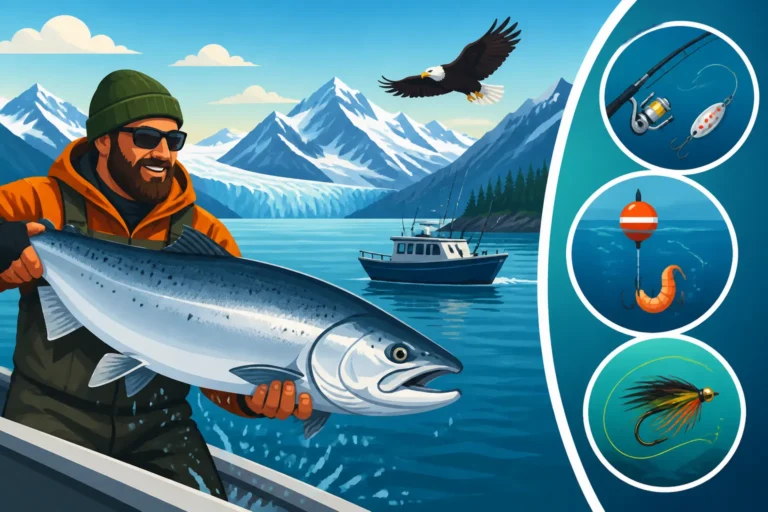
- Tackle and Flies: Pack a variety of flies: egg patterns (size 6-10), flesh flies, streamers (Sculpins, Zonkers), nymphs (Prince, Hare's Ear), and an assortment of dry flies for grayling. For spin fishing, bring an array of small spinners (Mepps, Panther Martin), spoons, and perhaps some small jigs. Don't forget tippet, leader, and a sturdy landing net. You can stock up on many of these items before your trip via Amazon to ensure you have exactly what you need. A thorough Alaska Fishing Gear and Tackle Guide can help you refine your packing list.
Booking Guides, Charters, and Accommodations: Plan Ahead
Alaska's prime fishing seasons, especially for trout, can be incredibly busy. Waiting until the last minute is a recipe for disappointment.
- Guides are Key: For many, especially first-timers, hiring an experienced local guide is invaluable. They know the rivers, the fish, and the ever-changing conditions. Guides often provide all necessary gear, shore lunches, and the local knowledge that turns a good trip into an unforgettable one. Research and book your guide as far in advance as possible, especially if you're targeting peak salmon egg drop season.
- Lodging: Accommodations, from rustic cabins to luxury lodges, also book up fast. If you're planning a trip to a popular area like Cooper Landing or the Bristol Bay region, securing your lodging simultaneously with your guide is a smart move.
- Fly-Outs: For those seeking true wilderness and massive rainbows in remote areas, a fly-out fishing trip to a lodge in regions like Bristol Bay is the ultimate experience. These trips are typically all-inclusive and must be booked sometimes a year or more in advance due to high demand.
Navigating Regulations and Emergency Orders: Stay Informed
Alaska fishing regulations are complex and can change frequently due to fish stock fluctuations, especially for salmon, which directly impact trout.
- Regulation Booklet: Always obtain and thoroughly read the current Alaska Sport Fishing Regulations booklet for the specific region you'll be fishing. You can usually find these online or at any license vendor. Our Alaska Fishing Regulations Explained guide offers a great overview.
- Emergency Orders: The Alaska Department of Fish and Game (ADF&G) issues emergency orders to adjust bag limits, close fisheries, or alter tackle restrictions mid-season. These can happen with little notice. Always check the ADF&G website or hotline before heading out each day. A prime example is how emergency orders affecting King Salmon can influence when you're allowed to use certain gear in river sections that also hold trout.
- Licenses and Stamps: Don't forget your Alaska Fishing License: Complete Guide, and if you're targeting King Salmon at all, even incidentally, you'll need an Alaska King Salmon Stamp Requirements. Even if you're focused on trout, these might be required if you're in waters where kings are present.
Conclusion: Your Best Trout Fishing Trip Awaits
Ultimately, the "best" trout fishing in Alaska is a personal choice, but armed with this knowledge, you can tailor your trip to your specific angling dreams. Whether you envision battling a monster, egg-fed rainbow in Bristol Bay in September, delicate dry-fly presentations to Arctic Grayling in Interior Alaska in July, or stalking sea-run cutthroat in Southeast during the spring, Alaska has a peak season waiting for you. The key is to understand the interconnectedness of the ecosystem, especially the salmon runs, and plan well in advance. Get your gear in order, pick your target species and region, and prepare for an unforgettable adventure in the last frontier!
Disclaimer
The information provided in this guide is for general informational purposes only and does not constitute professional advice. Fishing regulations and conditions in Alaska can change rapidly. Always consult the latest official Alaska Department of Fish and Game regulations and emergency orders before planning or engaging in any fishing activity. Adherence to all local, state, and federal laws is the responsibility of the individual angler.