When Is Halibut Season in Alaska
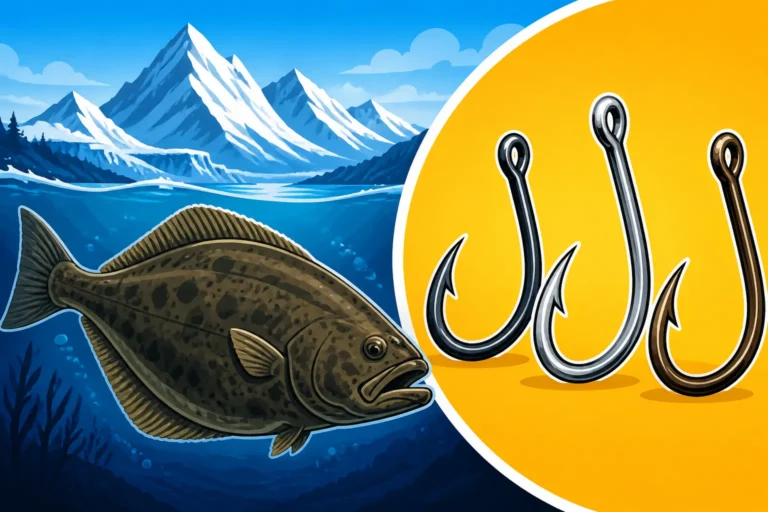
Planning a trip to fish for the mighty halibut in Alaska can feel like navigating a maze of ever-changing rules and seasonal windows. Many anglers get frustrated trying to pin down the exact "halibut season," only to find that it's not a single, clear-cut date but a dynamic set of regulations that depend on whether you're fishing with a charter, going unguided, and even where in Alaska you plan to drop a line. This comprehensive guide is here to untangle that complexity, giving you a clear picture of when and how to plan your pursuit of the "barn door" of the deep.
Understanding Alaska's Halibut Season Basics
When people talk about halibut season in Alaska, they're often thinking about the months when these prized flatfish are most accessible and when sport fishing is officially permitted. It's not just a free-for-all; the season is carefully managed to ensure the sustainability of the population, a critical aspect of Alaska's natural resources. This management involves international bodies and local state agencies, all working to balance the needs of various fishing sectors.
The General Window for Halibut Fishing
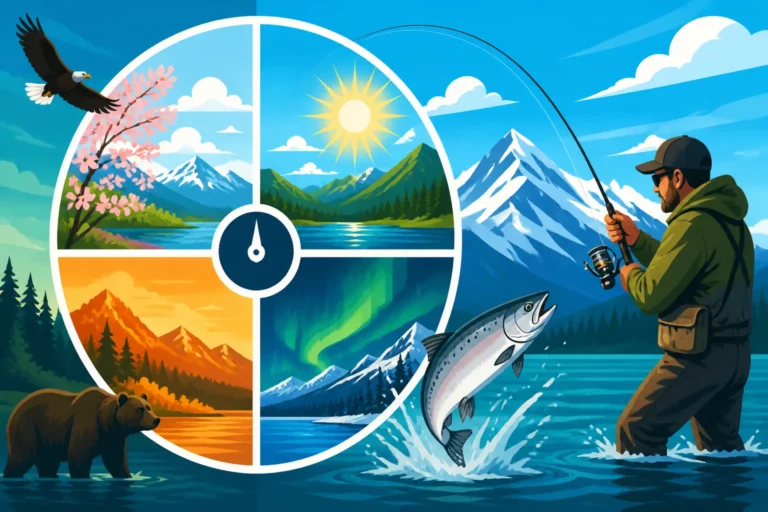
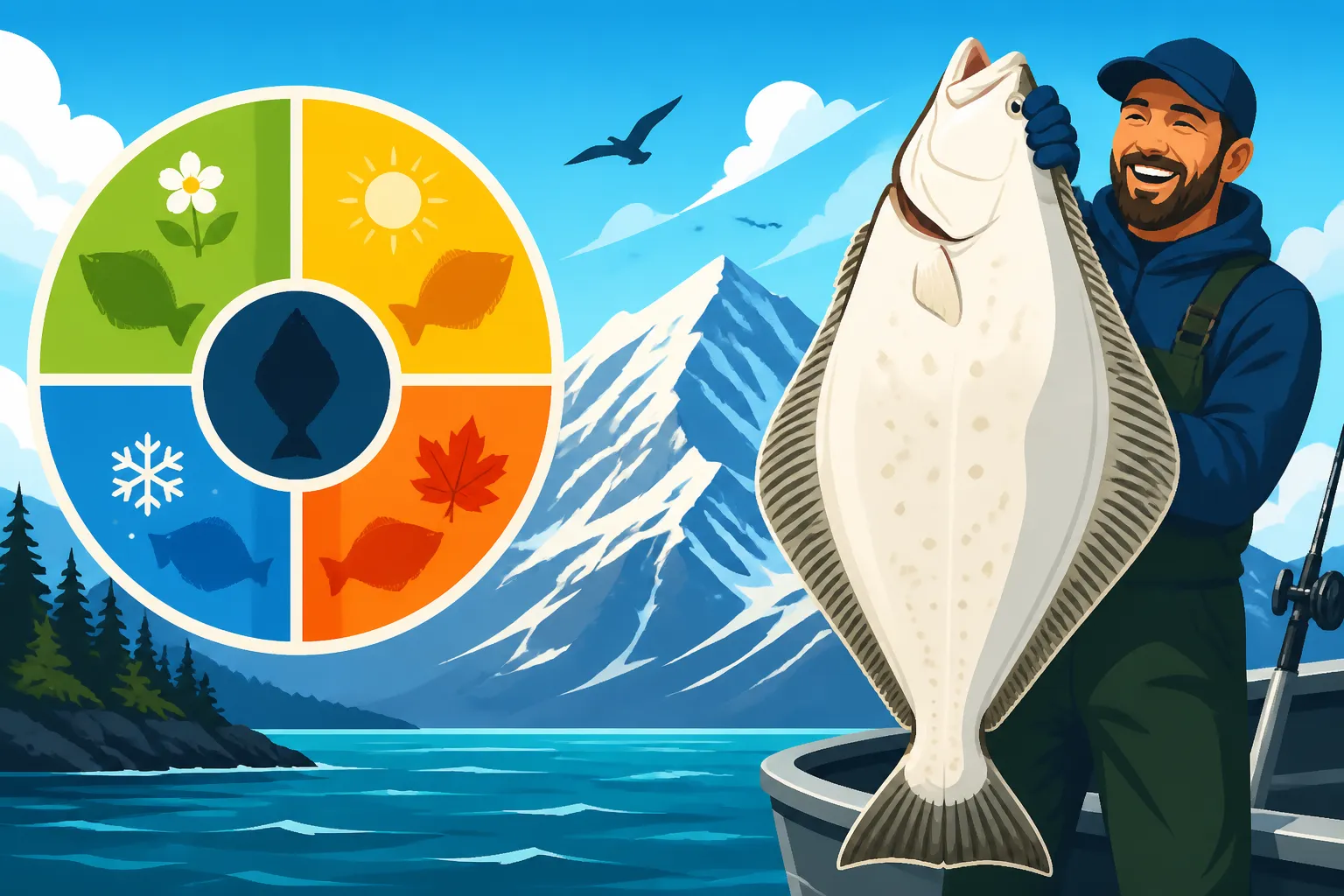
For the vast majority of recreational anglers, the halibut fishing season in Alaska generally runs from early May through mid-September. This broad timeframe covers the period when halibut are most reliably found in shallower waters, making them accessible to sport fishermen. Outside of these months, halibut tend to move into much deeper, offshore waters, making them significantly harder to target and less common for sport fishing operations. While a few dedicated anglers might target them year-round in certain areas, the prime and most accessible window is firmly within those summer months.
It's tempting to think of this as one long, uninterrupted period, but that's rarely the case in Alaska. Within this general window, factors like weather, fish migration patterns, and, most importantly, ever-evolving regulations dictate the true "best" or even "legal" days to fish. For instance, early May might see some charters just shaking off the winter rust, targeting eager but perhaps smaller fish. By July and August, the season is in full swing, with boats constantly heading out from ports like Homer and Seward.
Distinguishing Between Commercial and Sport Seasons
One common source of confusion stems from the different "seasons" that exist for halibut. There's a major distinction between the commercial fishing season and the sport fishing season. Commercial halibut fishing operates under a completely different set of quotas, timelines, and regulations, managed by the International Pacific Halibut Commission (IPHC) and then allocated by the National Marine Fisheries Service (NMFS) through Individual Fishing Quotas (IFQs). When you hear news reports about halibut quotas being met or commercial closures, those typically do not directly affect recreational anglers.
The sport fishing season, which this guide focuses on, is primarily managed by the Alaska Department of Fish and Game (ADF&G) and aligns with the broader IPHC management guidelines for recreational harvest. ADF&G sets specific bag limits, size restrictions, and other rules designed to ensure sport anglers get a fair chance while also protecting the resource. So, if you're planning a personal fishing trip or booking a charter, you'll be operating under the sport fishing regulations, which are usually much more stable within the defined May-September window than the sometimes volatile commercial season.
Diving into Sport Fishing Regulations and Timelines
Now, let's get into the nitty-gritty of what really impacts when and how you can chase halibut as a sport angler. Alaska's approach to managing halibut, particularly for guided trips, is nuanced and often changes from year to year to reflect the health of the halibut stock and angler effort. This is where it gets really important to pay close attention to the details.
Charter vs. Unguided Angler Rules
This is perhaps the most critical distinction you'll encounter. If you plan to fish for halibut from a charter boat with a licensed guide, your regulations will likely be different, and often more restrictive, than if you're heading out on your own boat or with friends as an unguided angler. The federal government, through the IPHC and NMFS, imposes specific rules on guided halibut fishing in certain areas, particularly in popular regions like Southcentral Alaska (IPHC Area 3A) and Southeast Alaska (IPHC Area 2C). For instance, in recent years, anglers on guided charters in Area 3A (which includes ports like Homer, Seward, and Valdez) have often been limited to one halibut per day, sometimes with a "reverse slot limit" – meaning you can keep one fish under a certain size (like 32 inches) OR one fish over a larger size (like 40 inches), but not in between. There might even be an annual limit for non-resident anglers on charters.
Unguided anglers, on the other hand, typically enjoy a more generous daily bag limit, often two halibut per person per day, without the same restrictive slot limits, though possession limits still apply. This is a significant factor in deciding how you want to fish. If you're coming to Alaska primarily for halibut and want to maximize your catch, an unguided trip might offer more flexibility in terms of daily take-home, provided you have the boat, gear, and expertise. However, a charter provides local knowledge, safety, and all the necessary equipment. Understanding these nuances is crucial, and you can delve deeper into Alaska Halibut Charter Regulations Explained for more specific details.
Key Seasonal Restrictions and Emergency Orders
Just when you think you've got it figured out, Alaska throws a curveball. Even within the official May to September season, specific days or even entire weeks can be closed to charter halibut fishing, or bag limits can be altered due to in-season changes. A prominent example has been the "Thursday closures" in Area 3A for charter halibut fishing, meaning no guided halibut fishing is permitted on Thursdays. These closures are implemented to spread out fishing pressure and ensure the annual harvest guideline isn't exceeded too quickly. These kinds of restrictions are implemented through what are called "Emergency Orders."
Emergency Orders are real-time changes to fishing regulations that the ADF&G issues to respond to changing fish runs, conservation concerns, or harvest rates. They can be announced with little notice and can significantly impact your fishing plans. Imagine booking a charter for a specific date, only to find out a week before your trip that halibut fishing is closed that day for charters. It's a valid frustration many anglers face. While unguided fishing is generally less affected by these daily or weekly closures, both guided and unguided anglers are always subject to overall possession limits and annual harvest quotas, which can see the season close early if those quotas are met. For a better understanding of how these changes happen, check out Alaska Fishing Emergency Orders Explained.
The Importance of Checking Local Regulations
Given the dynamic nature of Alaska's fishing rules, relying solely on information from months ago or from a general brochure just won't cut it. Before you even pack your bags, and certainly before you head out on the water, you must check the current regulations specific to the area you'll be fishing. Regulations vary not just between charter and unguided, but also significantly by region. For example, rules in Southeast Alaska (around Juneau or Sitka) can be different from those in Southcentral (around Homer or Seward).
The Alaska Department of Fish and Game (ADF&G) website is your absolute best friend for this. They publish annual sport fishing regulation booklets, and more importantly, they issue emergency orders that provide the most up-to-date information. Many local charter operators and tackle shops also keep abreast of the latest changes. Don't be shy about calling your guide or a local outfitter a week or two before your trip to confirm the current situation. A little proactive research can save you a lot of disappointment. If you want to dive deeper into parsing the regulations, reading How to Read Alaska Fishing Regulations can be a huge help.
Here's a quick overview of how the season typically plays out for sport anglers:
| Month | General Availability | Charter Restrictions (Common) | Unguided Experience (Common) | Notes |
|---|---|---|---|---|
| May | Good | Daily/size limits apply | 2 fish/day, no size limits | Early season, fewer crowds, weather can be mixed, fish often deeper. |
| June | Excellent | Daily/size limits apply, potential Thursday closures | 2 fish/day, no size limits | Consistent fishing, good weather starts, increasing boat traffic. |
| July | Peak | Daily/size limits, common Thursday closures | 2 fish/day, no size limits | Prime time, best weather, highest success rates, heaviest boat traffic. |
| August | Excellent | Daily/size limits, potential Thursday closures | 2 fish/day, no size limits | Still strong fishing, weather can turn, tourist season tapers slightly. |
| September | Good | Daily/size limits apply | 2 fish/day, no size limits | Fewer anglers, fish actively feeding, cooler weather, shorter daylight. |
| Oct-Apr | Very Limited | Closed for sport charters | Very difficult to target | Halibut move to deep waters; not a viable sport fishing season. |
Note: This table reflects typical conditions and regulations. Always check current ADF&G regulations and emergency orders for your specific area before fishing.
Optimizing Your Trip: Best Times Within Halibut Season
Knowing the overall halibut season is one thing, but pinpointing the best time for your specific fishing goals is another. The "best" time can mean different things to different anglers – some prioritize catching a monster, others want consistent action, and some simply want to avoid the crowds. Let's break down the season into early, peak, and late windows.
Early Season Fishing (May – Early June)
Fishing for halibut in the early season, typically from the beginning of May through the first couple of weeks of June, offers a distinct experience. The air is often crisp, the snow-capped mountains still dominate the skyline, and there's a certain quiet anticipation on the water. You might find fewer boats at the popular fishing grounds out of Homer or Seward, which can be a huge plus for those who prefer a more solitary experience. The halibut are often hungry after the lean winter months and can be quite aggressive.
However, early season fishing can also come with its challenges. The weather can be less predictable, with colder temperatures, more wind, and choppier seas being a possibility. Halibut might also be found in slightly deeper waters as they transition from their wintering grounds, requiring heavier gear and a bit more effort to locate them. While trophy-sized fish can certainly be caught, you might find a higher proportion of smaller, "chicken" halibut (under 30 pounds). For anglers who are patient, prepared for cooler conditions, and enjoy a less crowded environment, early season can be incredibly rewarding. If you're wondering what other species might be biting, take a look at Alaska Fishing in May: What's Biting.
Peak Season Fishing (Mid-June – August)
This is arguably the most popular time to fish for halibut in Alaska. From mid-June through the end of August, the weather is generally at its warmest and most stable, daylight hours are long (thanks to the midnight sun!), and halibut are typically concentrated in more accessible depths. This is when the most boats are out on the water, charters are running full schedules, and the bustling fishing towns truly come alive. If your goal is the highest chance of consistent action and potentially landing that "barn door" halibut, this is your prime window.
During peak season, many anglers will find success bottom fishing with bait like herring, salmon heads, or octopus, or jigging with large metal jigs. The sheer number of fish moving through the feeding grounds means more opportunities. However, the popularity comes with a trade-off: more crowds. Fishing hot spots might see several boats clustered together, and booking a prime charter spot requires planning well in advance – sometimes a year or more out! This is also the period when charter halibut regulations are often at their most restrictive, with daily bag limits, size restrictions, and potential weekly closures (like those infamous Thursdays) being most common. For a deep dive into hitting this sweet spot, check out Best Time to Catch Halibut in Alaska and Alaska Fishing in July: What's Biting.
Late Season Fishing (September)
As September rolls around, Alaska starts to feel the first hints of autumn. The days grow noticeably shorter, the air gets a definite chill, but the fishing can remain absolutely stellar. For many seasoned Alaska anglers, late season is a hidden gem. The summer crowds have largely dissipated, meaning less competition on the water and a more serene experience. Charter availability opens up, and you might even find some deals.
Halibut in September are often aggressively feeding, bulking up for the winter ahead. This can lead to some fantastic action, and many of the biggest halibut of the year are often landed in late summer and early fall. However, you'll need to be prepared for potentially more challenging weather. Storms are more frequent, and seas can be rougher, which might lead to more canceled or rescheduled trips. Nevertheless, if you're flexible with your dates and equipped for cooler conditions, late season can offer some of the most memorable and productive halibut fishing experiences. Read up on Alaska Fishing in September: What's Biting to plan your autumnal adventure.
Planning Your Halibut Adventure
Regardless of when you decide to embark on your Alaskan halibut quest, a bit of thoughtful preparation can make all the difference between a frustrating trip and a memory-making adventure. From the gear you bring to how you book your experience, every detail counts in the Last Frontier.
Gear and Preparation for Halibut Season
When it comes to gear, halibut are powerful fish that demand heavy-duty tackle. You'll typically need stout rods capable of handling 50-80 pound line, paired with strong conventional reels loaded with braided line. The bait and jigs will vary, but large circle hooks, heavy lead weights (often 1-3 pounds or more to get down to the bottom in deep currents), and substantial jigs (like a 16-ounce glow jig) are standard. Many charters provide all the necessary gear, but it's always good to confirm.
Beyond fishing gear, your personal preparation is key. Alaska's weather is famously unpredictable. Layers are your best friend. Even on a sunny summer day, the marine air can be cold, and a sudden squall can drop temperatures rapidly. Think waterproof outer layers (rain jackets and pants are essential), warm underlayers (fleece or wool), waterproof boots, and good quality gloves. Sunscreen and sunglasses are also important, as the sun's glare off the water can be intense. You can find a wide range of suitable rain gear, sturdy gloves, and fishing accessories on platforms like Amazon if you're stocking up before your trip. For a complete rundown, check out the Alaska Fishing Gear and Tackle Guide and tips on How to Dress for Alaska Fishing.
Booking Your Trip: Charters and DIY Considerations
Deciding between a guided charter or an unguided, do-it-yourself trip is a fundamental choice for halibut fishing. If you're a first-timer to Alaska or not experienced with big game saltwater fishing, a charter is almost always the best option. Experienced guides know where the fish are, how to deal with the challenging Alaskan waters, and can quickly adapt to changing conditions and regulations. Booking well in advance, especially for the peak season (June-August), is non-negotiable. Top charters often fill up a year out. Looking at Alaska Fishing Charters: Complete Guide can give you a great head start.
For those with their own boats, extensive local knowledge, and an adventurous spirit, unguided fishing offers maximum freedom and often more generous bag limits. However, it also comes with significant responsibilities regarding safety, navigation, and understanding the complex regulations. The waters of Kachemak Bay out of Homer, or Prince William Sound from Whittier or Valdez, can be vast and unforgiving. Ensure you have all the necessary safety equipment, marine charts, and emergency communication devices. Regardless of your choice, a thorough understanding of current regulations, specifically for your angler type and fishing location, is paramount. If you're ready to start planning, explore How to Book an Alaska Fishing Trip and consider guides like Best Halibut Charters in Alaska for a successful outing.
Disclaimer
The information provided in this guide is for general informational purposes only and is based on typical conditions and regulations. Alaska fishing regulations, including those for halibut, are subject to change frequently due to emergency orders and annual adjustments by the Alaska Department of Fish and Game (ADF&G) and federal agencies. Always consult the official ADF&G website and current sport fishing regulations for the specific area you plan to fish before heading out. Fishing involves inherent risks; always prioritize safety.