Plunking in Alaska: How-To Guide
Anyone who's spent time on Alaska's rivers knows the frustration of trying to hold your bait in the strike zone against a relentless current. You cast, you drift, and before you know it, your offering is swept downstream, past the very spot you know fish are holding. It's a constant battle, especially when targeting powerful salmon and steelhead in fast-moving water. This comprehensive guide is here to demystify "plunking," a highly effective, yet often misunderstood, fishing technique that can dramatically increase your success rate in Alaska's challenging river environments.
Understanding Plunking: What It Is and Why It Works in Alaska
Plunking, at its core, is a stationary fishing technique where your bait or lure is held in one place on the river bottom, allowing the current to carry its scent or action to passing fish. It's a fantastic alternative to traditional drift fishing, especially when you're dealing with strong currents, deep holes, or simply want to cover a specific stretch of water without constant casting and retrieving. Many anglers shy away from it, thinking it's too passive, but in the right conditions, it can be incredibly productive, often out-fishing other methods.
The Basic Mechanics of Plunking
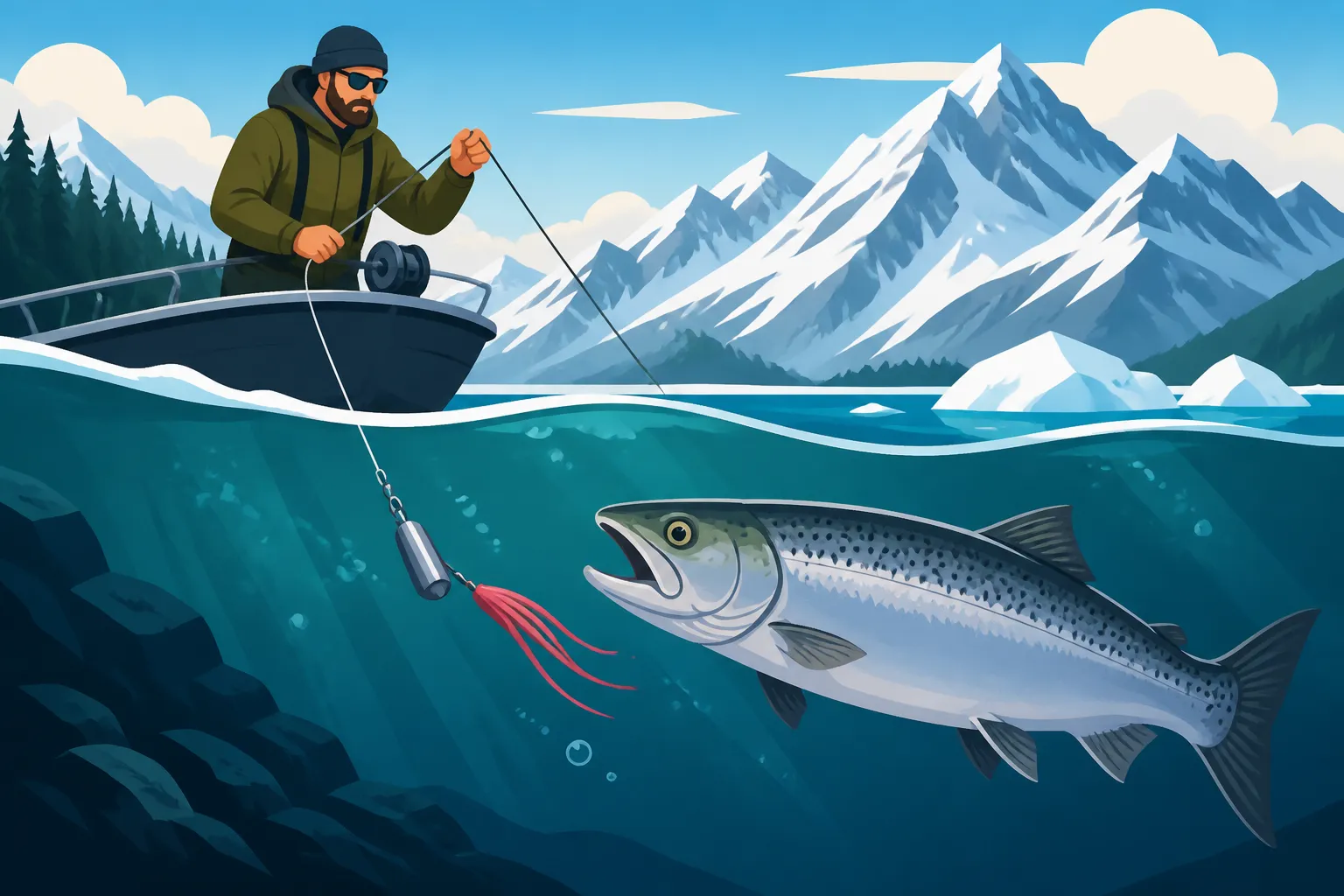
Imagine a piece of bait, perfectly positioned, fluttering subtly in the current, just waiting for a fish to swim by. That's the essence of plunking. The technique involves using a heavy weight to anchor your rig to the riverbed, while your bait or lure is attached via a leader that allows it to float or drift naturally a short distance from the main line. The current does all the work, disseminating scent and motion, drawing fish in. It's less about active pursuit and more about passive presentation, letting the fish come to you.
The typical plunking setup involves a mainline, a heavy sinker or pyramid weight, and then a leader that extends either upstream or downstream from the weight, usually with a spinner, spoon, or bait offering. This creates a stable anchor point, even in roaring glacial rivers, ensuring your presentation remains in the prime feeding lane. It might sound simple, but the nuances of weight placement, leader length, and bait choice can make all the difference between a slow day and a banner catch.
Why Alaska's Rivers and Fish are Perfect for Plunking
Alaska's rivers are legendary for their power and the sheer volume of fish that pass through them. From the mighty Kenai River, known for its massive King Salmon, to the fast-flowing tributaries teeming with Sockeye and Silver Salmon, these waterways present unique challenges. Strong currents can make traditional drift fishing a constant struggle, requiring heavy gear and precise casting. This is where plunking truly shines.
Many of Alaska's most sought-after species, like salmon and steelhead, tend to hold in specific travel lanes or eddies as they migrate upstream. These fish often aren't actively feeding but are aggressive towards perceived threats or territorial intruders. A stationary bait or lure, vibrating or emitting scent in their direct path, can be irresistible. Furthermore, the sheer density of fish during peak runs means that even if they're not actively biting, enough fish will pass by your stationary offering to generate strikes. Plunking also allows anglers to effectively fish deep holes or swift channels that are difficult to cover with other methods, making it one of the best fishing techniques for Alaska.
Consider a scenario on the Kasilof River during a busy King Salmon run. Anglers are shoulder-to-shoulder, casting and drifting. With plunking, you can effectively anchor your presentation in a known travel lane, letting it soak for extended periods, maximizing your chances without constantly recasting over other anglers' lines. It's a strategic advantage in crowded areas or when fish are concentrated in specific, hard-to-reach pockets.
Essential Gear for Alaska Plunking
Just like any specialized fishing technique, successful plunking in Alaska requires the right tools for the job. You can't just grab your ultralight trout rod and expect to hold bottom in a glacial river. The gear needs to be robust, capable of handling heavy weights, strong currents, and powerful fish. Investing in quality equipment will not only make your experience more enjoyable but also increase your chances of landing that trophy fish.
Rods, Reels, and Line Selection
For plunking in Alaska, you'll want gear that can take a beating and still perform. Think heavy-duty.
- Rods: A medium-heavy to heavy power rod, typically 9 to 12 feet in length, is ideal. The longer length helps you cast heavy weights, keep your line clear of snags, and absorb the shock of a hard-fighting fish. A moderate-fast action is usually preferred, offering enough backbone to set the hook and fight big fish, while still having enough tip flexibility to show subtle bites. Brands like Lamiglas, Fenwick, and Ugly Stik make excellent salmon/steelhead rods that are perfect for plunking.
- Reels: A sturdy baitcasting reel is generally recommended for plunking. Look for models with a high line capacity, a strong drag system, and durable components. Level-wind features are a bonus, helping with even line retrieval. Some anglers prefer large spinning reels, especially if they're used to casting them, but the brute strength and direct feel of a baitcaster often make it the top choice for heavy plunking rigs. Ensure your reel can comfortably hold at least 200 yards of your chosen mainline.
- Line: When it comes to mainline, braided line is king for plunking. Its low stretch provides excellent sensitivity, allowing you to feel even the slightest tap, and its incredible strength-to-diameter ratio means you can use lighter test lines for greater casting distance without sacrificing power. A 30-50 lb test braid is common. Remember, you'll be tying on leaders later, so choose a mainline that can handle the initial shock of a strike and the heavy current. For leader material, fluorocarbon in 20-40 lb test is popular due to its abrasion resistance and invisibility underwater. You can find a wide selection of these lines and reels on platforms like Amazon.
Terminal Tackle: Weights, Leaders, and Hooks
This is where the "plunk" in plunking really comes into play. Your terminal tackle is what gets your offering down and holds it there.
- Weights: Pyramid sinkers are the workhorses of plunking. Their shape helps them dig into the riverbed, preventing them from rolling in heavy current. You'll need a range of weights, from 3 ounces up to a hefty 10 ounces or more, depending on the river's flow and depth. Other options include flat disc weights or cannonball sinkers, but pyramids are the most popular for their holding power. It’s always smart to carry a variety, as river conditions can change quickly.
- Leaders: The length and strength of your leader are crucial. For salmon, a 20-40 lb fluorocarbon leader, 24 to 48 inches long, is typical. Shorter leaders keep your bait closer to the bottom, while longer leaders allow for more natural movement in the current. Some anglers use a three-way swivel setup, with one leader to the weight and another to the bait/lure. A sliding dropper rig, where the weight slides on the main line above a swivel, is also very common as it allows the fish to pick up the bait without immediately feeling the weight.
- Hooks: The type and size of hook depend on your bait and target species. For cured eggs or bait, single hooks ranging from 1/0 to 5/0 are often used. For artificial lures like Brad's Wiggler or Kwikfish, the lure itself will have treble hooks. Always ensure your hooks are sharp and strong enough to handle the powerful jaws and fighting prowess of Alaskan fish. Remember to check Alaska Barbless Hook Requirements if you're fishing in designated areas.
The Right Bait and Lures for Plunking
Choosing what to put on the end of your line is an art form in itself, and for plunking, presentation and scent are paramount.
- Cured Salmon Eggs: These are a perennial favorite for salmon and steelhead. The potent scent trail they leave in the current is a huge draw. You can use skeins (chunks of roe) or individual eggs tied in mesh bags. Many anglers have their own secret curing recipes, but commercially prepared cured eggs are also very effective.
- Artificial Lures: Plunking isn't just for bait. Hard-bodied plugs like the Kwikfish or Brad's Killer Fishing Gear Wiggler are fantastic. These lures have an aggressive wobbling action that creates vibrations fish can detect from a distance, even in murky water. They are designed to dive and wiggle in current, making them ideal for a stationary presentation. Choosing bright, contrasting colors can also be very effective, especially in lower light conditions or stained water.
- Spoons and Spinners: While often associated with casting and retrieving, spoons and large spinners can also be effectively plunked, especially when positioned correctly to flutter and spin in the current. Brands like Blue Fox and Mepps offer larger spinners that can create a lot of flash and vibration. These are particularly good for attracting aggressive salmon.
- Table: Common Plunking Weights and Applications
| Weight Type | Typical Weight Range | Best For | Key Characteristic |
|---|---|---|---|
| Pyramid Sinker | 3 oz – 10+ oz | Strong currents, rocky bottoms | Triangular shape digs into substrate, minimizing roll. |
| Flat Disc Sinker | 2 oz – 8 oz | Moderate currents, sandy/gravel bottoms | Low profile, less likely to snag than pyramids in some situations, good for softer bottoms. |
| Cannonball Sinker | 2 oz – 12+ oz | Very strong currents, deep holes | Heavy and compact, ideal for getting down quickly and staying put in extreme conditions. |
| Sputnik Sinker | 4 oz – 8 oz | Soft bottoms, extreme current | Wires dig into soft bottoms for maximum hold, can be harder to retrieve. |
Having a variety of these baits and lures, easily accessible in your tackle box, will allow you to adapt to changing conditions and fish preferences throughout the day. You can find many of these specific items on Amazon, making it easy to stock up before your trip.
Mastering Plunking Techniques and Strategies
Plunking isn't just about throwing a heavy weight into the river. There's a real art to it, requiring an understanding of river dynamics, fish behavior, and precise rigging. Once you grasp these fundamentals, you'll see why it's such a valuable technique for Alaska fishing.
Reading the River: Best Spots for Plunking
Successful plunking starts with knowing where to plunk. You're looking for areas where fish are likely to hold or travel, especially those that offer a break from the main current.
- Current Seams and Eddy Lines: These are prime locations. A current seam is where fast water meets slower water, creating a distinct line. Fish often sit just out of the main current, conserving energy, and dart into the faster flow to grab passing food or react to a lure. Eddy lines, where the current flows backward or creates a swirling motion, are also excellent holding spots. Positioning your rig so your bait is dancing right in these transition zones is key.
- Deep Pools and Runs: Plunking excels in deep water where it's hard to get a consistent drift. Look for deep holes that offer sanctuary for migrating fish. Long, deep runs with a consistent bottom are also great for lining up multiple plunking rigs, allowing your scent trail to disseminate widely.
- Behind Obstructions: Boulders, downed trees, and even subtle changes in the riverbed can create current breaks. Fish will congregate behind these natural shields. Casting your plunking rig just upstream of such an obstruction, allowing your bait to settle directly into the calmer water behind it, can be incredibly effective. Understanding How Tides Affect Alaska Salmon Fishing in tidal rivers can also inform your choice of plunking spots, as rising or falling tides can create new current breaks and fish pathways.
Setting Up Your Plunking Rig Step-by-Step
There are several popular plunking rig configurations, but a common and effective one is the sliding dropper rig.
- Mainline to Bead/Swivel: Start by sliding a plastic bead onto your main braided line. This acts as a buffer.
- Sliding Sinker Slide: Next, thread a sliding sinker slide (a plastic sleeve with a snap swivel attached) onto your mainline. This is where your heavy weight will attach. The bead prevents the slide from abrading your knot to the swivel.
- Swivel: Tie a strong barrel swivel or a high-quality snap swivel to the end of your mainline using a Palomar or improved clinch knot. This swivel serves as your connection point for the leader and helps prevent line twist.
- Weight Attachment: Clip your chosen pyramid or disc sinker to the snap swivel on the sliding sinker slide. The weight should be heavy enough to hold bottom firmly.
- Leader to Swivel: To the other end of the barrel swivel (or the snap swivel if using a standard rig), tie your fluorocarbon leader. Its length can vary, but generally 24-48 inches for salmon, sometimes longer for steelhead.
- Bait/Lure: At the end of your leader, attach your lure (like a Kwikfish or Brad's Wiggler) or your hook with cured eggs/bait.
The beauty of the sliding dropper rig is that when a fish takes your bait, the mainline slides freely through the sinker slide, so the fish doesn't immediately feel the resistance of the heavy weight. This often results in a more confident take and a better hookset. For more general advice on tackle, check out the Alaska Fishing Gear and Tackle Guide.
Common Mistakes to Avoid When Plunking
Even though plunking might seem straightforward, there are a few pitfalls that can lead to frustration.
- Insufficient Weight: This is probably the most common mistake. If your weight isn't heavy enough, the current will constantly move your rig, snagging it or pulling it out of the strike zone. Don't be afraid to go heavy; a 6-ounce pyramid might seem like a lot, but it might be exactly what you need in a fast Alaska river.
- Wrong Leader Length: Too short, and your bait might get lost in the turbulence created by the weight. Too long, and it might drift too far out of the target zone or get tangled. Experiment with lengths to find what works for the specific current and depth you're fishing.
- Ignoring River Changes: Water levels and current speeds can fluctuate significantly throughout the day or season. A rig that worked perfectly an hour ago might be totally ineffective now. Pay attention to the river and adjust your weights and leader lengths accordingly.
- Lack of Patience: Plunking is a waiting game. Unlike active casting, you're relying on fish to come to you. Don't pull your rig in every five minutes. Let it soak. Give the scent time to spread, and the vibrations time to attract attention.
- Poor Hooksets: Because fish don't immediately feel the weight with a sliding rig, they often take the bait more aggressively. However, the slack created by the slide means you need a strong, deliberate hookset. Don't just lift; sweep the rod firmly to the side or overhead to ensure the hook penetrates properly.
Targeting Specific Alaska Species with Plunking
Plunking isn't a one-size-fits-all technique, but it's incredibly versatile for many of Alaska's prized game fish. Understanding the nuances for each species can greatly improve your success.
Plunking for King Salmon
King Salmon, also known as Chinook, are the largest and most sought-after salmon in Alaska. They are powerful, aggressive, and often hold in deeper, faster water as they push upstream. This makes them ideal targets for plunking.
- Prime Locations: Look for Kings in the deepest parts of major rivers like the Kenai and Kasilof, often in large, slow-moving pools adjacent to heavy currents or along distinct current seams. They'll also hold behind large boulders or log jams that offer a current break. Some of the Best Rivers for King Salmon in Alaska are perfect for this technique.
- Baits and Lures: Large, aggressive plugs like the Kwikfish (size K15 or K16) or Brad's Wiggler are incredibly effective. These lures, when fished correctly with a plunking rig, vibrate intensely in the current, mimicking an injured baitfish or a territorial intruder. Cured salmon roe, presented in a mesh bag on a single hook, is also a classic King Salmon killer. The scent trail can draw them in from a distance.
- Rigging and Weights: You'll typically need heavier weights for King Salmon plunking, often 6-10 ounces, especially in big rivers like the Kenai. A sliding dropper rig is excellent, allowing the King to fully commit to the take before feeling the weight. Leader strength should be robust, 30-50 lb fluorocarbon is not uncommon given their size and power.
- When to Plunk: King Salmon runs generally start in late May and run through July in many systems. Check When Do King Salmon Run in Alaska for specific river timings. Early morning and late evening can be particularly productive.
Plunking for Sockeye and Silver Salmon
Sockeye (Red) and Silver (Coho) Salmon are abundant in Alaska and provide fantastic fishing opportunities. While Sockeye are often "flossed" or "snagged" in certain fisheries, plunking with specific setups can also be highly effective, particularly for Silvers.
- Sockeye Salmon Plunking: Sockeye are known for being finicky biters, primarily feeding on plankton in saltwater. In freshwater, they are less aggressive towards traditional baits. However, in crowded "combat fishing" areas like the Russian River or certain stretches of the Kenai, a plunking rig with a small, brightly colored fly (often a sockeye fly with a small bead) can be effective by positioning it in their travel lanes and waiting for them to mouth it. This isn't traditional "flossing" but a stationary presentation that takes advantage of their sheer numbers. Always check Alaska Sockeye Salmon Fishing Regulations and Limits as rules can be highly specific for this species.
- Silver Salmon Plunking: Coho are more aggressive than Sockeye and will readily strike lures and baits. They often hold in slightly shallower, faster-moving water than Kings, particularly in the tails of pools or riffles.
- Lures and Baits: Smaller plugs (K11 or K13 Kwikfish), spinners (like size 4 or 5 Blue Fox Vibrax), and even bright coho flies or jigs tipped with a small piece of cured roe or shrimp can be deadly. Silver Salmon love flash and aggressive action.
- Rigging: You can often get away with slightly lighter weights (3-6 ounces) for Silvers compared to Kings. Leader strength of 20-30 lb fluorocarbon is usually sufficient.
- When to Plunk: Silver Salmon runs typically begin in late July and extend through September, making them a fantastic late-season target. Consult Alaska Salmon Run Timing Explained for detailed schedules.
Plunking for Steelhead and Trout
While salmon are the stars, Alaska also boasts incredible opportunities for Steelhead (sea-run Rainbow Trout) and resident Rainbow Trout. Plunking can be a stealthy and effective method for these wary fish, especially in larger rivers.
- Steelhead Plunking: Steelhead are notoriously challenging but incredibly rewarding. They often occupy similar water to salmon—current seams, riffle tails, and structured holding lies.
- Baits and Lures: Small plugs, like a size K7 or K9 Kwikfish, are excellent for Steelhead. They create just enough vibration without being overpowering. Fresh cured roe (single eggs or small clusters), sand shrimp, or even small jigs tipped with bait can also be very productive.
- Rigging: Lighten your tackle considerably for Steelhead. 12-20 lb mainline and 8-15 lb fluorocarbon leaders are typical. You'll also use lighter weights, often 1-4 ounces, to ensure a more delicate presentation. The sliding dropper rig still applies, allowing the Steelhead to pick up the bait without resistance.
- Regulations: Steelhead are often catch-and-release only, or have very strict harvest rules. Always check Alaska Steelhead Catch-and-Release Rules and local regulations before targeting them.
- Rainbow Trout Plunking: For resident Rainbow Trout in larger rivers, especially those that follow salmon runs and feed on eggs, plunking can be effective.
- Baits: Single cured salmon eggs, egg patterns (yarn or beads), or small chunks of bait are usually best.
- Rigging: Extremely light weights (1/2 to 2 ounces) and light leaders (6-10 lb fluorocarbon) are necessary for a natural presentation. Target trout in slower seams behind spawning salmon or in areas where eggs are washing downstream.
Safety and Etiquette for Plunking in Alaska
Fishing in Alaska is an incredible experience, but it comes with unique responsibilities. Whether you're a seasoned local or a first-time visitor, understanding safety and etiquette is paramount, especially when practicing a stationary technique like plunking.
Bear Safety and River Etiquette
Alaska is bear country, and many of the best fishing spots are also prime bear habitats. It's not uncommon to share the river with black bears and even brown bears (grizzlies), especially during salmon runs.
- Bear Safety:
- Make Noise: Don't surprise a bear. Talk loudly, sing, or carry a bear bell, especially when walking through dense brush along the riverbank.
- Carry Bear Spray: Always carry bear spray and know how to use it. Have it easily accessible on your hip or chest, not buried in your backpack. Bear spray is a deterrent, not a weapon, and is designed to create a burning sensation in a bear's eyes and respiratory system, giving you time to retreat.
- Store Food Properly: Keep all food and scented items in bear-resistant containers or hung from a tree. Never leave fish carcasses or entrails on the bank where they can attract bears. Either release them back into the main current or dispose of them in designated areas.
- Give Them Space: If you see a bear, give it a wide berth. Never approach or try to feed a bear. If a bear approaches you, stand your ground, make yourself look big, and yell.
- Fish Wisely: Avoid fishing in low light conditions (dawn/dusk) if you're particularly concerned, as bears are often more active then.
- River Etiquette: Plunking, by its nature, can tie up a section of river for an extended period. This makes good etiquette even more crucial.
- Respect Others' Space: Don't cast over other anglers' lines, especially if they are drift fishing. Maintain a respectful distance. On crowded rivers like the Kenai or Russian, courtesy and communication are key.
- Clean Up Your Trash: Leave no trace. Pack out everything you pack in, including fishing line, bait containers, and any other litter.
- Know Your Limits: Adhere strictly to Alaska Fishing Limits and Bag Limits Explained. Over-harvesting or disregard for limits creates conflict and damages the resource for everyone.
- Fish Education: Don't leave your rod unattended for extended periods. Be ready to retrieve your line or fight a fish promptly.
Navigating Regulations and Emergency Orders
Alaska's fishing regulations are complex and can change rapidly, particularly for sensitive fisheries like King Salmon. Staying informed is your responsibility.
- Annual Regulations Booklet: Always obtain and read the current year's Alaska Sport Fishing Regulations booklet. It's available online and at sporting goods stores throughout the state. Pay close attention to the specific regulations for the region and river you plan to fish. You can learn How to Read Alaska Fishing Regulations effectively.
- Emergency Orders: The Alaska Department of Fish and Game (ADF&G) frequently issues Emergency Orders (EOs) that can change bag limits, open/close fisheries, or alter gear restrictions with little notice. These EOs supersede the annual regulations booklet.
- How to Check: Before heading out each day, check the ADF&G website or call their local field offices for current EOs. Many local tackle shops and guides will also have up-to-date information. Missing an EO can result in significant fines and penalties. Learning How to Check Alaska Emergency Orders Before Fishing is a critical part of your trip planning.
- Examples: An emergency order might close a King Salmon fishery entirely, restrict anglers to unbaited, single-hook artificial lures, or implement specific size restrictions (like the Alaska Halibut Charter Reverse Slot Limit for saltwater fishing, though not directly applicable to plunking, it demonstrates the dynamic nature of regulations). For example, a prime King Salmon river might suddenly close to bait fishing due to low returns, requiring plunkers to switch to artificial plugs or cease fishing for Kings altogether.
By understanding and adhering to these safety and regulatory guidelines, you're not only protecting yourself and the environment but also ensuring a more enjoyable and sustainable fishing experience for everyone on Alaska's wild rivers.
Disclaimer
Fishing in Alaska involves inherent risks, including but not limited to changing weather conditions, encounters with wildlife, and variable river conditions. This guide provides general information and recommendations only. Always exercise caution, prioritize safety, and consult official sources like the Alaska Department of Fish and Game for the most current regulations and emergency orders before engaging in any fishing activities. The author and publisher are not responsible for any accidents, injuries, or legal infractions incurred while following the advice provided herein.