Best Time to Fish in Alaska
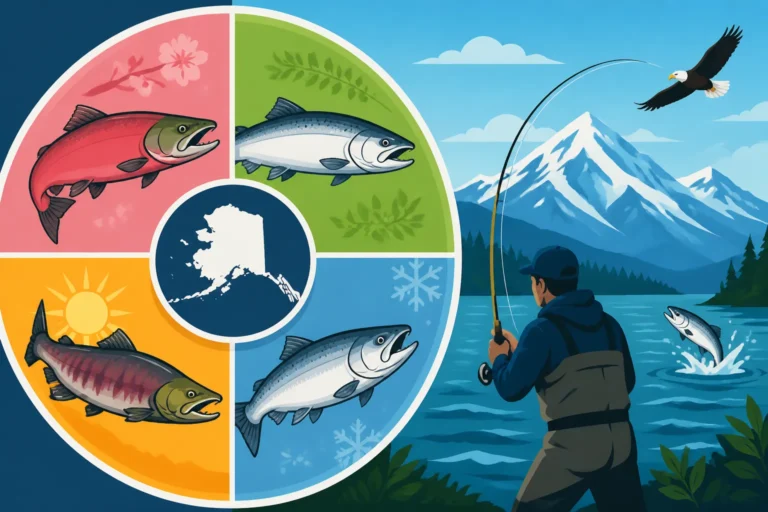
The age-old question for anyone dreaming of casting a line in the Last Frontier is, "When is the absolute best time to come to Alaska for fishing?" It's a question that can send even seasoned anglers into a research rabbit hole because, honestly, there's no single perfect answer. Alaska's fishing scene is a vibrant, ever-changing tapestry, with peak opportunities shifting dramatically based on the species you're after, the region you plan to visit, and even the whims of Mother Nature. This guide will cut through the confusion, helping you understand the seasonal rhythms and pinpoint the ideal window for your unforgettable Alaskan angling adventure.
Understanding Alaska's Fishing Seasons: It's Not Just One "Best Time"
Many people imagine Alaska as a place where you can just show up anytime in summer and catch limits of everything. While Alaska is incredibly generous, that's not quite how it works. The sheer scale of the state, combined with its diverse ecosystems, means that "peak season" is highly specialized. What might be phenomenal for King Salmon on the Kenai River in June could be a ghost town for Sockeye in July, or a completely different experience for Halibut in Southeast Alaska. Understanding this nuance is key to not only a successful trip but also avoiding disappointment.
The Dynamic Nature of Alaska's Fisheries
Alaska's fisheries are a wild, dynamic system, driven by the instinctual migrations of anadromous fish like salmon and the feeding patterns of resident species. Unlike stocked ponds or highly controlled fisheries elsewhere, the timing of runs and the availability of certain species are heavily influenced by natural factors. This means that a "hot" week one year might be a "slow" week the next, though general trends remain consistent. The beauty of it is that this wildness is precisely what makes Alaska fishing so exhilarating and rewarding. You're truly part of a natural cycle, not just participating in a put-and-take scenario.
Thinking about it, the term "season" itself is a fluid concept here. For some fish, like King Salmon, their season can be as narrow as a few weeks in a specific river, while for others, like certain trout populations, they might be present year-round. This is why many anglers become obsessed with Alaska Salmon Run Timing Explained, dedicating countless hours to predicting the precise moment the fish will arrive. It's a puzzle, and solving it means a fuller cooler and an even richer experience.
Factors Influencing Peak Fishing Times
So, what makes a specific time "peak" for a particular fish? It's a confluence of several environmental and biological factors. First and foremost are water temperature and flow. Salmon, for instance, are highly sensitive to these conditions, which dictate when they'll enter freshwater systems from the ocean. A warm, dry spring might mean earlier, lower water runs, while a cold, wet spring could delay things.
Secondly, the biological clock of the fish themselves is paramount. Each species has an evolutionary timetable for spawning, which dictates their migration patterns. This is why knowing the life cycle of Alaska Sockeye Salmon Explained or Alaska King Salmon: Complete Guide is so crucial. Lastly, localized factors like tides in saltwater estuaries, available food sources, and even human pressure (which can lead to emergency closures) all play a role. These elements interact in complex ways, making fishing forecasting both an art and a science, often requiring checking Alaska Fishing Emergency Orders Explained right up to the last minute.
Spring Fishing in Alaska: Awakening Waters (May-Early June)
As the days lengthen and the snowmelt begins to swell the rivers, Alaska awakens from its long winter slumber. Spring fishing, typically from May through early June, is a time of anticipation and often a surprisingly productive period for those in the know. It's not the massive, combat-style salmon fishing of mid-summer, but rather a more serene, focused pursuit of the early risers. The landscapes are often still dusted with snow on the peaks, and the air has a crisp, invigorating freshness.
Early King Salmon Opportunities
For many, spring in Alaska means one thing: the first push of King Salmon, also known as Chinook. These magnificent fish are the largest of the Pacific salmon, and the early season offers a unique chance to target them before the main throngs arrive. Rivers like the Copper River and the Kasilof River often see their first substantial King Salmon runs starting in mid-May. While numbers might not be as high as later in the summer, the fish are often aggressive, fresh from the ocean, and absolutely spectacular fighters.
Anglers targeting early Kings are often rewarded with bright, chrome-colored fish that are incredibly powerful. Techniques often involve back-trolling with Kwikfish or pulling cured roe, especially in the larger river systems. If you're looking to maximize your chances, booking a guided trip during this window can be particularly beneficial, as experienced guides know the subtle signs of these early runs. While you'll need to check specific dates and regulations, the thrill of hooking into a fresh King in the quiet beauty of a late spring Alaskan morning is truly unparalleled. Just remember that regulations, especially for Kings, can be very dynamic, so always be up-to-date on Alaska King Salmon Fishing Regulations and Limits.
Freshwater Trout and Char Action
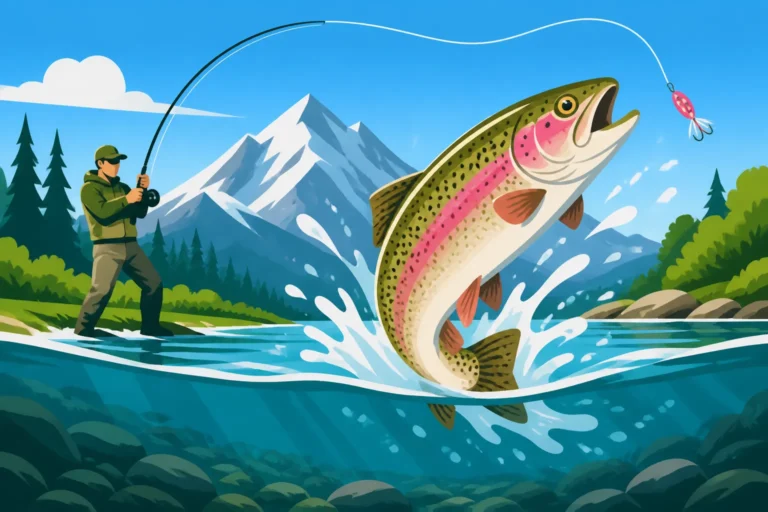
Beyond the early Kings, spring also offers fantastic opportunities for freshwater resident species. As river ice breaks up and lakes thaw, hungry Rainbow Trout, Dolly Varden, and Arctic Grayling become very active. They're often eager to feed after a lean winter, making them highly susceptible to well-presented flies or spin gear. Areas on the Kenai Peninsula, particularly around Cooper Landing and the middle Kenai River, can be stellar for Rainbow Trout.
Imagine wading into a pristine stream, surrounded by budding alders, with trout rising to emerging insects. This is the essence of spring trout fishing in Alaska. Many of these fish, especially the larger Rainbows, will be keying in on salmon smolt as they migrate downstream or on any available aquatic insects. Light tackle, small spinners, and bead patterns or flesh flies (mimicking overwintered salmon eggs) can be incredibly effective. For those who prefer a more relaxed pace and appreciate the smaller, more colorful fish of Alaska's freshwaters, spring is an excellent choice, offering a tranquil experience before the summer rush. Learn more about these beautiful fish in our Alaska Rainbow Trout Guide.
Saltwater Bottom Fishing Kicks Off
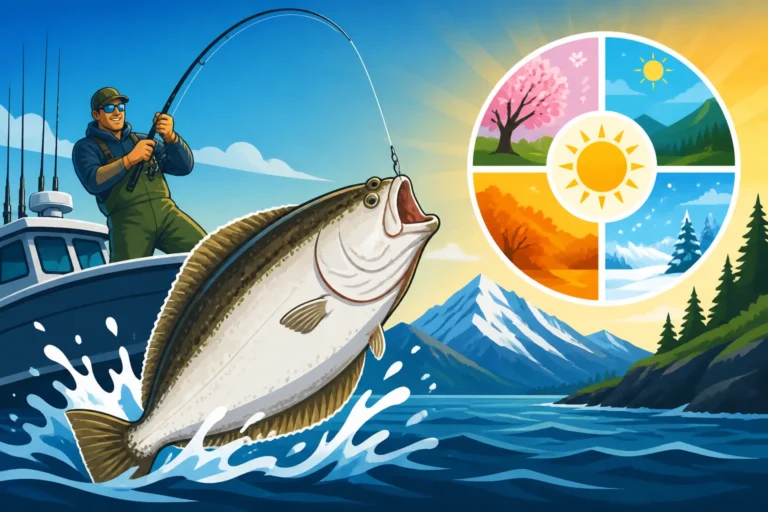
While many focus on salmon in the rivers, the saltwater scene also begins to buzz in spring. As the ocean temperatures slowly climb, bottom fish like Halibut, Lingcod, and various Rockfish species become more active and accessible. Charter operations out of ports like Homer, Seward, and Valdez start running trips, offering the chance to hook into these deepwater giants. May can be particularly good for halibut, as they move into shallower feeding grounds after their winter deep-water excursions.
A typical spring halibut trip might involve jigging with large lead jigs tipped with bait or simply fishing substantial chunks of herring or salmon heads near the bottom. The weather can still be a bit unpredictable in spring, so layers of warm, waterproof clothing are essential. However, the rewards can be immense, with the chance to land a "barn door" halibut weighing over 100 pounds. It's a physical fishing experience, battling these powerful flatfish from the depths. And don't forget, when fishing for these species, understanding Alaska Halibut Charter Regulations Explained is paramount, as rules for size and bag limits can change based on charter vs. unguided fishing.
Summer's Peak: The Salmon Spectacle (Mid-June-August)
This is what most people picture when they think of "Alaska fishing." Summer is the heart of the salmon runs, a period of immense energy and abundance when millions of fish return from the ocean to spawn in their natal rivers. The days are long, often bathed in the famous midnight sun, and the fishing opportunities are truly world-class, though they vary considerably month-by-month.
King Salmon: The Royalty of Summer
While early Kings arrive in spring, the bulk of the King Salmon (Chinook) runs typically hit their peak from late June through mid-July, depending on the river system. The Kenai River is legendary for its massive Kings, including world-record fish, though recent years have seen more conservative regulations to protect these prized salmon. Other rivers like the Kasilof, Deshka, and Nushagak also see significant King runs during this time.
King Salmon fishing is a battle of strength and endurance. These fish are incredibly powerful, making long, hard runs that can strip line from your reel in seconds. Techniques like back-trolling with large plugs (such as Kwikfish or FlatFish) or drifting cured roe are common. For non-residents, there's often an annual limit on King Salmon, so if you're planning a trip specifically for them, be sure to understand Alaska Non-Resident Fishing License Guide and the specific King Salmon regulations for your target river. This is often the most sought-after salmon species, and landing a trophy King is a pinnacle experience for many anglers.
Sockeye Salmon: The Red Tide
Mid-summer, typically from late June through July, belongs to the Sockeye Salmon (Red Salmon). These are arguably the most iconic Alaskan salmon, known for their brilliant red spawning colors and their phenomenal fighting spirit. Rivers like the Kenai and Russian River on the Kenai Peninsula, and various rivers in Bristol Bay (like the Naknek and Nushagak), see truly epic Sockeye runs, often numbering in the millions. This is often the time for the famous "combat fishing" scenes, where anglers stand shoulder-to-shoulder, flipping for these fast and furious fish.
Sockeye fishing is unique. Unlike Kings or Silvers, Sockeye don't typically bite once they enter freshwater. Anglers primarily "floss" for them, which involves using a heavy leader with a small hook trailing a lead weight. The idea is to drift the line across the fish's mouth, and when you feel a tap, set the hook into the side of the mouth. It's an active, engaging, and incredibly productive method. If you've never experienced a massive Sockeye run, it's something every angler should witness. The sheer volume of fish is astounding, and the meat quality of ocean-fresh Sockeye is exceptional. For detailed techniques, refer to our guide on How to Catch Sockeye Salmon in Alaska.
Pink and Chum Salmon: Abundance and Action
While King and Sockeye steal the early summer spotlight, July and August usher in the runs of Pink Salmon (Humpies) and Chum Salmon (Dog Salmon). Pink Salmon, the smallest and most numerous of the Pacific salmon, run every odd-numbered year in particularly massive numbers. They provide fast and furious action, making them a fantastic target for families and beginners. Spinners, small spoons, or even flies can entice these eager biters.
Chum Salmon, while not as highly regarded for table fare as Kings or Sockeye (though still good when ocean-fresh), are incredible fighters. They're powerful, strong, and can weigh up to 20 pounds, making them a blast on medium-heavy tackle. They often run concurrently with Pinks and later Sockeye, and can be caught using similar methods. These species offer a great opportunity to bend a rod, fill a cooler, and experience the sheer abundance of Alaska's fisheries, often in less crowded areas than the prime King or Sockeye spots. You'll find Pinks in almost any coastal river in large numbers, while Chums often favor larger systems further north.
Halibut and Lingcod: Deepwater Giants
Summer is arguably the prime time for targeting Halibut and other saltwater bottom fish in Alaska's coastal waters. From June through August, the weather is generally more stable, and the fishing grounds are bustling with charter boats heading out of towns like Seward, Homer, and Sitka. The halibut are actively feeding and widely distributed, offering excellent opportunities for both "chicken" (smaller, 10-30 lb fish) and "barn door" (trophy-sized 100+ lb fish) halibut.
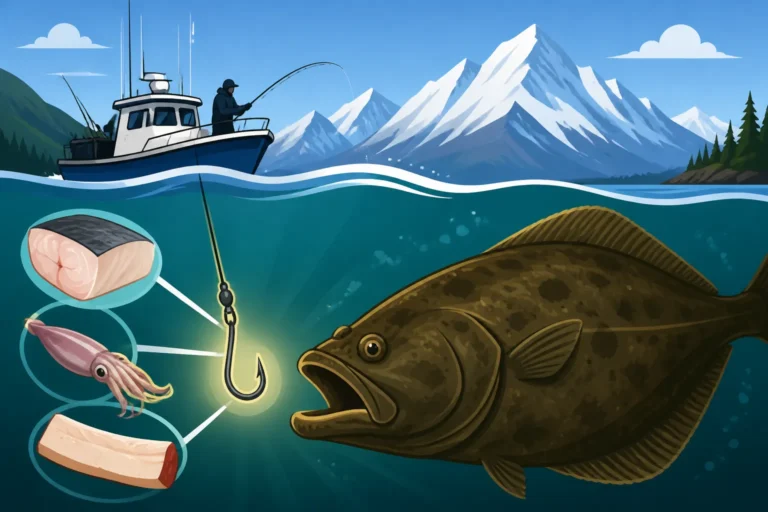
Deep-sea jigging with heavy jigs (4 oz to 16 oz or more) tipped with bait, or simply baiting up a large circle hook with herring, cod, or octopus, are common and effective methods. Lingcod and various species of Rockfish are often caught in the same areas, adding diversity to the catch. Lingcod, with their toothy grins and aggressive strikes, are particularly exciting to catch. Remember that specific regulations apply to Alaska Halibut Charter Regulations Explained, including potential reverse slot limits and Thursday closures for charter boats in certain areas, so always check before you go. This is a highly productive time to experience the thrill of saltwater big game fishing in Alaska.
Here's a quick overview of peak seasons by species:
| Species | Best Time of Year | Primary Locations | Key Characteristics |
|---|---|---|---|
| King Salmon | Late May – Mid July | Kenai, Kasilof, Deshka, Nushagak Rivers | Largest salmon, powerful fighters, rich meat |
| Sockeye Salmon | Late June – Late July | Kenai, Russian, Kasilof, Bristol Bay Rivers | Abundant, incredible fighters, excellent table fare |
| Coho Salmon | August – September | Kenai, Kasilof, Susitna, Southeast Rivers | Acrobatic fighters, aggressive biters, great meat |
| Pink Salmon | Mid July – Mid August | Most coastal rivers (odd years for huge runs) | Smallest, most abundant, great for beginners/kids |
| Chum Salmon | July – August | Kasilof, Susitna, Interior/Western Rivers | Strong fighters, underrated table fare when fresh |
| Halibut | May – September (Peak June-Aug) | Homer, Seward, Sitka, Ketchikan, Valdez | Deepwater giants, superb eating, strong pulls |
| Rainbow Trout | May, July – September | Kenai, Russian, Naknek, Bristol Bay Rivers | Year-round residents, prolific feeders in summer/fall |
| Dolly Varden | May, July – September | Kenai, Russian, Clear Creek, streams statewide | Beautiful char, often follow salmon runs, eager |
| Arctic Grayling | June – September | Interior streams and lakes, Denali area | Sail-finned beauties, aggressive dry fly takes |
| Lingcod | May – September | Seward, Homer, Sitka, Prince William Sound | Aggressive predators, good fighters, delicious |
| Rockfish | May – September | Coastal waters statewide, near reefs/structure | Numerous species, good eating, varied fight |
Autumn's Bounty: Silver Salmon and Trophy Trout (September-October)
Just when you might think the Alaska fishing season is winding down, autumn arrives with a fresh burst of energy and some of the year's most exciting opportunities. The crowds thin out, the leaves begin to turn brilliant gold and red, and the air becomes crisp. This is prime time for acrobatic Silver Salmon and for targeting truly massive Rainbow Trout and Dolly Varden that are gorging themselves before winter.
Coho Salmon: The Silver Bullet Run
September is synonymous with Coho Salmon, also known as Silver Salmon. These fish are absolute superstars, renowned for their aggressive strikes, acrobatic leaps, and impressive fighting ability. They typically start showing up in late July and August, but the peak of their runs is usually in September and sometimes into early October. Rivers all over Southcentral and Southeast Alaska, including the Kenai, Kasilof, Susitna tributaries, and countless smaller coastal streams, can be absolutely loaded with Silvers.
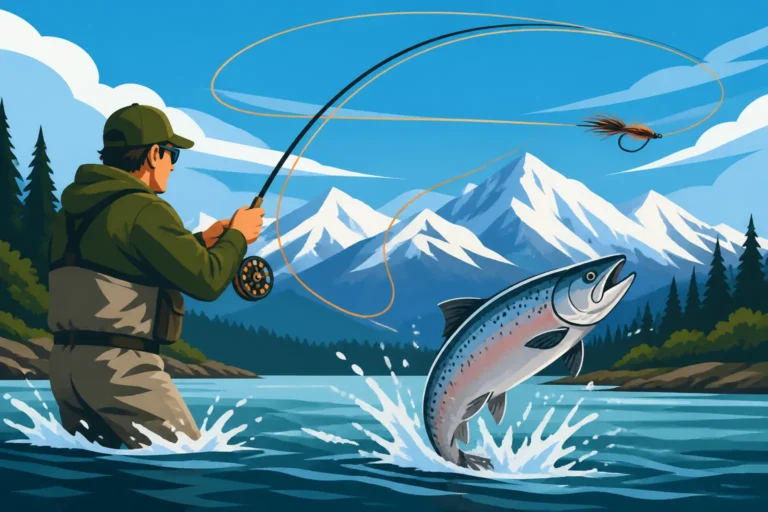
Coho are fantastic fun to catch on a variety of gear. Spin anglers will have a blast casting spinners (like the famous Pixee Spoon or Vibrax spinners) and small plugs, while fly anglers will find success with gaudy streamers and even topwater poppers in certain conditions. They're often found in slightly slower, deeper pools, but will also cruise through faster runs. The meat quality of Silvers is excellent, making them a highly desirable catch. If you're looking for consistent action and thrilling fights, a late-season trip focused on How to Catch Silver Salmon in Alaska is hard to beat. The scenery during this time, with the fall colors, only adds to the magic.
Fattened Rainbow Trout and Dolly Varden
As the salmon finish spawning and their carcasses and eggs become abundant in the rivers, the resident Rainbow Trout and Dolly Varden go into a feeding frenzy. This period, from late August through October, offers some of the best trophy trout fishing in the world. The fish pack on weight for the winter, becoming incredibly large and vibrant. Rivers like the Kenai are world-famous for their giant Rainbows that gorge on loose salmon eggs and flesh.
Fly anglers will find exceptional opportunities for nymphing with egg patterns, flesh flies, and bead rigs, mimicking the natural food source. Spin anglers can also find success with small beads and even dead-drifted salmon roe. This is a time when you might hook into a Kenai River Rainbow Trout exceeding 30 inches – a true fish of a lifetime. The smaller Dolly Varden, a beautiful char, are also incredibly abundant and aggressive, often found directly behind spawning salmon, cleaning up loose eggs. The cooler water temperatures mean these fish are strong and healthy, providing incredible fights. It's a peaceful, yet intensely rewarding, time to be on the water.
Late Season Halibut and Rockfish
While summer is peak, late September and even early October can still offer excellent opportunities for saltwater species like Halibut and Rockfish, especially in more protected waters. The larger, colder-blooded fish might be slowing down a bit, but they're still present and often aggressive. A key advantage of late-season saltwater fishing is the significant reduction in fishing pressure. You might find yourself on a charter boat with fewer anglers, enjoying a more personalized experience.
The techniques remain largely the same: deepwater jigging and bait fishing. However, charter operators might have to work a bit harder to find the concentrations of fish as they begin to transition towards deeper wintering grounds. Lingcod season often extends into November, making them another viable target. Weather becomes a more significant factor, with the possibility of rougher seas, so flexibility in your schedule is wise. But for those willing to brave the cooler temperatures, the rewards can be substantial, including the chance for a monster halibut without the summer crowds.
Winter Fishing: Ice and Solitude (November-April)
When most people pack away their fishing rods for the season, a dedicated contingent of Alaskan anglers just changes their tackle. Winter fishing in Alaska is a completely different beast: a realm of serene, snow-covered landscapes, crisp air, and often incredible solitude. It's not for the faint of heart, requiring proper gear and an understanding of ice safety, but the rewards can be unique and deeply satisfying.
Ice Fishing for Northern Pike and Lake Trout
Once the lakes and slower-moving rivers freeze solid, typically from November through April, the hardwater season begins. Ice fishing is a popular winter pastime for Alaskans, offering the chance to target species like Northern Pike, Lake Trout, Arctic Char, Burbot, and various resident trout species. The Mat-Su Valley, near Anchorage, has many accessible lakes that offer excellent pike and trout fishing through the ice.
Anglers typically use short ice rods, jigs, and tip-ups (set lines that signal a bite). For Northern Pike, large spoons or cut bait are effective. Lake Trout can be found in deeper, clearer lakes, often requiring more specialized electronics to locate schools. Safety is paramount, with ice thickness being the primary concern. Always check local conditions and fish with a buddy. There's a certain magic to sitting on a frozen lake, perhaps watching the Northern Lights dance overhead, waiting for a flag to pop up, signaling a fish on the line. It's a peaceful, contemplative form of fishing that truly connects you with the Alaskan wilderness.
Winter Steelhead Challenges
For the truly dedicated, winter also offers a challenging pursuit: Steelhead. These anadromous Rainbow Trout spend part of their lives in the ocean before returning to rivers to spawn, often in the spring. However, some rivers, particularly in Southeast Alaska, can have winter runs of Steelhead that overwinter in freshwater. Fishing for these chrome beauties in the dead of winter is a test of skill and perseverance.
It often involves fly fishing with heavy sink-tip lines and large spey flies, or drift fishing with bait or jigs in very cold water. The fish are often lethargic due to the cold, but when hooked, they are incredibly powerful. This is not a numbers game; it's about the challenge and the immense satisfaction of landing one of these magnificent, wild fish in extreme conditions. Access can be difficult, often requiring bushwhacking through snow or boating through icy waters. It's a niche fishery, but one that rewards the patient and hardy angler with an experience unlike any other. You'll definitely want to bundle up in layers if you're chasing Alaska Steelhead Catch-and-Release Rules in the depths of winter.
Opportunities for Sheefish and Burbot
Beyond the more commonly targeted species, winter opens up unique opportunities for other fascinating Alaskan fish. Sheefish, often called the "Tarpon of the North," are powerful, predatory fish found in large river systems, particularly in Interior and Western Alaska. They can be targeted through the ice using jigs and bait, offering a tremendous fight in the frigid waters.
Burbot, a freshwater cod species, are another winter favorite. They are primarily nocturnal and can be caught through the ice using cut bait on the bottom. While not the most glamorous fish, they are delicious and provide consistent winter action. These are more specialized fisheries, often requiring local knowledge or a dedicated guide, but they exemplify the diverse and enduring fishing opportunities Alaska offers, even in the depths of winter.
Targeting Specific Species: When to Go for What You Want
As you can see, there's a fishing opportunity almost year-round in Alaska, but the "best" time truly depends on your target species. Trying to catch a trophy King in September is like trying to catch a Sockeye in May – possible, but not optimal. Aligning your trip with the peak run for your desired fish is the smartest strategy.
Best Times for Each Salmon Species
Each of Alaska's five species of Pacific salmon has its distinct prime time:
- King Salmon (Chinook): The earliest main runs typically start in late May and peak through June and into mid-July. River systems vary, with the Copper River often seeing fish first in May, followed by the Kasilof and Kenai in June. For specific times and places, check out our guide on Best Time to Catch King Salmon in Alaska.
- Sockeye Salmon (Red): The quintessential Alaskan salmon run hits its stride from late June through July. Major rivers like the Kenai and Russian are swarming with Sockeye during this window.
- Pink Salmon (Humpy): These abundant fish surge into rivers from mid-July through mid-August, with massive runs occurring every odd-numbered year. They're found in nearly all coastal drainages.
- Chum Salmon (Dog): Similar to Pinks, Chums typically run from July through August. They often overlap with Pink and later Sockeye runs.
- Coho Salmon (Silver): Late summer and early fall are prime for Silvers, with peak runs generally from August through September, and sometimes into early October, offering excellent action and fantastic table fare.
Prime Windows for Halibut and Bottom Fish
For those chasing saltwater giants, planning your trip around the best halibut and bottom fish seasons is crucial.
- Halibut: While halibut are available from May through September, the sweet spot for consistent action and generally better weather is from mid-June through August. This is when the fish are most active on shallower banks, and charter availability is at its peak. Weather can be a big factor, so mid-summer offers the most predictable conditions.
- Lingcod and Rockfish: These aggressive species also see their prime season from May through September. They are often caught concurrently with halibut, usually on or near rocky structures and reefs. Lingcod in particular can be targeted successfully throughout this window.
When planning for these, especially if you're booking a charter, it's wise to consider a combo trip that might target salmon in the morning and then head offshore for halibut, or vice-versa, depending on the season. Many excellent outfitters in Homer or Seward offer these versatile trips.
Optimal Seasons for Trout and Char
Freshwater anglers have excellent options too, especially for resident species like Rainbow Trout, Dolly Varden, and Arctic Grayling.
- Rainbow Trout: While available year-round in some systems, the best periods are typically spring (May-early June) when they're actively feeding post-winter, and especially late summer/fall (late August-October) when they gorge on salmon eggs and flesh behind spawning salmon.
- Dolly Varden and Arctic Char: These beautiful char are prolific throughout the summer and fall. They often follow salmon runs, feeding on eggs, making late summer and early fall an excellent time to target them.
- Arctic Grayling: These stunning, sail-finned fish are most actively caught from June through September in interior streams and lakes, often eager to rise to a dry fly.
Many rivers, like sections of the Kenai, offer year-round trout fishing, but the sheer size and aggressive nature of the fish in the fall make that period truly special. Knowing Best Time for Trout Fishing in Alaska can make a huge difference in the size and quantity of fish you encounter.
Planning Your Trip: Beyond Just the Fish
Choosing the "best time" for your Alaska fishing trip isn't just about what fish are running; it's also about what kind of overall experience you want. Alaska offers so much more than just fishing, and balancing your angling goals with other adventures, logistics, and gear considerations will ensure a truly memorable vacation.
Balancing Fishing with Other Alaskan Adventures
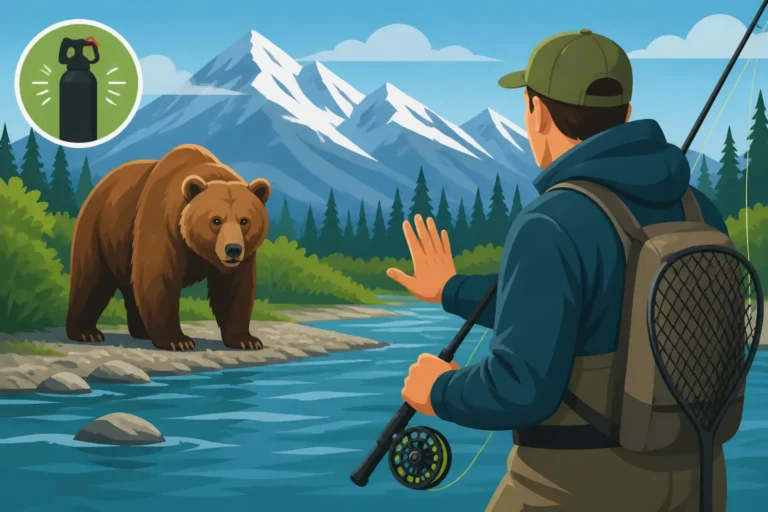
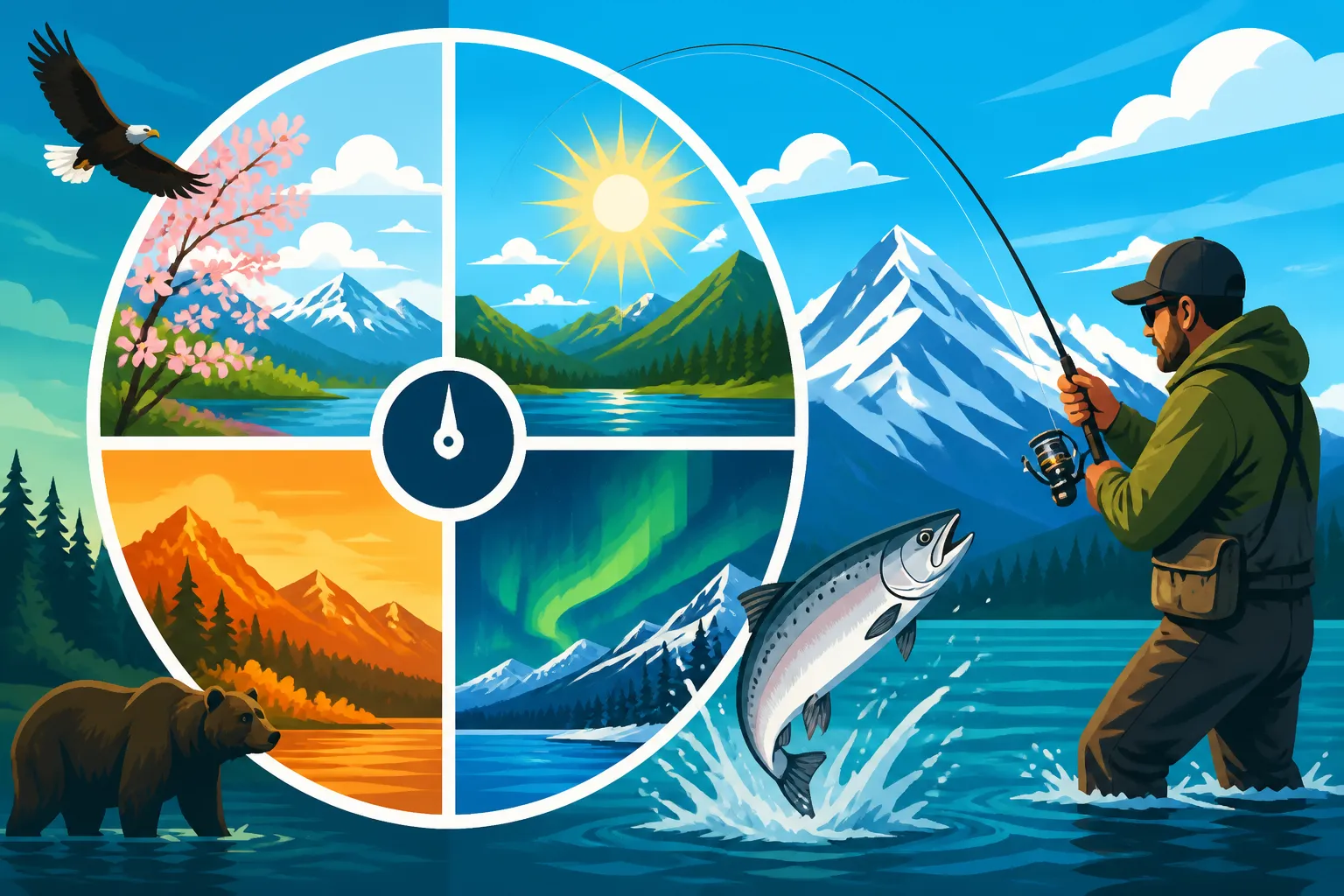
Perhaps you want to combine a salmon fishing trip with bear viewing, a glacier cruise, or a hike in Denali National Park. The timing for these activities can impact your fishing window. For example, prime bear viewing (especially brown bears feasting on salmon) often overlaps with the peak Sockeye and Pink salmon runs in July and August. If you're planning a trip to Denali, the summer months (June-August) offer the best road access and wildlife viewing opportunities.
- Early Summer (June): Great for King Salmon, early trout, and glacier viewing. Less crowded than peak summer.
- Mid-Summer (July-Early August): Peak for Sockeye and Pink Salmon, excellent for halibut, and prime for wildlife viewing and general tourism. This is the busiest time.
- Late Summer/Fall (Late August-September): Silver Salmon reign supreme, trout fishing is phenomenal, fall colors are spectacular, and crowds begin to thin, offering a more serene experience. Bear viewing can still be excellent as bears bulk up for winter.
Considering the entirety of your Alaskan dream vacation will help you choose a window that maximizes both your fishing success and your overall adventure.
Booking Charters and Accommodations
Alaska is a popular destination, and the best fishing guides and lodges book up fast, often a year or more in advance, especially for prime summer dates. If you have a specific species in mind for a specific month, you absolutely cannot procrastinate. This is especially true for popular destinations like the Kenai Peninsula, Homer, Seward, and Bristol Bay fly-out lodges.
Start your research early. Read reviews, get recommendations, and don't be afraid to call guides and ask lots of questions. A good guide will be happy to discuss the pros and cons of different times of the year and help you choose the best fit. For example, if you're looking for a Alaska Halibut Charter Guide out of Homer, you'll want to secure your spot as soon as your travel dates are firm. You might even find some reputable charter services or fishing packages available for research on platforms like Amazon, where many outfitters list their services, though direct booking is almost always required. The same goes for accommodations, from rustic cabins to full-service lodges – prime spots fill quickly.
Essential Gear Considerations
The time of year you choose will also heavily influence the type of gear and clothing you need. Alaska's weather is famously unpredictable, often delivering "four seasons in one day," so layering is always key.
- Spring/Fall: Expect cooler temperatures, more rain, and potentially wind. Waterproof outer layers, insulated waders, warm hats, and gloves are non-negotiable. Even in May, snow is possible.
- Summer: While days can be warm (60s-70s F), evenings and mornings are cool. You'll still need good rain gear, fleece layers, and sturdy waterproof boots. Mosquito repellent is a must, especially in riverside areas.
- Winter: This is extreme cold territory. Heavy-duty insulated suits, thermal boots, multiple layers of wool or synthetics, and robust hand/head protection are essential for ice fishing or cold-weather river trips.
Don't skimp on quality gear. Being cold and wet will quickly sour even the best fishing day. Many local sporting goods stores in Alaska cater to these needs, but you can also find a vast selection of high-quality, weather-appropriate gear on Amazon before your trip, ensuring you're prepared for anything Alaska throws at you. Remember to check out our Alaska Fishing Gear and Tackle Guide for a comprehensive list of what to pack.
Ultimately, the "best time to fish in Alaska" is when you can go, when the fish you want to catch are running, and when you're prepared for the adventure that awaits. Alaska truly offers something for every angler, every season of the year.
Disclaimer
The information provided in this guide is for general informational purposes only and does not constitute professional advice. Fishing regulations, seasons, and conditions in Alaska are dynamic and can change frequently due to emergency orders issued by the Alaska Department of Fish and Game (ADF&G). It is the sole responsibility of the angler to check the most current regulations and emergency orders before engaging in any fishing activity. Always prioritize safety, especially when fishing in remote or wilderness areas.