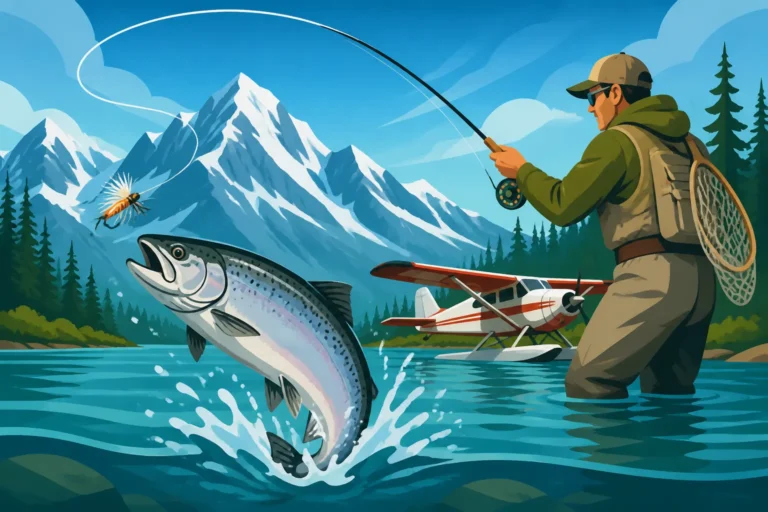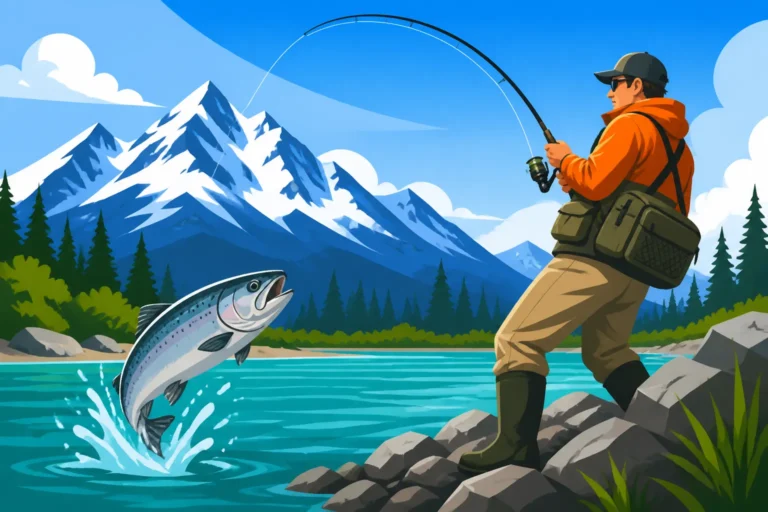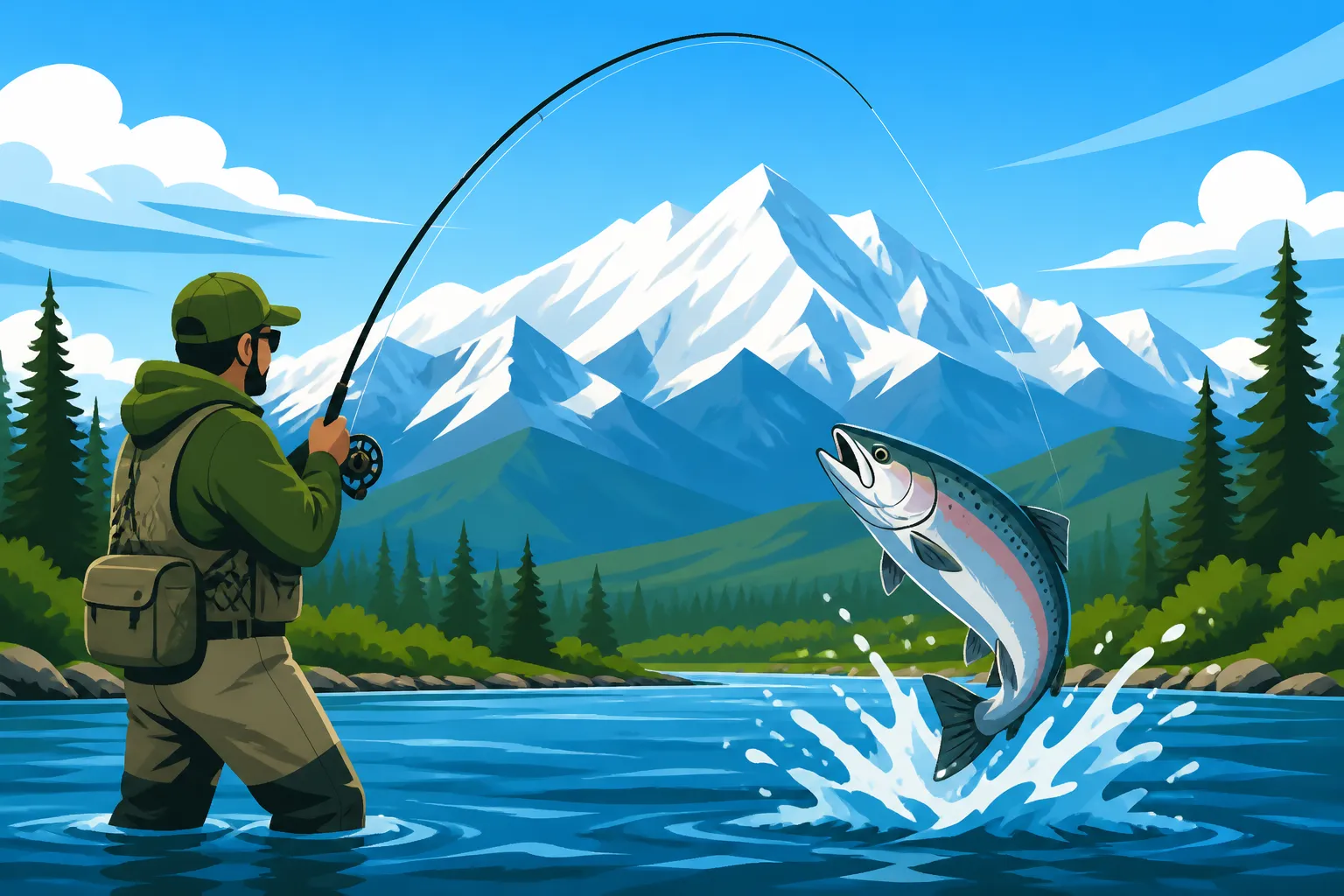
Best Fishing in Denali Area
It’s a common dream to imagine casting a line with the majestic backdrop of Denali, America's tallest peak, looming in the distance. However, many anglers are surprised to learn that fishing opportunities within Denali National Park and Preserve are extremely limited and tightly regulated. This guide will cut through the confusion and steer you toward the fantastic, yet often overlooked, fishing spots in the broader Denali area, ensuring your Alaskan angling adventure lives up to its wild reputation.
Understanding Denali's Fishing Landscape
When people talk about "fishing in Denali," there's often a bit of a misunderstanding about where you can actually drop a line. The Denali National Park and Preserve itself is a vast wilderness area, primarily managed for conservation and minimal human impact. This means that while the scenery is unparalleled, the fishing access and opportunities within the park boundaries are a very different story from the surrounding region. It's vital to grasp this distinction to avoid disappointment and ensure you're fishing legally.
Denali National Park & Preserve Rules
Let's be upfront: fishing directly inside Denali National Park and Preserve is generally not what most anglers envision for a productive trip, and for good reason. The National Park Service has stringent regulations in place to protect the delicate ecosystems and wildlife. Many of the small lakes and streams within the park are either closed to fishing entirely, or have extremely restrictive catch-and-release rules with specific gear requirements. The primary goal here is preservation, not recreation in the angling sense.
For instance, much of the park is designated as wilderness, making access incredibly difficult, often requiring extensive backcountry travel or permits that are hard to secure. Even where fishing is permitted, you're looking at very small fish populations in remote waters, primarily Arctic grayling and some trout, and catching a "trophy" is highly unlikely. You'll also need to pack out everything you pack in, including any waste, and be acutely aware of bear safety. Always double-check the most current Denali National Park regulations before even contemplating a cast within its borders; ignorance of the rules is never an excuse in Alaska.
Fishing Near Denali National Park (The "Denali Area")
This is where the real opportunities lie for anglers hoping to combine spectacular views with exciting fishing. The "Denali Area" for fishing purposes typically refers to the regions accessible via the Parks Highway, encompassing towns like Talkeetna to the south, and areas north of the park entrance, like Cantwell and Healy. These surrounding areas boast numerous rivers, streams, and lakes that are outside the National Park Service jurisdiction and fall under the Alaska Department of Fish and Game (ADF&G) regulations, which are designed to support sport fishing.
Here, you'll find a far greater diversity of species and more liberal regulations, allowing for retention of certain fish within bag limits, depending on the species and time of year. Access is generally much easier, with road systems, boat launches, and established fishing spots. This distinction is crucial: if your goal is to catch fish in a beautiful Alaskan setting, you'll want to focus your efforts on the areas around Denali National Park, not within it. These spots offer the chance to reel in salmon, rainbow trout, and Arctic grayling, all while enjoying views that still feel distinctly Alaskan.
Top Fishing Destinations Around Denali
The true fishing treasures in the Denali region aren't found deep within the national park, but rather in the rivers and lakes that feed into and flow from the mighty Alaska Range. These waters, often easily accessible from the Parks Highway, offer diverse angling experiences from the thrill of salmon fishing to the tranquility of casting for trout and grayling. Knowing where to go and what to expect is key to a successful trip.
Talkeetna River System (Talkeetna, Susitna, Chulitna Rivers)
Just south of Denali National Park, the charming town of Talkeetna serves as a major gateway to the vast Susitna River drainage. This complex network includes the Talkeetna, Susitna, and Chulitna Rivers, all of which are renowned for their salmon runs. These rivers are true powerhouses when it comes to anadromous fish, offering incredible opportunities for anglers.
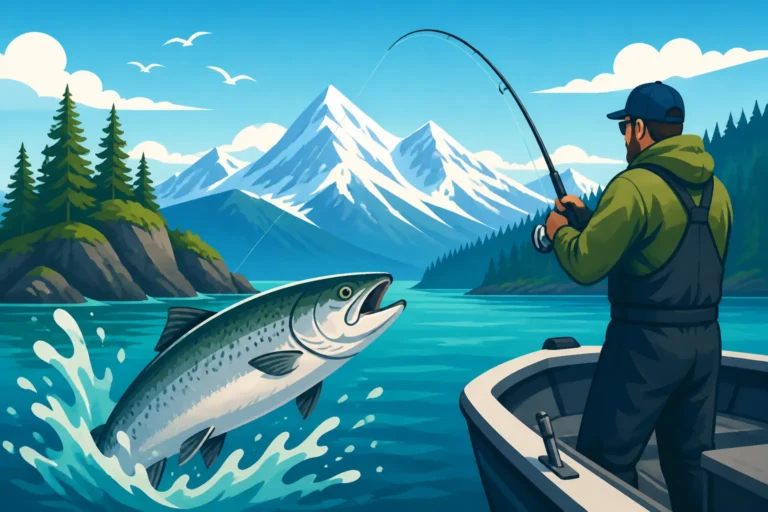
King Salmon, also known as Chinook salmon, are often the earliest and most sought-after species here, with runs typically starting in late May and extending through June. Fishing for these powerful fish can be a real battle, often requiring heavy gear and persistence. As the summer progresses, you'll find strong runs of Sockeye Salmon, particularly in July, followed by Coho (Silver) Salmon from August into September. Talkeetna is particularly popular for drift boat and jet boat fishing trips, allowing guides to navigate the braided river systems to find prime holding water. If you're considering a guided trip, platforms like FishingBooker can help you find reputable charters in the Talkeetna area, making it easier to arrange a trip that targets your preferred species. You can learn more about Alaska King Salmon: Complete Guide or how to specifically target Alaska Sockeye Salmon Explained for these waters.
Access to these rivers often involves boat launches in or near Talkeetna itself. Many anglers opt for guided trips, as the vastness and ever-changing nature of these rivers can be challenging for those unfamiliar with them. Guides provide not only the necessary equipment and expertise but also the local knowledge to navigate the braids and find the fish. Bank fishing opportunities exist, but they are fewer and farther between compared to guided boat trips.
Parks Highway Corridor Lakes and Streams
The Parks Highway, which connects Anchorage to Fairbanks and runs along the eastern edge of the Denali National Park region, is dotted with numerous roadside lakes and streams that offer fantastic, accessible fishing. These spots are perfect for anglers looking for a more relaxed experience, or those who prefer to fish without a boat. Many of these waters are regularly stocked by the ADF&G, ensuring good populations of sport fish.
Lakes like Byers Lake in Denali State Park or several smaller unnamed lakes along the highway are prime locations for rainbow trout and Arctic grayling. Rainbow trout, known for their vibrant colors and feisty fights, can be caught using small spinners, spoons, or fly-fishing techniques with dry flies, nymphs, or streamers. Arctic grayling, instantly recognizable by their large, sail-like dorsal fin, are abundant in many of the clearer, colder streams and smaller lakes. They are a delight on light tackle or a fly rod. You might also encounter Dolly Varden in some of these waters. For specific guidance, check out the Alaska Rainbow Trout Guide or Alaska Arctic Grayling: Facts and Fishing Tips.
One popular spot often mentioned for its easy access and diverse fishing is Montana Creek, located south of Talkeetna. This stream, a tributary of the Susitna, sees runs of various salmon species at different times of the summer, alongside resident trout and grayling. Bank access is relatively good here, and it's a favorite among local anglers. Always be sure to consult the most current Alaska fishing regulations by region for specific limits and open seasons, as they can vary greatly from one stream or lake to another along the highway corridor.
Nenana River and Tributaries
Moving further north along the Parks Highway, closer to the Denali Park entrance and beyond, you'll find the Nenana River and its various tributaries. This region, including towns like Cantwell and Healy, offers a distinct flavor of interior Alaska fishing. While perhaps not as famous for its salmon as the Talkeetna system, it provides excellent opportunities for other species, especially Arctic grayling, and occasionally some salmon depending on the run.
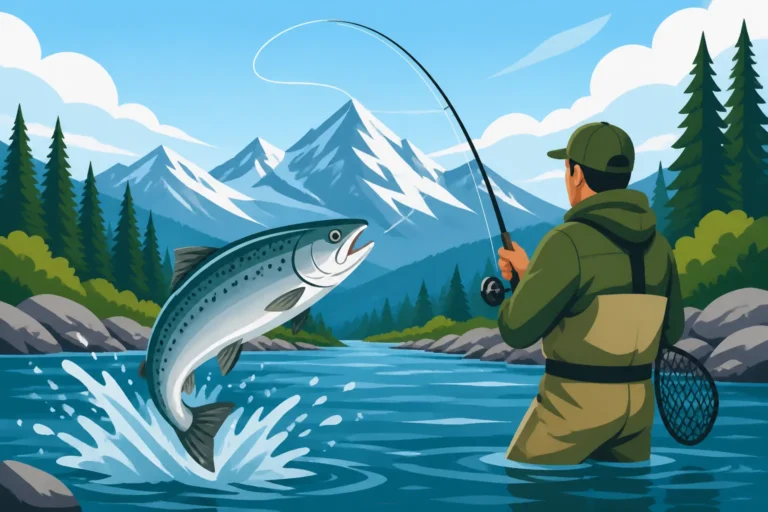
The Nenana River itself is a powerful, glacial-fed river, often silty and challenging for fishing. However, its clearer tributaries, like the various creeks flowing into it, can hold good numbers of Arctic grayling. These smaller streams are often best explored on foot, and provide a peaceful, scenic fishing experience, far from the crowds. Fly fishing with small dry flies or nymphs can be incredibly effective for grayling in these clear, cold waters.
During certain times of the year, particularly late summer, some of the Nenana's tributaries or clear feeder streams might see small runs of King Salmon or Silver Salmon, though these opportunities are generally more sporadic and dependent on specific conditions and emergency orders. It's absolutely crucial to check the Alaska Fishing Regulations Explained for the specific area you plan to fish, as regulations for salmon can be highly localized and subject to change based on run strength. Guides in the Healy or Cantwell area, which you can often find through platforms like FishingBooker, can provide up-to-date information and access to the best current spots.
Essential Gear and Techniques for Denali Area Fishing
Fishing in the Denali area means being prepared for a variety of conditions and target species. Unlike some highly specialized fisheries, a versatile approach to gear and techniques will serve you best. Alaska's weather can be unpredictable, and the fish can be picky, so having the right tools for the job is paramount.
Recommended Tackle and Lures
For most of the fishing you’ll do in the Denali area, especially if you’re targeting both salmon and resident species like rainbow trout and Arctic grayling, a medium-heavy spinning rod (7-9 feet) with a good quality reel spooled with 20-30 lb braided line and a fluorocarbon leader (12-20 lb test, depending on the species) will cover most bases. If you're specifically going after King Salmon, you might want to bump that up to a heavy rod and reel with 30-50 lb braid. For lighter species like grayling or smaller trout, a lighter action rod (6-7 feet) with 6-10 lb mono or fluorocarbon is ideal.
When it comes to lures, versatility is key. Spinners like Mepps Aglia or Rooster Tails in various sizes and colors (silver, gold, chartreuse, orange) are excellent for both salmon and trout. Spoons, such as the Pixee or Krocodile, in similar colors, are also very effective, especially for casting in rivers. For salmon, diving plugs like Kwikfish or Brad's Wiggler are popular, particularly when back-trolling from a boat. Don't forget an assortment of beads and egg patterns for trout and sockeye salmon, mimicking their natural food sources. Soft plastics, like Berkley Gulp! Salmon Eggs or PowerBait, can also be quite effective in certain situations, especially for rainbow trout. Remember, understanding Best Fishing Techniques for Alaska will help you match your tackle to the method.
Navigating Regulations and Seasons
Alaska's fishing regulations are designed to protect fish stocks and ensure sustainable fisheries, but they can feel complex, especially for visitors. The Denali area, spanning multiple management regions (primarily Southcentral), will have specific rules for different rivers, lakes, and even different sections of the same river. It’s absolutely non-negotiable to carry a current copy of the Alaska Department of Fish and Game (ADF&G) sport fishing regulations for the region you are in. These booklets are available for free at most sporting goods stores, tackle shops, and ADF&G offices, and are also accessible online.
You'll need an Alaska fishing license, which you can often purchase online before your trip or at local vendors. For more details, refer to the Alaska Fishing License: Complete Guide. Pay close attention to bag limits, annual limits (especially for non-residents on King Salmon), size restrictions, and specific gear restrictions (e.g., single-hook, barbless hooks, bait restrictions). Emergency Orders (EOs) are also a critical factor; these are real-time changes to regulations that can close fisheries, alter bag limits, or impose new restrictions with little notice, often due to low fish returns. Always check for current EOs before you head out, as they supersede printed regulations. Many local tackle shops and guide services stay updated on EOs and can offer advice. The season for each species varies significantly; understanding Alaska Salmon Run Timing Explained is crucial for planning your trip to target specific salmon.
Planning Your Denali Area Fishing Adventure
A successful fishing trip to the Denali area isn't just about knowing where the fish are; it's about thoughtful planning. From deciding whether to hire a guide to figuring out where you'll lay your head, a little foresight goes a long way in ensuring a memorable Alaskan experience.
Guided vs. DIY Fishing
Deciding between a guided trip and a do-it-yourself adventure depends heavily on your experience level, budget, and desired style of fishing.
Guided Fishing:
- Pros: Guides offer invaluable local knowledge, navigating complex river systems, providing all necessary gear, and knowing exactly where the fish are biting based on current conditions. They're often equipped with specialized boats (jet boats for rivers, larger vessels for lakes) that access prime spots. They also handle the nuances of regulations and emergency orders. If you're targeting specific species like trophy King Salmon on the Susitna River, a guide's expertise is almost essential for a productive trip. Services like FishingBooker are excellent resources for finding reputable guides and reading reviews from other anglers, helping you pick the perfect charter for your Denali area adventure. For more information, read How to Choose an Alaska Fishing Charter.
- Cons: Cost is the primary drawback, as guided trips can be expensive, especially for full-day excursions. You're also on their schedule and often fishing with a group of other anglers.
Do-It-Yourself (DIY) Fishing:
- Pros: Offers flexibility, independence, and can be more budget-friendly. You control your schedule and where you fish. Many roadside opportunities on the Parks Highway are well-suited for DIY anglers, particularly for rainbow trout and Arctic grayling.
- Cons: Requires extensive research into regulations, fishing spots, and local conditions. You'll need your own gear and reliable transportation. Navigating large river systems or remote areas safely can be challenging without local knowledge or a proper boat. Success can be highly variable if you're unfamiliar with Alaskan waters.
For many visitors, a combination of both might be ideal: perhaps a guided trip for a specific high-priority species like King Salmon in Talkeetna, and then some independent bank fishing for trout or grayling along the Parks Highway.
Accommodations and Local Services
The Denali area offers a range of lodging options, from rustic cabins and campgrounds to hotels and lodges, catering to different budgets and preferences.
Talkeetna: As a popular base for fishing the Susitna drainage, Talkeetna offers numerous lodging choices, including cozy bed and breakfasts, small hotels, and cabins. It's a vibrant town with restaurants, shops, and direct access to river guides. Booking in advance, especially for peak salmon season (June-August), is highly recommended.
Parks Highway Corridor (e.g., near Cantwell, Healy, Denali Park entrance): Scattered along the highway, particularly around the Denali National Park entrance area, you'll find various hotels, motels, and private lodges. These can range from tourist-oriented resorts to more basic accommodations. Campgrounds, both private and state-run, are also plentiful. These locations serve as good jumping-off points for accessing nearby lakes and streams.
Fish Processing: One of the big advantages of Alaska fishing is bringing home your catch. Many communities in the Denali area, particularly Talkeetna, have local businesses that offer fish processing services. These services typically include filleting, vacuum-sealing, freezing, and even shipping your catch back home. Inquire about these options when you book your accommodation or guide service, as they can save you a lot of hassle. Be aware of Alaska Fish Transport and Shipping Rules if you plan to take your catch with you.
Denali Area Fishing Hotspots and Species
| Fishing Location | Primary Target Species | Best Time to Fish | Access Method | Notes |
|---|---|---|---|---|
| Susitna River System | King Salmon, Sockeye, Coho, Rainbow Trout | June – September | Guided Boat, Bank (limited) | Vast system, guides recommended for salmon. |
| Talkeetna River | King Salmon, Sockeye, Coho | Late May – September | Guided Boat, Bank (limited) | Strong salmon runs, focus for Talkeetna charters. |
| Byers Lake | Rainbow Trout, Arctic Grayling | May – October | Roadside, Kayak/Canoe | Calm, scenic, good for family and fly fishing. |
| Montana Creek | Coho, King Salmon, Rainbow Trout | June – September | Roadside, Bank | Popular for accessible salmon and resident species. |
| Nenana River Tribs | Arctic Grayling, occasional Salmon | June – September | Roadside, Walk-in | Excellent for light tackle and fly fishing grayling. |
| Various Parks Hwy Lakes | Rainbow Trout, Arctic Grayling, Dolly Varden | May – October | Roadside | Stocked lakes, easy access for all skill levels. |
Disclaimer
The information provided in this guide is for general informational purposes only and is subject to change. Alaska fishing regulations, seasons, and emergency orders can vary significantly by location and time of year. Always consult the official Alaska Department of Fish and Game (ADF&G) regulations for the most current and accurate information before planning and undertaking any fishing activity. Fishing in the wilderness carries inherent risks, and proper safety precautions, including bear awareness, should always be observed.