Best Fishing Spots Near Seward, Alaska
Oh, the thought of fishing near Seward! It's truly one of Alaska's crown jewels, a place where the mountains meet the sea in the most spectacular fashion. Many anglers dream of casting a line in these incredible waters, but knowing exactly where to go, what to fish for, and how to navigate the options can feel like a daunting task. Don't worry, you're in the right place! This comprehensive guide is designed to cut through the confusion and highlight the very best fishing spots in and around Seward, setting you up for a truly unforgettable Alaskan adventure.
The Allure of Seward's Saltwater Fisheries: Gateway to Resurrection Bay
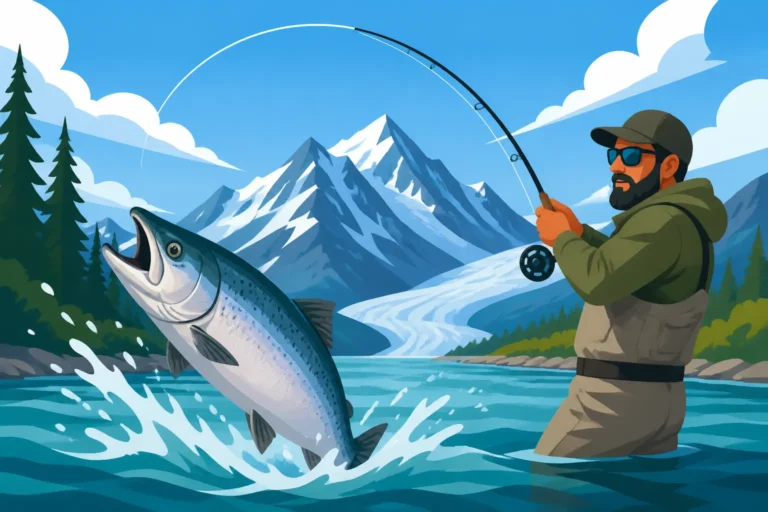
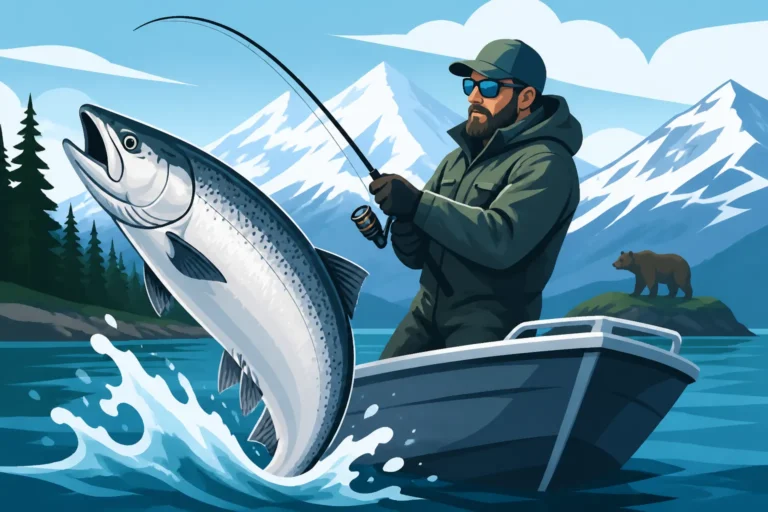
Seward is synonymous with saltwater fishing, and for good reason. Nestled at the head of Resurrection Bay, it offers immediate access to the rich, nutrient-filled waters of Prince William Sound and the Gulf of Alaska. This means incredible opportunities for a variety of highly sought-after species, making it a dream destination for many a seasoned angler and novice alike. The breathtaking scenery, complete with glaciers, towering cliffs, and abundant wildlife, only adds to the magic of fishing here.
Chasing Halibut and Bottomfish in Resurrection Bay
When people think of fishing out of Seward, halibut are often the first fish that comes to mind, and for good reason. Resurrection Bay and the waters just beyond its mouth are prime territory for these legendary flatfish. Halibut can grow to immense sizes here, earning the moniker "barn doors," and the fight they put up is something you'll never forget.
The deep, cold waters of the Gulf of Alaska, accessible from Seward, create the perfect habitat for halibut. Charters often head out past the immediate bay, sometimes venturing several hours offshore to specific "halibut holes" or banks where these giants congregate. Popular spots include areas around Montague Island or the outer edges of Resurrection Bay where currents bring ample food. You'll typically be bottom fishing with heavy gear, using bait like herring, salmon heads, or octopus, or large jigs. The thrill of feeling that powerful tug on your line, knowing it could be a 100-pound monster, is absolutely electrifying. Beyond halibut, these same deeper waters often yield other delicious bottomfish such as Pacific cod, rock sole, and greenling, adding variety to your cooler. It's truly an experience that demands robust tackle and a sturdy boat. For those looking to learn more about the specifics, our guide on How to Catch Halibut in Alaska provides a fantastic overview.
The Thrill of Ocean Salmon Fishing
While river fishing for salmon gets a lot of attention, the saltwater opportunities for salmon out of Seward are equally impressive and often yield robust, chrome-bright fish fresh from the ocean. King (Chinook), Coho (Silver), and Pink (Humpy) salmon are the primary targets in Resurrection Bay, with some Sockeye (Red) and Chum (Dog) also passing through.
The season for ocean salmon generally kicks off with King salmon in late spring and early summer, typically peaking from May through July. Anglers often troll with downriggers, using flashers and spoons or bait like herring, to entice these powerful fish. As summer progresses into August and September, the focus shifts to Coho salmon, known for their acrobatic fights and aggressive strikes. These fish are incredibly fun on lighter tackle. While exact hot spots can change year to year based on baitfish movements and run strength, areas near the mouth of the bay, around the islands, and along the shoreline structure are consistently productive. Many charters offer dedicated salmon trips or combine them with halibut fishing for a truly epic day on the water. Understanding the various Alaska Salmon Run Timing Explained can significantly improve your chances of hitting the peak season for your preferred species.
Exploring the Deeper Waters for Lingcod and Rockfish
Beyond halibut and salmon, the rocky structures and deep canyons around Seward are teeming with other incredible sportfish, particularly lingcod and various species of rockfish. These species offer an exciting change of pace and are fantastic table fare.
Lingcod are aggressive, toothy predators that hide in rocky crevices and ambush their prey. They are incredibly powerful fighters, and catching a large lingcod, often weighing 30-50 pounds or more, is a significant angling achievement. Best targeted in late summer and fall, you'll find them around underwater pinnacles, reefs, and rocky drop-offs. Jigging with large lead jigs or fishing with live bait (like smaller rockfish, if regulations allow) are popular and effective methods. Rockfish, on the other hand, are a diverse group, including the vibrant yelloweye (often called "red snapper"), black rockfish, and quillback rockfish. They are typically found closer to structure, from moderate depths to very deep waters. Anglers usually target them by dropping jigs or bait directly over known rocky areas. It's crucial to be familiar with Alaska Rockfish Deepwater Release Device Rules as these fish are susceptible to barotrauma when brought up from deep water. Many guided fishing trips, which you can often find listed on platforms like FishingBooker, will combine halibut or salmon fishing with targeting rockfish and lingcod, giving you a full experience of Seward's rich marine bounty.
Freshwater Gems Beyond the Bay: Rivers and Lakes Near Seward
While Seward's saltwater reputation is legendary, don't overlook the fantastic freshwater fishing opportunities just a short drive or floatplane ride away. These spots offer a different kind of angling experience, often in serene, wilderness settings. For those who prefer to keep their feet on solid ground or explore smaller, more intimate waters, the rivers and lakes near Seward provide excellent options.
Silver Salmon and Trout in Local Rivers
Seward itself has a few smaller streams and rivers that flow into Resurrection Bay, and these can become surprisingly active during the salmon runs. While they might not be as famous as the Kenai River, they offer accessible and often less crowded fishing. The Seward Lagoon and its connecting waterways, for example, can see runs of Pink and Silver salmon in late summer.
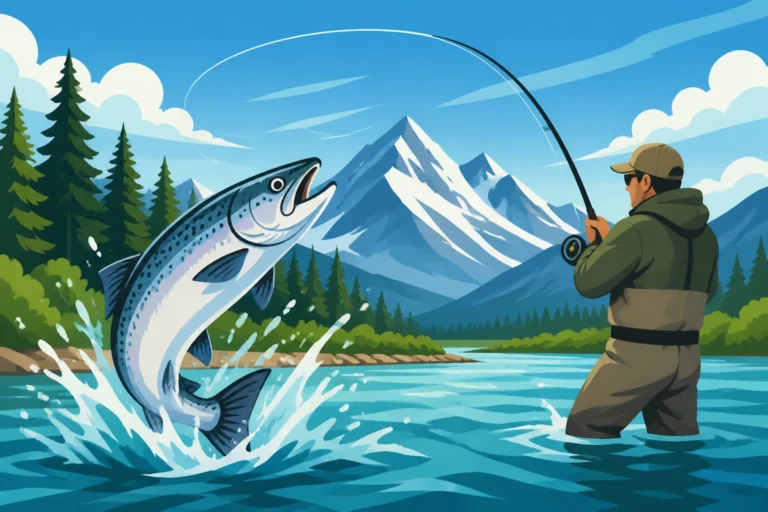
The Resurrection River, a much larger system located a bit north of Seward, is probably the most notable local river fishery. This river, accessible from the Seward Highway, is a significant spawning ground for Coho (Silver) salmon, with strong runs typically starting in August and continuing through September. Anglers here use a variety of techniques, including spin fishing with spinners or spoons, and fly fishing with streamers or egg patterns. Beyond salmon, the Resurrection River and its tributaries also hold populations of Dolly Varden and resident Rainbow Trout, offering opportunities for catch-and-release fishing throughout the warmer months. These trout often key in on salmon eggs during the spawning season, making egg patterns and beads incredibly effective. Always check the latest Alaska Fishing Regulations Explained for specific rules regarding bait, gear, and catch limits for the Resurrection River, as regulations can vary even within close proximity.
Remote Lake Fishing for Pristine Waters
For those willing to venture a little further, or perhaps invest in a scenic fly-out trip, the lakes in the wilderness surrounding Seward offer truly pristine fishing experiences. These remote lakes are often untouched, teeming with native fish species that rarely see a lure.
Many of these lakes are glacial-fed, clear, and hold healthy populations of Rainbow Trout, Arctic Char, and Dolly Varden. Some might even contain Northern Pike or Grayling. Access to these hidden gems is typically by floatplane, departing from Seward or nearby communities like Moose Pass. Local air taxi services can fly you into a remote lake for a day trip or drop you off for a multi-day wilderness camping and fishing adventure. Imagine casting a fly on a secluded lake, surrounded by jagged peaks, with no sound but the whisper of the wind and the splash of a rising trout. These trips are not just about the fish; they're about the immersive Alaskan wilderness experience. While you won't find specific named "hot spots" for individual remote lakes, talking to a reputable air taxi service or an experienced guide can provide insights into which lakes are fishing well for your target species during your visit. Remember to bring durable, reliable gear suitable for bush flying and potential inclement weather, as detailed in our comprehensive Alaska Fishing Gear and Tackle Guide.
Essential Tips for Fishing Success Near Seward
Fishing in Alaska, particularly around Seward, is an incredible experience, but it's also a serious undertaking. To maximize your chances of success and ensure a safe, enjoyable trip, a little preparation goes a long way. Understanding the best times to visit and how to navigate the local rules and resources is paramount.
Timing Your Visit for Peak Action
The "best" time to fish near Seward heavily depends on what you want to catch. Alaska's fishing seasons are distinct, driven by the annual migrations of salmon and the feeding patterns of other species.
| Species | Peak Season (Seward Area) | Key Fishing Methods | Notes |
|---|---|---|---|
| King Salmon | Late May – July | Trolling with bait/lures | Saltwater, often requires charters. Check emergency orders. |
| Sockeye Salmon | Late June – July | Limited saltwater opportunities, some river access (Resurrection R.) | Primarily a personal-use dipnet fishery further north. |
| Coho (Silver) Salmon | August – September | Trolling, spin fishing, fly fishing | Excellent saltwater and river fishing opportunities. |
| Pink Salmon | Mid-July – August | Trolling, spin fishing | Abundant in even years. Good for beginners and kids. |
| Halibut | May – September | Bottom fishing with bait/jigs | Peak in mid-summer. Requires charters for deeper water. |
| Lingcod | July – October | Jigging with large lures/bait | Best in late summer/fall. Found on rocky structures. |
| Rockfish | May – October | Bottom fishing, jigging | Year-round, but most popular during summer. Release devices crucial. |
| Rainbow Trout | May – October | Fly fishing, spin fishing | Primarily freshwater, best after salmon spawn for egg patterns. |
| Dolly Varden | May – October | Fly fishing, spin fishing | Freshwater, often follow salmon into rivers. |
As you can see, summer is generally the prime time, offering a wider variety of species. If you're targeting trophy halibut, mid-summer (July) often yields the biggest fish. For abundant salmon action, late summer (August-September) is fantastic for Cohos. Always refer to a detailed Alaska Fishing Seasons: Month-by-Month Guide and check current Alaska Department of Fish and Game (ADF&G) emergency orders, as seasons and limits can change rapidly based on run strength.
Navigating Licenses, Regulations, and Charters
Before you even think about dropping a line in the water near Seward, you absolutely need to sort out your fishing license and understand the regulations. This isn't just a formality; it's the law, and Alaska takes its conservation seriously.
Every angler aged 16 or older needs an Alaska Fishing License: Complete Guide. If you're planning to target King salmon, you'll likely need a King Salmon stamp as well, depending on your residency status and the area. You can purchase licenses online through the ADF&G website or at local vendors in Seward, like tackle shops or general stores. Beyond the license, it's critical to review the specific sport fishing regulations for the Southcentral region (which includes Seward and Resurrection Bay). These booklets detail bag limits, possession limits, size restrictions, open seasons, and specific gear restrictions for different species and locations. For instance, Alaska Halibut Charter Regulations Explained are often different from unguided limits. Ignoring these rules can lead to hefty fines and a ruined trip.
For saltwater fishing out of Seward, especially for halibut and offshore salmon, booking a reputable fishing charter is almost always the best option. These professional guides have the boats, specialized gear, and invaluable local knowledge to put you on the fish safely and efficiently. There are many excellent operators in Seward, and using a resource like FishingBooker can help you compare options, read reviews, and find a charter that suits your budget and target species. When choosing, look for guides with strong safety records, well-maintained vessels, and good communication. They'll also be up-to-date on all the latest regulations and emergency orders. For freshwater river fishing, you might opt for a guided trip or choose to go DIY if you have experience and local intel. However, even for DIY, understanding where to go, what specific bait or lure to use, and having the right gear is crucial for success. Check out our guide on Best Fishing Charters in Seward Alaska for more in-depth advice.
Making the Most of Your Seward Fishing Experience
Fishing in Alaska is about more than just catching fish; it's about the entire experience, from the stunning scenery to the delicious reward at the end of the day. To truly savor your Seward fishing adventure, consider these final tips.
Preparing Your Catch for the Journey Home
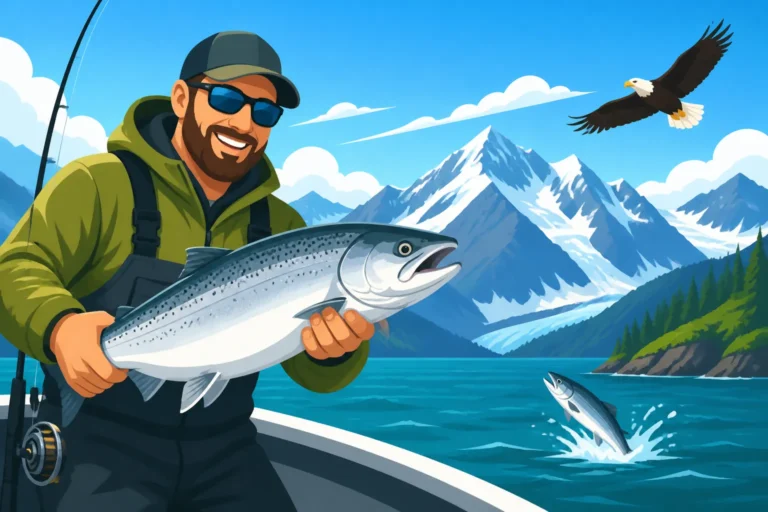
One of the best parts of an Alaskan fishing trip is bringing home your prized catch to share with family and friends. Seward is well-equipped to help you with this, whether you've landed a cooler full of salmon or a massive halibut.
Most fishing charters in Seward will clean and fillet your fish right on the boat or dock. For a nominal fee, many local fish processing facilities in Seward can take your catch, vacuum-seal it, freeze it, and even ship it directly to your home. Companies like J Dock Seafood or Seward Fish Processing are popular choices, offering various services to ensure your fish arrives in perfect condition. It’s a small investment that pays off immensely, saving you the hassle of dealing with fish boxes and dry ice yourself. They'll pack it in airline-approved boxes, making your journey home much simpler. Be sure to discuss these options with your charter captain or visit a processor directly when you arrive in Seward. Understanding the local services available for Fish Processing After an Alaska Charter can help you plan your logistics seamlessly. Remember to also check Alaska Fishing Limits and Bag Limits Explained to ensure you are only taking home legal amounts of fish.
Local Knowledge and Resources
Connecting with the local fishing community can significantly enhance your trip. Anglers and residents in Seward are often passionate about their fisheries and can offer invaluable insights.
Don't hesitate to strike up conversations at local tackle shops, coffee spots, or on the docks. Places like The Fish House in Seward are not just places to buy gear; they're hubs of local knowledge where you can get real-time updates on what's biting, where, and with what. They can offer advice on everything from the best time to fish the tide to which specific lures are performing well. You might also find information on local bulletin boards or community Facebook groups for Seward anglers. These insights can be priceless, especially if you're planning a DIY trip or looking for lesser-known spots. Furthermore, many outfitters on platforms like FishingBooker also offer detailed descriptions of their local expertise, helping you choose the perfect guide. Engaging with the community also means being respectful of their environment and traditions. Seward is a small town with a big heart for fishing, and being a good steward of its natural resources is appreciated by everyone.
Disclaimer
Please note that fishing regulations in Alaska are subject to change at any time due to emergency orders from the Alaska Department of Fish and Game (ADF&G). Always check the latest regulations and emergency orders before you head out on the water. This guide is for informational purposes only and should not replace official sources.