Russian River Sockeye Fishing Guide
Trying to tackle the legendary sockeye run on Alaska's Russian River can feel like trying to solve a complex puzzle, especially with the crowds, ever-changing regulations, and the unique techniques involved. It’s easy to feel overwhelmed, wondering if you're even using the right gear or standing in the right spot. This comprehensive guide is here to demystify the experience, walking you through everything you need to know to successfully and enjoyably fish for sockeye on the Russian River, from timing your trip to navigating the "combat fishing" scene.
Understanding the Russian River Sockeye Run Dynamics
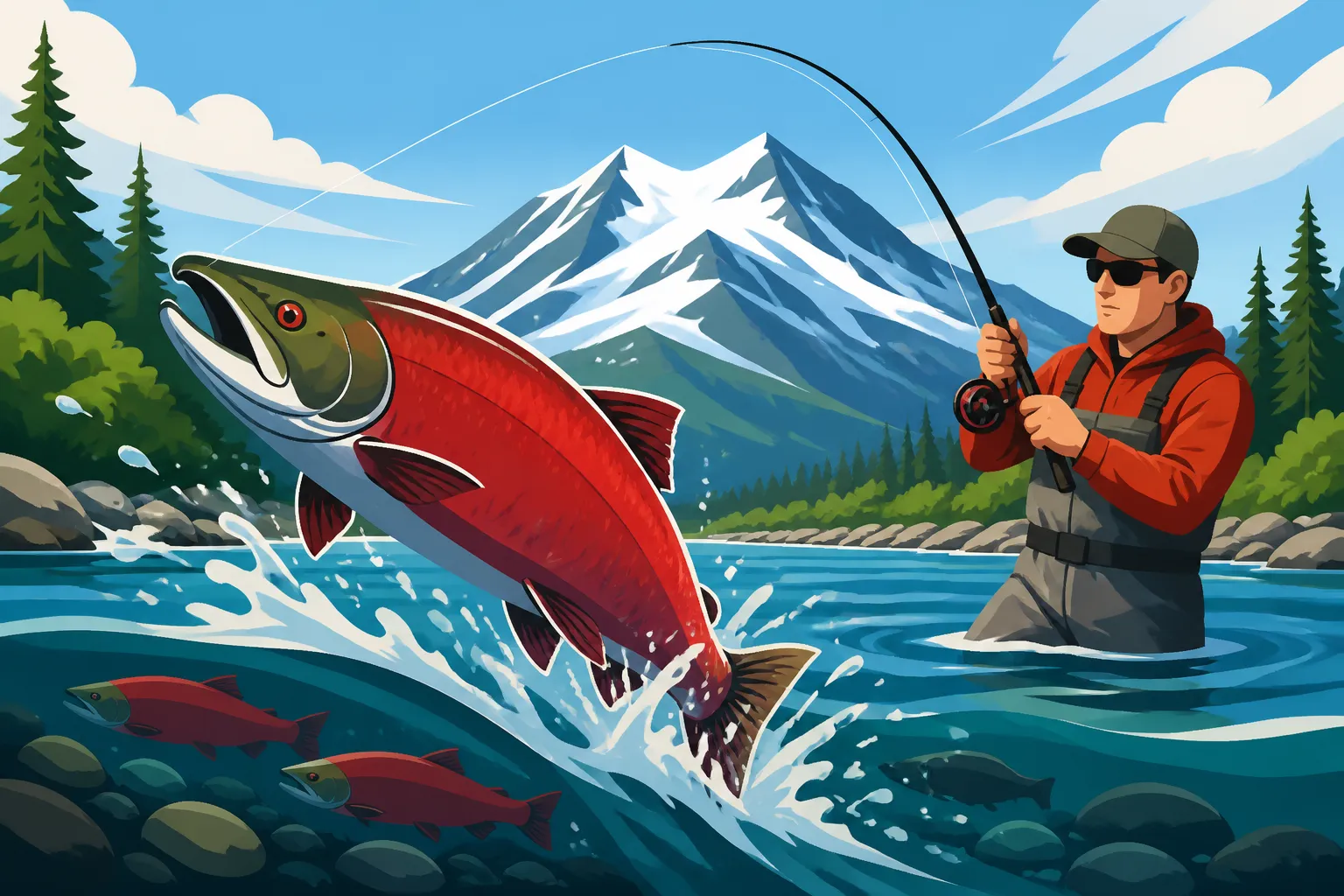
The Russian River, a tributary of the mighty Kenai, is renowned globally for its incredible sockeye salmon runs. These bright red beauties, also known as red salmon, are not just plentiful but also provide a thrilling fight on the line and make for delicious table fare. Understanding the distinct run timings and what makes this river so special for sockeye is your first step to a successful trip.
When to Expect the Sockeye Salmon
The Russian River experiences two primary sockeye salmon runs each summer, providing distinct windows of opportunity for anglers. It's crucial to pay close attention to the timing, as fishing conditions can change rapidly based on the strength and timing of these runs. Missing the peak by even a few days can significantly alter your experience.
The first run typically begins in early to mid-June, often peaking around the third week of the month and continuing into early July. These are the earliest sockeye to arrive, migrating from the Upper Kenai River and then into the Russian. While often smaller in number than the second run, they can still provide excellent fishing opportunities for those who arrive early in the season. Anglers planning for this run might find slightly fewer crowds, especially on weekdays, making for a more relaxed experience compared to the later season frenzy. However, the exact timing can fluctuate based on snowmelt, water levels, and ocean conditions, so it's always wise to check local reports.
The second run is usually the largest and most anticipated, starting in mid-July and often running strong through the first week or two of August. This is when the Russian River truly comes alive with sockeye, as hundreds of thousands of fish make their way upstream. This run is generally more predictable in its timing and offers the highest chances of filling your cooler. However, with the abundance of fish comes a significant increase in angler numbers, leading to the famous "combat fishing" scenarios. If you're planning a trip during this period, prepare for company, and make sure to book any necessary accommodations or guided trips, perhaps through a service like FishingBooker, well in advance. Understanding these run dynamics is key to planning your adventure, and more detailed information can be found in our comprehensive guide on When Do Sockeye Salmon Run in Alaska.
Why the Russian River is a Sockeye Hotspot
The allure of the Russian River for sockeye salmon isn't just about the sheer numbers; it's a combination of natural phenomena and easy accessibility that makes it a prime destination. The river's unique characteristics create an ideal environment for sockeye, drawing them in year after year.
One of the primary reasons for its reputation is its unique confluence with the Upper Kenai River. Sockeye salmon, known for their strong homing instinct, navigate the vast waters of Cook Inlet and then the Kenai River to reach their spawning grounds. Many of these fish are headed for the spawning areas within the Russian River system and its upstream lakes, like Upper Russian Lake. The cold, clear waters of the Russian River, originating from glacial melt and snowpack, provide excellent oxygenation and the perfect habitat for sockeye to rest and stage before moving further upstream to spawn. This specific water chemistry and temperature profile acts like a beacon for these salmon.
Furthermore, the accessibility of the Russian River adds significantly to its appeal. Unlike many remote Alaskan fishing destinations that require expensive bush plane flights, the Russian River is largely accessible by road, located near Cooper Landing on the Kenai Peninsula. This "road system" access means anglers can drive directly to popular fishing areas, including the confluence and various points along the river, making it a more feasible option for many visitors. While there are some portions of the river that require a short hike or a scenic ferry ride across the Kenai to access, the overall ease of getting there contributes to its status as a premier sockeye fishing spot. This combination of biological necessity and angler convenience creates a vibrant, albeit sometimes crowded, fishing experience that is truly unique to Alaska.
Essential Gear and Techniques for Russian River Sockeye
Sockeye fishing on the Russian River is a specialized art form. You can’t just show up with any old rod and reel and expect to hook into these wary fish. The specific techniques and gear required are dictated by the sockeye's feeding habits (or lack thereof, once they enter fresh water) and the river's regulations.
The Art of "Flossing" for Sockeye
When sockeye salmon enter freshwater rivers like the Russian, their primary focus shifts from feeding to spawning. They largely stop actively eating, which means traditional lure and bait fishing methods are often ineffective. This is where the technique known as "flossing" comes into play, and it's absolutely crucial for success on the Russian River.
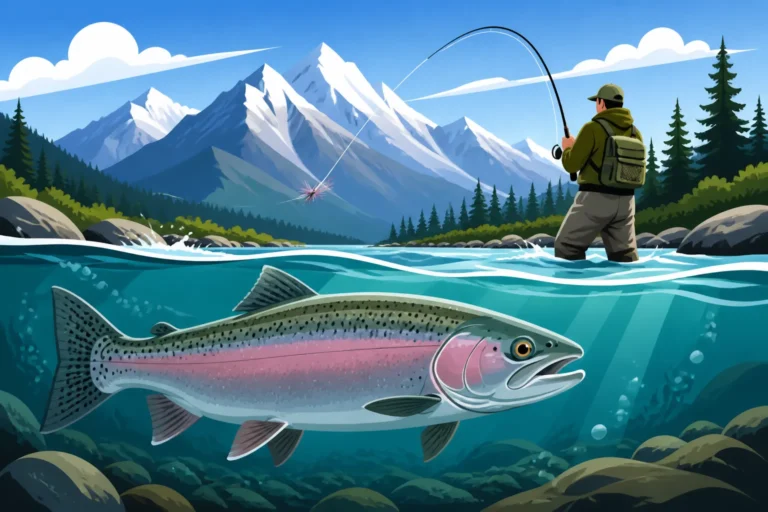
Flossing essentially involves drifting a weighted leader with a short section of line and a bare, unbaited hook through the water column, aiming for the line to pass through the sockeye's open mouth or gill plate. As the line drifts, it "flosses" through the fish's mouth, and a quick upward sweep of the rod sets the hook in the corner of its jaw. It sounds a bit odd, but when done correctly and legally, it's a highly effective way to catch these otherwise uninterested fish. The key is to present your line and hook naturally in the path of schools of sockeye moving upstream. You're not casting at a fish, but rather into areas where fish are concentrated, allowing the current to carry your rig naturally. This method requires a sensitive touch to feel the subtle "tick" when the line passes a fish and quick reflexes to set the hook. Remember, there are strict rules about how much leader length and weight you can use to prevent intentional snagging. Always consult the current Alaska Fishing Regulations Explained for specifics, as they can change.
Recommended Gear Setup
Having the right gear is paramount for Russian River sockeye fishing. Your setup needs to be robust enough to handle powerful fish in strong currents, yet sensitive enough to detect the subtle takes of a sockeye.
A typical setup involves a medium-heavy spinning or casting rod, usually between 9 to 10.5 feet in length. The longer rod provides better line control, crucial for effective flossing, and helps to absorb the shock of a powerful sockeye surge. Pair this with a reliable spinning reel in the 3000-4000 series or a baitcasting reel capable of holding 200 yards of 20-30 lb braided line. Braided line is highly recommended due to its low stretch, which enhances sensitivity and allows for solid hook sets. On the business end, you'll attach a leader of 20-30 lb monofilament or fluorocarbon. The leader length is legally restricted, typically to a maximum of 24 inches from the weight to the hook. Common weights used are pencil lead, slinky weights, or split shot, usually ranging from 1/2 to 1 ounce, depending on current speed and water depth. As for hooks, a 2/0 or 3/0 barbless octopus-style hook is standard. The barbless requirement is non-negotiable on the Russian River, aligning with the general Alaska Barbless Hook Requirements. You won't be using any bait for sockeye here, just a bare hook, perhaps adorned with a small piece of brightly colored yarn or an "egg" bead (often 8-12mm in size) positioned a few inches above the hook, serving as an attractor or strike indicator. Don't forget a good pair of pliers for hook removal and a net with a rubberized mesh to protect the fish and prevent snagging your gear.
What to Wear and Bring
Being comfortable and prepared will make your Russian River sockeye fishing experience much more enjoyable, especially given the variable Alaskan weather.
Layering is absolutely critical. Even on a sunny day, temperatures can drop quickly, and rain is always a possibility. Start with a moisture-wicking base layer, add a fleece or wool mid-layer for warmth, and top it off with waterproof and windproof outerwear. Quality rain gear, including a jacket and pants, is non-negotiable; don't skimp here, as you'll likely be wading in and out of the river and dealing with spray. Waders, specifically chest waders, are essential for accessing prime fishing spots and staying dry in the often chilly river. Neoprene waders offer more warmth in colder water, while breathable waders are great for warmer days, especially if you plan on doing a lot of hiking. Make sure your waders are paired with sturdy wading boots that provide good ankle support and traction on slippery riverbeds. Beyond clothing, remember to bring essential personal items: polarized sunglasses to reduce glare and spot fish, sunscreen, insect repellent (Alaskan mosquitoes and "no-see-ums" are legendary), a hat, gloves (fingerless gloves can be useful), and plenty of water and snacks. A small backpack or fishing vest to carry your tackle, leader material, weights, and a harvest card is also invaluable. If you're planning on staying for several hours or making multiple trips, consider bringing a small cooler to keep your caught fish fresh, ideally packed with ice. For more specific advice on staying dry and comfortable, check out our guide on How to Dress for Alaska Fishing.
Navigating Regulations and Etiquette on the Russian River
Fishing the Russian River is a deeply rooted tradition, but with its popularity comes the need for strict regulations and a strong emphasis on angler etiquette. Knowing the rules and respecting your fellow anglers (and the resource) is just as important as knowing how to fish.
Key Regulations to Know for Sockeye
Alaska's fishing regulations are designed to sustain fish populations and provide fair access for all. On the Russian River, these regulations are particularly stringent due to the high volume of fish and anglers. Ignoring them can lead to significant fines or even confiscation of gear.
First and foremost, you need an Alaska Fishing License: Complete Guide, and for non-residents, a King Salmon stamp is required even if you are only targeting sockeye, as King Salmon can also be present in the river and the stamp covers incidental catches or possession. Always check the current year's sport fishing regulations booklet, specifically for the Southcentral region. These booklets are available online and at most tackle shops. Key rules usually include specific gear restrictions: only unbaited, single-hook artificial lures are typically allowed. Treble hooks and bait are generally prohibited for sockeye in designated areas. The aforementioned "flossing" technique is legal, but only if the hook is attached directly to the main line or leader and not more than two feet from the weight, ensuring it's a drift-and-sweep method, not an intentional snag. Bag limits are strictly enforced, often varying by species and river section, so be sure to consult Alaska Sockeye Salmon Fishing Regulations and Limits for the latest daily and annual limits. Emergency Orders from the Alaska Department of Fish and Game (ADF&G) can change regulations mid-season, sometimes closing fisheries or altering limits due to conservation concerns. Always check for current Emergency Orders before heading out.
The "Combat Fishing" Experience
Fishing the Russian River, especially during the peak of the second sockeye run, is not for the faint of heart. It's often referred to as "combat fishing," and for good reason. Imagine dozens, sometimes hundreds, of anglers lined up shoulder-to-shoulder, casting into the same stretch of water.
This intense environment demands a unique blend of patience, spatial awareness, and good sportsmanship. When you arrive, observe the prevailing casting rhythm. Anglers typically cast upstream at a 45-degree angle, allowing their gear to drift downstream, then reel in and repeat. The unspoken rule is to maintain this rhythm and avoid casting over other anglers' lines. When someone hooks a fish, be prepared to reel in your line quickly to prevent tangles. It's common courtesy to offer assistance if needed, especially when landing a fish or untangling a line. If you're new to the area or feeling unsure, watch the locals for a bit to understand the flow. Crowding is a reality, so embrace it as part of the unique Russian River experience. Finding a spot might require some walking, especially if the popular confluence area is packed. If you’re really struggling to find space, consider exploring slightly less-frequented stretches of the river or even booking a guided trip through a service like FishingBooker, where a local expert can navigate you to the best (and sometimes less crowded) spots. For more tips on this unique experience, read our dedicated guide on Alaska Combat Fishing Rules on the Russian River.
Fish Recording and Harvest Cards
Maintaining accurate records of your catch is not just a suggestion; it's a legal requirement for certain species in Alaska, including king salmon and often for sockeye in specific areas. The Alaska Harvest Record Card Explained is a critical document that accompanies your fishing license.
When you purchase your license, you'll receive a physical or digital harvest record card. For species like sockeye, especially on the Kenai River drainage (which includes the Russian), you must immediately record any harvested fish. This usually means noting the date, location, and species of fish. For instance, if you catch a sockeye on the Russian, you'd mark it down on the "Sockeye Salmon" section, specifying the Russian River. Failure to record a fish immediately after retaining it is a violation and can result in penalties. This system helps the ADF&G monitor harvest rates and make informed management decisions to ensure sustainable fisheries. Treat your harvest card with the same importance as your fishing license; keep it dry, accessible, and ready for use. Learning How to Fill Out an Alaska Harvest Record Card correctly before you even hook your first fish will save you a lot of hassle.
Prime Fishing Spots and Access Points on the Russian River
Knowing where to go and how to get there can make all the difference in your Russian River sockeye fishing adventure. While the entire river holds potential, certain areas are historically more productive and popular.
Key Areas Along the River
The Russian River boasts several key locations where sockeye salmon tend to congregate, each offering a slightly different experience.
The most famous and often most crowded spot is the Russian River Confluence with the Kenai River. This is where a huge portion of the sockeye migrating up the Kenai make their turn into the Russian. The sheer volume of fish here can be astounding, making it a hotspot for both runs. Anglers line the banks of both rivers where they meet, often elbow-to-elbow. Just upstream from the confluence, you'll find the Russian River Ferry, a unique hand-pulled cable ferry that takes anglers across the Kenai to access prime fishing on the far bank of the Russian River. This area, often referred to as the "ferry crossing," provides excellent opportunities, particularly when fish are holding in deeper pools or along the main current seam. Further upstream, beyond the immediate confluence area, the river thins out and becomes more intimate. Stretches near the Russian River Campground offer numerous access points and less congested fishing, especially during weekdays or outside the peak windows of the runs. These areas might require a bit more walking but can reward anglers with solitude and equally productive fishing, often targeting fish that have already moved past the initial gauntlet.
Access and Logistics
Accessing the Russian River is relatively straightforward, especially compared to Alaska's more remote fishing grounds, but planning is still essential. The main access point is typically from the Sterling Highway, near Cooper Landing.
From Anchorage, it's about a two-hour drive south on the Seward Highway, then turning onto the Sterling Highway towards Cooper Landing. Look for signs for the Russian River Campground or the Russian River Falls Trailhead. Parking can be a significant challenge, particularly during the peak of the second run. There are designated parking lots, but they fill up very early, especially on weekends. Arriving before dawn is often your best bet, or be prepared to park further away and walk. From the parking areas, well-maintained trails lead to the various fishing spots. The walk to the confluence can be about a mile or more, so factor in travel time and be ready for a bit of a hike, especially if you're carrying a lot of gear. For those using the Russian River Ferry, it typically operates during the sockeye runs (check ADF&G or local websites for exact operational dates and times), offering a convenient way to cross the Kenai River and reach the prime fishing grounds on the opposite bank of the Russian. There's usually a small fee for the ferry. If you’re traveling a distance, consider booking lodging in Cooper Landing or Soldotna well in advance, as rooms fill up quickly during the summer fishing season. Many anglers also opt for camping at the Russian River Campground or nearby Forest Service campgrounds.
Maximizing Your Russian River Sockeye Experience
Fishing the Russian River is more than just catching fish; it's an immersive Alaskan experience. To truly maximize your trip, it's important to prepare for the unique challenges and opportunities this iconic fishery presents.
Dealing with Crowds and Finding Your Space
Let's be real, the Russian River can get crowded. Sometimes it feels less like a tranquil fishing excursion and more like an organized sport. But don't let the thought of "combat fishing" deter you; with a little strategy and a good attitude, you can still have a fantastic time.
The key to navigating the crowds, especially at the famous confluence, is often timing and mindset. If you're a morning person, arriving at the river before dawn, literally as the sun is thinking about rising, can often give you a solid hour or two of less-congested fishing. Weekdays are generally lighter than weekends. If you're feeling a bit claustrophobic at the main confluence, don't be afraid to walk further upstream. While the confluence is a magnet for fish, sockeye continue their migration upriver, and you can find excellent fishing in less pressured stretches. These spots might require a longer hike through the forest, so be prepared with appropriate footwear and water. Another strategy is to embrace the social aspect. Strike up conversations, learn from experienced anglers, and be a good neighbor. A shared laugh and a respectful approach go a long way in a crowded environment. Remember, everyone is there for the same reason – to catch those beautiful red salmon! Sometimes, working with a guide found through platforms like FishingBooker can offer local insights into less-known spots or strategic timing to avoid the absolute peak of the crowds, giving you a more personalized experience.
Fish Care and Preservation
So, you've battled a feisty sockeye and landed it – congratulations! Now, the crucial next step is properly caring for your catch to ensure its quality for the dinner table. Poor fish handling can ruin the flavor and texture, something you definitely don't want after all that effort.
The moment you decide to retain a sockeye, it's important to dispatch it quickly and humanely. A swift blow to the head with a priest (a small, weighted club) is standard practice. Immediately after, bleed the fish. This is a critical step for quality. You can do this by cutting the gills or the artery under the throat and letting it bleed out in the river water for a few minutes. Bleeding removes blood from the flesh, resulting in a cleaner, milder flavor and better preservation. Once bled, get the fish on ice as soon as possible. A cooler packed with ice is essential. Do not let your sockeye sit in the sun or in warm water. The faster you cool them down, the better their flesh will be. If you're planning a multi-day trip or a longer return journey, consider local fish processors in Cooper Landing or Soldotna. They can clean, fillet, vacuum-seal, and even freeze your catch, preparing it for transport home. Understanding Alaska Fish Processing and Shipping Home Rules is invaluable for ensuring your delicious harvest makes it to your freezer in prime condition.
Safety Considerations on the Russian River
Alaska is wild, and the Russian River is no exception. While fishing can be incredibly rewarding, safety should always be your top priority. The environment presents several unique challenges.
First, bears. Both black and brown (grizzly) bears frequent the Russian River area, attracted by the abundant salmon. Always carry bear spray, know how to use it, and keep it accessible. Make noise while walking on trails to avoid surprising a bear. Store food properly and never leave fish guts or carcasses on the bank; either dispose of them in designated areas or throw them into the fast-moving current where they will quickly wash away. If you hook a fish and a bear is nearby, it's often safer to cut your line and give the bear space. Your safety is worth more than a fish. Second, river currents. The Russian River can have strong currents, especially at the confluence with the Kenai. Wading can be tricky, and the river bottom can be uneven and slippery. Use a wading staff for stability, and always be aware of your surroundings. Never wade beyond your comfort level or in fast-moving, deep water. Third, weather. Alaskan weather is notoriously unpredictable. A sunny morning can quickly turn into a cold, rainy afternoon. Dress in layers, carry rain gear, and be prepared for sudden changes. Hypothermia is a real risk if you get wet and cold. Finally, be mindful of fellow anglers. While "combat fishing" implies a certain intensity, accidents can happen with hooks and casting lines. Maintain a safe distance when casting, be aware of your back-cast, and communicate with those around you. Being prepared for these elements will ensure a safer and more enjoyable trip.
Disclaimer
The information provided in this guide is for general informational purposes only and is not intended as legal advice regarding Alaska fishing regulations. Fishing regulations in Alaska are subject to change frequently due to emergency orders and conservation measures. Always consult the official Alaska Department of Fish and Game (ADF&G) regulations booklet, available online and at licensed vendors, and check for current emergency orders before engaging in any fishing activity. Your adherence to all local and state regulations is your sole responsibility.