Russian River Combat Fishing Explained
If you've ever heard whispers or seen wild videos of anglers shoulder-to-shoulder, casting into a thrashing river where salmon are so thick you could practically walk across them, you've likely encountered the legend (or nightmare, depending on your perspective) of Russian River combat fishing. It's an experience unlike any other in the Last Frontier, often leaving newcomers bewildered and veterans either exhilarated or exasperated. This guide will peel back the layers of this unique angling phenomenon, explaining what it is, when to go, how to prepare, and how to survive (and perhaps even thrive) amidst the glorious chaos.
What Exactly Is Russian River Combat Fishing?
The term "combat fishing" evokes images of a battleground, and honestly, that's not far from the truth, albeit a friendly (mostly!) one. It describes the intense, crowded angling conditions found on specific stretches of rivers during peak salmon runs, particularly for sockeye salmon. The Russian River, a tributary of the famous Kenai River, is perhaps the most iconic location for this style of fishing.
The Phenomenon of the Sockeye Run
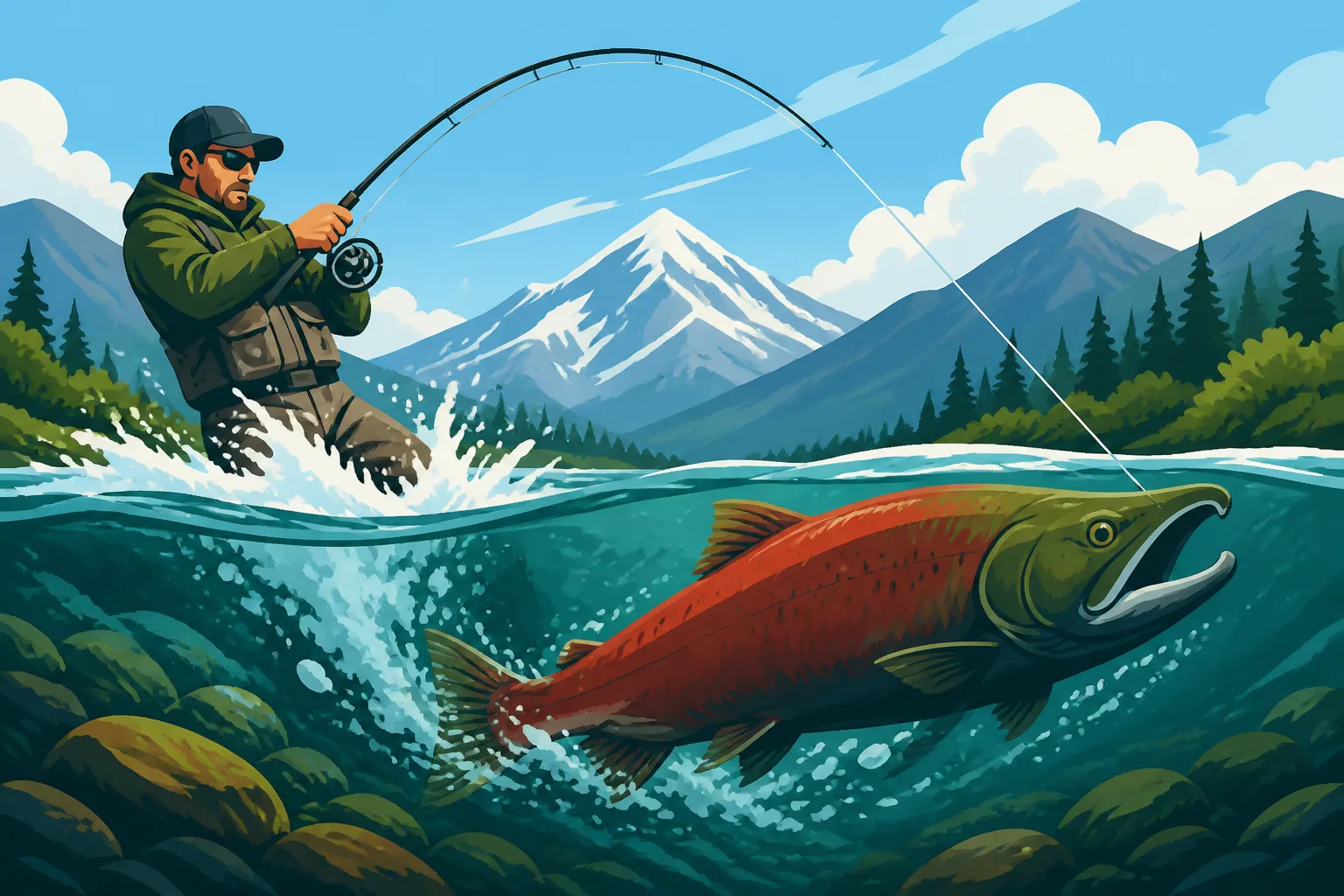
Imagine millions of sockeye salmon, driven by an ancient instinct, making their epic journey from the ocean back to their natal streams to spawn. When these powerful, red-fleshed fish enter a relatively narrow river system like the Russian, especially at bottlenecks or access points, they become incredibly concentrated. This biological spectacle is what draws thousands of anglers. People flock from all over the world, often making it a pilgrimage to intercept these abundant fish. It's not just about catching salmon; it's about being part of this incredible natural event. The sheer volume of fish is astounding, a vibrant, silver, and then crimson tide pushing upstream, creating an almost palpable energy in the water.
This massive influx of fish, coupled with easy public access via the Kenai Peninsula road system and a popular ferry crossing, creates a perfect storm for congestion. Anglers, eager to fill their freezers with some of the best-tasting salmon in the world, line up, often starting before dawn, to claim their spot on the riverbank. It’s a race against the clock and against fellow anglers to get your line in front of those migrating sockeye.
Why "Combat" Fishing? The Crowds and Competition
The "combat" aspect arises directly from this concentration of both fish and people. Picture hundreds of anglers standing elbow-to-elbow, sometimes literally, casting into the same stretches of water. Lines inevitably tangle, tempers can fray, and the competition for prime real estate on the riverbank can be fierce. It's not a serene, solitary wilderness experience; it's a high-energy, bustling event.
Despite the crowded conditions, there's a unique camaraderie that often develops. Everyone is there for the same reason, united by the challenge and the thrill of the sockeye run. You'll see strangers helping each other untangle lines, sharing tips, and celebrating successes. However, it requires a thick skin, patience, and a good sense of humor to truly enjoy. You'll need to master the art of the swift, controlled cast and develop a keen awareness of your surroundings to avoid hitting your neighbor's line, or worse, their head. It's an unwritten rule that you respect the space of others, as limited as it might be, and accept that tangles are just part of the deal.
When and Where to Experience It
Timing is absolutely everything when it comes to Russian River combat fishing. Show up at the wrong time, and you might find solitude, but very few fish. Hit it just right, and you'll be in the thick of the action.
Peak Season for Sockeye
The Russian River primarily sees two distinct sockeye salmon runs. The first run typically arrives in mid-June, often peaking around the last week of June and continuing into early July. These are generally smaller, earlier returning fish. The second run is usually much larger and arrives in mid-July, often peaking from the third week of July through early August. This is when the river truly lives up to its "combat" moniker, with the highest concentration of both fish and anglers.
To maximize your chances, it's crucial to consult the Alaska Department of Fish and Game (ADF&G) for their run forecasts and, more importantly, their in-season reports and emergency orders. What might be legal and productive one day could change the next based on fish returns. Understanding the dynamic nature of Alaska's fishing seasons is key, and you'll find a detailed breakdown in our article on Alaska Salmon Run Timing Explained.
Key Fishing Locations and Access Points
The Russian River, located within the Chugach National Forest, is easily accessible from the Sterling Highway near Cooper Landing. The most popular spots are typically found where the Russian River meets the Kenai River.
- The Ferry Crossing: Many anglers access the prime fishing grounds via a small, privately operated ferry that crosses the Kenai River to the mouth of the Russian. This can be an experience in itself, with lines of eager anglers waiting to cross.
- The "Flats": This is the gravel bar area at the confluence of the Russian and Kenai Rivers. It's a high-traffic area, known for its incredible sockeye concentrations. This is often where the "combat" is at its most intense.
- The Upper River: While still crowded, moving further upstream along the Russian River, past the falls (which are impassable for most boats), can sometimes offer slightly more breathing room, especially on weekdays or during the shoulders of the peak run. Access here typically involves hiking some trails. You can explore more about this area in our comprehensive guide to Kenai River Fishing: Complete Guide.
Parking is always a challenge during peak season. Arrive early – and we mean early, like 3:00 or 4:00 AM – to secure a spot and get on the ferry line if that's your chosen access.
Understanding the Regulations and Emergency Orders
Alaska's fishing regulations are notoriously complex, and the Russian River, being a high-pressure fishery, is subject to frequent changes. Sockeye salmon are typically caught using a technique often referred to as "flossing" or "lining" due to their tendency not to bite lures or bait once they enter freshwater and begin their spawning migration. This method is legal in designated areas and requires specific gear configurations.
It's absolutely critical to familiarize yourself with the current Alaska Fishing Regulations Explained, particularly those pertaining to the Kenai Peninsula and the Russian River. Pay close attention to:
- Bag Limits: How many sockeye you can keep per day and in possession. These can change frequently based on run strength. Our article on Alaska Sockeye Salmon Fishing Regulations and Limits provides detailed information.
- Gear Restrictions: What type of hooks (e.g., single, barbless), weights, and leader lengths are permitted.
- Time Restrictions: Specific hours of the day when fishing is allowed or prohibited.
- Emergency Orders: ADF&G frequently issues emergency orders that can open or close fisheries, change bag limits, or modify gear rules with very little notice. This is particularly common on the Kenai River system. Always check the ADF&G website or call their local hotline before you head out. You can learn more about how these changes affect your trip in our piece on Alaska Fishing Emergency Orders Explained. Failure to comply can result in hefty fines and forfeiture of your catch and gear.
Essential Gear and Techniques for Success
You wouldn't go into "combat" without the right tools, and the same goes for Russian River sockeye. Forget your delicate fly rod or your baitcasting setup for bass; sockeye fishing here demands a specific approach.
The "Flossing" Technique and Its Nuances
The primary method for catching sockeye in the Russian River is "flossing." It's essentially a method where you drift your line, weighted appropriately, across the river bottom in a way that allows the leader and bare hook to pass through a sockeye's mouth, ideally snagging it in the corner. It sounds a bit like snagging, but when done correctly within the regulations (which usually specify a certain leader length between the weight and the hook), it's a legal and highly effective technique.
Here's the basic rundown:
- Casting: Cast slightly upstream and across the current.
- Drifting: Let your weight sink to the bottom quickly. The goal is for your line, with the small bare hook on a long leader, to drift naturally along the riverbed where the sockeye are migrating.
- Feeling the Fish: You'll feel a subtle bump or resistance when your line touches a fish. It's not a typical "bite."
- Setting the Hook: When you feel that bump, give a swift, upward sweep of your rod to set the hook. With hundreds of fish in the river, you'll be doing this often, and learning to distinguish between a rock and a fish is key.
Mastering this requires practice, a good feel for your tackle, and patience. You can dive deeper into this technique with our guide on How to Catch Sockeye Salmon in Alaska.
Recommended Rods, Reels, and Line
For successful (and enjoyable) combat fishing, you need robust gear.
- Rods: A medium-heavy to heavy spinning rod, typically 9 to 10.5 feet long, is ideal. The extra length helps with casting across the river, mending your line, and controlling fish in the current and around other lines. A stout backbone is crucial for setting the hook quickly and fighting strong sockeye. Brands like Ugly Stik or Lamiglas offer durable options that stand up to the rigors of this type of fishing.
- Reels: A high-quality spinning reel in the 4000-6000 size range with a smooth, powerful drag is essential. You'll be making countless casts and reeling in powerful fish, so durability is key. Shimano and Penn make reels that can take a beating.
- Line: Spool your reel with 30-50 lb braided line for your main line. Braid offers incredible sensitivity to feel those subtle bumps and has minimal stretch for strong hooksets. You'll then attach a fluorocarbon leader (15-25 lb test, 2-4 feet long, depending on regulations) to your braid, to which you'll tie your bare hook and attach your pencil lead weight. Our guide on Alaska Fishing Gear and Tackle Guide can provide more general insights.
What to Wear and Bring Beyond Fishing Tackle
Don't underestimate Alaska's weather or the demands of the day.
- Waders: Chest waders are a must. You'll be standing in the river for hours, and the water is cold. Neoprene waders offer excellent insulation. Make sure you have sturdy wading boots with good ankle support.
- Rain Gear: Even on a sunny day, Alaska weather can turn on a dime. A good quality, waterproof rain jacket and pants are non-negotiable. Look for breathable options to avoid getting clammy.
- Layers: Dress in layers. Start with a moisture-wicking base layer, add fleece or wool for insulation, and top with your rain gear. You can shed or add layers as the day warms or cools.
- Essentials:
- Fishing License and King Salmon Stamp (if applicable): Always have your valid Alaska fishing license and any required stamps. Remember that you may need a Do You Need a King Salmon Stamp in Alaska even if you're targeting sockeye, depending on where you are fishing and what other species might be present.
- Harvest Record Card: This is crucial for recording your catch, especially for species like King Salmon or other regulated fish.
- Pliers/Forceps: For hook removal.
- Stringer or Cooler: To keep your catch fresh. Many anglers use stringers that clip to their waders.
- Snacks and Water: You'll be out there for hours, so stay hydrated and fueled.
- Sunscreen and Hat: Even on cloudy days, UV exposure can be high.
- Bug Spray: Mosquitoes and gnats can be relentless, especially near the river.
- Bear Spray: You are in bear country. Be bear aware and carry bear spray on your hip, readily accessible.
Navigating the Crowds and Maintaining Etiquette
Russian River combat fishing is a social experience whether you like it or not. Knowing how to navigate the crowds gracefully will make your trip much more enjoyable.
Unwritten Rules of the River
While no official rulebook covers etiquette, seasoned anglers generally adhere to these guidelines:
- Maintain Your Lane: Once you've found a spot, cast straight out or slightly upstream, and let your drift go downstream. Do not cast across multiple "lanes" of other anglers. This is the quickest way to create tangles and frustration.
- Patience is a Virtue: Tangles will happen. When they do, calmly work with the other angler to untangle lines. Shouting or aggression solves nothing and just sours the experience for everyone.
- Respect Boundaries: Personal space is limited. Don't crowd someone who already has a spot. If you want a specific spot, you often need to arrive early to claim it.
- Move Downstream: If you hook a fish and need to fight it, try to move downstream away from the main group if possible, to minimize interference with other lines.
- Share Information: If someone asks what's working or where the fish are, offer helpful advice. A rising tide lifts all boats, or in this case, helps fill all stringers.
- Clean Up Your Area: Leave no trace. Pack out all your trash, including discarded fishing line and broken gear.
Safety Considerations and Bear Awareness
Fishing in Alaska, even in crowded areas, comes with inherent risks.
- River Current: The Kenai and Russian Rivers have strong currents. Wading can be treacherous. Use a wading staff for stability and never wade beyond your comfort level or where the water is too swift or deep.
- Hypothermia: Even in summer, prolonged exposure to cold river water can lead to hypothermia. Dress in layers and have warm, dry clothes available.
- Bears: The Kenai Peninsula is prime bear habitat, especially with salmon present. Both black and brown bears frequent the riverbanks. Always carry bear spray and know how to use it. Make noise while hiking, store food properly, and keep your fishing area clean of fish guts or scraps. Being in a crowd can offer some safety in numbers, but never let your guard down.
- First Aid: Carry a basic first aid kit for minor cuts, scrapes, or hook injuries.
- Stay Sober: Alcohol and swift, cold rivers, combined with sharp hooks and heavy current, are a dangerous mix. Stay sharp and aware of your surroundings.
Managing Expectations and Embracing the Experience
Go into Russian River combat fishing with an open mind and realistic expectations. You might not catch your limit every day. You will get tangled. You will witness some bizarre fishing techniques and maybe some frustrated anglers.
However, if you embrace the unique atmosphere, the sheer joy of seeing so many salmon, and the challenge of catching them in such conditions, it can be an incredibly memorable experience. It's a true slice of Alaskan angling culture, and for many, an annual tradition. Don't be afraid to strike up conversations, learn from the locals, and savor the hard-earned salmon you bring home. If you prefer a more tranquil experience, look into other options on the Kenai Peninsula, or consider booking a guided trip with a reputable outfitter through platforms like FishingBooker, which can help you find guides who might take you to less crowded spots or target other species.
Pros and Cons of Russian River Combat Fishing
Like any unique experience, combat fishing has its upsides and downsides. Here’s a quick overview:
| Aspect | Pros | Cons |
|---|---|---|
| Fish Abundance | Incredible numbers of sockeye salmon, high catch rates possible. Excellent chance to fill your freezer. | High density of fish attracts crowds; not ideal if seeking solitude. |
| Accessibility | Easy roadside access compared to many remote Alaskan fisheries. Relatively inexpensive DIY option. | Limited parking, long waits for ferry, prime spots taken quickly. |
| Cost | Apart from license, gear, and travel, it's a very affordable way to fish in Alaska, no charter fees. | Requires upfront investment in specific gear (waders, long rod); potential for lost gear due to tangles or snags. |
| Experience | Unique, high-energy, social atmosphere. Witness an incredible natural spectacle. Great for learning from others. | Can be frustrating with constant tangles, jostling for space, and occasional rude behavior. Not a "wilderness" experience. |
| Learning Curve | Can quickly learn effective techniques due to high fish density and observing experienced anglers. | Requires mastering a specific technique ("flossing") which can be challenging for beginners. Easy to foul-hook fish accidentally. |
| Catch Quality | Sockeye salmon are prized for their flavor and firm, red flesh, excellent for eating, smoking, and canning. | Fish can be less pristine (dull coloration, some spawning marks) the further upstream they've traveled. |
| Physical Demands | Requires stamina for standing in cold water, repetitive casting, and fighting strong fish. | Can be physically tiring, especially for multiple days. Cold water exposure is a factor. |
Alternative Fishing Experiences Nearby
If the thought of combat fishing sends shivers down your spine, or you simply want to diversify your Alaskan angling adventure, the Kenai Peninsula offers a wealth of other fantastic options.
Less Crowded Sockeye Options
While the Russian River is the most famous, other rivers on the Kenai Peninsula also get sockeye runs, often with fewer crowds. These might require a bit more effort to reach or might simply be less well-known to the masses. Consider looking into smaller tributaries or different access points along the main stem of the Kenai River. Sometimes, even just fishing a little earlier or later in the run, or mid-week instead of on a weekend, can significantly reduce the pressure. The Russian River Sockeye Fishing Guide also offers additional insights into specific tactics that can give you an edge.
Other Species and Techniques on the Kenai Peninsula
The Kenai Peninsula is an angler's paradise, offering much more than just sockeye.
- King Salmon: Early season (May-June) offers the chance for trophy King Salmon, also known as Chinook. These fish are powerful fighters.
- Silver Salmon (Coho): Arriving later in the summer (August-September), silvers are acrobatic and aggressive, often striking lures and flies.
- Rainbow Trout and Dolly Varden: The Kenai River is world-renowned for its monstrous rainbow trout, especially in the clear waters below Kenai Lake. These trout feed heavily on salmon eggs during and after the salmon spawn. Fly fishing for these species can be incredibly rewarding. Our Alaska Rainbow Trout Regulations can give you a head start on what's allowed.
- Halibut and Saltwater Species: Head to coastal towns like Homer or Seward for world-class saltwater fishing. Charter boats regularly target giant halibut, lingcod, and various rockfish in the deep waters of Kachemak Bay or Resurrection Bay. You can explore these opportunities with a local guide through platforms like FishingBooker, which makes it easy to compare options and book trips.
- Fly-Out Fishing: For the ultimate wilderness experience, consider a fly-out trip to a remote lodge or river system where you'll have pristine waters and abundant fish all to yourself. This is a pricier option but offers unparalleled solitude and incredible fishing.
The Kenai Peninsula has some of the Best Fishing Spots on the Kenai Peninsula, catering to every type of angler, from those who embrace the crowd to those who seek complete solitude.
Disclaimer
Fishing in Alaska involves inherent risks, including but not limited to changing weather conditions, strong currents, wildlife encounters (especially bears), and rapidly changing regulations. Always prioritize your safety, be aware of your surroundings, and adhere strictly to all current Alaska Department of Fish and Game regulations and emergency orders. This guide is for informational purposes only and should not replace official sources or professional guidance.