Kenai River Rainbow Trout Fishing Guide
For anyone dreaming of battling a truly magnificent wild rainbow trout, the Kenai River in Alaska isn't just a destination—it's an almost mythical pilgrimage. But let's be honest, arriving at such an iconic river without a solid game plan can feel overwhelming, like staring at a vast, rushing puzzle. This guide cuts through the noise, offering an in-depth look at how to effectively target and successfully land those legendary Kenai River rainbow trout, ensuring your trip lives up to the hype.
Why the Kenai River is a Rainbow Trout Haven
The Kenai River isn't just a good place to fish for rainbow trout; it's often considered the best, a bucket-list destination for serious anglers worldwide. The sheer size and wild nature of its rainbow trout population are unparalleled, drawing comparisons to distant, exotic fisheries. This isn't just luck; it's a testament to a unique ecological engine that fuels these fish to incredible proportions.
The Kenai's Rich Ecosystem: Salmon Carcasses and Roe
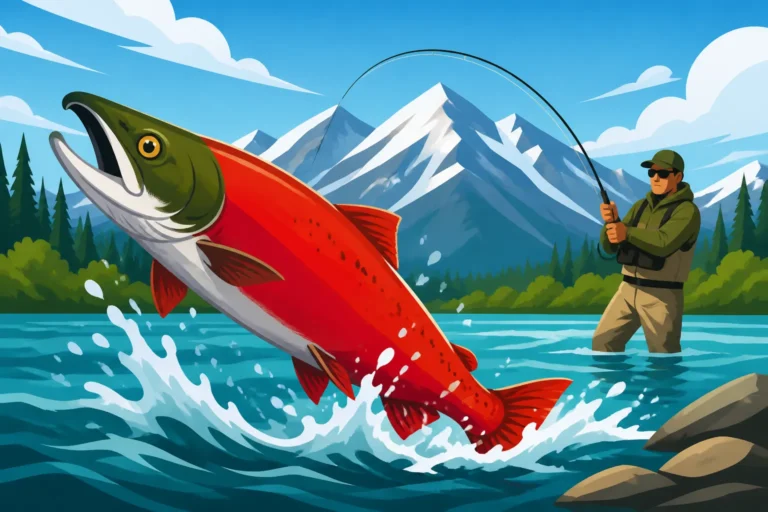
What makes the Kenai River’s rainbow trout so robust and numerous? The answer lies in the river's massive annual salmon runs. Imagine millions upon millions of Pacific salmon—King (Chinook), Sockeye (Red), and Coho (Silver)—surging upstream to spawn. These salmon are not just an impressive spectacle; they are the primary food source for the Kenai's rainbow trout. As salmon complete their life cycle, their decaying carcasses release vital nutrients back into the ecosystem, and perhaps most importantly, their eggs become an all-you-can-eat buffet for the resident trout.
During peak salmon runs, particularly the Sockeye run in July and the Coho run later in the summer and into fall, the riverbed can be thick with salmon eggs. Rainbow trout position themselves strategically to gorge on these protein-rich morsels, growing fat and strong at an astonishing rate. This natural bounty means the trout have a consistent, high-calorie diet for months, which is directly responsible for their impressive size and fighting prowess. It's a prime example of a nutrient-rich river ecosystem at its finest, creating conditions for truly world-class trout fishing.
Trophy Potential and Wild Fish
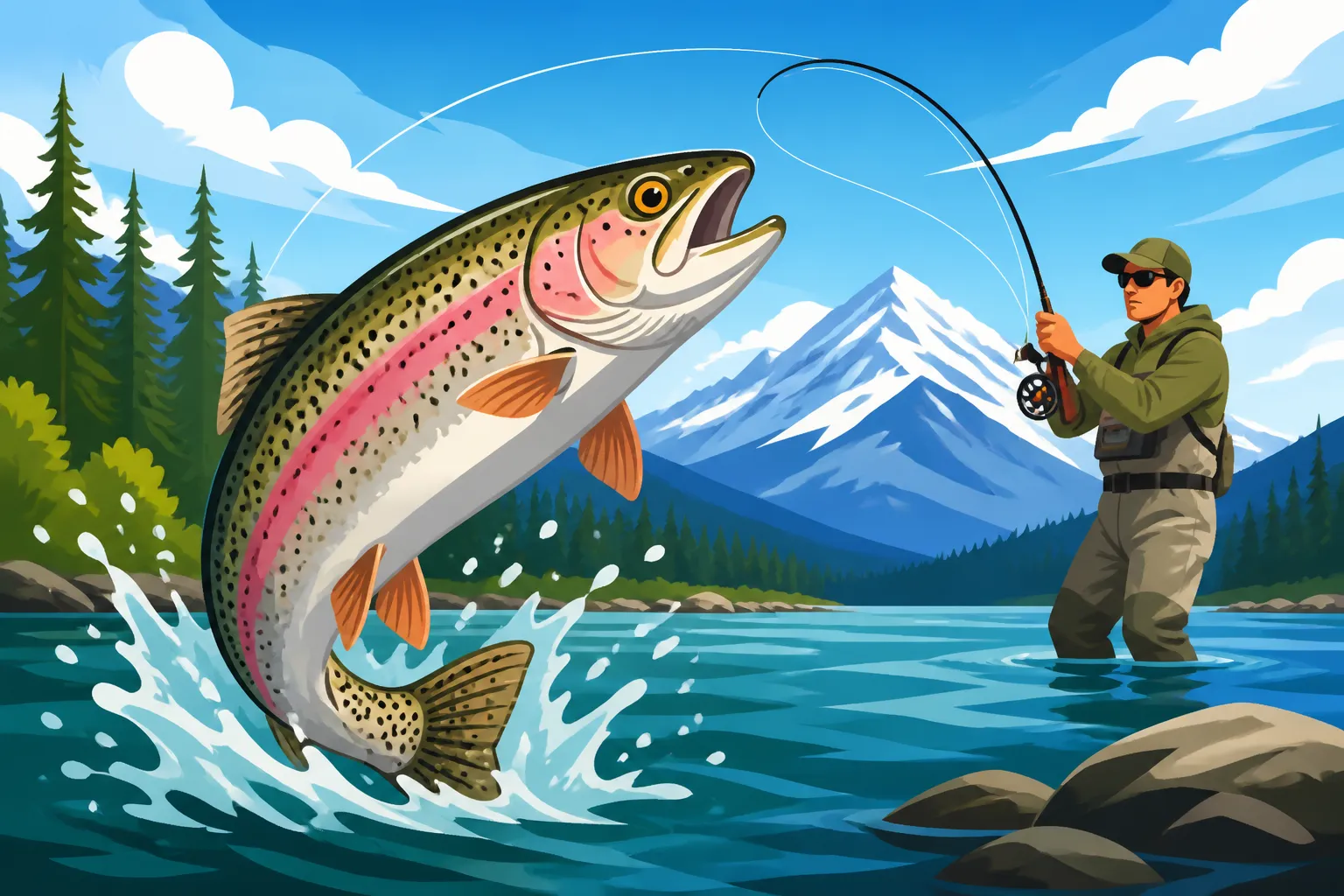
When we talk about "trophy trout" in Alaska, the Kenai River is typically at the forefront of the conversation. These aren't your average stocked hatchery fish; Kenai rainbows are wild, native, and incredibly powerful. Fish routinely push into the 20-30 inch range, with some giants exceeding 30 inches and tipping the scales at over 10 pounds. These "leopard rainbows," as they're often called due to their distinctive spots, are known for their strong runs, acrobatic jumps, and sheer determination. Landing one is a true test of an angler's skill and tackle.
The thrill of pursuing these wild leviathans is a significant part of the Kenai's allure. They inhabit a pristine, wild environment, and every hookup feels earned. The pristine waters of the Kenai Peninsula provide the perfect habitat, with ample cover, oxygenated flows, and that consistent food supply. It’s not just about size; it’s about the raw, untamed spirit of these fish that make every encounter memorable. This is a fishery where records are broken and lifelong memories are forged, all thanks to the incredible genetic fortitude and bountiful environment of the Kenai River.
Best Times and Seasons for Kenai Rainbow Trout
Timing your Kenai River rainbow trout trip is absolutely crucial for maximizing your chances of success. The river's productivity for trout is intimately tied to the salmon runs, so understanding these cycles will guide you to the best windows of opportunity.
Summer (July-August) Trout Fishing
Summer on the Kenai River is synonymous with the Sockeye salmon run, and for rainbow trout anglers, it marks the beginning of prime feeding time. From early July through August, millions of Sockeye flood the river. As these salmon spawn, their eggs drift downstream, creating an abundant food source for the waiting rainbows. This is a fantastic time for sheer numbers of trout, as the fish are actively feeding and often easier to locate.
During July and August, the trout are often concentrated in specific areas where salmon are spawning or where eggs collect. While the focus might be on egg patterns, the trout are typically robust and aggressive. The weather is generally warmer and the days are long, thanks to Alaska's midnight sun, offering ample fishing hours. However, this is also peak season for all types of fishing on the Kenai, which means more boat traffic and anglers on the river. Be prepared for company, but also for incredible action as the trout are in a full-on feeding frenzy. This is also the time when many guided trips are available, and booking in advance through platforms like FishingBooker is highly recommended.
Fall (September-October) Trout Fishing
While summer is great, many seasoned Kenai River anglers consider the fall, particularly September and early October, to be the absolute pinnacle for trophy rainbow trout. By this time, the salmon runs have mostly subsided, and many salmon have spawned and died. Their decaying carcasses and remaining eggs become an incredibly rich food source. The trout, having feasted all summer, are at their largest and most aggressive. They switch from solely eating eggs to gorging on flesh, nymphs, and larger streamers.
The fall fishing offers several advantages:
- Larger Fish: Trout have had a full season of feeding and are at their peak weight.
- Fewer Crowds: As the salmon fishing pressure subsides, the river often quiets down, offering a more serene and focused trout fishing experience.
- Aggressive Bites: Trout are building up reserves for winter and are less selective, often willing to chase larger flies and lures.
- Stunning Scenery: The Kenai Peninsula in fall is breathtaking, with vibrant autumn colors adding to the magic.
This period requires a slightly different approach, often favoring flesh patterns and larger nymph imitations. If your goal is to land a truly massive Kenai rainbow, aiming for the late summer to early fall window will give you the best shot. Check the current Alaska fishing seasons to ensure you're compliant with any specific regulations for this time of year.
Spring (May-June) and Winter Fishing
While less popular than the summer and fall, dedicated anglers can find opportunities for Kenai River rainbow trout in the spring and even during mild winter periods.
- Spring (May-June): As the ice breaks up and snowmelt feeds the river, trout begin to become more active. This pre-salmon run period can offer good fishing for hungry, lean trout that are looking for a meal after a long winter. Nymphs, small streamers, and even dry flies on warmer days can be effective. However, river conditions can be challenging with high, turbid water from snowmelt, making fishing difficult. This is a time for persistence and local knowledge.
- Winter (November-April): Ice fishing opportunities exist on some of the Kenai's lakes and slower sections of the river, but open-water rainbow trout fishing is very challenging and highly dependent on mild weather. Most anglers focus on ice fishing for other species during this time. For the most part, the Kenai River "shuts down" for serious rainbow trout efforts during the harshest winter months.
It's vital to note that conditions can change rapidly in Alaska. Always check the latest Kenai River fishing reports and Emergency Orders issued by the Alaska Department of Fish and Game (ADF&G) before you head out, as regulations can shift mid-season.
Here's a quick overview of the seasons:
| Season | Primary Months | Trout Activity Level | Primary Food Source | Recommended Techniques | Crowds |
|---|---|---|---|---|---|
| Spring | May – Early June | Moderate | Insects, Smolt | Nymphing, Small Streamers, Spin Fishing (light lures) | Low |
| Early Summer | Mid-June – Early July | High | Insects, Early Roe | Nymphing, Egg Patterns (early), Streamers | Moderate |
| Peak Summer | Mid-July – August | Very High | Salmon Roe | Egg Patterns (bead fishing), Flesh Flies | High |
| Fall | September – October | Very High | Salmon Roe, Flesh | Egg Patterns, Flesh Flies, Large Streamers, Nymphing | Moderate-Low |
| Winter | November – April | Low | Minimal | Very limited open water; ice fishing for other species | Very Low |
Essential Gear and Techniques for Kenai Rainbow Trout
Successfully fishing for Kenai River rainbow trout requires a thoughtful approach to gear and technique. These are powerful, often large, wild fish in a strong river system, so coming prepared is key.
Rods, Reels, and Line
For such strong fish, you'll want gear that can handle the fight and the river's powerful currents.
-
Fly Fishing Gear:
- Rods: A 6-weight to 8-weight fly rod, typically 9 to 10 feet in length, is ideal. A 6-weight is good for smaller to medium trout and if you want more of a fight, but an 8-weight provides the backbone needed to cast heavier rigs and turn larger fish in heavy current without over-stressing the fish. Many anglers prefer a 7-weight for its versatility.
- Reels: A good quality reel with a smooth, strong drag system is essential. It doesn't need to be huge, but it should hold plenty of backing (at least 150 yards of 20 lb dacron) for those long runs.
- Line: A weight-forward floating line is standard. For nymphing and bead fishing, a specific nymphing line or a regular floating line with a long leader setup works well. You might also want a sink-tip line for stripping heavier streamers.
- Leaders and Tippet: For leaders, a 9-12 foot tapered leader finishing in 2X or 3X is a good starting point. You'll want to carry tippet spools in 0X-4X. Strong fluorocarbon tippet (8-15 lb test) is highly recommended for its abrasion resistance and invisibility underwater, especially when targeting larger fish in clear water.
-
Spin Fishing Gear:
- Rods: A medium-light to medium power spinning rod, 7 to 9 feet long, is a solid choice. This length helps with casting distance and managing line in the current.
- Reels: A reliable spinning reel in the 2500-4000 series range with a smooth drag is perfect.
- Line: 10-15 lb braided line is popular for its sensitivity and strength, often with a 6-10 lb fluorocarbon leader attached for stealth. Alternatively, 8-12 lb monofilament can also work well.
Remember, the Kenai River can be tough on gear, so bringing robust and reliable equipment is paramount.
Top Techniques for Success
Fishing for Kenai River rainbow trout primarily revolves around two main approaches: fly fishing and spin fishing, both highly effective when employed correctly.
-
Fly Fishing for Trout:
- Bead Fishing: This is perhaps the most iconic and effective technique on the Kenai, especially during and after salmon runs. It involves drifting a small, translucent "egg" bead (typically 6mm-10mm) tied above a small hook, mimicking a salmon egg. The key is to get a perfect dead drift along the bottom where the trout are feeding. Matching bead color to the prevalent salmon eggs (e.g., natural salmon egg, dark roe) is crucial. Learning how to Fish Beads for Alaska Trout is a skill that will pay dividends.
- Flesh Flies: In the fall, after salmon have spawned and started to die, flesh flies (patterns mimicking decaying salmon flesh) become incredibly effective. Trout gorge on these protein-rich meals to build energy for winter. Drifting or swinging these patterns through current seams and around salmon carcasses can be deadly.
- Streamers: Larger streamers mimicking smolt, sculpins, or other baitfish can entice aggressive strikes from opportunistic trout, especially in faster water or when trout are not focused on eggs.
- Nymphing: While eggs and flesh are dominant, traditional nymphing with stoneflies, caddis, and mayfly imitations can work, especially in the spring or when salmon eggs are less abundant.
-
Spin Fishing for Trout:
- Drifting Beads/Soft Beads: Similar to fly fishing, spin anglers can drift soft beads or pegged beads under a bobber or float. This allows for excellent control over the drift and depth, presenting the imitation egg naturally to the trout.
- Spinners and Spoons: Small, brightly colored spinners (e.g., Mepps, Rooster Tail) or spoons (e.g., Pixee, Daredevil) can be effective, especially for more actively feeding trout or in areas with less current. Cast upstream and retrieve with a slow, steady motion to allow the lure to tumble naturally.
- Plugs/Hard Baits: Very occasionally, small plugs or suspending jerkbaits can elicit aggressive strikes, particularly during low light conditions or when targeting bigger, more predatory trout.
No matter your chosen method, understanding the river's currents, reading the water to identify holding lies (where fish rest and feed), and achieving a natural drift or retrieve are universal keys to success.
Critical Flies and Lures
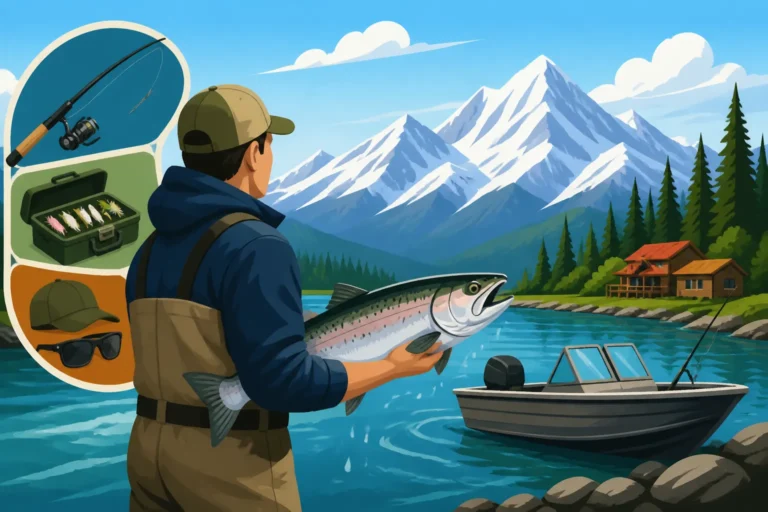
Having the right selection of flies and lures is paramount for Kenai River rainbow trout. Here's what your tackle box should look like:
- Beads: A variety of colors and sizes (6mm-10mm) is essential. Think "trout bead" colors: opaque orange, natural roe, peach, milky white, and even chartreuse. Carry both unpegged and pegged varieties.
- Egg Patterns: Glo-Bugs in various salmon egg colors (Oregon Cheese, Roe, Cerise, Chartreuse).
- Flesh Flies: White, pink, tan, and natural-colored flesh flies in various stages of decay (e.g., "Sculpzilla" or "Dolly Llama" in flesh tones).
- Streamers: Patterns imitating sculpins, juvenile salmon, and other baitfish (e.g., Clouser Minnows, Woolly Buggers in olive, black, white).
- Nymphs: Stonefly nymphs (Pat's Rubber Legs), caddis larva, and pheasant tails.
- Spinners: Sizes #2-4 in various blade colors (silver, gold, copper) and body colors (chartreuse, orange, black). Mepps Aglia or Comet, Rooster Tail, or Panther Martin are popular choices.
- Spoons: Small spoons like a 1/4 oz Pixee Spoon (with or without the plastic insert), or a small Daredevil.
Always check the regulations for any bait restrictions or specific lure requirements, as these can change. Many experienced anglers and guides list their services on platforms like FishingBooker, and they often provide insights into the most effective current flies and lures. You can often find detailed information on Best Lures and Bait for Alaska Rainbow Trout from local tackle shops and online resources.
Navigating Regulations and Conservation
Fishing the Kenai River is an incredible experience, but it comes with a significant responsibility to understand and abide by its complex regulations. These rules are designed to protect the fragile ecosystem and ensure sustainable fishing for future generations. Ignoring them can lead to hefty fines and damage the fishery.
Understanding Kenai River Regulations
The Kenai River, especially the famed "trophy trout section" from Skilak Lake downstream to Cook Inlet, has specific rules that differ from other parts of Alaska. It's not enough to simply have an Alaska Fishing License: Complete Guide; you need to understand the nuances of this particular river.
Key regulations often include:
- Catch-and-Release: Many sections of the Kenai River are designated catch-and-release for rainbow trout, particularly the "trophy trout" section. This means all rainbow trout must be immediately released unharmed. Make sure you are familiar with Alaska Kenai Rainbow Trout Catch-and-Release Areas.
- Single Hook, Barbless: To minimize harm to released fish, often only a single hook is allowed, and it must be barbless. If your hooks come barbed, crimp the barb down with pliers.
- No Bait Restrictions: Depending on the season and specific river section, bait may be prohibited when targeting rainbow trout. This is to prevent accidental hooking of non-target species or harm to trout that ingest bait too deeply. Generally, only artificial lures or flies are permitted.
- Varying Limits: While the trophy section is C&R, other parts of the river or tributary streams might have different regulations. Always consult the most current ADF&G Sport Fishing Regulations booklet for the Southcentral region. Understanding how to Read the Alaska Sport Fishing Regulations Booklet is crucial.
These regulations are subject to change, sometimes even in-season, via Emergency Orders. It's vital to check the ADF&G website or local ranger stations for the latest updates before each fishing trip. A simple call to a local tackle shop or guide service can also provide real-time information.
The Importance of Catch-and-Release
For a river like the Kenai, with its world-class wild rainbow trout, catch-and-release is not just a rule; it's a fundamental conservation practice. These large, long-lived trout represent years of growth and genetic strength. Improper handling can cause significant stress, injury, or even death, undermining the conservation efforts.
Adhering to catch-and-release best practices is crucial:
- Minimize Fight Time: Use appropriate gear (as discussed above) to land fish quickly, reducing exhaustion.
- Wet Hands: Always wet your hands before touching a fish. Dry hands can remove the fish's protective slime layer, making it susceptible to disease.
- Keep Fish in Water: Whenever possible, keep the fish in the water while unhooking it. Avoid dragging it onto the bank or boat.
- Handle Gently: Support the fish horizontally, ideally with one hand under the belly and the other gently gripping the base of the tail. Avoid squeezing its midsection or gills.
- Quick Release: Use forceps or a hemostat to quickly remove the hook. If the fish is deeply hooked, cut the line as close to the hook as possible rather than tearing tissue.
- Revive If Needed: If the fish is lethargic, hold it upright in the current, facing upstream, until it can swim away under its own power. Do not pump it back and forth.
By practicing responsible catch-and-release, you contribute directly to the health and vitality of the Kenai River's incredible rainbow trout fishery. For more detailed guidance, refer to Alaska Catch-and-Release Best Practices.
Hiring a Local Guide
Given the complexities of the Kenai River's regulations, its ever-changing conditions, and the sheer vastness of the system, hiring a local fishing guide is often the best investment you can make, especially if it's your first time.
A good guide provides:
- Expert Knowledge: They know the river's currents, the best holding lies, and where the trout are feeding at any given time.
- Up-to-Date Regulations: They are intimately familiar with all local rules, emergency orders, and bag limits, ensuring you stay compliant.
- Proper Gear and Techniques: Guides will provide high-quality rods, reels, and tackle, and instruct you on the most effective techniques for the day's conditions.
- Safety: They understand river hazards and can navigate safely.
- Better Success Rates: Their expertise significantly increases your chances of finding and landing trophy trout.
Many fantastic guides specializing in trophy rainbow trout fishing on the Kenai River are available through services such as FishingBooker. You can browse their profiles, read reviews, and find a guide whose style and expertise match your fishing aspirations. They can help you with everything from understanding Alaska Fishing Regulations Explained to teaching you the nuanced art of bead fishing. Don't underestimate the value of local expertise in a place as dynamic and rewarding as the Kenai.
Disclaimer
Please be aware that fishing regulations in Alaska, especially on dynamic river systems like the Kenai, can change frequently due to emergency orders from the Alaska Department of Fish and Game. Always verify the most current regulations before you head out on the water. This guide provides general information and should not be considered a substitute for official regulatory documents. Always prioritize safety and responsible fishing practices.